
Zeus, the king of the Greek gods, possesses both remarkable strengths and notable weaknesses that define his character in mythology. Understanding these aspects provides insight into his complex persona and the narratives that surround him [1].
Overview of Zeus in Greek Mythology
Zeus stands as the central figure in Greek mythology, embodying both authority and moral complexity. His strengths and weaknesses shape not only his character but also the pantheon of gods and their interactions with humanity.
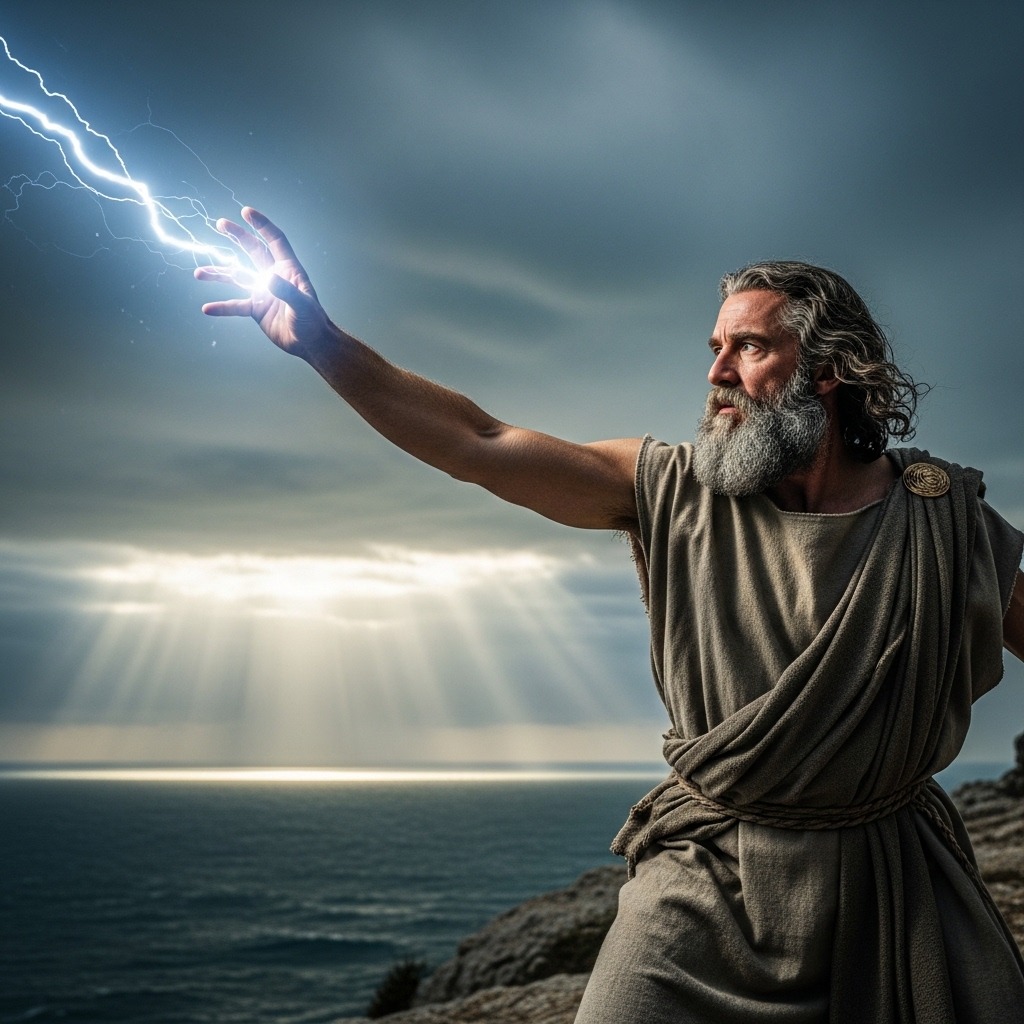
Zeus: The Ruler of Olympus
As the supreme god, Zeus wields immense power. He governs the sky, controls thunder and lightning, and is often depicted holding a thunderbolt. His authority is unquestioned among the Olympians, who include his siblings and children. This hierarchical structure reflects his dominance and the reverence other gods hold for him.
- Supreme Authority: Zeus is the undisputed king of the gods, ruling from Mount Olympus.
- Protector of Justice: He is closely associated with Dike, the goddess of justice, emphasizing his role in maintaining order.
- Shapeshifting Abilities: Zeus possesses the power to transform into various forms, allowing him to interact with mortals and other beings creatively.
Key Symbols and Attributes
Zeus is characterized by several symbols and attributes that reinforce his status. Understanding these elements reveals deeper insights into his personality and actions.
- Thunderbolt: Represents his power and wrath; a tool for punishing transgressors.
- Eagle: Symbolizes strength and authority; often seen alongside Zeus in art and literature.
- Oak Tree: Sacred to him, signifying strength and endurance.
Cultural Significance
Zeus’s influence extends beyond mythology into modern culture. His character serves as a lens through which themes of power, leadership, and morality are explored.
- Moral Complexity: Despite his strengths, Zeus’s actions often reveal flaws. For instance, his numerous affairs have led to complex family dynamics, illustrating the tension between divine authority and personal desire.
- Mythical Examples: Stories such as the Titanomachy showcase his strength in battle against Cronus, while other tales highlight his weaknesses, like the chaos resulting from his infidelities.
These attributes and narratives not only define Zeus but also illuminate the intricate relationships within Greek mythology, shaping the gods’ interactions with each other and humanity. Understanding these dynamics is crucial for grasping Zeus’s strengths and weaknesses, which continue to resonate in cultural interpretations today.
Strengths of Zeus: His Divine Powers

Zeus’s strengths are multifaceted, underscoring his supremacy in Greek mythology. His divine powers and authority enable him to shape the world around him and maintain order among gods and mortals.
Supreme Authority Over Olympus
Zeus reigns as the king of the gods, holding unparalleled power over Mount Olympus and its inhabitants. His authority is evident in several myths:
- Titanomachy: Zeus led the Olympians in a victorious war against the Titans, including his father Cronus. This decisive victory established his supremacy and secured his position as the ruler of the cosmos [1].
- Judgment of the Gods: He possesses the ultimate say in divine matters, such as settling disputes among the gods and dispensing justice. His decisions are final and binding, reinforcing his role as the arbiter of order.
Control Over Weather and Elements
One of Zeus’s most notable powers is his command over the weather. He wields the thunderbolt, a symbol of his might:
- Lightning as a Weapon: Zeus can unleash lightning bolts upon those who defy him. This power demonstrates both his wrath and his ability to influence the natural world [3]. For instance, in the myth of Arachne, he turned her into a spider after she dared to challenge the gods, showcasing his authority through a dramatic display of weather.
- Rain and Fertility: He governs the rain, ensuring the fertility of the earth. This vital role as a weather god highlights his importance to agriculture and sustenance for mortals.
Shapeshifting: A Unique Ability
Zeus has the extraordinary ability to shapeshift, allowing him to take on various forms:
- Divine Encounters: He often transformed to seduce mortals, exemplified in his transformation into a swan to seduce Leda. This ability not only demonstrates his cunning but also reflects his complex relationships with mortals [4].
- Strategic Advantage: Shapeshifting provides him with strategic advantages in both divine and mortal affairs. By altering his appearance, he can navigate situations that require subtlety or disguise.
Summary of Zeus’s Strengths
- Supreme Authority: Unmatched ruler of Olympus and arbiter of justice.
- Weather Control: Commands lightning and rain, influencing nature and human affairs.
- Shapeshifting: Adapts his form for seduction and strategic advantages.
Zeus’s strengths are not merely powers; they illustrate his integral role in Greek mythology, reflecting both his grandeur and moral complexities. Each power serves the narrative of his character, balancing authority with the consequences of his divine actions.
Weaknesses of Zeus: The Flaws of a God
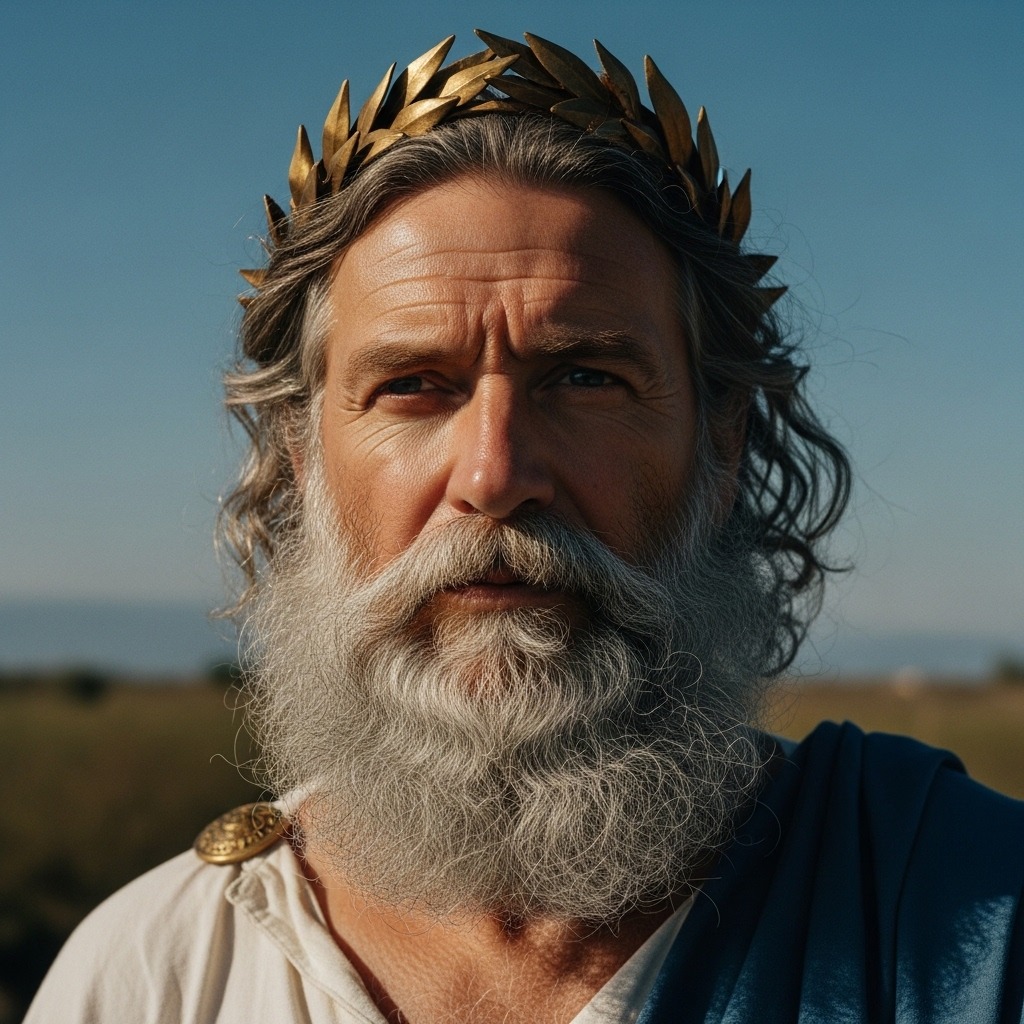
Despite his formidable power, Zeus exhibits notable weaknesses that shape his character and affect his relationships with both gods and mortals. These flaws add a layer of complexity to his persona, illustrating that even the king of the gods is not infallible.
Infidelity and its Consequences
Zeus’s numerous infidelities are perhaps his most infamous weaknesses. His relationships with mortals and immortals often lead to disastrous outcomes, not just for his lovers but for their offspring as well. For instance, his affair with Leda resulted in the birth of Helen of Troy, whose beauty sparked the Trojan War. This infidelity reveals his inability to maintain loyalty, which fosters strife within his marriage to Hera and among the divine hierarchy.
- Repercussions: His romantic escapades frequently invoke Hera’s wrath. The consequences of his betrayals often manifest in severe punishments for the women involved and their children. This instability highlights Zeus’s moral failings and the chaos that ensues from his desires.
Impulsiveness in Decision-Making
Zeus’s decisions can be impulsive, driven by emotion rather than careful consideration. A prime example is his reaction to Prometheus’s defiance. After Prometheus gifted fire to humanity, Zeus punished him with eternal torment. This hasty decision exemplifies how his pride and anger can cloud his judgment, leading to unnecessary suffering.
- Impact on Relationships: His impulsiveness alienates allies and creates enemies. The Titans, resenting his authoritarian rule, foster further discord within the pantheon. This vulnerability exposes the king of the gods to challenges from those he has wronged.
Subject to Fate: The Limits of Power
Despite his status as the ruler of Olympus, Zeus is not entirely omnipotent. He is subject to the Moirai, or Fates, which govern destiny. In several myths, he attempts to alter fate but ultimately fails, illustrating that even he must bow to higher powers. This limitation is poignantly shown in the story of Typhon, a monstrous adversary created by Gaia to challenge Zeus. Despite his strength, Zeus struggles against Typhon, revealing his vulnerability to external threats.
- Examples of Limitations:
- Zeus’s attempts to manipulate the Fates often backfire, reflecting the precarious balance between power and destiny.
- His inability to control the outcomes of his actions shapes the narrative of Greek mythology, positioning him as a flawed character rather than a mere archetype of strength.
These weaknesses reveal the intricate dynamics of Zeus’s character. They showcase how his flaws not only influence his decisions but also resonate throughout Greek mythology, impacting the lives of both gods and mortals.
Key Myths Illustrating Zeus’s Strengths
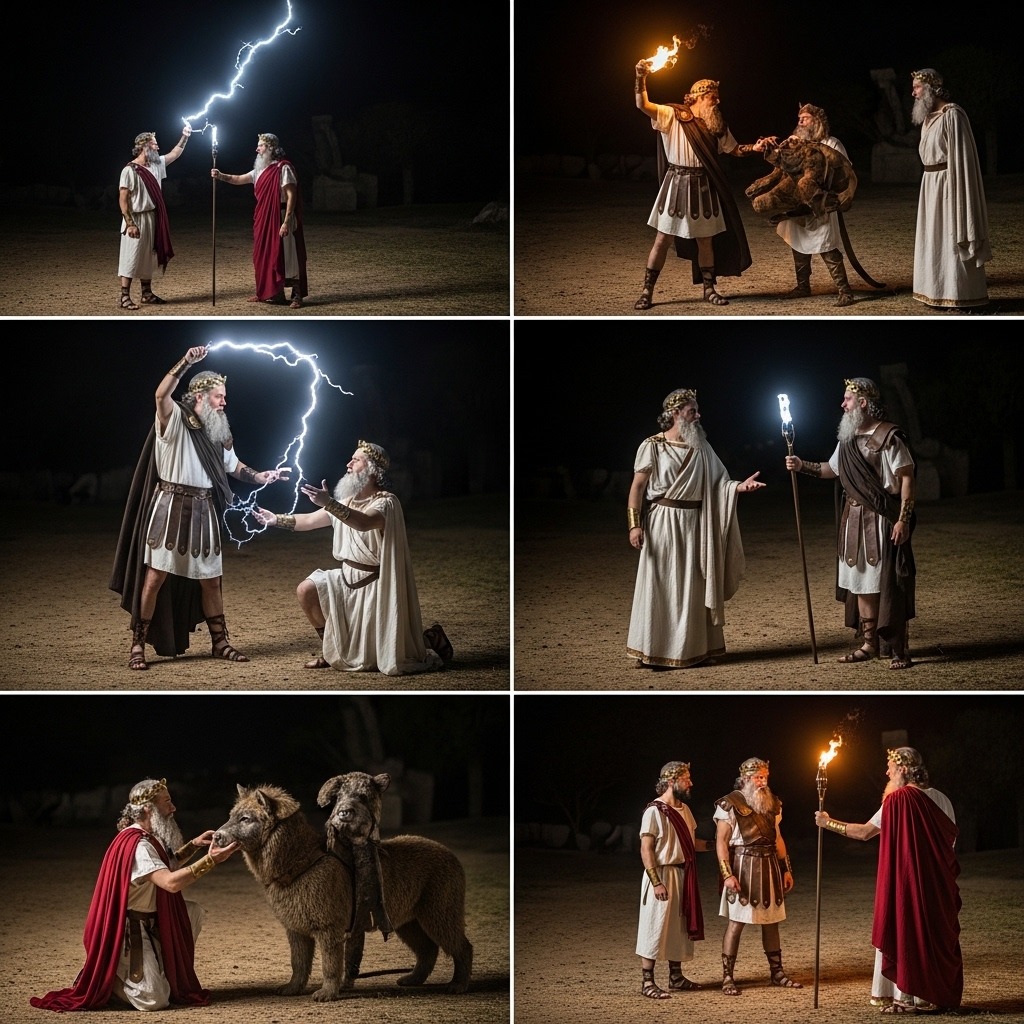
Zeus’s strengths are vividly illustrated through various myths that showcase his role as both a protector and ruler of the gods. These stories demonstrate his immense power, strategic prowess, and moral complexities.
The Titanomachy: His Rise to Power
The Titanomachy is a defining moment in Zeus’s mythology. This epic battle against the Titans, led by his father Cronus, highlights Zeus’s strength and leadership.
- Strategic Alliance: Zeus forged alliances with his siblings and the Cyclopes, showcasing his ability to unite disparate forces against a common enemy.
- Victory and Leadership: By defeating Cronus and the Titans, Zeus established himself as the king of the gods. This victory not only secured his power but also restored order in the cosmos, emphasizing his role as a protector of divine and mortal realms [8].
Zeus and the Creation of Mortals
Zeus’s interactions with humanity reflect both his power and moral complexity. He played a pivotal role in shaping human destiny.
- Prometheus’s Punishment: When Prometheus defied him by stealing fire for mortals, Zeus’s reaction was swift and severe. He punished Prometheus to maintain control over humanity, illustrating his authority [6]. This act demonstrates not only his strength but also his desire to dictate the moral fabric of human existence.
- Creation of Mortals: Zeus also had a hand in the creation of humans, shaping them with care. This act reflects his protective nature, positioning him as a god who cares for his creations, albeit within the confines of his own rules.
The Battle Against Typhon
The battle against Typhon is a critical myth that showcases Zeus’s combat prowess and resilience.
- Confrontation with Chaos: Typhon, a monstrous entity representing chaos, challenged Zeus’s reign. The fierce battle tested Zeus’s strength and resolve [5]. His eventual victory over Typhon reaffirmed his position as the protector of the gods and the cosmos.
- Symbol of Order: By defeating Typhon, Zeus restored order, reinforcing his identity as a guardian against chaos. This myth highlights his unwavering commitment to maintaining stability in both the divine and mortal realms.
Summary of Zeus’s Strengths in Myths
| Myth | Strength Demonstrated |
|---|---|
| Titanomachy | Strategic leadership and victory |
| Creation of Mortals | Authority over human destiny |
| Battle Against Typhon | Combat prowess and resilience |
These myths collectively illustrate Zeus’s multifaceted strengths. He is not merely a figure of immense power; he embodies the complexities of leadership, morality, and the perpetual struggle between order and chaos.
Key Myths Illustrating Zeus’s Weaknesses
Zeus, while a powerful deity, exhibits vulnerabilities that profoundly shape Greek mythology. His moral complexities and flawed relationships illuminate the consequences of his actions.
The Infidelity with Europa
Zeus’s insatiable desire led him to seduce Europa, a mortal woman. Transforming into a majestic bull, he lured her away to Crete. This act of infidelity not only strained his marriage to Hera but also instigated a series of conflicts. Hera’s jealousy and vengeance became recurring themes in their relationship, showcasing the chaotic fallout from Zeus’s infidelities. This myth underscores how Zeus’s weaknesses in personal relationships can have dire implications for others.
The Punishment of Prometheus
Prometheus, a titan known for his intelligence, defied Zeus by gifting fire to humanity. In retaliation, Zeus enacted severe punishment, binding Prometheus to a rock where an eagle would consume his liver daily. This act illustrates Zeus’s inability to foresee the broader consequences of his authoritarian rule. His hubris in punishing Prometheus highlights a critical weakness: his tendency to prioritize power over compassion, which ultimately creates a rift between gods and mortals [10].
Zeus’s Quarrels with Hera
The tumultuous relationship between Zeus and Hera reflects his weaknesses. Hera’s constant suspicion and rage stem from Zeus’s multiple affairs. Their disputes often resulted in divine chaos, affecting the stability of Olympus. For instance, Hera once sought revenge on Hercules, a son of Zeus, leading to his tragic quests. These quarrels reveal how Zeus’s infidelity not only damages his own character but also disrupts the divine order, emphasizing the theme of moral complexity in his reign [9].
Insights on Zeus’s Weaknesses
- Moral Complexity: Zeus’s actions often demonstrate a dichotomy between authority and empathy.
- Consequences: His weaknesses lead to turmoil, affecting both divine and mortal realms.
- Character Reflection: Zeus exemplifies the dangers of hubris, where power can blind one to the repercussions of their actions.
Zeus’s weaknesses, as illustrated through these myths, frame him not just as an omnipotent ruler but as a complex figure whose decisions resonate throughout Greek mythology.
Comparisons with Other Greek Gods
Zeus stands as a pivotal figure in Greek mythology, but how does he measure against his divine counterparts? Analyzing his strengths and weaknesses in relation to other gods reveals the complexity of his character and influence.
Zeus vs. Poseidon: Power and Domain
- Zeus: King of the Gods, ruler of the sky, and master of thunder. His domain includes heavens and storms, symbolizing authority and governance.
- Poseidon: God of the sea, earthquakes, and horses. While he commands vast oceans, his power is often viewed as less stable than Zeus’s, reflecting his emotional volatility.
Comparison Insight: Zeus’s ability to enforce order among the gods reinforces his supremacy. In contrast, Poseidon’s temperamental nature often leads to chaos. For example, Poseidon’s vengeful flooding contrasts with Zeus’s more calculated responses, such as his control over weather to punish or reward mortals. This illustrates Zeus’s strength in maintaining stability.
Zeus vs. Hades: The Underworld and Morality
- Zeus: Represents justice and governance. His role includes maintaining cosmic order and punishing transgressions, balancing mercy with authority.
- Hades: God of the Underworld, ruler of the dead. His realm operates independently, focusing on the afterlife rather than moral dilemmas of the living.
Comparison Insight: Zeus’s moral complexity often leads to difficult decisions, exemplified by his harsh punishments for broken oaths. Hades, while also feared, is less involved in earthly matters. A classic example is Hades’ abduction of Persephone, which, while morally questionable, does not disrupt the cosmic order as Zeus’s decisions can. This positions Zeus as both a protector and a judge, highlighting his multifaceted role.
Zeus vs. Athena: Wisdom and Warfare
- Zeus: While he embodies strength and authority, his decisions can be impulsive, often driven by desire or ego.
- Athena: Goddess of wisdom and strategic warfare. She represents intellect and tactical prowess, often acting as a voice of reason.
Comparison Insight: Athena often counters Zeus’s more emotional decisions with logic. For instance, in the Trojan War, Athena supports the Greeks with strategies, while Zeus’s favoritism can cloud his judgment. This dichotomy showcases Zeus’s strengths and weaknesses: his power can lead to successful outcomes, yet it may also result in moral failings, unlike Athena’s calculated approach.
Summary Table
| Deity | Domain | Strengths | Weaknesses |
|---|---|---|---|
| Zeus | Sky | Authority, governance, and control | Impulsiveness, moral ambiguity |
| Poseidon | Sea | Command over oceans and earthquakes | Emotional instability, chaotic behavior |
| Hades | Underworld | Control over the dead, independence | Detachment from moral issues of the living |
| Athena | Wisdom/Warfare | Strategic intellect, reasoned decisions | Limited to wisdom; lacks raw power of Zeus |
This comparative analysis reveals that Zeus’s character is shaped by a blend of power, moral complexity, and relational dynamics with other deities, making him a uniquely compelling figure in mythology.
Cultural Legacy of Zeus
Zeus’s character profoundly influences modern culture, permeating literature, art, and media. His archetype of power and moral complexity continues to resonate, illustrating both his strengths and weaknesses.
Zeus in Literature and Film
Zeus’s presence is palpably felt in contemporary storytelling. Films like “Clash of the Titans” and series such as “Percy Jackson & The Olympians” reinterpret his character, emphasizing his duality. These adaptations showcase Zeus as a formidable deity who grapples with moral dilemmas, reflecting his strengths in governance but also exposing his flaws in impulsiveness.
- Strengths: Authority, control, protector of justice.
- Weaknesses: Infidelity, moral ambiguity, conflicts with Hera.
These portrayals reinforce Zeus’s legacy as both a protector and a flawed ruler, inviting audiences to explore the nuances of divine power.
Artistic Representations Throughout History
Historically, Zeus has been immortalized in art, symbolizing strength and authority. From ancient Greek statues to Renaissance paintings, artists have depicted him as a dignified figure, often wielding his thunderbolt. This visual legacy highlights Zeus’s enduring significance and his role as a central figure in Greek mythology.
- Key Themes in Art:
- Power and Authority: His statues often convey a sense of awe.
- Moral Complexity: Artistic interpretations sometimes hint at his darker traits, such as his numerous affairs and resultant conflicts.
These representations illustrate the duality of Zeus’s character, bridging ancient and modern perceptions.
Contemporary Interpretations of Zeus’s Character
In modern media, Zeus’s character evolves yet remains anchored in his mythological roots. His complexities resonate with contemporary audiences, who appreciate multi-dimensional portrayals. For example, in the animated series “Hercules,” Zeus is depicted as a caring father, revealing a softer side that contrasts with his more traditional, authoritarian image.
- Cultural Impact:
- Relatability: Zeus’s struggles with personal flaws make him relatable.
- Moral Lessons: His stories often carry moral implications, prompting discussions on power, responsibility, and justice.
These modern interpretations not only keep Zeus relevant but also spark new dialogues about leadership and ethical conduct in both myth and reality.
Common Misconceptions About Zeus
Zeus, as the king of the gods, is often surrounded by myths and misinterpretations that skew his portrayal. Understanding these misconceptions is crucial to grasping his true character and the complexities of his actions.
The Nature of Zeus’s Infidelity
A prevalent myth suggests that Zeus was perpetually unfaithful. In reality, while he did have numerous romantic escapades, his actions were often motivated by a deeper narrative of power dynamics and divine duty. His relationships with mortal women and goddesses were not merely acts of infidelity; they frequently represented alliances or conflicts within the pantheon.
- Hera’s Role: As both sister and wife, Hera’s jealousy is a recurring theme. Many of Zeus’s relationships can be viewed through the lens of Hera’s tumultuous reactions rather than mere infidelity.
- Divine Duty: Zeus’s unions often produced significant offspring, shaping the landscape of Greek mythology. Each child carried the potential for greatness, impacting both gods and mortals.
Misinterpretations of Power Dynamics
Zeus is frequently portrayed as a tyrannical figure wielding absolute power. However, this perspective overlooks his role as a mediator and protector. His leadership was characterized by complex interactions with other deities and mortals.
- Titanomachy: During the Titanomachy, Zeus led the Olympians against the Titans, showcasing his strategic prowess and ability to rally support. This pivotal moment established him as a defender of cosmic order.
- Justice and Order: Contrary to the belief that he acted solely for personal gain, Zeus often sought to maintain balance. His judgments, though sometimes harsh, aimed to enforce justice and uphold divine law.
Zeus as a Moral Compass: Reality vs. Expectation
Many view Zeus as an unwavering moral compass; however, his actions reveal a more nuanced character. His decisions often highlight the gray areas of morality, prompting critical reflection on leadership.
- Case of Prometheus: Zeus’s punishment of Prometheus for stealing fire illustrates the tension between authority and empathy. While he aimed to protect divine secrets, the resulting suffering raises questions about his moral standing.
- Cultural Legacy: Modern interpretations often cast Zeus in a more favorable light, emphasizing his roles as a father and protector. This shift illustrates society’s evolving expectations of leadership and morality.
Understanding these misconceptions allows for a richer interpretation of Zeus’s strengths and weaknesses. Through critical examination, one can appreciate the multifaceted nature of his character within Greek mythology.
Conclusion: The Duality of Zeus
Zeus epitomizes the dual nature of divine power—exhibiting both extraordinary strengths and profound weaknesses. His character complexities enrich the tapestry of Greek mythology, illustrating the balance between authority, empathy, and moral ambiguity.
Strengths of Zeus
- Supreme Authority: As the king of the gods, Zeus commands respect and wields unparalleled power. His ability to control thunder and storms symbolizes his dominance.
- Protector of Order: Zeus maintains cosmic order and justice. He often intervenes to restore balance in both the mortal and divine realms.
- Strategic Intelligence: His cunning intelligence is exemplified in the Titanomachy, where he outmaneuvered Cronus and the Titans to secure his position as ruler of Olympus.
Weaknesses of Zeus
- Flawed Relationships: Zeus’s numerous affairs lead to chaos and strife among both gods and mortals. His relationships with Hera and his many lovers often ignite conflict, demonstrating his inability to maintain harmony.
- Moral Ambiguity: His punishment of Prometheus reflects a moral failing. While attempting to uphold divine authority, he subjected Prometheus—and humanity—to unnecessary suffering, raising questions about his ethical judgment [6].
Impact on Greek Mythology
Zeus’s character profoundly influences Greek mythology. His duality serves as a narrative device, highlighting the complexities of power. Myths surrounding him often explore themes of justice, retribution, and the consequences of divine actions. For instance, his interactions with mortals, such as his punishment of Prometheus, illustrate the inherent tension between divine will and human autonomy.
Comparative Analysis
When compared to other gods, Zeus stands out for his multifaceted character. Unlike Athena, who embodies wisdom without moral failings, or Ares, who represents sheer aggression, Zeus navigates a spectrum of virtues and vices. This duality makes him a compelling figure, embodying both the best and worst aspects of divinity.
Zeus’s legacy continues to resonate today, reflecting society’s ongoing struggle with authority and morality. Understanding his strengths and weaknesses provides insights into human nature and the complexities of leadership, making him a timeless figure in both literature and cultural discourse.
Frequently Asked Questions
These quick answers cover the most common questions about this topic, including key details, practical tips, and common concerns.
Zeus Strengths and Weaknesses: What are They?
Zeus’s strengths include his supreme authority as king of the gods, control over weather and natural elements, and shapeshifting abilities. His victory in the Titanomachy established his dominance, and his thunderbolt symbolizes his power. His weaknesses involve his infidelities, impulsive decisions, and vulnerabilities to fate and external threats like Typhon. These traits make him a complex deity, balancing immense power with personal flaws.
What are some of Zeus’ weaknesses?
Zeus’s notable weaknesses are his numerous romantic affairs, which often lead to divine conflicts and chaos. His impulsiveness can cause rash decisions, such as harsh punishments that sometimes backfire. Additionally, he is subject to fate and external threats, like the monster Typhon, which challenge his authority and expose his vulnerabilities.
What are Zeus’s strengths?
Zeus’s strengths include his unmatched authority over Olympus, his ability to command lightning and weather, and his shapeshifting powers. His leadership in the Titanomachy secured his position as ruler, and his control over natural forces underscores his divine dominance. His strategic mind and ability to unite gods and mortals also highlight his leadership qualities.
Who is the Greek god of LGBT?
In Greek mythology, there isn’t a specific god designated as the “god of LGBT.” However, gods like Zeus and Apollo are often associated with diverse relationships and love interests, including same-sex relationships, reflecting the fluidity of love in myth. Some interpretations consider figures like Ganymede, a beautiful youth loved by Zeus, as symbols of male attraction.
What Greek god is the weakest?
Hades is often considered among the less “powerful” in terms of influence over the mortal world, as his domain is the underworld, separate from the affairs of Olympus. Unlike Zeus, Hades does not involve himself in divine politics or natural phenomena, which some interpret as a form of weakness. However, in myth, he is still a formidable and respected deity.
What are some specific examples of Zeus’s weaknesses?
- His affair with Europa, which caused divine conflicts with Hera.
- His punishment of Prometheus, which demonstrated his tendency toward harshness and lack of mercy.
- His quarrels with Hera, stemming from his infidelities, often led to divine disputes and chaos among the gods.
- His vulnerability to Typhon, a monstrous adversary, showed that even Zeus could be challenged by chaos and external threats.
How did Zeus’s relationships affect his rule?
Zeus’s numerous relationships, especially with mortal women, led to divine conflicts, jealousy from Hera, and the birth of many significant mythological figures. These relationships often caused strife within Olympus and impacted mortal history, such as the Trojan War, which was sparked by Helen of Troy, a child of Zeus and Leda.
What lessons can we learn from Zeus’s character?
Zeus teaches that power comes with moral complexity. His story highlights the importance of humility, the dangers of hubris, and the consequences of personal flaws. His duality as a protector and a flawed ruler offers insight into leadership, responsibility, and moral integrity.
References
1. Zeus
3. ZEUS Long-Range Lightning Detection Network – IMPACT
4. Zeus | Olympians Wiki – Fandom
5. U.S. Leads Multi-National Action Against “Gameover Zeus” …
6. Yahweh or Zeus? Where Western Culture Went Wrong
7. Explore the difference between Greek and Roman mythology
8. Zeus | Greco-Roman Religions
9. Uxoricide in Pregnancy: Ancient Greek Domestic Violence in …
10. Prometheus, Pandora, and the Five Ages
11. Zeus and Hubris : r/GreekMythology
12. NSF ZEUS becomes the most powerful laser in the U.S.
13. Ancient Egyptian
14. The Portrayal of Women in Ancient Greek Mythology
15. Protocol Details
16. (PDF) Zeus: Sky-God or Thundergod