
Hera, the Greek goddess of marriage and family, is associated with three main symbols: the diadem, scepter, and pomegranate. Each symbol reflects her attributes and significance in mythology, showcasing her roles as queen, protector, and nurturer [1].
1. Diadem as a Symbol of Royalty and Authority
The diadem signifies Hera’s status as queen of the gods, representing her authority over Olympus and her royal lineage. This emblem encapsulates her power and the respect she commands among the deities.

Hera’s Royal Lineage and Its Impact on Her Symbolism
Hera’s lineage is pivotal to understanding her symbolism. As the daughter of Cronus and Rhea, she is part of the primordial line of Titans. This heritage establishes her as a figure of nobility and authority. The diadem, often depicted in art, reinforces her status as queen. It symbolizes her sovereignty and the divine right to rule, particularly in relation to Zeus, her husband and brother.
Visual Representations in Art and Culture
Artistic representations of Hera frequently showcase her wearing a diadem. This includes sculptures, pottery, and mosaics from ancient Greece. The diadem is often adorned with intricate designs, symbolizing her regal nature.
- Key Visual Elements:
- Gold and Gems: Commonly depicted with gold and precious stones, reflecting wealth and power.
- Pose and Expression: Hera is often portrayed in a commanding stance, illustrating her authority.
Over time, the visual representation of the diadem has evolved, yet its essence as a symbol of royalty remains unchanged.
Historical Context of the Diadem’s Significance
Historically, the diadem was not merely a decorative item. It served as a political symbol in ancient Greece. The diadem represented a ruler’s authority, making Hera’s association with it significant.
- Cultural Implications:
- Royal Ceremonies: The diadem was used in rituals, underscoring the divine right of kings and queens.
- Comparative Analysis: Other deities, like Athena and Artemis, possess symbols of power but lack the familial ties that enhance Hera’s authority.
In contemporary culture, the diadem’s symbolism persists, often appearing in royal contexts and representing leadership, power, and divinity. Understanding its significance allows for a deeper appreciation of Hera’s role in mythology and modern interpretations of authority.
Table of Contents
2. Scepter as a Representation of Power
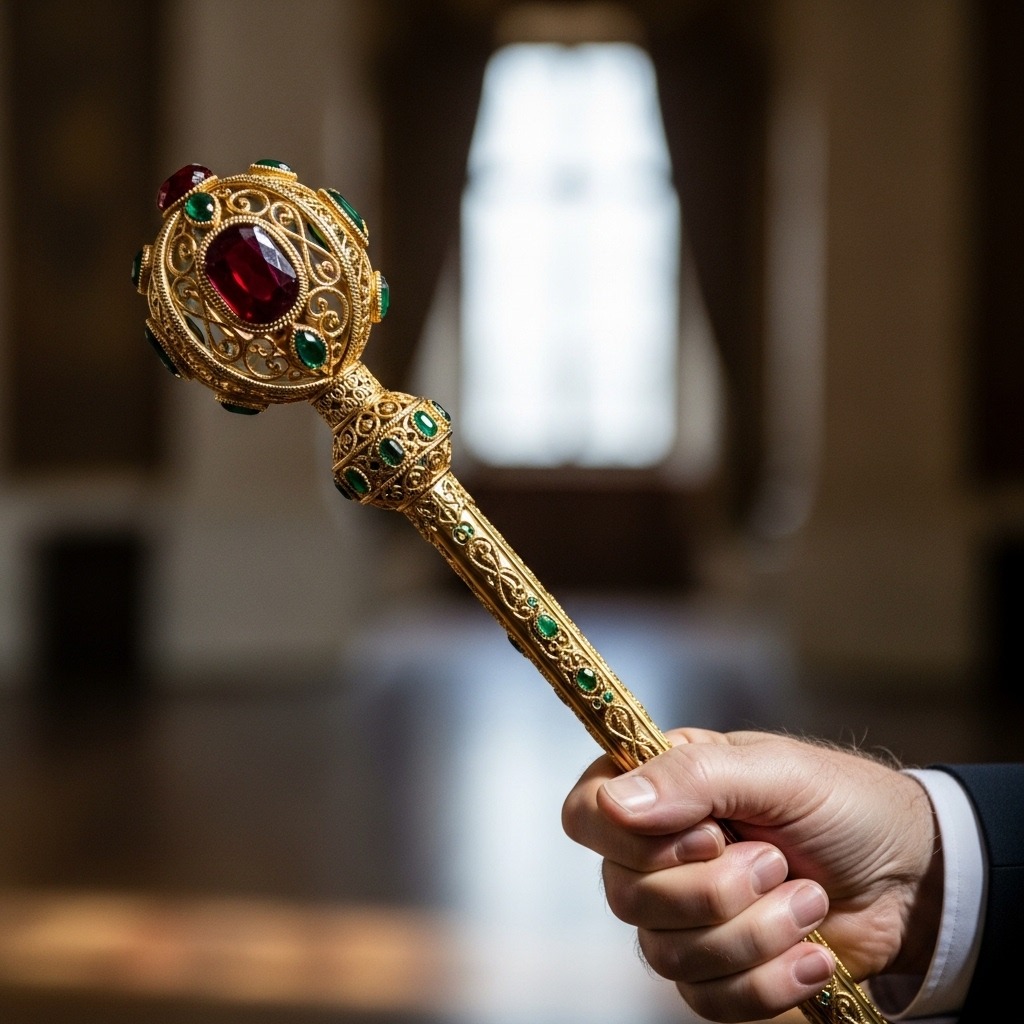
The scepter, often topped with a lotus flower, serves as a powerful emblem of Hera’s sovereignty and divine authority. This symbol encapsulates her role as the queen of the gods and highlights her dominion over marriage and family.
Symbolism of the Scepter in Ancient Greece
The scepter is a classic symbol of authority in ancient Greece. It represents power, control, and legitimacy. Hera’s scepter, specifically adorned with a lotus, reinforces her status. The lotus flower symbolizes purity and regeneration, intertwining with Hera’s identity as a goddess of marriage and family. This dual symbolism reflects not only her authority but also her nurturing aspects.
Comparison with Other Deities’ Symbols of Power
Hera’s scepter stands out among symbols of power associated with other deities. For instance, Zeus wields the thunderbolt, representing raw power and dominance. In contrast, Hera’s scepter embodies a more nuanced authority—rooted in governance, protection, and maternal roles. While Zeus’s symbols evoke fear, Hera’s signify reverence and respect, emphasizing her role as a stabilizing force within the pantheon.
Cultural Significance of the Lotus Flower
The lotus flower, prominently featured atop Hera’s scepter, carries significant cultural weight. In many cultures, it symbolizes rebirth and enlightenment. For Hera, it reflects her divine nature and connection to fertility. The flower’s emergence from muddy waters to bloom into beauty parallels Hera’s ability to foster life and rejuvenation. This symbolism resonates with modern interpretations, where the lotus represents resilience and purity in personal growth.
- Key Symbolism:
- Scepter: Authority and dominion.
- Lotus Flower: Purity and regeneration.
Understanding these symbols enhances our appreciation of Hera’s complex character and her vital role within Greek mythology.
3. Pomegranate: A Symbol of Fertility and Marriage
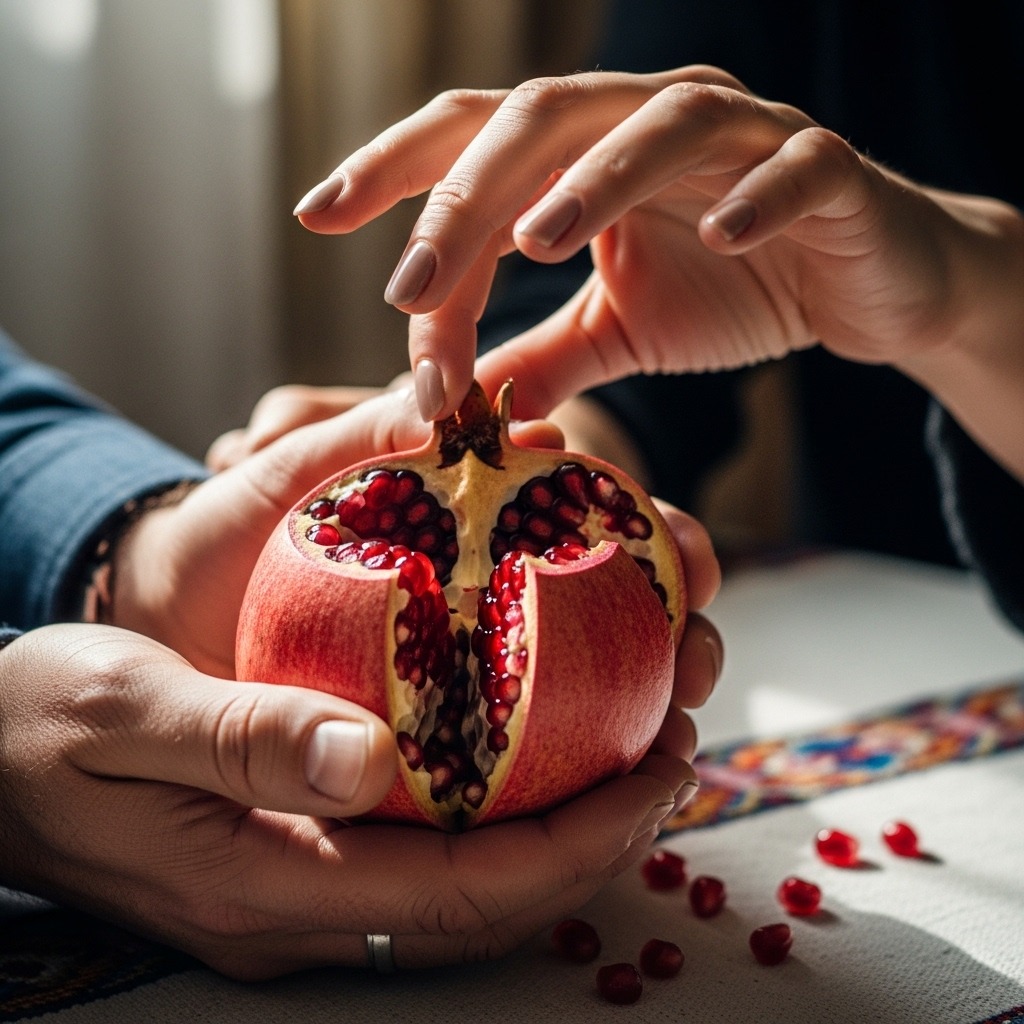
The pomegranate holds profound significance in Greek mythology, especially in its association with Hera. This fruit symbolizes fertility and the sanctity of marriage, embodying Hera’s protective role over women and family.
Historical Uses of Pomegranate in Marriage Ceremonies
In ancient Greece, the pomegranate was more than just a fruit; it was a key symbol in marriage rituals. Brides often carried pomegranates during their wedding ceremonies. This act represented fertility and the hope for a fruitful union. The fruit’s many seeds signified abundance and prosperity in marriage. Such rituals underscored the importance of fertility in sustaining familial bonds, a core tenet of Hera’s divine oversight.
Mythological Stories Highlighting Hera’s Connection to Fertility
Numerous myths illustrate Hera’s connection to the pomegranate. In one story, Hera’s jealousy over Zeus’s infidelity leads to her vengeful actions against those who cross her. This narrative also reinforces her role as the protector of legitimate unions, emphasizing that fertility must be safeguarded within the sanctity of marriage. The pomegranate, therefore, acts as a reminder of both blessings and consequences tied to marital fidelity.
Contemporary Interpretations of the Pomegranate Symbol
Today, the pomegranate continues to symbolize fertility and marital harmony. In modern contexts, it is often used in wedding decor and celebrations to invoke blessings for the couple. The fruit’s rich color and abundance of seeds resonate with themes of love, fertility, and prosperity. As such, the pomegranate remains a powerful emblem of Hera’s enduring legacy in contemporary culture.
- Key Symbolism of the Pomegranate:
- Fertility: Represents the potential for new life.
- Marriage: Signifies the sanctity and commitment of union.
- Abundance: Reflects the blessings of prosperity in family life.
The pomegranate’s multifaceted symbolism not only enriches our understanding of Hera but also informs modern practices surrounding marriage and fertility, linking ancient traditions with contemporary values.
4. The Peacock: A Lesser-Known Symbol of Hera

While not one of the three main symbols, the peacock embodies beauty and pride, enriching Hera’s multifaceted character. This symbol extends beyond aesthetics; it encapsulates themes of vanity and loyalty.
Cultural significance of the peacock in ancient Greece
The peacock was revered in ancient Greek culture. Its stunning plumage signifies beauty, but it also represents pride. In mythology, Hera is often associated with the peacock, emphasizing her regal nature. This connection illustrates the duality of beauty and vanity in Hera’s persona.
- Beauty: The peacock’s colorful feathers represent the aesthetic ideals of ancient Greece.
- Pride: The peacock is a symbol of self-worth, reflecting Hera’s status among the gods.
- Loyalty: The bond between Hera and the peacock showcases themes of fidelity, mirroring her role as the goddess of marriage.
Mythological connections between Hera and the peacock
The peacock’s origins in mythology are deeply intertwined with Hera. After slaying Argus, a hundred-eyed giant, Hera transformed his feathers into the peacock’s plumage. This act not only serves as a reminder of her power but also highlights her complexity, juxtaposing beauty with vengeance.
- Transformation: Argus’ eyes on the peacock’s feathers symbolize vigilance and loyalty.
- Veneration: The peacock’s presence in temples dedicated to Hera illustrates her divine authority.
- Narratives: Stories of Hera often feature the peacock, reinforcing her multifaceted character.
Visual depictions in classical art
In classical art, Hera is frequently depicted alongside peacocks. Artists used this imagery to convey her status and attributes. For instance, sculptures and paintings often showcase her in a diadem, accompanied by the peacock, reinforcing her regal status.
- Artistic representations: Commonly found in vase paintings and sculptures.
- Symbolic imagery: The peacock enhances Hera’s portrayal as the protector of marriage.
- Cultural legacy: Modern interpretations of this symbolism continue to resonate, linking Hera’s essence to contemporary ideals of beauty and strength.
Understanding the peacock’s symbolism deepens our comprehension of Hera’s character. It highlights her role as a complex figure whose attributes reflect both her divine authority and human-like qualities.
5. Lotus Flower: A Symbol of Purity and Regeneration
The lotus flower embodies profound symbolism, representing purity and regeneration. This aligns seamlessly with Hera’s identity as the goddess of marriage and motherhood, emphasizing her nurturing and protective qualities.
Symbolism of the Lotus in Various Cultures
The lotus flower is revered across multiple cultures, often symbolizing purity due to its ability to bloom untainted from muddy waters. This intrinsic beauty mirrors Hera’s regal nature. Key cultural interpretations include:
- Asian Traditions: In Hinduism and Buddhism, the lotus signifies spiritual awakening and enlightenment. It is often associated with divine figures, enhancing its connection to Hera’s divine status.
- Egyptian Mythology: The lotus represents rebirth and the sun, further reinforcing themes of regeneration. This parallels Hera’s role in life cycles and familial bonds.
Hera’s Connection to Themes of Rebirth and Renewal
Hera’s association with the lotus underscores her role as a guardian of marriage and family. The lotus’s life cycle—from muddy depths to radiant bloom—symbolizes renewal. This mirrors Hera’s protective nature over relationships and her efforts to maintain harmony within them.
Historical Context of the Lotus in Greek Mythology
In Greek mythology, the lotus is linked to themes of transformation and fertility. Hera’s connection to the lotus can be traced through various stories where she embodies qualities of nurturing and protection. This symbol also serves as a reminder of Hera’s multifaceted nature; she is not just a goddess of marriage but also one of growth and regeneration.
- Visual Representations: Ancient artifacts often depict Hera with lotus flowers, emphasizing her divine beauty and authority.
- Mythological Stories: The association with fertility is evident in myths where Hera influences the reproductive aspects of gods and mortals alike.
In contemporary culture, the lotus continues to resonate. It inspires art, literature, and discussions surrounding femininity and empowerment. Understanding these layers enhances our appreciation of Hera’s symbols and their relevance today.
6. Comparative Analysis of Hera’s Symbols with Other Deities
Hera’s symbols—diadem, scepter, and pomegranate—distinguish her within the Greek pantheon. They reflect her unique attributes, particularly in relation to marriage and fertility. Understanding these symbols in comparison to those of other deities enhances our insight into her role.
Similarities and differences with other goddesses
Hera’s symbols share some resonance with those of other Greek goddesses, such as Juno, her Roman counterpart. Both deities are associated with marriage and family. However, nuances in their symbolism reveal deeper aspects of their identities.
- Diadem: Both Hera and Juno are depicted wearing diadems, symbolizing their royal status. Hera’s diadem emphasizes her authority and connection to the divine order within Greek mythology.
- Scepter: Hera’s scepter signifies her rule over marriage and the domestic sphere. In contrast, other goddesses like Demeter use symbols of agricultural fertility, showcasing different aspects of femininity and power.
- Pomegranate: This fruit embodies fertility for both Hera and Persephone. However, for Persephone, it also symbolizes the cycle of life and death, linking her to the underworld. Hera’s use primarily focuses on the nurturing aspect of motherhood and marital fidelity.
Cultural interpretations of Hera vs. Juno
Hera’s symbols are culturally significant, reflecting her attributes as the goddess of marriage. In contrast, Juno’s symbols often highlight her role as protector of the Roman state and women.
- Hera’s Pomegranate: Associated with fertility in marriage, it signifies abundance and life. This contrasts with Juno’s more militaristic interpretations, where symbols often align with the strength of the state.
- Hera’s Scepter: Represents authority over domestic affairs. Juno, however, wields her power in a broader societal context, emphasizing her guardianship of women in public life.
Impact of symbols on worship practices
The symbolism surrounding Hera significantly influenced worship practices in ancient Greece. Her symbols were not merely decorative; they were integral to rituals and festivals.
- Festivals: The Heraia, dedicated to Hera, celebrated her symbols through processions and offerings, showcasing the importance of marriage in societal structure.
- Sacred Spaces: Temples often featured her symbols prominently, reinforcing her status. For example, the Heraion of Samos housed her diadem and scepter in elaborate rituals, distinct from those dedicated to other deities.
By analyzing these differences, we gain insights into Hera’s unique role in mythology compared to other goddesses. Her symbols convey messages of fidelity, authority, and maternal power that resonate across cultures and epochs. Understanding these distinctions aids in appreciating Hera’s enduring legacy.
Frequently Asked Questions
These quick answers cover the most common questions about this topic, including key details, practical tips, and common concerns.
3 Symbols of Hera: What are They?
Hera’s three main symbols are the diadem, scepter, and pomegranate. The diadem represents her royal status as queen of the gods, the scepter signifies her authority and sovereignty, and the pomegranate symbolizes fertility and marriage. These symbols highlight her roles as a protector of family, marriage, and divine power.
What are the symbols of Hera?
Hera is commonly associated with the diadem (a royal crown), scepter (a staff signifying authority), and pomegranate (a fruit symbolizing fertility and marriage). Sometimes, the peacock and lotus are also linked to her, representing beauty, pride, and purity respectively.
Who is the Greek god of LGBT?
There is no specific Greek god officially recognized as the god of LGBT. However, some interpret certain deities like Aphrodite or Dionysus as embodying aspects of love and sexuality beyond traditional norms. Hera herself is primarily associated with marriage and family, not LGBT themes.
What flower symbolizes Hera?
The lotus flower is often linked to Hera, symbolizing purity, renewal, and divine beauty. In various cultures, including Greek, the lotus represents spiritual awakening and rebirth, aligning with Hera’s nurturing and protective qualities.
What bird symbolizes Hera?
The peacock is the most recognized bird symbol of Hera. Its majestic feathers and association with her mythologically underscore her regal nature, beauty, and pride. The peacock also symbolizes loyalty and vigilance, reflecting Hera’s role as protector of marriage and fidelity.
What do the symbols of Hera represent?
Hera’s symbols embody her divine authority, royal status, fertility, and protective nature. The diadem and scepter emphasize her sovereignty, while the pomegranate and peacock highlight her connection to fertility, beauty, and pride. These symbols collectively depict her as a powerful and nurturing goddess.
How are Hera’s symbols used in rituals?
Hera’s symbols are featured in ancient Greek worship through offerings, processions, and temple decorations. For example, the diadem and scepter might be displayed during festivals like the Heraia. The pomegranate was used in marriage ceremonies to invoke her blessings for fertility and harmony.
What is the origin of Hera’s symbols?
Hera’s symbols originate from ancient Greek mythology and cultural practices. The diadem and scepter symbolize her divine authority, rooted in her status as queen of the gods. The pomegranate’s association with fertility stems from its symbolism in Greek rituals and myths, such as her role in marriage and reproductive cycles.
How do Hera’s symbols compare to those of other deities?
Hera’s symbols—diadem, scepter, and pomegranate—highlight her unique focus on marriage, family, and authority. For example, Zeus wields a thunderbolt, symbolizing raw power, while Hera’s symbols emphasize legitimacy and protection of unions. Compared to Roman Juno, her symbols similarly represent sovereignty but are often linked more directly to fertility and domesticity.
What does the pomegranate symbolize in relation to Hera?
The pomegranate in relation to Hera symbolizes fertility, abundance, and the sanctity of marriage. It was used in wedding rituals to invoke her blessings for a fruitful union. Its many seeds represent prosperity and the nurturing aspects of Hera as the goddess of family and life cycles.
References
1. (PDF) Mithridates VI and the Pontic Kingdom
2. The Olympian goddesses: – virgins and mothers
3. Hera
4. The Greek and Roman Scepter (Smith’s Dictionary, 1875)
5. Higher Education Regulatory Authority (HERA) – Higher …
6. Therapeutic Potential of Pomegranate Extract for Women’s …
7. Pomegranate Imagery: A Symbol of Conquest and Victory
9. Lotus – Kenilworth Park & Aquatic Gardens (U.S. …
10. The Latest Studies on Lotus (Nelumbo nucifera)-an Emerging …
11. Greek & Roman Mythology – Homer – Classical Studies