
Ares, the Greek god of war, holds significant importance in mythology as a symbol of the chaotic and violent aspects of conflict. His role extends beyond mere warfare, influencing cultural perceptions of aggression and honor throughout history.
Ares: The God of War and His Significance
Ares stands out as the embodiment of war and conflict in Greek mythology. He represents the chaotic, brutal side of battles, giving insight into humanity’s darker instincts.
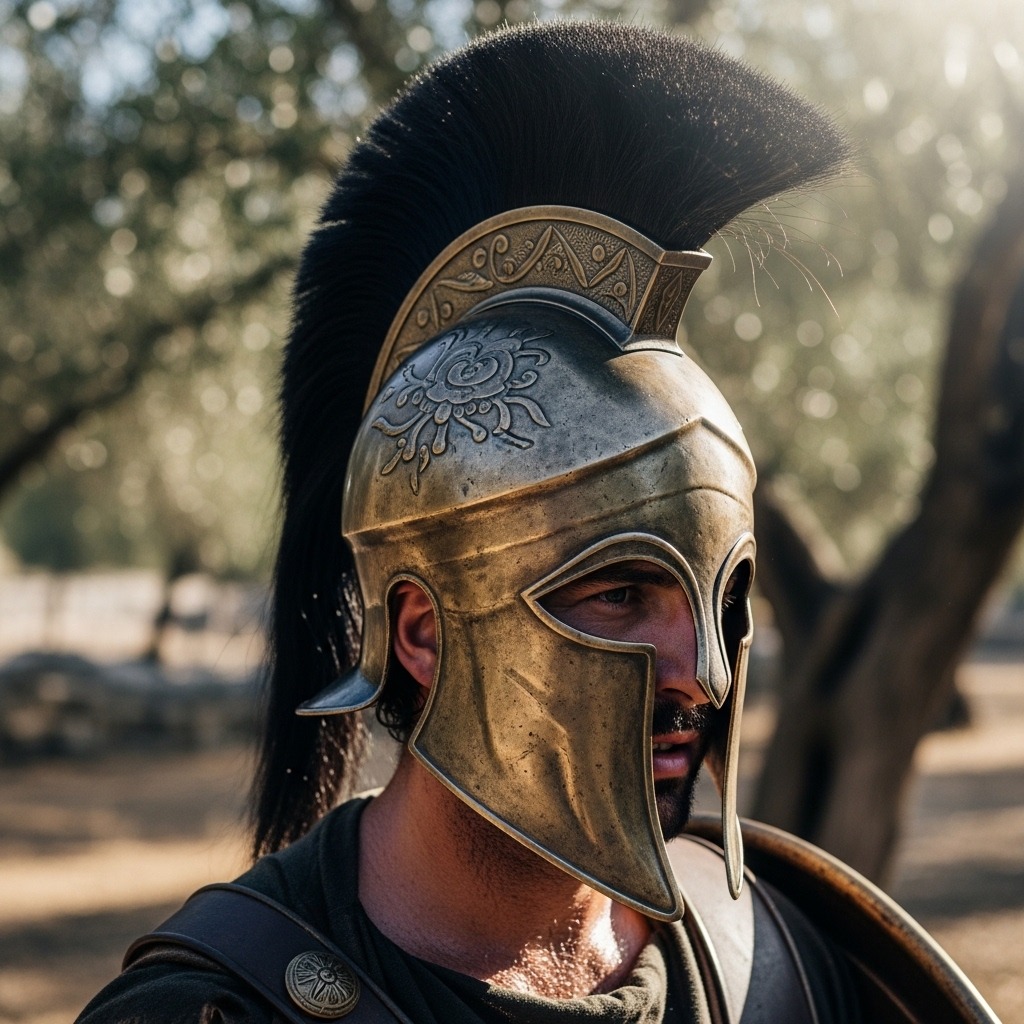
The Role of Ares in Greek Mythology
Ares plays a fundamental role in myth. He’s not just a god of war; he symbolizes the raw energy and violence that come with it. Unlike his sister Athena, who embodies strategy and wisdom in battle, Ares is all about brute force.
- Conflict Initiator: Ares often instigates wars and revels in the chaos they bring. He thrives in the heat of battle, showcasing the primal instincts of humans.
- Divine Heritage: As the son of Zeus and Hera, Ares has a noble lineage, yet he is often shunned by other gods. They view him with disdain for his chaotic nature.
- Mythical Presence: Ares shows up in many stories, like the Trojan War, where he fought alongside the Trojans against the Greeks. His confrontations with Athena highlight the clash between chaos and strategy in warfare.
Ares as a Symbol of Chaos in Warfare
Ares embodies not just the physical act of war but also its emotional and psychological impacts. His myths reveal the tumultuous nature of conflict and its consequences.
- Chaos and Violence: Ares represents the darker aspects of human nature. His presence in myths shows how warfare can lead to destruction and suffering.
- Cultural Interpretation: The Greeks often viewed Ares with suspicion. They admired his strength but feared the chaos he brought. This duality highlights the complex nature of war itself.
- Psychological Insights: Ares helps us explore themes of aggression and honor. His stories reflect the psychological struggles people face in conflict situations.
In modern media, Ares is often depicted as a fierce warrior, reinforcing his image as the god of chaos. His impact can be seen in films, books, and games, where the themes of war and violence continue to resonate.
Ares vs. Athena: A Study in Contrasts

Ares and Athena represent two sides of warfare in Greek mythology. While Ares embodies the chaos of battle, Athena symbolizes strategy and wisdom. Their contrasting approaches reveal much about ancient Greek values.
War as Bloodlust vs. Strategy
Ares is all about raw aggression. He thrives in the heat of battle, fueled by bloodlust. His presence often leads to destruction and chaos. Warriors feared him but also respected his power. They saw him as a necessary evil in combat.
Table of Contents
On the other hand, Athena promotes careful planning and strategy. She teaches that victory comes from intelligence, not just brute strength. Her involvement in battles often tips the scales in favor of the thoughtful and prepared. While Ares charges in headfirst, Athena analyzes the battlefield.
- Ares:
- Represents the uncontrollable nature of war.
- Inspires fear and respect.
- Associated with reckless bravery.
- Athena:
- Embodies wisdom and strategy.
- Encourages thoughtful approaches to conflict.
- Celebrated for her tactical mind.
Cultural Preferences: Ares vs. Athena
The Greeks had mixed feelings about Ares. They admired his strength but feared the chaos he brought. In contrast, Athena was revered and often invoked for guidance in battle. This cultural preference reflects the ancient Greeks’ values.
- Ares:
- Viewed with ambivalence.
- Seen as a symbol of raw power.
- Athena:
- Celebrated for her wisdom.
- Seen as a role model for strategic thinking.
This dichotomy illustrates how the Greeks understood war. They recognized the need for both strength and strategy. Ares’ impulsive nature reminds us of the dangers of unchecked aggression. Meanwhile, Athena’s wisdom underscores the importance of strategy.
In modern media, these traits continue to resonate. Ares is often depicted as a fierce warrior, while Athena is shown as a wise leader. This ongoing portrayal highlights their lasting impact on our understanding of conflict and leadership.
Ares’ Influence on Modern Culture

Ares, the Greek god of war, continues to capture imaginations today. His character appears in various forms, influencing literature, film, and video games. Let’s dive into how Ares is interpreted in our modern world.
Ares in Literature and Media
Ares often embodies raw aggression and conflict. In many contemporary stories, he represents the darker side of war. For example:
- Books: Ares appears in Rick Riordan’s “Percy Jackson” series, portraying both strength and conflict.
- Films: In “Wonder Woman,” Ares is depicted as a complex antagonist, showing the duality of war.
- Video Games: Ares features prominently in the “God of War” series, where he’s characterized as a fierce warrior, reflecting our ongoing fascination with battle and heroism.
These representations highlight how Ares is often a symbol of chaos and the brutality of conflict. He serves as a reminder of the human struggle with aggression.
Psychological Perspectives on Ares
Ares also brings up interesting psychological ideas. He symbolizes not just war but also human aggression. This duality reflects contemporary views on masculinity and violence. Here are some key points:
- Aggression as Instinct: Ares represents the instinctual drive for power and dominance. This can resonate with discussions about male behavior in society.
- Hero vs. Villain: Ares blurs the lines between heroism and villainy. In modern narratives, he can be seen as both a warrior and a destructive force.
- Cultural Reflection: Stories about Ares often mirror society’s views on conflict. They challenge us to consider the consequences of unchecked aggression.
By analyzing Ares’ character, we gain insights into our own attitudes toward war and masculinity. His importance in Greek mythology transcends time, influencing how we understand these complex themes today.
The Symbolism of Ares in Myths and Warfare

Ares, the Greek god of war, is surrounded by powerful symbols that convey deep messages about conflict and aggression. Understanding these symbols helps us grasp his importance in Greek mythology.
Symbols of Ares: Spear, Helmet, and More
Ares is often depicted with a few key symbols:
- Spear: This represents his role as the embodiment of war. The spear is not just a weapon; it symbolizes the aggressive nature of battle. It shows Ares as a force that drives humans into conflict.
- Helmet: Ares’ helmet signifies protection in battle. It highlights the chaos and dangers of warfare. Together with his spear, it paints a picture of the brutal reality of war.
- Shield: Often seen beside him, the shield represents defense. It reminds us that while Ares embodies aggression, there’s also a need for protection during conflict.
These symbols aren’t just accessories; they reveal the mindset of ancient Greeks toward war. They understood it as a mix of valor and violence.
Worship of Ares in Ancient Greece
Ares had a complex relationship with Greek society. Unlike other gods, he wasn’t widely celebrated. His chaotic and destructive nature made him less favorable compared to Athena, who represented strategy and wisdom in warfare.
- Temples and Rituals: Ares had temples, but they were fewer and less grand than those dedicated to Athena. Rituals often focused on seeking his favor in battle, reflecting a more utilitarian approach to his worship.
- Cultural Reflection: The worship of Ares mirrors society’s views on conflict. While they recognized the necessity of war, they were also wary of its destructive capabilities. This duality is evident in many myths, where Ares is both a source of power and a harbinger of chaos.
The Duality of Ares in Myths
Ares embodies a complex duality. He represents the raw instinct to fight but also the psychological turmoil that comes with it. For instance:
- In Literature: Ares often appears in epic tales where his involvement leads to bloodshed and chaos. In the Iliad, his presence in the Trojan War showcases this duality. He fights fiercely but also faces defeat and conflict, highlighting the unpredictable nature of war.
- In Modern Media: Ares continues to be portrayed as both a hero and a villain. Movies and books show him as a powerful figure, yet one whose aggression can spiral out of control. This ongoing representation speaks to our understanding of conflict in contemporary society.
By exploring Ares’ symbols and their meanings, we gain insights into ancient Greek culture and the human experience of war. His importance lies not just in his role as a war god, but in how he reflects our own struggles with aggression and conflict.
Common Misconceptions about Ares
Ares often gets a bad rap in Greek mythology. Many see him simply as the god of war, but there’s so much more to his character. Let’s clear up some common misconceptions.
Ares as Just a God of War
One big misconception is that Ares only represents war and violence. While he does embody the chaos of battle, he also symbolizes the duality of human nature. War is not just about physical confrontation; it’s tied to emotions, fears, and aspirations. Ares reflects our inner struggles and the darker sides of humanity.
The Contrast with Athena
Ares is frequently compared to Athena, the goddess of wisdom and strategic warfare. This comparison often leads people to think Ares is inferior. However, both gods represent different facets of conflict. Ares brings raw power and aggression, while Athena offers strategy and intellect. Together, they show that warfare is complex, involving both brawn and brains.
Ares and His Relationships
Ares’ relationships with other gods also add layers to his character. His romance with Aphrodite highlights his passionate side. This connection reveals that Ares is not just a mindless warrior; he has desires and vulnerabilities. His interactions with other deities, like his tumultuous relationship with Zeus and Hera, show his challenges within the divine family dynamic.
Ares in Modern Interpretation
In today’s media, Ares is often depicted as a villain or brute. But this simplified view misses his depth. Movies and books sometimes ignore the psychological implications of his character. They reduce him to mere aggression without exploring why he embodies that chaos. Understanding Ares helps us confront our own conflicts and the nature of war itself.
By recognizing these complexities, we can appreciate Ares not just as a war god, but as a representation of the multifaceted human experience.
Frequently Asked Questions
These quick answers cover the most common questions about this topic, including key details, practical tips, and common concerns.
What is the importance of Ares?
Ares symbolizes the chaotic and violent aspects of war in Greek mythology. He represents raw aggression, bloodlust, and the destructive side of conflict. His presence helps ancient Greeks understand both the power and dangers of warfare, emphasizing the importance of strength but also warning against uncontrolled violence.
Who is the Greek god of LGBTQ+?
Ares is sometimes associated with masculinity and strength, but he is not specifically recognized as a god of LGBTQ+ in Greek mythology. However, some modern interpretations and discussions explore his relationships and portrayals as part of broader conversations about gender and sexuality. Historically, Ares’ mythos focuses more on war and conflict than on sexual orientation.
What makes Ares so powerful?
Ares’ power comes from his embodiment of raw physical strength, aggression, and fearlessness in battle. As a son of Zeus and Hera, he is divine and possesses immense martial prowess. His fearless nature and association with conflict make him a formidable force among gods and mortals alike.
Did Ares ever do anything good?
While Ares is mainly known for representing chaos and violence, some myths depict him as a protector of soldiers and a symbol of martial valor. His role can also be seen as a necessary force that drives conflict, which can lead to growth and change. Nonetheless, his reputation remains largely associated with brutality rather than goodness.
When was Ares worshipped in ancient Greece?
Ares was worshipped primarily during the 5th and 4th centuries BCE, especially in regions like Sparta, where martial values were highly regarded. He had temples and altars, but his worship was less prominent than that of Athena or Zeus. His festivals often involved martial rituals and sacrifices to seek his favor in war.
How is Ares depicted in art?
Ares is typically shown as a young, muscular warrior wearing armor, a helmet, and carrying a spear or shield. In Greek sculpture and pottery, he appears as a fierce, dynamic figure, emphasizing his martial prowess. His depictions often highlight his aggressive stance and readiness for battle.
Why is Ares not widely worshipped in ancient Greece?
Ares was less popular because Greeks admired wisdom and strategic warfare, represented by Athena. His association with reckless violence and chaos made him less favorable. Many Greeks viewed him with suspicion, seeing him more as a disruptive force than a beneficent deity.
What are the main myths about Ares?
Key myths include his involvement in the Trojan War, where he fought for the Trojans and was wounded by Athena. Another famous story is his affair with Aphrodite, which caused tension among gods. These myths highlight his aggressive nature, his relationships, and his role in divine conflicts.