
The Sumerians, one of the earliest civilizations, worshipped a complex pantheon of gods. This article explores the ten most important Sumerian gods, highlighting their roles and significance in ancient Mesopotamian religion.
1. Anu – The Supreme God of the Heavens
Anu stands tall as the supreme god in Sumerian mythology. He is the father of the gods and the embodiment of the heavens. His influence shaped the entire Sumerian cosmology.
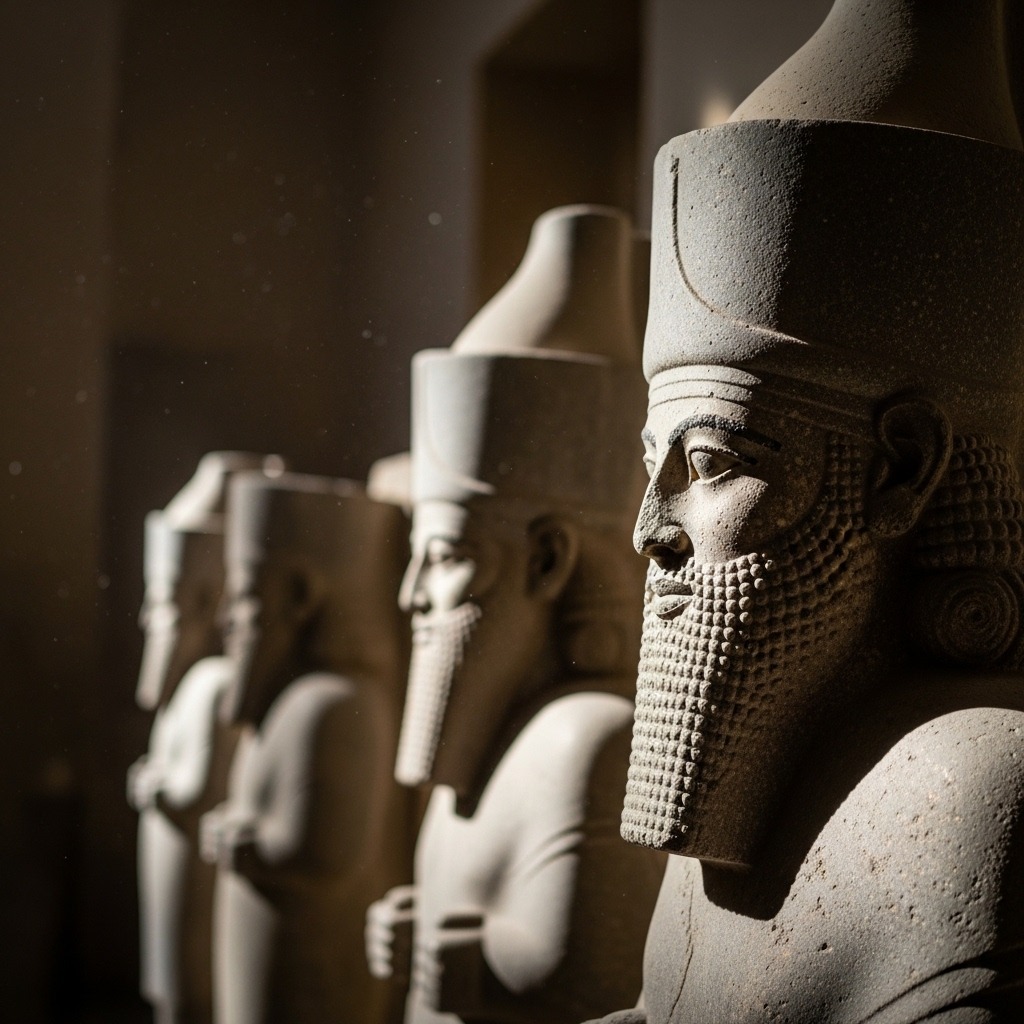
Anu as the Creator of the Universe
Anu is often seen as the creator of everything. He represents the sky and oversees the cosmic order. In many myths, he is portrayed as the source of all deities. This makes him a central figure in Sumerian religion.
- Father of the Gods: Anu fathered important deities like Enlil and Enki.
- Sky God: He governs the heavens, symbolizing authority and power.
- Cosmic Order: Anu maintains balance in the universe, ensuring that everything functions as it should.
Symbols Associated with Anu
Anu has distinct symbols that highlight his divine nature. These symbols are often depicted in art and artifacts.
- Horned Cap: A common symbol representing his godly status.
- The Sky: Anu is intrinsically linked to the vastness of the sky, reinforcing his role as a sky deity.
- The Number 60: This number often appears in references to Anu, symbolizing completeness and perfection.
Anu’s Influence on Later Mesopotamian Religions
Anu’s impact extended beyond the Sumerians. He influenced various cultures in Mesopotamia, making him a pivotal figure in multiple religions.
- Cultural Practices: Later civilizations adopted Anu’s characteristics. They often revered him in rituals and myths.
- Comparative Significance: Anu parallels other supreme gods like Zeus in Greek mythology and Ra in Egyptian traditions, showcasing the universal theme of a sky god as the ultimate authority.
- Evolution of Worship: As Sumerian religion evolved, Anu’s role shifted but remained influential in the pantheon of gods.
Anu’s portrayal in mythology and artifacts showcases his cultural significance. He is not just a deity but a foundational aspect of Sumerian identity and belief systems.
2. Enlil – The God of Wind and Storms
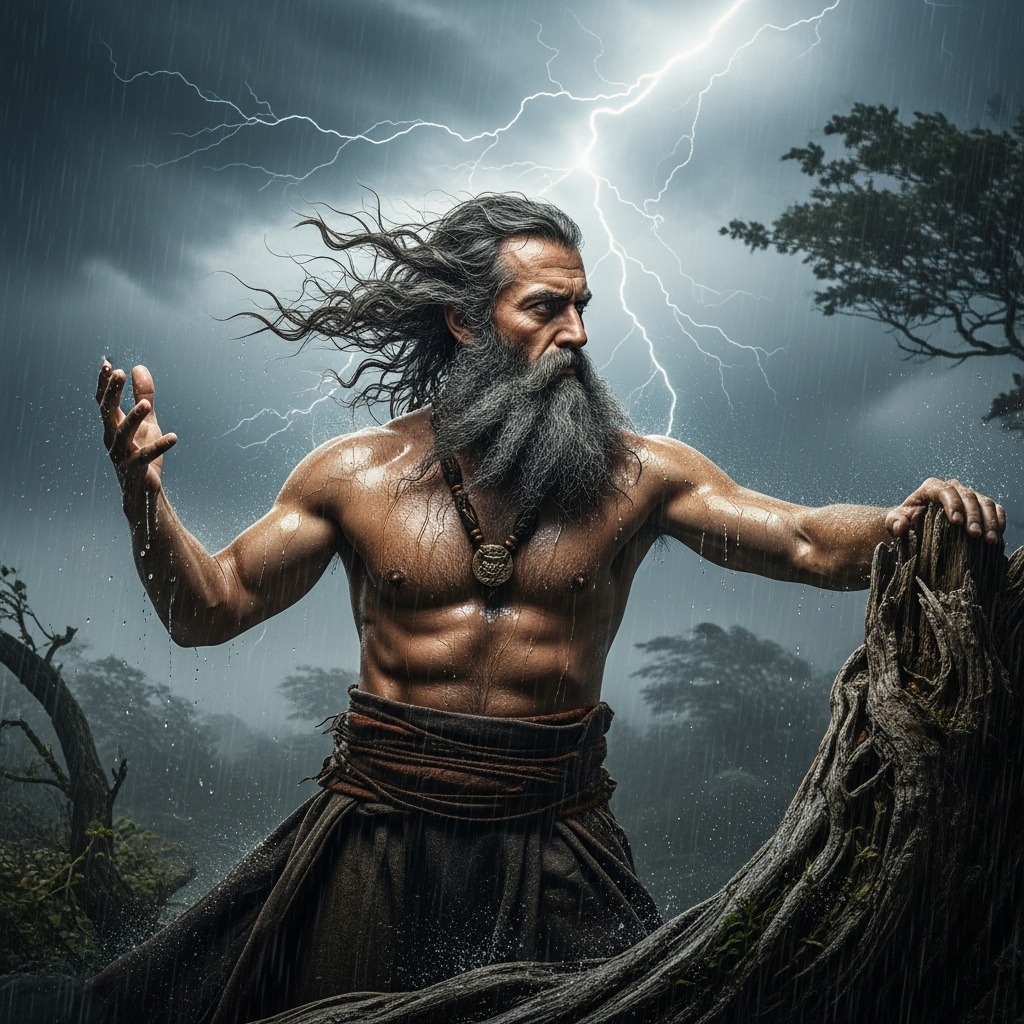
Enlil is one of the most important deities in the Sumerian pantheon. Known as the god of wind, air, earth, and storms, he played a crucial role in creation myths. His actions shaped the world and influenced Sumerian society deeply.
Table of Contents
Enlil’s role in separating heaven and earth
In Sumerian creation myths, Enlil was instrumental in separating heaven (An) and earth (Ki). This act made the world habitable for humans. By doing this, he established order in the cosmos. Enlil’s power as a chief deity is evident in how he organized the universe, setting the stage for life and civilization.
Cults and temples dedicated to Enlil
Enlil wasn’t just a mythological figure; he was worshipped actively. Temples dedicated to him were built in various Sumerian cities, especially in Nippur. These temples served as centers for rituals and offerings. People sought his favor for good weather, bountiful harvests, and protection from storms.
- Cults: Various cults arose to honor Enlil. They performed rituals that emphasized his importance in agriculture and daily life.
- Festivals: Special festivals were held to celebrate Enlil, where people gathered to express gratitude for his gifts.
Stories of Enlil’s temper and mercy
Enlil’s character was complex. He was known for his temper, often depicted as a god who could unleash storms and floods when angered. One famous story tells of Enlil sending a flood to punish humans for their noise. But he also showed mercy. In some tales, he defied his own decisions, allowing humans to survive through the warnings of Enki, another important deity.
- Temper: Enlil’s wrath could lead to devastating consequences, influencing how Sumerians viewed natural disasters.
- Mercy: His merciful side taught the importance of balance in life. This duality shaped societal norms, emphasizing the need for respect toward the gods.
Enlil’s influence extended beyond mythology; he impacted agricultural practices too. As the patron of farming, he was credited with inventing essential tools, like the mattock, which improved farming efficiency. This connection between deity and agriculture highlights how Sumerians intertwined their beliefs with daily life.
3. Enki – The God of Water and Wisdom

Enki is one of the most fascinating figures in Sumerian mythology. Known as the god of water and wisdom, he played a crucial role in creation and human affairs.
Enki’s Creation of Humanity
Enki is often credited with the creation of humans. According to Sumerian myths, he teamed up with Nammu, the goddess of the primeval sea. Together, they shaped humanity from clay. Enki’s intent was to create beings who could worship the gods and take care of the earth. This act was monumental, as it established the relationship between humans and the divine.
Enki’s Role in Sumerian Flood Myths
Enki is also remembered for his cleverness during the flood myths. When the other gods decided to flood the earth to wipe out humanity, Enki opposed this plan. He secretly warned a man named Ziusudra (similar to Noah) about the impending disaster. Enki instructed him to build a boat to save himself and his family. This story highlights Enki’s protective nature and his commitment to humanity’s survival.
Enki’s Contributions to Agriculture and Craft
Enki didn’t just create humans; he also nurtured their development. He is associated with teaching agriculture, crafts, and various skills. Enki inspired innovations that helped Sumerians thrive. For example, he taught them about irrigation, which was vital for farming in Mesopotamia. This connection shows how Enki’s wisdom directly impacted daily life.
Key Attributes of Enki
- Wisdom: Enki was known as the god of wisdom and knowledge. He provided insights that helped humanity grow and prosper.
- Craftsmanship: As the patron of crafts, he helped humans develop skills in various trades.
- Compassion: Enki’s protective nature set him apart from other gods. He cared for humanity and intervened to save them from disaster.
Enki’s teachings and actions shaped Sumerian society significantly. His legacy as a creator and protector continues to resonate throughout history.
4. Inanna – The Goddess of Love and War
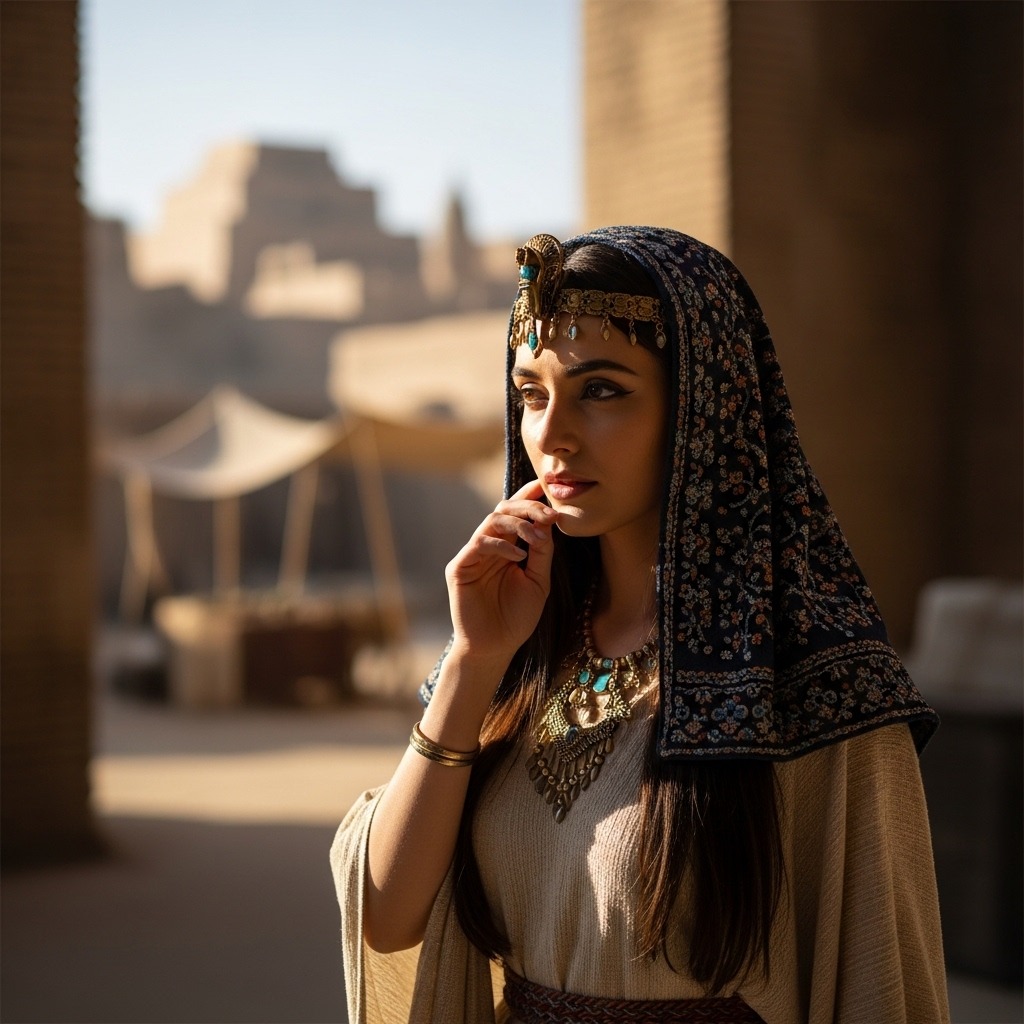
Inanna, one of the most significant deities in the Sumerian pantheon, embodies a fascinating duality. She is both a goddess of love and war, representing the complexities of human experience.
Inanna’s Stories and Myths
Inanna’s mythology is rich and layered. She’s known for her passionate love affairs, particularly with Dumuzi, the God of Shepherds. Their relationship showcases her role in fertility and love. But Inanna isn’t just about romance; she’s also a fierce warrior. Her involvement in battles highlights her strength and power. This dual nature reflects the Sumerians’ understanding of life’s conflicting forces.
Symbols and Temples Dedicated to Inanna
Inanna was often depicted with symbols like the eight-pointed star, representing her connection to the planet Venus. Temples dedicated to her, such as the famous Eanna temple in Uruk, served as centers for worship. Here, rituals celebrated both her nurturing and warrior aspects.
Inanna’s Place in Sumerian Art and Literature
Inanna’s influence extended into art and literature. She appears in numerous poems and stories, showcasing her complexity. These works often emphasize her independence and strength, challenging traditional gender roles of the time. Her duality in embracing love and conflict made her a powerful figure in Sumerian society.
- Cultural Impact: Inanna redefined femininity in Sumerian culture. She was a symbol of empowerment, showing that women could embody both nurturing and fierce qualities.
- Mythical Influence: Her stories have resonated through history, influencing later cultures and their perceptions of gender and divinity.
Inanna’s rich narrative and complex character continue to captivate those who explore the depths of Sumerian mythology.
5. Nammu – The Goddess of the Primordial Sea
Nammu holds a special place in Sumerian mythology as the mother of many gods and a vital figure in creation myths. Her influence extends beyond her immediate family, shaping the very fabric of Sumerian belief.
Nammu as the source of creation
Nammu is often seen as the source of all life. As the Goddess of the Primordial Sea, she represents the chaotic waters that existed before creation. Her role is to give birth to deities like An (the god of heaven) and Ki (the goddess of earth). These two are foundational to the Sumerian pantheon.
- Creator of Humanity: Nammu, with Enki’s help, is said to have molded the first humans from clay. This act symbolizes the divine connection between gods and humans.
- Mother Goddess: Nammu embodies maternal qualities. As a mother goddess, she nurtures and protects her offspring, making her one of the most revered figures in Sumerian culture.
Her connections to other deities
Nammu’s relationships with other gods highlight her significance in the pantheon.
- An and Ki: As their mother, she establishes a powerful lineage. An rules the heavens, while Ki governs the earth, representing a balance in the universe.
- Enki: Nammu’s collaboration with Enki, the god of wisdom and water, showcases her role in creation. Together, they bring forth life, illustrating the importance of teamwork among deities.
Cultural representations of Nammu
Nammu’s presence is felt throughout Sumerian art and literature.
- Myths and Legends: She appears in various creation stories, emphasizing her role in shaping the world. These narratives often highlight her nurturing side and her connection to water as a life-giving force.
- Worship Practices: Nammu was honored in rituals aimed at ensuring fertility and prosperity. Her worship reflects the Sumerians’ deep respect for the primal forces of nature.
Nammu’s legacy continues to influence not just Sumerian mythology but also later civilizations. Her role as a creator and mother goddess sets a precedent for how deities would be viewed in various cultures that followed.
6. Ki – The Earth Goddess
Ki, the Earth Goddess, holds a special place in Sumerian mythology. She is more than just a deity; she symbolizes the earth itself and its nurturing qualities. Let’s dive into her fascinating story!
Ki’s duality with Anu
Ki is intricately linked with Anu, the god of the heavens. In Sumerian cosmology, they represent a perfect balance. Here’s how their relationship works:
- Anu: The heavenly father, often seen as the ultimate creator.
- Ki: The earthly mother, nurturing life and vegetation.
Together, they create a harmonious universe. Their union allowed for the birth of several important deities, including Enlil, the god of air and storms. This duality emphasizes the balance between heaven and earth, a crucial theme in Sumerian belief.
Role in Sumerian creation myths
Ki plays a pivotal role in Sumerian creation myths. She is often depicted as a source of life. For instance:
- Creation of vegetation: Ki, alongside Anu, is credited with producing the plants that sustain humanity.
- Separation from Anu: When their son Enlil intervened, he separated Ki and Anu, allowing them to rule their respective domains.
This separation was vital. It marked the beginning of the earth’s lushness and the flourishing of life. Ki’s nurturing aspect is evident in her association with agriculture, highlighting her importance in farming and fertility rituals.
Cultural significance and worship of Ki
Ki’s influence extends beyond creation myths. She holds significant cultural importance for the Sumerians, especially in agricultural practices.
- Worship practices: Although Ki did not have dedicated temples, she was revered in agricultural rituals. Sumerians celebrated her during planting seasons to ensure a bountiful harvest.
- Symbol of fertility: Ki represents fertility not just in crops, but also in human life, reinforcing her nurturing persona.
Understanding Ki is essential for grasping the Sumerian worldview. She embodies the earth’s life-giving force, making her a central figure in their mythology and daily life.
7. Gula – The Goddess of Healing
Gula was a vital figure in the Sumerian pantheon, known for her role as the goddess of healing. She represented health, medicine, and the care of animals, especially dogs. Her influence shaped practices and beliefs about healing in ancient Sumer.
Gula’s attributes and symbols
Gula was often depicted with symbols that represented her healing powers. Here are some key aspects:
- Healing Tools: She was associated with scalpels, herbal medicine, and bandages. These tools were essential for doctors in Sumer.
- Animal Companionship: Dogs were her symbol, often seen by her side in art. This connection highlighted her role in the healing of both humans and animals.
- Names and Titles: Gula had several names including Ninisina and Ninkarrak, reflecting her diverse attributes and worship across different regions.
Gula’s significance in Sumerian society
Gula held immense importance in Sumerian culture. She was seen as the source of all healing knowledge. Her significance can be summarized in a few points:
- Cultural Beliefs: Sumerians believed that Gula could cure illness and protect them from harm. This belief made her a central figure in daily life and health.
- Role in Mythology: Gula was often invoked in myths involving healing and restoration. These stories reinforced her status as a powerful deity.
Cults and temples dedicated to Gula
Gula had dedicated cults and temples, which were vital to her worship. Here’s how her followers honored her:
- Major Centers: Her main cult center was in Umma, but her influence spread to cities like Nippur and Uruk.
- Rituals and Practices: Rituals often included offerings of food and animal sacrifices. These acts were believed to gain Gula’s favor for health and healing.
- Influence on Medicine: Gula’s worship influenced medical practices. Her followers developed healing techniques and herbal remedies that were used by Sumerian doctors.
Gula’s presence in Sumerian society was a testament to the civilization’s understanding of health and wellbeing. Her legacy continues to highlight the cultural significance of gods in ancient Mesopotamia.
8. Utu – The Sun God and Guardian of Justice
Utu, the Sumerian sun god, was much more than just a celestial body. He embodied justice and moral order, playing a vital role in Sumerian society.
Utu as a Symbol of Truth
Utu was revered as the god of truth. His ability to see everything during his daily journey across the sky made him a natural guardian of justice. Sumerians believed that he ensured fairness and righteousness.
- Attributes: Utu was often depicted as an old man with a long beard, radiating light. His most recognizable symbol was the solar disc.
- Moral Authority: He was one of the few gods who was universally seen as “good,” overseeing the moral fabric of society.
Myths Associated with Utu
Utu was intertwined with various myths that emphasized his importance. He was the son of Nanna, the moon god, and the twin brother of Inanna, the goddess of love and war. These familial ties highlighted his significant role in the pantheon.
- Cosmic Order: Utu’s myths often revolved around his efforts to maintain cosmic balance, helping to establish law and order in the world.
- Protection Against Evil: As a protector of good, Utu was believed to banish evil and uphold justice, making him a figure of hope for the people.
Rituals Honoring Utu
Worshipping Utu involved various rituals aimed at invoking his protection and favor. Sumerians performed ceremonies to ensure justice was served and moral order maintained.
- Offerings: Rituals often included food offerings and incense, believed to please Utu and gain his blessings.
- Judicial Practices: In Sumerian courts, judges invoked Utu’s name to ensure fairness in trials. This practice reinforced the belief that justice was divinely sanctioned.
Utu’s cultural representation is found in various art forms, showcasing him as a figure of authority and righteousness. His legacy in Sumerian society underscores the deep connection between divinity and morality, illustrating how important justice was to the Sumerians.
9. Nanna – The Moon God
Nanna, the Sumerian moon god, played a vital role in agriculture and timekeeping. His influence extended far beyond the night sky, shaping the rhythms of farming and society.
Nanna’s lunar role
Nanna, also known as Suen or Sin, was the god of the moon and wisdom. He represented the lunar cycle, which was crucial for Sumerian agriculture. Farmers relied on Nanna’s phases to determine the best times for planting and harvesting. The moon’s light guided night-time activities, helping hunters and farmers alike.
- Lunar Calendar: Nanna’s cycle helped create the lunar calendar. This calendar was essential for planning agricultural activities and religious festivals.
- Agricultural Impact: The timing of sowing seeds and reaping crops was often aligned with Nanna’s phases. This ensured better yields and food security.
Cults and festivals dedicated to Nanna
Sumerians held various festivals to honor Nanna. These events were not just religious gatherings; they were also vital for social cohesion.
- New Moon Festival: This celebrated the new lunar cycle. It marked the start of new agricultural activities.
- Offerings and Rituals: People offered grains and livestock to Nanna, seeking his blessings for bountiful harvests.
Nanna’s relationship with other Sumerian deities
Nanna was intricately linked to other gods in the Sumerian pantheon, particularly his son, Utu, the sun god.
- Father-Son Dynamic: Nanna fathered Utu, highlighting the balance between night and day, darkness and light. This relationship symbolized the natural order.
- Cultural Significance: Nanna’s wisdom complemented Utu’s strength, creating a holistic approach to Sumerian life. Together, they influenced everything from agriculture to justice.
Nanna’s worship deeply affected Sumerian society, tying their agricultural success to his lunar cycles and ensuring that the community thrived.
10. Ereshkigal – The Goddess of the Underworld
Ereshkigal held a unique and powerful role in Sumerian mythology. As the goddess of the underworld, she governed the realm of the dead and shaped ancient beliefs about mortality and the afterlife.
Ereshkigal’s dominion over the underworld
Ereshkigal ruled over a gloomy place known as the Netherworld, or Kigal. This was a realm filled with shadows and spirits. Here, she enforced strict laws regarding life and death.
- Goddess of Death: Ereshkigal was not just a figure of fear. She represented the inevitable end of life. Her role emphasized the Sumerian understanding of mortality.
- Keeper of the Dead: She ensured that souls remained in her domain. No one could leave without a replacement. This law reinforced the cycle of life and death in Sumerian culture.
Myths surrounding Ereshkigal
Ereshkigal had intriguing interactions with other deities, especially her sister Inanna. One famous myth describes Inanna’s descent into the underworld.
- Inanna’s Descent: Inanna sought to visit Ereshkigal. As she passed through the seven gates, she was stripped of her powers and turned into a corpse. This myth illustrates the stark contrast between life and death.
- Conflict and Complexity: Their relationship was marked by rivalry. Ereshkigal’s bitterness towards Inanna highlighted the duality of existence—life versus death, joy versus sorrow.
Cultural attitudes towards death and Ereshkigal’s role
Ereshkigal shaped how the Sumerians viewed death and the afterlife. Her presence was both respected and feared.
- Rituals and Worship: Ancient Sumerians performed rituals to appease Ereshkigal. They believed this would ensure safe passage for the souls of the deceased.
- Mortality’s Acceptance: Through Ereshkigal, Sumerians learned to accept death as a natural part of life. She reminded them that death was not an end but a continuation in another form.
Ereshkigal’s influence extended beyond mere mythology. She played a crucial role in the Sumerian worldview, helping them navigate the mysteries of life and death.
11. Summary of Sumerian Gods and Their Impact
The Sumerian pantheon is rich with deities that shaped their culture and beliefs. Each god played a vital role in everyday life and the understanding of the universe.
The Legacy of Sumerian Gods
The Sumerian gods were more than just figures of worship. They influenced various aspects of life, including:
- Creation Myths: Anu, Enlil, and Enki were central to the Sumerian creation stories. They helped the Sumerians understand the origins of life and the world around them.
- Fertility and Love: Inanna, the goddess of love and war, embodied the duality of life. Her stories emphasized the importance of love, fertility, and the human experience.
- Death and Afterlife: Ereshkigal represented the acceptance of mortality. Through her, Sumerians learned to navigate the mysteries of life and death.
Comparative Analysis with Other Pantheons
When comparing Sumerian gods with other ancient deities, several similarities and differences emerge:
- Hierarchy of Gods: Like the Greek pantheon, the Sumerian gods had a structured hierarchy. Anu was the chief god, similar to Zeus in Greek mythology.
- Human Traits: Sumerian gods exhibited human-like qualities. This is akin to how the gods in Roman and Greek myths behaved, making them relatable to their followers.
- Cultural Functions: Both Sumerian and Egyptian gods were tied to nature and daily life. However, Sumerians had a more detailed focus on creation and the afterlife.
Sumerian Influence on Contemporary Beliefs
The impact of Sumerian mythology extends beyond ancient times. Many concepts from their pantheon influenced later civilizations:
- Religious Practices: The idea of gods representing natural forces can be seen in various cultures today. This reflects a common understanding of the divine in human experience.
- Literary Influence: Stories of Sumerian gods laid the groundwork for epic tales in other cultures, such as the Epic of Gilgamesh, which continues to inspire modern literature.
- Symbolism in Art: Sumerian deities also influenced artistic expressions in subsequent civilizations. Their imagery and symbolism can be found in various cultural artifacts.
The Sumerian gods, through their roles and relationships, helped shape a worldview that still resonates today. Their legacy continues to influence modern culture, religion, and storytelling.
Frequently Asked Questions
These quick answers cover the most common questions about this topic, including key details, practical tips, and common concerns.
Who were the most important Sumerian gods?
The most important Sumerian gods include Anu (the sky god and supreme deity), Enlil (god of wind, storms, and earth), Enki (god of water, wisdom, and creation), Inanna (goddess of love, war, and fertility), Nammu (primordial sea goddess and creator), Ki (earth goddess), Utu (sun god and justice), Nanna (moon god), and Ereshkigal (goddess of the underworld). These deities shaped Sumerian religion and culture.
Who are the 12 Anunnaki?
The 12 Anunnaki are a group of divine beings in Sumerian mythology, often considered the chief gods who decreed the fate of humanity. They include gods like Anu, Enlil, Enki, and others associated with creation, justice, and the cosmos. Their stories reflect the Sumerians’ view of divine authority and cosmic order.
What religion has 3000 gods?
Ancient Sumerian religion is often cited as having had around 3,000 gods and spirits. Their pantheon was highly complex, with gods governing natural forces, cities, and aspects of daily life. Many of these deities were worshipped locally, with temples dedicated to specific gods.
What are the seven Sumerian gods in order?
While there is no strict canonical list, the “seven main” Sumerian gods often referenced are: Anu (sky), Enlil (air and storms), Enki (water and wisdom), Inanna (love and war), Nammu (primordial sea), Ki (earth), and Utu (sun and justice). These deities represent key aspects of the universe and human life.
How did the Sumerians worship their gods?
Sumerians worshipped their gods through rituals, offerings, and festivals held in temples. Priests performed daily sacrifices and prayers to gain divine favor. Major festivals celebrated gods like Enlil and Inanna, often involving processions, music, and communal feasts. Temples served as centers for worship and community gatherings.
Why were these gods important to Sumerian culture?
These gods embodied natural forces and societal values, guiding daily life, agriculture, and governance. They explained the creation of the world, natural phenomena, and human destiny. Worshipping them reinforced social order, divine authority, and cultural identity.
When were these gods worshipped?
The Sumerian civilization flourished around 3500–2000 BCE. Their gods were worshipped throughout this period, especially in major city-states like Uruk, Ur, and Nippur. Worship practices evolved over time but remained central to Sumerian life.
What are common misconceptions about Sumerian gods?
A common misconception is that Sumerian gods were monolithic or unchanging. In reality, their roles and stories varied by city and period. Another mistake is equating Sumerian gods directly with later Mesopotamian deities without recognizing cultural differences and syncretism over time.