
Hestia, the Greek goddess of the hearth and home, embodies family and domesticity. This article presents 23 intriguing facts about Hestia, highlighting her significance in mythology, her symbols, and her role within ancient Greek culture.
1. Hestia is the Greek goddess of the hearth and home
Hestia holds a special place in Greek mythology. She represents the warmth of home and the strength of family. Let’s dive into her significance in domestic life and beyond.
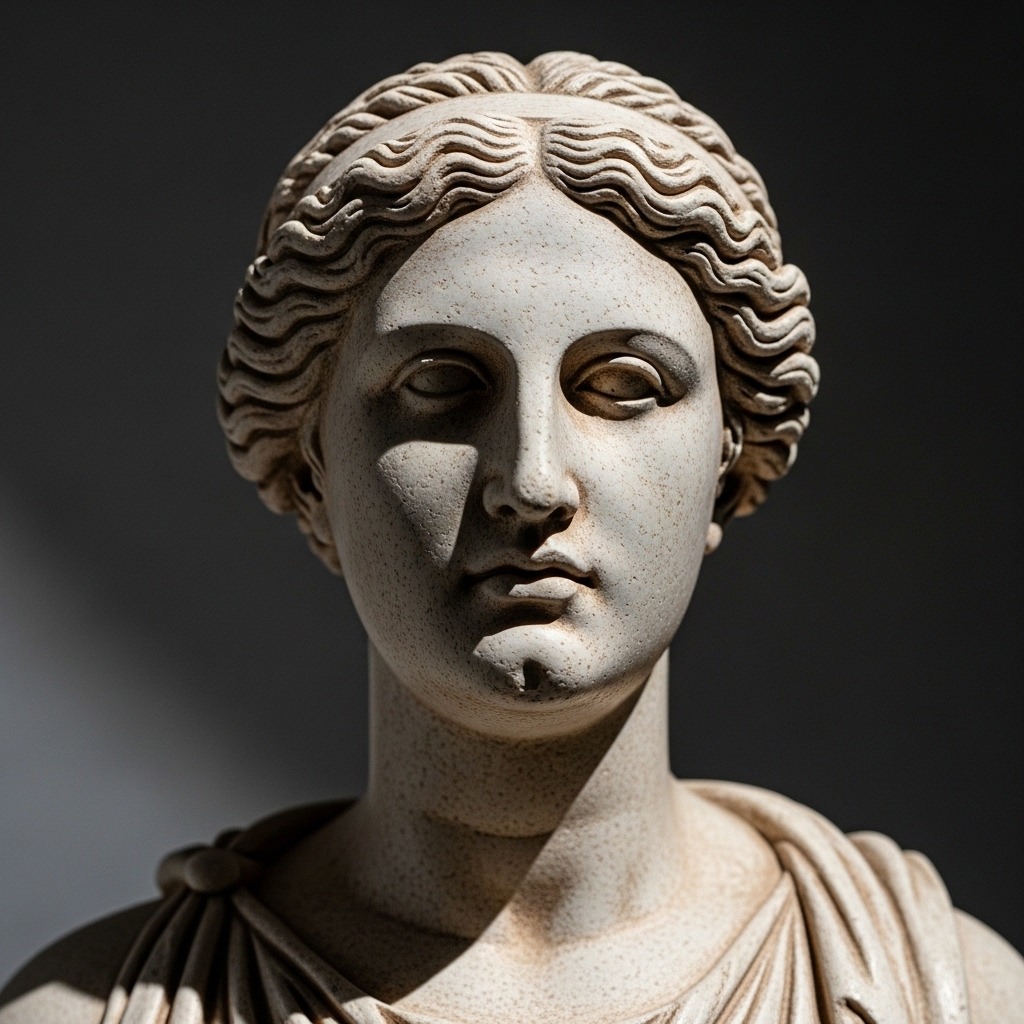
Hestia’s significance in domestic life
Hestia is the goddess of the hearth, symbolizing the heart of every household. The hearth is where families gather, cook, and share stories. It represents comfort and security.
- Symbol of Stability: The eternal flame she tended was a sign of stability. This flame was central to every home and community.
- Guardianship: Hestia was believed to protect families and their homes. She was the first to receive offerings during sacrifices, ensuring blessings for the household.
Her role in family unity
Hestia’s influence extended beyond individual homes. She played a vital role in uniting families and communities.
- Civic Hearths: Public hearths in city-states were dedicated to Hestia. These served as communal gathering spots, reinforcing social bonds.
- Rituals and Offerings: Families offered sacrifices to Hestia before any other gods. This practice highlighted her importance in maintaining family harmony.
Hestia’s influence on Greek culture
Hestia’s impact on Greek culture is profound. She represents values that resonate even today.
- Cultural Symbol: The hearth symbolizes not just physical warmth but also the emotional warmth of family life. Her image inspired art and literature throughout ancient Greece.
- Comparison with Vesta: Hestia parallels the Roman goddess Vesta, both representing the same ideals of home and family. This connection shows how integral these concepts were across cultures.
Hestia’s legacy is about more than just mythology. She embodies the essence of home and family, influencing Greek society in meaningful ways.
2. Hestia is one of the three virgin goddesses
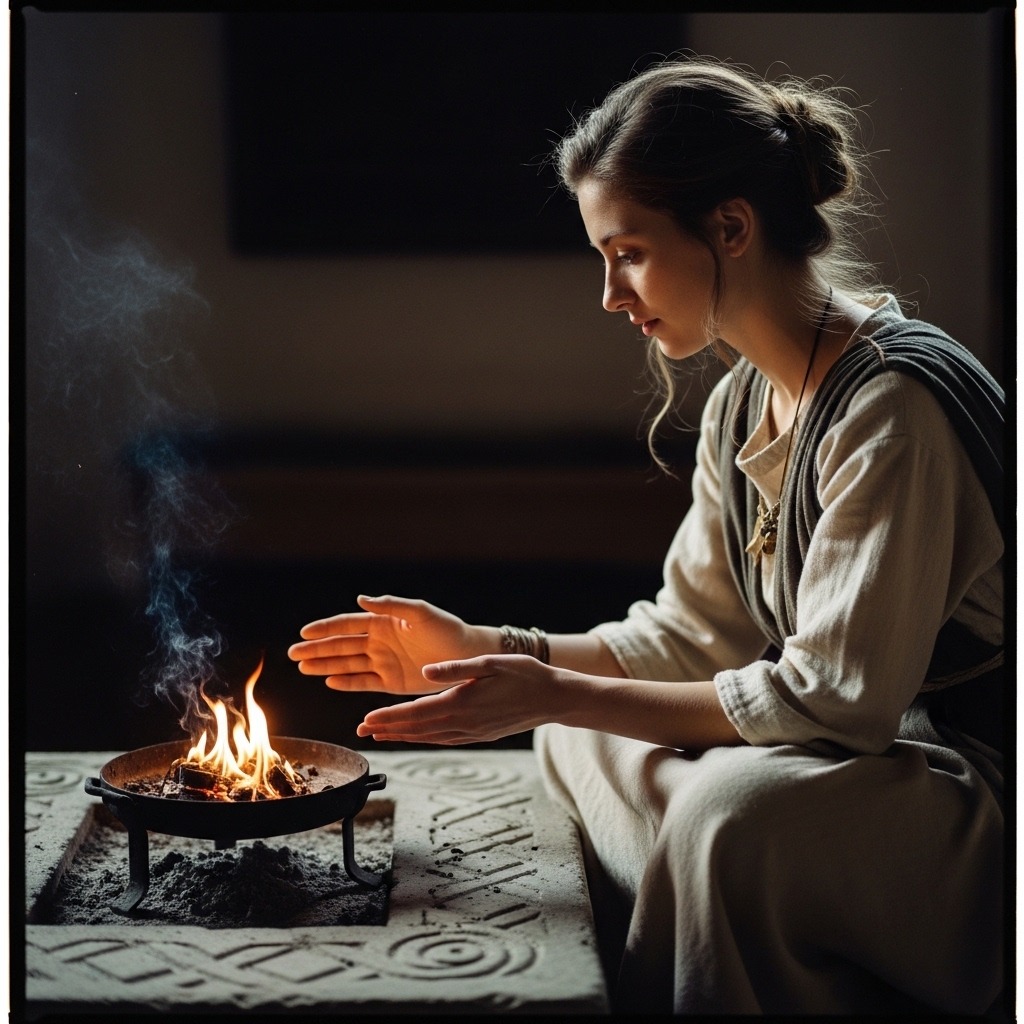
Hestia is known as one of the three virgin goddesses in Greek mythology. Her vow of virginity is significant, shaping her identity and role in ancient society.
Table of Contents
Comparison with Athena and Artemis
Hestia stands alongside Athena and Artemis as a virgin goddess. Each of these goddesses chose to remain unattached.
- Hestia: Focused on home and family. She represents domestic harmony.
- Athena: A warrior goddess, she values wisdom and strategy.
- Artemis: The huntress, she embodies independence and nature.
While they each have distinct roles, their shared virginity symbolizes strength and autonomy. This choice sets them apart from other deities who pursued romantic relationships.
Cultural views on virginity
In ancient Greece, virginity was highly regarded. For Hestia, it signified purity and dedication. Her choice to remain a virgin reflected deep cultural values.
- Purity: Virginity was seen as a virtue, enhancing a woman’s status.
- Dedication: Hestia’s commitment to the hearth made her a symbol of family and home.
- Power: Unlike other goddesses, Hestia’s lack of romantic ties gave her a unique strength.
Hestia’s virginity allowed her to focus solely on her responsibilities. This made her a crucial figure in maintaining family unity and community bonds.
Impact of her choice on mythology
Hestia’s vow of chastity influenced her relationships with other gods. Her decision led to a unique position among the Olympians.
- Protector: Other gods defended Hestia’s chastity fiercely. For example, when Priapus attempted to assault her, the gods intervened to protect her.
- Respected: Zeus honored Hestia for her commitment, granting her the highest place at the hearth of Olympus.
- Symbol of Stability: Hestia’s commitment to remaining single allowed her to serve as a constant in a world filled with chaos.
Her choice reinforced the idea that true strength lies in dedication to family and community. Hestia’s influence extends beyond mythology, continuing to resonate in modern concepts of home and family values.
3. Hestia’s name means ‘hearth’ or ‘fireplace’

Hestia’s name carries deep meaning. It reflects her role as the goddess of the hearth, home, and family. Let’s explore the roots of her name and what they signify.
Origins of the name
Hestia comes from the Greek word for “hearth” or “fireplace.” This highlights her connection to domestic life. The hearth was vital in ancient homes. It was where families gathered, cooked, and stayed warm.
Her name likely traces back to Proto-Indo-European roots. The root wes means “burn” and h₂wes- means “dwell” or “stay.” These connections emphasize the importance of the hearth in creating a sense of home and community.
Cultural significance of the hearth
The hearth symbolized more than just fire. It represented safety, warmth, and togetherness. In ancient Greece, the hearth was the heart of the household.
- Rituals: Families made offerings to Hestia at their hearths. These rituals fostered a sense of unity.
- Community: Public hearths served as places for communal gatherings. They brought people together for celebrations and decision-making.
Hestia’s association with the hearth shows her essential role in both family life and community well-being.
Hestia as a symbol of home
Hestia embodies the spirit of home. Her presence signifies stability and comfort.
- Guardian of the household: She protected families and ensured harmony.
- Role in rituals: Every meal began with a prayer to Hestia, acknowledging her role in the home.
Her legacy continues today, reminding us of the importance of family and community bonds. Hestia’s name and its implications reflect timeless values that still resonate in modern society.
4. Hestia’s sacred flame symbolizes family continuity

Hestia’s sacred flame is more than just a flickering light. It represents the heart of the home and the continuity of family life. This flame played a vital role in various rituals and daily practices in ancient Greece.
The role of the sacred flame in rituals
The sacred flame was central to many rituals dedicated to Hestia. Here are some key practices:
- Everyday Offerings: Families would light the flame each day to honor Hestia. This act symbolized gratitude and the importance of the hearth.
- Festivals: Special festivals, like the Hestiaia, celebrated the goddess. These included lighting fires in her honor and sharing communal meals.
- Public Ceremonies: In city-states, civic leaders lit the public hearth flames. This connected the community to Hestia’s protective spirit.
Significance of the flame in family life
Hestia’s flame was seen as a source of security and stability. Here are a few reasons why it mattered:
- Symbol of Continuity: As long as the flame burned, families believed they would thrive. It acted as a blessing for prosperity and unity.
- Rituals of Renewal: When the flame was extinguished, it required a ritual to relight it. This signified a fresh start and a recommitment to family values.
- Connection to Ancestors: Lighting the flame also honored past generations. It linked families to their heritage and the values they stood for.
Public hearths dedicated to Hestia
Public hearths were dedicated to Hestia in every Greek city-state. These served as communal gathering spots. Here’s what made them special:
- Center of Community Life: The public hearth was a place for meetings and celebrations. It fostered a sense of belonging among citizens.
- Political and Religious Significance: Leaders often made vows and important decisions near the hearth. It was seen as a sacred space where divine favor was sought.
- Civic Rituals: Special ceremonies, like the lighting of the flame at the start of events, reinforced communal ties. This practice emphasized the importance of Hestia in public life.
Hestia’s flame embodies the essence of home and community. It symbolizes continuity, connection, and the nurturing spirit that binds families and societies together.
5. Hestia was honored at the beginning of every meal
Hestia played a central role in the daily lives of the ancient Greeks, especially during mealtime. Before they enjoyed their food, they made sure to honor her. This practice highlighted her importance as the goddess of the hearth, home, and family.
Rituals before meals
Before every meal, Greeks would perform specific rituals to invite Hestia’s blessing. These rituals involved:
- Invoking Hestia: Families would call upon her name, asking for her presence at the table.
- Offering the first portion: The first portion of food was set aside for Hestia, a way to show gratitude and respect.
- Lighting a flame: If possible, they would light a small fire or candle to symbolize the sacred flame of the hearth.
These rituals were not just traditions; they were expressions of faith and community. They reminded everyone of the importance of home and family.
Cultural practices surrounding food
Food was more than sustenance in ancient Greece. It was a way to connect with each other and with the divine. Hestia’s presence was interwoven into these cultural practices. Here are a few key aspects:
- Unity through meals: Sharing a meal was a communal affair. Hestia’s blessings were seen as vital for harmony and togetherness.
- Sacred hospitality: Guests were also honored by invoking Hestia’s name, ensuring that all felt welcome and safe.
- Symbol of stability: The hearth was considered the heart of the home, with Hestia as its guardian. This stability was crucial for family dynamics.
Hestia’s role in hospitality
Hestia’s influence extended beyond the family. She was a symbol of hospitality in Greek culture. Here’s how her role shaped social interactions:
- First and last offerings: When hosting guests, the first and last sips of wine were often dedicated to Hestia. This practice demonstrated respect and gratitude.
- Sacred space: The hearth was a sacred space in every home. Inviting guests near the hearth signified warmth and hospitality.
- Community gatherings: Public feasts and gatherings often began with a blessing to Hestia, reinforcing her role in communal life.
In essence, honoring Hestia before meals was a way for the ancient Greeks to maintain a connection with the divine, nurture their families, and foster a sense of community.
6. Hestia’s public hearth was central to Greek cities
Hestia’s role went beyond the home. Her public hearths were vital for city governance and community life in ancient Greece. Let’s dive into how these hearths shaped civic identity and unity.
The significance of the prytaneum
The prytaneum was more than just a building. It housed the community’s hearth dedicated to Hestia. This was the heart of every Greek city. Here, citizens gathered for various functions, from official meetings to communal meals. The prytaneum served as a symbol of civic pride and societal stability.
- Sacred space: The hearth within the prytaneum was a holy site. It was where people prayed and made offerings to Hestia.
- Civil ceremonies: Important city events like treaties and celebrations often began with a ritual honoring Hestia.
Hestia’s connection to civic life
Hestia wasn’t just a goddess of the home; she was also integral to public life. Her influence was seen in rituals that reinforced community bonds.
- Offerings for unity: When a new leader was elected, sacrifices were made to Hestia to ensure a prosperous reign.
- Symbol of hospitality: The hearth represented warmth and welcome. It encouraged citizens to come together, fostering a sense of belonging.
Community gatherings around the hearth
Public feasts and gatherings revolved around Hestia’s hearth. These events were crucial for strengthening community ties.
- Shared meals: Community meals began with a blessing to Hestia, acknowledging her as the source of unity and abundance.
- Festivals: During festivals, families would gather around the public hearth, sharing food and stories, and thereby reinforcing familial and communal bonds.
Hestia’s public hearths were not just physical spaces; they were the essence of Greek community life. They represented the values of unity, hospitality, and continuity that still resonate today.
7. Hestia’s worship declined over time
Hestia, the beloved goddess of the hearth, saw her worship wane over the centuries. Several factors contributed to this decline, transforming her from a central figure in Greek culture to a more forgotten deity.
Factors leading to decline
1. Rise of Other Deities: As new gods gained popularity, especially those with thrilling myths and adventures, Hestia’s calm and modest nature became less appealing. Her role as the domestic goddess didn’t capture the imagination like the more flamboyant Olympians.
2. Urbanization: As Greek society shifted from rural to urban living, the significance of the hearth diminished. People started focusing more on public life, moving away from the intimate settings where Hestia thrived.
3. Civic Religion: The emphasis on civic cults and public worship led to a decrease in private worship. Hestia’s quiet presence was overshadowed by gods who were actively involved in the state’s affairs.
Cultural shifts in ancient Greece
The cultural landscape of ancient Greece evolved dramatically. The values that once celebrated domesticity shifted towards public accomplishments and civic pride.
- Focus on Heroism: Heroes and their stories became central to Greek culture. These epic tales often left little room for the quiet, nurturing aspects that Hestia represented.
- Philosophical Movements: Philosophers began to challenge traditional beliefs, emphasizing reason over ritual. This change led to a decline in the importance of the domestic sphere, where Hestia held sway.
Impact on family rituals
Hestia’s decline didn’t just affect her worship; it also influenced family rituals.
- Offerings and Sacrifices: Once a staple in every home, offerings to Hestia became less frequent. Households began to prioritize sacrifices to more prominent gods.
- Communal Gatherings: While community meals and gatherings centered around Hestia were vital in earlier times, these shifted to focus on other divine figures, reducing Hestia’s role in the fabric of family life.
In summary, Hestia’s decline in worship reflects broader changes in society. As the focus shifted from the home to the public sphere, the hearth goddess’s influence waned, marking a significant cultural transition in ancient Greece.
8. Hestia’s Roman counterpart is Vesta
Hestia and her Roman equivalent, Vesta, share many similarities in their attributes and worship. Both goddesses symbolize the importance of the hearth, home, and family. However, they also have distinct differences in cultural significance and practices.
Similarities in worship
- Hearth Symbolism: Both Hestia and Vesta represent the hearth, the center of family life.
- Sacred Flames: Each goddess is associated with a sacred flame, symbolizing warmth and protection.
- Priestly Roles: In ancient societies, both had dedicated priesthoods. Hestia’s worship involved household offerings, while Vesta was tended to by the Vestal Virgins in Rome.
Differences in cultural significance
- Public vs. Private Worship: Hestia’s rituals were often private, focusing on individual households. Vesta’s worship, on the other hand, had a strong public aspect, with her temple serving as a civic center in Rome.
- Civic Identity: Vesta’s cult was tied closely to the Roman state, emphasizing unity among citizens. Hestia was more about familial bonds and domestic stability.
- Ritual Practices: The Vestalia, a festival honoring Vesta, was a grand public celebration, while Hestia’s rites were less formalized and more intimate.
Vesta’s influence on Roman practices
- Role in Society: Vesta’s presence in Roman culture reinforced family and state ties, bridging public and private life.
- Civic Fire: The sacred flame tended by the Vestals was seen as essential for Rome’s safety and prosperity. It was believed that if the flame went out, it would spell disaster for the city.
- Cultural Integration: Vesta’s worship facilitated the merging of personal devotion with civic duty, making her an integral part of Roman identity.
In essence, while Hestia and Vesta share a common foundation, their unique cultural contexts shaped their worship and significance in distinct ways.
9. Hestia’s family ties are significant in mythology
Hestia’s family dynamics play a crucial role in understanding her character and significance in Greek mythology. Her relationships with her siblings shape her identity as the goddess of the hearth and home.
Hestia’s birth and family background
Hestia is one of the six children of Cronus and Rhea. Her siblings include Zeus, Hera, Poseidon, Hades, and Demeter.
- Devoured by Cronus: Like her siblings, Hestia was swallowed by her father, Cronus, who feared being overthrown.
- Rescue by Zeus: Zeus, the youngest, escaped and later freed Hestia and her siblings, who were regurgitated by Cronus. This act marked a turning point, as they became the Olympian gods.
Her role among the Olympians
Hestia holds a unique position among the Olympians. Unlike many of her siblings, she chose to remain single.
- Eternal Virgin: Hestia is known as the eternal virgin goddess, representing purity and devotion.
- Guardian of the Hearth: She symbolizes domestic stability, serving as the protector of family and home.
Sibling dynamics and conflicts
Hestia’s relationships with her siblings are noteworthy. They often engaged in power struggles, while she maintained a peaceful distance.
- Contrast to Turmoil: Hestia’s calm demeanor stands in stark contrast to the conflicts surrounding her siblings.
- Mediator Role: This tranquility made her a unifying figure, embodying harmony in the chaotic world of the gods.
Hestia’s family ties highlight her importance in mythology. They show how her nurturing nature and choice of solitude contribute to her role as a symbol of home and family, relevant even today.
10. Hestia was revered for her nurturing qualities
Hestia is often seen as the ultimate nurturing figure in Greek mythology. Her qualities as a benevolent goddess set her apart from the other Olympians.
Cultural perceptions of femininity
Hestia embodies traditional feminine ideals. She represents domesticity, warmth, and care. Unlike some of her more aggressive counterparts, Hestia’s strength lies in her nurturing spirit.
- Gentle Guidance: Hestia was viewed as a guiding force for families. Her presence assured safety and comfort.
- Role Model: She served as a model of femininity that celebrated stability, patience, and kindness.
Hestia’s nurturing role in family life
In ancient Greece, Hestia was central to family life. Her connection to the hearth symbolizes the heart of the home.
- Hearth as Sacred Space: The hearth was not just a source of warmth; it was a sacred place where families gathered. Hestia’s flame represented unity and love.
- Rituals for Harmony: Families often performed rituals to honor her. This included offerings made at the hearth, reinforcing her role in daily life.
Contrasts with other deities
Hestia’s nurturing nature contrasts sharply with many other gods. While deities like Ares embodied war and chaos, Hestia is the calm in the storm.
- Peaceful Presence: Her tranquility provided a counterbalance to the tumultuous lives of the other gods.
- Virgin Goddess: Hestia’s choice to remain a virgin set her apart. It emphasized her commitment to the home rather than romantic entanglements.
Hestia’s nurturing qualities resonate through history. They remind us of the importance of family, home, and compassion.
11. Hestia played a role in establishing new colonies
Hestia’s influence extended beyond individual homes. She played a pivotal role in the founding of new cities and colonies in ancient Greece. Communities looked to her for blessings to ensure harmony and prosperity.
Carrying fire from the mother city
When establishing a new settlement, the Greeks often carried a sacred flame from the hearth of the mother city. This act symbolized the transfer of Hestia’s protective presence. It connected the new colony to its roots, ensuring continuity and stability.
- Symbol of Unity: The flame represented the bond between the old and new communities.
- Civic Identity: It helped forge a shared identity among the settlers.
Symbolism of the hearth in new settlements
The hearth was more than just a physical space; it symbolized warmth, security, and community. Hestia’s role as the guardian of the hearth made her essential in these new beginnings.
- Center of Life: The hearth served as the heart of every household.
- Community Gatherings: It became a place for communal gatherings and celebrations.
Rituals associated with colonization
Rituals dedicated to Hestia were integral during the colonization process. These ceremonies sought her blessings for safe travels and a prosperous future.
- Sacrifices: Offerings were often made to honor Hestia before setting out. This could include food, wine, or other gifts.
- Ceremonial Hearths: New settlements often built a communal hearth to symbolize Hestia’s presence from the start.
In essence, Hestia was not just a goddess of the home but also a vital force in creating new communities. Her influence helped shape the identity and spirit of these fledgling cities.
12. Hestia’s representation in art is rare yet meaningful
Hestia, the goddess of the hearth, has some unique representations in ancient art and literature. Though not as frequently depicted as other deities, her imagery carries significant meaning.
Artistic depictions of Hestia
Hestia is often shown in a modest manner, reflecting her gentle and nurturing nature. Here are some common themes in her artistic representations:
- Seated figure: Hestia is typically depicted as a woman sitting on a plain wooden throne, often draped in simple clothing. This modesty symbolizes her role as the keeper of the home.
- Symbols: Common symbols associated with Hestia include the hearth fire, cows, and pigs. These elements highlight her connection to domestic life and community.
- Lack of grandeur: Unlike other Olympian gods, Hestia’s imagery lacks ostentation. She doesn’t have a throne adorned with jewels; instead, she represents stability and warmth.
Literary references in ancient texts
Hestia appears in various ancient texts, emphasizing her significance in Greek culture. Key mentions include:
- Homer’s “Iliad”: Hestia is honored among the gods, reinforcing her importance in Greek society.
- Hesiod’s “Theogony”: She is recognized as the firstborn of Cronus and Rhea, establishing her divine lineage.
- Ritual hymns: Many hymns dedicated to Hestia emphasize her role in home and family life, showcasing her as a source of unity and harmony.
Cultural significance of her imagery
Hestia’s representation goes beyond mere visuals. It reflects deeper cultural values:
- Symbol of home: The hearth, which she embodies, is a focal point for family gatherings and communal activities. This symbolizes the importance of home and family in ancient Greek society.
- Virgin goddess: As a virgin goddess, Hestia represents purity and selflessness, further elevating her status in mythology.
- Influence on modern values: The ideals of home and family that Hestia symbolizes continue to resonate today, influencing contemporary concepts of domestic life and community.
Hestia’s unique artistic and literary representations make her a vital figure in understanding ancient Greek culture and its values. Her imagery serves as a reminder of the timeless importance of home and family.
13. Hestia is associated with sacred animals, including pigs
Hestia, the goddess of the hearth, has intriguing connections to certain animals, particularly pigs. These connections highlight her role in fertility and domestic rituals in ancient Greek culture.
Symbolism of pigs in Greek culture
Pigs were considered sacred animals in ancient Greece. They symbolized fertility, abundance, and the nurturing aspects of life. Hestia’s association with pigs reflects her role as a protector of the home and family. In agricultural societies, pigs were essential for sustenance and were often involved in rituals for their connection to fertility.
Hestia’s connection to fertility
Hestia’s link to fertility goes beyond just pigs. As the goddess of the hearth, she was also seen as a guardian of family and domestic harmony. Her influence extended to the growth and prosperity of households. When families celebrated milestones, like births or marriages, they often honored Hestia with offerings, including pig sacrifices. This practice reinforced her importance in ensuring the continuity of family lines and community ties.
Rituals involving sacred animals
Rituals dedicated to Hestia often included offerings of pigs. These rituals were integral to community life and often took place during festivals. The offerings symbolized gratitude and a desire for blessings on the household.
Here’s a quick look at some key aspects:
- Pigs as offerings: Pigs were sacrificed to invoke Hestia’s favor during important family events.
- Fertility rituals: Hestia’s role included blessing families with fertility and prosperity.
- Community bonding: Rituals fostered a sense of unity among families, emphasizing Hestia’s role in communal well-being.
Through these associations, Hestia embodies the values of home, family, and community in ancient Greek culture.
14. Hestia’s presence was invoked in sacrifices and offerings
Hestia played a vital role in ancient Greek rituals. Her presence was essential in sacrifices and offerings, as she was the goddess of the hearth, home, and family. Invoking her ensured blessings and harmony in both private and public life.
Types of offerings made to Hestia
Hestia was honored through various types of offerings, often reflecting her connection to the home and community. Here are some key offerings:
- First fruits: The first portion of any harvest was dedicated to her as a sign of gratitude.
- Pigs: As mentioned earlier, pigs were frequently sacrificed, especially during family events.
- Libations: The first and last drinks poured during meals were offered to Hestia, symbolizing her importance at the table.
- Grain and bread: These staples were often placed on the hearth to invoke her blessings for sustenance.
Significance of her presence in rituals
Hestia’s presence was crucial in various rituals. Here’s why:
- Civic life: In public places, her worship was linked to community well-being. Her hearth was seen as the state’s common sanctuary.
- Family unity: Invoking Hestia’s name during family meals promoted harmony and strengthened kinship bonds.
- Foundation ceremonies: When new homes or cities were established, Hestia’s blessings were sought to ensure safety and prosperity.
Cultural practices surrounding sacrifices
Cultural practices surrounding Hestia’s worship emphasized her role in daily life. Here are some notable customs:
- Household rituals: Families would gather at the hearth, making offerings before meals to ensure peace and prosperity.
- Public ceremonies: In larger gatherings, state officials led rituals to honor Hestia, showcasing her importance in civic affairs.
- Oaths and pledges: People invoked her presence to signify the seriousness of their promises, aligning their commitments with her sacred nature.
Hestia’s role in these rituals highlights her significance in both personal and communal contexts, reinforcing the values of family and unity in ancient Greek culture.
15. Hestia’s myths are less prominent than other Olympians
Hestia, the goddess of the hearth, often takes a backseat in Greek mythology. While other Olympians like Zeus and Athena grab the spotlight, Hestia’s narratives are quieter and less emphasized. Let’s explore why that is.
Reasons for her mythological obscurity
Hestia’s tales lack the drama and conflict seen in the stories of other gods. She doesn’t engage in epic battles or romantic escapades. Instead, her role is centered around home and family, which doesn’t always make for thrilling storytelling.
- No grand adventures: Unlike Zeus or Hercules, Hestia doesn’t have thrilling quests.
- Focus on domestic life: Her narratives highlight stability and peace, not chaos or heroism.
Comparison with more famous deities
When you think of the Olympians, names like Zeus, Poseidon, and Athena come to mind first. Their stories are filled with action, love, and rivalry, capturing the imagination. Hestia, however, is more about quiet strength.
- Zeus: King of the gods, known for his thunderbolts and affairs.
- Athena: Goddess of wisdom, often involved in wars and strategies.
- Hestia: Goddess of the hearth, representing home and family without the fanfare.
This contrast makes her seem less exciting in the grand tales of mythology.
Cultural implications of her role
Despite her lower profile, Hestia’s presence is felt deeply in everyday life. She symbolizes the importance of home and family, values that resonate across cultures and time. Her influence extends beyond myths into rituals and traditions, reinforcing community bonds.
- Symbol of unity: Hestia represents the heart of the home, where families gather.
- Guardian of hospitality: She embodies respect and warmth in communal gatherings.
In many ways, Hestia’s role reflects timeless values that still matter today. While she may not be the star of mythological tales, her impact on domestic life is undeniable.
16. Hestia’s depiction often emphasizes modesty
Hestia, the goddess of the hearth, is often depicted in a way that reflects her modesty. Her visual representation sets her apart from other, more flamboyant deities. Here’s how her modesty is portrayed in art and literature.
Visual representation of Hestia
Hestia is typically shown as a simple, unadorned figure. Her attire reflects her role as a nurturing presence in the home. Here are some common features in her depictions:
- Humble clothing: Hestia often wears plain garments, symbolizing her connection to the domestic sphere.
- A simple throne: Unlike the lavish thrones of other gods, hers is made of wood, highlighting her modest nature.
- A sacred flame: She frequently holds a flame or is shown with one, representing the eternal hearth.
Cultural significance of modesty
Hestia’s modesty resonates deeply within Greek culture. It embodies values still cherished today:
- Respect for family: Her humble nature signifies the importance of family and domestic life.
- Harmony in the home: Hestia’s character promotes peace and unity, essential for a thriving household.
- Role model: She serves as a role model for virtues like hospitality and compassion, making her revered among both gods and mortals.
Contrasts with other deities’ depictions
Hestia’s modest portrayal stands in stark contrast to her Olympian siblings. While gods like Zeus and Athena are often shown in grandiose settings, Hestia remains grounded. This difference highlights her unique role:
- Focus on the home: Unlike the warrior-like depictions of Ares or the glamorous portrayals of Aphrodite, Hestia’s imagery reflects her commitment to the hearth.
- Symbol of stability: Her modesty represents the steadying force within the chaotic world of the gods, showcasing her as a protector of familial bonds.
By emphasizing Hestia’s modesty in art and literature, we gain deeper insight into her significance as a goddess. Her humble nature is not just a characteristic; it’s a celebration of the values of home and family that remain relevant today.
17. Hestia’s influence persists in modern culture
Hestia, the goddess of the hearth, continues to resonate in our modern lives. Her themes of home and family are as relevant today as they were in ancient Greece.
Modern interpretations of Hestia
Hestia embodies warmth, stability, and domestic harmony. Today, her spirit can be found in various aspects of our lives:
- Home Decor: Many people design their homes with a focus on comfort and togetherness, reflecting Hestia’s values. Cozy living spaces often symbolize a modern hearth.
- Family Gatherings: Just like in ancient rituals, families today prioritize time spent together. These gatherings highlight the importance of connection and support, echoing Hestia’s influence.
Themes of home and family in current culture
Hestia’s ideals shape how we view family and community today. Her essence is evident in:
- Literature and Media: Many stories emphasize the importance of home. Books and movies often feature themes of family loyalty, safety, and love, mirroring Hestia’s role as a protector.
- Community Events: Just as ancient Greeks celebrated Hestia with festivals, modern communities host events that foster unity and support, reflecting her spirit of hospitality.
Cultural references to Hestia in literature and media
Hestia’s presence is felt in various forms of art and literature. Notable examples include:
- Literary Works: Authors often draw on Hestia’s symbolism to highlight domestic life. Her themes appear in novels that focus on family dynamics and the significance of home.
- Visual Art: Artists depict Hestia as a nurturing figure, often surrounded by symbols of the hearth. This portrayal reinforces her role as a source of warmth and safety.
Hestia’s legacy endures as a guiding force in our understanding of home and family. Her influence shapes how we celebrate these values in our lives, reminding us of the importance of connection and community.
18. Hestia’s role in Greek tragedies is notable
Hestia often appears in Greek tragedies, symbolizing the values of home and family. Her presence highlights the importance of domestic stability amid chaos.
Hestia in famous plays
Hestia is not a main character in many tragedies, but her influence is felt throughout. She represents the hearth’s warmth and safety, crucial in the turbulent world of Greek drama. Here are some notable mentions:
- Aeschylus’ “The Suppliants”: Hestia serves as a symbol of refuge for those seeking asylum. Her hearth is a sanctuary.
- Euripides’ “Hecuba”: Hestia underscores familial bonds, emphasizing the significance of home during tragedy.
- Sophocles’ “Antigone”: The themes of loyalty and sacrifice reflect Hestia’s spirit, as characters grapple with their duties to family and the state.
Themes present in her portrayals
Hestia’s character embodies key themes in Greek tragedies:
- Sanctuary: Hestia’s hearth is often depicted as a place of safety. Characters seek her protection in times of distress.
- Family Loyalty: The goddess symbolizes the bonds that hold families together, even when facing external turmoil.
- Domestic Harmony: Hestia’s essence represents the ideal home life, a stark contrast to the chaos that often unfolds in tragedies.
Cultural significance of her role in tragedies
Hestia’s role in Greek tragedies reflects deeper societal values. Her depiction serves as a reminder of the sacredness of home and family.
- Moral Lessons: Characters often face choices that pit personal loyalty against societal expectations, echoing Hestia’s ideals.
- Civic Responsibility: Hestia’s hearth is seen as a communal space, linking private and public life. This duality reinforces the idea that individual actions impact the community.
In summary, Hestia’s subtle yet profound presence in Greek tragedies enriches the narrative. She acts as a symbol of hope and stability, reminding us of the enduring importance of home and family.
19. Hestia’s hymns celebrate her virtues
Hestia, the goddess of the hearth, inspired many hymns that highlight her virtues. These hymns played a significant role in worship and reflected her importance in Greek society.
Famous hymns dedicated to Hestia
Several hymns were dedicated to Hestia. They often focused on her role as the protector of the home and family. Here are a few notable ones:
- Hymn to Hestia: This hymn emphasizes her calming presence and the sacred flame she tends. It showcases her as a symbol of unity and peace within the household.
- Hymn of the Prytaneum: Celebrating the communal hearth, this hymn acknowledges Hestia’s influence in public life. It connects private worship to civic duties.
Themes in Hestia’s hymns
Hestia’s hymns often convey central themes of domestic harmony and communal well-being. Key themes include:
- Hospitality: Hestia is portrayed as the goddess of welcome, inviting all to share in the warmth of the hearth.
- Stability: The hymns reflect her role in maintaining order and peace in homes and communities.
- Sacredness of the Hearth: Many hymns stress the importance of the hearth as a sanctuary, symbolizing safety and comfort.
Cultural importance of hymns in worship
Hymns dedicated to Hestia were more than mere songs; they were vital in rituals and festivals. They served to:
- Foster Community: By singing together, communities strengthened their bonds and collective identity.
- Reinforce Values: The themes emphasized in the hymns reflected societal values like family loyalty and respect for the home.
- Invoke Blessings: Worshippers believed that reciting these hymns would invoke Hestia’s blessings on their households and communities.
In essence, Hestia’s hymns celebrated her virtues, making her an enduring symbol of home and family in ancient Greek culture.
20. Hestia’s name is associated with hospitality
Hestia, the goddess of the hearth, is deeply connected to the concept of hospitality. In ancient Greece, her influence shaped customs and social interactions, emphasizing the importance of welcoming guests and creating a warm atmosphere.
Hospitality customs in ancient Greece
Hospitality, or xenia, was sacred in Greek culture. It wasn’t just polite; it was a moral obligation. Hestia’s presence at every hearth symbolized this duty. Here are some key aspects of hospitality linked to Hestia:
- Welcoming Guests: A good host was expected to welcome strangers, ensuring they felt comfortable and safe.
- Offering Food and Drink: Sharing meals was a way to build trust and friendship.
- Protection: Guests were seen as under the protection of the host and Hestia, so any harm done to them was considered a serious offense.
Hestia’s role in social gatherings
Hestia played a vital role in social events. She was the centerpiece of gatherings, ensuring that the atmosphere was harmonious. Her flame represented warmth and unity, encouraging people to come together.
- Family Gatherings: Families offered prayers to Hestia before meals, seeking her blessings.
- Community Feasts: Public celebrations often began with rituals dedicated to Hestia, reinforcing community bonds.
Cultural significance of hospitality
Hestia’s connection to hospitality extends beyond mere customs. It reflects broader cultural values in ancient Greece. Her influence highlighted the significance of home and family.
- Symbol of Safety: The hearth was a place of refuge, fostering security and belonging.
- Social Cohesion: Hestia’s presence encouraged communal ties, making hospitality a cornerstone of Greek society.
In essence, Hestia’s name and role embody the spirit of hospitality, reminding us of its importance in building relationships and nurturing communities.
21. Hestia’s legacy is reflected in modern rituals
Hestia’s influence continues to shine through in various contemporary rituals and practices. Even today, her essence permeates traditions that honor the home, family, and community.
Modern rituals inspired by Hestia
- Housewarming Ceremonies: Many cultures hold housewarming parties, lighting candles or a fire to symbolize Hestia’s hearth. This ritual invites warmth and blessing into the new home.
- Family Gatherings: Family dinners often include a moment of gratitude, honoring the spirit of togetherness that Hestia embodies. This practice strengthens familial bonds and reflects her values.
- Community Festivals: Events like local fairs or harvest festivals often start with a blessing at the hearth, reminding attendees of the importance of community and shared space.
Cultural practices reflecting her values
- Hospitality Traditions: Many cultures have rituals that emphasize welcoming guests with open arms. This practice mirrors Hestia’s role as the goddess of hospitality.
- Cooking and Sharing Meals: Preparing meals for family and friends symbolizes the nurturing aspect of Hestia. It’s not just about food; it’s about connection and care.
- Rituals of Gratitude: Offering thanks before meals or gatherings echoes the ancient practices dedicated to Hestia. These moments reinforce appreciation for home and hearth.
Community gatherings in her honor
- Neighborhood Gatherings: Block parties or community picnics can begin with a small ceremony or speech that honors the spirit of Hestia, fostering unity and togetherness.
- Candlelight Vigils: Lighting candles in communal spaces symbolizes the eternal flame of Hestia. It serves as a reminder of hope, security, and community support.
- Seasonal Celebrations: Many communities celebrate the changing seasons with rituals that invoke Hestia’s spirit. This could include lighting bonfires or sharing seasonal foods, emphasizing the cycle of life and community bonds.
Hestia’s legacy is alive and well in these rituals. They remind us of the importance of home, family, and community, just as she did in ancient times.
22. Hestia’s attributes symbolize stability and warmth
Hestia, the goddess of the hearth, represents more than just a cozy fire. Her attributes embody stability and warmth, making her a central figure in ancient Greek culture and mythology.
Stability and warmth in familial settings
Hestia is often viewed as the heart of the home. She symbolizes the comfort and security that comes from family life. When families gathered around the hearth, they weren’t just cooking meals; they were nurturing bonds.
- Home as a sacred space: The hearth was considered a sanctuary. It was where families worshipped Hestia and sought her blessings.
- First offerings: During sacrifices, the first libation was always for Hestia. This act was a way to honor her and invite her protection into the home.
Hestia’s role as a protective figure
Hestia is not just a passive presence; she plays an active role in safeguarding families and communities. Her protective nature is evident in various myths and rituals.
- Guardian of the hearth: Hestia’s eternal flame represented the unity of the household. If the flame burned brightly, it meant the family would prosper.
- Asylum provider: In ancient Greece, people sought her sanctuary during times of trouble. Hestia’s hearth offered refuge from harm, making her a symbol of safety.
Cultural interpretations of her attributes
Hestia’s presence transcended the domestic sphere, influencing various aspects of Greek society. Her attributes are reflected in rituals, art, and literature.
- Artistic representations: Hestia is often depicted as a modest woman, symbolizing humility and domesticity. Artists used her image to convey the importance of home life.
- Rituals and festivals: Many Greek city-states celebrated festivals in her honor, emphasizing her role in community cohesion. These events reinforced her significance in everyday life.
Hestia’s legacy continues to resonate today. Her embodiment of stability and warmth reminds us of the essential values of home and family.
23. Hestia’s story illustrates the balance of power in mythology
Hestia’s role in Greek mythology is fascinating, especially when we look at the power dynamics among the Olympians. She represents a unique blend of strength and serenity in a world often dominated by more aggressive deities.
Power dynamics among the Olympians
Hestia’s position among the Olympians is intriguing. Unlike many gods, she didn’t engage in battles or power struggles. Instead, she focused on maintaining harmony at home and in communities.
- Eldest and youngest: Hestia is both the firstborn and the last child of Cronus and Rhea. This duality highlights her unique standing among the gods.
- The immovable hearth: Hestia is symbolized by the hearth, which is fixed and unchanging. This stability contrasts with the fickle nature of other gods.
- No throne: Unlike her siblings, Hestia often gave up her throne for Dionysus. This act signifies her humility and commitment to the greater good of the community.
Hestia’s influence on family structure
Hestia’s influence extends deeply into family dynamics in ancient Greek society. Her presence was a reminder of the importance of family unity and domestic tranquility.
- Guardian of the hearth: Hestia was the protector of the home. Families offered her prayers and sacrifices to ensure warmth and safety.
- Symbol of virginity: As a virgin goddess, she represented purity and selflessness. This aspect influenced how families viewed relationships and marriage.
Cultural implications of her story
Hestia’s narrative reflects broader themes in Greek mythology, emphasizing community and domestic life.
- Civic worship: Various city-states honored Hestia, showcasing her role in civic life. She was essential in rituals that reinforced community bonds.
- Artistic portrayals: Hestia appears in art as a modest figure, often depicted with a sacred flame. This representation reinforces her connection to home and family values.
- Legacy of unity: Hestia’s story continues to resonate. Today, she symbolizes the importance of home and belonging, reminding us of the timeless values that bind us as families and communities.
Hestia’s strength lies not in conflict but in her nurturing presence. Her story teaches us about the balance of power in mythology and the enduring significance of home and family.
Frequently Asked Questions
These quick answers cover the most common questions about this topic, including key details, practical tips, and common concerns.
What are some important facts about Hestia?
Hestia is the Greek goddess of the hearth, home, and family. She embodies domestic stability and warmth. She is one of the original Olympians, known for her virginity and peaceful nature. Her sacred flame represented the unity and safety of the household. She was honored in both private family rituals and public city ceremonies.
Is the symbol of Hestia a pig?
Yes, pigs are associated with Hestia in Greek culture. They were considered sacred animals symbolizing fertility and abundance. Pig sacrifices were common offerings to her during important family and community rituals. These offerings emphasized her role in nurturing and sustaining family life.
Was Hestia one of the 12 Olympians?
No, Hestia was not officially counted among the 12 Olympian gods. She held a special, more reserved role as the goddess of the hearth and domestic life. Instead of grand myths, her importance was reflected in her presence at the hearth and in rituals. She was highly respected but less prominent in mythological stories.
How does Hestia relate to family life?
Hestia was central to family and household harmony. Her sacred flame symbolized the unity and stability of the family. Daily offerings and rituals at the hearth honored her and reinforced bonds among family members. She also influenced civic life through public hearths, fostering community cohesion.
Why did Hestia’s worship decline over time?
Hestia’s worship declined as Greek society shifted towards urbanization and civic religion. The focus moved from private domestic rituals to public gods involved in politics and war. Her quiet, stable role was overshadowed by more dynamic deities, and her festivals became less prominent.
How was Hestia worshipped in ancient Greece?
Hestia was worshipped through daily offerings at household hearths and public hearths in city-states. Families made small sacrifices before meals, and city officials lit communal fires. Festivals like the Hestiaia celebrated her, often involving lighting sacred flames and communal meals. Her presence was seen as essential for harmony and prosperity.
What are the differences between Hestia and her Roman counterpart Vesta?
Hestia and Vesta share many attributes, such as representing the hearth and home. Vesta’s worship included elaborate public rituals and a dedicated priesthood of Vestal Virgins. In Rome, her cult was more civic-oriented, symbolizing the unity of the state. Hestia’s worship was more private and family-centered in Greece.
How old does Hestia look?
As a mythological goddess, Hestia is often depicted as a mature, serene woman symbolizing stability and maturity. She is usually portrayed as timeless, embodying the enduring qualities of home and family rather than aging or youth. Her appearance emphasizes wisdom and calmness.