
Dark gums can indicate a range of conditions, from harmless natural pigmentation to serious underlying health issues [1]. Understanding the causes and implications of gum discoloration is crucial for maintaining oral health. This guide explores what dark gums mean and how to address them effectively.
Table of Contents
Understanding Dark Gums: What Do They Mean?
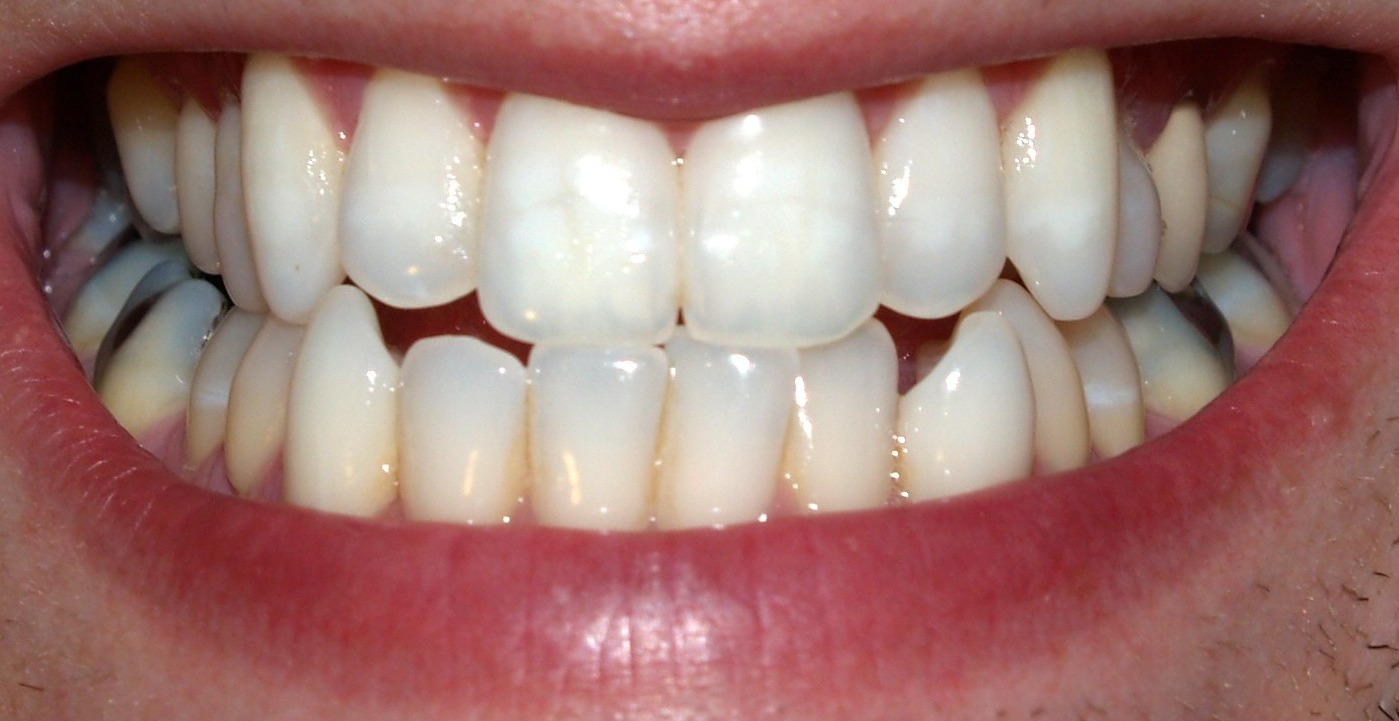
Dark gums refer to gum tissue that appears darker than the typical healthy pink hue. The color of gums can range from light brown to deep black, and this variation is often influenced by several factors, including genetics and lifestyle choices. For some individuals, especially those with darker skin tones, darker gums may be perfectly normal due to the presence of melanin, the pigment responsible for skin, hair, and eye color [1].
In cases where the change in gum color is sudden or localized, it may indicate an underlying health issue that requires attention. For instance, smoker’s melanosis is a common condition where the gums darken due to tobacco use. The nicotine in cigarettes stimulates melanocyte cells, leading to increased melanin production, which can make the gums appear brown or black [2].
Another possible cause of dark gums is an amalgam tattoo, which occurs when tiny particles from metallic dental fillings become embedded in the gum tissue. This often results in a harmless blue or black spot near the filling and does not pose any health risks [3]. However, if your gums suddenly change color or develop unusual spots, it’s essential to consult a dental professional to rule out serious conditions.
Certain medications can also lead to changes in gum color. For example, the antibiotic minocycline has been known to cause a blue-gray discoloration in the gums as a side effect [2]. If you notice darkening after starting a new medication, it’s wise to discuss this with your healthcare provider, as there may be alternatives available.
Dark gums can also signal more serious health issues, such as Addison’s disease, a rare condition affecting hormone production in the adrenal glands. This disorder can lead to hyperpigmentation not just in the gums but also on other areas of the skin [1]. If dark patches on your gums are accompanied by other symptoms—such as fatigue, weight loss, or skin changes—it’s crucial to seek medical advice.
Monitoring the color of your gums is an important aspect of oral health. Changes in gum color can be an early indicator of issues ranging from benign to serious. Therefore, maintaining regular dental check-ups and being aware of any alterations in your gum color is key to ensuring your overall oral health.
Common Causes of Dark Gums
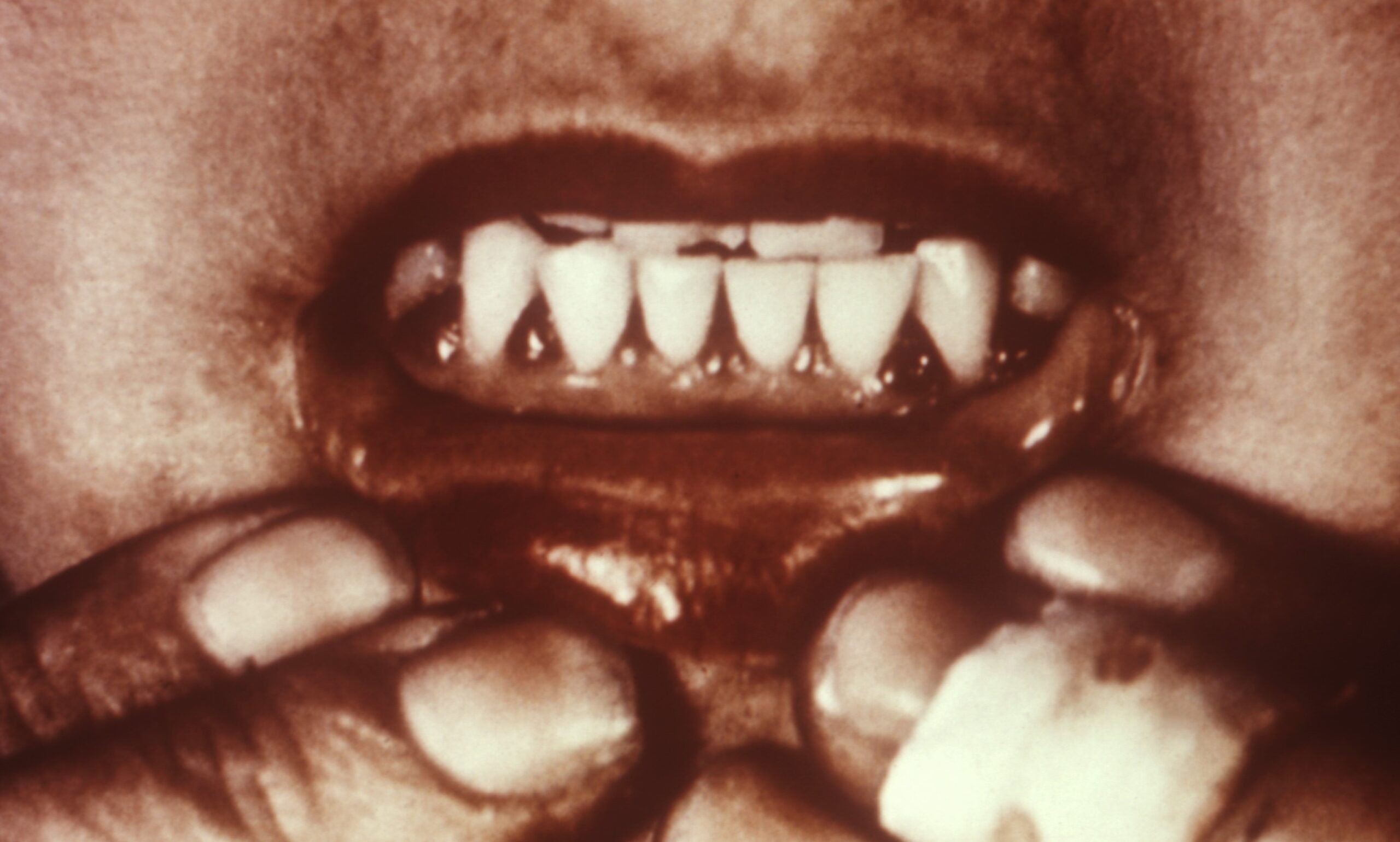
Dark gums can be alarming, but understanding their causes can help clarify what it means when your gums are dark. Here are some primary reasons for this change in gum color:
Natural Pigmentation Due to Melanin
One of the most common reasons for dark gums is natural pigmentation caused by melanin. Melanin is a pigment that gives color to your skin, hair, and eyes. Individuals with higher melanin levels often have darker gums, which is especially common among people of African, Asian, or Mediterranean descent. If your gums have always been dark, this is likely normal and not a cause for concern [4]. However, if there’s a sudden change in color or new patches appear, it could indicate an underlying issue.
Smoker’s Melanosis
Another significant cause of dark gums is smoker’s melanosis. This condition occurs when the chemicals in tobacco smoke stimulate the melanocytes in your gums to produce more melanin, resulting in dark brown or black patches [5]. This increased pigmentation is the body’s response to the toxins in tobacco. The good news is that if you quit smoking, the discoloration may gradually decrease over time, restoring a more natural gum color.
Amalgam Tattoos
Amalgam tattoos are benign conditions that can also cause dark spots on your gums. They occur when tiny particles from silver amalgam dental fillings become embedded in the gum tissue, leaving a flat, bluish-gray, or black mark [6]. While these tattoos are harmless and pose no health risks, they can be mistaken for more serious conditions. If you’re concerned about the appearance of these spots, consulting with your dentist is a good idea.
Addison’s Disease
Addison’s disease is a rare but serious condition that can lead to darkening of the gums. This disorder affects hormone production in the adrenal glands and can cause hyperpigmentation in various body areas, including the gums [6]. If you notice new dark patches on your gums accompanied by symptoms like fatigue or weight loss, seeking medical advice is essential. Early diagnosis and treatment are crucial to managing this condition effectively.
Medication Side Effects
Certain medications can also lead to changes in gum pigmentation. For example, drugs like minocycline, often prescribed for acne, can cause a blue-gray discoloration in the gums [6]. If you start a new medication and notice changes in your gum color, it’s important to discuss this with your healthcare provider. They may suggest alternatives or adjustments to your treatment plan if necessary.
Understanding these causes is vital for determining whether dark gums are a benign variation or a sign of a more serious health issue. Regular dental visits can help monitor changes in gum color and maintain good oral health.
Lifestyle Factors That Lead to Darkening of Gums

Lifestyle choices play a significant role in the health and appearance of your gums. When your gums appear darker than usual, it could be a result of several habits and practices that affect oral health. Understanding these factors is essential to determine what it means when your gums are dark.
Smoking
One of the most common causes of darkened gums is smoking. This condition, known as smoker’s melanosis, occurs when the chemicals in tobacco stimulate melanin production in the gums, leading to darker patches [7]. The more a person smokes, the more likely they are to experience this pigmentation. In fact, studies show that anywhere from 5% to 22% of smokers develop smoker’s melanosis [8]. If you notice your gums turning darker after starting to smoke, it’s a clear signal that your oral health is being affected. Quitting smoking can help reverse this discoloration over time.
Poor Oral Hygiene
Neglecting oral hygiene can also contribute to gum discoloration. When plaque and tartar build up on the teeth and gums, it can lead to inflammation and darkening of the gum tissue. Tartar, which is hardened plaque, can make your gums appear darker as it accumulates [8]. Inadequate brushing and flossing can worsen the situation, leading to gum disease, which may further change the color of your gums. Regular dental cleanings and maintaining a good oral hygiene routine are crucial in preventing this type of discoloration.
Dietary Habits
Certain dietary choices can also impact the color of your gums. Diets high in sugar and processed foods can lead to poor oral health, contributing to gum issues and discoloration. Additionally, certain foods and beverages, like coffee and tea, can stain not only teeth but also gums over time. Some studies suggest that a diet lacking in essential nutrients may lead to gum problems, including darkening [9]. Ensuring a balanced diet rich in vitamins and minerals can help maintain healthy gum color.
Medications
While not directly a lifestyle choice, the medications you take can influence the color of your gums. Some drugs, particularly antibiotics like minocycline and certain antimalarials, can cause pigmentation changes in the gums, leading to a darker appearance [6]. If you’ve recently started a new medication and notice changes in your gum color, it’s essential to consult your healthcare provider. They can help determine whether the discoloration is a side effect of the medication or if there’s another underlying issue.
Genetics
Lastly, genetics play a role in gum pigmentation. Some individuals naturally have darker gums due to higher melanin levels, which is completely normal and not a cause for concern. This is particularly common among people of African, Asian, or Mediterranean descent. If your gums have always been dark, it might simply be a genetic trait rather than an indicator of poor health. However, if there are sudden changes in pigmentation, it’s important to consult a dental professional to rule out any serious conditions.
By understanding these lifestyle factors, you can take proactive steps to preserve the health and color of your gums.
Medical Conditions Linked to Dark Gums

Dark gums can sometimes signal underlying health issues that warrant attention. While many causes of dark gums are benign, some may indicate serious medical conditions. Understanding these connections can help you recognize when to seek medical advice.
One significant condition that can lead to dark or black gums is acute necrotizing ulcerative gingivitis (ANUG). This painful gum infection can cause severe inflammation and necrosis (death of tissue) in the gums, resulting in darkened areas appearing where the tissue has died. ANUG is often linked to poor oral hygiene, stress, and nutritional deficiencies, and it may present with additional symptoms such as bad breath and bleeding gums [10]. If you experience these symptoms, it’s crucial to consult a dentist promptly.
Another serious condition to consider is Addison’s disease, a rare endocrine disorder where the adrenal glands do not produce sufficient hormones. One of the noticeable signs of this condition is hyperpigmentation, which can affect the gums, leading to dark patches. In individuals with Addison’s disease, these dark areas may also appear on other mucous membranes and skin folds [10]. If you notice changes in your gum color alongside other symptoms like fatigue or weight loss, a visit to your healthcare provider is essential.
Medication side effects can also lead to gum discoloration. Certain drugs, such as antimalarials and the antibiotic minocycline, are known to cause pigmentation changes in the gums. These medications can stimulate melanin production or deposit pigment into the gum tissue, resulting in a darker appearance. If you suspect that your medication is affecting your gum color, discuss alternatives with your doctor [10].
Additionally, smoker’s melanosis is a condition that affects many tobacco users. The nicotine and other chemicals in tobacco can trigger increased melanin production, causing patches of brown or black on the gums. This pigmentation is often dose-dependent, meaning the more you smoke, the darker your gums may become. Quitting smoking may help reverse this condition, making it an important health choice for those affected [10].
Lastly, an amalgam tattoo can appear as a blue, gray, or black spot on the gums, especially near dental fillings. This harmless discoloration occurs when tiny particles from amalgam fillings become embedded in the gum tissue. While they are not a health concern, many people seek to have them evaluated or removed for cosmetic reasons [10].
If you notice any sudden changes in your gum color, especially if accompanied by other symptoms, it’s important to seek advice from a dental or medical professional. Understanding the implications of dark gums is key to maintaining your oral and overall health.
Recognizing Symptoms Associated with Dark Gums
When your gums appear darker than usual, it’s essential to pay attention to any accompanying symptoms. Dark gums can sometimes indicate underlying issues that may require professional evaluation. Here are some symptoms to watch for:
- Pain: If your dark gums are painful, it could signify gum disease or an infection. Conditions like acute necrotizing ulcerative gingivitis (ANUG) can lead to painful, swollen gums that darken due to infection [11]. This needs immediate dental attention.
- Swelling: Swollen gums may indicate inflammation or infection in the gum tissue. When combined with dark pigmentation, this could suggest a more severe condition that requires prompt treatment [11]. Ignoring swollen gums can lead to progressive gum disease, which can further darken the tissue.
- Bleeding: Dark gums that bleed during brushing or flossing are a red flag. Bleeding gums are often associated with periodontal disease and can signify that the gum tissue is compromised [11]. If your gums bleed consistently, it’s crucial to seek professional help to prevent further complications.
- Changes in Texture: If you notice your dark gums have become rough or have developed sores, this could indicate an underlying health issue. These changes can sometimes be linked to conditions like Addison’s disease, which can cause hyperpigmentation and other symptoms in the mouth [11].
- Discoloration: While some individuals have dark gums due to genetic factors or melanin production, sudden changes in color can be alarming. If the dark areas are new or have expanded, it’s essential to consult a dentist for further evaluation. Medications can also cause changes in gum color, so discussing any recent prescriptions with your healthcare provider is wise [11].
Being aware of these symptoms can help you determine when to seek dental care. If you have dark gums accompanied by any of these signs, don’t hesitate to reach out to a dental professional for an assessment. Addressing these concerns early can help maintain your overall oral health and prevent more severe complications down the line.
Treatment Options for Dark Gums
When it comes to treating dark gums, the approach largely depends on the underlying cause of the discoloration. Understanding what it means when your gums are dark can help guide you toward the right treatment options.
Professional Dental Cleaning
For many individuals, dark gums may result from plaque and tartar buildup, which can lead to gum disease. A professional dental cleaning can effectively remove this buildup, helping to restore the natural color of your gums [12]. Regular cleanings not only improve the appearance of your gums but also enhance overall oral health. If you have noticed dark areas due to neglect in oral hygiene, a dental visit is a crucial first step.
Lifestyle Changes
Certain lifestyle choices, such as smoking, can significantly impact gum color. For those experiencing smoker’s melanosis, quitting tobacco products can lead to a gradual reduction in gum discoloration over time [13]. By eliminating the intake of nicotine and harmful chemicals, you allow your body to respond naturally, potentially reversing the darkening effect caused by melanin overproduction in the gums.
Addressing Medication Side Effects
If you suspect that dark gums are a result of medication side effects, it’s important to consult your healthcare provider. Some medications can induce pigmentation changes in the gums, such as antibiotics like minocycline [14]. Your doctor may suggest alternative medications that do not have this side effect. Never stop taking prescribed medication without professional guidance, as this can lead to other health complications.
Surgical Options
For severe cases of gum discoloration, especially those related to conditions like Addison’s disease or persistent amalgam tattoos, surgical interventions may be necessary. Procedures such as gum depigmentation or surgical removal of discolored tissue can be performed by dental professionals to improve the aesthetic appearance of your gums [14]. These options are typically considered when other treatments have not yielded satisfactory results.
Monitoring Systemic Health
If your dark gums are linked to systemic health conditions, such as Addison’s disease, managing the underlying disease will be essential for restoring gum color. Treatments may include hormone replacement therapy or medications that help control symptoms of the condition. Regular follow-ups with your healthcare provider can ensure that any changes in gum color are monitored and addressed appropriately.
By understanding the implications of dark gums and exploring these treatment options, you can take proactive steps to maintain your oral health and potentially restore the natural appearance of your gums.
Preventive Measures for Healthy Gum Color
Maintaining the natural color of your gums is essential for overall oral health. By adopting effective preventive measures, you can significantly reduce the risk of darkening gums and the potential underlying conditions associated with them. Here are some practical strategies to keep your gums healthy and vibrant.
Oral Hygiene Practices
Good oral hygiene is the cornerstone of gum health. Brushing your teeth at least twice a day and flossing daily helps remove plaque, preventing tartar buildup that can lead to gum discoloration. Regularly cleaning your mouth reduces the risk of conditions like acute necrotizing ulcerative gingivitis, which can cause dark spots on the gums due to dead tissue buildup [15].
Additionally, using an antibacterial mouthwash can help combat harmful bacteria that contribute to gum disease. This practice not only promotes a healthy gum color but also combats the risk of serious issues that could lead to darkening gums [15].
Regular Dental Check-Ups
Scheduling regular dental visits is crucial for maintaining healthy gums. Professional cleanings can remove tartar that regular brushing might miss, which is essential for preventing gum discoloration [13]. Dentists can also monitor changes in gum color and texture, providing early intervention if any issues arise. If you have fillings, your dentist can check for amalgam tattoos—benign discolorations caused by dental materials that might be mistaken for serious conditions [15].
Lifestyle Modifications
Certain lifestyle choices significantly impact gum health. For instance, quitting smoking can reverse smoker’s melanosis, a condition where tobacco use causes dark patches on the gums due to increased melanin production [16]. The more you smoke, the darker your gums may become, so eliminating tobacco is a key step toward restoring their natural color [16].
Moreover, being aware of medication side effects is vital. Some drugs can cause gum discoloration, so if you notice changes after starting a new medication, consult your healthcare provider [15]. They might suggest alternatives that don’t affect your gum pigmentation.
Nutritional Considerations
A balanced diet rich in vitamins and minerals can support gum health. Nutrients like vitamin C are essential for maintaining the integrity of gum tissue. Foods high in antioxidants can also help protect against inflammation and discoloration, keeping your gums looking their best. Regularly consuming fruits and vegetables can contribute to overall oral health and may prevent changes in gum color related to poor nutrition.
By implementing these preventive strategies, you can ensure your gums remain healthy and vibrant, avoiding the potential underlying issues that dark gums may signify. Regular check-ups, proper oral hygiene, and lifestyle changes are all effective ways to maintain the natural appearance of your gums.
Long-Term Effects of Untreated Dark Gums
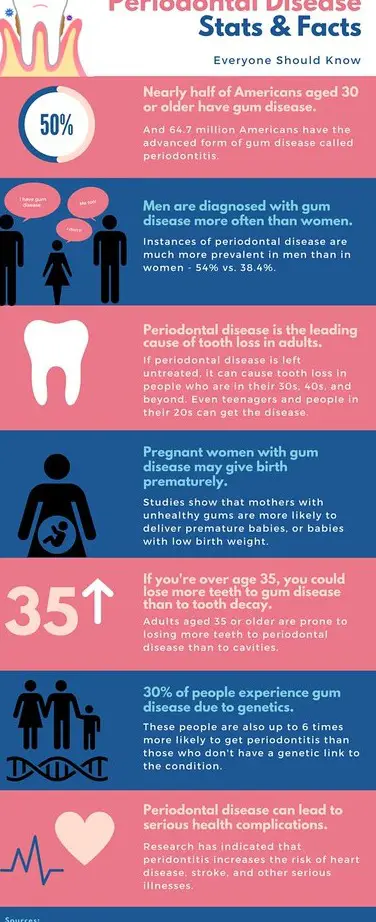
Ignoring dark gums can lead to significant long-term health issues. When your gums appear darker, it often means there’s an underlying problem that needs attention. For instance, darkened gums can be a sign of poor oral hygiene, which can lead to gum disease. Gum disease starts with gingivitis, but if left untreated, it can progress to periodontitis, a more severe condition that can damage the tissues and bone supporting your teeth. This deterioration doesn’t just affect your mouth; it can also impact your overall health, possibly leading to systemic health issues [8].
One of the main concerns with untreated dark gums is the risk of developing gum disease. The darker areas might be indicative of inflammation or infection, which can result in chronic gum disease. Research shows that chronic gum disease is associated with various health problems, including heart disease and diabetes [8]. Therefore, if your gums are consistently dark, it’s crucial to seek dental advice to prevent these complications.
Additionally, certain conditions like smoker’s melanosis can lead to permanent changes in gum pigmentation due to the harmful effects of tobacco. This condition not only darkens the gums but can also increase the likelihood of gum disease, as smoking weakens your immune response, making it harder for your body to fight off infections in your mouth [11]. If you have noticed dark patches or changes in color due to smoking, it’s essential to consider quitting, as this can help improve your gum health over time.
Moreover, medication side effects can also contribute to dark gums. Some medications can cause pigmentation changes in the gums, which may be harmless in some cases but could also indicate the need for further evaluation. If you notice new discoloration after starting a medication, it’s wise to consult your healthcare provider [11].
In rare cases, underlying systemic conditions such as Addison’s disease can manifest as darkened gum tissue. Addison’s disease leads to hormonal imbalances that can affect your body in various ways, including changes in pigmentation [8]. If dark gums are accompanied by other symptoms like fatigue, weight loss, or low blood pressure, it’s imperative to seek medical attention.
Lastly, conditions like amalgam tattoos—caused by dental fillings—can also change gum color. While these tattoos are typically harmless, their presence can sometimes confuse individuals into thinking they have a serious condition. Regular dental check-ups can help differentiate between harmless pigmentation and more serious issues, ensuring that any health risks are addressed promptly [11].
Long-term neglect of dark gums can ultimately lead to not just oral health issues but also complications that affect your overall well-being. Therefore, understanding the implications of gum discoloration is vital for maintaining both your oral and general health.
Personal Stories: Experiences with Dark Gum Discoloration
Many individuals have shared their journeys with dark gum discoloration, revealing a mix of emotions and outcomes. These personal stories highlight what it truly means when your gums are dark.
One woman, Sarah, noticed her gums gradually darkening over a few months. Initially, she dismissed it as a natural change, but the color became more pronounced. After consulting her dentist, she learned it was a case of smoker’s melanosis, a condition linked to her long-term tobacco use. Sarah decided to quit smoking and was relieved to discover that her gum color began to lighten after a few months of cessation. This experience underscored the importance of understanding how lifestyle choices can directly affect oral health.
Another individual, Mark, experienced sudden dark spots on his gums and was understandably concerned. He visited his dentist, who diagnosed him with an amalgam tattoo. The dentist explained that tiny particles from his dental filling had embedded in the gum tissue, leading to the discoloration. Mark felt reassured knowing that this benign condition posed no health risks. His story illustrates how important it is to seek professional advice when noticing changes in gum color.
Emily, a young mother, faced a different challenge. She developed dark patches on her gums while pregnant, which led her to worry about her health and her baby’s. After consulting with her obstetrician and dentist, she learned that hormonal changes during pregnancy could increase melanin production in her gums, a common phenomenon. This experience not only educated her about the natural variations in gum color but also emphasized that certain changes can be perfectly normal under specific conditions.
In contrast, James, who had been prescribed the antibiotic minocycline for acne, noticed his gums changing color to a bluish-gray. Concerned about the discoloration, he reached out to his healthcare provider. After discussing his symptoms, James learned that medication side effects could lead to such changes. His doctor suggested switching to an alternative treatment, which ultimately resolved the pigmentation issue. This highlights the need for open communication with healthcare providers regarding any noticeable changes linked to medications.
Lastly, Maria, who was diagnosed with Addison’s disease, experienced widespread gum darkening as one of her symptoms. Once she received treatment for her condition, her gum color gradually improved. Her story serves as a reminder that dark gums can sometimes signal underlying health issues that require medical attention.
These personal narratives provide insight into the myriad reasons behind dark or black gums, reflecting a range of experiences that underscore the importance of understanding one’s oral health. Each story emphasizes that while some changes may be harmless, others could signal a need for professional evaluation.
References
1. CIELab Colour Coordinate Changes Associated with the …
2. 4 ways your teeth and gums are changing
3. Oral Hygiene | National Institute of Dental and Craniofacial …
4. Relationship of skin complexion with gingival tissue color …
5. Aesthetic Depigmentation of Gingival Smoker’s Melanosis …
6. New Approach to Addison Disease: Oral Manifestations Due …
7. Smoking, Gum Disease, and Tooth Loss
8. About Periodontal (Gum) Disease | Oral Health
9. Nutrition as a Key Modifiable Factor for Periodontitis and Main …
10. Acute Necrotizing Ulcerative Gingivitis – StatPearls – NCBI – NIH
11. Periodontal (Gum) Disease | NIDCR
12. Gingivitis and periodontitis: Learn More – What are the … – NCBI
13. Oral Health Tips for Adults
14. Treatment of gingival hyperpigmentation with rotary abrasive …
15. Gum Disease Facts | Oral Health
16. Smoking and tooth discolouration: findings from a national …
17. Gingival melanin de-pigmentation for aesthetic correction
18. Drug-associated gingival disorders – PubMed Central – NIH