
When a mood ring is purple, it typically signifies a state of emotional balance, creativity, and deep thought. This color indicates a midpoint between calmness and intensity, reflecting feelings of passion, intuition, and sometimes uncertainty. Understanding the nuances of purple can enhance your interpretation of mood rings.
Table of Contents
How Mood Rings Work
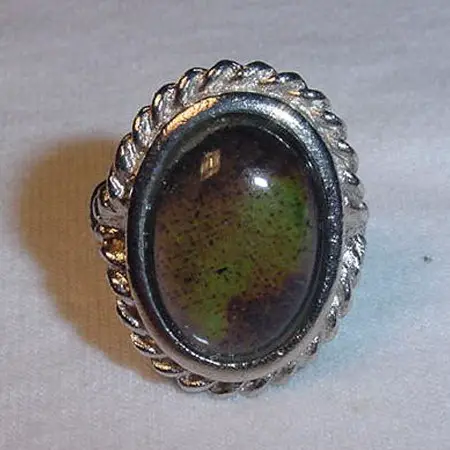
Mood rings are a fascinating blend of science and art, primarily relying on thermochromic crystals to reveal the emotional states of the wearer. These special crystals change color in response to temperature fluctuations, which can be influenced by a variety of factors. When it comes to understanding what a purple mood ring means, it’s essential to grasp how these temperature changes work.
The thermochromic crystals inside a mood ring respond to the body temperature of the wearer. When you’re calm, your body temperature typically falls within a certain range, often around 86°F to 90°F (30°C to 32°C). This temperature range is where the color purple emerges, indicating a balanced emotional state. It reflects a mix of relaxation and engagement, which is why you might see purple when you’re deep in thought or enjoying a peaceful moment.
Emotions play a crucial role in altering body temperature. For instance, when you feel excited or anxious, your heart rate can increase, leading to a rise in temperature. Conversely, when you’re feeling calm and centered, your temperature may decrease slightly. This is where purple comes into play as an intermediary color, suggesting that while you might not be in extreme emotional states like happiness or anger, you are still active in your thoughts and feelings.
The various shades of purple on a mood ring can denote different emotional states as well. A lighter purple might indicate mild excitement or uncertainty, while a deeper purple could suggest an intense emotional engagement, such as passion or ambition. This range allows for a nuanced understanding of your feelings, showing that you could be in a state of creative thought or reflective calmness.
Color psychology also supports these interpretations. Purple is often associated with intuition, creativity, and emotional depth. When your mood ring displays this color, it can suggest you’re in tune with your inner self, balancing both calmness and passion. The ability of mood rings to visually represent these emotional states is part of their charm, making them not just a piece of jewelry but a tool for self-reflection.
As you explore the meanings behind the colors of your mood ring, remember that the purple hue is a signal of being emotionally balanced and engaged. If you’re curious about experiencing this unique emotional insight, consider getting your own mood ring to observe how the colors, especially purple, reflect your feelings throughout the day. Check Price on Amazon.
The Meaning of Purple in Mood Rings
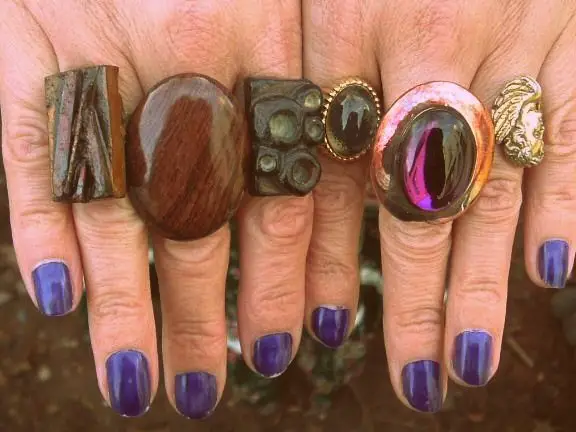
When your mood ring turns purple, it signifies a unique blend of emotional states. This color is often associated with balance, creativity, and intuition. Unlike some colors that lean heavily into one emotional meaning, purple occupies a space that reflects a harmonious mix of feelings, making it a fascinating color to interpret.
Positive Interpretations
- Creativity: The purple color often suggests a surge of creativity. When you see this hue, it might indicate that your mind is buzzing with ideas and inspiration, perfect for artistic pursuits or problem-solving. This is the time when you might feel inclined to express your thoughts through writing, art, or music.
- Balance: Purple also represents emotional balance. It can mean that you are in a serene state where you feel neither too stressed nor overly excited. This equilibrium can lead to clearer thinking and better decision-making, allowing you to navigate life’s challenges with grace.
- Intuition: Another positive aspect of purple is its link to heightened intuition. When your mood ring displays this color, it may suggest that you are in tune with your inner voice, making it a good time for introspection or spiritual exploration.
Negative Interpretations
However, purple can also have less favorable meanings. The specific shade of purple your mood ring shows can indicate different emotional nuances:
- Light Purple: If your mood ring shifts to a lighter shade of purple, it may signify mild feelings of stress or uncertainty. This could be an indication that you are navigating a situation where you feel slightly anxious or unsure about the outcome.
- Deep Purple: A darker shade of purple can reflect intense emotions. While this could signify passion and ambition, it might also hint at feelings of tension or anxiety if the energy becomes overwhelming. This deep hue often appears when you’re under pressure or facing significant decisions that weigh heavily on your mind.
The Role of Thermochromic Crystals
Mood rings operate using thermochromic crystals, which react to your body temperature. When you are calm and your temperature is stable, the ring often reflects a steady purple. Conversely, fluctuations in temperature due to heightened emotions can shift the color, showcasing how your emotional state plays a role in this intriguing jewelry.
Understanding the meanings behind the purple color in mood rings provides insight into your emotional landscape. Whether you’re feeling creatively inspired or slightly anxious, your mood ring can serve as a fun tool for self-awareness and reflection.
Different Shades of Purple and Their Interpretations
When your mood ring displays purple, it can manifest in various shades, each conveying distinct emotional states. Here’s a closer look at the spectrum of purple and what each hue signifies.
- Light Lavender: This gentle shade often indicates a state of mild stress or uncertainty. If your mood ring shifts to light lavender, you might be experiencing a blend of excitement and nervousness. It’s common to see this color during moments of transition, like when you’re making a decision or facing a new opportunity. This soft purple can reflect a creative mindset, where inspiration is tinged with a hint of anxiety.
- Medium Purple: This classic purple is the most recognized hue on a mood ring. It typically represents emotional balance, creativity, and romance. When your mood ring shows medium purple, you’re likely feeling a harmonious blend of calm and engagement. This shade signals a thoughtful state, where ideas flow freely and emotional depth is present. It encourages you to embrace your creative side while remaining emotionally grounded.
- Deep Violet: A shift to deep violet suggests strong feelings of passion and ambition. This rich color may indicate that you are deeply focused, driven, or excited about a goal. When you see this shade, think of it as a sign of heightened emotional engagement, possibly linked to romantic feelings or intense personal purpose. Deep violet can also reflect a sense of royal confidence, drawing from its historical associations with luxury and power.
- Bluish Purple: This unique shade leans towards a serene and spiritual state. If your mood ring turns bluish purple, it may signify a moment of introspection and peace. This color often appears when you’re in a meditative state or seeking clarity. It reflects an emotional depth that is calming yet engaged, perfect for those moments of quiet reflection.
- Greenish Purple: When your mood ring displays a greenish shade of purple, it indicates a connection to nature and a balanced emotional state. This hue suggests that you may be feeling grounded yet open to new experiences. It symbolizes renewal, growth, and a sense of harmony between your emotions and your surroundings.
- Pinkish Purple: This softer, more playful shade of purple often signifies gentle emotions like affection and warmth. If you see pinkish purple on your mood ring, you might be feeling particularly loving or in a state of joyful creativity. It reflects an emotional openness, encouraging connections with others and fostering a sense of community and belonging.
Understanding these variations in purple allows you to better interpret what your mood ring is telling you about your emotional states. Each shade of purple manifests differently based on your body’s response to various situations, showcasing the intricate interplay of feelings that color psychology seeks to express.
Historical Context of Mood Rings
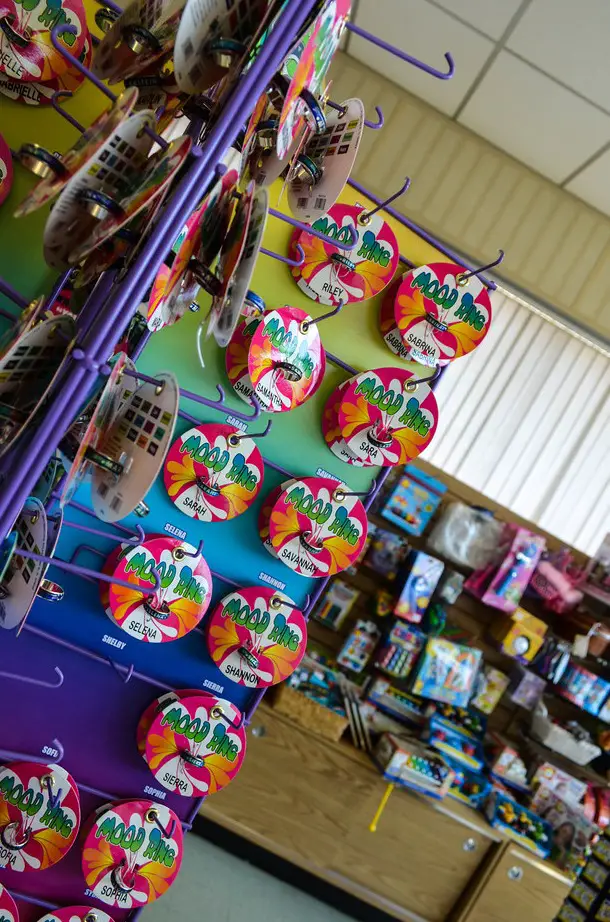
Mood rings first made a splash in the 1970s, created by American jeweler Marvin Wernick. His innovative design featured thermochromic crystals that change color based on the wearer’s body temperature, allowing these rings to reflect emotional states in a fascinating way. The introduction of mood rings coincided with a growing interest in spirituality, self-awareness, and personal expression during the New Age movement. This period saw a rise in colorful, expressive jewelry, and mood rings quickly became a staple accessory, capturing the imaginations of many.
The color purple, in particular, carries deep historical significance. In ancient times, purple dye was rare and costly, often associated with royalty and wealth. This association has persisted into modern interpretations, where purple can symbolize emotional depth and creativity. When a mood ring displays purple, it suggests that the wearer is in a state of balance, connecting to both calm and passionate emotional states. This duality reflects the rich history of purple as a color of both nobility and introspection.
As mood rings gained popularity, their meanings evolved. Originally seen merely as fun accessories, they became tools for personal insight, offering wearers a way to understand their emotions better. The psychological implications of color began to be explored more deeply, with purple emerging as a color that signifies emotional awareness and intuition. When your mood ring turns purple, it indicates that you are likely experiencing a blend of thoughtful engagement and relaxed calmness.
The cultural significance of purple has also shaped how we view mood rings today. In many spiritual practices, purple is linked to the crown chakra, which is associated with higher consciousness and spiritual connection. This association enhances the interpretation of a purple mood ring, suggesting that the wearer may be tapping into their inner wisdom or creativity. The interplay of these emotional states is a direct reflection of how color psychology has influenced our understanding of the purple shade on mood rings.
In contemporary society, mood rings have seen a resurgence, often being celebrated for their nostalgic appeal. The fascination with purple hues in mood rings continues to thrive, with many people drawn to the complexities of what purple signifies. Whether it suggests calmness, creativity, or emotional depth, the meanings associated with this color remain as multifaceted as the shade itself.
Scientific Validation of Mood Ring Color Meanings
The connection between mood ring colors, particularly purple, and emotional states is built on the principles of color psychology and physiological responses. Mood rings contain thermochromic crystals that react to changes in body temperature, causing the ring to shift colors based on the wearer’s emotional state. While these changes are scientifically rooted in thermal reactions, the interpretations of colors like purple often draw from psychological studies that explore how colors influence feelings and behaviors.
Research in color psychology suggests that purple is often associated with feelings of calmness, creativity, and emotional balance. These interpretations align well with the hues displayed by mood rings. For instance, lighter shades of purple can indicate a state of tranquility, while deeper purples might signal creativity or passion. This aligns with findings that show purple can stimulate the imagination and inspire creativity, making it a color often favored in artistic environments.
Additionally, various studies indicate that colors can evoke specific emotional responses. Purple, being a blend of the calming qualities of blue and the passionate energy of red, embodies a complex emotional state. This dual nature allows purple to represent both serenity and excitement, reflecting the nuanced emotional experiences of the wearer. When a mood ring turns purple, it may suggest that the individual is experiencing a balance of these emotional states, tapping into both their creative side and a sense of calm.
Moreover, the chakra system in spirituality links purple to higher states of consciousness and insight, particularly associated with the crown chakra. This chakra is believed to govern our connection with the universe and our intuition. When your mood ring shows purple, it could indicate not just emotional stability but also an openness to spiritual growth and deeper understanding.
In practical terms, the temperature at which a mood ring displays purple typically falls between 86°F and 90°F (30°C to 32°C). This temperature range often corresponds to states of mild activity or reflection, where one is engaged but not overwhelmed. The physiological basis behind the color change offers a fascinating glimpse into how our bodies reflect our mental states, giving credence to the interpretations of purple in mood rings.
Understanding these elements helps to affirm the meanings associated with purple. The emotional states linked to this hue are not merely anecdotal; they are supported by both psychological principles and physiological responses, intertwining science and spirituality to enrich the experience of wearing a mood ring.
Practical Tips for Reading Your Mood Ring
Understanding what it means when your mood ring turns purple can be an insightful journey into your emotional landscape. Here are some practical tips to help you accurately interpret the purple color and its nuances.
- Observe Your Surroundings: The environment can influence your mood ring’s color. If you find your ring shifting to purple, take a moment to assess your surroundings. Are you in a calming space, or is there something stimulating nearby? The subtle changes in temperature from your environment can affect the thermochromic crystals, leading to a purple hue that reflects a blend of calm and energy.
- Check Your Body Temperature: Remember that mood rings respond to your body temperature. If your ring is purple, your body temperature is likely in the mid-range, suggesting you’re feeling relatively calm yet engaged. If you notice the ring turning purple during moments of meditation or deep thought, it indicates you’re in a state of peaceful reflection.
- Consider Emotional Context: Purple is a complex color that can symbolize various emotional states, from creativity to mild anxiety. When you see purple, think about how you feel mentally and emotionally. Are you feeling creatively inspired, or are there undercurrents of uncertainty or tension? Reflecting on your emotions can help you gain deeper insights into why your mood ring is displaying purple.
- Track the Shades of Purple: Not all purples are the same! Lighter shades might indicate a gentle excitement or a reflective mood, while darker purples can point to deeper emotional involvement or passion. Take note of the specific shade your ring displays and connect it to your current feelings. This can help you understand how different situations or interactions influence your emotions.
- Engage in Mindfulness Practices: If you’re looking to tap into the meanings of the purple color more deeply, consider activities that promote mindfulness, like journaling or yoga. These practices not only enhance your emotional awareness but can also help you notice how your mood ring responds during these activities. A purple mood ring during meditation might signify deep emotional processing or creativity.
- Use Color Psychology: The associations of purple with intuition and balance can guide you in daily life. If your mood ring frequently shows purple, you might be at a point where you’re integrating multiple aspects of your life, such as work and personal interests. Embrace this as a sign to explore creative projects or to delve into new hobbies that resonate with your inner self.
- Monitor Mood Fluctuations: Keep a journal or log of when your mood ring shows purple and how you felt at that moment. Over time, you may notice patterns that can help you understand your emotional states better. This practice can aid in recognizing triggers that may push you towards excitement or tranquility, making the purple color a tool for self-discovery.
By paying close attention to your mood ring and the purple color it displays, you can enhance your emotional awareness and use this knowledge to navigate your daily life with more insight and intention.
Cultural Symbolism of Purple
The color purple carries a rich tapestry of cultural symbolism that resonates deeply with the meanings behind mood rings, especially when they display this captivating hue. Historically, purple has been associated with royalty and nobility due to its rarity and the cost of producing purple dyes. This association adds a layer of emotional depth to the purple color in mood rings, suggesting that when your ring turns purple, you might be tapping into feelings of confidence and self-worth, similar to that of royalty.
In terms of spirituality, purple is often linked to higher consciousness and intuition. Many spiritual practices regard it as a color that connects the physical and spiritual realms. When your mood ring shows purple, it may indicate a heightened state of awareness or introspection, allowing you to explore your inner thoughts and feelings. This connection to spirituality enhances the interpretation of purple, suggesting that the wearer is engaged in deep reflection or creative thought.
Moreover, purple represents balance between the calmness of blue and the intensity of red. This duality is particularly relevant when interpreting the purple shades on mood rings. A lighter shade of purple may signify gentle excitement or creative energy, while a darker shade can reflect deeper emotional complexities or passion. Each variation speaks to different emotional states, allowing for a nuanced understanding of how you feel in the moment.
Color psychology also plays a crucial role in interpreting the meaning of purple in mood rings. It’s often seen as a symbol of emotional depth, inviting the wearer to acknowledge their feelings fully. When your mood ring turns purple, it suggests that you are in a state of equilibrium, where you can appreciate both your passions and your tranquil moments.
Finally, purple is a color that evokes mystery and intrigue. Just as purple can symbolize deep emotions and complex thoughts, it invites wearers of mood rings to explore their own emotional landscapes. When you see this color on your ring, it may be a cue to embrace the more profound aspects of your feelings, allowing you to navigate both the light and shadow within yourself.
Personal Experiences and Anecdotes
Many individuals have shared their unique experiences with mood rings, particularly when their rings turn purple. This color often evokes a range of emotional states, and the interpretations can vary widely among wearers.
One user, Sarah, recalls how her mood ring frequently shifts to purple during her creative writing sessions. She interprets this color as a signal of her emotional balance, indicating she is both calm and energized. “When I see purple, I feel like I’m in the zone, blending thoughts with feelings, which really fuels my creativity,” she explains. This highlights how the purple color in mood rings can represent a harmonious blend of tranquility and inspiration.
Similarly, Jason describes a contrasting experience. He notes that his mood ring turns purple when he’s feeling uncertain or contemplative. “It’s interesting because I often associate purple with creativity, but for me, it can also mean I’m wrestling with some inner thoughts,” he shares. This illustrates how the purple color can also signify deeper emotional struggles, revealing the complexity behind the mood ring’s interpretations.
Another individual, Maria, shares a positive experience where her purple mood ring coincided with moments of connection during family gatherings. “Whenever I’m surrounded by loved ones, and my ring shows purple, I feel a wave of warmth and love,” she says. Here, the purple color represents emotional depth and connection, aligning with color psychology that links purple to feelings of love and unity.
These personal anecdotes reveal that the meanings behind a purple mood ring can encapsulate a wide spectrum of emotional responses. Some wearers find it a comforting reminder of their balanced state, while others may see it as a reflection of deeper, more introspective feelings. The thermochromic crystals in these rings effectively mirror the complexity of human emotions, making purple an intriguing color on this emotional spectrum.
Moreover, the cultural symbolism of purple as a color of spirituality and intuition resonates with many users. For example, Emily, a yoga instructor, mentions, “During my meditation, when my ring glows purple, I take it as a sign that I’m in tune with my spiritual self.” This connection to chakra and spirituality indicates that the purple color can also serve as a guide for personal growth and mindfulness.
As these experiences show, the color purple in mood rings is not only a fascinating observation of temperature changes but a window into the diverse emotional states and interpretations of each wearer. The richness of purple’s meaning continues to inspire individuals to explore their feelings and the subtle shifts in their emotional landscapes.