
A dog’s warm nose does not automatically indicate illness; it can vary based on numerous factors [1]. Understanding what it means when a dog’s nose is warm involves examining environmental influences, health indicators, and behavioral signs to determine if veterinary care is necessary.
Table of Contents
Understanding the Normal Temperature of a Dog’s Nose
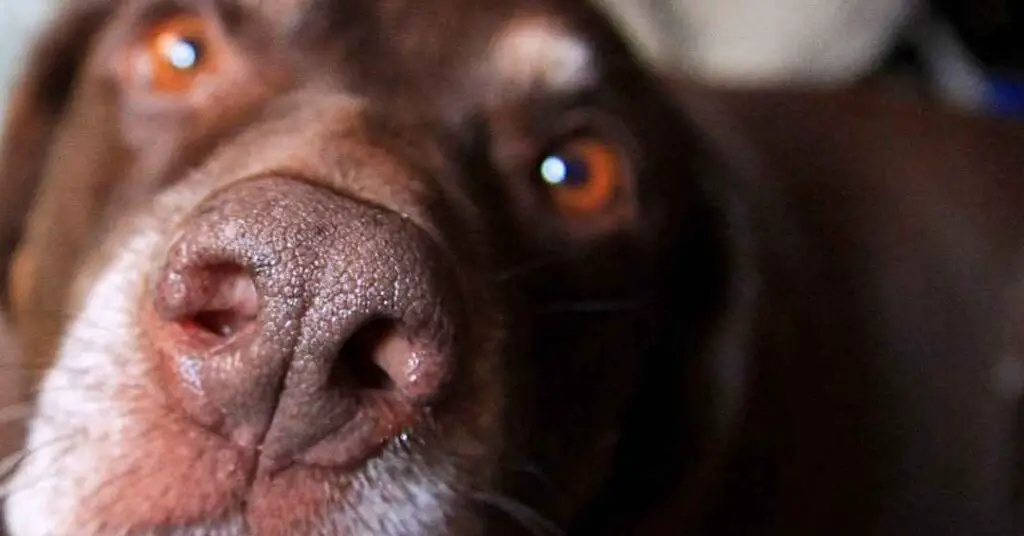
A dog’s nose typically ranges between 101°F to 102.5°F (38.3°C to 39.2°C) when healthy [1]. This temperature can fluctuate significantly throughout the day due to various factors, making it essential to understand what a warm nose might indicate.
One of the primary influences on a dog’s nose temperature is their activity level. After a vigorous play session or a long walk, it’s common for a dog’s nose to feel warm and dry. This change happens because the body generates heat during exercise, leading to an increase in the nose’s surface temperature as the dog cools down [2]. If your pup has been active, a warm nose alone isn’t a sign of illness; it’s just part of their body’s cooling process.
Environmental factors also play a crucial role. On hot days or in warm indoor settings, a dog’s nose can feel warmer than usual. This warmth often results from the surrounding temperature rather than any health concern. Conversely, when the weather is cool or when a dog is resting in a drafty area, their nose may feel cooler and moister. This natural variation is normal and does not indicate a health issue [2].
Hydration is another key factor influencing a dog’s nose temperature. A well-hydrated dog usually has a moist and cool nose. However, if a dog is slightly dehydrated, their nose may feel warm and dry. This is a signal to ensure your pet has access to fresh water and is staying hydrated [2].
It’s also worth noting that the health indicators associated with a warm nose can vary based on breed. Certain breeds, especially those with shorter snouts, may naturally have drier noses due to their anatomy. For instance, Pugs and Bulldogs might have noses that feel warmer more often simply because they cannot lick them as efficiently as longer-nosed breeds. Understanding your dog’s breed characteristics can help you interpret what a warm nose means in their specific case.
Lastly, it’s important to remember that while a warm nose can sometimes signal issues like fever, it is not a reliable method for diagnosing illness. The best way to assess your dog’s health is to consider their overall behavior, appetite, and energy levels. If a warm nose is accompanied by other symptoms, such as lethargy or lack of appetite, then it may be time to consult a veterinarian for further evaluation.
Common Reasons Why a Dog’s Nose May Feel Warm
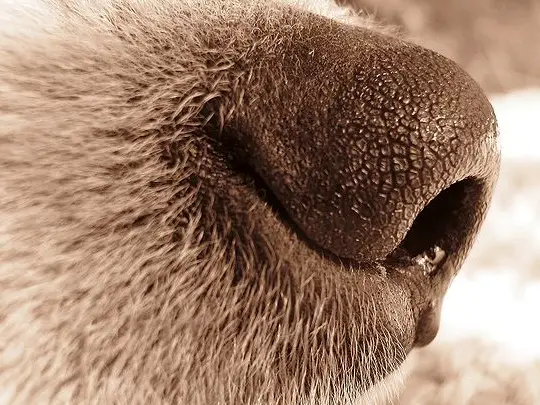
A dog’s nose temperature can fluctuate for several harmless reasons. Understanding these factors helps pet owners interpret what a warm nose might mean for their furry friends.
Environmental Factors
Weather plays a significant role in the warmth of a dog’s nose. On hot days, a dog’s nose may feel warm simply because of the surrounding temperature. If your pup has been lounging in the sun, their nose might heat up due to direct exposure to sunlight. Conversely, cooler environments generally lead to a cooler and wetter nose, as the moisture from their nasal glands helps regulate temperature [4].
Physical Activity
Engaging in physical activity can also raise a dog’s nose temperature. After a romp in the park or a vigorous play session, a dog’s body temperature rises, which can make their nose feel warm or dry temporarily [3]. This is a normal response as they cool down from their exertion. It’s essential to monitor your dog for hydration, as a warm nose can be a sign that they need a drink after an active outing.
Hydration Levels
Hydration significantly influences a dog’s nose temperature. A well-hydrated dog typically has a moist and cool nose. However, if they are slightly dehydrated, their nose may feel warm and dry [5]. It’s crucial to ensure that your dog has access to fresh water, especially during warmer months or after exercise, to maintain their health and keep their nose in optimal condition.
Breed-Specific Considerations
Certain dog breeds are more prone to having warmer, drier noses than others. Breeds with shorter snouts, like Bulldogs and Pugs, might not lick their noses as effectively as longer-nosed breeds, leading to naturally drier and warmer noses. Additionally, some breeds may have genetic predispositions that affect the moisture levels in their noses. For example, Lhasa Apsos and Cocker Spaniels often experience blocked tear ducts, which can also impact nose moisture [5].
Recognizing these factors helps pet owners understand that a warm nose does not always indicate illness, but rather a natural response to their environment, activity level, or even breed characteristics.
Distinguishing Between a Warm and Hot Nose
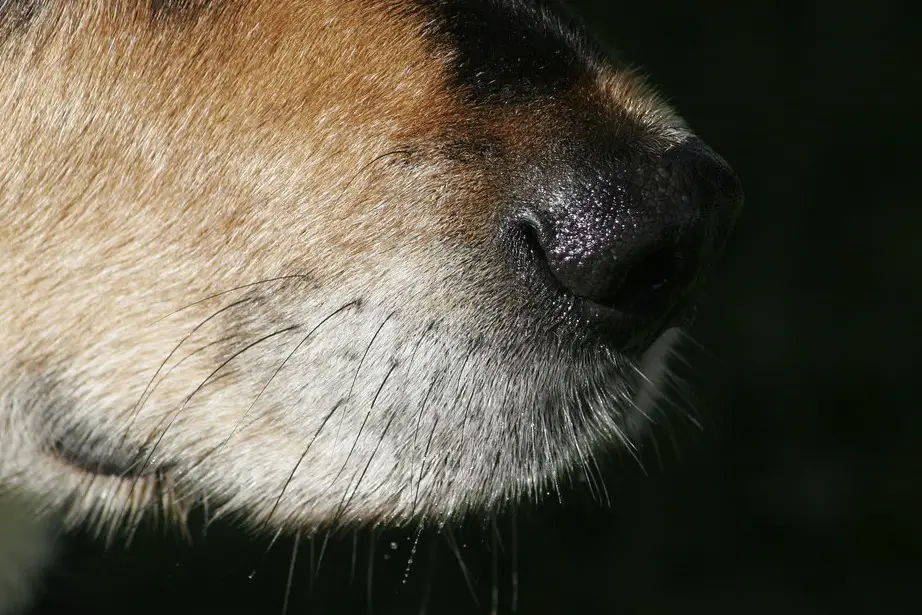
Understanding the difference between a warm and hot nose in dogs is crucial for monitoring your pet’s health. A warm nose typically feels slightly elevated in temperature compared to its usual state, which can be perfectly normal due to various factors like the weather, activity level, or even hydration. However, a hot nose, which feels noticeably warmer, can signal potential health concerns.
When a dog’s nose is hot, it might indicate a fever. A fever occurs when a dog’s internal body temperature rises above the normal range of 101°F to 102.5°F (38.3°C to 39.2°C) [6]. If your dog’s nose feels hot and dry, and you observe other symptoms such as lethargy, loss of appetite, or panting excessively, it’s essential to check for fever using a rectal thermometer, as this is the most accurate method of determining body temperature [1]. If the reading exceeds 103°F, it suggests a fever that may require veterinary attention.
Environmental factors can also play a role in your dog’s nose temperature. For instance, if your dog has been sunbathing or resting in a warm area, their nose may feel hot but doesn’t necessarily indicate a health issue [5]. Hydration levels significantly impact nose temperature as well. A well-hydrated dog usually has a cooler, moist nose, while mild dehydration can lead to a warm, dry nose [5]. Monitoring your dog’s water intake can help you assess their hydration status.
It’s important to distinguish the sensations of warmth and heat. A warm nose might not be concerning, but a hot nose could be a sign of illness, especially when combined with other symptoms [1]. If your dog’s hot nose is accompanied by hot ears or excessive panting, it may indicate overheating, which can lead to heatstroke—a serious condition requiring immediate intervention [5]. Observing your dog’s overall behavior and other health indicators is essential to determine if a warm or hot nose is a cause for concern.
Finally, remember that not all dog breeds have the same nose characteristics. Some breeds naturally have drier noses, which can feel warmer to the touch without being a sign of illness. Thus, knowing your dog’s baseline temperature and typical nose condition can help you better interpret any changes in their nose temperature.
Signs of Illness Associated with a Warm Nose
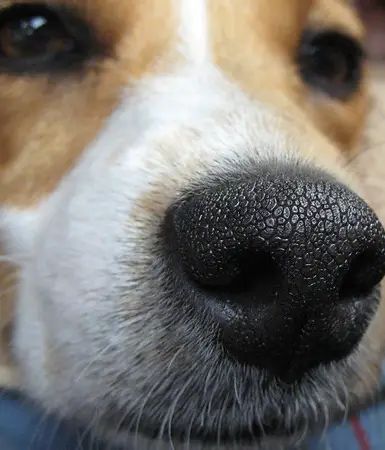
A warm nose can sometimes be a sign of underlying health issues, especially when it is accompanied by other symptoms. Here are some common indicators to watch for:
- Lethargy: If your dog seems unusually tired or less active, this can suggest a health problem. A warm nose alone isn’t a reliable indicator, but when combined with lethargy, it may warrant further investigation [7].
- Loss of Appetite: If your dog is not interested in food or has suddenly decreased their eating habits, this can be a sign of illness. Changes in appetite, along with a warm nose, should not be ignored [8].
- Excessive Thirst: A warm nose may indicate dehydration, especially if your dog is drinking more water than usual. Monitoring their hydration is crucial, as dehydration can lead to serious health concerns [7].
- Vomiting or Diarrhea: Gastrointestinal issues can manifest alongside a warm nose. If your dog is experiencing vomiting or diarrhea, it’s important to consult your veterinarian to rule out potential infections or other illnesses [8].
- Coughing or Difficulty Breathing: Respiratory issues may also present as a warm nose combined with coughing or labored breathing. These symptoms indicate that a vet visit is necessary to check for infections or other complications [7].
- Fever: A warm nose can sometimes signal a fever. If you suspect this, it’s essential to check your dog’s temperature. A normal dog temperature ranges from 101°F to 102.5°F. Anything above 103°F indicates a fever that may need medical attention [8].
- Behavioral Changes: Any notable shifts in your dog’s behavior, such as increased irritability or hiding, can be a sign of an underlying health issue. If your dog’s warm nose is paired with these changes, it’s time to take action [7].
When evaluating your dog’s health, always consider the overall picture. A warm nose might not mean much on its own, but when coupled with these signs, it could indicate a need for veterinary care.
How to Properly Check Your Dog’s Temperature
Measuring your dog’s internal temperature is crucial for understanding their health, especially when you notice a warm nose. A warm nose alone doesn’t indicate a fever, so knowing how to accurately check your dog’s temperature can provide a clearer picture of their well-being. Here’s a step-by-step guide on how to do it safely and effectively.
What You’ll Need
- Digital Rectal Thermometer: This is the most accurate tool for measuring a dog’s body temperature [10].
- Petroleum Jelly: A lubricant helps ensure comfort during the process [11].
- Treats: Having treats on hand can help make the experience more positive for your dog.
Step-by-Step Instructions
- Prepare the Thermometer:
- Turn on your digital rectal thermometer and ensure it’s clean. A sanitized thermometer is essential for hygiene.
- Lubricate the Tip:
- Apply a small amount of petroleum jelly to the tip of the thermometer. This makes insertion easier and more comfortable for your dog [11].
- Position Your Dog:
- Find a quiet space where your dog feels secure. You can have them stand, sit, or lie down. For larger dogs, standing might be easier, while smaller dogs can be held gently in your lap.
- Insert the Thermometer:
- Gently lift your dog’s tail to the side and insert the thermometer about one inch into the rectum for small dogs, or slightly more for larger breeds. Be gentle to avoid causing discomfort.
- Hold Steady:
- Keep the thermometer in place until it beeps, usually within 30 to 60 seconds. During this time, comfort your dog with soothing words and gentle petting.
- Read the Temperature:
- Once it beeps, remove the thermometer and read the display. A normal dog temperature ranges from 101°F to 102.5°F [9]. If the temperature is above 103°F, your dog may have a fever.
- Clean Up:
- Wipe the thermometer with disinfectant and store it safely. Wash your hands thoroughly after the process.
Monitoring Health Indicators
If your dog’s nose feels warm and you notice a fever, it may signify dehydration or an underlying health concern. Make sure to check for other symptoms such as lethargy or changes in appetite, as these can indicate more serious issues. Regular monitoring of your dog’s temperature can help you understand their hydration and health status, providing a clearer picture when evaluating a warm nose.
Safety Tips
- Stay Calm: Your dog can sense your tension. Staying calm helps keep them relaxed.
- Know When to Seek Help: If your dog’s temperature exceeds 104°F or is below 99°F, consult your veterinarian immediately, as these can indicate serious health risks.
By following these steps, you can accurately measure your dog’s internal temperature, helping you better understand what a warm nose might mean in the context of their overall health.
Environmental Factors Influencing Nose Temperature
The temperature of your dog’s nose can change due to several environmental factors. Understanding these can help clarify what it means when a dog’s nose feels warm.
Humidity Levels: Humidity plays a significant role in a dog’s nose temperature. When humidity is high, the moisture on a dog’s nose can help keep it cool. Conversely, in dry conditions, the nose may dry out and feel warmer. Research has shown that humidity levels affect a dog’s nose temperature, as drier air can lead to a warmer nose due to reduced moisture retention [12].
Heat Exposure: If your dog has been outside on a hot day or resting near a heat source, their nose might feel warm as a result of elevated environmental temperatures. Heat exposure can lead to an increase in a dog’s nose temperature, especially if they have been active [13]. This is usually a temporary change and not necessarily an indicator of illness.
Sleeping Conditions: Your dog’s sleeping environment can also influence their nose temperature. When dogs sleep in warm spots or areas with little airflow, their noses tend to warm up. This happens because, during sleep, dogs lick their noses less, leading to a drier surface [1].
Activity Levels: After vigorous play or exercise, your dog’s body temperature increases, which can cause the nose to feel warm. This change is a normal response as the dog cools down post-activity. Just like humans may feel warmer after a workout, dogs experience similar temperature fluctuations.
Breed Considerations: Some dog breeds are naturally predisposed to having warmer or drier noses. For instance, brachycephalic breeds like Pugs and Bulldogs often have difficulty keeping their noses moist due to their facial structure. This can lead to a warm nose that isn’t a sign of health issues but rather a breed characteristic.
By keeping an eye on these environmental factors, you can better assess what a warm dog nose might indicate in terms of hydration and overall health. Remember, while a warm nose can sometimes be a sign of illness, it is often just a reflection of the temperature and conditions your dog is experiencing at the moment.
Myths About Dog Nose Temperature Debunked
Many dog owners cling to the belief that a cold, wet nose is a sign of a healthy pup, while a warm, dry nose spells trouble. However, this longstanding myth doesn’t hold up to scientific scrutiny. The temperature of a dog’s nose can fluctuate greatly based on various factors, and a warm nose is not a definitive indicator of illness.
First, let’s clarify what “normal” means when it comes to dog nose temperature. Most dogs have a body temperature ranging from 101°F to 102.5°F (38.3°C to 39.2°C) [5]. The surface temperature of their nose can often be lower than their internal temperature, but it can also be influenced by environmental factors. For example, if your dog has just been playing outside in the sun or curled up in a warm spot, their nose may feel warm due to these external conditions rather than any health issue.
It’s also important to note that many healthy dogs can have warm noses, especially if they are in a relaxed state or have just woken up from a nap [1]. The moisture on a dog’s nose plays a vital role in their sense of smell, and dogs often lick their noses to keep them moist. If a dog hasn’t licked their nose for a while, it may feel drier and warmer simply because of this lack of moisture, not necessarily because they are sick.
Moreover, hydration levels can greatly impact nose temperature. A well-hydrated dog typically has a moist and cool nose, while mild dehydration can lead to a warm, dry nose [14]. This doesn’t always mean illness; it could just be a sign that your dog needs a drink of water.
When assessing the health of your dog, relying solely on their nose temperature can be misleading. Studies have shown that there is little correlation between nose temperature and internal body temperature, making it an unreliable health indicator [1]. Therefore, if your dog’s nose feels warm but they are active, eating well, and behaving normally, there is often no cause for concern.
In some cases, a warm nose may indicate a fever, but this is usually accompanied by other symptoms such as lethargy, loss of appetite, or abnormal behavior [5]. If your dog shows these signs along with a warm nose, that’s when you should consider a vet visit to check for underlying health issues.
Understanding these myths can help dog owners better interpret what a warm nose might mean. It’s crucial to focus on the whole picture, including your dog’s behavior, hydration, and overall health, rather than jumping to conclusions based solely on a warm nose temperature.
When to Seek Veterinary Care for a Warm Nose
A warm nose might not always be a cause for concern, but there are specific signs and symptoms to watch for. Paying attention to these indicators can help you determine if a trip to the vet is necessary.
- Behavior Changes: If your dog is acting unusually lethargic or seems to lack energy, this could signal an underlying issue. Changes in behavior, especially in conjunction with a warm nose, warrant a closer look [5].
- Loss of Appetite: If your dog has a warm nose and is refusing to eat or drink, this could indicate a health problem. A decreased appetite can be a sign of various illnesses [15].
- Excessive Panting or Drooling: While dogs do pant to cool down, if your dog is panting excessively, especially in a cool environment, it may indicate overheating or stress. A warm nose combined with excessive drooling can also be a red flag [5].
- Fever Symptoms: If your dog’s nose feels warm and dry, and you notice other fever indicators such as hot ears or shivering, it’s essential to check their temperature. A normal dog’s temperature ranges from 101°F to 102.5°F; anything above this suggests a fever that may require veterinary care [1].
- Persistent Warmth: If your dog’s nose remains warm and dry for an extended period, especially if it doesn’t improve with hydration or rest, this may point to a health concern. Persistent symptoms should always be evaluated by a vet to rule out any serious issues [5].
- Environmental Factors: Consider whether your dog has been exposed to extreme temperatures or has been active in the heat. If a warm nose is combined with signs of heat stress, such as confusion or difficulty breathing, immediate veterinary attention is crucial [1].
- Skin Issues: A warm nose can sometimes accompany skin conditions or allergies. If you notice any redness, swelling, or sores on your dog’s nose, this may indicate a more serious health issue that needs veterinary evaluation [5].
If you observe any of these warning signs along with a warm nose, don’t hesitate to reach out to your veterinarian. It’s always better to err on the side of caution when it comes to your dog’s health.
Behavioral Indicators of Health Beyond Nose Temperature
When evaluating your dog’s health, it’s essential to look beyond just the temperature of their nose. A warm nose doesn’t necessarily indicate illness, and understanding your dog’s behavior can provide much more insight into their well-being. Observing changes in energy levels, appetite, and general demeanor is crucial for assessing your pet’s health status.
Energy Levels
A dog’s energy levels can tell you a lot about their overall health. If your pup is typically lively and suddenly becomes lethargic, this change may signal an underlying issue, even if their nose feels warm. Regularly engaging in play and exercise is important for a dog’s health, and a notable decrease in activity could indicate discomfort or illness. Monitoring how active your dog is on a daily basis can help you catch potential problems early, especially if a warm nose accompanies this change [16].
Appetite Changes
Changes in appetite can also serve as significant health indicators. If your dog’s nose is warm but they refuse to eat or drink, this might be a sign of illness. A healthy dog usually has a good appetite, and any sudden drop can indicate health problems, possibly even fever, which could be linked to infections or other issues [17]. Always pay attention to how much and how eagerly they are eating.
Behavioral Observations
Behavioral changes can reflect a dog’s physical condition. If your dog is normally social and suddenly becomes withdrawn, this could point to health concerns that need attention. A warm nose may not be a direct sign of illness, but when paired with behavioral shifts—like excessive sleeping, agitation, or hiding—it could suggest that your dog is not feeling well [18].
Hydration Assessment
Hydration is another critical factor that influences a dog’s overall health. A well-hydrated dog generally has a cool and moist nose. If their nose is warm and dry, it might indicate mild dehydration. Make sure your dog has access to fresh water, especially in warmer weather or after exercise, as hydration plays a vital role in their health and can affect their nose temperature [18].
By focusing on these behavioral indicators—energy levels, appetite, and hydration—you can gain a clearer picture of your dog’s health. While a warm nose alone may not mean much, it’s essential to consider the broader context of how your furry friend is feeling.
References
1. The accuracy of tactile assessment of canine nose … – PMC
2. Success in the Natural Detection Task is influenced by only a …
3. A canine model to evaluate the effect of exercise intensity and …
4. Canine Olfaction: Physiology, Behavior, and Possibilities for …
5. When the Nose Doesn’t Know: Canine Olfactory Function …
6. Temperature Requirements for Dogs – Purdue Extension
7. A Review of Medical Conditions and Behavioral Problems in …
8. Evaluation of the Prevalence and Risk Factors for … – PMC
9. Animal Care Tech Note: Temperature Requirements for Dogs
10. Comparison between auricular and standard rectal … – PMC
11. Calculation of a Reference Interval for Rectal Temperature in …
12. Effects of temperature, relative humidity, and mode …
13. Heatstroke: A medical emergency
14. Does the Nose Know?—The Truths and Myths of Canine …
16. Impact of Dog’s Age and Breed on Dog Owner’s Physical Activity
17. Development, factor structure and application of the Dog …
18. An analysis of behavioral characteristics and enrollment year …