
Honoring your parents means showing them respect, gratitude, and support throughout your life. This commitment encompasses various actions and attitudes that reflect appreciation for their sacrifices and role in your life, fostering stronger familial bonds and personal growth[1].
Table of Contents
Understanding the Concept of Honoring Parents

Honoring your parents means more than just following rules; it involves showing deep respect and appreciation for their sacrifices and love. This principle has emotional and ethical dimensions that are crucial to understanding what it means to honor them. At its core, honoring parents is about recognizing their role in our lives and valuing the hardships they endured to raise us. This commitment to respect and gratitude fosters a stronger bond between generations, helping us appreciate the family ties that shape who we are.
Across various cultures and religions, the concept of honoring parents can differ significantly. For instance, in many traditions, including Christianity and Judaism, honoring your parents is a commandment that emphasizes respect and care throughout one’s life [1]. This commandment doesn’t just apply to children; it extends into adulthood, suggesting that honoring one’s parents is a lifelong commitment. In contrast, some cultures may emphasize filial piety, which involves taking care of parents in their old age as a sign of respect and honor [2]. Understanding these cultural perspectives enhances our appreciation for the diverse ways people show honor to their parents.
The emotional impact of honoring parents is profound. Studies have shown that individuals who actively honor their parents tend to experience better mental health and stronger familial relationships [3]. By engaging in respectful behaviors, such as listening to their advice and showing appreciation, we not only uplift our parents but also cultivate our own personal development. This reciprocal relationship fosters an environment where gratitude and respect flourish, contributing to a healthier family dynamic.
Honoring one’s parents is not merely about obedience; it encompasses actions that reflect our understanding of their sacrifices. Simple gestures, like expressing thanks or spending quality time together, can make a significant difference. Additionally, showing support in their later years, whether through emotional or practical help, embodies the true essence of honoring them. This principle encourages us to communicate openly and honestly, reinforcing the bond that exists within the family.
In summary, the meaning of honoring your parents is multifaceted, combining respect, gratitude, and support in various ways that are influenced by cultural and religious teachings. Each individual’s interpretation may vary, but the core values of love and appreciation remain central. The act of honoring parents not only benefits them but also enriches our lives, reminding us of the importance of family and the sacrifices that shaped our journeys.
Practical Ways to Honor Your Parents

Honoring your parents means showing them respect and gratitude through various meaningful actions. Here are some practical ways to express this honor in your daily life:
- Express Gratitude Regularly: A simple “thank you” can go a long way. Whether it’s for their support or the sacrifices they made for you, let them know you appreciate their efforts. Studies show that expressing gratitude can enhance happiness and strengthen relationships, making your connection even more profound [6]. You might write a heartfelt note or share a memory that highlights their impact on your life.
- Spend Quality Time Together: Making time for your parents is a powerful way to show you care. Plan regular visits or family dinners, or simply call them to chat. According to research, spending quality time with parents can significantly improve their mental health [4]. Engage in activities they enjoy, like going for walks or cooking together. This not only honors them but also creates cherished memories.
- Listen Actively: Show your parents that their thoughts and feelings matter. When they share stories or advice, give them your full attention. Active listening enhances communication and strengthens your bond [5]. Ask them about their experiences or opinions on topics you’re facing in life. This gesture respects their wisdom and shows you value their insights.
- Offer Practical Support: Helping your parents with everyday tasks can demonstrate your care and respect. Whether it’s assisting with household chores, running errands, or providing tech support, your help makes their lives easier. Research indicates that practical support can greatly benefit elderly parents, enhancing their well-being [4].
- Respect Their Independence: As parents age, they may want to maintain their independence. Show honor by respecting their choices and decisions. For example, if they prefer to live alone, offer to check in regularly rather than pressuring them to move in with you. This respect fosters trust and keeps the lines of communication open.
- Share Family Traditions: Engage your parents in family traditions or create new ones together. This not only honors their legacy but also strengthens family bonds. For instance, hosting a family game night or cooking a favorite recipe can be a fun way to celebrate your shared history.
- Acknowledge Their Sacrifices: Take time to reflect on the sacrifices your parents made for you. Acknowledging these sacrifices can deepen your appreciation for them. Share specific examples during conversations, which can strengthen your emotional connection and remind them that their efforts were not in vain.
By integrating these practices into your life, you can honor your parents in ways that are meaningful and lasting. Each action reinforces the core values of respect, gratitude, and support that are essential in nurturing your relationship with them.
Challenges in Honoring Parents

Honoring your parents can be complicated, especially when past experiences create emotional barriers. Many adults grapple with how to show respect when their parents have been abusive or neglectful. This situation can lead to significant internal conflict, as the ideal of honoring parents clashes with painful memories [7]. It’s essential to recognize that honoring parents does not mean ignoring their harmful actions; instead, it involves navigating these complexities with care.
One challenge is establishing boundaries. Setting limits is crucial when dealing with parents who exhibit toxic behavior. Boundaries protect your emotional well-being while still allowing you to approach the relationship with a mindset of respect. For instance, you can choose to engage in conversations that are respectful but limit topics that lead to conflict. This allows you to honor their role in your life without compromising your mental health.
Another common difficulty is the emotional burden of guilt. Many individuals feel guilty about not fulfilling the traditional expectations of honoring their parents, especially if those parents have been difficult. It’s vital to understand that honoring parents can take many forms, including seeking support for yourself. Talking to a therapist or a trusted friend can help you process your feelings and find healthier ways to maintain respect while prioritizing your own needs.
Moreover, communication can be a significant hurdle. When parents have hurt us, expressing gratitude or appreciation can feel insincere. It’s helpful to focus on specific behaviors or sacrifices that you genuinely appreciate, rather than a blanket statement of honor. This can help bridge the gap between past hurt and current respect. Practicing active listening, even when it’s tough, can also foster a more respectful dialogue.
Additionally, cultural expectations can complicate the honoring process. In many cultures, honoring parents is seen as a sacred duty. However, when parents do not meet the emotional needs of their children, reconciling these cultural norms with personal experiences can be challenging. Understanding that honoring parents does not require blind submission to cultural norms can relieve some pressure. It’s okay to honor your parents in a way that feels right for you, even if it looks different from traditional expectations.
Finally, maintaining respect while asserting independence is another challenge. As adults, establishing your identity and making your own choices can sometimes clash with your parents’ expectations. It’s vital to communicate openly about your decisions while still showing appreciation for their guidance. This balance is key in honoring your parents while living a life true to yourself.
By acknowledging these challenges, you can create a clearer path toward honoring your parents. It’s about finding a way to show respect and gratitude while also caring for your emotional health. This nuanced approach allows for a healthier relationship that honors both your parents and yourself.
Cultural Perspectives on Honoring Parents

Honoring parents is a universal value, but its expression varies significantly across cultures. In many Asian cultures, filial piety is a core value that emphasizes respect and care for one’s parents. This cultural perspective encourages children to prioritize their parents’ needs and well-being, often placing family above personal ambitions. The concept of respecting and caring for elders reinforces strong family bonds, creating a supportive environment where parents are honored through daily actions and long-term commitments [8].
In Indigenous cultures, honoring parents can include specific rituals and practices that have been passed down through generations. These traditions often involve storytelling, where children learn about their heritage, and ceremonies that acknowledge the sacrifices made by their parents. For instance, in some African communities, honoring parents is tied to communal celebrations that recognize family contributions, reinforcing the importance of respect and gratitude within familial relationships [9].
Western cultures often express honoring parents through verbal appreciation and support rather than formal rituals. In these settings, children are encouraged to communicate openly with their parents, sharing their thoughts and feelings. This direct communication fosters a sense of mutual respect and understanding. Many adults in Western cultures find that expressing gratitude through simple gestures, like a heartfelt thank you or a phone call, can significantly enhance their familial relationships [10].
In Middle Eastern cultures, honoring parents is deeply intertwined with religious beliefs, where respect is seen as a moral obligation. Parents are often viewed as the gatekeepers of family traditions, and honoring them involves maintaining these practices. This could mean participating in family gatherings or ensuring that the family’s legacy is preserved. Such actions not only show respect but also reinforce the family’s social structure and values.
Additionally, in various Latin American cultures, honoring parents is often expressed through acts of service and support, particularly as parents age. Children may take on caregiving roles, ensuring their parents are well cared for in their later years. This cultural expectation fosters a strong sense of loyalty and gratitude, emphasizing that honoring parents is not merely a duty but a heartfelt commitment.
These diverse cultural perspectives illustrate that honoring parents encompasses a range of behaviors and attitudes. Each tradition, whether through rituals, open communication, or acts of service, highlights the profound respect and gratitude that underpin familial relationships. Understanding these cultural nuances can enhance one’s approach to honoring parents and foster a more profound respect for diverse practices.
The Psychological Benefits of Honoring Parents
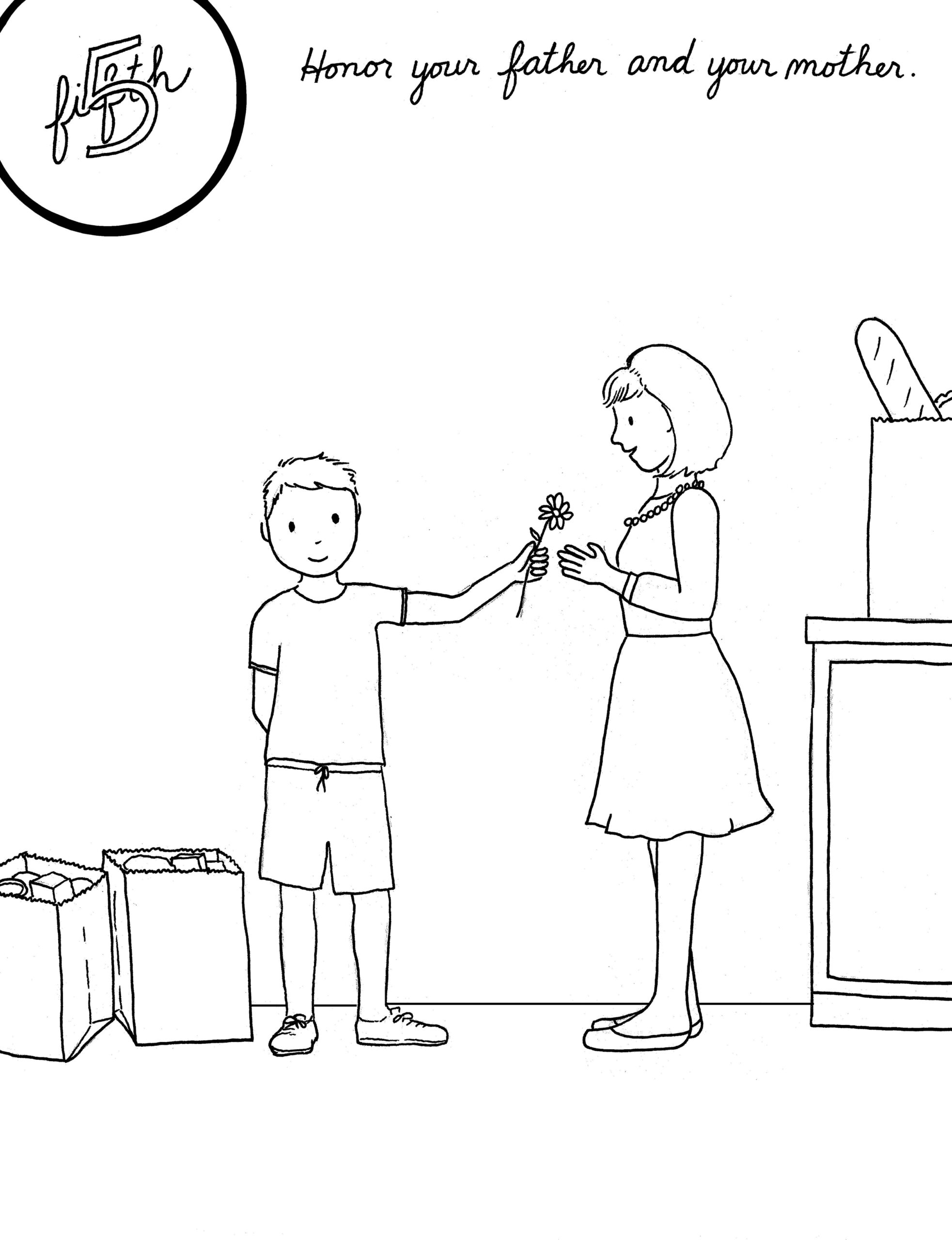
Honoring your parents goes beyond mere respect; it creates deep psychological benefits for adult children. When you actively show gratitude and support to your parents, it can improve your emotional well-being significantly. This commitment to honoring them fosters stronger family relationships, which in turn enhances your mental health.
Research indicates that adult children who honor their parents often experience better personal well-being. Engaging in respectful behaviors—like expressing appreciation or spending quality time—strengthens family bonds, leading to improved relationships overall [12]. When you take the time to acknowledge your parents’ sacrifices, you not only affirm their value but also enhance your own sense of purpose and fulfillment.
Active listening and open communication are crucial components of honoring parents. When you truly listen to their stories and advice, it not only shows respect but also enriches your emotional connection with them. Studies reveal that this kind of active engagement improves communication within families, resulting in a more supportive and loving environment [13]. This emotional support can be particularly beneficial in navigating life’s challenges.
Moreover, the act of honoring your parents can lead to overall life satisfaction. Research shows that 70% of adults report feeling happier and more fulfilled when they maintain close, respectful relationships with their parents [11]. This sense of connection not only brings joy but also contributes to a more stable emotional state, helping you cope with stress more effectively.
Honoring parents is not just a moral obligation; it serves as a foundation for your own mental health. The gratitude you express through words and actions can create a positive feedback loop. When you show appreciation, it encourages your parents to reciprocate with love and support, reinforcing a cycle of generosity and respect that benefits everyone involved.
In summary, the psychological benefits of honoring your parents are profound. By nurturing these relationships through respect and gratitude, you not only uplift your parents but also foster your own emotional resilience and overall happiness.
Honoring Parents in Blended Families
Honoring parents in blended families can be a complex journey, but it is essential for building strong, respectful relationships. Blended families often face unique challenges when it comes to fostering respect among step-parents, biological parents, and step-siblings. Understanding these dynamics is crucial for honoring everyone involved.
First, it’s important to recognize the emotional needs of both biological and step-parents. Showing respect to step-parents is just as vital as honoring biological parents. This can be done through open communication, where family members express their feelings and share experiences without judgment. When children actively listen to their step-parents, it fosters a sense of belonging and respect, which is a key aspect of honoring parents.
Here are some practical strategies to honor parents in blended families:
- Create Family Traditions: Establishing new family traditions can help everyone feel included. Whether it’s a weekly game night or a monthly family outing, these shared experiences can strengthen bonds and show appreciation for all parents involved.
- Encourage Open Dialogue: Promote an environment where every family member feels safe to express their thoughts and feelings. This can help reduce misunderstandings and build mutual respect among all parties, including step-siblings.
- Show Gratitude: Regularly express thanks to both biological and step-parents for their contributions. A simple “thank you” can go a long way in making them feel valued and respected. Gratitude is a powerful way to honor parents, as it acknowledges their sacrifices and efforts in the family dynamic.
- Involve Everyone in Decision-Making: When making family decisions, involve both biological and step-parents. This demonstrates respect for their opinions and fosters a sense of teamwork. It’s a way to honor their roles within the family and reinforce family unity.
- Respect Boundaries: Each parent may have different parenting styles and boundaries. It’s essential to respect these differences while honoring each parent’s unique contributions. This can prevent conflicts and strengthen relationships.
- Support Each Other: Encouraging support among parents in blended families can enhance emotional well-being. For example, when children see their step-parents supporting their biological parents, it reinforces the idea of honoring all parental figures.
In blended families, the act of honoring parents not only strengthens family ties but also promotes emotional health. By recognizing and valuing each parent’s role, family members can create a nurturing environment that uplifts everyone involved. Ultimately, honoring parents in this context means embracing the complexities and celebrating the diverse relationships that exist within the family structure.
References
1. Parents and Children – “Honor your father and mother.” ()
2. DIFFERENT INTERPRETATIONS OF “HONOR YOUR …
3. Different Interpretations of “Honor Your Parents” – PMC – NIH
4. The effect of the time parents spend with children on … – PMC
5. Using Active Listening to Enhance Your Relationships
6. Gratitude and Well Being: The Benefits of Appreciation – PMC
7. Violence Against Parents by Adult Children: A Systematic …
8. The History and the Future of the Psychology of Filial Piety
9. Rite of passage: An African indigenous knowledge perspective
10. Cross-Cultural Similarities and Differences in Parenting
11. Staff-Parent Relationships That Honor and Support Parenting
12. Honoring the Good Parent Intentions of Courageous Parents
13. The Importance of Honoring Family Caregiver Burden