
Being charged with a crime means that a prosecutor has formally accused an individual of committing a specific offense. This begins the judicial process, where the government must prove the allegation in court [1]. Understanding this process is essential for anyone facing such a situation.
Table of Contents
Understanding Criminal Charges

When someone is charged with a crime, it means that a prosecutor has formally accused them of committing an offense. This accusation is not just a casual statement; it is a critical step in the legal process. A criminal charge signifies that the government believes there is sufficient evidence to take legal action against the individual. It lays the groundwork for what follows in the judicial system, including potential trials and penalties for the accused [1].
It’s important to distinguish between being charged with a crime and being arrested. An arrest occurs when law enforcement takes someone into custody, often because they believe there is probable cause that a crime has been committed [2]. However, being arrested does not automatically mean that formal charges will follow. After an arrest, the police gather evidence and create an arrest report, which is sent to the prosecutor. The prosecutor then reviews the evidence to determine whether to file charges [2]. This distinction highlights that a charge is a formal legal action, while an arrest is merely a preliminary step in the process.
The formal nature of a criminal charge is essential within the justice system. It provides a clear and concise statement of the allegations against the defendant. This document outlines what the prosecutor claims the individual has done wrong. Following the filing of charges, the defendant typically goes through an arraignment, where they are informed of the charges and asked how they wish to plead [1]. This process ensures that the accused understands the legal implications of the charges being brought against them.
Charges can originate from different sources, including grand jury indictments. A grand jury is a group of citizens who review evidence presented by a prosecutor to determine whether there is enough evidence to proceed with charges [1]. The involvement of a grand jury adds another layer of scrutiny to the charging process, as they help ensure that charges are not pursued without sufficient evidence.
In summary, a criminal charge is a significant legal event that initiates the prosecution process. It represents the government’s assertion that a crime has been committed and sets the stage for legal proceedings where the defendant can contest the allegations against them [3].
The Difference Between Arrest and Charge

Understanding the difference between being arrested and charged with a crime is crucial in navigating the criminal justice system. An arrest occurs when law enforcement takes a person into custody because they have probable cause to believe that a crime has been committed. Probable cause means that there are reasonable grounds, based on facts, to suspect that the individual is involved in criminal activity [4]. This step is crucial because it sets the foundation for any subsequent legal actions.
Once an individual is arrested, the next step is the possibility of formal charges being filed. It’s important to note that an arrest does not automatically lead to charges. After an arrest, police submit a report to a prosecutor, typically a district attorney, who reviews the evidence gathered during the arrest. The prosecutor decides whether to file formal charges against the individual based on the strength of the evidence [5].
The process of filing charges can vary by jurisdiction but generally involves preparing a legal document that outlines the allegations against the defendant. This document serves as the basis for the judicial process that follows. If the prosecutor finds the evidence compelling, they will file a criminal charge, which is a formal accusation that the individual has committed a specific crime.
After charges are filed, the defendant will go through an arraignment, where they are formally presented with the charges in court and asked to enter a plea. This is a key moment in the judicial process, as it allows the defendant to respond to the allegations against them. If the case warrants further legal proceedings, it may move on to a grand jury, which will determine if there is enough evidence to proceed with prosecution.
Ultimately, the distinction between an arrest and a charge lies in the level of legal action taken. An arrest is the initial step, while a charge signifies that the government formally accuses someone of committing a crime, setting the stage for further legal proceedings and potential trial.
The Process of Filing Criminal Charges

Once an arrest has been made, the journey toward formal criminal charges begins. This process is crucial in determining whether a person will face prosecution for an alleged crime. It all starts with the evidence collected by law enforcement during the arrest. The police compile an arrest report, which includes details of the incident, witness statements, and any physical evidence related to the case. This report is then forwarded to the prosecutor, often a district attorney, who plays a key role in deciding whether to file charges.
The prosecutor reviews the evidence to assess its strength and determine if there is enough to support a criminal charge. This review is critical because the prosecutor must ensure there is probable cause—meaning there is reasonable belief that a crime occurred and the suspect committed it. If the evidence is deemed insufficient, the prosecutor may choose not to file charges, or they might opt for lesser charges that better fit the evidence available [6].
If the prosecutor decides to proceed, charges are formally filed through legal documents known as complaints or indictments. A criminal complaint is a written statement detailing the allegations against the defendant and the specific laws allegedly violated. In more serious cases, such as felonies, an indictment may be issued by a grand jury, which is a group of citizens convened to evaluate whether there is enough evidence to move forward with prosecution [7]. This grand jury process adds an additional layer of scrutiny, ensuring that charges are only brought when there is a reasonable basis to do so.
After charges are filed, the defendant is summoned to court for an arraignment. During this hearing, the defendant learns about the specific charges they face and is given the opportunity to enter a plea. This step is essential, as it formally brings the accused into the judicial process, allowing the case to progress through the legal system.
In summary, understanding the process of filing criminal charges involves recognizing the critical role of evidence and the prosecutor’s discretion. The transition from arrest to formal charges is a significant moment that can shape the outcome of a criminal case.
The Prosecutor’s Role in Charging Decisions

When it comes to being charged with a crime, the prosecutor plays a crucial role in deciding whether to file charges. This decision is not taken lightly and involves a significant amount of discretion. Essentially, the prosecutor evaluates the evidence presented by law enforcement after an arrest to determine if there is enough basis to formally accuse someone of a crime. This means they must weigh the strength of the evidence against the legal standards required to pursue a case.
Several factors influence a prosecutor’s decision to file charges. One key element is the severity of the alleged crime. For instance, a serious offense like a felony will demand a more thorough investigation and stronger evidence compared to a minor misdemeanor. Additionally, the prosecutor will consider the defendant’s criminal history. A person with a previous record may face harsher scrutiny, as their past actions can suggest a pattern of behavior that impacts the current case [6].
In making these decisions, prosecutors also hold ethical responsibilities. They are not merely tasked with securing convictions; instead, they must seek justice. This means evaluating whether pursuing charges is in the best interest of both the victim and the community as a whole. A prosecutor must consider the potential consequences of pressing charges, including the impact on the accused individual’s life. An incorrect charge can lead to unwarranted harm, including damage to reputation and personal freedom [9].
Furthermore, the process may involve a grand jury for serious cases, especially in federal courts. A grand jury reviews the evidence presented by the prosecutor and decides whether there is sufficient cause to proceed with formal charges. This additional layer helps ensure that charges are not filed lightly and that there is a reasonable basis for the accusations [8].
Ultimately, the prosecutor’s discretion is vital in the charging process, as they balance the legal standards with the ethical implications of their decisions. Their role ensures that the judicial system operates fairly and justly, which is essential for maintaining public trust in the legal process.
Types of Criminal Charges
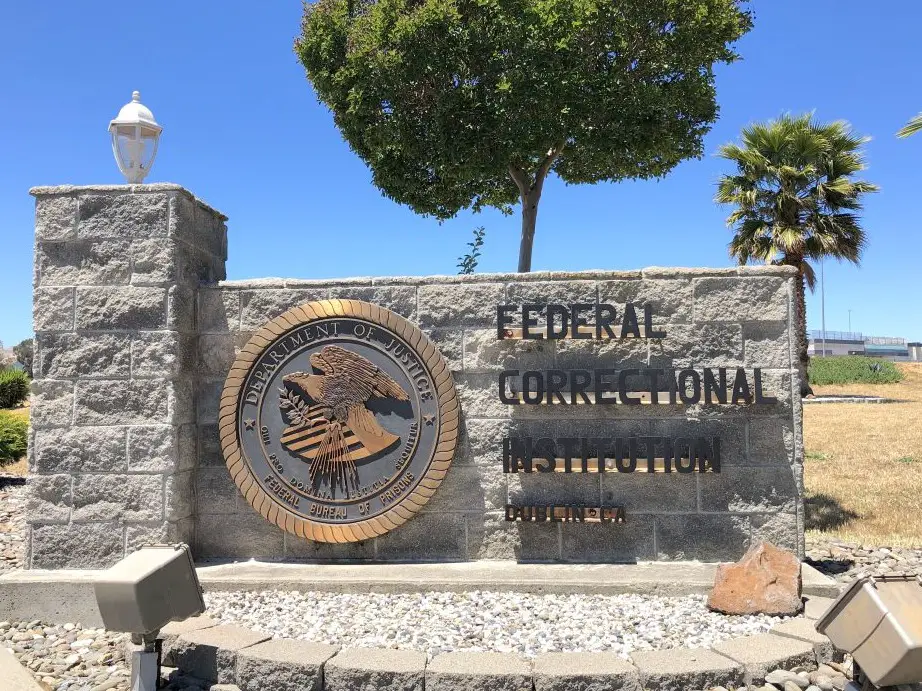
When someone is charged with a crime, it usually falls into one of two categories: misdemeanors or felonies. Understanding these types of criminal charges is crucial, as they carry different implications for the accused.
Misdemeanors are generally less serious offenses compared to felonies. They often result in lighter penalties, such as fines or community service, rather than imprisonment [12]. Common examples of misdemeanors include petty theft, vandalism, or minor drug offenses. If someone is charged with a misdemeanor, they may face a maximum jail time of up to one year, which often leads to a less complex legal process [11]. In many cases, misdemeanors do not require a grand jury to review the evidence, and the prosecutor can file charges based on the police report alone.
Felonies, on the other hand, are serious crimes that can lead to significant penalties. A felony charge may result in imprisonment for more than one year, with some crimes even carrying life sentences or the death penalty in extreme cases [11]. Examples of felonies include murder, robbery, and drug trafficking. When a person is charged with a felony, the process involves more rigorous legal scrutiny, often requiring a grand jury to evaluate the evidence presented by the prosecutor. This step ensures that there is enough evidence to justify the serious nature of a felony charge.
The consequences of being charged with either a misdemeanor or a felony can be far-reaching. A misdemeanor can impact employment opportunities and result in a criminal record, while a felony conviction can lead to loss of voting rights, difficulty in finding housing, and long-lasting social stigma. The severity of these charges underscores the importance of having a qualified attorney to navigate the legal system effectively.
Ultimately, when someone is charged with a crime, the type of charge can determine not only the legal proceedings that follow but also the potential impact on the individual’s life. Understanding the distinctions between misdemeanors and felonies is essential for anyone facing such serious allegations.
What Happens After Being Charged?
Once you’ve been formally charged with a crime, the judicial process kicks into gear. The first key step is the arraignment. This is a critical hearing where the defendant is formally read the charges against them. During this proceeding, the defendant learns exactly what they’re accused of and can enter a plea. The options for pleading include guilty, not guilty, or no contest. Each plea carries different implications for how the case will proceed [14].
After entering a plea, several outcomes can unfold. If a defendant pleads guilty, the court may move directly to sentencing. If a not guilty plea is entered, the process typically leads to further hearings or a trial. A plea of no contest means the defendant does not admit guilt but also does not contest the charges, which can still lead to a conviction like a guilty plea [15].
The role of the prosecutor is crucial during this stage. They evaluate the evidence and decide whether to push for a trial or negotiate a plea deal. In many cases, prosecutors may offer reduced charges or sentences in exchange for a guilty plea, which can be beneficial for both parties by saving time and resources [13].
During the arraignment, the accused also has the right to legal representation. This right is vital, as having an attorney can significantly influence the case’s outcome. Legal counsel can help navigate the complexities of criminal law, ensuring the defendant’s rights are protected throughout the process [13].
If the case continues to trial, a grand jury may be involved, especially for serious charges. This group of citizens reviews the evidence presented by the prosecutor to determine if there is enough basis to proceed with prosecution [14]. Their role adds another layer of scrutiny before moving forward with serious criminal charges.
Overall, being charged with a crime sets off a series of legal steps that require careful consideration and strategic planning. Each plea and decision made can have significant consequences for the defendant, impacting their future long after the case is resolved.
Potential Defenses Against Criminal Charges
When someone is charged with a crime, it doesn’t automatically mean they will be convicted. There are several defenses individuals can use to challenge the charges against them. Understanding these defenses is crucial for anyone facing a criminal charge.
Self-Defense
One common defense is self-defense. This argument is used when a defendant claims they acted to protect themselves from imminent harm. For example, if someone is attacked, they may have the right to defend themselves, and this could justify their actions in a court of law. The prosecutor must then prove that the defendant did not act in self-defense, which can shift the burden of proof onto the state [16].
Lack of Intent
Another defense is a lack of intent. In many cases, for a charge to stick, the prosecutor must show that the defendant had the intention to commit the crime. If the defendant can demonstrate that they did not intend to break the law, or that their actions were accidental, it may lead to reduced or dismissed charges. This is particularly relevant in cases involving negligence or accidental actions [17].
Illegal Search and Seizure
Illegal search and seizure is also a potential defense. If law enforcement conducted an arrest or searched a property without a proper warrant or probable cause, any evidence obtained may be deemed inadmissible in court. This could weaken the prosecutor’s case significantly. For instance, if evidence collected during an illegal search is crucial to the charges, the defendant may argue that the evidence should not be used against them [18].
Other Considerations
Defendants might also raise other defenses depending on the circumstances. These can include:
- Alibi: Proving that they were not at the crime scene when the alleged offense occurred.
- Insanity: Claiming that they were not in a sound mental state at the time of the crime.
- Duress: Arguing that they were forced to commit the crime under threat of harm.
Each of these defenses requires careful consideration and strategic planning, often with the assistance of a qualified attorney. The outcome of a case can depend significantly on how effectively these defenses are presented during the arraignment and subsequent legal proceedings.
Long-term Impacts of Being Charged
Being charged with a crime can have profound long-term effects on an individual’s life, extending far beyond the courtroom. One significant area impacted is employment. Many employers conduct background checks, and having a criminal charge on record can raise red flags. Even if a person is not convicted, the mere existence of a charge can limit job opportunities, especially in fields that require trust, such as education or healthcare. This stigma can linger long after the case is resolved, affecting career advancement and job stability [19].
Reputation is another crucial factor that can suffer when someone is charged with a crime. The community often views a criminal charge as a sign of wrongdoing, which can lead to social isolation and damaged relationships. Friends, family, and neighbors may treat the charged individual differently, and this shift in perception can be hard to reverse. The negative impact on one’s reputation may persist even if the charges are ultimately dropped or resolved favorably [20].
Legal ramifications also play a significant role in the long-term effects of being charged. A criminal charge can lead to fines, restitution, or even imprisonment, depending on the severity of the offense. Even in cases where the individual is not convicted, the legal process can result in substantial costs related to attorney fees and court expenses. Additionally, individuals may have to navigate complex legal issues during their arraignment and subsequent hearings that can be time-consuming and stressful [21].
Moreover, the consequences of being charged with a crime can affect personal life choices. For instance, individuals might find it challenging to secure housing, obtain loans, or even travel, particularly if the charge is related to a serious crime. This can limit their ability to move forward in life, impacting overall well-being and mental health.
In summary, being charged with a crime is not just a legal matter; it has far-reaching implications that can affect employment, reputation, and legal obligations. Understanding these potential long-term impacts emphasizes the importance of seeking legal advice from a qualified attorney immediately after an arrest, as the decisions made during this process can significantly influence the future.
Resources for Individuals Facing Charges
When an individual is charged with a crime, it can be overwhelming. Thankfully, there are various resources available to help navigate this complex legal landscape. Understanding these resources can be crucial for anyone facing criminal charges.
Legal Aid Services
Legal aid services offer free or low-cost legal assistance to individuals who cannot afford an attorney. These services can help those charged with crimes understand their rights and the legal process ahead of them. Legal aid attorneys can guide defendants through their arraignment and any subsequent legal proceedings, ensuring they are adequately represented in court [22]. Many legal aid organizations also provide information on local laws and how they pertain to specific charges, helping individuals make informed decisions about their cases.
Defense Attorneys
Hiring a defense attorney is one of the most important steps for someone charged with a crime. A qualified defense attorney specializes in criminal law and can provide not only legal representation but also strategic advice on how to approach the situation. They help clients understand the charges against them, the evidence presented by the prosecutor, and potential defenses that could be used in court. A defense attorney will be crucial during the arraignment, where they can argue for fair bail conditions and explain the potential consequences of a guilty plea or conviction [23].
Support Groups
Facing criminal charges can take a toll on an individual’s mental health and emotional well-being. Support groups offer a space for individuals to share their experiences and feelings in a supportive environment. These groups can provide emotional support and practical advice from others who have faced similar situations. Many communities have support groups specifically for those dealing with the stress of criminal charges, helping participants cope with anxiety and fear that often accompany such legal challenges [24].
Online Resources
Numerous online resources provide information about criminal charges and legal rights. Websites dedicated to legal education often break down complex legal terminology and processes, making them more accessible to the general public. These resources can clarify what being charged with a crime means, explain the role of prosecutors, and describe what to expect during the legal process, including arraignment and potential grand jury proceedings.
By utilizing these resources, individuals charged with crimes can gain a clearer understanding of their situations and access the support they need during this challenging time.
References
1. Criminal Definitions – Student Legal Services
2. Criminal Arrest and Charging – MN House Research
4. probable cause | Wex | US Law | LII / Legal Information Institute
5. A Brief Description of the Federal Criminal Justice Process
6. 9-27.000 – Principles of Federal Prosecution
8. Federal Prosecutorial Discretion: A Brief Overview
9. Comparative Ethical Duties of Prosecutors & Defense
10. A Comparative Analysis of Misdemeanor Sentencing
11. 18 U.S. Code § 3559 – Sentencing classification of offenses
12. community service | Wex | US Law
13. right to counsel | Wex | US Law | LII / Legal Information Institute
14. Rule 11. Pleas | Federal Rules of Criminal Procedure | US Law
15. Consequences & processes after your arraignment or first …
16. self-defense | Wex | US Law | LII / Legal Information Institute
17. 2055. Public Authority Defense
18. unreasonable search and seizure | Wex – Law.Cornell.Edu
19. Criminal Record Inaccuracies and the Impact of a …
20. Restoring Reputational Rights Through a Government …
21. criminal law | Wex | US Law | LII / Legal Information Institute
23. defense attorney | Wex | US Law | LII / Legal Information Institute