
The truth about passion is that it is a complex emotion that can deeply influence our lives, but it’s not always straightforward. It’s not just about pursuing what we love; it requires understanding ourselves and how our feelings evolve over time. Read Interesting article: The truth about transformation
Table of Contents
Understanding Passion: A Comprehensive Overview
Definition of Passion
When I think about passion, I often reflect on how it’s more than just a fleeting interest or hobby. Passion is that intense drive or enthusiasm we feel towards something, whether it’s a career, a creative pursuit, or even a relationship. I remember the first time I truly felt passionate about something — it was during a painting class. The colors, the brush strokes, and the canvas all came alive for me, and I lost track of time. That feeling of losing myself in an activity is what I believe captures the essence of passion.
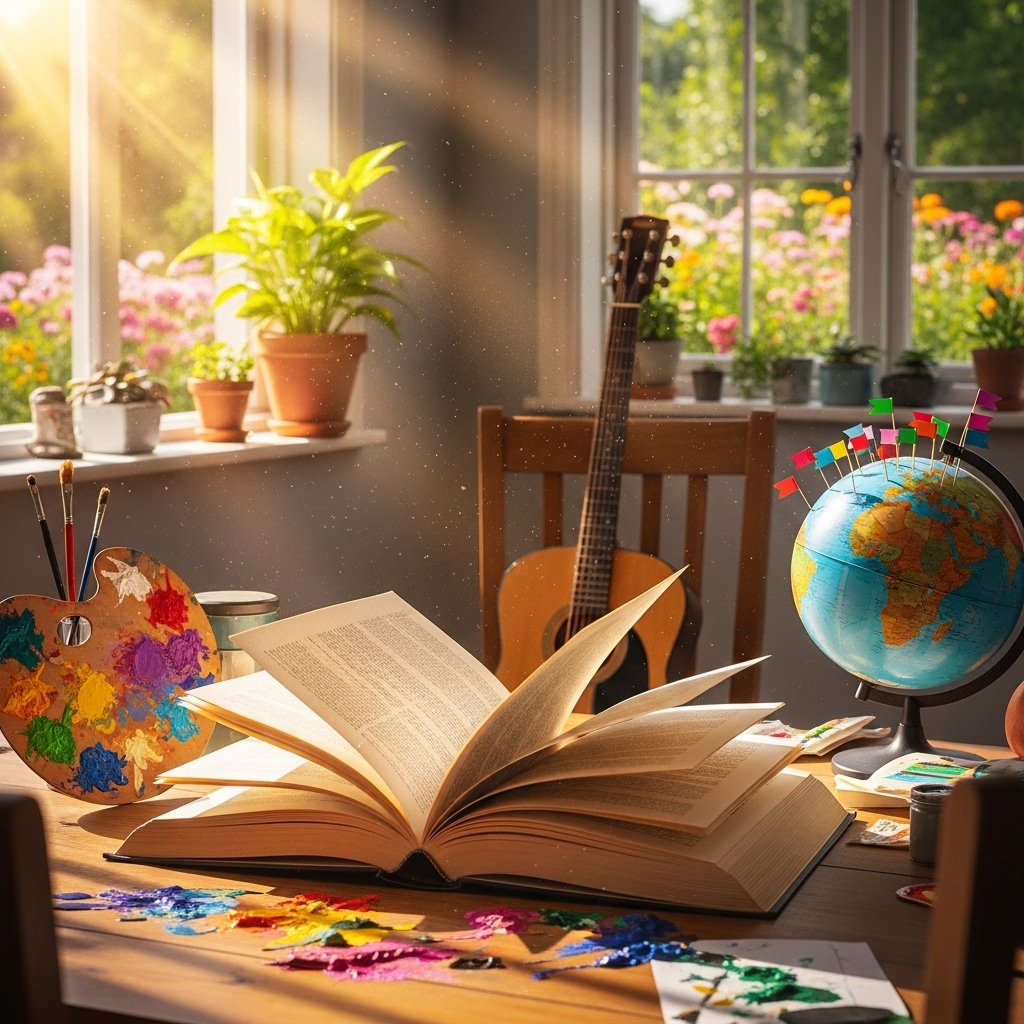
Types of Passion: Harmonious vs. Obsessive
Not all passion is created equal. I’ve learned that there are two main types: harmonious and obsessive passion. Harmonious passion occurs when we engage in activities that we love, but they don’t consume us. It brings joy and fulfillment without negatively impacting other areas of our lives. On the other hand, obsessive passion can lead to burnout. I’ve seen friends lose sight of their personal lives because they were so consumed by their work or a particular pursuit. Understanding the difference between these two types has helped me navigate my own passions more effectively.
The Role of Emotion in Passion
Emotion is at the heart of passion. I’ve noticed that when I’m passionate about something, my emotions are often heightened. There’s excitement, joy, and sometimes frustration, but those feelings are what make the journey worthwhile. It reminds me of a time when I was working on a personal project. The thrill of creating something from scratch was exhilarating, even when faced with challenges. I believe that our emotions shape our experiences and deepen our connection to our passions.
The Science Behind Passion

Psychological Aspects of Passion
Diving into the psychology of passion has opened my eyes to how it influences our behavior and decisions. Psychologists often describe passion as a motivational force that can drive us toward achieving our goals. I’ve found that when I’m passionate, I’m more motivated to overcome obstacles. For instance, during my journey in learning the guitar, the passion I felt pushed me to practice daily, even when my fingers hurt. It’s fascinating how passion can act as a catalyst for personal growth and development. Read Interesting article: The Truth About Self-Trust
Neurological Responses to Passion
From a neurological perspective, passion can trigger the release of neurotransmitters like dopamine, which is linked to pleasure and reward. I remember the rush I felt after completing a challenging painting; it was like a natural high. This is because engaging in activities we are passionate about can activate the brain’s reward systems. It’s a beautiful connection that shows how our passions not only fulfill us emotionally but also impact our brain chemistry. Understanding this has made me appreciate the role of passion in my overall happiness and well-being.
Passion and Motivation: The Connection
Passion and motivation are two sides of the same coin. Motivational theories suggest that when we are passionate about something, our intrinsic motivation increases. I’ve experienced this firsthand, especially when I decided to pursue writing. The passion I felt helped me push through writer’s block and late nights. It’s a reminder that when we align our activities with our passions, we are naturally more driven to succeed. I think this connection is crucial for anyone looking to rekindle their enthusiasm in life.
Finding Your Passion
Self-Discovery Techniques
Finding your passion can be a journey in itself. I’ve tried various self-discovery techniques that have helped me understand what truly excites me. Journaling is one of my favorite methods; it allows me to reflect on my thoughts and feelings. Sometimes, I write about my day-to-day experiences, and I often discover patterns in what excites me or brings me joy. I also recommend trying mindfulness meditation, which has helped me quiet the noise and listen to my inner self. It’s a great way to become more attuned to your desires and passions.
Exploring Interests and Hobbies
Exploring different interests and hobbies has proven to be vital in my own journey of finding passion. I remember when I decided to take up photography. I didn’t know if I would love it, but I gave it a shot. To my surprise, it became a significant part of my life. I suggest trying new things without any pressure. Attend workshops, join clubs, or simply engage in activities that intrigue you. You never know what might ignite that spark of passion within you.
The Role of Life Experiences in Shaping Passion
Life experiences play a massive role in shaping our passions. I’ve seen how different chapters of my life have influenced what I care about. For example, my travels opened my eyes to different cultures and art forms, which deepened my appreciation for creativity. I believe that every experience, whether good or bad, contributes to our understanding of what we truly value. Reflecting on past experiences can provide insight into what might ignite passion in our lives today.
Nurturing Your Passion
Setting Goals Related to Your Passion
Nurturing passion requires intention, and one effective way I’ve found to do this is by setting specific goals. When I started my journey with photography, I realized that just enjoying the art wasn’t enough; I needed direction. So, I began setting small, achievable goals, like taking a photo every day or learning a new technique each week. These goals not only kept me focused but also gave me a sense of accomplishment. I suggest that when you set your goals, make them SMART — Specific, Measurable, Achievable, Relevant, and Time-bound. This clarity can transform passion into meaningful progress, allowing us to celebrate our successes along the way.
Creating a Supportive Environment
The environment we surround ourselves with plays a crucial role in nurturing our passions. I’ve noticed that when I’m in a space filled with inspiration, my creativity flourishes. For instance, I’ve decorated my workspace with art pieces, photographs, and quotes that resonate with my creative journey. I believe this creates a nurturing atmosphere that motivates me. Additionally, having supportive friends and family can make a huge difference. They encourage me to pursue my passions, and their enthusiasm often reignites my own. I recommend surrounding yourself with people who uplift you and create a physical space that inspires your passion. It’s amazing how much of an impact it can have.
Overcoming Obstacles and Doubts
Every passionate pursuit comes with its share of challenges and self-doubt. I’ve faced my fair share of obstacles, especially during moments when my confidence faltered. I remember a period when I struggled with my writing; I felt like I was stuck in a rut and questioned whether I was even good enough. During those times, I learned the importance of resilience. I started reframing my thoughts and reminding myself that setbacks are part of the journey. Seeking feedback from others also helped me gain perspective and push through the tough moments. It’s crucial to embrace those feelings of doubt and transform them into motivation to improve. By acknowledging the obstacles and working through them, we not only strengthen our passion but also build resilience that can serve us in all areas of life.
The Impact of Passion on Life
Passion and Career Satisfaction
One of the most significant areas where passion impacts our lives is in our careers. I’ve seen firsthand how pursuing a career aligned with my passions can lead to immense satisfaction. When I decided to transition from a typical 9-to-5 job to freelance writing, it felt like a leap into the unknown. However, my passion for storytelling and creativity made the transition worthwhile. I’ve noticed that when we engage in work that resonates with our interests, it doesn’t just feel like a job; it becomes fulfilling. I recommend reflecting on what truly excites you about your career and seeking ways to infuse more of that passion into your daily work life. Whether that means taking on new projects or networking with like-minded individuals, the benefits are undeniable.
Passion’s Influence on Relationships
Passion doesn’t just affect our careers; it also plays a critical role in our personal relationships. I’ve realized that when I’m passionate, I tend to attract people with similar interests. For example, joining a local art group connected me with fellow creatives, leading to friendships that enriched my life. Engaging in shared passions creates a sense of community and belonging, which is vital for nurturing our emotional well-being. I believe that when we share our passions with others, it strengthens our bonds and fosters deeper connections. Encouraging those we care about to pursue their passions can create a positive ripple effect in our relationships.
Health Benefits of Living with Passion
Living passionately can also positively impact our mental and physical health. I’ve noticed that when I’m engaged in activities I love, I feel less stressed and more energized. Research shows that pursuing passions can boost our mood, reduce anxiety, and even enhance our immune system. I remember when I started gardening; the act of nurturing plants and being outdoors brought me a sense of peace. It’s crucial to recognize how our passions contribute to our overall well-being. I encourage everyone to prioritize activities that spark joy and fulfillment in their lives. Whether it’s painting, hiking, or volunteering, embracing our passions can lead to a healthier, happier existence.
Common Misconceptions about Passion
Passion is Always a Career Choice
I’ve often encountered the idea that passion must align with a career. It’s almost as if society expects us to find that one thing we love and turn it into our job. However, my experience has shown me that passion doesn’t need to be tied to our professional lives. I remember when I first started painting; it was purely for enjoyment and self-expression, not because I wanted to become a professional artist. It’s liberating to recognize that we can have passions that exist outside our work. They can serve as hobbies, outlets, or even ways to relieve stress. I think it’s essential to allow ourselves the freedom to enjoy passions without the pressure of turning them into a career.
Passion is Fixed and Unchangeable
Another misconception I’ve run into is that once we find our passion, it should remain the same for life. I used to believe that my passion for writing would always look the same, but over time, I realized it evolved. My interests shifted, and I found myself drawn to different forms of writing, like poetry and creative non-fiction. Every new experience, whether it was taking a writing workshop or meeting other writers, enriched my passion and altered its trajectory. This fluidity is something I’ve come to embrace. I believe we should allow our passions to grow and change as we do, adapting to our experiences and evolving interests.
The Myth of Instant Passion
Often, there’s a belief that passion should hit us like a lightning bolt, sudden and intense. I used to think that if I didn’t feel that immediate spark, I must not be passionate about something. But my journey taught me that passion can develop gradually. For instance, when I started learning the guitar, the initial excitement was minimal. It took time, practice, and dedication before I truly felt passionate about it. It was the little moments of progress, like finally playing my favorite song, that ignited a deeper interest. I’ve learned that patience is key; sometimes, passion needs time to grow roots, and that’s perfectly okay.
Passion vs. Interest: Understanding the Difference
Defining Interest in Context of Passion
Interest and passion can often get tangled up, but I’ve come to understand that they are not the same. Interest is more like a fleeting curiosity or a temporary enthusiasm for something. For example, I’ve had interests in different TV shows or trends that quickly faded once the excitement wore off. Passion, on the other hand, is a deep, lasting commitment that fuels us over time. It’s what keeps us up late at night, working on projects or pursuing goals we truly care about. Recognizing this difference has helped me focus on what really matters to me and invest my energy where it counts.
How Interest Can Lead to Passion
Interestingly, I’ve found that sometimes, interests can be the stepping stones to discovering our passions. I remember dabbling in photography before I realized how deeply I loved capturing moments. Initially, it was just a fun activity, but as I explored it more, my interest blossomed into a passion. I think it’s important to give ourselves the chance to explore different interests because, in the process, we might uncover something we genuinely love. It’s a beautiful journey of self-exploration where every interest can lead us closer to our true passions.
Recognizing the Signs of True Passion
Recognizing true passion can be a game-changer in our lives. I’ve found that when I’m truly passionate about something, I often lose track of time. I feel energized and excited, even when faced with challenges. Passion drives me to seek knowledge and improvement. I often think about how much I love writing; it’s the one thing that makes me feel alive. If you find yourself eagerly looking for opportunities to engage in an activity, or if you’re more than willing to put in the hard work to improve, those are clear signs of passion. It’s vital to listen to those feelings and consider how they can guide your journey. Read Interesting article: The Truth About Success: It Doesn’t Heal You
Real-Life Examples of Passion
Stories of Individuals Who Followed Their Passion
I’ve encountered numerous inspiring stories of people who followed their passions against the odds. One story that stands out to me is of a friend who turned her baking hobby into a thriving business. She started baking as a way to relieve stress but soon discovered her love for creating beautiful desserts. With determination and hard work, she opened her own bakery, and now it’s a beloved spot in our community. Her journey reminds me that passion can lead to incredible transformations in our lives. It’s about believing in ourselves and taking those first steps, no matter how daunting they may seem.
Impact of Passionate Pursuits in Various Fields
Passion can manifest in various fields, shaping careers and lives in profound ways. I think about athletes who dedicate their lives to their sport, or scientists who push boundaries in research because of their love for discovery. These individuals often inspire others to pursue their passions as well. For instance, I read about a scientist who spent years studying climate change out of passion for the environment. Her work has inspired countless others to take action. It’s amazing how one person’s passion can have a ripple effect, motivating entire communities to engage in important causes.
Lessons Learned from Passionate People
From my observations, passionate people share invaluable lessons. They often emphasize the importance of perseverance, creativity, and authenticity. I remember hearing a talk from a successful author who stressed that the path to passion is rarely a straight line. She spoke about her struggles and failures along the way, and how each setback taught her something valuable. It’s a reminder that passion isn’t just about the end result; it’s about the journey, the growth, and the learning we experience along the way. I believe these lessons can inspire us all to embrace our passions fully, regardless of where we stand in our journeys.
Maintaining Passion Over Time
Preventing Burnout in Passion Projects
As much as passion can fuel our creativity and drive, I’ve learned that it can also lead to burnout if we’re not careful. I remember a time when I was pouring all my energy into a writing project. I was so passionate about it that I neglected to take breaks. Eventually, I felt exhausted and uninspired. It taught me the importance of balance. I now make it a point to schedule downtime and engage in activities that help recharge my batteries. Whether it’s going for a walk, spending time with loved ones, or even picking up a different hobby, I’ve found that stepping back can reignite my passion and creativity.
Reigniting Passion After a Setback
Setbacks are a part of life, and I’ve faced my fair share when pursuing my passions. After experiencing a particularly tough period in my writing, I found it challenging to get back into the groove. During that time, I learned the value of reconnecting with my “why.” Reflecting on what originally sparked my passion often helped reignite that flame. I also found it beneficial to engage with supportive communities or take a break to explore new interests. It’s crucial to be kind to ourselves during these times and recognize that it’s okay to step back and regroup.
Balancing Passion with Other Life Responsibilities
One of the biggest challenges I’ve faced is balancing my passions with life’s other responsibilities. I’ve had moments where my passion projects took a back seat due to work, family, and various commitments. I realized that time management is key. I started setting aside specific blocks of time each week dedicated solely to my passions. It’s amazing how even small pockets of time can lead to significant progress! I encourage anyone feeling overwhelmed to carve out a little space in their schedule for what they love. It’s a simple yet effective way to ensure our passions continue to thrive amid our busy lives.
Frequently Asked Questions
What is the definition of passion?
Passion is an intense drive or enthusiasm we feel towards something, whether it’s a career, a creative pursuit, or a relationship. It is more than just a fleeting interest or hobby; it is the feeling of losing oneself in an activity.
What are the two main types of passion?
The two main types of passion are harmonious and obsessive passion. Harmonious passion brings joy and fulfillment without negatively impacting other areas of life, while obsessive passion can lead to burnout and may consume personal lives.
How does emotion play a role in passion?
Emotion is central to passion, as it heightens feelings of excitement, joy, and even frustration. These emotions enrich our experiences and deepen our connection to our passions, making the journey worthwhile.
How can someone find their passion?
Finding passion can involve self-discovery techniques such as journaling and mindfulness meditation, as well as exploring various interests and hobbies. Engaging in new activities without pressure can help uncover what truly excites you.
What is the impact of passion on career satisfaction?
Pursuing a career aligned with one’s passions can lead to immense satisfaction. Engaging in work that resonates with personal interests transforms it from merely a job to a fulfilling endeavor.
How does passion influence personal relationships?
Passion plays a critical role in personal relationships by attracting individuals with similar interests. Engaging in shared passions fosters a sense of community and belonging, strengthening emotional bonds.
What are some health benefits of living with passion?
Living passionately can reduce stress, boost mood, and enhance overall well-being. Engaging in activities you love contributes to mental and physical health, leading to a healthier and happier life.
Why is it a misconception that passion must always be tied to a career?
It is a misconception because passions can exist outside of professional life. People can enjoy passions purely for self-expression or enjoyment without the pressure of turning them into a career.
How can one prevent burnout in passion projects?
Preventing burnout involves maintaining balance by taking regular breaks and engaging in activities that recharge one’s energy. Scheduling downtime is essential for sustaining creativity and passion.
What are the signs of true passion?
Signs of true passion include losing track of time while engaged in an activity, feeling energized and excited despite challenges, and a strong desire to seek knowledge and improvement in that area.