
Imps and goblins are both fascinating figures in folklore, but they represent distinctly different characteristics. This article explores the critical differences between these two mythical creatures, from their origins to their behaviors and cultural representations.
Understanding the Origins of Imps and Goblins
Imps and goblins have rich histories rooted in folklore. Their origins tell us much about their characteristics and cultural significance.
Historical Context of Imps
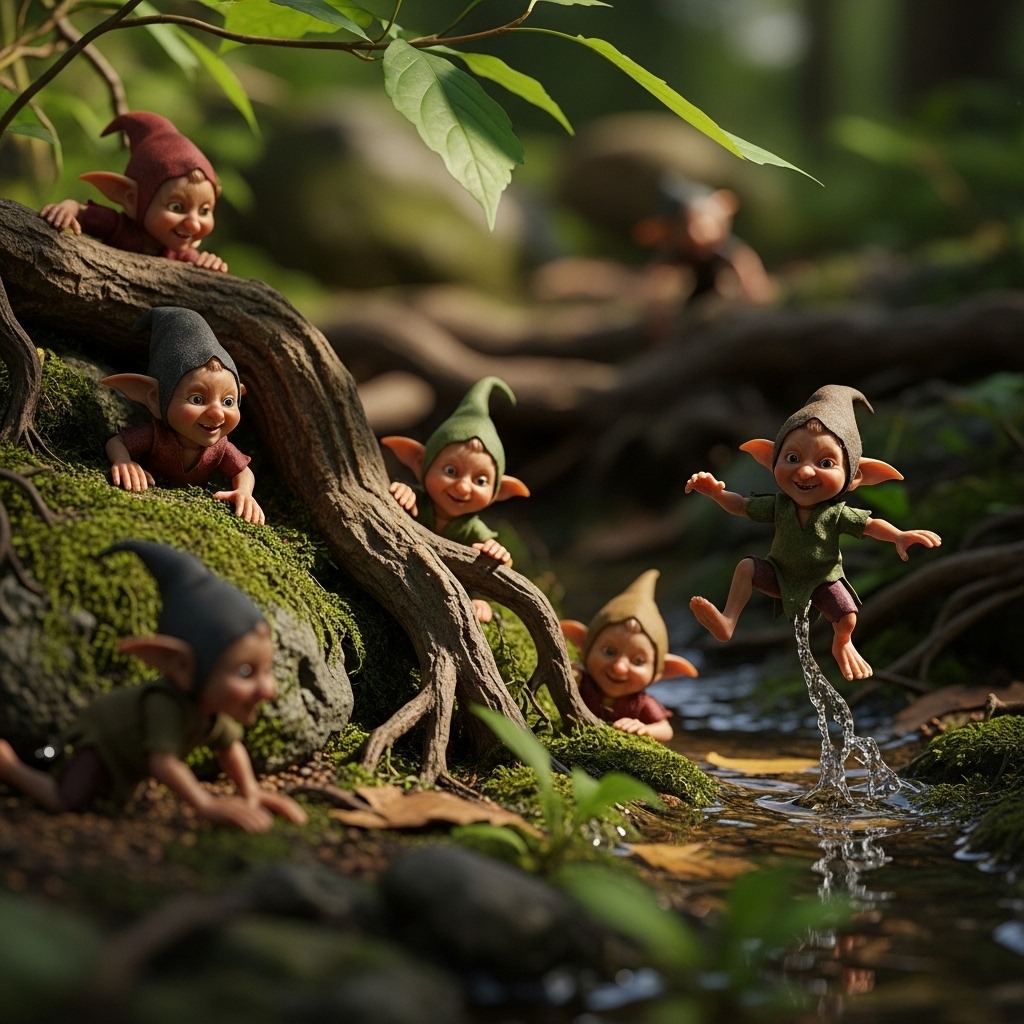
Imps first appeared in Germanic folklore. They are often described as minor demons, mischievous but not outright evil. The term “imp” comes from the Old English word impa, meaning “young shoot” or “offspring.” This highlights their small size and playful nature.
- First Mentions: Imps became popular in stories during the Middle Ages. They were often depicted as creatures that cause minor trouble, like hiding household items or playing pranks on unsuspecting humans.
- Physical Traits: Typically smaller than humans, imps often have features resembling monkeys or small animals, with playful expressions.
Historical Context of Goblins
Goblins, on the other hand, have a different historical trajectory. They first appeared in European folklore around the 14th century. The name “goblin” is linked to various cultural tales, where their traits can vary widely.
- First Mentions: Early texts described goblins as mischievous but malevolent, often causing harm or chaos. Unlike imps, some goblins, especially in Tolkien’s works, are depicted as aggressive and warlike.
- Physical Traits: Goblins can be portrayed as grotesque or cunning, often with sharp features and a menacing appearance. They lack a consistent form, with many variations across different stories.
Comparative Overview of Imps and Goblins
| Trait | Imps | Goblins |
|---|---|---|
| Origin | Germanic folklore | European folklore |
| First Mention | Middle Ages | 14th century |
| Nature | Mischievous, playful | Malicious, aggressive |
| Physical Appearance | Small, often animal-like | Grotesque, varied |
| Cultural Depictions | Minor tricksters | Often portrayed as villains |
Understanding these origins helps clarify the differences between imps and goblins. While both share a knack for mischief, their roles in folklore and mythology set them apart.
Key Physical Characteristics of Imps and Goblins
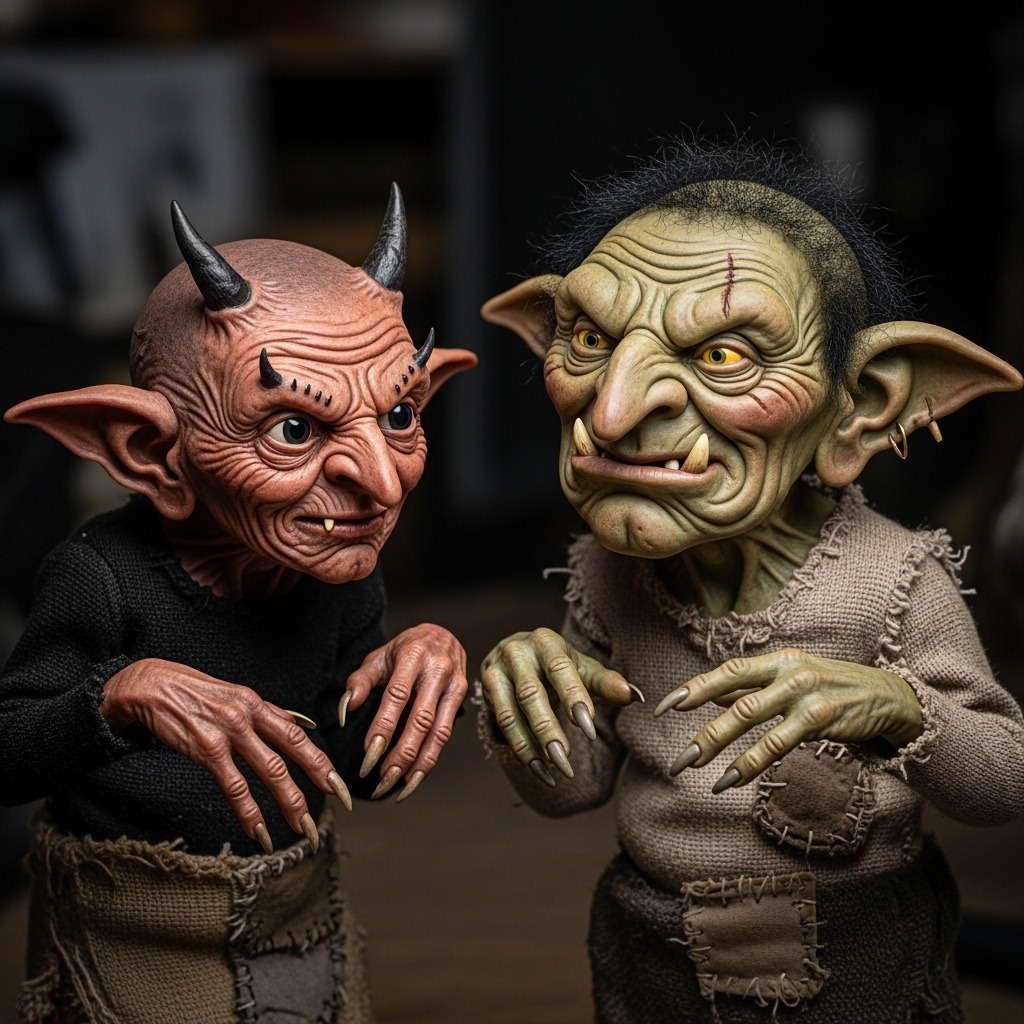
Imps and goblins may share a love for mischief, but their appearances tell different stories. Here’s a closer look at how these two creatures differ physically.
Appearance of Imps
Imps are generally smaller than goblins. They often have a playful, animal-like vibe. Here are some key traits:
Table of Contents
- Size: Small, often no taller than a foot.
- Body Shape: Typically slender, resembling little monkeys or cats.
- Facial Features: They have snout-like noses and large eyes that add to their mischievous look.
- Limbs: Some imps walk on all fours, while others may stand upright.
- Ears: Pointy ears are common, giving them a whimsical appearance.
Appearance of Goblins
Goblins, on the other hand, tend to have a more grotesque and varied appearance. Their defining features include:
- Size: Generally larger than imps, often around 3 to 4 feet tall.
- Body Shape: Stocky and squat, which can make them look intimidating.
- Facial Features: Their faces can be quite distorted, with sharp teeth and a bulbous nose.
- Skin Texture: Goblins often have rough, greenish skin, adding to their menacing look.
- Clothing: They may wear tattered clothes or armor, emphasizing their rough lifestyles.
| Trait | Imps | Goblins |
|---|---|---|
| Size | Small, under a foot | Larger, 3-4 feet tall |
| Body Shape | Slender, animal-like | Stocky, grotesque |
| Facial Features | Snout-like noses, large eyes | Distorted faces, sharp teeth |
| Skin Texture | Smooth, often colorful | Rough, greenish |
| Ears | Pointy | Varied |
Both imps and goblins have unique looks that reflect their personalities. While imps lean towards the cute and playful, goblins embody the more sinister side of folklore. Understanding these differences in appearance helps clarify their identities in myth and media.
Behavioral Traits: How Imps Differ from Goblins
Imps and goblins are often seen as troublemakers, but their behaviors reveal distinct differences. Let’s dive into how these two creatures interact with the world and each other.
Mischief and Trickery of Imps
Imps are known for their playful nature. They love mischief and often engage in tricks. Here are some key traits of imps:
- Playful Behavior: Imps enjoy playing pranks on humans. They might hide objects or create minor annoyances just for fun.
- Curiosity: Their curious nature leads them to explore and interact with the environment, often causing chaos in their wake.
- Trickster Archetype: In many stories, imps are depicted as clever beings who outsmart others. They are often seen as mischievous rather than malicious.
An example of imp behavior can be found in folklore where an imp helps a farmer by magically enhancing his crops but also plays tricks on him, making him doubt his own farming skills.
Malevolence and Greed of Goblins
In contrast, goblins have a darker reputation. Their behavior often leans toward greed and hostility. Here’s what sets them apart:
- Aggressive Nature: Goblins are more likely to engage in aggressive behavior. They often hoard treasure and protect their loot fiercely.
- Manipulative: Some goblins use deceit to achieve their goals. They might trick humans into giving up their valuables or even lead them into traps.
- Social Structure: Goblins often operate in groups, displaying a pack mentality. This can make them more dangerous when they work together.
In many stories, goblins are portrayed as greedy creatures who steal from humans and fight over their treasures. For instance, in a classic tale, a group of goblins ambushes a traveler to steal his gold, showcasing their cunning and malevolence.
Quick Comparison of Behavioral Traits
| Behavior Trait | Imps | Goblins |
|---|---|---|
| Temperament | Playful, curious | Aggressive, greedy |
| Interaction with Humans | Mischievous, trickster | Hostile, manipulative |
| Group Dynamics | Solitary or small groups | Often in larger groups |
Understanding these behavioral differences helps clarify the roles each creature plays in folklore. Imps bring a sense of whimsy, while goblins embody darker themes of greed and aggression.
Powers and Abilities: What Can Imps and Goblins Do?
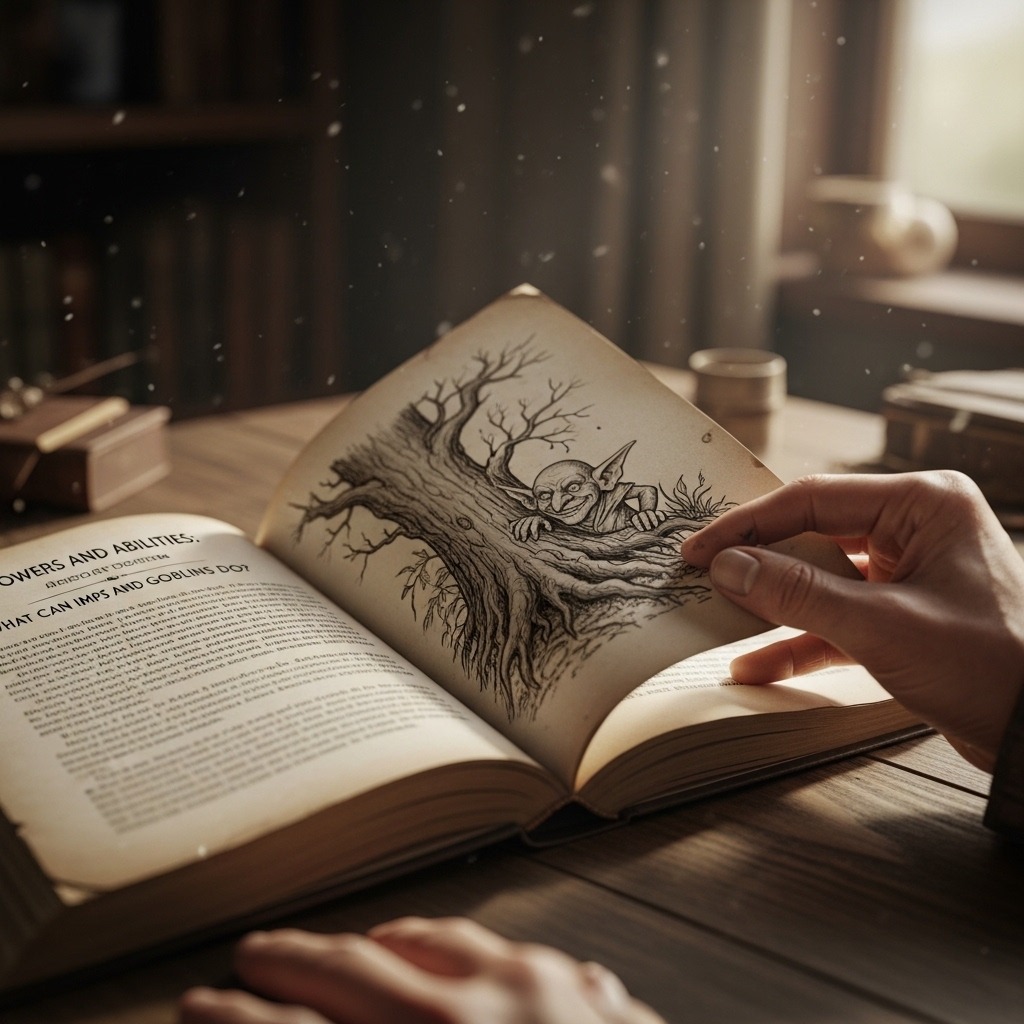
Imps and goblins pack a punch when it comes to magical powers and abilities. These traits shape their roles in folklore, highlighting their unique characteristics.
Magical Abilities of Imps
Imps are often seen as mischievous little demons. Here are some of their notable powers:
- Shapeshifting: Imps can change their form, allowing them to trick or surprise humans.
- Minor Magic: They possess some magical abilities, like summoning fire or causing minor chaos.
- Energy Feeding: Some tales suggest that imps can feed off the energy of living beings, making them tricky adversaries.
Skills and Traits of Goblins
Goblins, on the other hand, have their own set of skills. Check out their abilities:
- Magical Powers: Many goblins possess various magical talents, although these can differ widely among types. For instance, some might be strong shapeshifters, while others have unique strengths.
- Group Tactics: Goblins often work in larger groups, using their numbers to their advantage in cunning schemes.
- Greed and Manipulation: Goblins are typically driven by greed, making them more aggressive and manipulative than imps.
Comparative Table of Unique Powers and Abilities
| Trait/Ability | Imps | Goblins |
|---|---|---|
| Shapeshifting | Yes | Varies by type |
| Magical Powers | Minor magic, fire summoning | Various, often stronger |
| Group Behavior | Solitary or small groups | Often in larger groups |
| Temperament | Playful, mischievous | Aggressive, greedy |
Understanding these powers helps clarify the roles imps and goblins play in folklore. While imps bring a sense of fun and whimsy, goblins often represent darker themes of greed and malice.
Cultural Significance and Representation in Media
Imps and goblins have made their mark in literature, film, and popular culture. Their roles have changed over time, reflecting our evolving views on mischief and malevolence.
Imps in Literature and Film
Imps often serve as playful tricksters. They are mischievous but rarely harmful. Here are a few key examples:
- Shakespeare’s Works: Imps appear as minor characters that highlight human folly. They add humor and chaos without dire consequences.
- Modern Fantasy: In shows like Buffy the Vampire Slayer, imps are depicted as quirky side characters, providing comic relief. They are often shown as less threatening than other supernatural beings.
Imps symbolize mischief and the lighter side of magic. They remind us that not all supernatural beings are malevolent.
Goblins in Modern Stories
Goblins are usually portrayed with more complexity. They can be greedy, aggressive, or even wise. Here are some notable appearances:
- *J.K. Rowling’s Harry Potter***: Goblins are depicted as intelligent bankers. They have a rich cultural history and are more civilized than traditional representations.
- Tolkien’s Universe: In The Lord of the Rings, goblins (or orcs) are fierce and warlike, representing darker aspects of greed and aggression.
Goblins illustrate the darker side of human nature. Their characterizations often reflect themes of conflict and power struggles.
Comparison of Their Roles
| Aspect | Imps | Goblins |
|---|---|---|
| Nature | Mischievous, playful | Greedy, aggressive |
| Cultural Role | Comic relief, minor antagonists | Complex characters, often villains |
| Modern Interpretation | Light-hearted, whimsical | Darker, more nuanced |
Both imps and goblins enrich our stories, offering insights into human behavior. Their representations continue to evolve, showing us that mythology adapts with time.
Common Misconceptions About Imps and Goblins
Imps and goblins often get mixed up. They share some traits but are quite different. Let’s clear up some common misunderstandings.
Misunderstandings About Imps
1. Imps are always evil.
Not true! Imps are often mischievous but not necessarily malevolent. They can be playful and sometimes help humans.
2. Imps look the same everywhere.
Imps can vary widely in appearance. Some resemble small animals, while others have more human-like features. Their looks depend on the culture telling the story.
3. Imps have no magical abilities.
Many imps do possess magical traits. They can shape-shift or influence small events, but their powers are generally less potent than those of higher demons.
Misunderstandings About Goblins
1. All goblins are the same.
Goblins come in many forms, with different traits depending on the folklore. Some are greedy, while others are cunning or even helpful.
2. Goblins are just like imps.
While both can be tricksters, goblins are often portrayed as more aggressive and warlike. They tend to have darker motivations compared to the playful imps.
3. Goblins have magical powers.
Not all goblins are magical! In some stories, they lack any supernatural abilities and are described simply as clever creatures.
Quick Comparison of Traits
| Trait | Imps | Goblins |
|---|---|---|
| Nature | Mischievous, playful | Greedy, aggressive |
| Appearance | Varied (animal-like or human-like) | Diverse, often grotesque |
| Magical Abilities | Often magical | Sometimes non-magical |
| Cultural Role | Comic relief | Villainous or complex |
Understanding these differences enhances our appreciation of folklore. Imps and goblins each bring unique flavors to stories, reflecting various aspects of human nature.
Frequently Asked Questions
These quick answers cover the most common questions about this topic, including key details, practical tips, and common concerns.
Imps vs Goblins: What is the Difference?
Imps and goblins are both supernatural beings from folklore, but they differ in origins, appearance, and behavior. Imps are small, mischievous creatures often associated with minor magic and trickery. Goblins are generally larger, grotesque, and more malevolent, often linked to greed and chaos. While imps are playful tricksters, goblins tend to be more aggressive and villainous.
What is the difference between a goblin and an imp?
The main difference lies in their origins and traits. Imps originated in Germanic folklore and are considered minor demons or playful spirits. They are small, animal-like, and less harmful. Goblins appeared in European stories around the 14th century, often depicted as grotesque, cunning, and sometimes dangerous creatures. Imps are usually less threatening, whereas goblins can be aggressive or malicious.
What do demonic imps look like?
Demonic imps are typically depicted as small, agile beings with mischievous expressions. They often have pointy ears, large eyes, and snout-like noses. Their appearance can resemble small animals or humans with animalistic features. Colors vary, but they are commonly shown with bright or dark hues, emphasizing their playful or tricky nature.
Are imps related to goblins?
Yes, both are considered supernatural tricksters and share some similarities. However, they are distinct entities with different cultural origins and traits. Imps are generally less aggressive and more playful, while goblins tend to be more malicious and grotesque. They often appear in different folklore traditions and serve different narrative roles.
What are the three types of goblins?
Traditionally, goblins are categorized into three types based on their behavior and appearance:
1. Kobolds – Small, helpful or mischievous household spirits.
2. Hobgoblins – Larger, more cunning, often mischievous but sometimes helpful.
3. Gremlins – Known for causing mechanical or technological problems, often depicted as troublemakers in modern stories.
These classifications vary across cultures and stories, reflecting different folklore traditions.
How do I differentiate between imps and goblins in stories or media?
Imps are usually portrayed as small, playful, and less threatening, often with animal-like features. Goblins are larger, grotesque, and more aggressive or cunning. Pay attention to their size, appearance, and behavior—imps tend to be mischievous but harmless, while goblins often display malicious intent.
Can imps and goblins coexist in folklore?
Yes, both can coexist within the same stories, especially in European folklore where they serve different roles. Imps often act as minor tricksters or helpers, while goblins are more likely to be villains or antagonists. Their coexistence enriches the diversity of supernatural beings in myth and legend.
What are some famous stories featuring imps and goblins?
Imps appear in stories like Shakespeare’s plays and modern fantasy series, often as comic or mischievous characters. Goblins are featured in tales like The Hobbit and Harry Potter, where they are depicted as cunning treasure keepers or villains. These stories highlight their contrasting roles and characteristics.
How do modern interpretations of imps and goblins differ from traditional folklore?
Modern media often romanticizes or simplifies these creatures. Imps are portrayed as cute or quirky sidekicks, while goblins may be shown as comic or villainous characters. Traditional folklore emphasized their cultural symbolism—imps as tricksters, goblins as chaos agents—an aspect that varies in contemporary stories.