
Nymphs in Greek mythology are enchanting female spirits associated with nature. They embody the essence of various natural features and phenomena, helping to maintain the balance of the environment. This guide explores 11 essential types of nymphs, detailing their characteristics, significance, and roles in mythology.
Understanding Nymphs in Greek Mythology
Nymphs are fascinating figures in Greek mythology. They’re more than just pretty spirits; they’re tied to nature and the places they inhabit. Each type of nymph represents a specific aspect of the natural world, making them essential to ancient Greek culture.
What Are Nymphs?
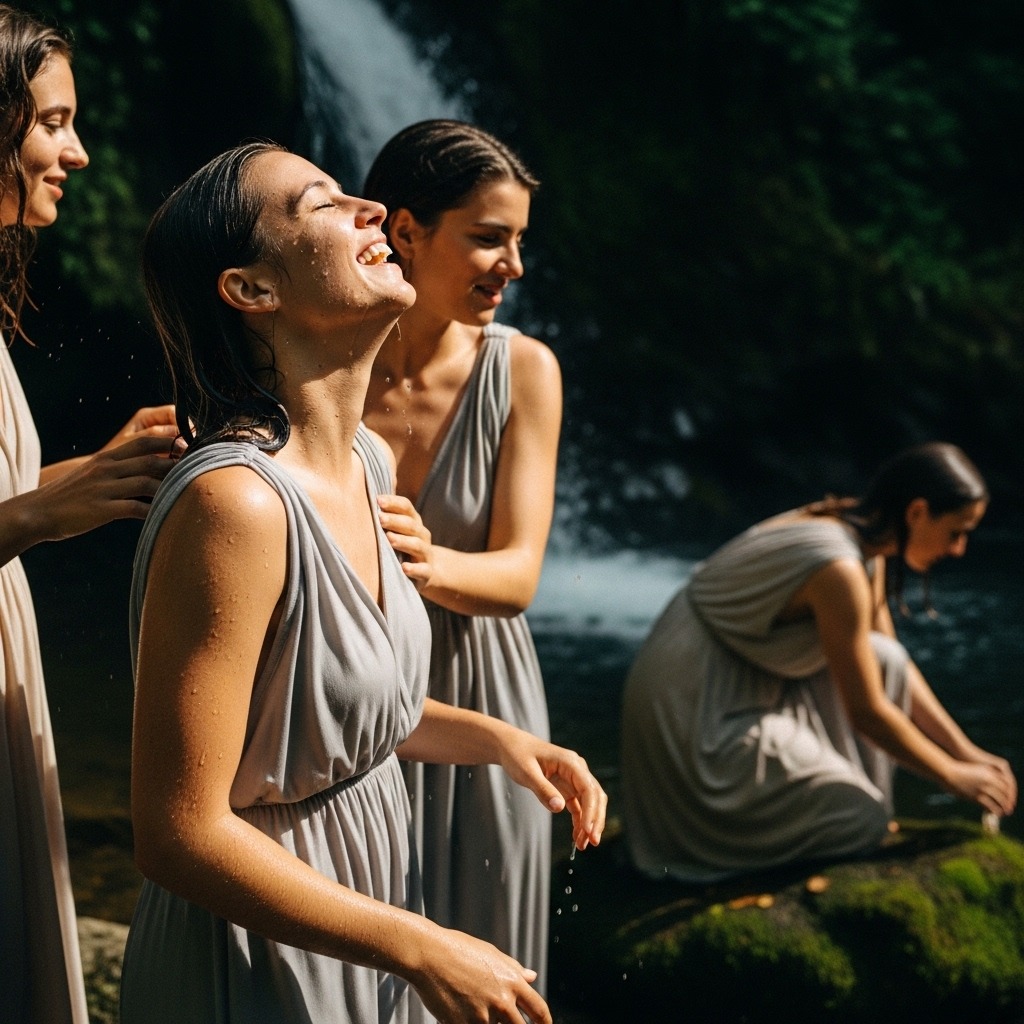
Nymphs are minor female deities. They personify nature and are often depicted as beautiful maidens. Unlike major gods, nymphs are not immortal. They have a deep connection to the specific locations they protect, such as rivers, trees, and mountains. This bond makes them unique and significant in Greek mythology.
Types of Nymphs
Nymphs fall into several categories based on their habitats. Here are some of the key types:
- Naiads: Water nymphs who dwell in fresh waters like springs and rivers.
- Dryads: Tree nymphs, specifically associated with oak trees.
- Nereids: Sea nymphs, often depicted as daughters of Nereus, the old man of the sea.
- Oceanids: Nymphs of the ocean, typically associated with the vast sea and its mysteries.
- Oreads: Mountain nymphs, who inhabit rocky terrains and hills.
- Hesperides: Nymphs of the evening and golden light, known for guarding the golden apples.
- Pleiades: Star nymphs, often linked to the constellation of the same name and associated with Artemis.
Cultural Significance of Nymphs
Nymphs played an essential role in ancient Greek society. They were seen as protectors of nature and were often worshipped in local rituals. Their stories reflect cultural values such as beauty, love, and the importance of nature. For example, Dryads were not only seen as protectors of trees but also as symbols of life and growth.
In ancient texts, nymphs appear in various myths. For instance, the tale of Daphne, a Dryad, shows her transformation into a laurel tree to escape Apollo. This myth illustrates the interplay between desire and nature, highlighting their significance in storytelling.
Common Misconceptions About Nymphs
Many people confuse nymphs with goddesses. While both are divine, nymphs are minor deities tied to specific natural elements. They lack the omnipotence of gods like Zeus or Hera. Understanding this distinction helps clarify their roles in mythology.
Table of Contents
In summary, nymphs are vital to the fabric of Greek mythology. They embody the beauty of nature and represent the ancient Greek relationship with the world around them. Each type of nymph carries its own story, enriching the myths and cultural heritage of ancient Greece.
1. Naiads: The Water Nymphs
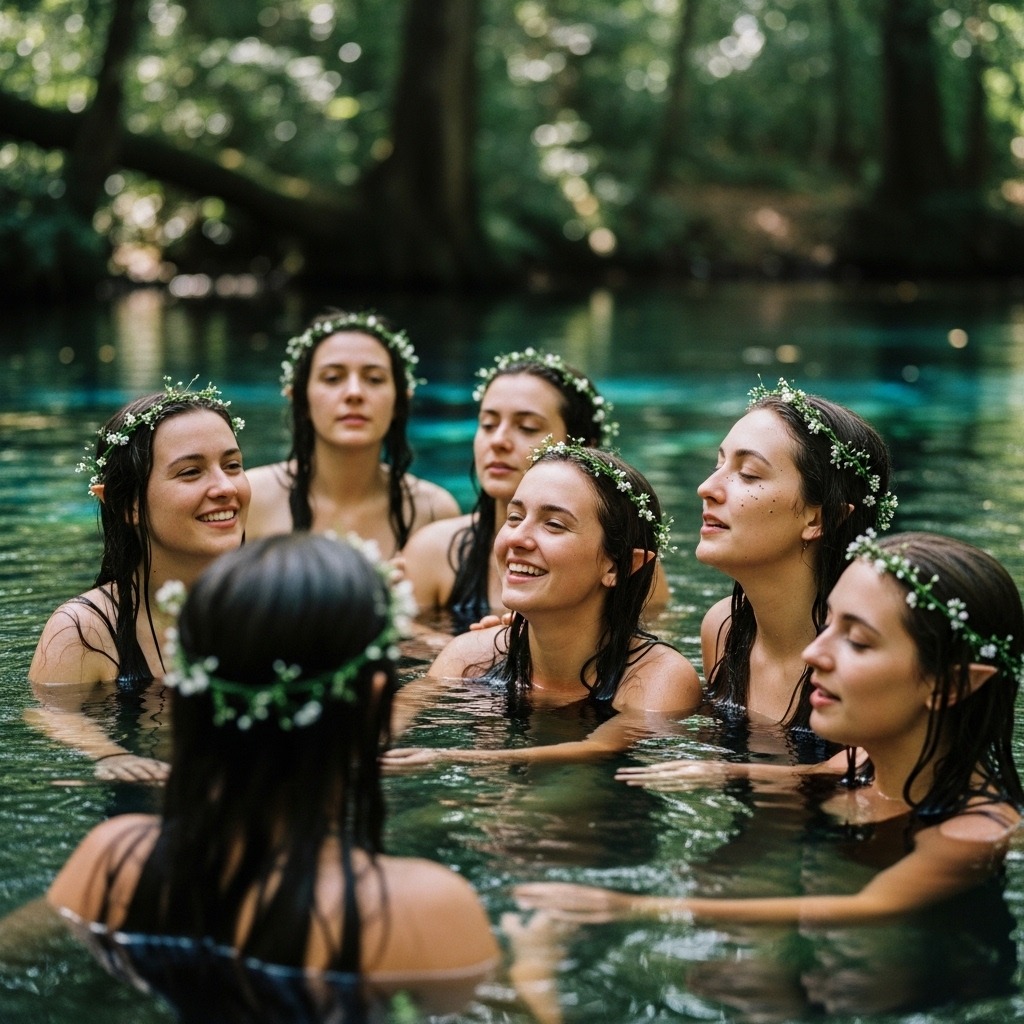
Naiads are the enchanting water nymphs of Greek mythology. They are associated with fresh water sources like rivers, springs, and lakes. These delightful beings are often depicted as beautiful maidens, embodying the allure of the natural world.
Characteristics of Naiads
Naiads are known for their playful and nurturing nature. Here are some key characteristics:
- Domain: Naiads reside in freshwater bodies, such as rivers, streams, and springs.
- Appearance: They are often portrayed as stunningly beautiful, with flowing hair and a serene demeanor.
- Powers: Naiads are believed to have healing abilities. They can provide life-giving water and are known to protect their aquatic environments.
- Temperament: While they can be kind, Naiads might become vengeful if disrespected or harmed.
Famous Myths Involving Naiads
Naiads play significant roles in various Greek myths. One of the most notable stories involves the Naiad Arethusa. According to legend, she transformed into a spring to escape the advances of the river god Alpheus. This tale highlights the themes of desire and transformation, showcasing the complexities of Naiad interactions.
Another famous Naiad is the beautiful Pirene, who is linked to a fountain in Corinth. In her myth, she is pursued by Apollo, emphasizing the romantic and often tumultuous relationships between gods and nymphs.
Naiads’ Interaction with Mortals
Naiads frequently interact with humans, often helping those who show respect for nature. Here are a few ways they engage with mortals:
- Guidance: Naiads may assist heroes by providing water or healing during their quests.
- Protection: They guard their waters fiercely. Anyone who pollutes or disrespects their domain risks their wrath.
- Love Affairs: Many myths feature Naiads falling in love with mortals, leading to both beautiful unions and tragic outcomes.
Naiads are more than just pretty faces; they symbolize the connection between humanity and nature. Their stories remind us of the delicate balance we share with the environment.
2. Dryads: Guardians of the Forest
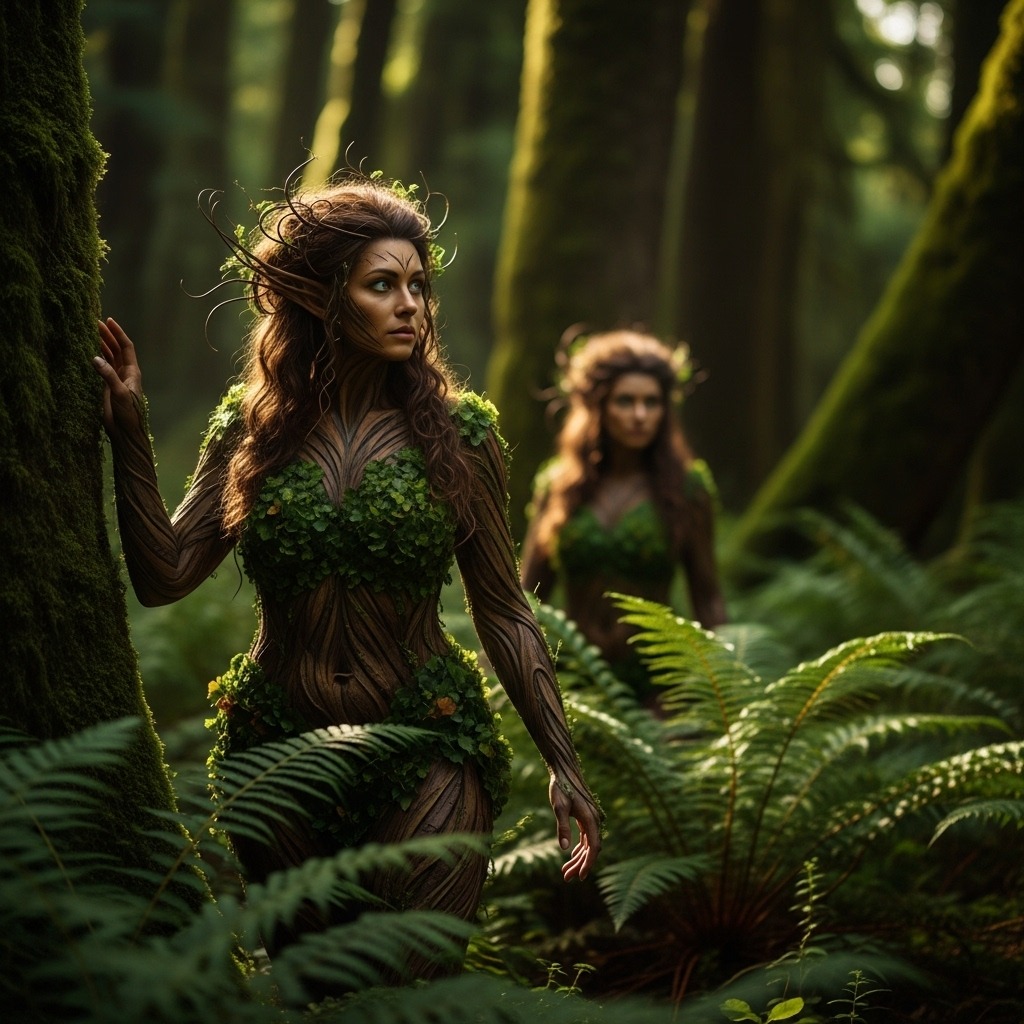
Dryads are the enchanting tree nymphs of Greek mythology. They embody the spirit of the trees and play a crucial role in forest ecosystems. Let’s dive into their world!
The Life of a Dryad
Dryads are intimately connected to their trees. Each Dryad is born from a specific tree, often an oak. They share a life bond; if the tree dies, the Dryad perishes too. This connection highlights the importance of trees in their existence.
Key Myths of Dryads
Many myths feature Dryads as central characters. One famous story involves the hero Hercules, who met the Dryad Nymphe while seeking a rare herb. Their interactions often showcase the balance between nature and humanity.
- Hamadryads: A special type of Dryad, Hamadryads are bound to their trees. Their life force is directly tied to the health of that tree. If the tree is harmed, so are they. This bond emphasizes the fragility of nature.
Dryads and Environmental Balance
Dryads symbolize the harmony between humans and nature. They protect their woodland homes and nurture the trees. They remind us of our responsibility to care for the environment.
- Role in Ecosystems: Dryads help maintain the health of forests. They promote growth and protect against deforestation.
- Cultural Significance: In ancient Greece, Dryads represented fertility and growth. They were often depicted in art, showcasing the beauty of nature.
Understanding Dryads helps us grasp the cultural values of ancient Greeks. They teach respect for nature and the interconnectedness of life.
3. Nereids: Daughters of the Sea

Nereids are fascinating sea nymphs in Greek mythology, known for their beauty and grace. They are the daughters of Nereus, the old man of the sea, and represent various aspects of the ocean. Let’s dive deeper into their world!
The Fifty Nereids
The Nereids are a group of fifty nymphs. Each one has her own unique traits and stories. Here are some key characteristics:
- Nymphs of the Mediterranean: They are often associated with the Mediterranean Sea.
- Beautiful Maidens: Each Nereid is depicted as a stunning young woman, symbolizing the allure of the ocean.
- Companions of Poseidon: They often accompany the sea god Poseidon, adding to their divine connections.
Famous Nereids in Myths
One of the most notable Nereids is Thetis. She plays a crucial role in the myth of Achilles. Thetis, a devoted mother, sought to protect her son from his fate. She even dipped him in the River Styx to make him invulnerable, except for his heel. This act showcases the deep bond between Nereids and mortals, illustrating their influence in heroic tales.
Another famous Nereid is Amphitrite. She is Poseidon’s wife and queen of the sea. Her story highlights the importance of Nereids in mythology as protectors and guides for sailors. They were often called upon for safe passage through treacherous waters.
Nereids and Sea Navigation
Nereids also had a significant role in sea navigation. Sailors believed they could invoke these nymphs for protection and guidance. Here’s how they influenced maritime journeys:
- Guides for Sailors: They were seen as benevolent spirits, helping sailors find their way.
- Protectors of the Sea: Nereids were thought to calm storms and ensure safe travels.
- Symbolic Representations: They often appear in art, emphasizing their importance in ancient Greek culture.
Understanding the Nereids gives us a glimpse into ancient Greek values. They reflected the connection between humans and nature, particularly the sea’s mysteries and dangers.
4. Oceanids: The Ocean Nymphs
Oceanids are the beautiful nymphs of the ocean, often associated with the vastness of water and its mysteries. They are fascinating figures in Greek mythology and embody the grace and power of the sea.
Characteristics of Oceanids
Oceanids are generally described as daughters of Oceanus and Tethys, the primordial deities of the ocean. They number in the thousands, and each one is linked to a specific body of water. Here’s what makes them unique:
- Elemental Spirits: Oceanids represent various aspects of the sea, from calm waters to stormy waves.
- Benevolent Nature: Unlike some mythological figures, Oceanids are often seen as gentle and nurturing spirits.
- Connection to Nature: They symbolize the importance of water in life and agriculture, reflecting ancient Greek values.
Famous Legends Involving Oceanids
Oceanids appear in numerous myths, each showcasing their roles and relationships with gods and heroes. Here are a few notable stories:
- Thetis: One of the most famous Oceanids, she is the mother of Achilles and played a vital role in the Trojan War. Her story emphasizes the connection between nymphs and human heroes.
- Galatea: This Oceanid was loved by the Cyclops Polyphemus, who was heartbroken when she fell for the mortal Acis. This tale highlights the tumultuous relationships between nymphs and mythical creatures.
Oceanids in Art and Literature
Oceanids have inspired countless artists and writers throughout history. Their ethereal beauty and connection to nature make them popular subjects. Here’s how they are represented:
- Visual Art: Oceanids are often depicted in paintings and sculptures, showcasing their grace and beauty. Artists use flowing lines and soft colors to evoke the feeling of water.
- Literature: Ancient texts often celebrate their beauty and power. They appear in works by poets like Hesiod and Homer, emphasizing their importance in mythology.
Common Misconceptions About Oceanids
Many people confuse Oceanids with other types of nymphs. Here are some key distinctions:
- Not Just Water Spirits: While they are associated with the ocean, Oceanids also represent rivers and springs, unlike Naiads, who are strictly freshwater nymphs.
- Diverse Roles: Oceanids are not just passive figures; they play active roles in myths, often influencing events or assisting heroes.
Understanding Oceanids enriches our appreciation of Greek mythology and its intricate relationships between gods, humans, and nature.
5. Oreads: Spirits of the Mountains
Oreads are fascinating nymphs that embody the spirit of the mountains. They thrive in rocky terrains and rugged landscapes, serving as guardians of nature’s wild beauty.
The Nature of Oreads
Oreads, also known as Oreiades, are mountain nymphs linked closely to the majestic peaks and valleys. They are often depicted as strong and graceful beings, embodying the untamed aspects of nature. These nymphs are not just pretty faces; they play vital roles in their ecosystems. They are often seen as protectors of the creatures and plants that inhabit their mountainous realms.
Key Myths of Oreads
Oreads appear in numerous myths, showcasing their significance in Greek lore. One famous story involves Echo, a mountain nymph who fell hopelessly in love with Narcissus. This tale highlights themes of love, transformation, and the sometimes tragic consequences of unrequited affection. Oreads also feature in stories of heroes, guiding them through treacherous mountain paths.
Notable Oreads include:
- Echo: The nymph cursed to only repeat what others say.
- Pitys: A nymph associated with pine trees, often depicted as a huntress.
- Kalliste: A nymph loved by the goddess Artemis for her beauty.
Oreads and Their Role in Nature
Oreads are essential to the ecosystems they inhabit. They are seen as stewards of the mountains, ensuring that the balance of life is maintained. They help nurture plant life and protect wildlife from harm. In many myths, they are portrayed as fierce protectors of their domain, often appearing to aid or challenge mortals who venture into their territory.
Unique characteristics of Oreads compared to other nymph types:
- Habitat: Oreads live exclusively in mountainous areas, unlike Naiads who dwell in freshwater.
- Strength: They are often depicted as skilled huntresses, showcasing their connection to the rugged wilderness.
- Mythology: Oreads are frequently involved in myths that highlight their relationship with nature and its preservation.
Oreads exemplify the wild spirit of the mountains and remind us of the beauty and mystery of nature. Their stories enrich Greek mythology, showcasing the deep connections between gods, mortals, and the natural world.
6. The Pleiades: The Seven Sisters
The Pleiades, also known as the Seven Sisters, are a fascinating group of nymphs in Greek mythology. They are often associated with beauty, stars, and celestial phenomena.
The Myth of the Pleiades
The Pleiades were the seven daughters of the Titan Atlas and the sea-nymph Pleione. Their names are Maia, Electra, Taygete, Alcyone, Celaeno, Sterope, and Merope. According to myth, they were transformed into stars by Zeus to protect them from the hunter Orion, who pursued them relentlessly. This tale highlights their beauty and vulnerability, making them significant figures in Greek mythology.
Pleiades in Greek Astronomy
In ancient Greek astronomy, the Pleiades were recognized as a prominent star cluster. They marked the beginning of the sailing season, signaling the right time to venture out to sea. Farmers also relied on their appearance to determine planting and harvesting times. Their visibility in the night sky was essential for both navigation and agriculture.
The Pleiades and Their Impact on Culture
The Pleiades have left a lasting mark on various aspects of culture. They appear in literature, art, and folklore throughout history. Their beauty inspired countless works, from ancient pottery to modern poetry. For example, in Homer’s “Iliad,” the Pleiades are mentioned as a sign of changing seasons.
Cultural Significance of the Pleiades:
- Art: Depicted in ancient sculptures and paintings.
- Literature: Featured in epic poems and stories.
- Folklore: Linked to agricultural practices and seasonal changes.
Understanding the Pleiades helps us appreciate the intertwining of mythology and daily life in ancient Greece. They reflect the values of beauty, nature, and the cosmos, showing how deeply connected the Greeks were to their environment and the stars above.
7. Hesperides: Keepers of the Golden Apples
The Hesperides are the enchanting nymphs who guard the golden apples in Greek mythology. These apples are not just any fruit; they symbolize immortality and divine beauty. Let’s dive into their fascinating world!
Characteristics of Hesperides
The Hesperides are often depicted as beautiful maidens, associated with the evening and the setting sun. Here are some key points about them:
- Parentage: They are typically considered the daughters of Nyx (Night) or Atlas, the Titan who holds up the heavens.
- Location: They reside in a magical garden located in the far west, known as the Garden of the Hesperides.
- Guardianship: Their primary role is to protect the golden apples, which grow on a tree in their garden.
The Myth of Heracles and the Hesperides
One of the most famous tales involving the Hesperides is linked to Heracles (Hercules) and his Twelve Labors. Heracles was tasked with retrieving the golden apples, a seemingly impossible feat.
- The Challenge: To get the apples, Heracles had to find the garden first. It was well-guarded by a dragon named Ladon.
- Atlas’s Help: In some versions of the myth, Heracles enlists Atlas to fetch the apples while he holds up the sky. This clever teamwork highlights the dynamic between gods and heroes in Greek myths.
- Outcome: After successfully obtaining the apples, Heracles outwitted the Hesperides and returned them to Eurystheus, completing his labor.
Hesperides in Art and Literature
The beauty and mystery of the Hesperides have inspired many works of art and literature. Here’s how they are represented:
- Art: Paintings often depict the Hesperides in lush gardens, surrounded by golden fruit. One famous artwork is “The Garden of the Hesperides” by Frederick, Lord Leighton.
- Literature: They appear in various ancient texts, showcasing their role in the myths of heroes like Heracles.
- Symbolism: The golden apples symbolize beauty, immortality, and the eternal quest for knowledge and power. They remind us of the delicate balance between desire and consequence.
The Hesperides are more than just guardians of fruit; they embody the rich tapestry of Greek mythology. Their stories reflect the ancient Greeks’ deep connection to nature, beauty, and the heroic journey.
8. Maenads: The Frenzied Nymphs
Maenads are unique among nymphs. They embody the wild spirit of nature and the chaotic energy of worshipping Dionysus, the god of wine and festivity.
Characteristics of Maenads
Maenads, also known as the “raving ones,” are often depicted as ecstatic and frenzied. They are usually portrayed with flowing hair, holding thyrsi (staffs topped with pine cones), and surrounded by nature. Here are some key characteristics:
- Wildness: They embrace chaos and freedom. Their rituals often involve ecstatic dancing and music.
- Connection to Nature: Maenads are closely tied to the wilderness. They roam forests and mountains, embodying the untamed aspects of nature.
- Duality: They can nurture but also destroy. This duality reflects their complex role in society and mythology.
The Role of Maenads in Dionysian Cult
Maenads play a crucial role in the worship of Dionysus. They are his followers and often participate in his rites. Here’s how they contribute:
- Rituals: Maenads engage in frenzied celebrations. These rituals celebrate fertility, the harvest, and the joy of life.
- Divine Connection: They serve as a bridge between mortals and the divine. Their ecstatic states allow them to channel Dionysian energy.
- Protection of the Cult: Maenads protect the rituals from outsiders. Their fierce loyalty ensures the sanctity of their worship.
The Impact of Maenads in Greek Society
Maenads had a significant cultural impact. They represented both the beauty and danger of unrestrained emotion. Here’s what they symbolize in Greek society:
- Celebration of Femininity: Maenads highlight the power of women in ancient Greek culture. They challenge societal norms through their wild behavior.
- Cautionary Tales: Their stories often serve as warnings. The balance between ecstasy and chaos is a recurring theme in Greek mythology.
- Artistic Inspiration: Maenads have inspired countless works of art, from ancient pottery to modern interpretations. They symbolize the allure and danger of nature’s wild side.
Understanding Maenads gives us insight into the complexities of Greek mythology. They are not just chaotic figures; they embody the essential duality of life, reflecting both nurturing and destructive forces.
9. Alseids: Spirits of the Groves
Alseids are the enchanting nymphs of groves and glens in Greek mythology. These lovely spirits are closely tied to the health of their surroundings, playing vital roles in maintaining the balance of nature.
Characteristics of Alseids
Alseids are depicted as beautiful young women. They embody the essence of groves, often found in lush, verdant areas. Their primary traits include:
- Nurturing Nature: Alseids care for plants and animals in their habitats.
- Protectors of Growth: They are believed to promote fertility and the flourishing of vegetation.
- Friendly Spirits: Generally, Alseids are kind and helpful towards humans.
Myths Involving Alseids
In ancient tales, Alseids often appear alongside gods and other nymphs. One famous myth tells of an Alseid who fell in love with a mortal. To save him from danger, she transformed into a tree, embodying the grove she cherished. This reflects their deep connection to both nature and humanity.
Alseids and Their Symbolic Meaning
Alseids symbolize fertility, growth, and harmony. They represent the interconnectedness of life within their groves. In rituals, people honored Alseids to ensure bountiful harvests and healthy livestock. Their presence in myths highlights the importance of respecting nature and the role it plays in human life.
Key Takeaways about Alseids:
- Role in Ecosystems: Alseids help maintain grove health.
- Cultural Significance: They embody ancient Greek values of fertility and care for nature.
- Artistic Representation: Alseids inspired various artworks, emphasizing their beauty and grace.
Understanding Alseids enhances our appreciation for the rich tapestry of Greek mythology. They remind us of the delicate balance between humanity and nature.
10. Anthousai: The Flower Nymphs
Anthousai are the charming flower nymphs of Greek mythology. They represent the beauty and essence of flowers, embodying the life and vibrancy of nature. Let’s dive into their world!
The Nature of Anthousai
Anthousai are closely tied to different types of flowers. Each nymph is associated with specific blooms, symbolizing beauty, love, and fertility. They’re often seen as guardians of flowers, ensuring their growth and vitality.
- Connection to Flowers: Anthousai symbolize various flowers, such as roses and lilies.
- Role in Nature: They nurture and protect floral species, representing the cycle of life.
- Cultural Significance: Flowers were vital in ancient Greek culture, used in rituals, celebrations, and as offerings to the gods.
Myths Involving Anthousai
In mythology, Anthousai appear in tales that highlight their beauty and connection to the natural world. One famous story involves the nymphs competing for the attention of a young mortal. They gifted him flowers, each trying to outshine the other. This myth reflects the idea that beauty can be both a blessing and a source of rivalry.
Another notable tale features an Anthousai who fell in love with a mortal. Their love story often symbolizes the fleeting nature of beauty, reminding us that all things must eventually fade.
Anthousai in Art
Anthousai have inspired countless artists throughout history. They are often depicted in paintings and sculptures, showcasing their delicate beauty.
- Artistic Representation: Artists highlight their floral beauty, often surrounding them with blooming flowers.
- Cultural Impact: The representation of Anthousai in art reflects ancient Greek values of love and nature.
Understanding the Anthousai deepens our appreciation for the connection between flowers and mythology. They remind us of the beauty that exists in nature and the stories that come with it.
11. Common Misconceptions About Nymphs
Nymphs are fascinating figures in Greek mythology, but many people misunderstand their roles and nature. Let’s clear up some of these misconceptions.
Nymphs vs. Goddesses
One common misconception is that nymphs are the same as goddesses. Not quite! Here’s how they differ:
- Power: Goddesses like Athena or Hera have immense power and control over various aspects of the world. Nymphs, however, are more tied to specific natural elements, like water or trees.
- Mortality: Nymphs are often considered semi-immortal. They can live long lives, but they aren’t all-powerful like the gods.
- Roles: Nymphs usually serve as protectors of nature. They interact with gods and humans but don’t possess the same authority or divine status.
Nymphs in Modern Culture
Another myth is that nymphs are simply fantasy figures without real cultural significance today. In reality, they inspire art, literature, and even fashion!
- Art: Nymphs are common subjects in paintings and sculptures, symbolizing beauty and nature.
- Literature: They appear in modern retellings of Greek myths, reminding us of their enchanting stories.
- Fashion: Nymph-inspired designs reflect the ethereal and natural, often seen in clothing and jewelry.
Common Myths and Facts
Let’s bust some more myths about these intriguing beings:
- Myth: All nymphs are beautiful and gentle.
Fact: While many are portrayed this way, some myths depict them as vengeful or mischievous, especially when wronged.
- Myth: Nymphs can only be found in one location.
Fact: Nymphs are categorized by their habitats—like Naiads in water and Dryads in trees—but their stories can span various regions.
- Myth: Nymphs are solely for romance.
Fact: They play vital roles in nature and mythology, often aiding heroes or representing the essence of the environment.
Understanding these distinctions helps appreciate the rich tapestry of Greek mythology. Nymphs are more than just pretty faces; they are crucial parts of the mythological world!
Conclusion: The Legacy of Nymphs in Mythology
Nymphs hold a special place in Greek mythology. These enchanting spirits represent nature’s beauty and power, influencing stories and culture across generations.
Why Are Nymphs Significant?
Nymphs embody various aspects of the natural world. Each type, like Naiads and Dryads, connects to a specific environment. This classification highlights their roles in mythology. They aren’t just pretty figures—they’re integral to many myths, often aiding heroes or guiding them through challenges.
Cultural Impact of Nymphs
Nymphs have inspired countless works of art, literature, and modern storytelling. From ancient pottery to contemporary films, their presence is unmistakable. Here are a few examples of their influence:
- Literature: Nymphs often appear as characters in epic tales, showcasing their beauty and mystique.
- Art: Famous paintings often depict nymphs in idyllic settings, emphasizing their connection to nature.
- Modern Media: Movies and books continue to reinterpret nymphs, keeping their legacy alive in new narratives.
Common Misconceptions
Many people think nymphs are solely associated with romance. While love stories are prevalent, their roles extend beyond that. They symbolize nature’s essence and often act as protectors of their domains. Understanding this broadens our appreciation of their significance.
Nymphs are not just mythological figures; they reflect the values and beliefs of ancient Greece. Their stories remind us of the deep connection between humanity and nature.
Frequently Asked Questions
These quick answers cover the most common questions about this topic, including key details, practical tips, and common concerns.
What are the main types of nymphs in Greek mythology?
The main types include Naiads (freshwater), Dryads (trees), Nereids (sea), Oceanids (oceans), Oreads (mountains), Hesperides (golden apples), Pleiades (starry sisters), and Anthousai (flowers). Each category is associated with a specific natural environment or celestial feature.
Who are the nine nymphs in Greek mythology?
The nine Muses are often mistaken for nymphs, but they are distinct. However, if referring to the nine Pleiades, they are star nymphs, daughters of Atlas and Pleione, associated with the constellation. The Pleiades symbolize beauty and celestial guidance.
How do nymphs interact with gods and mortals?
Nymphs often serve as protectors or companions to gods and heroes. They can assist mortals by guiding, healing, or offering aid, but they also demand respect. Disrespecting a nymph’s domain can lead to their wrath or curses.
Why are nymphs significant in Greek mythology?
Nymphs embody natural forces and beauty, representing the divine spirit of specific environments. They highlight the ancient Greeks’ reverence for nature and its cycles. Their stories often teach respect for the environment and the balance of life.
When did the concept of nymphs originate in Greek culture?
The idea of nymphs dates back to early Greek oral traditions, with references appearing in Homeric epics and Hesiod’s works around the 8th to 7th centuries BCE. They have been part of Greek mythological thought for millennia, symbolizing nature’s vitality.
What are common misconceptions about nymphs?
Many believe nymphs are immortal goddesses, but they are minor deities or spirits tied to specific natural features. They are not all-powerful and often have limited domains. Some myths depict them as vengeful or mischievous, contrary to the typical gentle portrayal.
How are nymphs depicted in ancient art?
Nymphs are usually shown as beautiful maidens, often in lush natural settings like forests, rivers, or seas. Artists portray them with flowing hair, delicate features, and surrounded by symbols of their environment, such as trees, water, or flowers.
Are there modern interpretations or equivalents of nymphs?
Yes, modern stories and media often draw inspiration from nymphs, portraying them as ethereal or nature-connected beings. They appear in fantasy literature, movies, and art, emphasizing themes of nature, beauty, and mystery.