Greek gods are immortal deities residing on Mount Olympus, while Norse gods are mortal beings facing their fate in a world destined for destruction. This article explores the key differences and similarities between these two fascinating mythologies.
1. Overview of Greek and Norse Mythologies
Greek and Norse mythologies are two of the most fascinating belief systems in ancient history. Each represents the values, fears, and aspirations of their respective cultures.
Historical Context of Greek Mythology
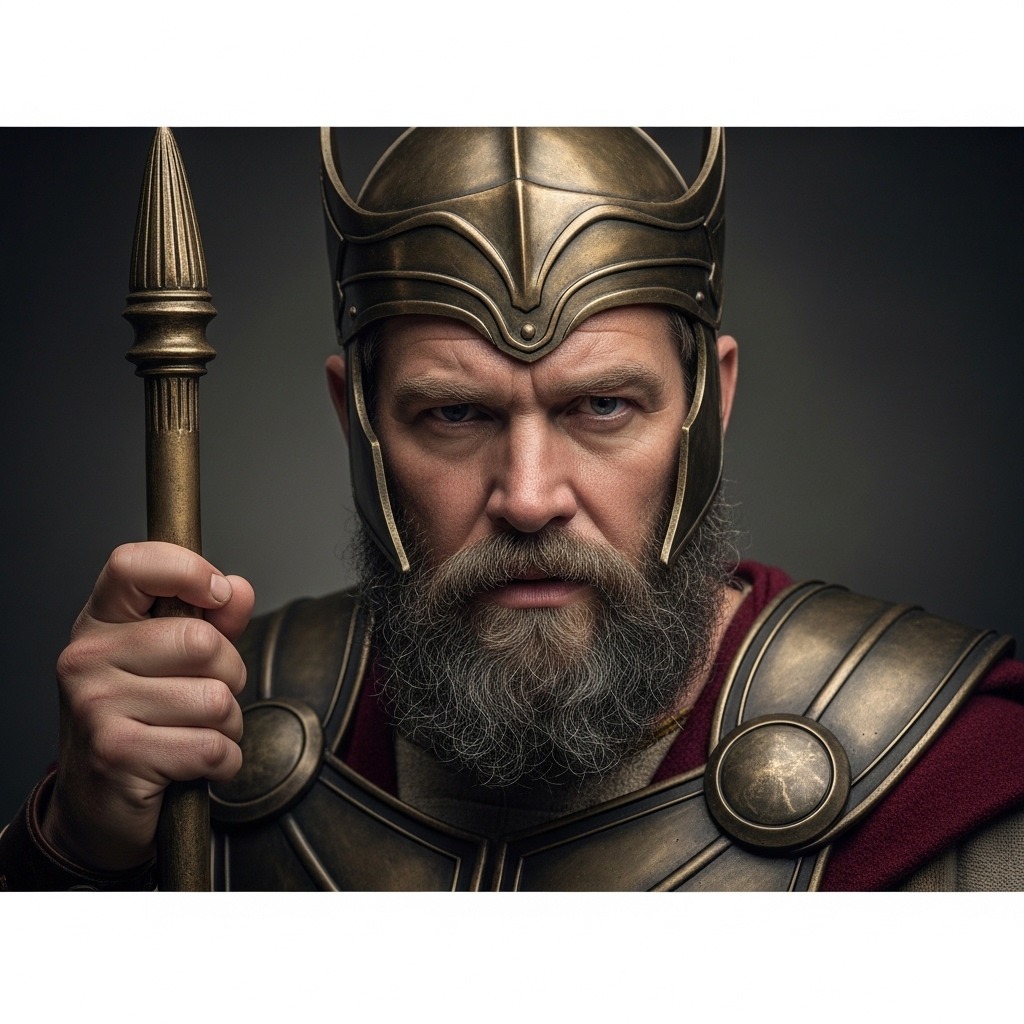
Greek mythology originates from ancient Greece, with roots going back to around 700 BCE. It includes stories of gods and heroes, many of which were passed down through oral traditions before being written down.
- Key Characteristics:
- Immortal Deities: Greek gods, like Zeus and Athena, live forever and possess immense power.
- Cultural Reflection: These stories reflect the Greeks’ values of heroism, honor, and the importance of fate.
- Mount Olympus: The home of the gods, symbolizing a higher realm where divine beings reside.
Historical Context of Norse Mythology
Norse mythology, on the other hand, comes from the Scandinavian regions and began to take shape much later. Most of its tales were compiled in the 13th century, although oral traditions existed long before that.
- Key Characteristics:
- Mortal Beings: Norse gods, such as Odin and Thor, are not immortal and are subject to fate.
- Cultural Reflection: These myths highlight values like bravery, resilience, and the acceptance of mortality.
- Asgard: The realm of the Norse gods, representing a world that is more closely tied to human experiences.
Comparing Cultural Origins
Both mythologies serve as mirrors to their societies. Greek myths often emphasize the triumph of the individual and the concept of fate, while Norse myths focus on the inevitability of death and the importance of community in facing challenges.
- Similarities:
- Both are polytheistic, with a rich pantheon of gods.
- Each mythology explores themes of destiny and the human condition.
- Differences:
- Greek gods embrace immortality, while Norse gods confront mortality.
- The narratives in Greek mythology often involve grand quests, while Norse tales emphasize the struggle against fate and the end times known as Ragnarok.
Understanding these contexts helps clarify the distinct characteristics of Greek and Norse gods, enriching our appreciation of their stories and their impact on modern culture.
2. Mortality: Greek Gods vs Norse Gods
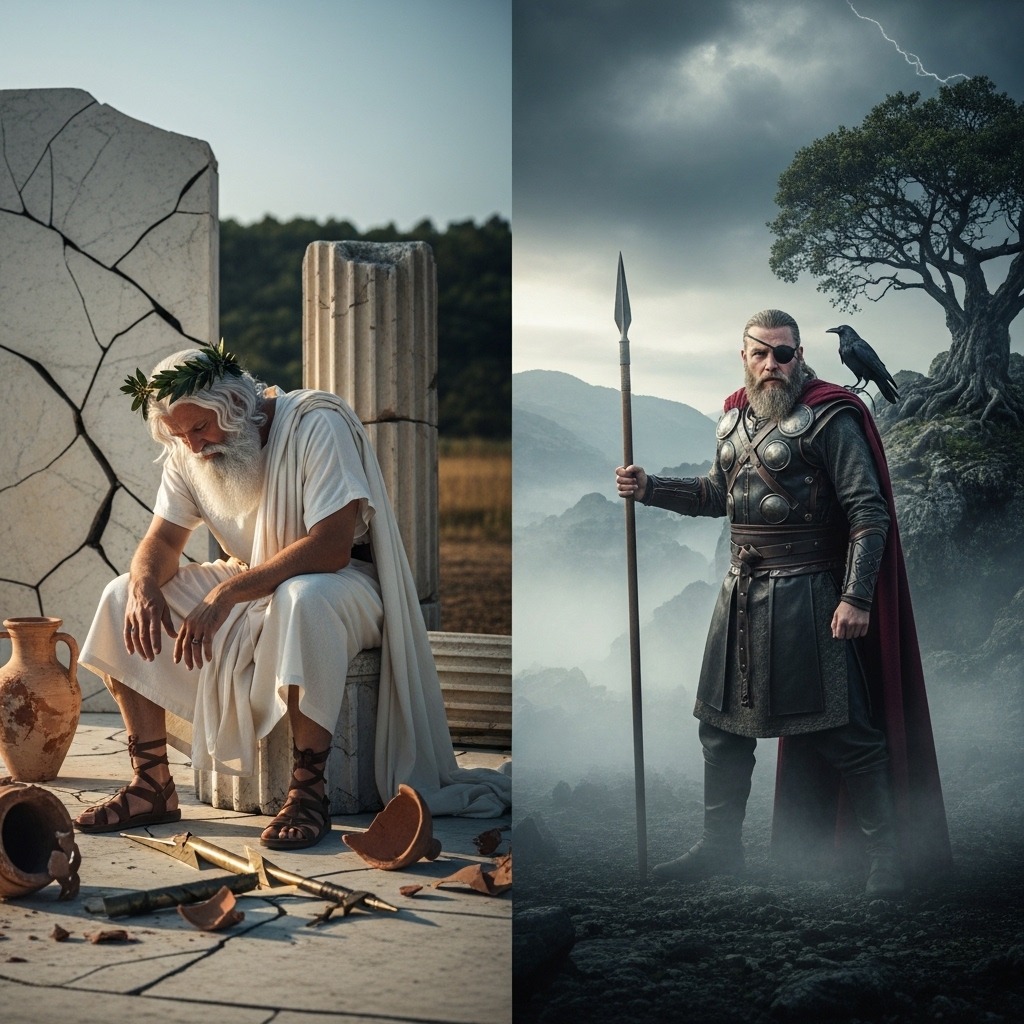
When it comes to the concept of mortality, Greek gods and Norse gods stand on opposite ends of the spectrum. Greek deities are eternal, while their Norse counterparts face a more tragic fate.
Table of Contents
Immortality of Greek Gods
Greek gods are immortal. They live forever on Mount Olympus, untouched by time. This immortality creates a sense of detachment from human struggles. For example:
- Zeus: The king of the Greek gods, Zeus wields lightning and rules the sky. His decisions shape the cosmos, but he remains above human concerns.
- Athena: The goddess of wisdom, she embodies intellect and strategy. Her eternal nature allows her to oversee human affairs without ever experiencing them.
This detachment leads to narratives that often revolve around power struggles, love affairs, and grand quests. The Greek gods are powerful and often capricious. They can influence fate but are not bound by it.
Mortality of Norse Gods
In contrast, Norse gods are mortal. They live in Asgard and are not immune to death. This mortality deeply influences their stories. For instance:
- Odin: The Allfather, who sacrifices himself for knowledge, knows that he will eventually fall during Ragnarok, the cataclysmic event that ends the world of the gods.
- Thor: The god of thunder, he is brave but faces the same fate as Odin. His heroic battles remind us that even the mightiest can fall.
Norse mythology often reflects on themes of fate and loss. The gods can be harmed, face hunger, and ultimately die. This creates a more relatable and human-like narrative. The struggles of the Norse gods resonate with the human condition, emphasizing courage in the face of inevitable doom.
Key Takeaways
- Greek gods: Immortal, powerful, and detached from human experiences.
- Norse gods: Mortal, relatable, and engaged in a constant battle against fate.
Understanding these differences highlights how mortality shapes the narratives in both mythologies. Greek tales often center on divine power and eternal life, while Norse myths delve into the beauty and tragedy of a fleeting existence.
3. Fate and Destiny in Mythologies
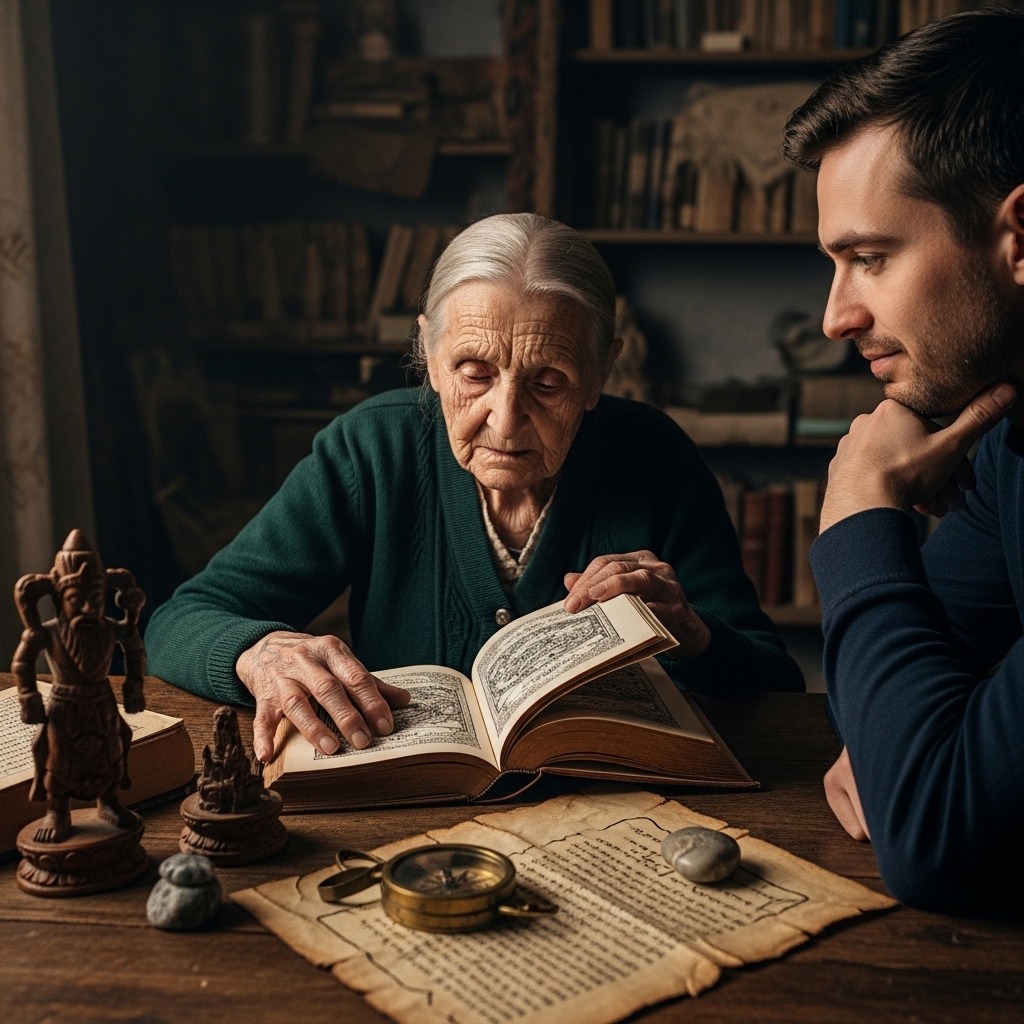
Fate plays a crucial role in both Greek and Norse mythologies, but they see it in very different lights. Let’s dive into how each mythology interprets fate and how it impacts the gods.
Ragnarok: The End of the Norse Gods
In Norse mythology, fate is unavoidable. This culminates in the event known as Ragnarok. It’s not just a story—it’s a prophecy that foretells the end of the world for the Norse gods. Here’s what you need to know:
- Inevitability: Ragnarok is preordained. Even the gods, like Odin and Thor, cannot escape it.
- Destruction and Rebirth: The world will be destroyed, but it’s also about renewal. After Ragnarok, a new world rises from the ashes.
- Heroic Recognition: Norse heroes are celebrated not for lasting legacies but for their bravery in facing doom.
Greek Perceptions of Fate
Greek mythology has a different take on fate. While fate exists, it often seems flexible. Here’s how it works:
- The Fates: In Greek myths, three sisters control the thread of life. They can weave, cut, or alter destinies.
- Cleverness Over Fate: Heroes like Odysseus often find ways to circumvent their fates. His long journey home is a prime example of human ingenuity in the face of destiny.
- Mortality vs. Immortality: Greek gods, unlike Norse gods, are immortal and less constrained by fate. They can act, interact, and change outcomes.
Comparing Fate in Both Mythologies
| Aspect | Norse Mythology | Greek Mythology |
|---|---|---|
| Fate’s Nature | Inevitable, culminating in Ragnarok | Flexible, often circumvented |
| Role of Heroes | Celebrate facing doom | Celebrate cleverness and survival |
| Aftermath | Destruction followed by rebirth | Life continues with no end in sight |
Understanding these differences shows how fate influences narratives in both mythologies. In Norse myths, it’s a constant struggle against foreordained doom. In Greek tales, it’s about navigating the waters of destiny with wit and courage. This contrast illustrates the rich tapestry of human experience reflected in these ancient stories.
4. The Pantheon Structure: Order and Hierarchy
Both Greek and Norse pantheons have distinct structures. Let’s dive into how they’re organized and who the major players are in each.
Overview of the Greek Pantheon
The Greek pantheon is a well-ordered hierarchy. At the top sits Zeus, the king of the gods. He rules over Mount Olympus, where the gods reside. Here’s a quick look at the key gods:
- Zeus: King of the gods, god of the sky and thunder.
- Hera: Queen of the gods, goddess of marriage and family.
- Poseidon: God of the sea, earthquakes, and horses.
- Hades: God of the underworld, ruler of the dead.
- Athena: Goddess of wisdom and warfare.
- Apollo: God of the sun, music, and prophecy.
- Artemis: Goddess of the moon and hunting.
- Aphrodite: Goddess of love and beauty.
These gods have distinct roles and relationships. Zeus maintains order and authority, while other gods manage specific aspects of life.
Overview of the Norse Pantheon
The Norse pantheon is more clan-like. It revolves around Odin, the All-Father. Norse gods often show more human traits. They can get hurt, feel hunger, and even die. Key figures include:
- Odin: The All-Father, god of war, wisdom, and poetry.
- Thor: God of thunder, protector of mankind.
- Freya: Goddess of love, beauty, and fertility.
- Loki: The trickster god, known for his cunning.
- Frigg: Odin’s wife, goddess of marriage and motherhood.
The Norse gods live in Asgard and have a more chaotic relationship. They often engage in battles with giants and face their doom during Ragnarok.
Comparison Table of Major Gods
| Greek God | Role | Norse God | Role |
|---|---|---|---|
| Zeus | King of the gods | Odin | All-Father, god of wisdom |
| Hera | Goddess of marriage | Frigg | Goddess of marriage |
| Poseidon | God of the sea | Thor | God of thunder |
| Hades | God of the underworld | Loki | Trickster god |
| Athena | Goddess of wisdom | Freya | Goddess of love |
| Apollo | God of the sun | Baldr | God of beauty |
This table highlights the major gods and their roles. The Greek gods are often seen as more powerful and orderly, while the Norse gods display a more relatable and flawed nature. This distinction shapes how their myths unfold and ultimately influence their worship.
5. Creation Myths: A Comparative Analysis
Creation myths are the backbone of any culture. They shape how people understand their world and their place in it. Let’s dive into the distinct stories from Greek and Norse mythology and see how they reflect their unique worldviews.
The Greek Creation Myth
Greek mythology starts with Chaos. This void is where everything begins. From Chaos, divine beings emerge, leading to a series of births and conflicts. Key figures like Gaia (Earth) and Uranus (Sky) play major roles here. Eventually, Zeus rises to power, bringing order to the cosmos.
Key Points:
- Optimistic View: Creation is about birth and emergence.
- Zeus’s Rule: Highlights a structured hierarchy.
- Symbolism: The transition from chaos to order.
An example of this is the story of Gaia creating the Titans, which sets the stage for the eventual reign of the Olympian gods.
The Norse Creation Myth
Norse creation is quite different. It begins with a void called Ginnungagap. From this emptiness, fire and ice collide, leading to the birth of Ymir, the first giant. His body becomes the world, illustrating a more violent and dramatic creation process. This myth emphasizes the idea of life arising from death.
Key Points:
- Violent Origins: Creation comes from destruction.
- Ymir’s Corpse: The world is formed from his remains.
- Ragnarok: A definitive end to the Norse mythos.
For instance, Ymir’s death leads to the formation of the land, sky, and seas, underscoring the cycle of life and death.
Cultural Reflections
The Greek and Norse myths reflect contrasting views on existence. The Greeks favor a narrative of continuity and order, celebrating divine leadership. In contrast, the Norse tales embrace chaos and finality, showcasing a world shaped by struggle and fate.
- Mortality vs. Immortality: Greek gods are eternal, while Norse gods face mortality.
- Fate: Norse mythology emphasizes destiny, particularly with the looming threat of Ragnarok.
These creation stories do more than just explain how the world began; they influence cultural beliefs and rituals. In Greece, worship often centers around maintaining harmony with the gods, while Norse traditions revolve around accepting fate and preparing for eventual destruction.
Understanding these myths gives us deeper insight into how each culture viewed life, death, and the divine.
6. Afterlife Beliefs: Greek vs Norse Perspectives
Afterlife beliefs reveal much about how Greek and Norse cultures viewed life and death. These beliefs shaped societal values and rituals. Let’s dive into what happens after we take our last breath in both mythologies.
The Greek Underworld: Hades
In Greek mythology, the afterlife is ruled by Hades. Here’s how it works:
- Structure: The Greek underworld is hierarchical. Souls are judged based on their earthly deeds.
- Destinations: Good souls go to Elysium, a paradise, while bad souls face punishment in Tartarus.
- Justice: This afterlife serves as cosmic justice, rewarding virtue and punishing vice.
The Greeks believed that the afterlife was a reflection of how you lived. It stressed moral behavior and the importance of legacy. Your actions would determine your eternal resting place.
Norse Afterlife: Hel and Valhalla
Norse mythology presents a different perspective on the afterlife. It revolves around the concepts of Hel and Valhalla:
- Hel: This realm is for those who did not die heroically. It’s not a place of punishment but a gloomy existence.
- Valhalla: Reserved for warriors who died bravely in battle. Here, they prepare for Ragnarok by feasting and fighting daily.
- Fate and Honor: Norse beliefs emphasize honor in battle and acceptance of fate. The afterlife is about preparation for the final showdown, not moral judgment.
In contrast to the Greeks, the Norse saw the afterlife as a continuation of life’s struggles. It reflected their values of bravery and acceptance of destiny.
Implications for Society
These differing afterlife beliefs shaped cultural attitudes:
- Greek Society: Focused on morality, legacy, and maintaining harmony with the gods. People often participated in rituals to ensure a favorable afterlife.
- Norse Society: Emphasized bravery, honor, and acceptance of fate. Their rituals prepared warriors for their next life, showcasing a more fatalistic view.
In summary, Greek and Norse afterlife beliefs highlight their cultural values. The Greeks sought justice and legacy, while the Norse accepted fate and celebrated valor. Understanding these beliefs can offer unique insights into how each culture lived and died.
7. Similarities in Greek and Norse Mythologies
Despite their differences, Greek and Norse mythologies share notable similarities. Both cultures created rich narratives filled with gods and goddesses that reflect human experiences and emotions.
Polytheism in Both Cultures
Both Greek and Norse societies were polytheistic. This means they worshipped multiple gods, each with unique powers and responsibilities. Here are some key points:
- Diverse Pantheons: Each mythology has a wide array of deities. Greek gods reside on Mount Olympus, while Norse gods dwell in Asgard.
- Overlapping Roles: Many gods in both mythologies embody similar traits. For example, Zeus (Greek) and Odin (Norse) are leaders of their respective pantheons.
- Worship Practices: Both cultures held festivals and rituals to honor their gods, demonstrating the importance of divine favor in daily life.
Human-Like Traits of the Gods
Greek and Norse gods exhibit striking human-like qualities. They experience emotions, make mistakes, and interact with humans. Here’s how:
- Emotions: Both sets of gods show love, jealousy, and anger. For instance, Hera’s jealousy of Zeus’s affairs mirrors Loki’s troublesome antics.
- Flaws and Strengths: These gods are not perfect. They make decisions based on personal desires, impacting their narratives. This makes them relatable to humans.
- Intervention in Human Affairs: Both mythologies feature gods who intervene in human lives. They help or hinder mortals, reflecting their control over fate.
Common Themes and Motifs
Both mythologies explore themes that resonate with humanity. Here are some prevalent motifs:
- Creation Stories: Both cultures have unique tales of how the world and its inhabitants were created, revealing their understanding of existence.
- War and Conflict: Many myths revolve around battles among gods and between gods and giants, showcasing the struggle between order and chaos.
- Fate and Destiny: While the Greek gods can influence fate, Norse gods accept a predestined future, creating rich narratives around the acceptance of one’s path.
These shared elements highlight how both mythologies reflect the human experience. They offer insights into cultural values, beliefs, and the timeless nature of storytelling.
8. Modern Influence of Greek and Norse Mythologies
Greek and Norse myths are everywhere in modern culture. From movies to books, their stories still captivate us. Let’s dive into how these ancient tales shape our entertainment today.
Greek Mythology in Popular Culture
Greek mythology has inspired countless stories and characters. Think of enduring heroes and epic quests. Here are some notable examples:
- Percy Jackson Series: This book series brings Greek gods into the modern world. Kids discover their heritage and face mythological monsters.
- Wonder Woman: This superhero is rooted in Greek mythology. Her origins tie back to the Amazons, a fierce group of warrior women.
- Clash of the Titans: This classic film showcases famous Greek figures like Perseus and Medusa, blending action with mythological themes.
These adaptations show how Greek myths motivate us to aspire to heroic ideals. They make us believe that we can overcome challenges, just like the gods and heroes of old.
Norse Mythology in Modern Adaptations
Norse mythology also finds a home in pop culture, often focusing on darker themes. Here are a few standout examples:
- Marvel’s Thor: This superhero film series popularizes Norse gods like Thor and Loki. It mixes action with myth, showcasing their adventures and conflicts.
- God of War Video Game: This game series immerses players in Norse lore. Players interact with gods and mythological creatures, experiencing their fates firsthand.
- The Last Kingdom: This TV series highlights Viking culture and mythology, touching on elements like Ragnarok and the fate of gods.
These stories often deal with themes of mortality and sacrifice. They remind us that even gods face inevitable challenges and endings.
Cultural Impact and Legacy
Both mythologies influence how we tell stories today. They shape our understanding of heroism, fate, and morality. Their legacies are rich and varied, impacting literature, film, and art.
- Hero’s Journey: Many modern tales follow the classic hero’s journey, inspired by Greek and Norse myths.
- Moral Lessons: Themes of sacrifice, honor, and destiny resonate in today’s narratives.
- Diverse Adaptations: From animated shows to blockbuster films, the characters and stories are reimagined for new audiences.
In conclusion, Greek and Norse myths continue to inspire and challenge us. They offer timeless lessons and thrilling adventures, connecting the past with the present.
Frequently Asked Questions
These quick answers cover the most common questions about this topic, including key details, practical tips, and common concerns.
Greek Gods vs Norse Gods: What is the Difference?
Greek gods are immortal and live on Mount Olympus, embodying human traits and emotions. Norse gods are mortal beings who face their fate in a world destined for destruction during Ragnarok. Greek myths focus on divine power and order, while Norse myths emphasize bravery, mortality, and the inevitable end of the world.
How are Norse gods different from Greek gods?
Norse gods are mortal and experience aging, injury, and death, whereas Greek gods are immortal and unchanging. Norse gods often accept their fate and face doom, while Greek gods are more detached from mortality, focusing on human-like passions and power struggles.
Who came first, Jesus or Odin?
Odin predates Jesus Christ. Odin is a central figure in Norse mythology, with origins dating back to at least the 13th century. Jesus’ historical life is dated around 4 BCE to 30 CE, making Odin part of an older mythological tradition.
Who are the big 3 of gods?
In Greek mythology, the Big Three are Zeus, Poseidon, and Hades. They rule different realms—sky, sea, and underworld, respectively. In Norse mythology, Odin, Thor, and Freya are often considered the primary gods, representing wisdom, strength, and fertility.
Is Thor a Greek god or a Viking god?
Thor is a Norse (Viking) god of thunder. He is not part of Greek mythology. Thor is known for wielding his hammer, Mjölnir, and is a symbol of strength and protection in Norse culture.
What are the key differences between Greek and Norse gods?
Greek gods are immortal, often detached from human mortality, and live on Mount Olympus. Norse gods are mortal, face their demise during Ragnarok, and have more human flaws. Greek myths emphasize order and heroism, while Norse myths focus on fate and resilience.
How do Norse gods and Greek gods reflect their cultures?
Greek gods embody values like reason, beauty, and individual heroism, reflecting Greek society’s emphasis on human achievement. Norse gods highlight bravery, community, and acceptance of death, mirroring Norse values of resilience and facing adversity.
What is Ragnarok in Norse mythology?
Ragnarok is the prophesied end of the world in Norse mythology. It involves a great battle where gods, giants, and monsters fight, leading to the destruction of Asgard and the death of many gods. After Ragnarok, a new world is said to rise from the ashes.