
Anubis and Set are two significant deities in Egyptian mythology, each representing distinct concepts of life, death, and chaos. Understanding their differences provides insights into their roles and relationships within this ancient belief system.
Overview of Anubis and Set in Egyptian Mythology
Anubis and Set are two standout figures in Egyptian mythology. While Anubis is often seen as the protector of the dead, Set embodies chaos and disorder. Let’s dive into what makes each of them unique.
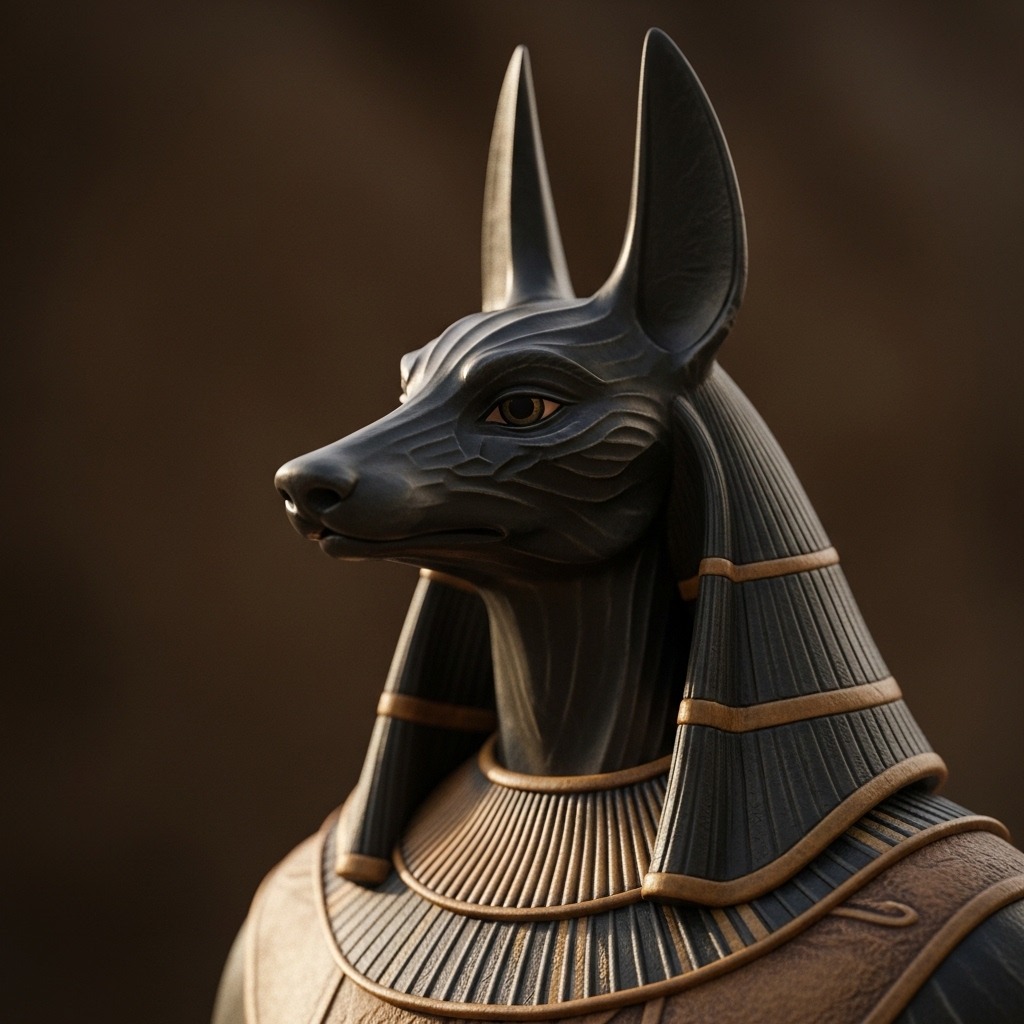
Defining Anubis: The Protector of the Dead
Anubis is commonly depicted with a jackal’s head. He plays a crucial role in the Afterlife. His primary job? Guiding souls and overseeing embalming rituals.
Key traits of Anubis include:
- Guardian of the Afterlife: He protects the dead and their graves.
- Embalmer: Known for mummifying Osiris, he ensures safe passage to the Duat (the underworld).
- Weighing of the Heart: In the afterlife, Anubis weighs the heart against a feather to judge souls. A lighter heart means a soul can enter paradise.
Anubis represents the order and structure that follows death, ensuring that the transition is smooth and respectful.
Introducing Set: The God of Chaos
Set, on the other hand, has a very different vibe. He’s often portrayed as a figure of violence and chaos. Set embodies chaos and represents the darker aspects of life.
Key traits of Set include:
Table of Contents
- Personification of Chaos: He disrupts the natural order and is associated with storms and the desert.
- Osiris’s Killer: Set is infamous for murdering his brother Osiris, which sparked a massive power struggle.
- Symbol of Disorder: His actions often lead to turmoil, making him a figure to be feared and respected.
While Set’s chaos brings challenges, it also highlights the importance of Anubis’s order. Their contrasting natures create a balance in Egyptian mythology, reminding us that life and death are intertwined with order and chaos.
Roles and Functions: Anubis vs. Set
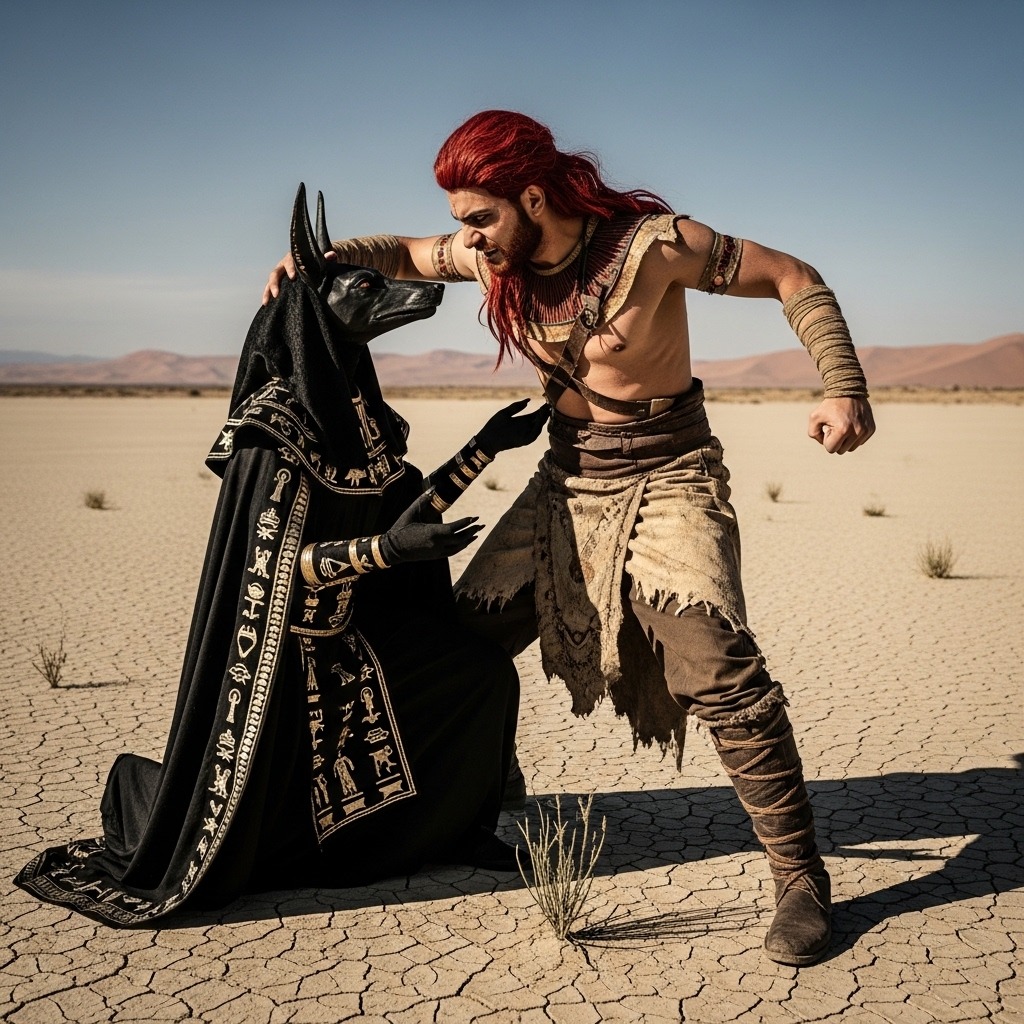
Anubis and Set play critical but contrasting roles in Egyptian mythology. While Anubis represents protection and order in the afterlife, Set embodies chaos and disorder. Let’s dive into their distinct functions.
Anubis’s Role in Mummification
Anubis is best known as the god of mummification and the afterlife. His primary duties include:
- Protector of the Dead: Anubis oversees the embalming process. He ensures that the deceased are prepared for their journey to the afterlife.
- Guide to the Underworld: He leads souls through the Duat, the Egyptian underworld.
- Weighing of the Heart Ceremony: Anubis plays a key role in this important ritual. He weighs the heart of the deceased against the feather of Ma’at, symbolizing truth and order. If the heart is lighter, the soul is deemed worthy and allowed to enter the afterlife.
Anubis’s protective nature reflects the belief in a structured transition from life to death. His jackal-headed form is often associated with graveyards, emphasizing his role as a guardian of the dead.
Set’s Role in Egyptian Mythology
Set, on the other hand, is the god of chaos, storms, and disorder. His characteristics include:
- Disruptor of Order: Set is known for his tumultuous nature. He disrupts the balance and is often seen as a threat to the stability of the cosmos.
- Osiris’s Murderer: Set famously killed his brother Osiris, setting off a chain of events that led to a power struggle in the divine realm. This act is central to many myths about him.
- Symbol of the Desert: Set is associated with the harshness of the desert and storms. His chaotic influence represents the unpredictable aspects of life.
Set’s role as a god of chaos complements Anubis’s role, illustrating the tension between order and disorder in the universe. Together, they represent the balance needed to maintain harmony within Egyptian beliefs.
Key Myths Involving Anubis and Set
The interactions between Anubis and Set are rich with symbolism. Here are a couple of notable myths:
- The Conflict Over Osiris: Anubis aids Horus in reclaiming the throne after Set’s murder of Osiris. This myth showcases Anubis’s role in restoring order.
- The Branding of Set: In one tale, Anubis brands Set after subduing him, wearing his skin as a warning against evil. This act symbolizes the triumph of order over chaos.
These stories underline the dynamic relationship between the two gods. They highlight how Anubis’s protective nature counters Set’s disruptive force, emphasizing the need for balance in the cosmos.
Symbolism and Representation of Anubis and Set
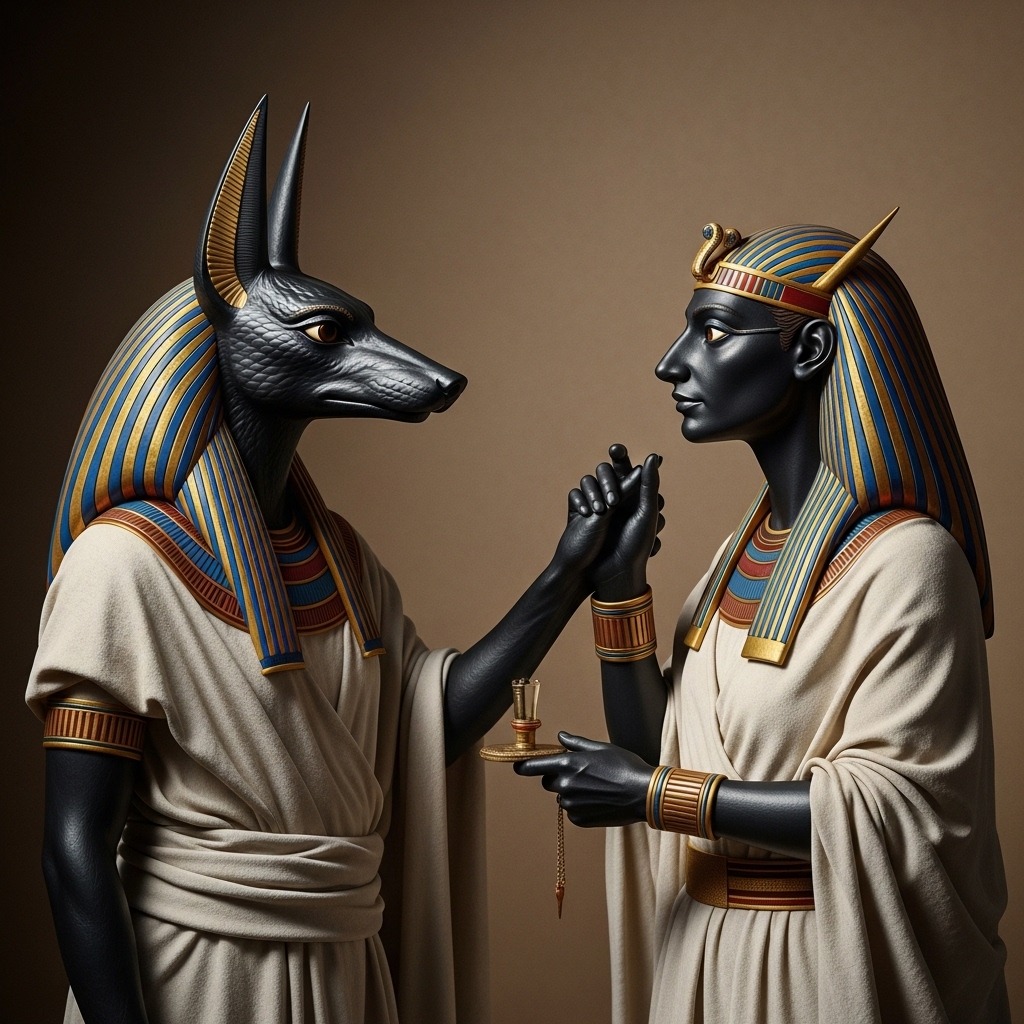
Anubis and Set are powerful symbols in Egyptian mythology. Their representations reflect their unique roles and characteristics. Let’s dive into their iconography and cultural significance.
Iconography of Anubis
Anubis is often depicted with the head of a jackal. This imagery connects him to the dead, as jackals are known to scavenge graves. His black skin symbolizes fertility and rebirth, linking him to the afterlife.
Key symbols associated with Anubis include:
- Ankh: Represents life and immortality.
- Scales: Used in the ‘Weighing of the Heart’ ceremony, symbolizing judgment of souls.
- Mummification Tools: Signify his role in embalming and protecting the dead.
In art, Anubis is frequently shown overseeing funerals or guiding souls in the Duat, the Egyptian underworld. His protective nature is evident, as he safeguards the deceased from evil forces.
Iconography of Set
Set, on the other hand, is represented with a more chaotic and fearsome appearance. He often has a unique animal head, sometimes described as a mythical creature known as the Set animal. This symbolizes his unpredictable nature.
Important symbols linked to Set include:
- Desert: Represents chaos and disorder.
- Spear: A tool of violence, reflecting his role as a god of storms and war.
- Red Color: Symbolizes chaos, violence, and the desert, contrasting Anubis’s black.
In artworks, Set is often portrayed in battle, showcasing his aggressive and tumultuous personality. His imagery reinforces his role as a disruptor of order, contrasting sharply with Anubis’s protective demeanor.
Cultural Significance
Both Anubis and Set play vital roles in Egyptian mythology. Anubis embodies the necessary order and protection in the afterlife. He is the guardian of mummies and the one who ensures safe passage to the next world.
Set, meanwhile, represents chaos and conflict. His actions, though often destructive, are essential for the balance of existence. The myths surrounding him highlight the duality of life and death, chaos and order.
In modern culture, both deities have influenced literature, movies, and art. Anubis appears in various forms, often as a guide in tales of the afterlife. Set, too, has made his mark, often depicted as an antagonist in stories involving ancient gods. This enduring presence shows how their symbolism continues to resonate today.
Key Myths Involving Anubis and Set
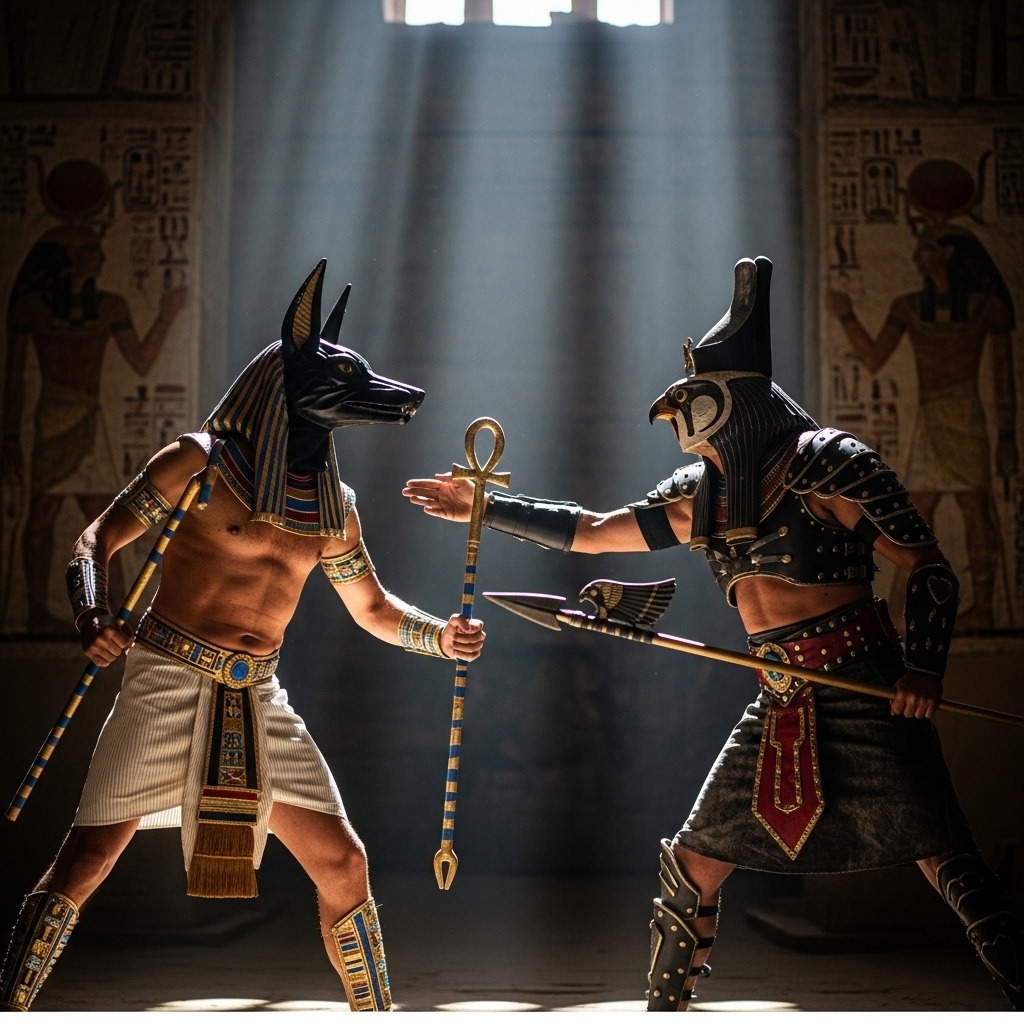
Anubis and Set have a complex and intertwined history in Egyptian mythology. Their myths often showcase their opposing natures and highlight their roles in the story of Osiris.
The Murder of Osiris
One of the most famous myths involves Set’s treachery against his brother Osiris. Set was jealous of Osiris’s power and popularity. He devised a cunning plan to eliminate him.
- The Box Trap: Set presented a beautiful box, claiming it would fit only the one who could lay inside it. When Osiris tried, Set sealed the box shut and tossed it into the Nile.
- Dismemberment: Set didn’t stop there. He later found the box, retrieved Osiris’s body, and dismembered it into thirteen pieces, scattering them across Egypt. This act of violence established Set as a figure of chaos and destruction.
Anubis’s Role in the Afterlife
After Set’s horrific act, Anubis stepped in. He became the protector of Osiris’s body, ensuring it was properly embalmed and prepared for the afterlife.
- Embalming Process: Anubis is often depicted with the head of a jackal, a symbol associated with graves and tombs. He oversaw the mummification process, which was crucial for a safe passage to the Duat, the Egyptian underworld.
- Weighing of the Heart: Anubis played a vital role in the “Weighing of the Heart” ceremony. In this myth, the deceased’s heart was weighed against a feather representing Ma’at, the goddess of truth. Anubis ensured the process was fair, guiding souls to their final judgment.
Conflict and Resolution
The dynamic between Anubis and Set illustrates a broader theme of order versus chaos.
- Symbolism: Anubis represents the orderly transition of souls into the afterlife. In contrast, Set embodies the chaotic forces that can disrupt this process.
- Mythological Balance: Their conflict isn’t just personal; it symbolizes the larger balance necessary in the universe. While Set’s actions lead to chaos, Anubis restores order by protecting the dead and ensuring they reach the afterlife safely.
Understanding these myths helps clarify the distinct roles Anubis and Set play in Egyptian mythology. Anubis, the guardian of the dead, contrasts sharply with Set, the embodiment of chaos—showcasing the eternal struggle between order and disorder.
The Conflict of Order and Chaos: Anubis and Set
The rivalry between Anubis and Set is a captivating dance of two opposing forces in Egyptian mythology. Anubis, the guardian of the afterlife, stands for order. Set, on the other hand, embodies chaos and disorder. Their dynamic highlights the delicate balance necessary for existence.
The Duality of Existence
Anubis and Set represent the duality present in life and death. Anubis is associated with mummification and the safe passage of souls into the afterlife. His role is crucial in the Weighing of the Heart ceremony, where he ensures that the soul is judged fairly. If the heart is lighter than a feather, the soul can proceed to paradise. This act symbolizes order and justice.
In stark contrast, Set is often seen as the disruptor. He is notorious for murdering his brother Osiris, which threw the cosmos into turmoil. His actions symbolize chaos, representing the unpredictable elements of life. In many myths, Set’s conflicts with Anubis showcase this eternal struggle.
- Anubis: Protector of the dead, symbolizing order.
- Set: Bringer of chaos, representing disruption and conflict.
Rituals Reflecting Their Conflict
The rituals surrounding Anubis and Set further illustrate their roles in Egyptian culture. Anubis was worshipped in temples dedicated to the afterlife, where priests performed mummification rituals. These ceremonies were designed to honor the deceased and ensure their safe journey.
Set’s worship was more complex. Initially revered as a vital god of storms and the desert, his image shifted to that of a villain over time. His chaotic nature led to festivals that celebrated his power but also acknowledged the dangers he posed.
Here’s a quick comparison of their rituals:
| Deity | Role | Rituals |
|---|---|---|
| Anubis | Guardian of the dead | Mummification, Weighing of the Heart |
| Set | God of chaos | Festivals of strength, battles, and chaos |
Understanding these rituals helps clarify how the ancient Egyptians perceived the balance between order and chaos. Anubis and Set were not just myths; they were essential concepts that shaped their worldview.
Cultural Impact and Modern Interpretations of Anubis and Set
Anubis and Set are not just ancient gods; they’ve made a splash in modern culture. You can find their influence in literature, films, and art, showcasing their lasting legacy.
Anubis in Popular Culture
Anubis, the guardian of the dead, often appears in contemporary media. He’s portrayed as a mysterious protector, embodying themes of death and the afterlife. Here are some notable examples:
- Movies: Anubis shows up in films like “The Mummy” series, where he’s depicted as a powerful figure guarding the tombs.
- Video Games: In games like “Smite” and “Assassin’s Creed,” players encounter Anubis as a warrior god, further blending myth with gameplay.
- Books: Novels like Rick Riordan’s “The Kane Chronicles” bring Anubis to life for a new generation, introducing him as a supportive character.
Anubis’s image often balances the dark with the noble. He’s a guide for souls, emphasizing a benevolent aspect amid his ties to death.
Set’s Representation in Modern Media
Set, on the other hand, often embodies chaos and conflict. His character has evolved, reflecting society’s fascination with duality. Here’s how Set is represented today:
- Films and TV Shows: Set appears as a villain in various adaptations, such as in “Gods of Egypt,” where his chaotic nature takes center stage.
- Literature: In modern retellings, he’s portrayed as a complex character, sometimes misunderstood, like in “The Serpent’s Shadow” by Rick Riordan.
- Art: Artists depict Set with duality, showcasing his chaotic energy while exploring themes of conflict and balance.
Set’s portrayal often highlights the struggle between order and chaos. His character invites audiences to examine the darker side of humanity, making him a compelling figure in storytelling.
Key Differences in Cultural Representation
Both Anubis and Set symbolize essential concepts in Egyptian mythology, but their modern portrayals diverge significantly. Here’s a quick comparison:
| Deity | Modern Portrayal | Themes |
|---|---|---|
| Anubis | Protector, guide | Death, afterlife, benevolence |
| Set | Villain, chaotic force | Conflict, chaos, duality |
These representations keep their stories alive, showing how ancient myths resonate in today’s culture. Anubis and Set remind us that the battle between good and evil is timeless, adapting to new narratives while holding onto their roots.
Frequently Asked Questions
These quick answers cover the most common questions about this topic, including key details, practical tips, and common concerns.
What are the main differences between Anubis and Set?
Anubis is the Egyptian god of mummification and the afterlife, known for protecting souls and overseeing funerary rituals. He is depicted with a jackal’s head and symbolizes order, guidance, and judgment. Set, however, is the god of chaos, storms, and disorder, often shown with a unique animal head and representing destruction and conflict. While Anubis embodies protection and stability, Set embodies disruption and upheaval.
How did Anubis assist in the afterlife journey?
Anubis played a crucial role in guiding souls through the afterlife. He oversaw the embalming process, ensuring bodies were properly mummified. During the “Weighing of the Heart” ceremony, he weighed the deceased’s heart against a feather representing truth. If the heart was lighter, Anubis allowed the soul to enter the afterlife peacefully. His role was to maintain order and fairness in the judgment process.
What does Set symbolize in Egyptian mythology?
Set symbolizes chaos, disorder, and violence. He represents the unpredictable and destructive forces of nature, such as storms and the desert. Set is also associated with conflict, as he murdered his brother Osiris and caused turmoil among the gods. Despite his negative traits, Set’s chaos was seen as a necessary force to balance order, reflecting the duality of the universe.
When did Anubis become associated with mummification?
Anubis became closely linked to mummification around the Old Kingdom period (circa 2686–2181 BCE). Early depictions show him overseeing embalming rituals, emphasizing his role as protector of the dead. His association with mummification grew as the practice became central to Egyptian funerary customs, reinforcing his importance in ensuring safe passage to the afterlife.
How are Anubis and Set depicted in ancient Egyptian art?
Anubis is typically shown with a jackal’s head, often overseeing funerary scenes or weighing the heart. He is portrayed as a guardian figure, emphasizing his protective role. Set appears with a distinctive, composite animal head—sometimes called the Set animal—often depicted in scenes of conflict or chaos, such as battles with gods or monsters. His imagery highlights his tumultuous nature.
Why are Anubis and Set considered oppositional forces?
They represent fundamental dualities in Egyptian mythology: Anubis embodies order, protection, and justice, while Set embodies chaos, violence, and disorder. Their opposition reflects the ancient Egyptians’ understanding of the universe as a balance between these forces. Their mythological stories often depict their conflicts, symbolizing the ongoing struggle between stability and upheaval.
How have Anubis and Set been interpreted in modern culture?
In modern media, Anubis is often portrayed as a guide or protector of souls, appearing in movies, video games, and literature as a benevolent figure associated with death. Set is usually depicted as a villain or chaotic force, featured in films and stories as an antagonist representing conflict and destruction. Their images continue to symbolize the duality of good and evil, order and chaos.
What should readers know about the comparison of worship practices for Anubis and Set?
Ancient Egyptians worshipped Anubis primarily in funerary contexts, emphasizing his role in mummification and judgment. Temples and rituals focused on protecting the dead and ensuring safe passage. Set’s worship was more complex; initially revered as a god of storms and desert, his worship included festivals celebrating strength, but later he was viewed as a chaotic and sometimes malevolent figure. Their worship practices reflect their contrasting roles in Egyptian cosmology.