
The Aesir and Vanir are two distinct tribes of gods in Norse mythology, each with unique characteristics and roles. Understanding their lore reveals the complexities of Norse beliefs and the relationships among the gods.
Understanding the Aesir Gods
The Aesir are one of the two main groups of gods in Norse mythology. They play a crucial role in maintaining order in the universe. Let’s dive into their characteristics, key figures, and cultural significance.
Key Figures Among the Aesir
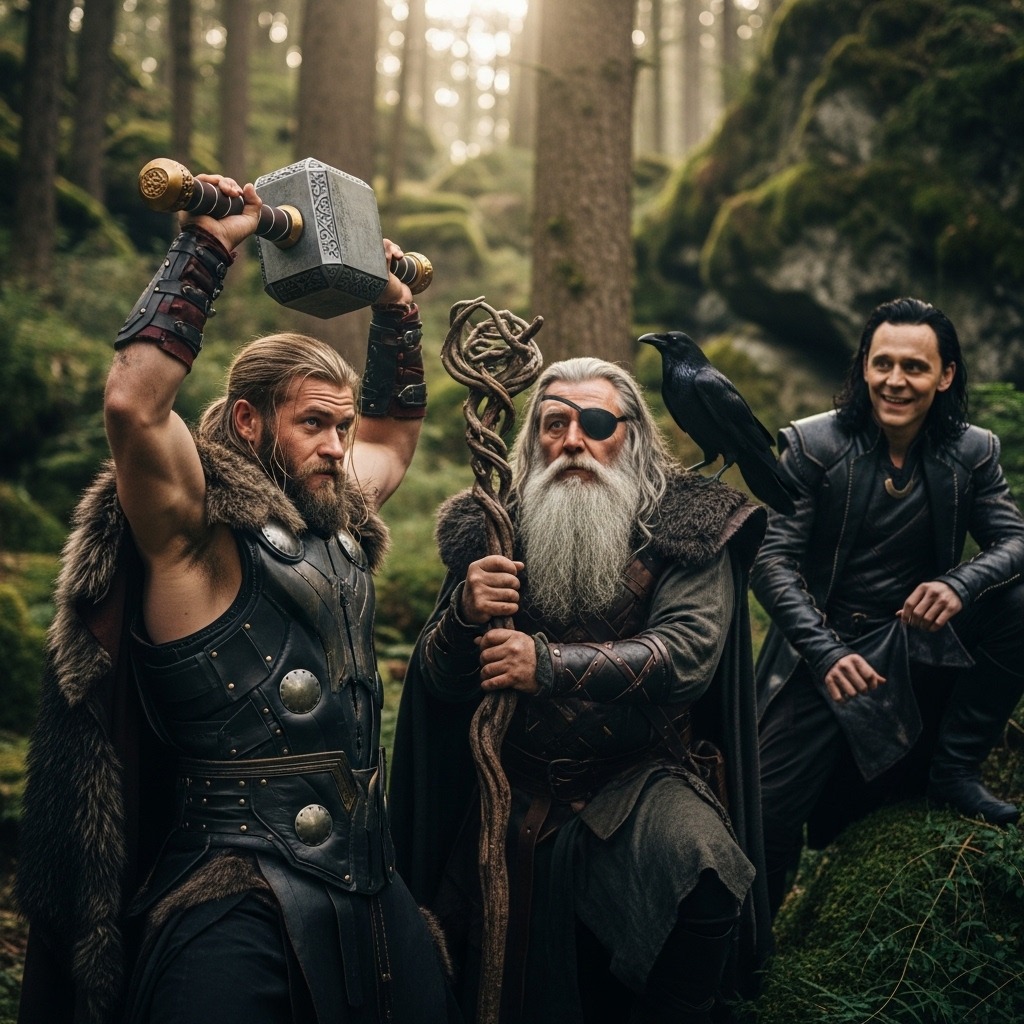
The Aesir include some of the most well-known gods in Norse mythology. Here are a few key players:
- Odin: The Allfather and god of wisdom, war, and death. He seeks knowledge at any cost.
- Thor: The thunder god known for his strength and his hammer, Mjolnir. Thor protects both gods and humans.
- Frigg: Odin’s wife, associated with love and fertility. She has the ability to see the future.
- Loki: A unique figure among the Aesir. Though not a true Aesir, he’s often involved in their stories, bringing both trouble and clever solutions.
Characteristics of Aesir Gods
Aesir gods are often seen as powerful, authoritative, and warlike. Here are their main characteristics:
- Rulers of Asgard: They reside in Asgard, the realm of the gods.
- War and Order: Aesir gods are linked to warfare and the maintenance of cosmic order. They often clash with the giants, who represent chaos.
- Complex Personalities: Many Aesir, like Loki, embody a mix of traits. Loki is a trickster who keeps things interesting, but he can also be quite troublesome.
Cultural Significance of the Aesir
The Aesir have a lasting impact on culture and modern interpretations of mythology. Their stories are not just tales; they reflect human struggles and values.
- Art and Literature: Aesir gods inspire countless works of art, from classic literature to modern films.
- Rituals and Worship: Historically, people honored the Aesir through various rituals. They believed that pleasing these gods would bring favor in battle and life.
- Modern Spirituality: Today, some neo-pagan traditions incorporate Aesir worship, reflecting their continued relevance.
These gods shape our understanding of Norse mythology. Their stories remind us of the balance between order and chaos, a theme still relevant today.
Understanding the Vanir Gods
The Vanir gods are an intriguing part of Norse mythology. They represent fertility, nature, and prosperity, standing in contrast to the more warlike Aesir. Let’s explore who the key figures are, their unique traits, and why they matter.
Table of Contents
Key Figures Among the Vanir
The Vanir have several significant members. Here are the most notable:
- Njord: The god of the sea, wind, and wealth. He is often associated with prosperity and maritime activities.
- Freyja: A powerful goddess linked to love, beauty, and fertility. She also has connections to war and death.
- Freyr: Njord’s son, Freyr is associated with fertility, good harvests, and sunshine. He’s a key figure in ensuring prosperity for the land.
These gods embody the natural world and the cycles of life. They focus on nurturing and abundance, which is essential in Norse culture.
Characteristics of Vanir Gods
The Vanir gods have distinct traits that set them apart from the Aesir. Here are some key characteristics:
- Nature and Fertility: The Vanir are deeply connected to nature. They bless the earth with fertility and abundance. Their presence ensures good harvests and prosperity.
- Wisdom and Prophecy: They possess the ability to foretell the future. This wisdom is vital for guiding mortals and ensuring harmony in nature.
- Peaceful Yet Powerful: Unlike the Aesir, who often engage in conflict, the Vanir prefer peace. They seek balance and stability, embodying a more nurturing aspect of divinity.
Together, these traits highlight the Vanir’s role in the cosmic balance of Norse mythology.
Cultural Significance of the Vanir
The Vanir gods hold cultural significance that extends beyond mythology. Here are a few points to consider:
- Symbol of Abundance: They represent the fertility of the land, making them vital in farming communities. People invoked them for bountiful harvests and good fortune.
- Rituals and Worship: Ancient Norse people performed rituals to honor the Vanir, especially during agricultural festivals. These practices emphasized gratitude for nature’s gifts.
- Modern Interpretations: Today, the Vanir inspire various neo-pagan movements. Their connection to nature resonates with contemporary spiritual practices that emphasize environmental awareness.
Understanding the Vanir enriches our knowledge of Norse mythology. They remind us of the importance of nature and balance in life.
The Aesir-Vanir War: Causes and Consequences

The Aesir-Vanir War is a fascinating part of Norse mythology. It showcases the clash between two distinct groups of gods—the Aesir and the Vanir. Let’s dive into what sparked this conflict, the significant events that unfolded, and the lasting impact of their peace treaty.
Causes of the Aesir-Vanir War
The war stemmed from cultural differences and competition for power. Here’s a quick breakdown:
- Different Ideals: The Aesir represented order and war, while the Vanir embodied fertility and nature.
- Tensions Rise: Disputes over resources and influence created friction between the two groups.
- Initial Conflict: These growing tensions eventually led to open warfare, highlighting their rivalry.
Key Events of the Conflict
The Aesir-Vanir War had several notable moments. Here are some key events:
- Battles: The Aesir and Vanir fought fiercely. Each side showcased their unique strengths. The Aesir relied on brute force, while the Vanir used their connections to nature.
- Hostage Exchange: After years of fighting, both sides grew weary. They decided to exchange hostages to cement a truce. Njord and his children, Freyr and Freyja, joined the Aesir, while Mimir and Hoenir went to the Vanir.
- Cultural Exchange: This exchange allowed both groups to learn from each other, blending their powers and influences.
Outcomes and the Peace Treaty
The war’s conclusion had significant implications for Norse mythology:
- Truce Established: The peace treaty marked a shift from conflict to cooperation. It symbolized a united front against external threats.
- Shared Worship: The gods from both sides began to be worshipped together, leading to rituals that honored both groups.
- Lasting Impact: This war shaped the dynamics within Norse cosmology. It laid the groundwork for future interactions between gods, influencing stories and myths that followed.
The Aesir-Vanir War teaches us about the complexities of relationships in mythology. It’s not just about gods fighting; it’s about understanding, compromise, and the blending of different cultures.
Duality and Symbolism in Norse Cosmology
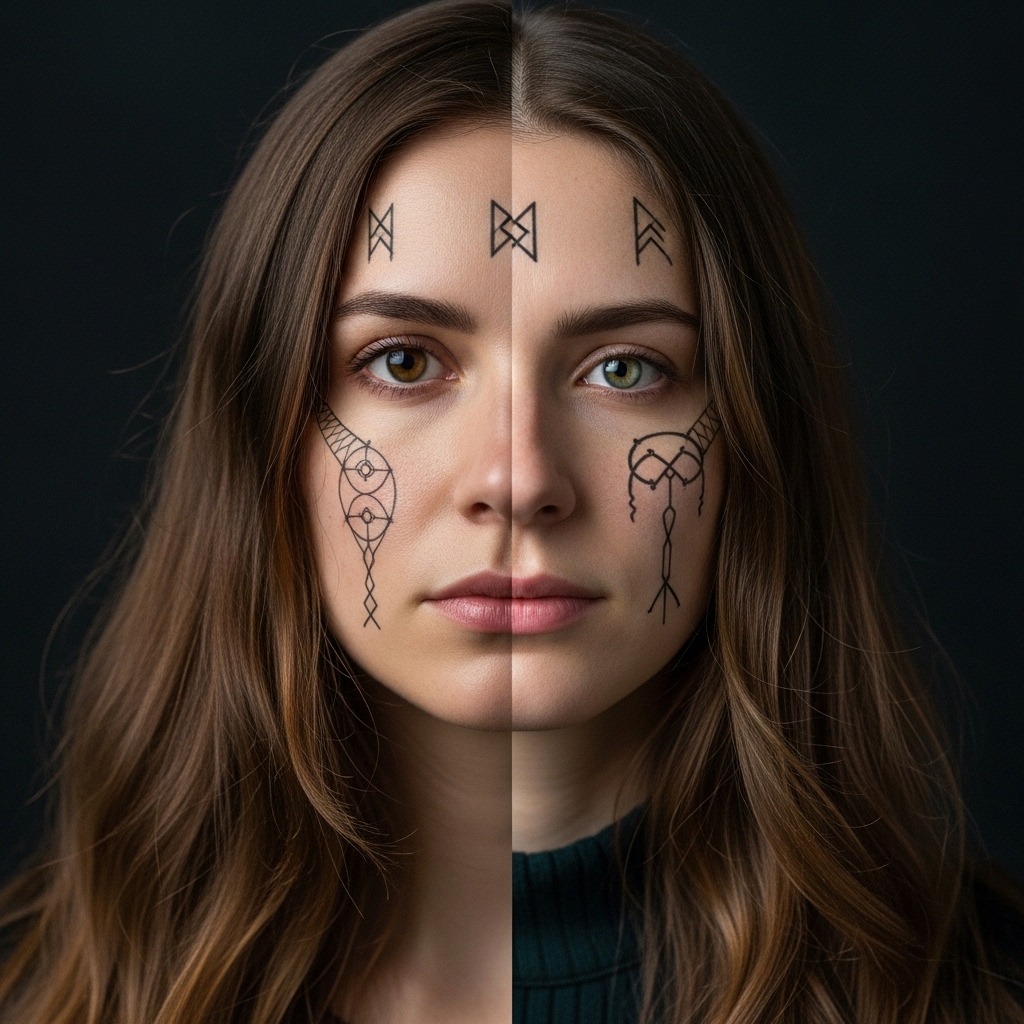
In Norse mythology, the Aesir and Vanir embody distinct yet complementary aspects of existence. Understanding their symbolism helps us appreciate the rich tapestry of Norse beliefs and how they reflect life’s balance.
Aesir as Symbols of Order and Power
The Aesir, led by Odin, represent order, power, and authority. They are often seen as the ruling deities, governing the cosmos and maintaining balance. Key figures include:
- Odin: The All-Father, associated with wisdom and war.
- Thor: The god of thunder, symbolizing strength and protection.
- Frigg: Odin’s wife, representing motherhood and domesticity.
The Aesir’s role emphasizes control and structure, highlighting how essential these elements are for a harmonious existence. Their stories often revolve around battles and defense, illustrating their commitment to safeguarding the realms.
Vanir as Symbols of Nature and Fertility
In contrast, the Vanir gods are all about nature, fertility, and prosperity. They embody the earth’s bounty and the cycles of life. Notable members include:
- Njord: God of the sea and wealth, representing abundance.
- Freyja: Goddess of love and fertility, symbolizing beauty and desire.
- Frey: Njord’s son, associated with agriculture and peace.
The Vanir reflect the importance of nature and its nurturing aspects. They remind us of the connection between humanity and the earth, showcasing a different dimension of existence.
Interconnection of Aesir and Vanir
The Aesir and Vanir are not just rivals; they represent the duality of existence. Their conflict, known as the Aesir-Vanir War, led to significant changes. After the war, both groups formed a truce, exchanging hostages and blending their powers.
This interconnection illustrates a vital lesson: balance is crucial. Just like in nature, where opposing forces coexist, the gods show us that order and chaos, power and fertility, must work together. In modern interpretations, this duality resonates with many, emphasizing the need for harmony in our own lives.
- Key Insights:
- The Aesir symbolize order and control.
- The Vanir embody fertility and nature.
- Their alliance post-war teaches us about unity and balance in diversity.
Worship Practices and Rituals in Norse Culture
Worship of the Aesir and Vanir was a significant part of Norse society. These rituals helped people connect with the divine. They played a role in daily life and seasonal celebrations.
Historical Worship of Aesir and Vanir
In ancient times, the Aesir and Vanir were honored through various rituals. These included:
- Sacrifices: Animals or crops were offered to the gods. This was seen as a way to gain favor.
- Festivals: Seasonal festivals celebrated the changing of the year. These gatherings involved feasting, music, and storytelling.
- Blóts: A specific type of sacrifice, often performed outdoors. It involved pouring mead or blood over altars dedicated to the gods.
- Seiðr: This was a form of magic practiced mainly by the Vanir. It connected practitioners with the spirit world and was often used for divination.
These practices were deeply rooted in the belief that the gods influenced the world around them.
Modern Adaptations and Practices
Today, many people still honor the Aesir and Vanir. Modern pagan movements have adapted these ancient practices. For example:
- Blóts: Contemporary practitioners hold blóts during significant dates like solstices. They gather to honor the gods, share food, and celebrate community.
- Rituals: Many incorporate elements of seiðr, focusing on personal growth and connection with nature.
- Spirituality: The Aesir and Vanir are invoked in personal rituals for guidance and protection.
These adaptations reflect a desire to keep the ancient traditions alive while making them relevant today.
Importance of Rituals in Norse Society
Rituals served crucial purposes in Norse society:
- Community Building: They brought people together, fostering a sense of belonging.
- Cultural Preservation: Rituals helped pass down stories and beliefs through generations.
- Connection with the Divine: Engaging in rituals was a way for people to feel closer to their gods.
Understanding these practices gives us insight into how the Aesir and Vanir shaped the lives of worshippers, both in the past and in modern interpretations.
Common Misconceptions About Aesir and Vanir
Many people get confused about the Aesir and Vanir. These two groups of gods are distinct but often mixed up. Let’s clear up some common myths!
Misconception: Aesir and Vanir are the Same
One of the biggest misunderstandings is that the Aesir and Vanir are the same. They aren’t.
- Aesir: This group includes gods like Odin, Thor, and Frigg. They are often associated with war, governance, and order.
- Vanir: This group features gods like Njord, Freyja, and Freyr. They focus on fertility, prosperity, and nature.
While they share a history, their characteristics and roles are different.
Misconception: Loki is a Vanir God
Another common myth is that Loki belongs to the Vanir. Nope! Loki is actually a member of the Aesir.
- He is often seen as a trickster who causes chaos but also helps the Aesir in battles.
- Loki’s complex nature makes him a unique figure, but he does not belong to the Vanir pantheon.
Clarifying the Relationship Between Aesir and Vanir
The relationship between the Aesir and Vanir is fascinating. They started as rivals, leading to the Aesir-Vanir War.
- Aesir-Vanir War: This conflict arose from tensions and misunderstandings. Eventually, both sides grew tired of fighting.
- They reached a truce, exchanging hostages to maintain peace. Njord and his children, Freyja and Freyr, went to live with the Aesir. Mimir and Hoenir joined the Vanir.
This truce didn’t merge the two groups but established a bond. Some Vanir gods became part of Aesir myths, but they still retain their unique identities.
Quick Comparison
| Aspect | Aesir | Vanir |
|---|---|---|
| Focus | War and governance | Fertility and nature |
| Key Figures | Odin, Thor, Frigg | Njord, Freyja, Freyr |
| Initial Conflict | Aesir-Vanir War | Peace established post-war |
Understanding these differences helps clarify their roles in Norse mythology. Each group contributes uniquely to the rich tapestry of stories and beliefs.
Frequently Asked Questions
These quick answers cover the most common questions about this topic, including key details, practical tips, and common concerns.
Who are the Aesir and Vanir gods?
The Aesir and Vanir are two groups of gods in Norse mythology. The Aesir are primarily associated with war, order, and governance, with gods like Odin, Thor, and Frigg. The Vanir focus on fertility, prosperity, and nature, including gods like Njord, Freyja, and Freyr. They initially existed as separate tribes but later formed alliances through treaties and exchanges.
What are the main differences between Aesir and Vanir gods?
The Aesir are linked to war, authority, and cosmic order. They reside in Asgard and are often depicted as powerful and authoritative. The Vanir embody fertility, abundance, and natural cycles, living in Vanaheim. Their gods are more nurturing and connected to the land and sea. After the Aesir-Vanir War, they merged influences, but their core traits remain distinct.
When did the Aesir-Vanir War occur?
The exact timing of the Aesir-Vanir War isn’t specified in Norse texts, but mythologically, it is believed to have happened before the gods’ stories are fully recorded in the Eddas and Sagas. It is considered a mythic event that explains the origins of their relationship and the blending of their divine qualities.
How did the Aesir and Vanir interact after the war?
After the war, both groups made a peace treaty. They exchanged hostages—Njord, Freyja, and Freyr from the Vanir joined the Aesir, while Mimir and Hoenir went to the Vanir. This exchange fostered cooperation, blending their powers and worship practices. Their relationship symbolizes unity through compromise.
Is Loki part of the Vanir?
No, Loki is not part of the Vanir. He is a member of the Aesir, often described as a trickster figure. Loki’s origins are complex; he is sometimes considered a giant or a member of the Jotnar (frost giants), but he lives among the gods of Asgard and interacts mainly with the Aesir.
Why are the Aesir and Vanir significant in Norse mythology?
They represent essential aspects of life and the universe—order, war, and governance (Aesir), as well as fertility, nature, and prosperity (Vanir). Their stories reflect human values, conflicts, and the importance of balance between different forces. Their mythologies influence Norse culture, rituals, and modern interpretations of Norse spirituality.
What are some common misconceptions about the Aesir and Vanir?
A common misconception is that the Aesir and Vanir are the same or interchangeable. Another is that Loki is a Vanir god; he is actually an Aesir. Additionally, some believe the Vanir are purely peaceful, but they also have warlike aspects, especially through gods like Freyr and Freyja. Understanding their distinct roles clarifies their importance in Norse myth.