
This article explores 8 of the most malevolent figures in Norse mythology, including gods, goddesses, and giants. Understanding their roles helps illuminate the complexity of good and evil in Norse beliefs.
1. Rán: The Dreaded Giantess of the Ocean
Rán is one of the most feared figures in Norse mythology. As a giantess of the sea, she embodies the terror that ancient Vikings felt toward the ocean. Her character reflects both the beauty and danger of the waters.
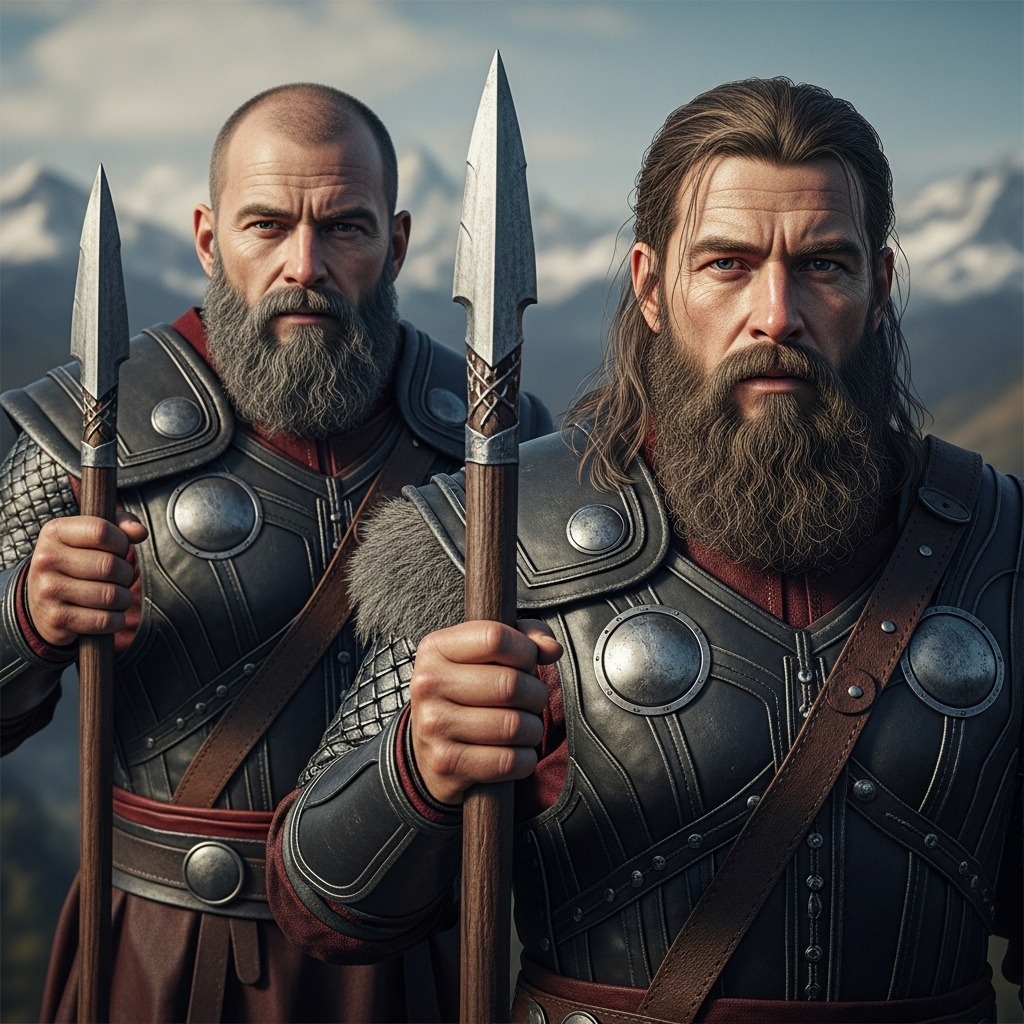
Rán’s relationship with Ægir
Rán is married to Ægir, another personification of the sea. While Ægir represents the calm and nurturing aspects of the ocean, Rán showcases its darker side. Together, they symbolize the dual nature of the sea, where tranquility can quickly turn into chaos.
- Ægir: Represents fertility and abundance.
- Rán: Represents danger and death.
This relationship highlights the balance between creation and destruction, a recurring theme in Norse mythology.
Her portrayal in myths
Rán is often depicted as a fearsome figure. She uses a net to capture sailors, dragging them down to their watery graves. This act of drowning reflects the Viking fear of being lost at sea, a common worry for those who relied on the ocean for survival.
- Net of Rán: Symbolizes her power over the sea.
- Drowning: A common fate for those who anger her.
Stories about Rán serve as cautionary tales. They remind us of the unpredictable nature of the ocean and the importance of respecting its might.
Cultural perceptions of Rán
Rán’s character reveals a lot about ancient Viking fears. The sea was both a source of life and a grave danger. Rán’s aggressive nature personifies the risks that come with navigating the waters.
Table of Contents
- Fear of the unknown: Rán embodies the unpredictability of the ocean.
- Respect for nature: Vikings revered the sea while fearing its wrath.
In modern interpretations, Rán still resonates as a symbol of nature’s power. Her legacy endures, reminding us of the ancient beliefs that shaped Viking culture.
2. Fenrir: The Monstrous Wolf of Prophecy
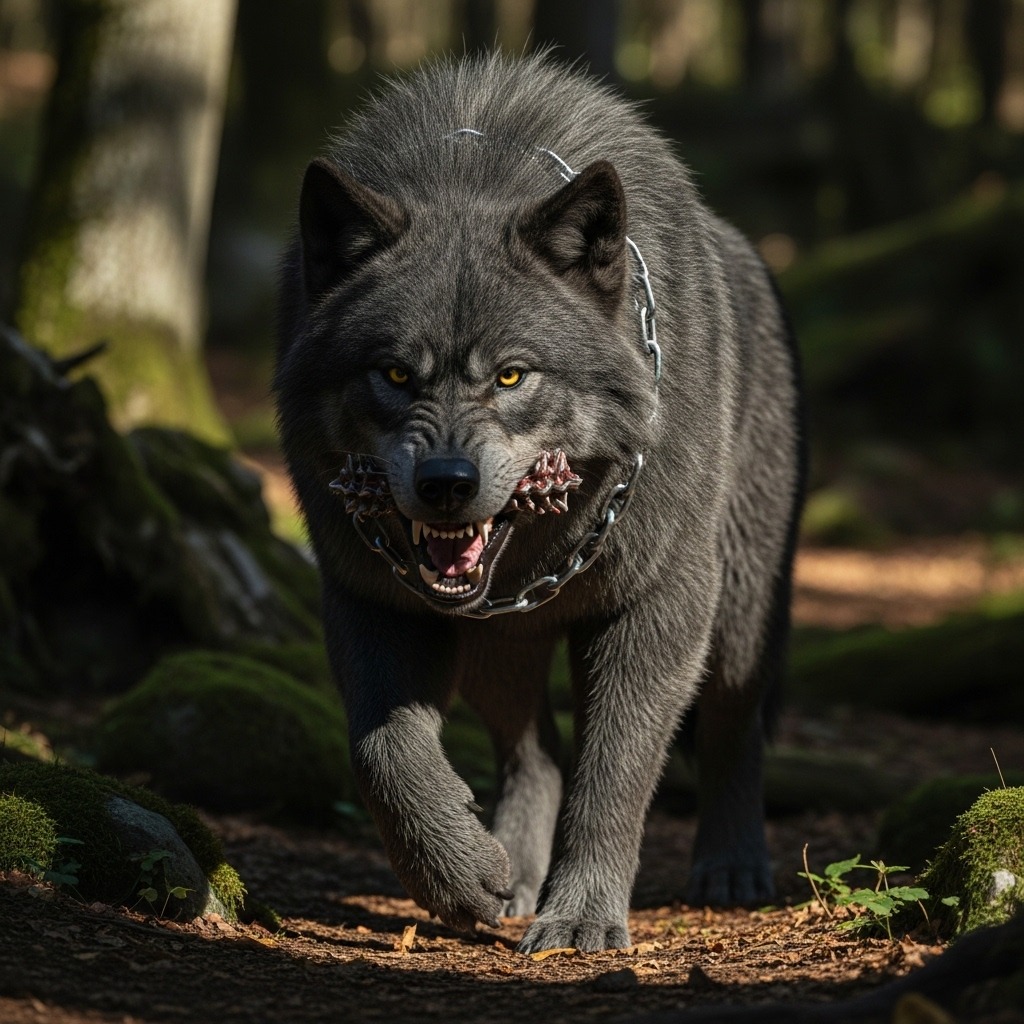
Fenrir, the fearsome wolf of Norse mythology, has a backstory filled with drama and dread. As one of Loki’s children, he represents chaos and destruction. The gods are terrified of him, believing he will play a critical role in Ragnarök, the end of the world.
Fenrir’s lineage and fate
Fenrir is no ordinary wolf. He is part of a notorious family. His parents are Loki, the trickster god, and Angerboda, a giantess. He has two siblings: Jörmungandr, the Midgard Serpent, and Hel, the goddess of the underworld.
- Parentage: Fenrir is the son of Loki and Angerboda.
- Siblings: His siblings include Jörmungandr and Hel.
- Prophecy: Fenrir is prophesied to kill Odin during Ragnarök.
His fate is sealed. The gods, knowing his potential for destruction, attempt to bind him. Their fear grows as he becomes larger and stronger. Eventually, they succeed in binding him with a magical chain, but it’s only a temporary solution. During Ragnarök, Fenrir will break free and fulfill his grim destiny.
The symbolism of Fenrir in Norse tales
Fenrir isn’t just a monstrous wolf; he symbolizes deeper themes in Norse mythology. He represents the inevitability of fate and the chaos that comes with it.
- Chaos and destruction: Fenrir embodies the unpredictable nature of fate.
- Fear of the unknown: His existence reflects the gods’ fears about losing control.
- Cycle of life and death: Fenrir’s role in Ragnarök highlights the themes of rebirth and renewal.
In modern storytelling, Fenrir often symbolizes the looming threat of chaos. His presence in tales serves as a reminder that some forces are beyond control.
Comparative analysis with other mythological wolves
When comparing Fenrir to other mythological wolves, similarities and differences emerge. For instance, Fenrir’s counterpart in Greek mythology is Lycaon, who also embodies chaos and destruction.
- Lycaon: A figure who transforms into a wolf as punishment, representing the dark side of humanity.
- Other mythological wolves: Similar figures, like the wolf from the Roman myth of Romulus and Remus, also symbolize danger but with a twist of protection.
Fenrir stands out due to his direct connection to the gods. While other wolves may symbolize chaos, Fenrir is fated to challenge the divine order itself. This unique role makes him a compelling figure in Norse mythology.
Fenrir’s legacy continues to influence popular culture, from literature to movies. His story resonates as a reminder of the fearsome power of destiny and the consequences of hubris.
3. Hel: Goddess of the Underworld
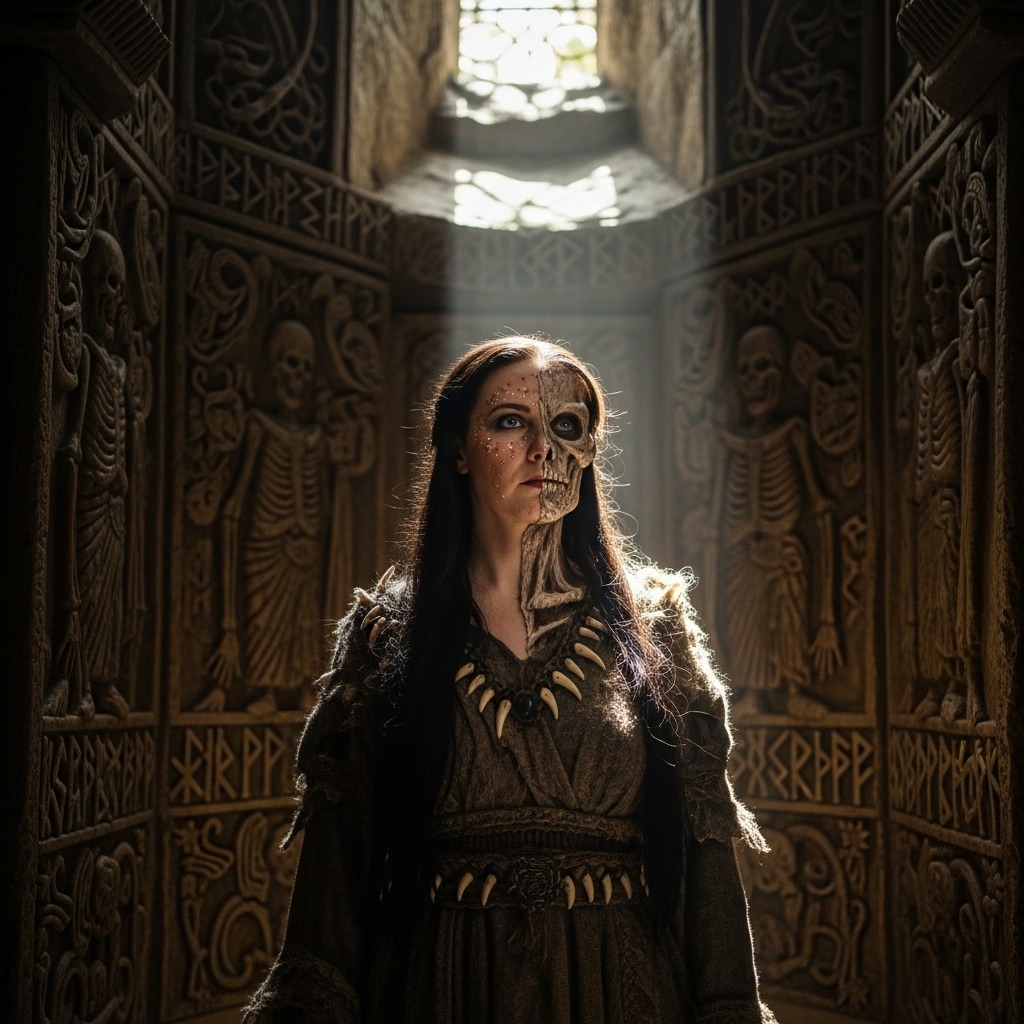
Hel is a fascinating figure in Norse mythology. As the goddess of death, she rules over Niflheim, the realm of the dead. But there’s more to her than just being a fearsome deity.
Hel’s Role in the Afterlife
Hel governs the souls who die from sickness or old age. Unlike warriors who aspire to reach Valhalla, those who end up in Hel’s domain face a different fate. Her realm is often seen as dark and cold, reflecting the uncertainty of death itself. She decides where souls go and what their afterlife will be like.
- Niflheim: The chilling underworld where Hel reigns.
- Administering Souls: Hel determines the fate of those who didn’t die bravely in battle.
- Significance of Her Decisions: Her choices affect not just individuals, but the cosmic balance of life and death.
Misconceptions about Hel
Many view Hel as purely evil, but that’s too simplistic. She represents a necessary part of the life cycle. While her realm may seem uninviting, it serves a purpose. Hel ensures that all souls find a resting place.
- Not Just Malevolent: Hel’s character challenges the binary of good and evil.
- Cultural Reflection: In modern times, she symbolizes the acceptance of death and the importance of honoring those who’ve passed.
Her Relationship with Loki and Fenrir
Hel is the daughter of Loki, the trickster god, and her brother Fenrir is a giant wolf destined to play a crucial role in Ragnarök. This family connection adds layers to her character.
- Loki’s Influence: As her father, Loki’s chaotic nature reflects in Hel’s complexity.
- Fenrir’s Fate: Both Hel and Fenrir challenge the gods, each in their own way. Their destinies intertwine with the impending doom of Ragnarök, showcasing the interconnectedness of these figures.
Hel’s character invites us to think deeper about the roles of deities in mythology. Instead of simply labeling her as evil, we can appreciate her as a multifaceted figure who embodies the mysteries of life and death.
4. Þökk: The Ironic Figure of Norse Myth
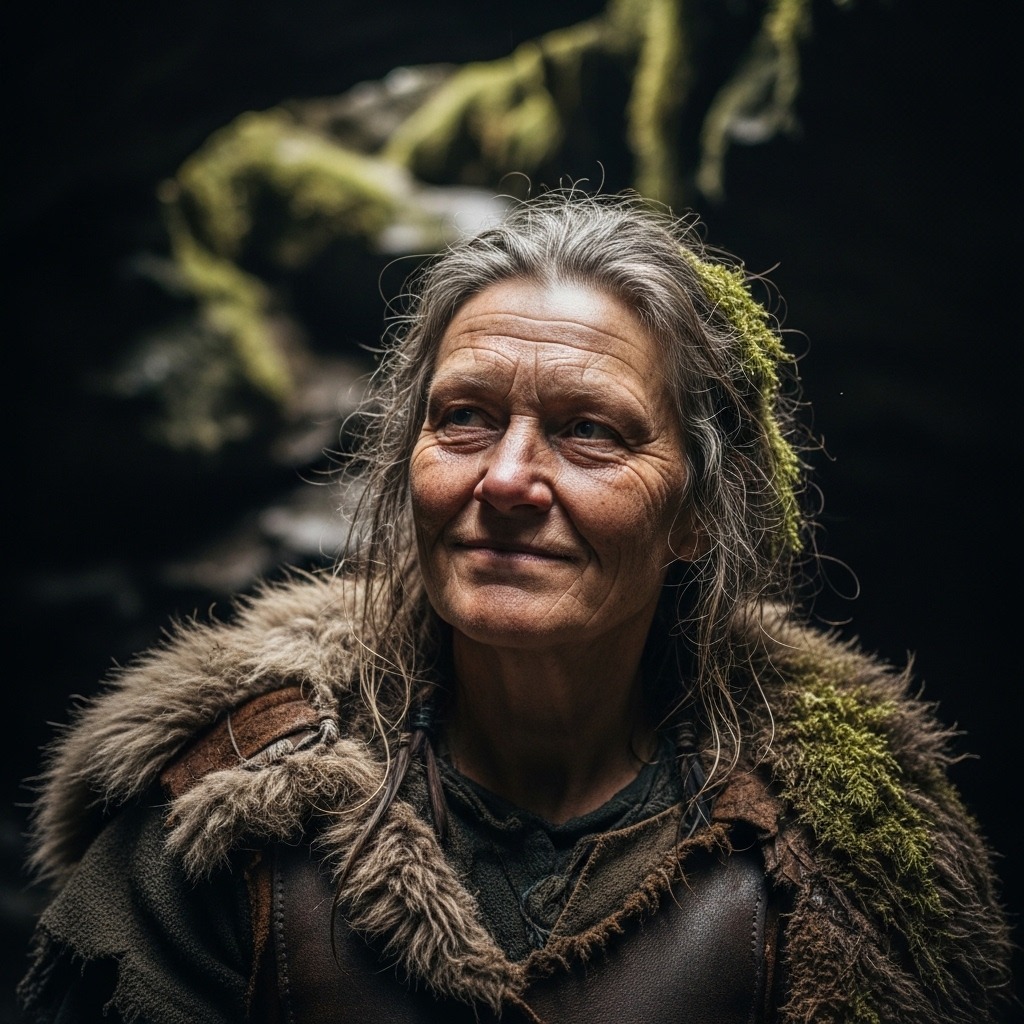
Þökk is a fascinating character in Norse mythology. Her actions have far-reaching consequences, especially regarding the death of Baldr, the beloved god. The irony behind her name adds depth to her story.
The Implications of Her Actions
Þökk played a crucial role in Baldr’s fate. After Baldr died, his mother, Frigg, sought to bring him back to life. She arranged for a test: if every being in the world wept for Baldr, he could return. However, Þökk refused to shed a tear.
- This refusal sealed Baldr’s fate.
- It highlights themes of betrayal and gratitude.
- Her name, meaning “thanks,” becomes deeply ironic.
Þökk’s Impact on Other Gods
Þökk’s actions directly influenced the other gods. By denying her tears, she thwarted Frigg’s hopes and ensured Baldr remained in Helheim. This decision reverberated through Norse mythology.
- The gods viewed her as malevolent.
- Her refusal led to a shift in the cosmic balance.
- Loki is often suspected to be disguised as Þökk, linking her to chaos and trickery.
Irony and Tragedy in Her Story
The story of Þökk is steeped in irony. She embodies the qualities of gratitude but chooses betrayal instead. This duality makes her a tragic figure.
- Her name suggests appreciation, yet her actions convey disdain.
- Þökk’s story serves as a commentary on the fragility of life and the consequences of our choices.
- In a way, she reflects the darker aspects of human nature.
Þökk’s narrative invites us to explore deeper themes in Norse mythology. Her role as a betrayer shows how complex these ancient tales can be. They remind us that not all figures in mythology are simply good or evil; they often embody a blend of both.
5. Níðhöggr: The Dragon of Destruction
Níðhöggr is a fascinating figure in Norse mythology. This dragon embodies chaos and destruction, lurking beneath Yggdrasil, the great tree of life. Let’s dive into his role and what he symbolizes.
Níðhöggr’s Connection to Yggdrasil
Níðhöggr gnaws at the roots of Yggdrasil. This act represents decay and the inevitable cycle of life and death. As he devours the roots, he symbolizes the destructive forces that threaten existence.
- Yggdrasil: The world tree connecting all realms.
- Destruction: Níðhöggr’s actions highlight the fragility of life.
- Balance: His presence shows the constant struggle between creation and destruction.
Symbolism of Níðhöggr in Myths
Níðhöggr isn’t just a dragon; he’s a powerful metaphor. He represents the darker sides of nature and humanity.
- Chaos: He embodies chaos, lurking in the shadows.
- Fear: His existence instills fear, reminding us of mortality.
- Renewal: Destruction is often a precursor to new beginnings.
Níðhöggr serves as a reminder that destruction can lead to transformation. It’s a crucial lesson in many myths.
Cultural Representations of Dragons in Mythology
Dragons often symbolize evil and chaos across various cultures. Níðhöggr fits this archetype perfectly. Here’s how he compares to other mythological dragons:
| Dragon | Culture | Symbolism |
|---|---|---|
| Níðhöggr | Norse | Destruction and decay |
| Smaug | English (Tolkien) | Greed and corruption |
| Fafnir | Norse | Avarice and transformation |
| Shenron | Chinese | Power and protection |
In these stories, dragons often serve as obstacles to heroes, representing inner struggles we all face. Níðhöggr’s role in Norse tales aligns with this theme, showing us that chaos is a fundamental part of life’s journey.
6. Loki: The Trickster God and His Duality
Loki is one of the most fascinating figures in Norse mythology. He embodies the complexities of good and evil, making him a true trickster. His actions often blur the lines between chaos and order, challenging our understanding of morality.
Loki’s relationships with other gods
Loki’s ties with the gods are complicated. He was part of the Æsir, the primary pantheon, and even shared a bond with Odin. Yet, his mischievous nature often put him at odds with them. Here’s a quick look at some key relationships:
- Odin: Often seen as a father figure, Odin relies on Loki’s cunning but is wary of his chaotic tendencies.
- Thor: Loki is both a friend and a foe to Thor. They go on adventures together, but Loki’s tricks often bring trouble.
- Baldr: Loki’s role in Baldr’s death showcases his darker side. He manipulated circumstances that led to Baldr’s demise, which drastically affected the gods’ dynamics.
Acts of chaos and their consequences
Loki’s mischief is legendary. His most notable act of chaos was the death of Baldr. Here’s how it unfolded:
- The Mistake: Loki discovered that mistletoe was the only thing that could harm Baldr. Seizing this opportunity, he crafted a weapon from it.
- The Trick: Loki gave this weapon to Höðr, Baldr’s blind brother, tricking him into killing Baldr.
- The Fallout: This act led to severe consequences for Loki. He was punished by being bound to a rock, setting the stage for future chaos during Ragnarök.
Loki’s actions illustrate the chaotic nature of life, where intentions can lead to unintended outcomes. His story reminds us that our choices often have far-reaching effects.
Comparative analysis with other trickster figures
Loki is often compared to trickster figures in other mythologies, like Hermes from Greek mythology or Coyote from Native American folklore. Here’s how they stack up:
| Trickster | Culture | Key Traits |
|---|---|---|
| Loki | Norse | Mischief, chaos, duality |
| Hermes | Greek | Messenger, clever, resourceful |
| Coyote | Native American | Wise, foolish, transformative |
While all these figures create chaos, Loki stands out for his moral ambiguity. He often acts with selfish motives, unlike Hermes, who tends to help others. This complexity makes Loki a mirror of human nature, reflecting our own struggles with right and wrong.
Loki’s legacy continues to resonate today. He challenges us to rethink the labels of good and evil, reminding us that sometimes the lines are not so clear.
7. Hati and Sköll: The Wolves of Fate
Hati and Sköll are two fierce wolf deities in Norse mythology. They are notorious for their relentless chase of the sun and moon, symbolizing the eternal struggle between light and darkness. Let’s dive into their roles and significance.
The significance of their chase
Hati and Sköll are not just any wolves. They embody the cycle of day and night. Sköll chases the sun goddess, Sól, while Hati pursues the moon god, Máni. This eternal chase represents the balance in nature and the cosmic order.
- Sköll: His name means “treachery” or “mockery.” He aims to swallow Sól, which leads to the end of the world during Ragnarök.
- Hati: Also known as Mánagarmr, he chases Máni and is said to feast on the flesh of the dead. The prophecy foretells his success in devouring the moon.
Their pursuit signifies the duality of existence—light and dark, life and death. This balance is crucial in Norse cosmology.
Hati and Sköll’s roles in Ragnarök
During Ragnarök, the end of the world, both wolves play a pivotal role. Their successful chases lead to the deaths of Sól and Máni, plunging the world into chaos. This event marks the rebirth of the cosmos, showcasing how destruction can lead to new beginnings.
Cultural interpretations of their myth
The wolves symbolize more than just chaos. They reflect the human struggle against fate. In Norse culture, wolves often represent danger and the unknown. However, they also exemplify strength and survival.
In modern interpretations, Hati and Sköll remind us of our own battles with darkness. Their story encourages us to confront our fears and challenges head-on.
Understanding these wolves helps us appreciate the complexity of Norse mythology. It’s not just about gods and giants; it’s about the forces that shape our world.
8. The Cultural Impact of Evil Norse Beings
Evil figures from Norse mythology have left a lasting mark on modern culture. Their stories resonate in literature, film, and beyond. Let’s explore how these malevolent beings continue to shape our world today.
Norse Mythology in Modern Media
Norse gods, giants, and their dark stories pop up everywhere. From Marvel movies to fantasy novels, they captivate audiences.
- Loki has become a fan-favorite. His trickster nature brings complexity to stories. He’s not just a villain; he’s relatable in his flaws.
- Fenrir, the monstrous wolf, symbolizes chaos and destruction. He’s featured in various adaptations, representing humanity’s fear of uncontrollable forces.
- Hel, the goddess of the underworld, appears in video games and TV shows. She embodies themes of death and the afterlife, making her story relevant to modern audiences.
The Reinterpretation of Evil Figures
The concept of evil in Norse mythology differs from other cultures. What is considered evil can vary greatly.
- Loki challenges traditional notions of morality. His actions are often viewed through a lens of misunderstanding and chaos rather than pure malice.
- Rán, the goddess of the sea, can be seen as both a protector and a threat. This duality reflects contemporary themes where characters are not simply good or evil.
These reinterpretations allow audiences to connect with the characters on a deeper level. They show that evil can be complex and nuanced.
Lessons from Norse Myths in Today’s World
Norse myths offer valuable insights into human nature and society.
- The stories teach us about the consequences of actions. Characters like Níðhöggr, the dragon, remind us that destructive behavior can have lasting effects.
- Themes of fate and free will, seen in figures like Þökk, resonate with modern dilemmas. They prompt us to reflect on our choices and their outcomes.
Norse mythology encourages us to confront our fears and challenges. It shows that understanding our past can help us navigate the present.
By exploring these evil beings, we gain insights into our own struggles. Their stories remind us that darkness exists, but so does the potential for growth and redemption.
Frequently Asked Questions
These quick answers cover the most common questions about this topic, including key details, practical tips, and common concerns.
Who is the most evil Norse god?
Loki is often considered the most evil Norse god due to his trickery, deceit, and role in causing chaos among the gods. His actions, such as orchestrating Baldr’s death and his involvement in Ragnarök, highlight his malevolent nature. However, his complexity also makes him a nuanced figure rather than purely evil.
How are giants portrayed in Norse mythology? Are all giants evil?
Giants, or Jötunn, are a diverse group in Norse myths. While some are hostile and represent chaos, not all are evil. Many giants are neutral or even helpful. For example, some Jötunn are ancestors of the gods or possess wisdom. The most malevolent giants tend to oppose the gods, but the category includes a broad spectrum of characters.
Why are figures like Fenrir, Hel, and Rán considered evil or malevolent?
Fenrir, Hel, and Rán embody chaos, death, and danger, which is why they are seen as malevolent. Fenrir threatens the gods during Ragnarök, Hel rules over the realm of the dead, and Rán personifies the deadly power of the ocean. Their roles reflect natural forces that can be destructive, but they are also essential parts of the mythological balance.
When did Norse myths about these figures originate?
Norse myths were orally transmitted for centuries before being written down in sources like the Poetic Edda and Prose Edda, around the 13th century. These stories likely originated during the Viking Age (roughly 8th to 11th centuries), reflecting ancient Scandinavian beliefs and fears.
How do Norse gods embody evil? Are they purely malevolent?
Norse gods like Loki and some giants embody traits associated with chaos, trickery, or destruction, which can be seen as evil. However, many gods also represent qualities like wisdom, strength, and protection. The mythology often blurs the line between good and evil, showing that these figures have complex roles in the cosmic balance.
Are all giants in Norse mythology evil?
No, not all giants are evil. While many are antagonistic and symbolize chaos, some are neutral or even beneficial. For instance, certain Jötunn are ancestors of the gods or possess valuable knowledge. The mythological landscape depicts giants as a diverse group with varied roles.
What role does Ragnarök play for these figures?
Ragnarök is the prophesied end of the world in Norse mythology, during which many figures, including Fenrir, Loki, and Hati and Sköll, play critical roles. Fenrir is destined to kill Odin, Loki fights against the gods, and Hati and Sköll will cause darkness by devouring the sun and moon. Ragnarök signifies chaos and renewal, involving many of these malevolent figures.
How are these figures represented in modern culture?
In modern media, characters like Loki, Fenrir, and Hel are often depicted with complex personalities, blending villainy and sympathy. They appear in movies, books, and games, reflecting their mythological traits but sometimes reinterpreted for contemporary audiences. Their stories continue to inspire themes of chaos, fate, and duality.