
Chinese mythology features a rich tapestry of deities, each with unique stories and significances. This article delves into the 7 coolest Chinese gods and goddesses, exploring their attributes, cultural impact, and the fascinating myths surrounding them.
1. Zhang Xian: The Male God of Childbirth
Zhang Xian is a fascinating figure in Chinese mythology. He is not your typical god; he’s deeply connected to childbirth and the protection of unborn children. Let’s dive into his unique role and how he influences rituals surrounding childbirth.
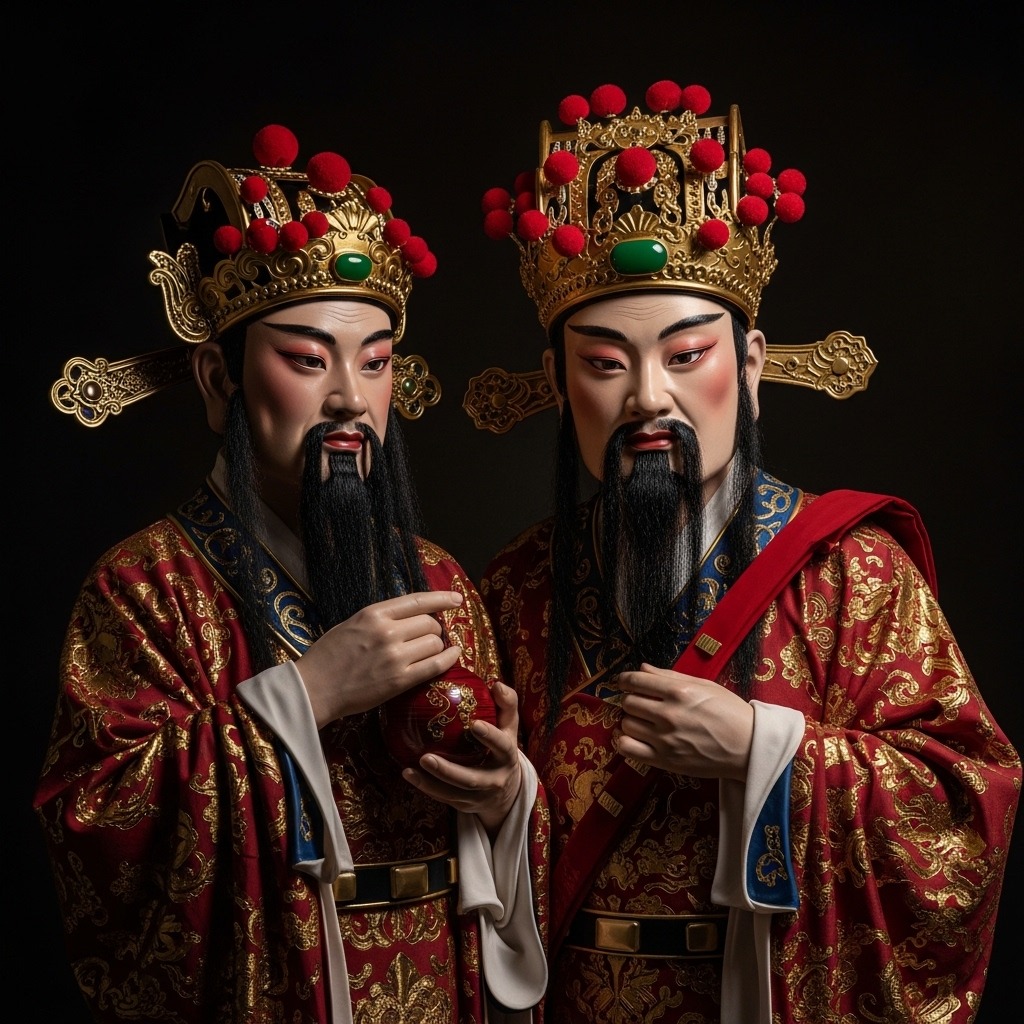
Zhang Xian’s Role in Protecting the Unborn
Zhang Xian, often referred to as “the Archer,” plays a crucial role in safeguarding expectant mothers and their babies. He is believed to fend off evil spirits that threaten childbirth. His protective nature is a big reason why many families pray to him during pregnancy.
- Worship Practices: Many rituals involve offerings to Zhang Xian. Families often place food and flowers at altars, asking for his blessings for a safe delivery.
- Symbolism of the Bow: Zhang Xian uses his bow to shoot arrows at malevolent forces. This imagery represents his commitment to protecting the innocent.
The Significance of His Children in Mythology
Zhang Xian’s children, Songzi Niangniang and Jiantan, further enrich his mythological story. Each child has distinct roles that reflect the family’s commitment to childbirth.
- Songzi Niangniang: She blesses expectant mothers, especially those carrying girls. Her presence symbolizes hope and protection for female infants.
- Jiantan: Similarly, Jiantan supports mothers who are expecting boys. His role is equally important, emphasizing balance in blessings for all children.
Their father-daughter relationship adds a tender layer to the mythology, showcasing a family united in purpose.
Zhang Xian’s Epic Battle with Tiangou
Zhang Xian’s battles with Tiangou, the dark-headed Celestial Dog, are legendary. This ongoing fight represents the struggle between good and evil. Tiangou is known for trying to devour the moon, which symbolizes the risk to newborn boys.
- Eclipses: When Tiangou appears in the sky, it’s said that Zhang Xian shoots an arrow to protect the world. This act not only protects the unborn but also brings hope during solar and lunar eclipses.
- Cultural Impact: This epic battle is reflected in various stories and art forms. Zhang Xian is often depicted as a heroic figure, emphasizing his role as a protector.
Modern Interpretations of Zhang Xian
Today, Zhang Xian remains significant in contemporary Chinese culture. His image can be found in art, films, and even social media, where people share stories of his protective nature. The way he’s celebrated has evolved, but his core values of protection and family unity still resonate strongly.
Table of Contents
- Celebrations: Festivals honoring Zhang Xian often include activities focused on family bonding and the celebration of new life.
- Influence on Childbirth Rituals: Modern childbirth practices may still incorporate elements of Zhang Xian’s mythology, blending traditional beliefs with contemporary approaches.
Zhang Xian’s story continues to inspire and protect, making him one of the coolest gods in Chinese mythology.
2. Baí Zé: The Beast of Knowledge

Baí Zé is a fascinating figure in Chinese mythology. Known as the Beast of Knowledge, he played a vital role in shaping beliefs about reincarnation and the cosmos.
Baí Zé’s Influence on Reincarnation Beliefs
Baí Zé is famous for sharing his vast wisdom with the Yellow Emperor, Huang Di. This knowledge included secrets about the afterlife and reincarnation. Imagine having a guide who knows every path a soul can take!
- Role: He revealed 11,520 reincarnation paths to Huang Di.
- Impact: His teachings laid the groundwork for understanding life, death, and rebirth in Chinese culture.
The Creation of the Bái Zé Tú
After his enlightening encounter with Huang Di, Baí Zé inspired the creation of the Bái Zé Tú. This book details the secrets of the universe, including how to fend off supernatural threats.
- Content: It includes strategies for protection against otherworldly beings.
- Significance: The book is a crucial part of Chinese folklore and highlights Baí Zé’s role as a protector of humanity.
Cultural Representations in Literature
Baí Zé appears in various forms throughout Chinese literature and art. His image often symbolizes knowledge and wisdom.
- Literature: He is mentioned in ancient texts, emphasizing his role as a wise guide.
- Modern Culture: Baí Zé’s influence can be seen in contemporary stories, where he is portrayed as a guardian against evil spirits.
Baí Zé is not just a mythical beast; he represents a bridge between the human and the divine. His legacy continues to inspire discussions about knowledge and the mysteries of life, making him one of the coolest gods in Chinese mythology.
3. Wen Chang: The Patron of Literature
Wen Chang is a fascinating figure in Chinese mythology. He’s revered as the god of literature and education. Students and scholars alike look to him for inspiration and guidance.
Wen Chang’s Historical Importance in Chinese Education
Wen Chang has a rich history in Chinese education. He symbolizes the pursuit of knowledge. Many students pray to him for success in exams. His influence extends back to ancient times when education was vital for government positions.
- Emperor of Learning: Wen Chang was so impressive that people made him the Emperor of Learning.
- Cultural Significance: He embodies the value placed on education and intellect in Chinese culture.
Rituals Performed to Invoke Wen Chang’s Blessings
Students often engage in rituals to seek Wen Chang’s favor. These rituals might include:
- Burning Incense: Incense is lit in temples dedicated to him. The scent is believed to carry their prayers.
- Offering Food: Students sometimes leave offerings, like fruits or cakes, on altars.
- Writing Prayers: Some write their wishes for success on paper and burn it, sending their hopes to Wen Chang.
These practices show how much he is respected in educational circles.
Wen Chang in Contemporary Literature
Wen Chang’s legacy lives on in modern literature. He appears in stories and folklore, inspiring characters in books and films. His story is often told to emphasize the importance of hard work and dedication.
- Influence on Modern Writers: Contemporary authors draw inspiration from his tales. They highlight themes of perseverance and the quest for knowledge.
- Educational Programs: Some schools hold events or contests in his honor, celebrating literature and learning.
By keeping Wen Chang’s spirit alive, modern society reinforces the values of education and wisdom he represents.
4. Nü Chou: The Divine Woman
Nü Chou, also known as the Divine Woman, holds a special place in Chinese mythology. She is revered as a protector of women and children, embodying strength and nurturing qualities.
Nü Chou’s Significance in Motherhood
Nü Chou is often seen as a mother figure. She represents fertility and the well-being of families. Many believe she helps women during childbirth and ensures the safety of newborns. Her nurturing nature makes her a beloved figure among mothers.
Rituals Dedicated to Nü Chou
Various rituals honor Nü Chou throughout the year. These include:
- Prayers for Fertility: Women often pray to her for healthy pregnancies and safe deliveries.
- Festivals: Celebrations during the Chinese New Year include offerings to Nü Chou, thanking her for blessings.
- Ceremonies: Some communities hold special ceremonies where offerings of food and flowers are made in her honor.
These rituals highlight her importance in family life and societal continuity.
Nü Chou in Modern Culture
Nü Chou’s image has evolved over time. Today, she is embraced by modern feminist movements. Many see her as a symbol of female empowerment.
- Art and Literature: Nü Chou appears in contemporary stories and artworks, representing strength and resilience.
- Social Movements: Feminist groups use her narrative to discuss issues surrounding motherhood and women’s rights.
These modern interpretations breathe new life into her ancient story, showing how her legacy continues to inspire and empower women today.
5. The Monkey King: Sun Wukong’s Legacy
The Monkey King, also known as Sun Wukong, is a central figure in Chinese mythology. His story is filled with adventures, mischief, and a touch of rebellion. Let’s dive into the legacy of this iconic character.
The Monkey King’s Rebellious Nature
Sun Wukong is no ordinary deity. Born from a magical stone, he embodies a spirit of defiance. He challenges the heavens, fights gods, and refuses to follow the rules. His rebellion is what makes him relatable. He’s a trickster with a heart, often outsmarting those in power.
- Trickster Archetype: Like many trickster figures in global mythology, Sun Wukong uses his wits to navigate challenges.
- Strength and Powers: He possesses superhuman strength, speed, and the ability to transform into various forms.
Lessons Learned from the Journey to the West
In the classic tale “Journey to the West,” Sun Wukong accompanies the monk Xuanzang on his quest for sacred texts. Their journey is not just about adventure; it’s filled with life lessons.
- Growth and Redemption: Wukong starts as a rebellious figure but learns humility and loyalty.
- Friendship and Teamwork: His relationships with fellow travelers show the importance of collaboration.
Cultural Adaptations of Sun Wukong
Sun Wukong’s character has been reimagined in various forms of media today. He appears in books, movies, and even video games. Each adaptation highlights different aspects of his personality.
- Anime and Animation: Shows like “Dragon Ball” draw inspiration from Wukong’s powers and adventures.
- Films: Movies such as “The Monkey King” showcase his legendary battles and charisma.
This enduring legacy proves that the Monkey King is more than just a character; he’s a cultural icon. His tale reminds us of the value of resilience, courage, and the quest for understanding.
6. Cai Shen: The God of Wealth
Cai Shen is a big deal in Chinese culture. Known as the God of Wealth, he’s all about prosperity and good fortune. His vibrant depictions and the stories surrounding him make him a favorite, especially during the Lunar New Year.
Cai Shen’s Origins and Myths
Cai Shen’s story is rooted in ancient history. He is often identified with a minister named Bi Gan from the Shang Dynasty. Bi Gan stood up against the tyrant King Zhou. Sadly, this act of courage led to his death. After he died, he was deified and became Cai Shen, the bringer of wealth.
What’s fascinating is that Cai Shen embodies different aspects of wealth. Some legends say he’s a mix of two gods: the Bringer of Riches and the Bringer of Gain. Each version of Cai Shen has unique attributes, but they all share the same goal—bringing prosperity.
Celebrating Cai Shen During the New Year
Lunar New Year is when Cai Shen shines the brightest. Families prepare to welcome him into their homes, believing he’ll bring them good fortune for the year ahead.
Here are some ways people celebrate:
- Cleaning the House: Before the New Year, homes are cleaned to sweep away bad luck.
- Offering Incense and Food: Many put out offerings of food, fruits, and incense to attract his blessings.
- Displaying Images: Some hang images of Cai Shen to invite wealth and prosperity.
These practices highlight how deeply ingrained Cai Shen is in the culture. It’s not just about rituals; it’s a heartfelt hope for a prosperous year.
Cai Shen’s Role in Modern Chinese Commerce
Cai Shen’s influence doesn’t stop at traditional celebrations. In today’s world, he plays a significant role in business. Many entrepreneurs and shop owners invoke his blessings for success.
Here’s how his worship impacts modern commerce:
- Symbol of Luck: Many businesses display his images or statues to attract customers.
- Promotions and Sales: During the New Year, sales often feature themes related to Cai Shen, encouraging spending and prosperity.
- Networking Events: Some companies hold events around this time, believing it will bring them good fortune in dealings.
In essence, Cai Shen remains a powerful symbol of wealth, shaping both ancient traditions and contemporary practices. His legacy continues to influence how people view prosperity and success.
7. Lei Gong: The Lord of Thunder
Lei Gong, the god of thunder, is a fascinating figure in Chinese mythology. Known for his fierce demeanor and powerful abilities, he controls storms and punishes wrongdoers. His dual nature makes him both a guardian and a fearsome force.
The Duality of Lei Gong’s Nature
Lei Gong embodies two sides. On one hand, he brings thunder and lightning, striking fear into the hearts of evildoers. On the other, he protects the innocent, ensuring justice prevails. This duality makes him a unique deity.
- Punisher of Wrongdoers: He uses his drum, chisel, and mallet to deliver punishment. This shows his role in maintaining moral order.
- Protector of the Good: By punishing evil, he stands as a guardian for those who live righteously.
Rituals to Appease Lei Gong
Worshippers perform various rituals to earn Lei Gong’s favor. These rituals often take place during thunderstorms, when his presence is most felt.
- Offerings: People present fruits, incense, and paper money at altars dedicated to him.
- Prayers for Protection: Devotees seek his protection from misfortune, especially during stormy seasons.
Visual Representations in Art
Lei Gong is depicted in many forms across Chinese art. His representations vary, showcasing his thunderous nature.
- Traditional Art: Often illustrated as a fearsome figure with blue skin, wings, and claws, embodying his power.
- Contemporary Interpretations: In modern media, he may be shown in animation and films, adapting his image for new audiences.
These artistic expressions highlight how Lei Gong’s image has evolved. They reflect both historical reverence and contemporary interpretations, keeping his legacy alive in popular culture.
8. Cultural Influence of Chinese Deities
Chinese gods and goddesses have a profound impact on various aspects of Chinese culture. Their stories shape traditions, art, and even modern media. Let’s take a closer look at how these deities influence society.
Influence on Literature and Art
Chinese mythology thrives in literature and art. These deities inspire countless stories and artworks. They embody values, virtues, and lessons that resonate across generations. Here are some notable influences:
- Literature: Many classic novels, like “Journey to the West,” feature deities like The Monkey King. His adventures reflect themes of loyalty, courage, and cleverness.
- Visual Arts: Artists often depict these gods in paintings and sculptures. For instance, Cai Shen, the god of wealth, is frequently illustrated with gold and riches, emphasizing prosperity.
Cultural Festivals Celebrating These Deities
Festivals play a big role in honoring Chinese gods and goddesses. These events foster community spirit and keep traditions alive. Some popular festivals include:
- Chinese New Year: Celebrated with offerings to Cai Shen for good fortune in the coming year.
- Duanwu Festival: Honors Qu Yuan, a revered poet and figure in Chinese history, showcasing the blend of mythology and historical figures.
Contemporary Relevance of Chinese Mythology
Today, Chinese mythology is more than just ancient tales. It influences modern culture, fashion, and entertainment. For example:
- Films and Animation: Characters inspired by gods, like The Monkey King, appear in movies and TV shows. They introduce these legends to younger audiences.
- Fashion and Merchandise: Designers incorporate mythological themes into clothing and products, showcasing traditional stories in contemporary styles.
Chinese deities are not just relics of the past. They continue to shape cultural values and inspire creativity. Their stories remain relevant, connecting the past with the present.
Frequently Asked Questions
These quick answers cover the most common questions about this topic, including key details, practical tips, and common concerns.
Who are the 8 Chinese gods?
The eight notable Chinese gods include Cai Shen (God of Wealth), Zhang Xian (God of Childbirth), Wen Chang (God of Literature), Lei Gong (God of Thunder), Baí Zé (Beast of Knowledge), Nü Chou (Goddess of Women and Children), The Monkey King (Sun Wukong), and others like Guan Yu (God of War) and Tudigong (Earth God). These deities represent various aspects of life, culture, and morality in Chinese mythology.
How do these gods influence Chinese culture?
These gods shape festivals, rituals, and daily practices. For example, Cai Shen influences New Year celebrations, while Zhang Xian is invoked during childbirth. Their stories promote virtues like wisdom, protection, and prosperity, deeply embedding them into Chinese social and spiritual life.
Why are these gods considered the coolest?
They embody fascinating traits—like The Monkey King’s rebellious spirit, Cai Shen’s wealth-bringing power, or Zhang Xian’s protective role in childbirth. Their stories are rich with adventure, symbolism, and cultural significance, making them memorable and inspiring figures.
When are festivals or rituals dedicated to each deity?
Most deities have specific celebrations. Cai Shen is honored during Lunar New Year. Zhang Xian is invoked during pregnancy rituals. Wen Chang is celebrated during exams and academic success. Lei Gong is worshipped during thunderstorms. These festivals often include offerings, prayers, and community gatherings.
What are the main powers of Zhang Xian?
Zhang Xian is believed to protect expectant mothers and unborn children from evil spirits. He uses his bow to shoot arrows at malevolent forces, ensuring safe childbirth. His role emphasizes protection, family, and the hope for healthy babies.
How are Cai Shen and other wealth gods worshipped during the New Year?
People display images or statues of Cai Shen in their homes and businesses. They perform rituals like burning incense, offering food, and cleaning their spaces to invite prosperity. Many also participate in special prayers or ceremonies to seek his blessings for wealth in the year ahead.
What stories are associated with The Monkey King?
The Monkey King’s stories come from the classic novel “Journey to the West.” They depict his adventures, mischievous tricks, battles with gods, and quest for enlightenment. His tales teach lessons about loyalty, courage, and cleverness, making him a cultural icon.
What is the significance of Nü Chou in Chinese culture?
Nü Chou symbolizes nurturing, fertility, and protection of women and children. She is invoked in rituals for safe childbirth and family well-being. Her image represents strength, compassion, and the importance of family in Chinese society.