
Greek mythology is rich with intriguing characters and stories. This article presents 26 fascinating facts about Greek gods, exploring their roles, relationships, and cultural significance, from Zeus to Hades and beyond.
1. Greek Gods Were Central to Ancient Greek Culture
Greek gods were more than just mythological figures; they were integral to daily life in ancient Greece. These deities influenced religion, art, and even social norms. Let’s dive into how they shaped the Greek way of life.
Greek Gods as Symbols of Power
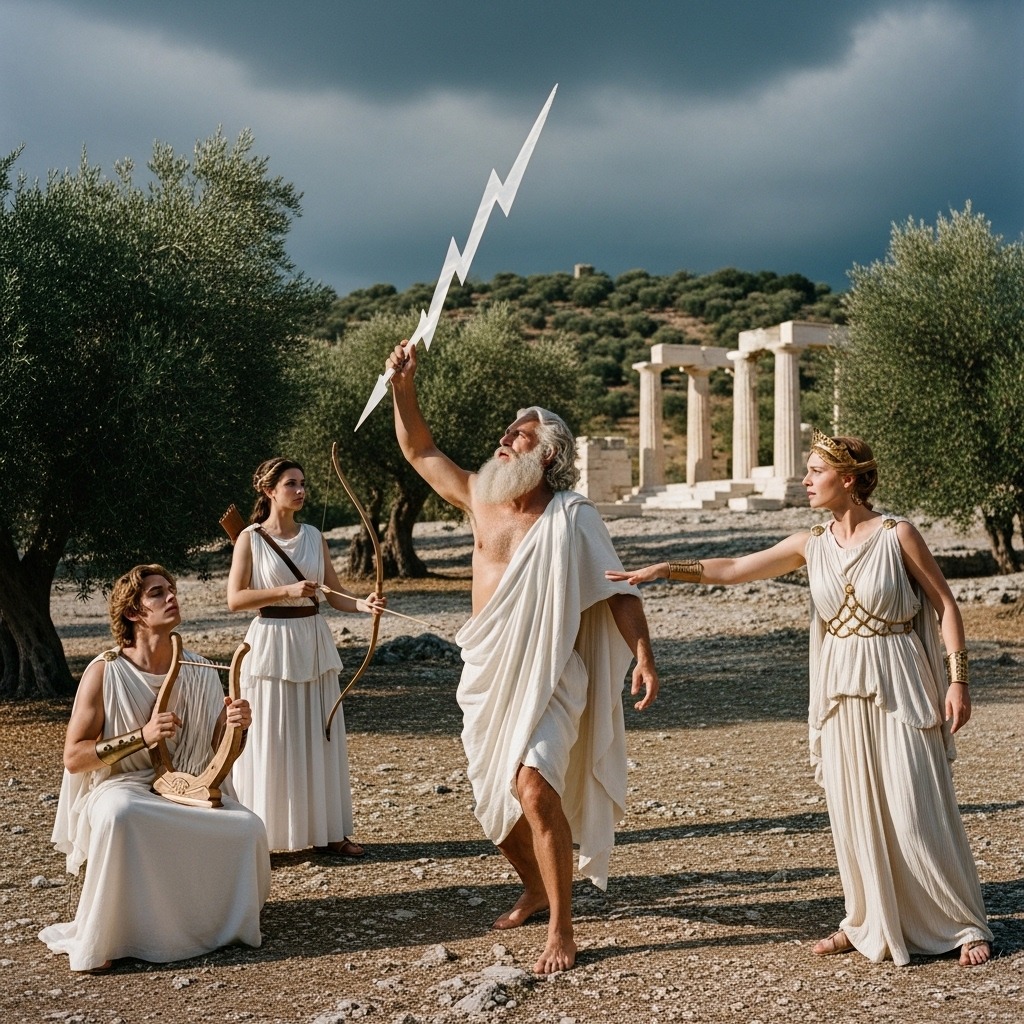
Greek gods represented various aspects of power and authority. Zeus, the king of the gods, symbolized ultimate power. He ruled the sky and controlled thunder. Hera, his wife, was the goddess of marriage and family, representing the power dynamics within households.
- Zeus: King of the gods, associated with justice and law.
- Hera: Goddess of marriage, symbolizes fidelity and family.
- Poseidon: God of the sea, represents natural forces and chaos.
These gods weren’t just figures in stories. They were worshiped through rituals and festivals, reinforcing their significance in society.
Influence on Greek Art and Literature
Greek mythology deeply influenced art and literature. Artists depicted gods in sculptures, pottery, and paintings. These works celebrated the gods’ stories and attributes, making them more relatable to the people.
- The Iliad and The Odyssey: Homer’s epic poems feature gods interacting with humans, showcasing their influence on fate.
- Sculptures: Statues of gods adorned temples, illustrating their grandeur and beauty.
This artistic expression helped communicate complex ideas about human nature, morality, and society, making the myths resonate with everyday life.
Relationship with Ancient Rituals
Rituals centered around the gods were a big part of Greek culture. People performed these rituals to gain favor and blessings. Festivals like the Olympic Games honored Zeus and were held every four years.
- Sacrifices: Offerings were made to please the gods, ensuring good harvests or victory in battle.
- Oracles: Sites like Delphi offered divine guidance, influencing decisions in politics and war.
These practices highlight how intertwined the gods were with the Greeks’ understanding of the world. They were not just stories; they were a framework for living.
Greek mythology reflects the values and beliefs of ancient Greek society. The gods embodied ideals like bravery, wisdom, and justice. Their stories taught lessons that shaped social behavior and community identity.
2. Zeus: King of the Gods and Ruler of Olympus
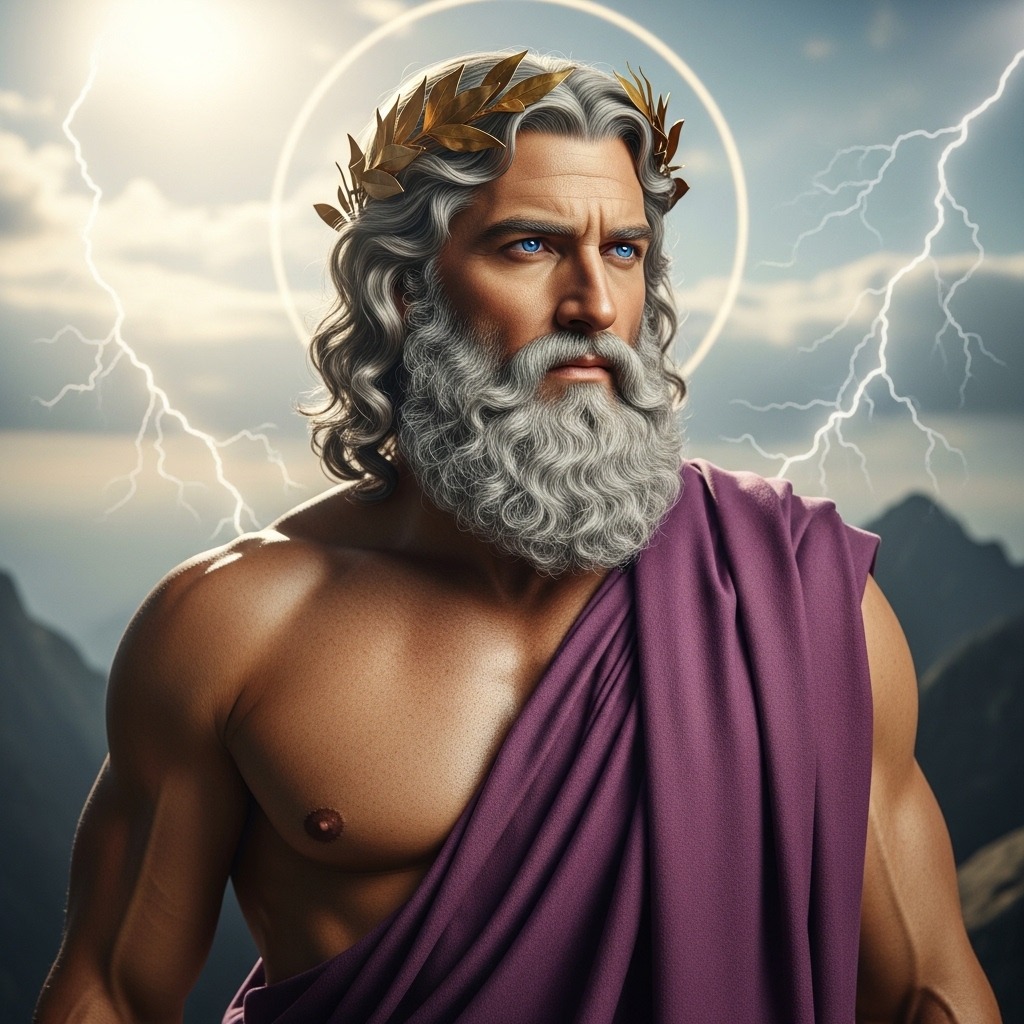
Zeus is the supreme deity in Greek mythology. He rules over Mount Olympus and the other gods. His stories are packed with power, drama, and lessons about human nature.
Zeus’s Role in Mythology
Zeus is often depicted as the king of the gods. He leads the Olympians and is known for his authority. Many myths revolve around his struggles against the Titans. He fought valiantly to secure his place as the ruler of the universe.
His main attributes include:
- Thunderbolt: His signature weapon. It symbolizes his power and authority.
- Eagle: Often seen as his messenger, representing strength and freedom.
- Oak Tree: Sacred to him, symbolizing strength and endurance.
Symbolism of the Thunderbolt
The thunderbolt is more than just a weapon. It represents divine justice and power. When Zeus throws it, it’s a sign of his wrath. Ancient Greeks believed it was a way for him to maintain order among gods and humans alike.
This symbolism reflects societal views on authority and morality. For instance, many myths show Zeus punishing those who defy him, reinforcing the idea of accountability.
Zeus’s Numerous Offspring
Zeus had many children, both mortal and immortal. His relationships shaped many myths. Here are some of his notable offspring:
- Athena: Goddess of wisdom, born from his head.
- Apollo: God of the sun and arts, born from his affair with Leto.
- Hercules: A famous hero, son of Zeus and Alcmene.
Each child often reflects a blend of Zeus’s traits and unique qualities of their mothers. This interconnectedness among gods illustrates how family ties influence myths and character development.
In summary, Zeus is central to Greek mythology. His stories reveal much about ancient Greek culture and values. The myths not only entertain but also provide insights into the human experience.
3. Hera: Goddess of Marriage and Family
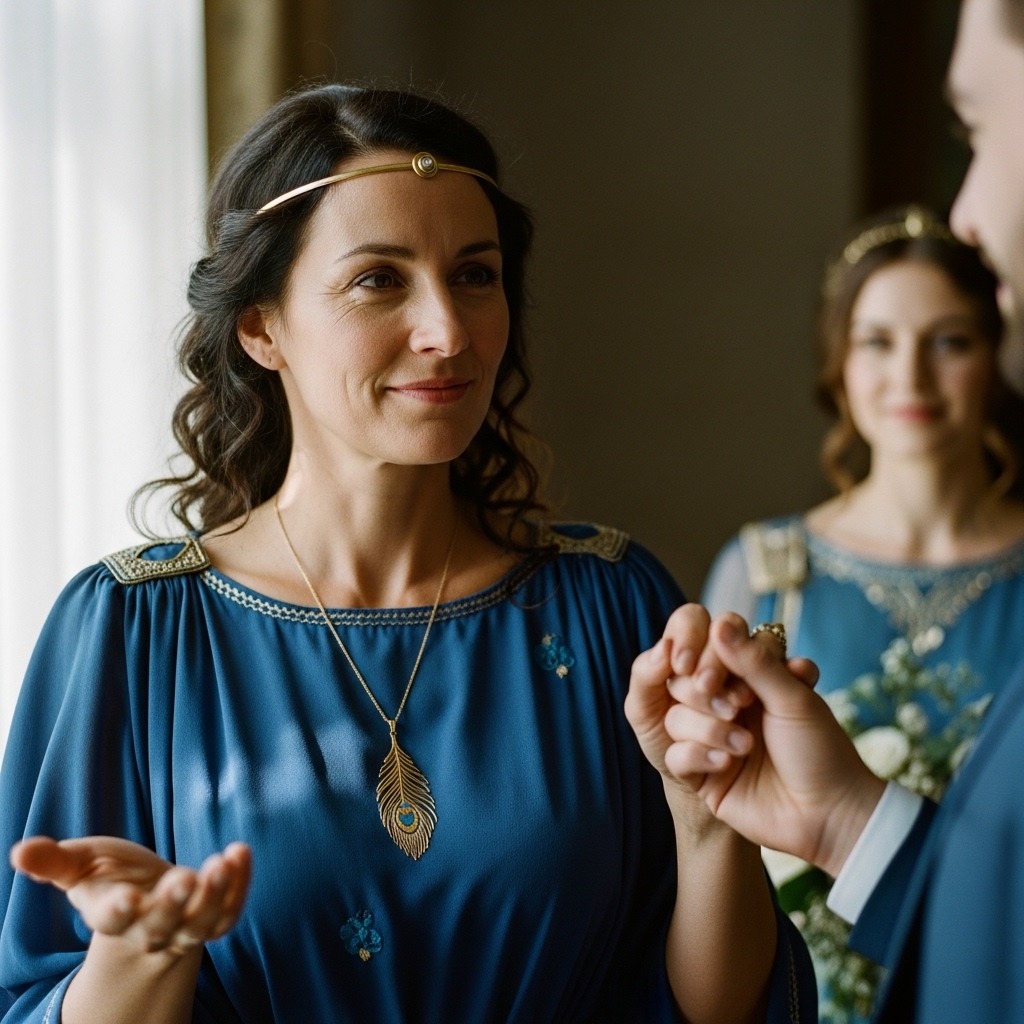
Hera is the queen of the gods and the goddess of marriage and family. Her complex relationships, especially with Zeus, highlight the ancient Greeks’ views on love and fidelity.
Hera’s Marriage to Zeus
Hera’s marriage to Zeus is one of the most famous in mythology. Despite being the queen, her marriage is fraught with betrayal. Zeus was known for his numerous affairs, which often led to Hera’s jealousy and rage.
- Symbol of Marriage: Hera is seen as the protector of marriage and family.
- Role of Jealousy: Her jealousy often drives her actions in myths, leading to conflicts.
- Power Dynamics: Despite her status, Hera struggled to maintain her authority over Zeus, illustrating gender dynamics in ancient Greek culture.
Her Vengeful Nature
Hera’s vengeful side is well-documented in various myths. When Zeus strayed, she often took it out on his lovers and their children.
- Famous Revenge Stories:
- Heracles: She sent snakes to kill him as a baby.
- Leto: Hera hunted down Leto for giving birth to Apollo and Artemis.
This vengeful nature reflects societal attitudes towards infidelity and the importance of loyalty in marriage.
Importance in Familial Myths
Hera plays a crucial role in many familial myths. She embodies the complexities of family relationships in Greek mythology.
- Motherhood: Hera is the mother of Ares, the god of war, and Hephaestus, the god of craftsmanship.
- Protector of Women: She was often invoked by women seeking to protect their marriages.
- Family Struggles: Myths often showcase her struggles with Zeus and the implications of his infidelities on their family.
These stories highlight the cultural significance of marriage and family, reflecting ancient Greek values on fidelity and loyalty.
Hera’s character serves as a lens through which we can view the expectations placed on women in ancient Greece. Her complex nature illustrates the balance of power and the consequences of betrayal in relationships.
4. Poseidon: God of the Sea and Earthquakes

Poseidon is one of the most powerful Greek gods. He rules over the seas and is known for his unpredictable nature. Often depicted with a trident, Poseidon embodies both the beauty and fury of the ocean.
Poseidon’s Symbols and Stories
Poseidon is closely associated with several symbols:
- Trident: His three-pronged spear represents his dominion over the sea.
- Horses: He is also the god of horses, often linked to their creation.
- Dolphins: These creatures symbolize his connection to the ocean.
In stories, Poseidon can be both helpful and vengeful. He helped create the horse and is known for his rivalry with Athena. Their competition for the city of Athens shows his temperamental side. The myth reveals how his personality mirrors the sea’s unpredictability—calm at times and tumultuous at others.
His Role in Greek Mythology
Poseidon is one of the Olympian gods and a brother to Zeus and Hades. After the fall of the Titans, the three brothers divided the world among themselves. Zeus took the sky, Hades got the underworld, and Poseidon claimed the sea. His influence extends beyond water; he could cause earthquakes, making him a powerful figure in both nature and mythology.
Worship Practices Associated with Poseidon
Worship of Poseidon was common among ancient Greeks, especially those living near the coast. Here are some key practices:
- Temples: Major temples were dedicated to him, like the one at Sounion.
- Sacrifices: Offerings often included horses or fish to appease his temper.
- Festivals: The Isthmian Games celebrated his honor, showcasing athletic competitions.
These practices highlight how Poseidon’s character influenced daily life. His dual nature as both protector and destroyer reflects a deep understanding of the sea’s impact on society. By honoring him, people sought to balance his wrath and gain his favor.
5. Athena: Goddess of Wisdom and Warfare
Athena is one of the most fascinating figures in Greek mythology. She embodies both wisdom and strategic warfare, making her a unique and powerful goddess. Let’s dive into her incredible story.
Athena’s Birth and Symbolism
Athena has a dramatic origin story. She was born fully grown from the head of Zeus, the king of the gods. This unusual birth symbolizes her connection to both intellect and strength.
- Symbol of Wisdom: Athena is often associated with the owl, a creature known for its keen vision and insight.
- Aegis: She carries a shield called the aegis, symbolizing protection in battle.
- Warrior Goddess: Unlike Ares, who represents chaos and brutality, Athena focuses on strategy and skill in warfare.
Her Role in the Trojan War
Athena played a crucial role during the Trojan War. She was a key figure on the Greek side, using her wisdom to influence the outcome.
- Strategic Advisor: She provided guidance to heroes like Odysseus, helping them devise clever tactics.
- Conflict with Ares: Athena and Ares often represented opposing aspects of war. While Ares thrived on bloodshed, Athena promoted tactical approaches.
Patronage of Athens
Athena is the patron goddess of Athens, a city that bears her name. Her influence shaped the culture and values of the city.
- Cultural Symbol: The Parthenon, a magnificent temple in her honor, showcases her importance.
- Guardian of Civilization: She represents reason, arts, and crafts, embodying the spirit of Athenian democracy.
Athena’s dual roles as a goddess of wisdom and warfare reflect a balance that was crucial to ancient Greek society. She taught that intelligence and strategy are just as important as brute strength. This insight continues to resonate in modern storytelling, where cleverness often triumphs over sheer force.
6. Ares: The God of War’s Unpopularity
Ares, the god of war, embodies the chaotic and brutal side of battle. Unlike other gods, he wasn’t exactly the crowd favorite. Let’s dive into why Ares didn’t enjoy the same reverence as his Olympian peers.
Ares’s Myths and Reputation
Ares symbolizes the chaos and violence of war. He thrived in the bloodshed and frenzy of battle. But here’s the twist: the ancient Greeks didn’t worship him much. They found his nature too aggressive. Instead, they preferred Athena, the goddess of wisdom and strategic warfare.
- Unpopular Choices: Ares was often seen as a nuisance. His impulsive behavior and thirst for conflict weren’t celebrated.
- Mythical Relationships: Ares had a long affair with Aphrodite, the goddess of love. Their union produced several children, including Eros, the god of love. This contrast highlights the tension between love and war.
Contrast with Athena
Athena represented strategy and wisdom in warfare, standing in stark contrast to Ares. She taught that clever tactics could win wars, not just brute force.
- Different Facets of War: Ares thrived in chaos; Athena emphasized intelligence. This duality shows how Greeks valued not just strength but also tactical thinking.
- Symbolic Representation: Athena was often depicted with armor and a helmet, while Ares was shown with a spear and bloodied garments. This imagery reinforced their differing approaches to conflict.
Worship Practices and Views
Unlike other gods, Ares had few temples and shrines. Ancient Greeks didn’t feel compelled to honor him. They saw his nature as disruptive.
- Limited Cult Worship: Most Greeks preferred to worship gods who brought prosperity and peace, rather than chaos.
- Cultural Impact: Ares’s reputation influenced how war was perceived in society. His myths served as cautionary tales about the destructive nature of unchecked aggression.
Understanding Ares gives us insight into Greek values. They revered strategy and intellect over sheer force. This perspective continues to shape modern storytelling, where cleverness often triumphs in the face of conflict.
7. Aphrodite: Goddess of Love and Beauty
Aphrodite is one of the most captivating figures in Greek mythology. As the goddess of love and beauty, her powers extend beyond romance. She symbolizes desire, attraction, and passion in both gods and mortals.
Aphrodite’s origin story
Aphrodite’s origins are as enchanting as her character. According to myth, she was born from the sea foam, emerging near Cyprus. This unique birth symbolizes her connection to the unpredictable nature of love. Just like the waves, love can be beautiful yet tumultuous.
Her relationships with gods and mortals
Aphrodite had a complicated love life. Here are some key points:
- Ares: She had a famous affair with Ares, the god of war. Their relationship blended love with chaos, showing the dual nature of passion.
- Eros: Often depicted as her son, Eros (or Cupid) represents the playful side of love. He is known for igniting desire with his arrows.
- Humans: Aphrodite often intervened in mortal affairs, sparking love stories and sometimes tragic outcomes. Think of Paris, who chose her over Hera and Athena, leading to the Trojan War.
Cultural significance of love in Greece
Love held a vital place in ancient Greek society. Aphrodite’s influence reflects this. Here’s how:
- Worship: Temples dedicated to her celebrated not just romantic love but also beauty and desire. Festivals honored her role in human relationships.
- Myths: Many Greek myths illustrate love’s complexities. For example, her beauty often incited jealousy and conflict among gods, highlighting love’s disruptive power.
- Social values: Love was seen as essential to life. The Greeks believed it could lead to both joy and destruction, mirroring their views on human emotions.
Aphrodite was more than a pretty face. She embodied the intricacies of love, weaving through the fabric of Greek mythology and culture. Her stories remind us that love is powerful, unpredictable, and deeply human.
8. Apollo: The Multifaceted God
Apollo is one of the most fascinating figures in Greek mythology. He embodies a range of talents and attributes, making him a central character in many myths. Let’s explore his dual nature and how he influenced Greek arts and culture.
Apollo’s Dual Nature
Apollo is often seen as a god of contradictions. On one hand, he represents light, knowledge, and healing. On the other, he embodies the harsh realities of prophecy and vengeance.
- God of Light: Apollo is associated with the sun, symbolizing enlightenment and clarity.
- God of Healing: He can cure diseases and is linked to medicine. His influence is seen in the caduceus, a symbol still used in healthcare today.
- God of Prophecy: Apollo is famous for his role as the oracle at Delphi. Here, he shared insights about the future, though not always in ways that were easy to understand.
These dualities reflect the complexities of human nature. Just like Apollo, people can be nurturing and destructive.
Role in Greek Arts and Culture
Apollo had a profound impact on Greek arts, especially music and poetry. He is often depicted with a lyre, showcasing his musical talents.
- Patron of Arts: Artists and poets sought his favor for inspiration.
- Cultural Symbol: Festivals like the Pythian Games celebrated Apollo’s contributions to music and the arts.
His influence extended beyond mythology into everyday life. The Greeks looked to him for guidance in their creative endeavors.
The Oracle of Delphi
The Oracle of Delphi was one of Apollo’s most important roles. It was considered the center of the world in ancient Greece.
- Prophetic Insights: People from all over Greece visited the oracle seeking advice. Apollo’s priestess, the Pythia, delivered cryptic messages that were often open to interpretation.
- Cultural Significance: The oracle underscored the importance of prophecy and fate in Greek society. It reflected their belief in destiny and the divine influence over human affairs.
Apollo’s various domains not only highlight his multifaceted nature but also mirror essential aspects of human life. His stories remind us that life is a balance of light and dark, healing and harm.
9. Artemis: Goddess of the Hunt and Moon
Artemis is one of the most fascinating Greek goddesses. She symbolizes independence, nature, and the wild. Let’s dive into her world.
Artemis’s Symbols and Myths
Artemis is often associated with several key symbols:
- The Bow and Arrow: Represents her skills as a huntress.
- The Moon: Often depicted as a lunar goddess, highlighting her connection to night and nature.
- Deer and Wild Animals: She is the protector of wildlife and all things untamed.
Her myths often showcase her strength and independence. For example, she rejected marriage and chose to remain a virgin, standing as a figure of female empowerment.
Her Relationship with Apollo
Artemis is the twin sister of Apollo. Their bond is unique and highlights their contrasting natures:
- Artemis: The fierce huntress, goddess of the wilderness.
- Apollo: The god of light, music, and prophecy.
Together, they represent balance in Greek mythology. While Apollo brought light and order, Artemis embraced the wild and chaotic aspects of life. This sibling dynamic illustrates how different traits complement one another.
Patronage of Women and Childbirth
Artemis holds a special place in the lives of women in ancient Greece. She was seen as a protector of childbirth and young girls. Many women prayed to her for safe deliveries and strength during childbirth.
Her independence made her an ideal figure for women seeking empowerment. Artemis’s stories reflect the values of female autonomy and self-reliance, setting her apart from many other deities.
Key Attributes of Artemis
- Goddess of the Hunt: Skilled in archery and a protector of animals.
- Symbol of Independence: Embodies the spirit of freedom and choice.
- Guardian of Women: Provides strength and protection during childbirth.
Artemis is not just a huntress; she represents the fierce spirit of independence and the beauty of nature. Her myths resonate with themes of empowerment, making her a timeless figure in Greek mythology.
10. Hades: Ruler of the Underworld
Hades is often misunderstood. Many see him as a villain, but he plays a crucial role in Greek mythology. Let’s explore who Hades really is and clear up some common misconceptions.
Hades’s Domain and Responsibilities
Hades is the god of the underworld. He oversees the realm of the dead, ensuring balance and order. Unlike popular belief, he isn’t a figure of pure evil. Instead, he rules fairly, managing the souls of the departed. Here are some key aspects of his domain:
- The Underworld: This is where souls go after death. It’s not a place of punishment but rather a realm of existence.
- Judgment of Souls: Hades doesn’t judge souls himself. He allows Minos, Rhadamanthus, and Aeacus to determine their fates.
- Wealth and Riches: Hades is also associated with the earth’s minerals. His domain is rich, symbolizing the wealth found underground.
Misunderstandings About Hades
Many people think of Hades as a dark and malevolent figure. This stereotype comes from his role as the god of the underworld. However, his character is more nuanced. Here are some common misconceptions:
- Not the Devil: Hades is not a devil-like figure. He does not tempt souls into wrongdoing. Instead, he receives them after their time on Earth.
- Feared but Fair: While he is often feared, Hades is known for his fairness. He treats the souls with respect, offering them a place in his realm.
- Rarely Worshipped: Unlike other gods, Hades was not commonly worshipped. People tended to avoid mentioning his name due to superstition.
Connection to Persephone
Hades is famously linked to Persephone, the goddess of spring. Their story is one of love and complexity. Here’s how their connection plays out:
- The Abduction: Hades took Persephone to the underworld, leading to her dual existence between two realms.
- The Pomegranate Seeds: Persephone ate six seeds, binding her to Hades for six months each year. This reflects the changing seasons.
- Symbol of Balance: Their relationship symbolizes the cycle of life and death, showing how both realms are interconnected.
Hades may seem like a shadowy figure, but his role in Greek mythology is essential. Understanding him helps reveal deeper aspects of ancient beliefs and values.
11. Hephaestus: The God of Fire and Craftsmanship
Hephaestus is the blacksmith of the gods. He’s known for his incredible craftsmanship and unique role among the Olympians.
Hephaestus’s creations
Hephaestus crafted many legendary items. Here are some of his most famous works:
- The Shield of Achilles: A stunning piece with intricate designs that depicted scenes of life.
- The Golden Gaiters: These were magical boots that allowed the wearer to walk with grace and speed.
- Pandora: He created her as the first woman, equipped with gifts from the gods, sparking curiosity and mischief.
His creations often reflected the gods’ personalities and the stories they told.
His unique status among the gods
Hephaestus stands out for several reasons:
- Physical Appearance: Unlike the other gods, Hephaestus was not traditionally handsome. This made him the “ugly god” among beautiful immortals.
- Skills Over Looks: His talents in metalworking and craftsmanship earned him respect, challenging the traditional ideals of beauty and strength.
- Dual Nature: He represented the blend of fire’s destructive and creative powers. While fire can burn, it also creates and transforms.
Symbolism of fire in mythology
Fire holds a deep significance in Greek mythology. Here’s how it plays into Hephaestus’s story:
- Creation: Fire symbolizes creativity and innovation. Hephaestus used it to forge tools and weapons, driving civilization forward.
- Destruction: Fire can also destroy, reflecting the chaotic side of life. This duality is evident in myths where fire is both a blessing and a curse.
- Divine Power: Hephaestus’s control over fire represents his divine authority. It sets him apart as a god who harnesses nature’s raw forces.
Hephaestus reminds us that beauty comes in many forms. His story challenges us to see value beyond appearances and appreciate the talents that shape our world.
12. Dionysus: God of Wine and Festivity
Dionysus is one of the most intriguing Greek gods. Known as the God of Wine, he embodies the spirit of festivity and creativity. His influence stretches far beyond just grapes and goblets. Let’s dive into what makes Dionysus special.
Dionysus’s Influence on Art and Culture
Dionysus is often linked to the arts, especially theater. His festivals were a big deal in ancient Greece. They celebrated not just wine, but also creativity and expression. People would gather to watch plays and performances dedicated to him. This laid the groundwork for modern theater.
- Theatrical Origins: The first Greek dramas emerged from Dionysian festivals. Playwrights like Aeschylus and Sophocles crafted stories that explored human experiences.
- Symbol of Freedom: Dionysus represented liberation. His celebrations allowed people to break free from societal norms. This duality of chaos and creativity reflects our own struggles with boundaries.
His Complex Nature of Joy and Madness
Dionysus is not just about joy. He represents a fascinating mix of ecstasy and chaos. This complexity is what makes him relatable and captivating.
- Joyful Liberation: His followers celebrated with wild parties, embracing the joys of life.
- Chaos and Madness: At the same time, he could incite madness. This duality shows how creativity often walks hand-in-hand with chaos. It reminds us that great art can stem from turbulent emotions.
Festivals Dedicated to Dionysus
Dionysus was honored with several key festivals, the most famous being the Dionysia. These celebrations were crucial to Greek culture.
- The Dionysia: Held in Athens, it included dramatic competitions. This festival attracted many playwrights and performers.
- Rural Dionysia: A more local celebration that emphasized the agricultural aspect of Dionysus. It was a time for community gatherings and honoring the earth.
Dionysus’s festivals reflect societal views on chaos and creativity. They remind us that embracing our wild side can lead to incredible artistic expression.
13. The Titans: Predecessors of the Olympian Gods
The Titans were the powerful deities who ruled before the Olympians. They played a crucial role in shaping Greek mythology and their legacy still influences stories today.
Key Titans and Their Domains
- Cronus: The leader of the Titans, he ruled during the Golden Age. He was associated with time and harvest.
- Rhea: Wife of Cronus, goddess of fertility and motherhood. She helped save her children from Cronus.
- Oceanus: The Titan of the ocean and all bodies of water. He represented the vast, flowing nature of the sea.
- Hyperion: The Titan of light, often associated with the sun. He fathered Helios (the sun), Selene (the moon), and Eos (the dawn).
- Themis: The goddess of divine law and order. She was often depicted with scales, representing justice.
Titanomachy: The War of the Titans
The Titanomachy was a monumental battle between the Titans and the Olympians. This war lasted for ten years and ended with the Olympians’ victory. Here’s what went down:
- The Olympians, led by Zeus, fought to overthrow the Titans.
- The conflict symbolized the transition from old to new, from chaos to order.
- After their defeat, the Titans were imprisoned in Tartarus, a deep abyss used for punishment.
Cultural Significance of the Titans
The Titans are more than just ancient gods. They embody themes of power, family, and rebellion. Here’s how they resonate today:
- Family Dynamics: The relationships among the Titans mirror complex family structures in modern society. For instance, Cronus’s fear of being overthrown by his children reflects real-life fears of loss of power.
- Mythical Foundations: Many myths feature Titans, laying groundwork for later stories about the Olympians. They highlight the struggle between generations, a theme we still see in contemporary storytelling.
- Symbolism: The Titans represent primal forces of nature. Their myths often explore the balance between chaos and order, a concept that remains relevant in our lives.
Understanding the Titans enriches our grasp of Greek mythology and its lasting impact on culture and storytelling.
14. Notable Myths Featuring the Greek Gods
Greek mythology is rich with stories that showcase the interactions of various gods. These myths reveal not just their personalities but also the values of ancient Greek society. Let’s dive into a few notable ones.
The Trojan War
The Trojan War is one of the most famous tales in Greek mythology. It showcases numerous gods and goddesses, each playing a pivotal role. Here are some highlights:
- Aphrodite promised Paris the love of the most beautiful mortal, Helen, leading to the war.
- Hera and Athena, feeling slighted, supported the Greeks against the Trojans.
- Zeus tried to remain neutral but often influenced the conflict.
This myth illustrates themes of love, jealousy, and the consequences of divine intervention in human affairs.
The Labors of Hercules
Hercules, a demigod and son of Zeus, had to complete twelve labors as punishment. Each labor involved different gods and mythical beasts. Here’s a quick overview:
1. Lion of Nemea: Defeated with raw strength, showcasing bravery.
2. Hydra of Lerna: A multi-headed serpent that grew two heads for each one cut off. This labor emphasized teamwork, as Hercules had help from his nephew.
3. Ceryneian Hind: A sacred deer to Artemis, which tested his speed and determination.
These labors reflect values like perseverance and heroism, central to Greek culture.
The Myth of Persephone
Persephone’s story is a poignant tale of love and loss. She is the daughter of Demeter, the goddess of the harvest. Here’s how it unfolds:
- Abduction by Hades: Hades takes Persephone to the Underworld, causing Demeter to mourn and the earth to wither.
- The Deal: Zeus intervenes, allowing Persephone to spend part of the year with her mother. This explains the seasons.
This myth symbolizes the cycle of life and death and the changing seasons, reflecting the Greeks’ deep connection to nature.
These myths not only entertain but also encapsulate the beliefs and values of ancient Greek society. They remind us that the ancient Greeks saw their gods as deeply intertwined with human experiences.
15. Common Misconceptions About Greek Gods
Greek mythology is rich and fascinating, but it’s also filled with misunderstandings. Let’s clear up some of the most common misconceptions about the Greek gods.
Misinterpretation of gods’ personalities
Greek gods are often portrayed with exaggerated traits. For example, Zeus is seen as simply a powerful ruler, but he’s also complex. He embodies both wisdom and unpredictability. Understanding his dual nature adds depth to his character.
Here’s a quick look at some key personalities:
- Zeus: Not just a king; he represents justice and chaos.
- Hera: Often viewed as jealous, but she values loyalty and marriage.
- Athena: More than just a warrior; she symbolizes wisdom and strategy.
These nuances matter. They show how the gods reflect human qualities and flaws.
Confusion between Greek and Roman gods
Many people mix up Greek and Roman gods, but they aren’t the same. The Romans adopted Greek deities but often changed their names and attributes. For instance, Zeus becomes Jupiter, but their stories and personalities can differ.
Here’s a simple comparison:
| Greek Name | Roman Name | Key Trait |
|---|---|---|
| Zeus | Jupiter | King of the Gods |
| Hera | Juno | Goddess of Marriage |
| Poseidon | Neptune | God of the Sea |
Understanding these distinctions helps clarify their stories and roles in mythology.
Simplifications in modern adaptations
Modern adaptations often oversimplify Greek myths. Movies and books may focus on action, leaving out the deeper meanings. For example, the tale of Prometheus is often just about giving fire to humans. But it also explores themes of sacrifice and punishment.
Remember, these myths served to teach moral lessons and explain natural phenomena. They reflect ancient Greek values and societal norms.
So, when you dive into Greek mythology, keep an open mind. Each god and story has layers that reveal much about human nature and our world.
16. The Worship Practices of Greek Gods
The ancient Greeks had vibrant ways to honor their gods. They believed that rituals, festivals, and temples were essential to maintain good relationships with these powerful beings.
Rituals and sacrifices
Rituals played a huge role in Greek worship. These were not just ceremonial acts; they were vital for keeping the gods happy. Here are some key aspects:
- Animal Sacrifices: Greeks often sacrificed animals, especially bulls and goats. The blood and meat were offerings to the gods, while the community enjoyed the feast.
- Libations: Pouring wine or oil onto altars was common. This act showed respect and gratitude.
- Prayers: Devotees recited prayers asking for favors, protection, or guidance. Personal connections to the gods were important.
These rituals were more than tradition; they were a way to connect with the divine.
Temples dedicated to the gods
Temples were the heart of worship. Each major god had a dedicated temple. Here’s what made them special:
- Architectural Marvels: Temples like the Parthenon for Athena were masterpieces. They showcased the skill of ancient architects and artists.
- Sacred Spaces: These temples were not just buildings. They were considered the homes of the gods. People believed that deities dwelled within them.
- Pilgrimages: Worshippers traveled to these sacred sites for festivals and prayers. It was a chance to connect with their faith and community.
Festivals celebrating the deities
Festivals were lively events that brought communities together. They celebrated the gods with lots of fanfare. Here are a few highlights:
- Olympic Games: Held in honor of Zeus, these games were more than just sports. They were a way to honor the king of the gods and showcase Greek culture.
- Dionysia: This festival celebrated Dionysus, the god of wine. It featured plays, music, and of course, plenty of wine.
- Panathenaea: A massive festival for Athena, it included athletic contests and a grand procession to her temple.
These festivals strengthened community bonds and allowed people to express their devotion.
Understanding how the ancient Greeks worshiped their gods gives us insights into their culture and values. Each ritual, temple, and festival had a purpose, reflecting their beliefs and way of life.
17. The Role of Oracles in Greek Mythology
Oracles played a crucial role in connecting the gods with mortals. They served as intermediaries, translating divine messages into human understanding. This connection influenced many aspects of Greek life.
Prominent Oracles Like Delphi
Delphi is the most famous oracle in Greek mythology. It was dedicated to Apollo, the god of prophecy. People traveled from far and wide to seek guidance from the Pythia, the priestess of Apollo. She would enter a trance and deliver cryptic messages. These prophecies were often open to interpretation, which made them fascinating and sometimes confusing.
- Other Significant Oracles:
- Dodona: Known for interpreting the rustling of oak leaves as divine messages.
- Cumae: Famous for the Sibyl, a prophetess who foretold the future.
The Gods’ Influence on Prophecies
Greek gods had a significant impact on the content and delivery of prophecies. They used oracles to communicate their will and provide guidance. This divine influence shaped personal and political decisions.
- Key Points:
- Prophecies often reflected the desires of the gods.
- They could predict outcomes of wars, marriages, and important events.
- The ambiguity of prophecies often led to various interpretations, creating drama in Greek stories.
Impact on Decision-Making in Greek Society
Oracles were not just about predicting the future; they influenced everyday life. Leaders and citizens alike relied on their guidance for making important decisions. The fear of angering the gods made their words powerful.
- Examples of Decision-Making:
- City-states consulted oracles before going to war.
- Individuals sought advice on personal matters like marriage and business.
- Festivals were often held to appease the gods and ensure favorable outcomes.
Understanding the role of oracles enhances our appreciation of Greek mythology. They were more than just mystical figures—they were central to the culture’s values and beliefs. Their influence continues to echo in modern storytelling and decision-making processes.
18. The Influence of Greek Gods on Modern Culture
Greek mythology is a treasure trove of stories and characters. The influence of Greek gods can be seen everywhere in modern culture, from literature to film and even in our daily lives.
Adaptations in Literature and Film
Greek myths have inspired countless books and movies. Authors and filmmakers often draw on these ancient tales for their narratives.
- Percy Jackson Series: This popular series introduces young readers to Greek mythology through the adventures of a modern-day demigod.
- Clash of the Titans: This film reimagines the myth of Perseus and his quest against monsters.
- Wonder Woman: The character draws directly from mythology, being a daughter of Zeus and an Amazon warrior.
These stories keep the myths alive, making them accessible to new generations.
Symbolism in Modern Art
Artists continue to explore Greek mythology in their work. The themes of love, power, and tragedy resonate deeply.
- Sculptures and Paintings: Many artists depict gods like Zeus or Athena, using them to symbolize strength and wisdom.
- Street Art: Murals often feature mythological references, blending ancient stories with contemporary issues.
Art inspired by Greek gods invites viewers to reflect on timeless human experiences.
Cultural References in Everyday Life
Greek mythology seeps into our language and culture. Phrases like “Achilles’ heel” or “Pandora’s box” are common.
- Names of Planets: Many planets are named after Roman counterparts of Greek gods—like Jupiter (Zeus) or Mars (Ares).
- Sports Teams: Teams often adopt names like “Titans” or “Spartans,” evoking the strength and heroism of mythological figures.
These references remind us of the lasting impact of Greek gods on our worldview and societal values.
By looking at these influences, we see how Greek mythology shapes our narratives and cultural symbols today. It’s a fascinating connection that keeps the stories vibrant and relevant.
19. The Family Trees of the Greek Gods
Greek mythology is rich with fascinating family connections. Understanding these relationships can help us grasp the complex stories surrounding the Greek gods.
Key Family Connections
The Greek gods are often linked in intricate family trees. Here are some of the main players:
- Zeus: King of the gods, god of the sky.
- Hera: Zeus’s wife and sister, goddess of marriage.
- Poseidon: Zeus’s brother, god of the sea.
- Hades: Another brother, ruler of the underworld.
- Athena: Daughter of Zeus, goddess of wisdom.
- Apollo: Twin brother of Artemis, god of the sun and arts.
- Aphrodite: Goddess of love, sometimes said to be born from sea foam.
- Ares: God of war, son of Zeus and Hera.
- Dionysus: God of wine, son of Zeus and Semele.
- Hephaestus: God of fire and craftsmanship, son of Zeus and Hera.
These relationships form the backbone of many myths, showcasing both harmony and conflict.
Interrelationships Among the Olympians
The Olympian gods often interact in ways that highlight their family ties. Here are a few notable connections:
- Zeus and Hera: Their tumultuous marriage leads to many stories of jealousy and revenge.
- Ares and Aphrodite: Their affair sparks drama, as Aphrodite is married to Hephaestus.
- Athena and Ares: These two embody opposing ideals—wisdom versus war.
This dynamic creates rich narratives filled with intrigue and moral lessons.
Notable Descendants of the Gods
The influence of the Greek gods extends to their offspring. Here are some noteworthy descendants:
- Hercules: Son of Zeus, known for his strength and heroic feats.
- Persephone: Daughter of Demeter, goddess of spring and queen of the underworld.
- Theseus: A hero and king of Athens, sometimes considered a son of Poseidon.
These figures often reflect the traits of their divine parents, adding depth to their stories.
Understanding these connections not only enhances our knowledge of Greek mythology but also reveals how these ancient tales continue to influence modern storytelling.
20. The Symbolism of Greek Gods
Symbols play a huge role in understanding Greek gods. Each god has unique symbols that represent their powers and personalities. These symbols enrich the stories and make the gods relatable.
Common Symbols and Their Significance
Here’s a quick look at some major Greek gods and their symbols:
- Zeus: The thunderbolt. It signifies his power as the king of gods.
- Hera: The peacock. It represents her beauty and majesty as the goddess of marriage.
- Poseidon: The trident. This symbolizes his control over the sea and earthquakes.
- Athena: The owl. It stands for wisdom and strategic warfare.
- Aphrodite: The dove. It reflects love and beauty.
- Apollo: The lyre. This symbolizes music, poetry, and prophecy.
- Ares: The spear. It represents war and aggression.
- Hades: The bident. This symbolizes his rule over the underworld.
- Dionysus: The grapevine. It signifies wine, pleasure, and festivity.
- Hephaestus: The hammer. This represents craftsmanship and fire.
How Symbols Reflect Godly Characteristics
These symbols are not just pretty images. They tell us about the gods’ roles in mythology. For example, Athena’s owl reflects her wisdom, which is a key part of her identity. Each symbol helps to showcase the characteristics that make each god unique.
Cultural Interpretations of Symbols
Throughout history, symbols have evolved. Different cultures have interpreted them in various ways. For instance, the peacock associated with Hera is often seen as a sign of vanity. Yet, in other contexts, it can symbolize beauty and renewal. Understanding these interpretations helps us see the depth of Greek mythology.
In summary, the symbolism associated with Greek gods is rich and varied. It provides insight into their roles and the values of ancient Greek society. These symbols connect the gods to the human experience, making their stories timeless.
21. The Evolution of Greek Myths Over Time
Greek myths have a rich history that reflects the changing values and beliefs of society. These tales have evolved, adapting to new cultural contexts and influences.
Influence of Historical Context
Historical events have significantly shaped Greek mythology. For example:
- The Trojan War: This legendary conflict inspired countless stories and characters, including Achilles and Hector. These tales were meant to reflect the values of bravery and honor.
- Cultural Shifts: As Greek society moved from a warrior culture to one focused on democracy, myths began to emphasize wisdom and justice. Characters like Athena became more prominent.
Variations in Regional Myths
Different regions of Greece had their own versions of myths. This variety reflects local customs and beliefs. For instance:
- Athens vs. Sparta: In Athens, Athena was celebrated as the goddess of wisdom. In contrast, Sparta focused on Ares, the god of war.
- Local Heroes: Each city-state had its heroes. These heroes often embodied the values of their respective cultures, showing how myths adapted to local identity.
Impact of Literary Sources on Myths
Literary works played a massive role in shaping Greek mythology. Epic poems like Homer’s “Iliad” and “Odyssey” are prime examples. They helped solidify the stories we know today. Key points include:
- Oral Tradition: Initially, these stories were passed down orally. They changed with each telling, allowing for variations and adaptations.
- Written Records: The shift to writing in the 8th century BC helped preserve these myths. It also allowed for more complex narratives and character development.
Overall, the evolution of Greek myths illustrates how cultural, historical, and literary influences work together. These changes keep the stories relevant and engaging across generations.
22. The Integration of Greek Mythology into Roman Beliefs
When the Romans encountered Greek culture, they were captivated. They adopted many Greek gods and integrated them into their own belief system. This blending created a fascinating mix of mythology and religious practices.
Key similarities and differences
While many Greek gods were embraced by the Romans, they often took on new names and attributes. Here are some key examples:
- Zeus vs. Jupiter: Zeus, the king of the Greek gods, became Jupiter. He retained his status but gained a more authoritative image in Roman culture.
- Hera vs. Juno: Hera, the goddess of marriage, was known as Juno in Rome. She kept her role but was often seen more as a protector of the state.
- Poseidon vs. Neptune: Poseidon, the god of the sea, became Neptune. His character remained largely the same, but he was linked to Rome’s naval power.
- Aphrodite vs. Venus: Aphrodite’s beauty and love attributes were preserved, but Venus became more associated with victory and prosperity.
This adaptation reflects not just a name change, but also a shift in cultural values.
Cultural significance of the adaptation
The Romans used these gods to enhance their own cultural identity. By adopting Greek mythology, they:
- Strengthened their own narrative: Integrating Greek myths helped legitimize Roman rule and cultural superiority.
- Promoted unity: Shared mythology created a common cultural framework across the Roman Empire, fostering a sense of belonging.
- Influenced arts and literature: Roman poets and artists drew inspiration from Greek myths, enriching their own storytelling and artistic expression.
Influence on Roman religion
The adaptation of Greek gods had a profound impact on Roman religion. Here’s how it shaped their spiritual landscape:
- Syncretism: Romans blended their native deities with Greek gods, creating a rich tapestry of beliefs.
- State Religion: Many Greek gods were incorporated into state rituals, emphasizing their importance in public life and governance.
- Festivals and worship: The Romans introduced festivals honoring these gods, which became integral to their calendar and societal structure.
This integration showcases the cultural exchange between Greece and Rome, highlighting how mythology can evolve while still reflecting core human values and beliefs.
23. The Role of Fate and Destiny in Greek Myths
Fate plays a crucial role in Greek mythology, shaping the lives and destinies of gods and mortals alike. The concept of fate often intertwines with the actions of the gods, creating a rich tapestry of stories that reflect human struggles and moral lessons.
The Moirai (Fates)
The Moirai, or Fates, are three powerful sisters: Clotho, Lachesis, and Atropos. They control the thread of life for every individual.
- Clotho spins the thread of life.
- Lachesis measures its length, determining how long one will live.
- Atropos cuts the thread, signifying death.
These sisters embody the idea that fate is predetermined. Even the gods, like Zeus, cannot alter their decisions. This concept highlights the belief in an unchangeable destiny that governs all beings.
Fate vs. Free Will in Myths
Greek myths often explore the tension between fate and free will. Characters face choices, yet their fates are often inescapable.
- Achilles: His mother, Thetis, tried to protect him from a prophesied early death. However, his choices led him to fulfill that very prophecy.
- Oedipus: Despite efforts to avoid his fate, he ultimately fulfills the prophecy of killing his father and marrying his mother.
This interplay shows that while free will exists, fate holds the ultimate power. Characters can make choices, but those choices often lead them to their destined outcomes.
Case Studies of Fate in Mythological Stories
Several myths illustrate the impact of fate on character actions and narratives:
- Persephone: Her descent into the underworld is a result of fate. Despite her mother’s attempts to keep her in the light, Persephone must spend part of the year in darkness.
- Heracles: His labors were the result of fate, punishment for a crime he committed unknowingly. Each task was both a challenge and a step toward fulfilling his destiny.
These stories emphasize how fate shapes not only the characters’ lives but also the themes of the myths. The inevitability of fate serves as a reminder of the larger forces at play in the universe.
- Key Takeaway: Fate in Greek mythology illustrates the tension between destiny and free will. It shows that while we can make choices, the outcomes may still be beyond our control.
24. The Concept of Heroes in Greek Mythology
Heroes are central figures in Greek mythology. They often embody the traits and values of their time. Their stories reveal how they interact with the gods and navigate their divine influences.
Traits of Greek Heroes
Greek heroes are not just mighty warriors. They have unique traits that set them apart:
- Bravery: Heroes face daunting challenges. Think of Heracles and his Twelve Labors.
- Strength: Physical prowess is a hallmark. Achilles, for instance, was unparalleled in battle.
- Cunning: Heroes often rely on wit. Odysseus used his intelligence to outsmart foes.
- Tragic Flaws: Many heroes have a flaw that leads to their downfall. This adds depth to their stories, making them relatable.
Interactions with Gods and Their Implications
The relationships between heroes and gods shape many myths. Gods often assist or hinder heroes, reflecting human traits and moral lessons:
- Divine Favor: Heroes like Perseus received gifts from gods. Athena provided him with a shield, making him invincible in battle.
- Divine Wrath: Heroes could also incur the gods’ wrath. Agamemnon angered Artemis, leading to dire consequences.
- Lessons in Humility: Many myths teach humility. Heroes like Icarus ignored warnings and faced tragic ends, reminding us of the dangers of hubris.
Famous Heroes and Their Stories
Several heroes stand out in Greek mythology. Their adventures are legendary:
- Heracles: Known for his strength and heroic feats, he faced monsters and completed impossible tasks.
- Achilles: A central figure in the Trojan War, his story is about glory and the cost of pride.
- Odysseus: His ten-year journey home after the war highlights cleverness and endurance.
These heroes often embody the struggles between human desires and divine expectations. Their tales reflect the values of ancient Greek society, offering moral lessons that resonate even today.
25. The Legacy of Greek Mythology Today
Greek mythology is more than just ancient stories. It’s woven into our modern lives in surprising ways. From language to entertainment, these myths continue to shape our culture and values.
Influence on Language and Expressions
Many everyday phrases come from Greek mythology. Here are a few examples:
- Achilles’ heel: Refers to a person’s weakness.
- Pandora’s box: Means opening up a situation that can lead to unforeseen troubles.
- Herculean task: Describes a job that requires great effort.
These expressions show how deeply these myths are embedded in our language. They help us communicate complex ideas in a relatable way.
Mythological References in Pop Culture
Greek gods often pop up in movies, books, and comics. Here are some popular examples:
- Percy Jackson series: This book series introduces young readers to Greek mythology through exciting adventures.
- Wonder Woman: A superhero inspired by the Amazons and Greek mythology.
- Clash of the Titans: Films that bring mythical stories to life on screen.
These references keep the tales of gods like Zeus and Athena alive in our collective imagination. They also teach new generations about these fascinating characters.
Educational Relevance of Greek Myths
Greek mythology is a staple in education. It offers rich lessons on human behavior and ethics. Teachers use these stories to discuss:
- Moral lessons: Many myths contain clear morals that reflect societal values.
- Cultural history: They provide insight into ancient Greek culture and beliefs.
- Literary analysis: Myths serve as examples for studying narrative structure and character development.
By studying these myths, students can gain a deeper understanding of human nature and society. They spark curiosity and encourage critical thinking.
Greek mythology isn’t just a relic of the past. It’s a vibrant part of our culture, influencing language, entertainment, and education in meaningful ways.
26. Conclusion: The Enduring Appeal of Greek Mythology
Greek mythology continues to captivate us today. These ancient stories reflect timeless themes about humanity, morality, and power. They help us understand ourselves and the world around us.
Timeless themes in Greek myths
Greek myths delve into fundamental aspects of human existence. They explore:
- Love and Betrayal: The tales of Aphrodite and Ares highlight passion’s complexity.
- Power and Ambition: Zeus’s rise to power shows the struggle for dominance.
- Heroism and Sacrifice: Characters like Hercules embody the heroic journey.
These themes resonate across cultures and ages, making the myths relevant today.
Ongoing relevance in modern storytelling
Greek mythology influences modern media. From movies to books, these stories inspire countless adaptations. Think of how many superheroes mirror the traits of gods like Athena or Ares. The enduring narratives:
- Shape character development in films.
- Provide moral lessons in literature.
- Spark creativity in video games.
These stories remind us of our shared challenges and triumphs.
Final thoughts on the impact of Greek mythology
Greek mythology isn’t just a collection of stories; it’s a cultural touchstone. It reflects the values and beliefs of ancient Greece while offering insights into human nature. The myths encourage us to:
- Reflect on our choices.
- Understand the consequences of our actions.
- Appreciate the complexity of life.
By engaging with these tales, we maintain a connection to our past and gain wisdom for the future.
Frequently Asked Questions
These quick answers cover the most common questions about this topic, including key details, practical tips, and common concerns.
What are 5 facts about Greek gods?
Greek gods are immortal beings representing various aspects of life and nature. Zeus is the king of the gods and controls the sky and thunder. Hera is his wife and the goddess of marriage. Poseidon rules the sea, and Athena is the goddess of wisdom and warfare. Aphrodite embodies love and beauty. These gods played central roles in myths that explained natural phenomena and human experiences.
Did Zeus have 100 kids?
While myths often mention Zeus having numerous children—sometimes hundreds—there’s no specific number like 100. His offspring include gods, heroes, and mortals, such as Athena, Apollo, Hercules, and Persephone. Zeus’s many relationships reflect his role as a prolific father figure in mythology, symbolizing fertility and divine authority.
What are the 14 main Greek gods?
The main Greek gods, often called Olympians, include Zeus, Hera, Poseidon, Demeter, Athena, Apollo, Artemis, Ares, Aphrodite, Hephaestus, Hermes, Dionysus, and Hades. These deities govern different domains like the sky, sea, love, war, and the underworld. They form the core of Greek mythology and religious worship.
How did the Greek gods influence ancient Greek culture?
Greek gods shaped religion, art, politics, and social norms. Temples, rituals, and festivals honored them, reinforcing societal values. Myths conveyed moral lessons and explained natural events. The gods also influenced leadership, with rulers claiming divine favor through worship. Their stories inspired literature, sculpture, and theater, embedding divine themes into everyday life.
Why are Greek gods important in mythology?
Greek gods embody human traits and natural forces, providing explanations for the world. They teach moral lessons about virtues like wisdom, bravery, and justice. Their stories explore themes of power, love, and hubris, offering insight into ancient Greek values and beliefs that still resonate today.
When were the Greek gods worshipped?
Greek gods were worshipped from around the 8th century BCE through the decline of pagan practices in the late Roman Empire, roughly the 4th century CE. Worship involved rituals, sacrifices, and festivals like the Olympic Games. Temples and sacred sites, such as Delphi and Olympia, were central to religious life.
How are Greek gods depicted in modern media?
Modern media portray Greek gods as powerful, complex characters often with human flaws. Films like Clash of the Titans and series like Percy Jackson reimagine their stories for entertainment. They are depicted with symbolic attributes—like Zeus’s thunderbolt or Athena’s owl—and often explore themes of heroism, morality, and divine intervention, making them relatable and intriguing today.