
Zeus, the king of the Greek gods, is central to many myths and stories that have shaped ancient culture. This article explores 13 captivating tales that reveal his complex character, relationships, and the world of Greek mythology.
1. The Birth of Zeus and His Escape from Cronus
Zeus’s birth is nothing short of miraculous. It set the stage for his rise as the king of the gods. Let’s dive into the twists and turns of his early life.
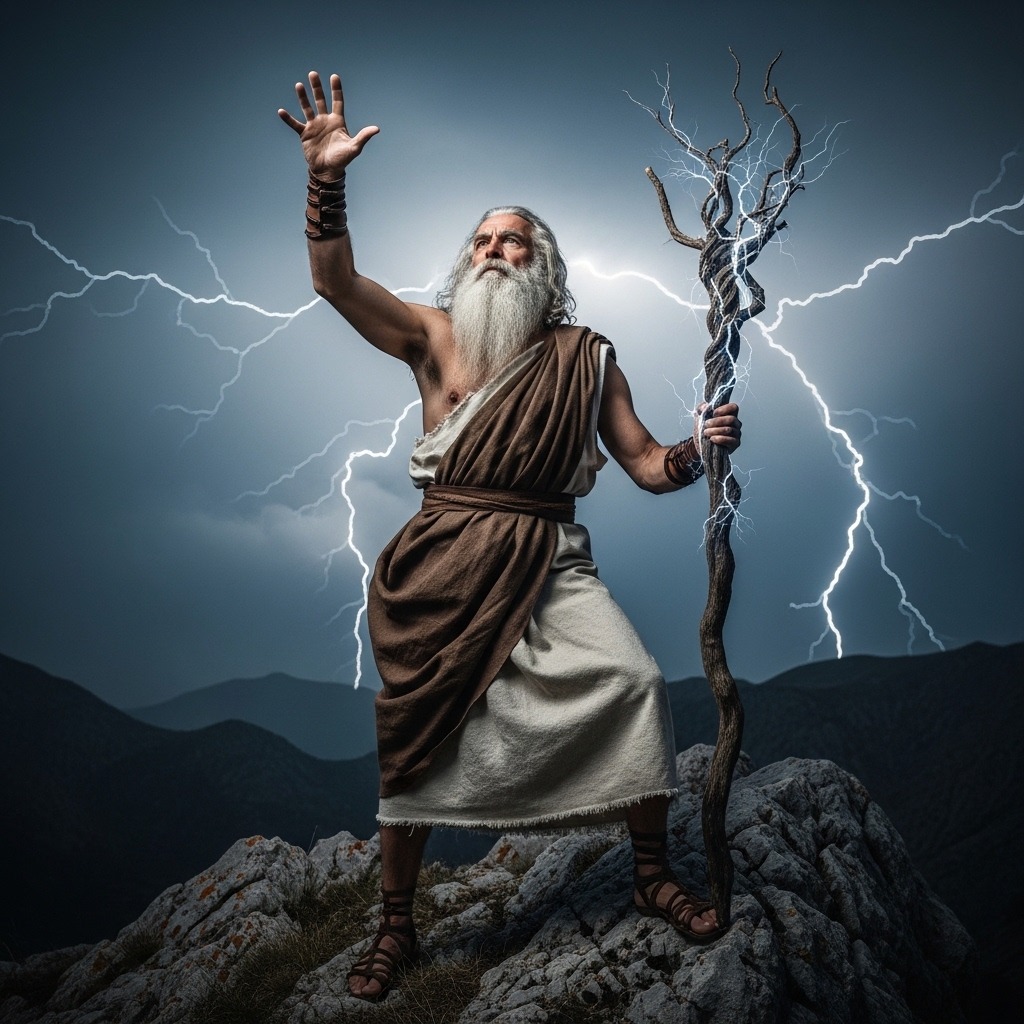
Zeus’s hidden childhood
Born to the Titans Cronus and Rhea, Zeus was destined for greatness. But Cronus had heard a prophecy. One of his children would dethrone him. To prevent this, he swallowed each child at birth. Rhea was heartbroken. She couldn’t bear to lose another child.
- The sixth child: When Zeus was born, Rhea acted quickly. She saved him by hiding him in a cave on Crete.
- The nymphs’ care: Young Zeus was nurtured by nymphs, who kept him safe from Cronus’s gaze.
- The Curetes: Warriors known as the Curetes clashed their weapons to mask his cries. This clever tactic kept him hidden until he was ready to confront his father.
The prophecy surrounding Cronus
Cronus was terrified of the prophecy. His fear drove him to commit terrible acts. By swallowing his children, he thought he could secure his reign. But fate had other plans.
- Rhea’s cunning: Instead of letting Cronus consume Zeus, Rhea wrapped a stone in swaddling clothes. Cronus gulped it down, unknowingly sparing his son.
- A twist of fate: This act of deception set the stage for Zeus to grow strong and prepare for battle.
Rhea’s cunning plan
Rhea’s strategy was a masterclass in cunning. She not only saved Zeus but also ensured the future of the gods.
- The return of Zeus: Once he grew up, Zeus returned to confront Cronus. With the help of Rhea, he forced his father to regurgitate his siblings.
- The Titanomachy: This event sparked the great war between the Olympians and Titans, leading to Zeus’s victory.
Zeus’s birth symbolizes the struggle for power and authority. It shows how cunning and bravery can change the course of history. His early life laid the foundation for his reign as the king of the gods, shaping many myths and stories that followed.
2. The Titanomachy: Zeus’s War Against Cronus
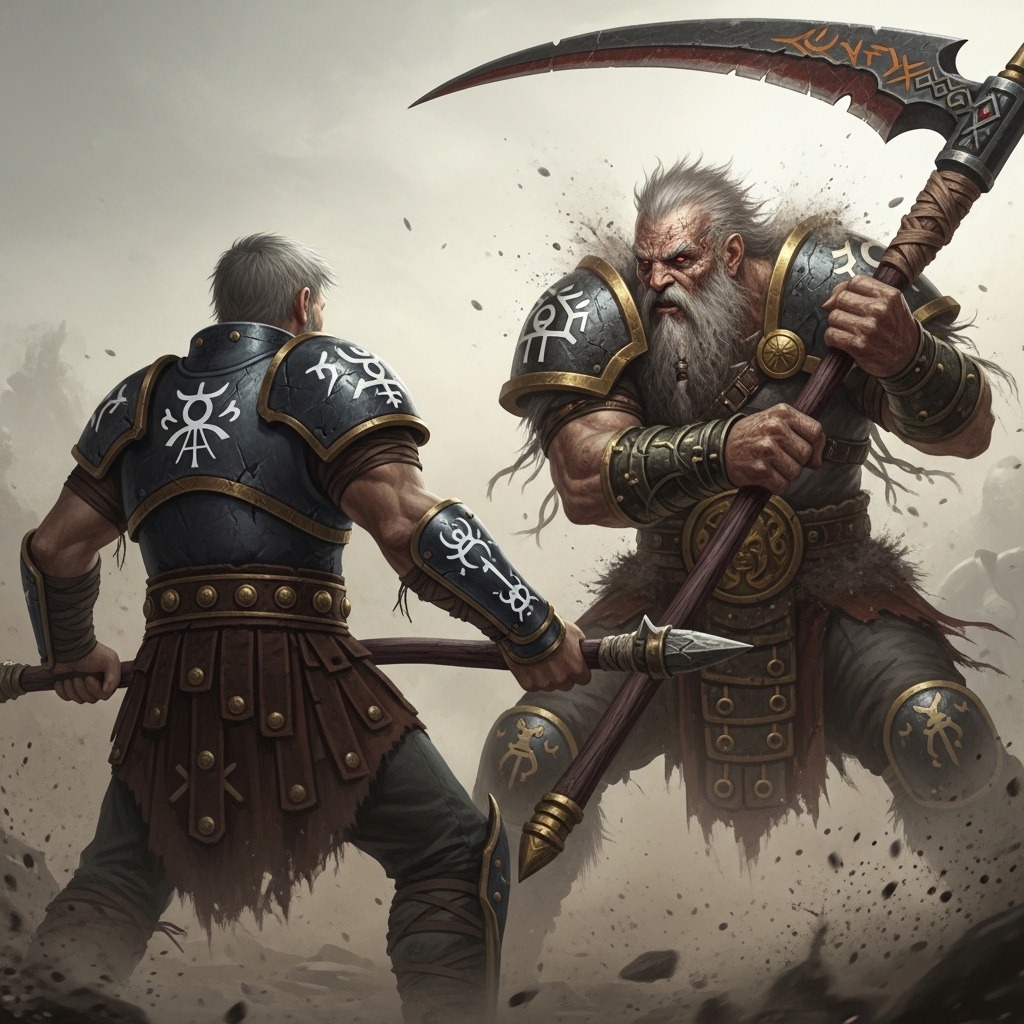
The Titanomachy was a monumental battle between Zeus and the Titans, led by his father, Cronus. This epic conflict shaped the landscape of Greek mythology and established Zeus as the ruler of the gods.
Table of Contents
The role of Gaia and the Cyclopes
Gaia, the personification of Earth, played a crucial role in this war. She advised Zeus to free the Cyclopes and the Hundred-Handed Ones from their prison in Tartarus. These formidable allies brought immense strength to Zeus’s side.
- Cyclopes: Known for their single eye, they forged Zeus’s thunderbolt.
- Hundred-Handed Ones: With their numerous arms, they hurled boulders at the Titans.
This alliance turned the tide in favor of the Olympians, showcasing the importance of strategic partnerships in battle.
The ten-year struggle
The Titanomachy lasted a grueling ten years. It was a clash of epic proportions, filled with fierce battles and shifting allegiances. Zeus and his siblings, Hades and Poseidon, fought valiantly against Cronus and the Titans.
- Key strategies:
- Surprise attacks: Zeus often used stealth and cunning to outmaneuver the Titans.
- Alliances: Forming bonds with other deities and creatures gave Zeus the upper hand.
The war highlighted the significance of teamwork and strategy in achieving victory. Each battle was hard-fought, with both sides suffering heavy losses.
Aftermath of the Titanomachy
After their victory, Zeus and his brothers divided the realms of the universe. Zeus became the ruler of the sky, Poseidon took the oceans, and Hades ruled the underworld. This division structured the hierarchy of Greek mythology.
- Impact on mythology:
- The Titanomachy established the Olympians as the new gods.
- It set the stage for future myths and stories involving Zeus and his descendants.
Zeus’s triumph over the Titans not only marked a pivotal moment in mythological history but also represented the triumph of order over chaos. This war remains a defining story that illustrates Zeus’s rise to power and his role as the king of the gods.
3. Zeus and the Birth of Athena
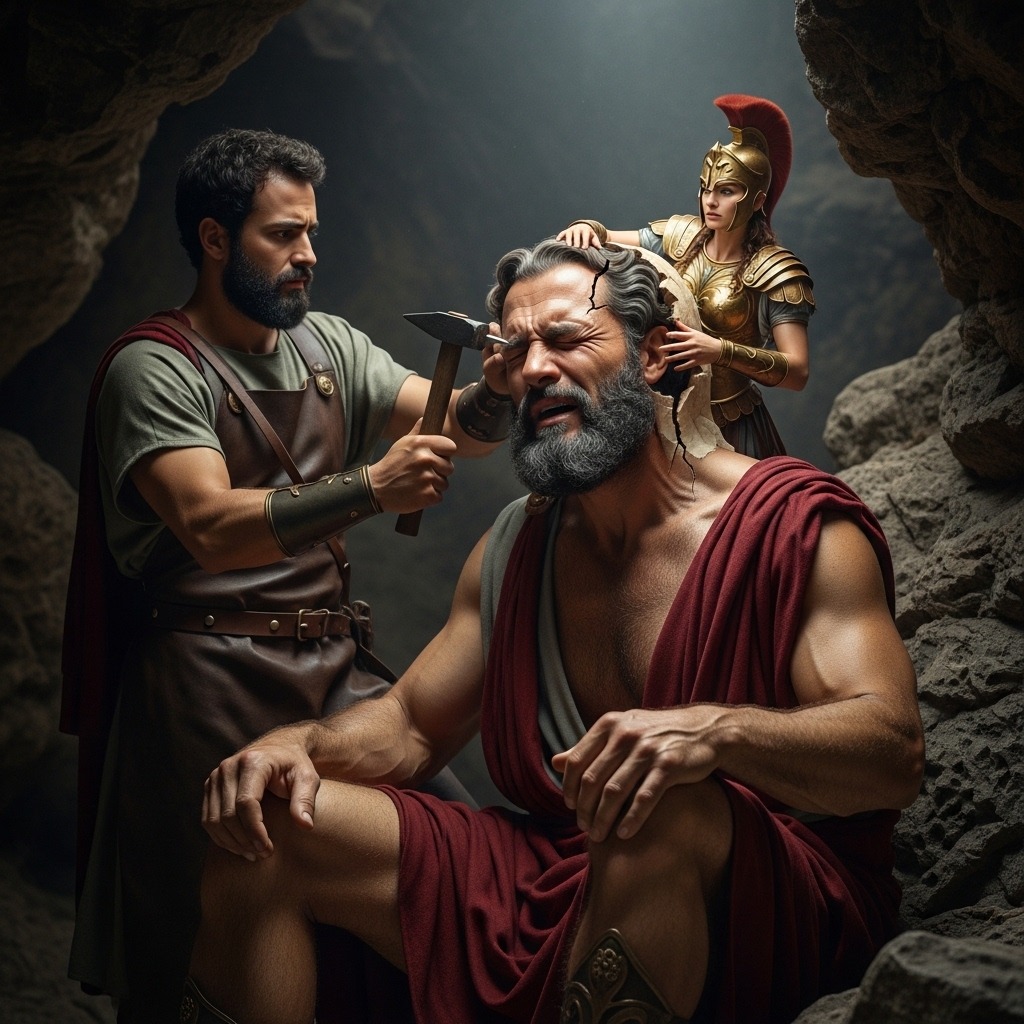
One of the most fascinating myths involving Zeus is the story of Athena’s birth. It’s a tale that highlights wisdom, strategy, and the unique nature of Athena as a goddess.
Metis and the Prophecy
Zeus’s relationship with Metis, the goddess of wisdom, is crucial. A prophecy warned that any child born from Metis would be more powerful than their father. To avoid this potential threat, Zeus swallowed Metis while she was pregnant. This act was both protective and strategic.
Athena as a Warrior Goddess
Athena emerged fully grown and armored from Zeus’s forehead. This dramatic birth symbolizes her role as a warrior goddess and protector of cities. Unlike other gods, Athena embodies wisdom in battle, strategy, and skill. Her birth illustrates the idea that true power comes from intellect rather than brute strength.
Cultural Interpretations of Athena’s Birth
The birth of Athena reflects deeper themes in Greek mythology. It emphasizes the importance of wisdom and tactical thinking in leadership. Athena’s emergence from Zeus’s head rather than a traditional birth signifies her unique position in the pantheon.
- Wisdom and Warfare: Athena represents the balance of intellect and combat.
- Patron of Cities: She was revered in Athens, which was named after her.
- Symbol of Strategy: Her birth showcases the notion that the best leaders think before they act.
This myth not only highlights Athena’s significance but also reinforces Zeus’s role as a father of powerful and unique deities. Athena’s birth adds depth to the understanding of Zeus’s lineage and the values he represents in Greek mythology.
4. Zeus and the Trojan War
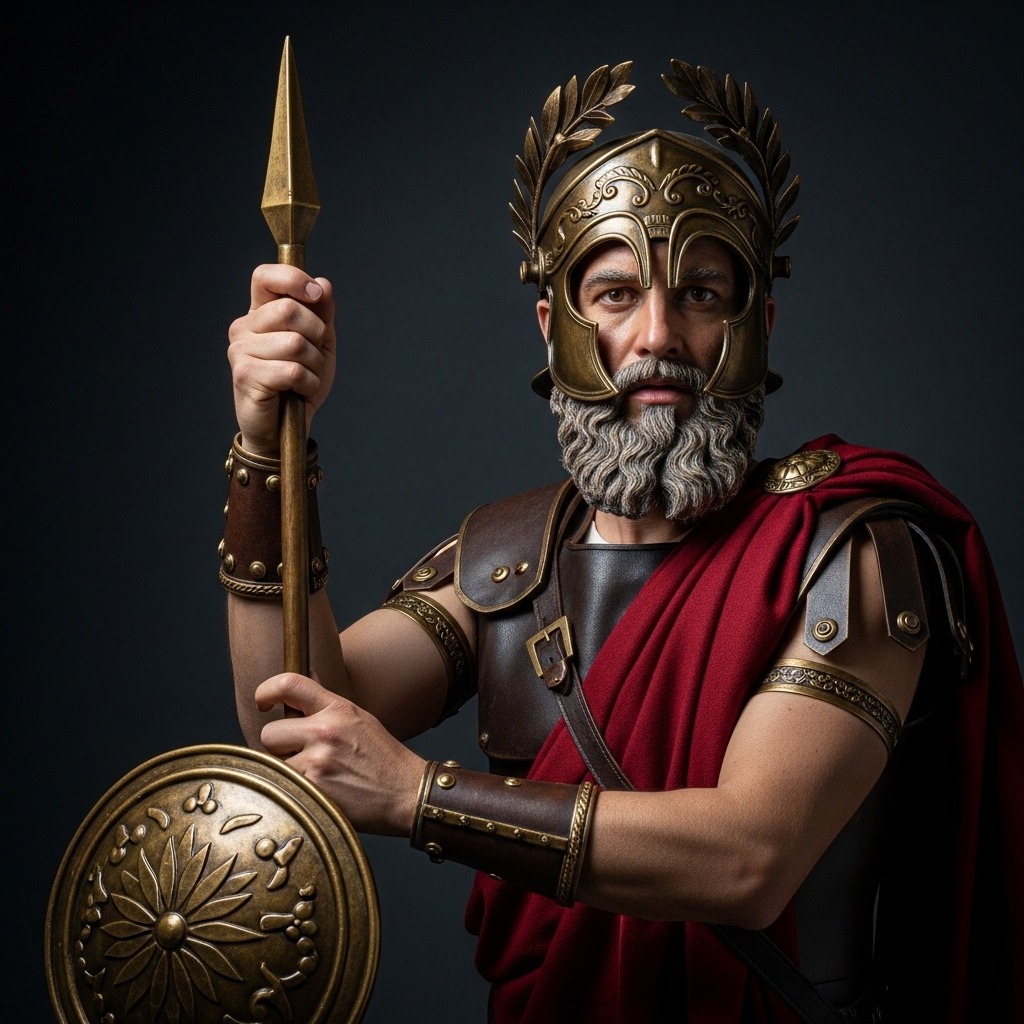
Zeus played a crucial role during the Trojan War. His decisions influenced the fate of both gods and mortals. The complexity of his actions reflects the moral dilemmas that come with leadership.
The cause of the war
The Trojan War began over a beauty contest among the goddesses. Paris, prince of Troy, chose Aphrodite as the fairest. In return, she promised him the love of the most beautiful mortal, Helen. Helen was already married to Menelaus, king of Sparta. This sparked a massive conflict that drew in many heroes and gods.
Zeus’s neutrality and interventions
At first, Zeus tried to remain neutral. He didn’t want to take sides in the war. However, he couldn’t resist intervening when it suited him. For instance, he influenced the battle’s outcomes by sending omens and dreams to key players.
- Example: Zeus sent a dream to Agamemnon, urging him to attack Troy. This set off a chain of events leading to many battles.
- Conflict of Loyalties: Zeus had children on both sides. His son, Hector, fought for Troy, while Achilles stood with the Greeks. This made his position even trickier.
Impact of the gods on the war’s outcome
The gods actively participated in the war, often swaying battles in favor of their favorites. Zeus’s decisions shaped the course of events significantly.
- Divine Favor: Gods like Hera and Athena supported the Greeks, while Aphrodite backed the Trojans. Their interventions often turned the tide in critical moments.
- Moral Complexity: Zeus’s ability to dictate outcomes highlights the moral ambiguity of divine leadership. He had to balance his personal connections with the greater good.
Zeus’s actions during the Trojan War showcase the challenges of leadership, especially when loyalties clash. His divine involvement illustrates how intertwined fate and personal relationships can be, even among the gods.
5. The Story of Perseus and Medusa
The tale of Perseus is one of the most famous myths in Greek mythology. As the son of Zeus, his story showcases the protective role Zeus played in his life. Let’s dive into how this epic quest unfolded.
The oracle’s prophecy
Perseus’s journey began with a chilling prophecy. King Acrisius of Argos feared his grandson would kill him. To prevent this, he locked his daughter, Danae, away. But Zeus had other plans. He transformed into a shower of gold and visited Danae. This divine intervention led to the birth of Perseus.
- Key players:
- Zeus: Father of Perseus
- Danae: Mother of Perseus
- King Acrisius: Grandfather who feared the prophecy
Zeus’s aid to Perseus
As Perseus grew, he faced daunting challenges. His most famous task? Defeating Medusa, a Gorgon whose gaze turned men to stone. Zeus equipped Perseus with powerful gifts for this mission. He provided him with a reflective shield, a sharp sword, and a pair of winged sandals.
- Divine tools:
- Reflective shield: Helped Perseus avoid Medusa’s deadly gaze.
- Sharp sword: Essential for the battle.
- Winged sandals: Allowed him to fly.
Cultural significance of the Medusa myth
The story of Perseus and Medusa goes beyond mere adventure. It illustrates themes of heroism and divine assistance. Perseus’s victory over Medusa symbolizes courage and the triumph of good over evil.
- Heroic themes:
- Overcoming fear: Perseus faces a terrifying foe.
- Divine support: Zeus’s gifts demonstrate the importance of help from the gods.
This myth remains influential, inspiring countless adaptations in literature and art. Perseus’s journey is not just about slaying a monster; it’s a testament to the bond between father and son, exemplifying how divine influence shapes human destiny.
6. Zeus and Io: A Tale of Transformation
The story of Io is one of love, jealousy, and transformation. Zeus, the king of the gods, fell for the beautiful mortal priestess, Io. His desire led to a series of dramatic events that highlight the complexities of divine relationships and the symbolism of transformation in mythology.
The love story of Zeus and Io
Zeus was captivated by Io. To hide their affair from his jealous wife, Hera, he took drastic measures. He transformed Io into a white heifer. This change served two purposes: it protected Io from Hera’s wrath and allowed Zeus to keep her close.
- Io’s struggles: As a cow, Io faced numerous challenges. Hera, suspicious of Zeus’s motives, sent a gadfly to torment her. Io wandered the earth, suffering and longing for her human form.
- The search for freedom: Eventually, Io’s journey led her to Egypt, where Zeus finally restored her to human shape. They had a child named Epaphus, symbolizing hope and new beginnings.
The impact of Hera’s jealousy
Hera’s jealousy played a crucial role in Io’s story. Her anger not only drove Zeus to transform Io but also resulted in many hardships for the mortal.
- Divine punishment: Hera’s actions show how jealousy can lead to suffering, even among gods. Her relentless pursuit of revenge highlights a common theme in mythology: the consequences of unchecked emotions.
- Transformation as a shield: Zeus’s transformation of Io illustrates how gods often use their powers to manipulate situations. It raises questions about consent and the nature of love in the divine realm.
Symbolism of transformation
Transformation is a recurring theme in Greek mythology. In Io’s case, her change into a heifer symbolizes the loss of autonomy and the struggle for identity.
- Metaphorical significance: Io’s transformation reflects broader themes of change and adaptation. It emphasizes how external circumstances can alter one’s identity.
- Cultural interpretations: This myth resonates today, inspiring discussions about personal growth and resilience. Io’s journey reminds us that change, though often painful, can lead to new opportunities.
In essence, the tale of Zeus and Io is more than just a love story. It weaves together themes of jealousy, transformation, and the complex nature of relationships, making it a lasting part of Greek mythology.
7. Zeus and the Cattle of Helios
The myth of Zeus and Helios revolves around the sacred cattle of the sun god. It showcases themes of divine authority, respect, and the consequences of defying the gods.
The warning of Helios
Helios, the sun god, had a herd of sacred cattle on the island of Thrinacia. These cattle were not just ordinary animals; they were revered and protected by divine law. Before Odysseus and his crew reached the island, Helios warned them not to touch his cattle. He made it clear that harming them would bring dire consequences. Yet, tempted by hunger and their recent victories, Odysseus’ men ignored this warning.
Zeus’s punishment of mortals
When Helios discovered that the crew had killed and feasted on his sacred cattle, he was furious. He went straight to Zeus and demanded justice. In response, Zeus unleashed his wrath. He struck Odysseus’s ship with a thunderbolt, destroying it and sending the crew to their watery graves. Only Odysseus survived, a reminder of the heavy price for disobedience.
Lessons on respect for the divine
This myth teaches us powerful lessons about respecting divine authority.
- Sacredness matters: Helios’s cattle symbolize the importance of honoring what is sacred.
- Consequences exist: Ignoring divine warnings can lead to disastrous outcomes.
- Divine justice: Zeus, as the king of the gods, enforces the rules and punishes those who stray.
The tale underscores the need for humility and reverence toward the divine. In a world where humans often act out of greed or desperation, the myth of Zeus and Helios serves as a timeless reminder to respect boundaries set by higher powers.
8. Zeus and the Flood: The Story of Deucalion
In this myth, Zeus decides to cleanse the Earth of humanity’s wickedness. He sends a great flood, reminiscent of the Noah’s Ark story. Deucalion and his wife Pyrrha survive and play a crucial role in rebuilding humanity.
The wickedness of humankind
The world had become a chaotic place. People were selfish and immoral. Zeus couldn’t ignore their wickedness any longer. He decided it was time for a reset. This reflects a theme in many myths: divine retribution for human misdeeds.
- Divine judgment: Zeus saw the corruption and chose to act.
- Moral lessons: The flood teaches that actions have consequences.
Deucalion’s survival
Deucalion, the son of Prometheus, was warned about the flood. He built a sturdy chest to survive the impending disaster. When the rains came, he and his wife Pyrrha floated safely above the rising waters.
- Preparation: Deucalion’s foresight saved him.
- Divine favor: Unlike many, they were chosen to survive.
The rebirth of humanity
After the floodwaters receded, Deucalion and Pyrrha were left on a desolate Earth. They prayed to the gods for guidance. Following the advice of an oracle, they threw stones over their shoulders. To their surprise, the stones transformed into people.
- New beginnings: This act symbolizes renewal and hope.
- Cultural significance: The myth highlights themes of rebirth and second chances.
The story of Deucalion and the flood serves as a powerful reminder of Zeus’s role as the enforcer of cosmic order. It reflects on the importance of morality and the consequences of human actions, echoing through generations in various cultures.
9. Zeus and the Lovers: His Affairs with Mortals
Zeus was notorious for his many affairs with mortal women. These escapades reveal much about his character and the values of ancient Greek society.
Famous affairs and offspring
Zeus had a long list of lovers, each story adding to his complex persona. Here are some of the most notable:
- Leda: Zeus transformed into a swan to seduce her, resulting in the birth of Helen of Troy.
- Europa: He took the form of a bull and whisked her away to Crete, where she bore him three sons.
- Danaë: Zeus visited her in the form of golden rain, leading to the birth of Perseus, a legendary hero.
- Semele: After seducing her, he revealed his true form, which caused her demise. He saved their unborn child, Dionysus, by placing him in his thigh until birth.
These affairs illustrate Zeus’s power and the often tragic outcomes for the women involved. His lovers weren’t just victims; they often played crucial roles in the myths that followed.
Hera’s reactions
Hera, Zeus’s wife, had a tumultuous relationship with him. Her jealousy was fierce and led to dramatic confrontations. For instance:
- Io: When Zeus turned Io into a heifer to hide her from Hera, the goddess sent a gadfly to torment the girl, highlighting Hera’s wrath.
- Callisto: Another of Zeus’s lovers, she was transformed into a bear by Hera, illustrating the destructive nature of jealousy.
Hera’s reactions reflect societal views on fidelity and the consequences of infidelity. They show how women were often caught in the crossfire of male desires.
Cultural reflections on infidelity
Zeus’s affairs paint a picture of ancient Greek values. They highlight themes of power, desire, and the roles of women. These myths suggest that:
- Power dynamics: Zeus’s ability to seduce and manipulate reflects societal hierarchies.
- Female agency: While many of his lovers faced dire fates, some, like Athena, emerged as powerful figures, challenging traditional narratives.
The stories of Zeus and his lovers resonate with modern interpretations of relationships and fidelity. They serve as reminders of the complexities of love, power, and the consequences of betrayal.
10. Zeus and the Punishment of Prometheus
The myth of Prometheus showcases Zeus’s role as the enforcer of divine law. When Prometheus stole fire for humanity, he faced severe consequences. This story dives deep into themes of justice and rebellion.
The gift of fire
Prometheus, a Titan, was known for his cleverness. He saw humanity struggling without fire. So, he decided to give them this precious gift. Fire symbolized knowledge, progress, and civilization. It was a turning point for humans, allowing them to cook, stay warm, and create tools.
Zeus’s punishment
Zeus was furious. He viewed Prometheus’s act as a challenge to divine authority. To punish him, Zeus chained Prometheus to a rock. Every day, an eagle would come and eat his liver. Each night, the liver would regenerate, ensuring Prometheus endured this torment endlessly. This punishment highlights Zeus’s strict enforcement of cosmic order and the consequences of defiance.
Themes of justice and rebellion
Prometheus’s story illustrates the clash between divine authority and individual rebellion.
- Justice: Zeus’s actions reflect his role as the ultimate judge. He believed that punishing Prometheus was necessary to maintain order among gods and humans.
- Rebellion: Prometheus symbolizes the fight against oppression. His defiance speaks to the human spirit’s desire for freedom and knowledge.
This myth resonates even today. It raises questions about the limits of authority and the cost of pushing back against it. In many ways, Prometheus remains a hero for those who challenge the status quo.
11. The Legacy of Zeus in Modern Culture
Zeus isn’t just a figure from ancient mythology. His stories and character continue to shape modern culture in fascinating ways. Let’s take a look at how Zeus has influenced literature, art, and our everyday lives.
Zeus in literature and film
Zeus appears in countless books, movies, and TV shows. He often embodies power and authority. For instance, in the “Percy Jackson” series, Zeus plays a crucial role as a god who must balance his responsibilities with the chaos caused by demigods. This modern portrayal keeps his spirit alive while introducing him to new audiences.
Other adaptations, like the “Clash of the Titans,” showcase Zeus’s might and his conflicts with other gods and mortals. These narratives explore timeless themes like leadership and the burden of power.
Artistic depictions through the ages
Artists throughout history have captured Zeus in various forms. From ancient sculptures to Renaissance paintings, his image has evolved.
- Sculptures: The statue of Zeus at Olympia was one of the Seven Wonders of the Ancient World. It depicted him sitting majestically, showcasing his power.
- Paintings: Artists like Rubens and Michelangelo illustrated Zeus in dramatic scenes, often highlighting his interactions with other gods and humans.
- Modern Art: Contemporary artists also reinterpret Zeus, using him to comment on societal issues like authority and morality.
These artistic representations help us understand how Zeus’s character has been viewed over time.
The relevance of Zeus today
Zeus remains a symbol of authority and complexity. His stories resonate in discussions about leadership and power dynamics.
- Cultural Festivals: Events like Greek festivals celebrate his legacy, reminding us of his importance in mythology.
- Modern Interpretations: Zeus’s character inspires discussions in literature and media about what it means to wield power responsibly.
As we navigate our world, Zeus’s myths encourage us to reflect on leadership and its consequences. His legacy isn’t just about ancient tales; it’s about understanding human nature and the forces that shape our lives.
12. Comparative Analysis: Zeus in Different Mythologies
Zeus isn’t just a big deal in Greek mythology. His influence stretches far and wide, especially in Roman culture, where he’s known as Jupiter. Let’s explore how these two powerful gods compare and the universal themes they represent.
Zeus vs. Jupiter
- Origins: Both Zeus and Jupiter share similar origins as sky gods. They’re seen as rulers and protectors.
- Attributes: Zeus is often depicted as a bearded man wielding a thunderbolt. Jupiter is portrayed similarly but sometimes with a more regal flair.
- Mythological Roles: They both lead their respective pantheons—Zeus with the Olympians and Jupiter with the Dii Consentes (the twelve major Roman gods).
- Symbolism: Both are symbols of authority and justice, overseeing the moral conduct of humans.
The Common Traits of Sky Gods
Sky gods across cultures often share several traits:
- Control Over Weather: They command storms, lightning, and rain, symbolizing their power over nature.
- Justice and Order: These gods enforce laws and maintain cosmic order, reflecting societal values.
- Protector of the Weak: They often act as guardians of the oppressed and the wronged.
Cultural Relevance and Adaptations
Zeus and Jupiter have significantly influenced literature, art, and modern media. Here’s how:
- Literature: Their stories appear in countless books and films, often as symbols of power and conflict.
- Art: Many artworks depict them in grand settings, emphasizing their authority.
- Modern Interpretation: Today, their tales are reimagined, highlighting themes of leadership, morality, and the struggle between good and evil.
Understanding Zeus and his counterparts helps us appreciate the shared human experiences reflected in mythology. Their stories remind us of the timeless questions about power, justice, and our place in the universe.
13. Final Thoughts: The Enduring Legacy of Zeus
Zeus is a fascinating figure in Greek mythology. His stories reveal not just his power but also his human-like flaws. Let’s dive into his complexities and lasting impact.
The Complexity of Divine Characters
Zeus isn’t just a simple god. He embodies many traits, from authority to vulnerability. He often faced challenges, both from other gods and mortals. This duality makes him relatable.
- Power and Justice: Zeus is the ruler of the Olympians. He strives to maintain order among gods and humans. His thunderbolt symbolizes his power to enforce justice.
- Flaws and Failings: His numerous love affairs often led to chaos. This human-like behavior shows that even gods aren’t perfect. It adds depth to his character.
Zeus’s Role in Shaping Mythology
Zeus plays a central role in many myths. His actions shape the destinies of gods and heroes alike.
- Father of Many: He fathered numerous deities and heroes, like Hercules and Athena. Each of these figures carries part of his legacy into their own stories.
- Conflict with Titans: The Titanomachy highlights his role in overthrowing the Titans. This epic battle established the Olympians as the ruling pantheon.
The Future of Zeus in Storytelling
Zeus remains a popular character in modern storytelling. His influence stretches across cultures and media.
- Adaptations: Movies, books, and even video games reinterpret his tales. They often explore themes of power, morality, and conflict.
- Cultural Significance: Festivals honoring Zeus, like the Olympic Games, show his lasting impact. They remind us of the values he represents: strength, honor, and justice.
Zeus’s multifaceted nature and enduring legacy continue to inspire. His stories teach us about the complexities of power and the human experience.
Frequently Asked Questions
These quick answers cover the most common questions about this topic, including key details, practical tips, and common concerns.
What are some of the most famous myths about Zeus?
Zeus features in many well-known myths, including his birth story, how he overthrew Cronus, and his numerous romantic escapades. Notable myths include his victory in the Titanomachy, the birth of Athena from his head, and his affair with mortal women like Leda and Europa. These stories highlight his power, cunning, and complex relationships with gods and mortals.
How did Zeus become king of the gods?
Zeus became king after leading the Olympians to victory in the Titanomachy, a ten-year war against the Titans led by Cronus. He freed his siblings from Cronus’s stomach, defeated the Titans, and divided the universe with his brothers. Zeus took control of the sky and became the supreme ruler of the gods due to his leadership and strength during this epic conflict.
Why is Zeus considered the king of the gods?
Zeus is regarded as the king because he rules over Mount Olympus and presides over the heavens. His authority is reinforced by his role in major myths, such as the Titanomachy and his position as the father of many gods and heroes. His thunderbolt symbolizes his power to enforce justice and maintain order among gods and humans.
When was Zeus worshipped, and what were some key rituals?
Zeus was worshipped throughout ancient Greece, especially in cities like Olympia, where the Olympic Games honored him. Major rituals included sacrifices, athletic competitions, and festivals like the Olympic Games, which celebrated his strength and authority. Worship practices often involved offerings of animals and prayers for justice and protection.
What are common misconceptions about Zeus?
A common misconception is that Zeus was solely a god of power and violence. In reality, he also represented justice, law, and order. Another misconception is that he had only a few lovers; in fact, he fathered many children with both gods and mortals. Additionally, some believe there are exactly 12 Olympian gods, but the number can vary depending on sources.
How does Zeus compare to other sky gods like Hades and Poseidon?
Zeus rules the sky and is the king of the gods, while Poseidon governs the sea and Hades rules the underworld. Zeus is associated with thunder and lightning, Hades with the dead and the underworld, and Poseidon with storms and earthquakes. They are brothers, each controlling different realms, but Zeus holds the highest authority among them.
Are there alternative myths about the origins of Zeus?
Some myths suggest Zeus’s origins differ slightly. For example, in some stories, he is born from the union of Cronus and Rhea, while others imply he was hidden or raised secretly to escape Cronus’s prophecy. Some traditions emphasize his divine parentage from the Titans, while others highlight his role as a son of Chronos and Rhea, with variations across different regions and sources.