
The Greek gods wielded powerful weapons that influenced both their myths and the world around them. From Zeus’s thunderbolt to Poseidon’s trident, these weapons not only served as tools of power but also embodied the characteristics and domains of their wielders.
1. Zeus’s Thunderbolt: The Ultimate Symbol of Power
Zeus’s thunderbolt is more than just a weapon. It’s a powerful symbol of authority, justice, and divine retribution. Crafted by the Cyclopes, this iconic weapon has shaped many myths and tales in Greek mythology.
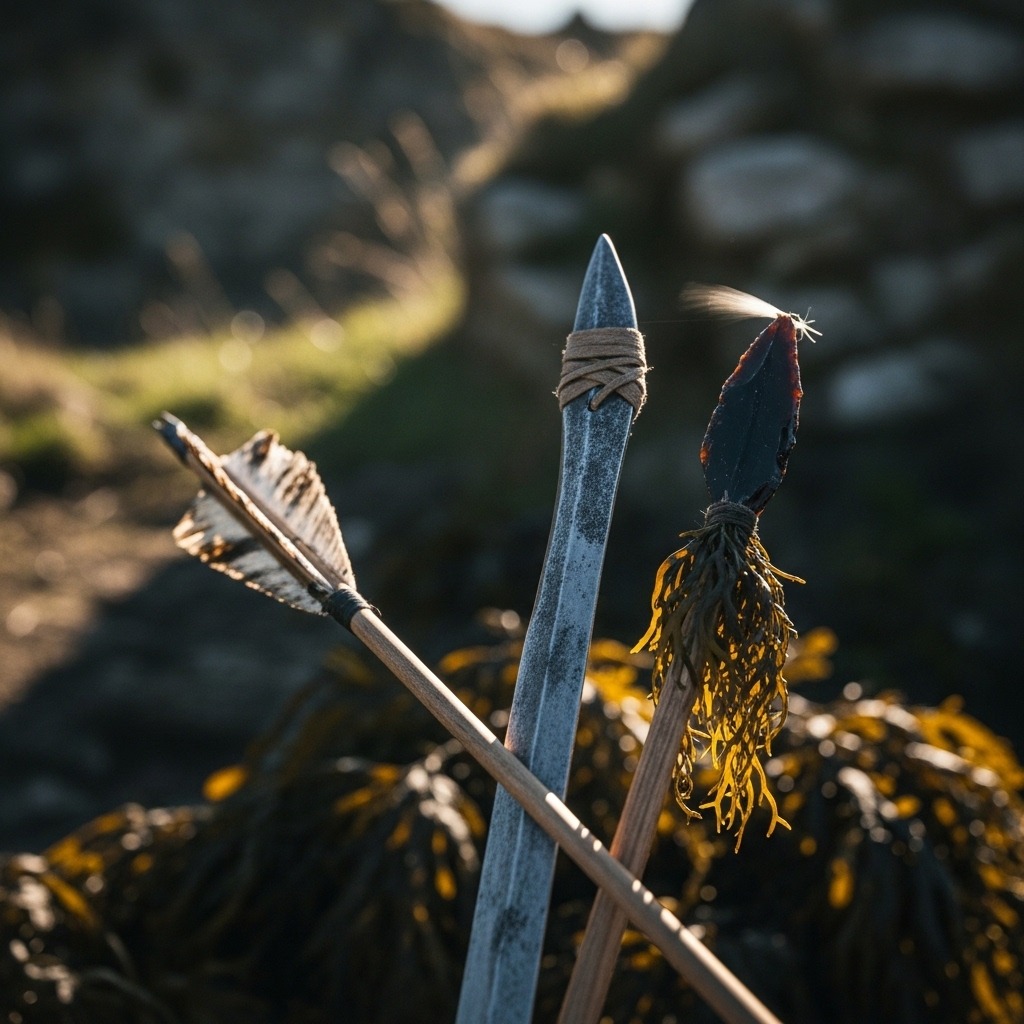
Creation by the Cyclopes
The Cyclopes, one-eyed giants and master craftsmen, forged Zeus’s thunderbolt in their fiery workshops. This creation marked a turning point for Zeus. It transformed him from a challenger of the Titans into the ruler of Olympus. The thunderbolt wasn’t just a weapon; it embodied Zeus’s supreme power.
Symbol of Justice and Order
Zeus’s thunderbolt served as a tool for maintaining order in both the divine and mortal realms. It represented his role as the guardian of justice. When individuals or societies broke oaths or committed injustices, Zeus would unleash his thunderbolt as a form of divine punishment. This made it a constant reminder of his authority.
- Key Symbolism:
- Justice: Used to enforce moral order.
- Power: A symbol of divine authority.
- Retribution: A tool for punishing wrongdoings.
Key Mythological Events Involving the Thunderbolt
Several critical myths highlight the thunderbolt’s importance:
- Titanomachy: During the war against the Titans, Zeus used the thunderbolt to defeat powerful foes, showcasing its overwhelming strength.
- The Judgment of Paris: In this tale, the thunderbolt symbolizes divine favor, as Zeus’s decisions shape mortal destinies.
- The Destruction of the Giants: Zeus hurled his thunderbolt to eliminate threats to Olympus, demonstrating his protective nature over the pantheon.
In each of these events, the thunderbolt played a pivotal role, reinforcing Zeus’s position as the ultimate authority among the gods. It’s not just a weapon; it’s a key player in the drama of Greek mythology.
2. Poseidon’s Trident: Master of the Seas
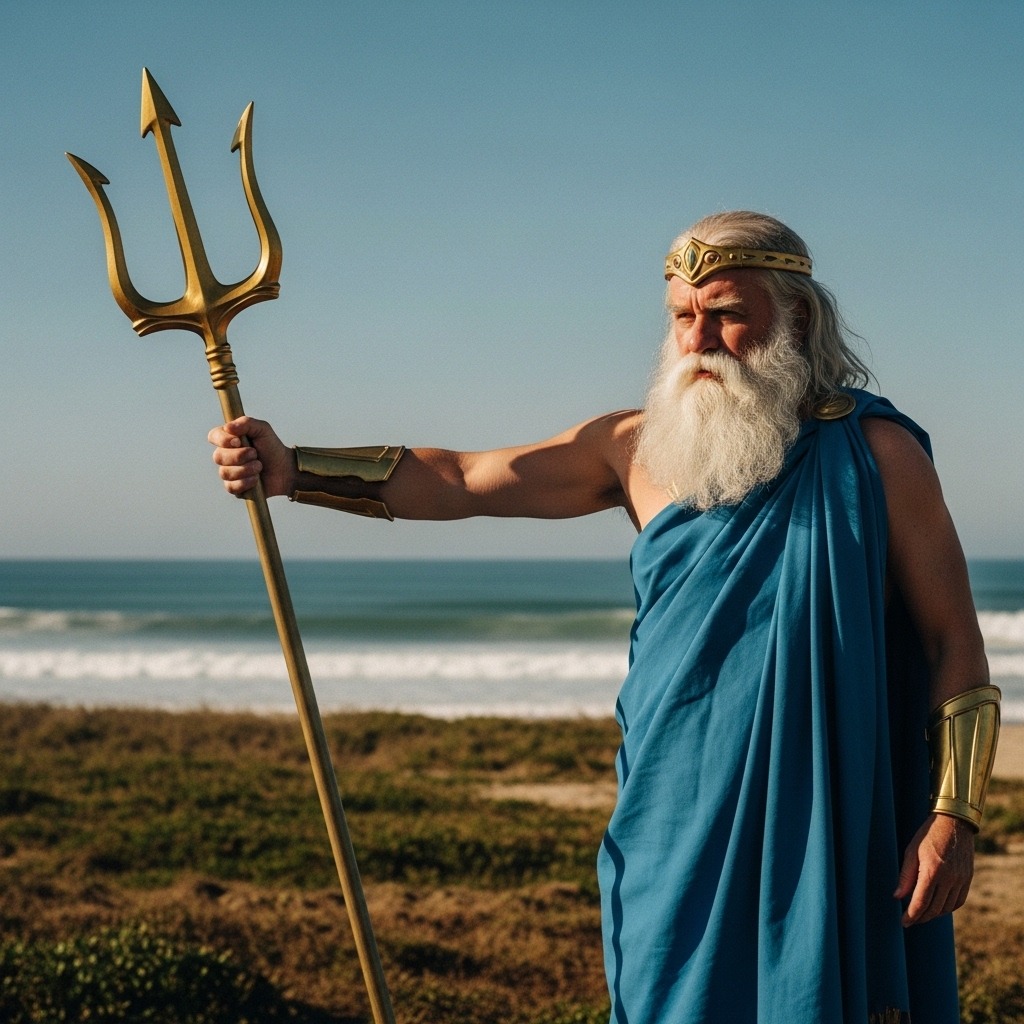
Poseidon’s trident is one of the most iconic weapons in Greek mythology. It symbolizes his control over the oceans and natural forces. Created by the skilled god Hephaestus, this weapon is more than just a tool; it’s a key player in many myths.
Forged by Hephaestus
Hephaestus, the god of fire and craftsmanship, fashioned Poseidon’s trident with help from the Cyclopes. This divine weapon was not just expertly made; it was infused with immense power. The trident has three prongs, each symbolizing a different domain of Poseidon’s control: seas, earthquakes, and horses.
- Creation Process:
- Crafted by Hephaestus and the Cyclopes.
- Represents Poseidon’s authority over multiple realms.
- A fusion of divine skill and elemental power.
Influence on Oceanic Events
Poseidon’s trident was crucial in shaping the natural world. By striking it on the ground, Poseidon could summon water or unleash devastating storms. This power made him both a benefactor and a destroyer, reflecting the unpredictable nature of the sea.
- Key Functions:
- Water Summoning: Created rivers and springs.
- Storm Control: Calmed or created tempests.
- Earthquake Generation: Caused seismic events with a single strike.
Mythological Battles Involving Poseidon
Throughout Greek mythology, Poseidon wielded his trident in various battles, showcasing its might. One famous tale is his contest with Athena for Athens. When he lost, he used his trident to create a saltwater spring, demonstrating both his creative and destructive capabilities.
- Notable Myths:
- Contest for Athens: Poseidon vs. Athena.
- The Trojan War: Used his trident to aid and hinder.
- The Creation of Islands: Shaped lands and coastlines with his weapon.
Poseidon’s trident is a powerful symbol of his dominion over the seas. Its influence extends beyond mere weaponry; it embodies the dual nature of the ocean itself—capable of both giving life and bringing destruction.
3. Hades’s Helm of Darkness: The Power of Invisibility
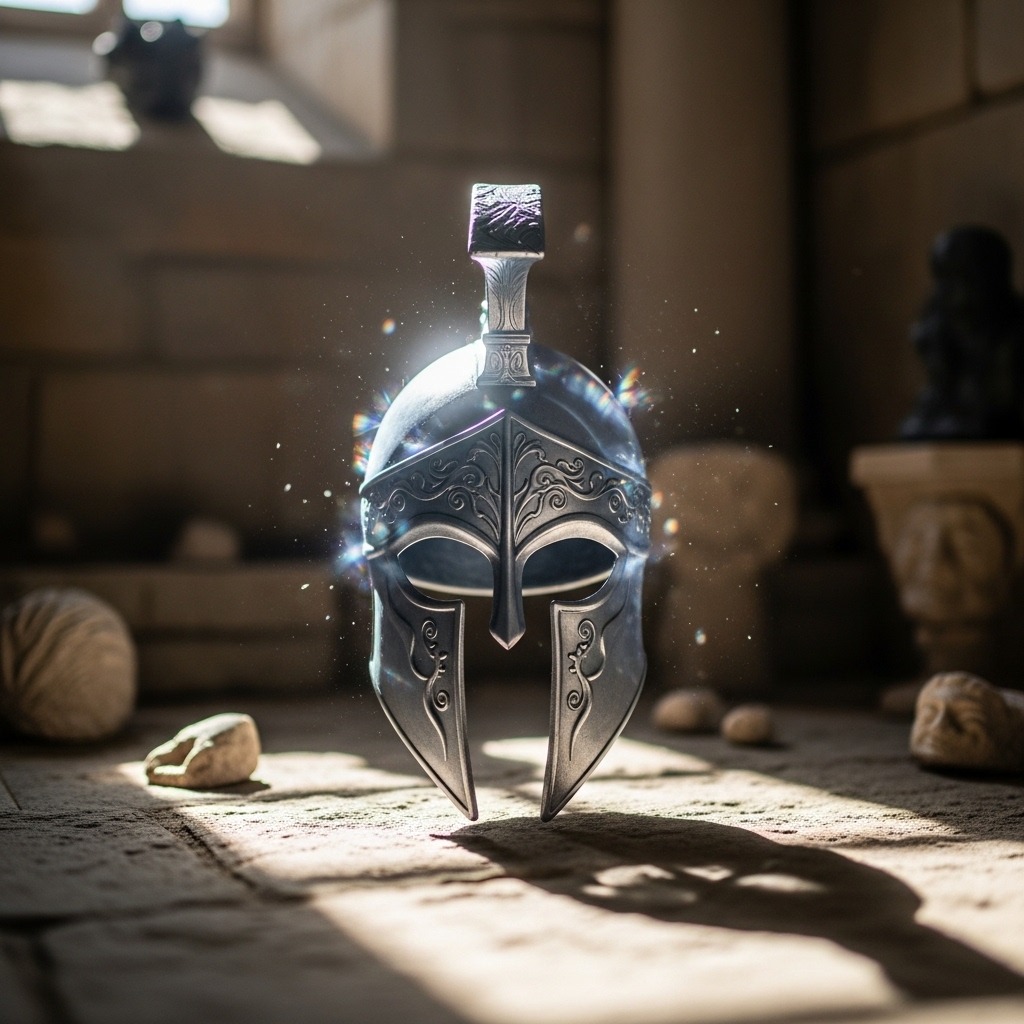
Hades’s Helm of Darkness, also known as the Cap of Invisibility, is one of the most fascinating weapons in Greek mythology. This helmet grants its wearer the power to become invisible, allowing them to move unseen through the realms of the living and the dead.
Craftsmanship and Magical Properties
Hades’s Helm was crafted by Hephaestus, the god of blacksmiths and craftsmen. Like many divine weapons, it possesses unique magical properties.
- Material: Made from the shadows of the Underworld.
- Functionality: Grants complete invisibility to the wearer.
- Symbol of Authority: Represents Hades’s dominion over the dead.
This helm isn’t just a tool; it’s a masterpiece of divine craftsmanship.
Role in Mythological Tales
The Helm of Darkness plays a crucial role in several myths. Its invisibility power allows Hades to navigate the Underworld freely.
- Persephone’s Abduction: Hades used the helm to keep his approach hidden when he took Persephone to the Underworld.
- The Titanomachy: During the war between the Titans and the Olympians, Hades used the helm to strategize and evade detection.
In these stories, the helm serves as a narrative device, emphasizing Hades’s cleverness and the mysteries of the afterlife.
Symbolism of Darkness and Invisibility
The Helm of Darkness symbolizes more than just stealth; it represents the deeper themes of death and the unknown.
- Mystery: Just as the helm conceals its wearer, death remains a mystery to the living.
- Control: It signifies Hades’s control over life and death, allowing him to dictate who crosses into his realm.
In mythology, the helm acts as a powerful reminder of the thin veil between life and death, highlighting the importance of Hades’s role in the Greek pantheon.
4. The Aegis: Shield of Protection and Authority
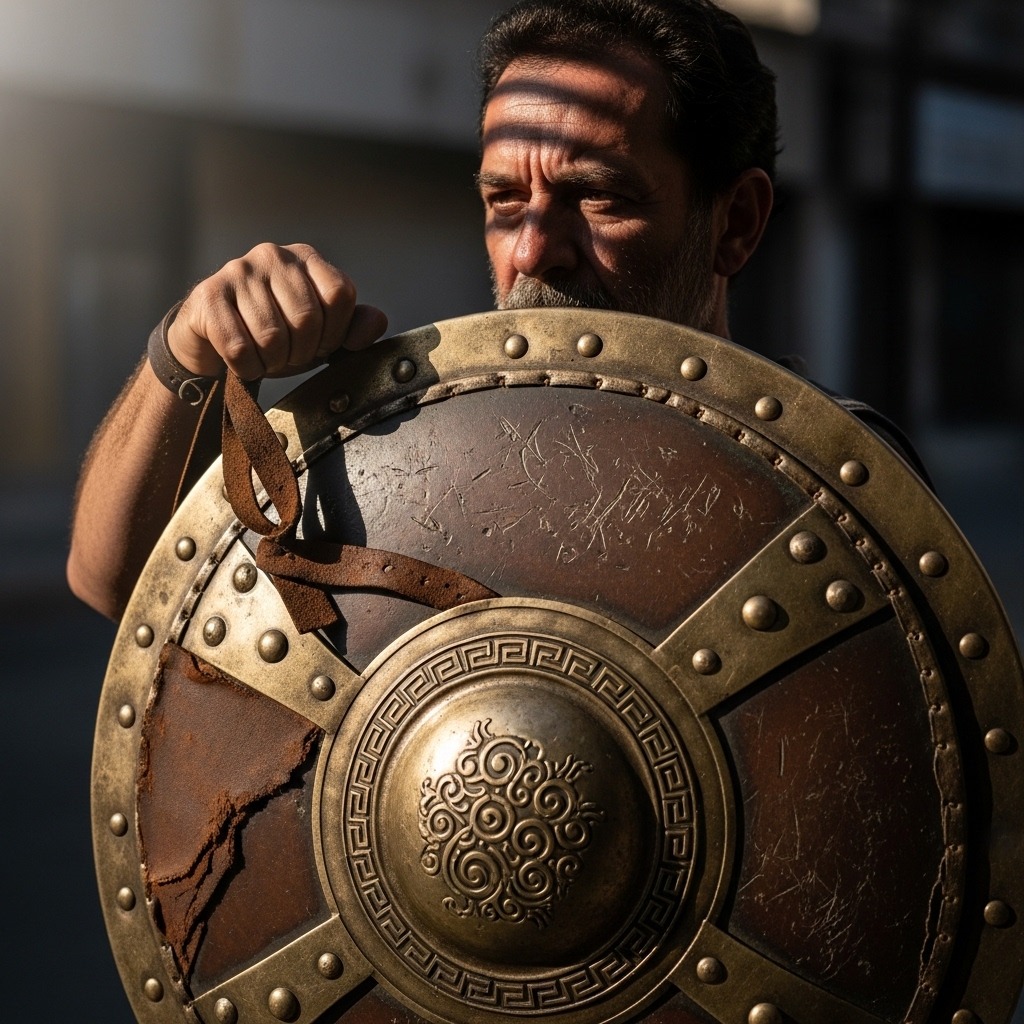
The Aegis is one of the most significant weapons in Greek mythology. Often associated with Zeus and Athena, it symbolizes divine protection and authority.
Creation and Design
The Aegis is often described as a shield or protective garment. In some stories, it features the head of Medusa, which can turn enemies to stone. This design not only enhances its protective qualities but also adds a layer of fear to the enemies of its wielder.
- Materials: Crafted from divine materials, the Aegis is said to be unbreakable.
- Appearance: It’s depicted as a shield with intricate designs, often glowing with divine light.
Mythological References
The Aegis appears frequently in various myths.
- Zeus: When worn by Zeus, it represents his supreme power and authority over the gods and mortals.
- Athena: Wielded by Athena, it reflects her wisdom and strategic prowess in battle. She uses it to protect heroes like Perseus.
In battles, the Aegis acts as a powerful deterrent. Enemies would think twice before facing off against the one who bore it.
The Aegis’s Role in Divine Authority
The Aegis does more than protect; it embodies authority.
- Symbol of Leadership: When used by Zeus, it reinforces his role as the king of the gods. It signifies his control over the cosmos.
- Divine Intervention: The Aegis often intervenes in mortal affairs, ensuring justice and order.
In ancient Greece, the Aegis was not just a weapon but a cultural symbol. It represented the values of protection, power, and divine right. The stories surrounding the Aegis evolved over time, reflecting changing beliefs about authority and protection in society.
Understanding the Aegis helps us appreciate its significance in Greek mythology. It’s a prime example of how weapons were more than mere tools; they were extensions of the gods’ identities and powers.
5. The Bow of Apollo: A Tool of Life and Death
Apollo’s bow is a powerful symbol in Greek mythology. It represents duality—both healing and destruction. This divine weapon shows how Apollo balances his roles as a god of music, prophecy, and medicine.
Crafted by Hephaestus
Apollo’s bow was crafted by Hephaestus, the god of blacksmiths. He fashioned it from the finest materials. Its golden sheen and silver arrows were not just for show; they held immense power. The bow enabled Apollo to strike down foes with precision and grace.
- Materials: Gold and silver.
- Creator: Hephaestus, known for his skill in forging divine weapons.
- Function: Kills or heals, depending on the intent of the shot.
Symbol of Duality in Mythology
The bow embodies the dual nature of Apollo. On one hand, it can bring disease and destruction. On the other, it can heal and save lives. This duality makes the bow essential to many myths.
Examples of Duality:
- Healing: Apollo used his bow to heal the sick and predict the future.
- Destruction: He shot arrows at the monstrous Python, showcasing his lethal side.
Significant Myths Involving Apollo’s Archery
Apollo’s archery plays a crucial role in various myths. One notable tale is his encounter with the nymph Daphne. Eros shot Apollo with an arrow, making him fall in love with Daphne. In response, he shot her with a different arrow, ensuring she would never love him back.
- Impact: This myth illustrates the emotional consequences of Apollo’s power.
- Lessons: It shows how divine weapons can shape destinies and relationships.
Comparison with Artemis’s Bow
Apollo’s twin sister, Artemis, wields a bow as well, but theirs symbolize different aspects. While Apollo’s bow represents order and civilization, Artemis’s bow embodies wildness and autonomy.
- Apollo’s Bow: Symbolizes healing and the structured world.
- Artemis’s Bow: Represents nature and independence.
This contrast highlights how Greek mythology uses weapons to explore complex themes. Each bow reflects its wielder’s identity and domain, showcasing the rich storytelling of the gods.
6. Medusa’s Head: A Weapon of Fear
Medusa’s head is one of the most iconic weapons in Greek mythology. Used by Perseus, it serves both as a terrifying weapon and a powerful symbol. Let’s dive into its origins, powers, and how it was wielded in battle.
Origins and Powers
Medusa was once a beautiful maiden, cursed by Athena. Her hair turned into snakes, and her gaze became lethal, turning anyone who looked at her to stone. This transformation made her head a formidable weapon, even after her death. Perseus received Medusa’s head as a trophy after slaying her. He used it strategically in battle, wielding it as a tool of fear.
- Cursed Beauty: Medusa’s transformation into a monster symbolizes the dangers of unchecked desire and jealousy.
- Petrifying Gaze: The power to petrify was not just offensive; it protected Perseus from threats.
Myths Surrounding Medusa
The stories surrounding Medusa are rich and varied. Perseus used her head as a weapon against enemies. After he beheaded her, he placed her head on Athena’s Aegis, enhancing its power. This combination made the Aegis a protective shield, capable of instilling fear.
- Symbol of Protection: The Aegis, with Medusa’s head, became a shield for Athena, symbolizing wisdom and strategy in battle.
- Fear Factor: Enemies who faced the Aegis were not just battling a shield; they were confronting the fear of Medusa herself.
Use as a Protective and Offensive Tool
Medusa’s head functioned on both fronts—offensive and defensive. By showing her head, Perseus could turn foes to stone. At the same time, it served as a protective talisman, deterring attacks. This duality makes it unique among mythological weapons.
- Tactical Advantage: Perseus cleverly used the head to protect himself while he fought, showing strategic prowess.
- Cultural Significance: In ancient Greece, Medusa’s head symbolized fear and power. It was often depicted in art and architecture, signifying protection against evil.
Medusa’s head remains a captivating part of Greek mythology. It embodies fear, transformation, and the complexity of power dynamics among the gods and heroes.
7. Hephaestus’s Hammer: The Forge of the Gods
Hephaestus’s hammer is more than just a tool; it’s a symbol of divine craftsmanship. This mighty weapon represents the heart of creation in Greek mythology. With it, Hephaestus forged some of the most iconic weapons for the gods.
Craftsmanship and Divine Energy
Hephaestus, the Olympian blacksmith, used his hammer to shape raw materials into powerful artifacts. His workshop, located deep within volcanic mountains, was fueled by divine energy. Here’s what made his hammer special:
- Symbol of Creation: The hammer represents the transformative power of craftsmanship.
- Forging Techniques: He used fire and magic to create weapons that were not only functional but also imbued with divine qualities.
- Unique Materials: He worked with rare metals and enchanted stones, making each weapon unique.
Key Creations Attributed to Hephaestus
Hephaestus’s hammer helped him create several legendary weapons, each with its own story and significance. Here are a few notable creations:
- Zeus’s Thunderbolt: A fearsome weapon that symbolizes ultimate power.
- Aegis: The protective shield of Zeus, often described as invincible.
- Achilles’ Armor: Crafted for the hero, it made him nearly invulnerable in battle.
Myths Highlighting the Role of the Hammer
Numerous myths showcase the hammer’s impact on both gods and mortals. One famous tale involves the creation of the thunderbolt. The Cyclopes, aided by Hephaestus, crafted it during the Titanomachy. This weapon played a crucial role in defeating the Titans, illustrating the hammer’s significance in shaping mythology.
- Divine Intervention: Hephaestus’s hammer was often a catalyst for change, altering the fates of gods and heroes alike.
- Cultural Legacy: The hammer symbolizes the importance of craftsmanship in Greek culture, reflecting the value placed on skilled labor and creativity.
Hephaestus’s hammer isn’t just a tool; it’s a key player in the stories of the Greek gods. Through it, we see the blend of art, power, and mythology come to life.
8. Eros’s Bow: The Power of Love and Desire
Eros’s bow is more than just a weapon; it’s a symbol of love and desire. This magical bow can transform emotions and change fates, making it a unique addition to the arsenal of Greek mythology’s gods.
Creation and Magical Properties
Eros, the god of love, wields a bow that shoots arrows ignited with passion. Each arrow carries the power to make anyone fall madly in love. The bow itself is said to have been created by the gods, embodying the essence of love’s unpredictability.
- Bow Material: Crafted from divine wood, possibly from the sacred trees of Olympus.
- Arrow Effects: Each arrow can instill intense feelings of love or desire in its target.
Cultural Significance in Love Myths
Eros’s bow plays a critical role in many love myths. It symbolizes the complexities and often chaotic nature of love. This bow reminds us that love can be both beautiful and painful.
- Impact on Relationships: The arrows create connections, but they can also lead to heartache. For example, Eros shot Apollo, causing him to fall deeply in love with Daphne. This love story highlights the duality of Eros’s power.
- Symbol of Passion: Eros’s bow represents not just romantic love but also desire and longing, making it a crucial element in many myths about relationships.
Key Myths Involving Eros’s Arrows
Eros’s arrows have sparked numerous tales throughout Greek mythology. These stories often illustrate the unpredictability of love and its consequences.
- Eros and Psyche: Eros fell in love with Psyche and used his arrows to navigate their complicated romance. The trials they faced reflect the struggles of love.
- Apollo and Daphne: Eros shot Apollo, making him infatuated with Daphne, who desired to remain free. This tale shows how love can lead to unexpected outcomes.
Eros’s bow encapsulates the essence of love’s power in Greek mythology. It serves as a reminder that while love can be enchanting, it also carries the weight of desire and heartache.
Frequently Asked Questions
These quick answers cover the most common questions about this topic, including key details, practical tips, and common concerns.
13 Important Weapons of the Greek Gods: What Are They?
The key weapons include Zeus’s thunderbolt, Poseidon’s trident, Hades’s Helm of Darkness, Athena’s Aegis, Apollo’s bow, Medusa’s head, Hephaestus’s hammer, and Eros’s bow. These divine weapons symbolize their domains, powers, and personalities in Greek mythology.
What are the Greek gods’ weapons?
Greek gods wielded various divine weapons that represented their authority and powers. Notable examples include Zeus’s thunderbolt, Poseidon’s trident, Hades’s Helm of Darkness, Athena’s Aegis shield, and Apollo’s bow. Many were crafted by gods like Hephaestus or the Cyclopes and held symbolic meaning.
When were these weapons used in myths?
Many of these weapons appeared during major mythological events, such as battles, divine judgments, or hero quests. For example, Zeus’s thunderbolt was used during the Titanomachy, and Perseus used Medusa’s head to defeat enemies. Their use often marked pivotal moments in myths, reflecting their divine authority.
Why are these weapons significant?
These weapons symbolize the core attributes of their owners—power, justice, wisdom, or love. They also embody the gods’ domains, like the sea, sky, or underworld. Their significance lies in their mythological roles and the cultural values they represent, such as authority, protection, or chaos.
How do these weapons reflect the personalities of their owners?
Each weapon reflects the god’s personality and domain. Zeus’s thunderbolt shows his authority and retribution; Poseidon’s trident highlights his control over the sea; Athena’s Aegis symbolizes wisdom and strategic power. Eros’s bow embodies love’s unpredictable nature, while Medusa’s head reflects fear and transformation.
Are there any cursed weapons in Greek mythology?
Yes, some divine weapons carry curses or dangers. For example, Medusa’s head turns anyone who looks at her to stone, making it a deadly weapon. Similarly, weapons like the Aegis or the thunderbolt can cause destruction if misused, emphasizing the divine power and potential danger.
How do Greek weapons compare to those in other mythologies?
Greek divine weapons often symbolize specific attributes like justice, wisdom, or chaos. Compared to other mythologies, Greek weapons tend to be infused with magic and symbolism rather than just physical power. For example, Odin’s spear Gungnir in Norse mythology also symbolizes authority, similar to Zeus’s thunderbolt.
What are other notable divine weapons not mentioned?
Other Greek divine weapons include Artemis’s bow, used for hunting and protection; the Caduceus of Hermes, a staff symbolizing commerce and negotiation; and lesser-known weapons like the spear of Ares or the bow of Eros. These items also carry significant mythological and symbolic meanings.