
Aphrodite married Hephaestus primarily due to Zeus’s intervention to maintain harmony among the gods. This union, however, was fraught with tension and infidelity, particularly with Ares, the god of war. Understanding the motivations behind this unusual pairing reveals deep insights into Greek mythology.
The Divine Intervention of Zeus: Arranging a Marriage
Zeus played a crucial role in tying the knot between Aphrodite and Hephaestus. His motivations were deeply rooted in the need for balance among the gods. Let’s dive into why he made this surprising choice.
The Significance of Aphrodite’s Beauty
Aphrodite, the goddess of love and beauty, was undeniably alluring. Her beauty could easily spark jealousy and chaos among the other gods. By marrying her off to Hephaestus, Zeus aimed to reduce the potential for discord.
- Beauty and Chaos: Aphrodite’s attractiveness could lead to rivalries among the gods. Zeus wanted to prevent any upheaval that could disrupt the peace on Mount Olympus.
- Strategic Match: Hephaestus, though physically imperfect, was a master craftsman. His skills brought value to the divine realm, making him a worthy match in Zeus’s eyes.
Zeus’s Fear of Chaos Among the Gods
Zeus wasn’t just playing matchmaker. He was also a protector of the cosmic order. He understood that unchecked desire could lead to turmoil.
- Controlling Relationships: By marrying Aphrodite to Hephaestus, Zeus aimed to control her relationships. This would prevent her from becoming a source of conflict.
- Balancing Power: The union also served to balance the power dynamics among the gods. It ensured that beauty and craftsmanship were both recognized and respected.
The Unexpected Choice of Hephaestus
Choosing Hephaestus as Aphrodite’s husband might seem odd at first. He was known for his lameness and less glamorous lifestyle.
- Loyalty and Craftsmanship: Despite his physical flaws, Hephaestus was loyal and incredibly talented. His craftsmanship was unmatched, making him essential to the gods.
- A Unique Union: Their marriage reflected a deeper theme in Greek mythology: love can take many forms. It wasn’t just about physical attraction; loyalty and respect also played significant roles.
Implications of Divine Intervention
Zeus’s decision had lasting implications for the relationships on Olympus. It showcased his ability to manipulate divine affairs for the greater good.
- Cultural Interpretations: Artists and writers have often depicted this union in various ways, from highlighting Hephaestus’s loyalty to exploring Aphrodite’s infidelity with Ares.
- Comparative Analysis: Unlike other mythological couples, Aphrodite and Hephaestus’s relationship emphasizes the complexities of love, loyalty, and betrayal.
Zeus’s strategic thinking not only shaped Aphrodite’s marriage but also influenced the social dynamics within the divine realm.
The Complex Character of Hephaestus: More Than a Smith

Hephaestus is often seen as the underdog of the gods. His background and traits paint a rich picture of a character who defies stereotypes. Understanding him helps us grasp why Aphrodite married him.
The Birth and Rejection of Hephaestus
Hephaestus was born to Hera, and legend says he emerged from her without a father. His mother, disappointed by his physical appearance, cast him out of Olympus. This rejection shaped his identity. He became the god of craftsmanship, but he also carried the weight of his mother’s disdain.
- Physical Appearance: He was not conventionally handsome. His disability made him different, but it also fueled his creativity.
- Resilience: Despite being abandoned, he forged his own path. He created tools and weapons that even the gods admired.
His Skills and Contributions to Olympus
Hephaestus wasn’t just a smith; he was an innovator. His skills made him indispensable to Olympus.
- Craftsmanship: He created stunning weapons, armor, and even the thrones of the gods. His work showcased his talent and dedication.
- Loyalty: He was known for his unwavering loyalty, especially to those who appreciated his work. This trait made him a steady presence in the often-chaotic world of the gods.
Aphrodite’s marriage to Hephaestus reflected a strategic choice. Zeus recognized Hephaestus’s talents and loyalty, seeing them as qualities that could stabilize the relationships among the gods.
Cultural Perceptions of Disability in Mythology
In ancient Greece, physical appearance often dictated worth. Hephaestus challenged this notion. His skills were celebrated, even if his looks were not.
- Craft over Beauty: His craftsmanship earned him respect. This shows that in mythology, ability can transcend societal judgments.
- Symbol of Strength: Hephaestus represents strength in adversity. His story inspires those who feel marginalized.
This nuanced portrayal of Hephaestus highlights why Aphrodite’s marriage to him wasn’t just a matter of divine arrangement. It reflects deeper themes of worth, loyalty, and the complexities of love.
Aphrodite’s Infidelity: The Love Affair with Ares

Aphrodite’s marriage to Hephaestus was complex, especially with her notorious affair with Ares. This betrayal wasn’t just scandalous; it highlighted broader themes of love and fidelity in Greek mythology.
The Nature of Aphrodite’s Love
Aphrodite is often seen as the goddess of love, but her affections were complicated. She was forced into marriage with Hephaestus by Zeus, which set the stage for her longing for Ares, the god of war.
- Compelled Affection: Aphrodite’s feelings for Hephaestus were likely influenced by duty rather than passion.
- Desire for Ares: Ares, being handsome and strong, represented the thrill and desire Aphrodite craved.
This contrast raises questions about the nature of love. Was it true love if it was arranged? Or was her connection with Ares a reflection of her need for excitement?
Consequences of the Affair
Aphrodite’s affair with Ares didn’t come without consequences. Their relationship was exposed, leading to a dramatic scene where Hephaestus trapped the lovers in chains.
- Public Shame: The gods gathered to witness this humiliation, emphasizing that even divine beings face the repercussions of betrayal.
- Infidelity’s Impact: The affair strained relationships among the gods and highlighted the societal norms of loyalty and honor, even in Olympus.
This myth mirrors human experiences, showing that love can be complicated and messy. The consequences of infidelity are universal, reminding us that emotions, regardless of divine status, can lead to turmoil.
Mythological Interpretations of Infidelity
Aphrodite and Ares’ story has inspired various interpretations in art and literature.
- Cultural Representations: Artists often depict their love as passionate yet destructive, showing that infidelity has a price.
- Comparative Analysis: Similar themes appear in other myths, such as the tragic love stories of Orpheus and Eurydice or Paris and Helen, illustrating that betrayal isn’t unique to this couple.
These interpretations reveal how the gods’ infidelity reflects human relationships. They remind us that love, desire, and betrayal are intertwined in both divine and mortal realms.
The Irony of Their Union: Beauty and the Beast

Aphrodite is the goddess of love and beauty. Hephaestus, on the other hand, is often seen as the “ugly” god, known for his craftsmanship. Their marriage is a striking contrast, highlighting deep cultural symbols in Greek mythology.
The Symbolism of Beauty and Craftsmanship
Aphrodite’s beauty is legendary. She embodies desire and allure. In contrast, Hephaestus represents hard work and creativity. This contrast raises questions about societal values.
- Beauty vs. Practicality: Aphrodite’s allure captivates gods and mortals alike. Hephaestus, despite his physical imperfections, creates stunning works of art.
- Cultural Reflections: Their union challenges traditional views on love. It suggests that beauty isn’t everything. Sometimes, true worth lies in character and skill.
How Their Union Challenges Traditional Ideas of Love
Their marriage flips conventional ideas on their heads. Instead of a perfect match based on looks, it shows that love can thrive in unexpected ways.
- Unexpected Partnerships: Aphrodite’s choice of Hephaestus illustrates how love can blossom from respect and admiration. It’s a reminder that attraction isn’t solely about appearance.
- Lessons on Acceptance: The story encourages acceptance of imperfections. It teaches that everyone has value beyond their looks.
Artistic Representations of Their Relationship
Throughout history, artists have explored the dynamic between Aphrodite and Hephaestus. These interpretations often reflect cultural attitudes toward beauty and craftsmanship.
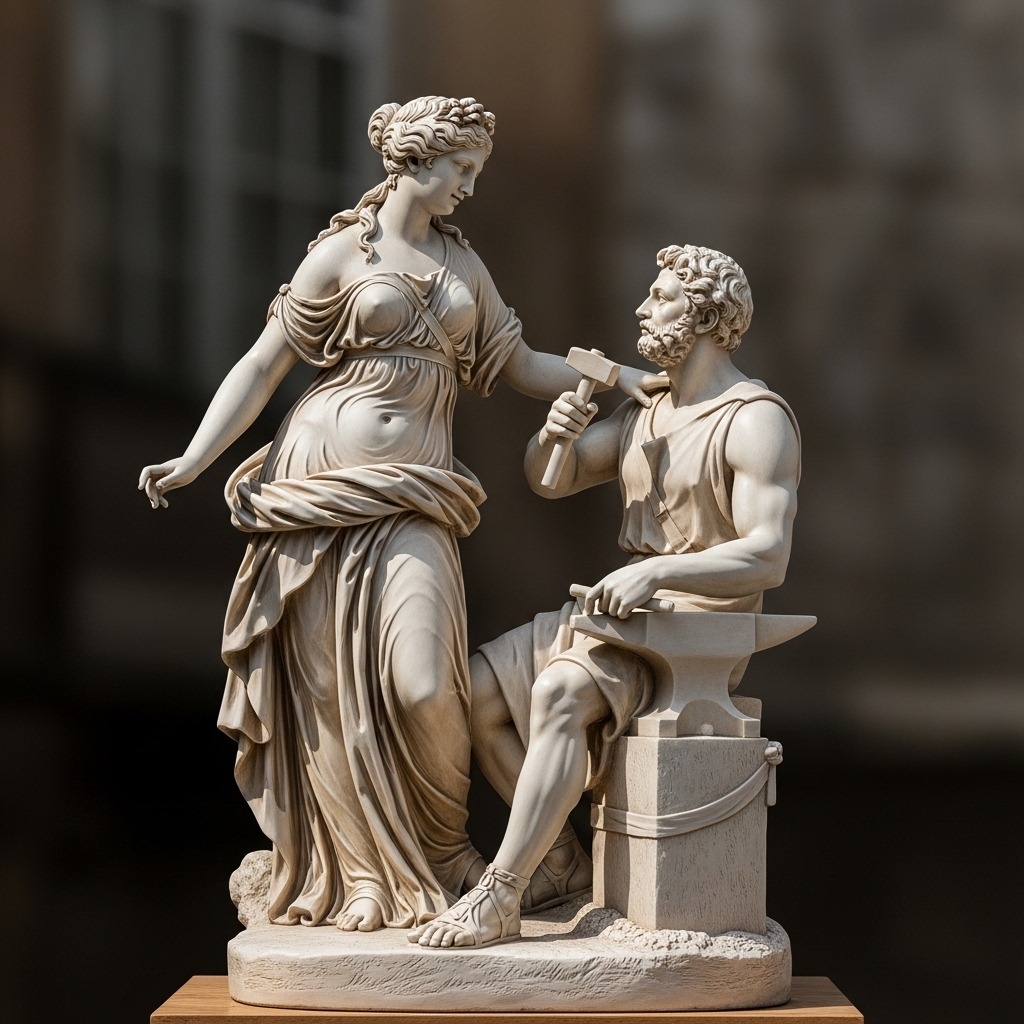
- Artistic Depictions: Many artworks highlight the tension between their contrasting characteristics. For example, paintings often show Hephaestus working in his forge while Aphrodite stands nearby, radiating beauty.
- Literary References: Writers have interpreted their story as a symbol of how love can endure despite societal expectations. Their marriage serves as a metaphor for the balance between beauty and substance.
These cultural interpretations remind us that love can be complex. It can defy expectations and embrace differences.
Conclusion: Lessons from the Marriage of Aphrodite and Hephaestus
The marriage of Aphrodite and Hephaestus offers rich insights into love, betrayal, and the pressures of societal norms. Their story is a blend of beauty and craftsmanship, symbolizing how opposites can coexist in relationships.
What Their Story Teaches Us About Love
1. Contrasting Qualities: Aphrodite’s beauty and Hephaestus’s skill highlight how different attributes can attract. In modern relationships, it’s essential to appreciate what each partner brings to the table.
2. Compromise and Acceptance: Their union was a compromise, showing that love often requires accepting one another’s flaws. It reminds us that finding common ground is crucial.
3. Endurance Through Trials: Despite Aphrodite’s infidelities, Hephaestus remained loyal. This teaches that loyalty can be tested, but love can endure through challenges.
The Impact of Betrayal in Relationships
1. Trust Issues: Aphrodite’s affairs with Ares caused rifts. This reflects how betrayal can strain even the strongest bonds. Trust must be nurtured to maintain a healthy relationship.
2. Power Dynamics: The imbalance in their relationship—Aphrodite’s beauty versus Hephaestus’s craftsmanship—shows how power dynamics can influence love. It’s important to ensure both partners feel valued.
3. Consequences of Infidelity: Their story illustrates that betrayal often leads to emotional pain. It serves as a cautionary tale about the repercussions of straying from commitment.
Cultural Reflections on Divine Marriages
1. Artistic Interpretations: Artists have depicted their relationship in various ways, often emphasizing the tension between beauty and skill. This serves as a metaphor for societal expectations in love.
2. Literary Symbolism: Writers have used their story to explore themes of love and betrayal, reflecting societal norms and personal desires. It encourages us to examine how external pressures shape our relationships.
3. Comparative Analysis: Comparing their marriage to other mythological couples reveals recurring themes of love, loyalty, and betrayal across cultures. Understanding these patterns can provide deeper insights into our own relationships.
Aphrodite and Hephaestus’s marriage is more than just a myth; it’s a lesson in understanding love’s complexities, the impact of betrayal, and how cultural perceptions can shape our views on relationships.
Frequently Asked Questions
These quick answers cover the most common questions about this topic, including key details, practical tips, and common concerns.
Why Did Aphrodite Marry Hephaestus?
Aphrodite married Hephaestus primarily due to Zeus’s strategic intervention to maintain divine order. Zeus wanted to control her relationships and prevent chaos among the gods caused by her beauty and numerous love affairs. Marrying her to Hephaestus, a loyal and skilled craftsman, helped balance the divine realm and reduce potential conflicts.
Why did Aphrodite cheat on Hephaestus?
Aphrodite’s infidelity with Ares stemmed from her natural desires and her marriage being arranged rather than based on love. Ares, the god of war, represented excitement and passion that she sought. Her affair was also a reflection of her complex nature as a goddess of love, often driven by attraction rather than loyalty.
Who did Aphrodite curse for being pretty?
In Greek mythology, Aphrodite is famously associated with cursing or punishing those who were excessively beautiful, such as Psyche before she became her lover. She believed that beauty could lead to jealousy and chaos, and her curses often served as warnings or lessons about vanity and pride.
Why is it ironic that Hephaestus is Aphrodite’s husband?
It is ironic because Aphrodite is the goddess of beauty and love, while Hephaestus is known for his craftsmanship and physical imperfections. Their marriage symbolizes the union of beauty and skill, but also highlights societal values that sometimes prioritize appearance over substance. Their relationship challenges the idea that love is solely based on physical attraction.
What was the worst thing Aphrodite did?
One of the most notorious acts attributed to Aphrodite is her affair with Ares, which led to public humiliation for Hephaestus. This betrayal caused tension among the gods and demonstrated her tendency to follow her desires despite her marriage vows. It also resulted in the gods mocking her infidelity.
How does Aphrodite’s marriage to Hephaestus compare with other divine unions?
Unlike many divine marriages that are based on love or political alliances, Aphrodite’s marriage was arranged for stability. It was marked by infidelity and tension, contrasting with unions like Zeus and Hera, which often involved political power. Their relationship highlights the complexities of divine relationships, including betrayal and loyalty.
What themes of love and betrayal are present in their story?
Their myth explores themes such as the conflict between physical attraction and loyalty, the complexity of love, and the consequences of betrayal. Aphrodite’s infidelity with Ares exemplifies the tumultuous nature of desire, while Hephaestus’s loyalty shows resilience. The story reflects the imperfect, often contradictory nature of love.
When did Aphrodite and Hephaestus get married?
According to myth, their marriage was arranged by Zeus, but the exact timing is not specified. It is generally believed to have taken place early in Greek mythology, serving as a divine political alliance rather than a romantic union. The marriage was more about maintaining divine harmony than mutual affection.