
Cerberus, the three-headed dog of Greek mythology, is a fascinating creature associated with the Underworld. This article presents 12 intriguing facts about Cerberus, including his origins, family ties, and the myths surrounding him.
1. Cerberus: The Guardian of the Underworld
Cerberus plays a crucial role in Greek mythology as the fierce guardian of Hades. His primary job? Preventing the dead from escaping the Underworld. Let’s dig a bit deeper into his fascinating role.
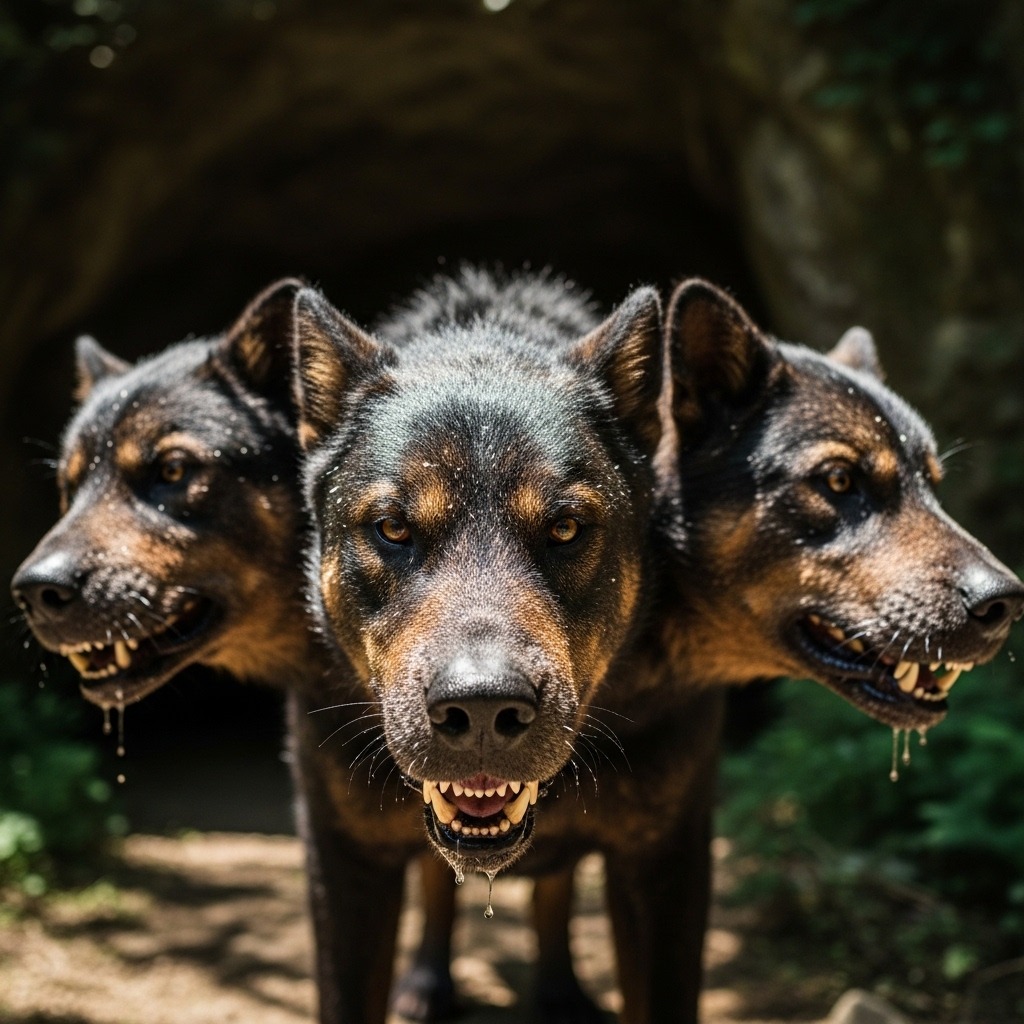
Cerberus’s Primary Role in Greek Mythology
Cerberus is often depicted as a monstrous creature with three heads. Each head serves a purpose: one head watches the entrance, another keeps an eye on the dead, and the third is always ready to attack. He’s not just a guard; he’s a symbol of the boundary between life and death.
Connection to the Underworld
Cerberus is the offspring of Echidna and Typhon, two powerful figures in mythology. This lineage adds to his fearsome reputation. In the Underworld, he ensures that souls don’t wander off. Anyone trying to escape is met with a ferocious growl and a snapping jaw. His presence reinforces the idea that death is final.
The Perception of Cerberus in Ancient Texts
Various ancient texts describe Cerberus in different ways. Some say he has multiple tails, often depicted as snakes. Others highlight his fierce temperament. For instance, in the tales of Heracles, Cerberus is captured as part of his final labor, showcasing both the beast’s power and the hero’s strength.
Here are some key points about Cerberus’s characteristics:
- Three Heads: Each head has its own personality—watchful, protective, and aggressive.
- Serpent Tail: His tail resembles a snake, adding to his intimidating appearance.
- Guardian Role: He ensures that the dead remain in the Underworld, embodying the finality of death.
Understanding Cerberus gives us insight into ancient Greek beliefs about the afterlife. He represents the idea that death is not to be taken lightly.
Table of Contents
2. Etymology of Cerberus: Origins of the Name
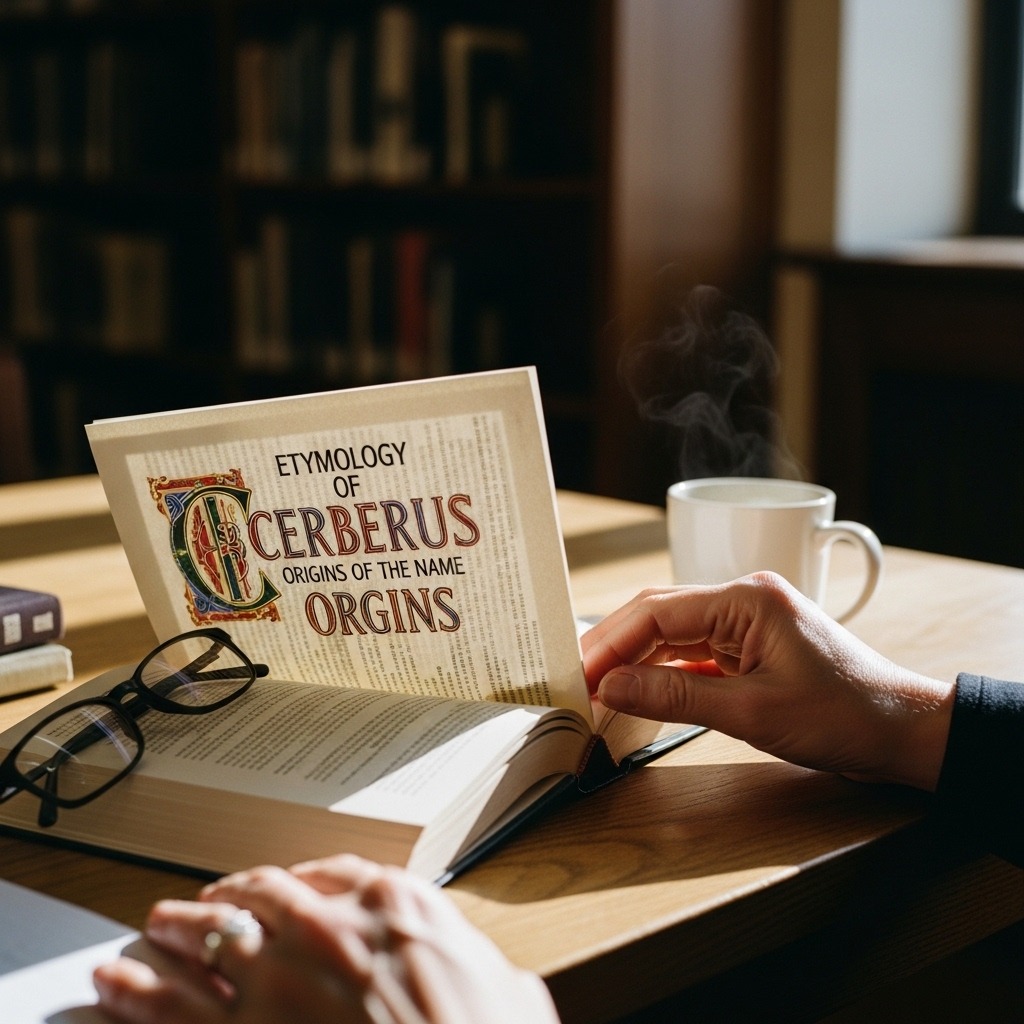
The name ‘Cerberus’ has a murky history. Its origins are debated among scholars. Let’s dive into the possible roots and what they might mean.
Possible Greek and Indo-European roots
- Indo-European Connections: Some suggest the name may derive from a Proto-Indo-European root k̑érberos, which implies “spotted” or “black.” This could relate to Cerberus’s dark, fearsome appearance.
- Sanskrit Links: Others connect it to the Sanskrit word सर्वरा (sarvarā), an epithet for a dog linked to Yama, the god of death. This highlights Cerberus’s role as a guardian of the Underworld.
Cultural interpretations of the name
- Various Meanings: Over time, interpretations of Cerberus have shifted. To some, he embodies the finality of death. To others, he represents a bridge between the living and the dead.
- Literary Context: Ancient texts often referred to Cerberus with different attributes. For instance, in some stories, he’s depicted simply as a fierce dog, while in others, he’s a multi-headed beast with snake-like features.
Comparison with other mythological hounds
- Garmr: In Norse mythology, Garmr shares similarities with Cerberus. Both are fierce guardians of the underworld, emphasizing the archetype of dogs as protectors in various cultures.
- Other Hounds: Creatures like the Chimera and the Hydra also feature in myths, but they differ from Cerberus’s specific role as a guardian. Cerberus stands out with his unique combination of traits—three heads and a snake tail.
Understanding Cerberus’s name gives depth to his character. It shows how intertwined mythology and language can be.
3. Physical Descriptions: The Many Faces of Cerberus
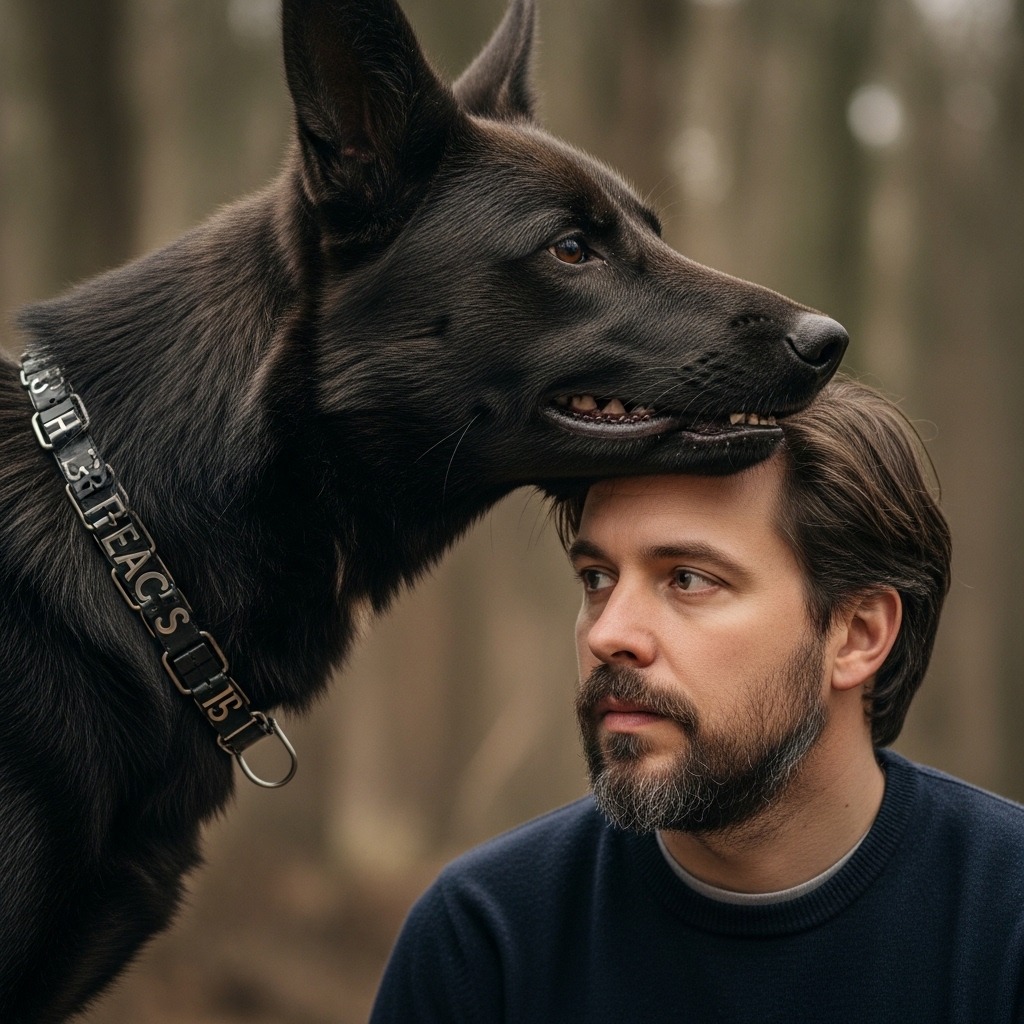
Cerberus, the fearsome guardian of the Underworld, has a variety of descriptions across ancient texts and artworks. Let’s break down the many faces of this mythological creature.
Cerberus’s Heads: How Many Does He Have?
Cerberus is most famously known for having three heads. This three-headed depiction is consistent in many ancient texts, including works by Apollodorus and Homer. However, some sources offer different versions:
- One Hundred Heads: Pindar mentions a Cerberus with a whopping one hundred heads, showcasing the variability in his imagery.
- Single Head: In some early art, Cerberus is depicted with just one head, highlighting the evolution of his character over time.
Features Like Serpent Tails and Snake-Maned Appearances
Cerberus is not just about heads; he also features snake-like attributes. This includes:
- Serpent Tail: Many descriptions, including those by Virgil, note his serpent tail. This adds to his menacing appearance.
- Snake-Maned: In various artworks, Cerberus is shown with snakes intertwined in his mane, enhancing his fierce look and linking him to other mythological beings, like the Hydra.
Variations in Artistic Depictions
Cerberus’s representation changes significantly depending on the artist and era. Here are some variations:
- Attic Vases: Most commonly show Cerberus with three heads.
- Corinthian Art: Some pieces depict him with a single head, suggesting earlier interpretations of the myth.
- Roman Art: Often portrays him with a lion head flanked by two smaller dog heads, emphasizing his fierce nature.
These artistic interpretations reflect not just the imagination of the artists but also the evolving mythology surrounding Cerberus. From a loyal guardian to a terrifying beast, Cerberus embodies the complex themes of life, death, and the afterlife in Greek culture.
4. Cerberus’s Family: Siblings and Parents

Cerberus doesn’t just pop up out of nowhere. He has a fascinating family tree that shapes his story. Let’s dive into who his parents are and how his siblings impact his mythology.
Cerberus’s parents: Echidna and Typhon
Cerberus is the offspring of two major figures in Greek mythology:
- Echidna: Often referred to as the “Mother of Monsters,” she is half-woman, half-snake. She’s known for giving birth to many fearsome creatures.
- Typhon: A monstrous giant, Typhon is sometimes called the “Father of All Monsters.” He’s a creature of chaos with a fearsome reputation.
This lineage explains Cerberus’s terrifying traits. Being raised by such powerful beings, it’s no wonder Cerberus has a fierce reputation.
Siblings and their mythological significance
Cerberus shares his parentage with several other legendary monsters. Here’s a quick look at some of his noteworthy siblings:
- Hydra: A multi-headed serpent known for its regenerative ability. Each time one head is cut off, two more grow back. This makes it a formidable opponent.
- Chimera: A fire-breathing creature that’s part lion, goat, and serpent. The Chimera symbolizes the blend of different beings into one fearsome entity.
These siblings showcase a trend in Greek mythology: creatures that are hybrids or multi-faceted. Cerberus’s three heads fit right into this theme of complexity and terror.
Comparative analysis with the Lernaean Hydra and Chimera
When comparing Cerberus to his siblings, a few key similarities and differences stand out:
- Multi-headed Nature:
- Cerberus: Three heads, guarding the Underworld.
- Hydra: Multiple heads that regenerate, making it nearly impossible to defeat.
- Symbolism:
- Cerberus: Represents the boundary between life and death.
- Hydra: Embodies the struggle against overwhelming odds.
- Role in Mythology:
- Cerberus: Acts as a guardian, ensuring the dead remain in the Underworld.
- Chimera: Represents chaos and destruction, often opposed by heroes like Bellerophon.
These comparisons highlight not just Cerberus’s unique characteristics but also how he fits into the broader narrative of Greek mythology. He’s not just a monster; he’s part of a larger story about the struggle between good and evil, life and death.
5. The Twelve Labors of Heracles: Capturing Cerberus
One of the most thrilling tales in Greek mythology is the story of Heracles and Cerberus. This labor not only tested Heracles’s strength but also his wit and courage.
The Setting of the Labor in the Underworld
Heracles had to venture into the dark depths of the Underworld to capture Cerberus. This was no ordinary dog—Cerberus was a three-headed beast guarding the gates of Hades. The Underworld was eerie, filled with lost souls and shadows. It was a place where few heroes dared to tread.
How Heracles Succeeded in Capturing Cerberus
To capture Cerberus, Heracles had to follow a few crucial steps:
- Preparation: Heracles sought help from the gods. They provided him with guidance but left him to face Cerberus alone.
- Encounter: Upon meeting Cerberus, the beast was fierce and menacing. Heracles had to be clever. Instead of using weapons, he relied on his strength and determination.
- Subduing Cerberus: Heracles wrestled with the beast. He wrapped his arms around Cerberus, enduring bites from the serpent tail. After a fierce struggle, he managed to subdue him without causing harm.
This labor showcased Heracles’s bravery and ingenuity. He proved that sometimes, brute strength isn’t enough; strategy is key.
Significance of This Labor in Heracles’s Journey
Capturing Cerberus was more than just a task; it marked a pivotal moment in Heracles’s journey. Here’s why it mattered:
- Test of Strength: This labor was the ultimate test of his physical prowess and mental fortitude.
- Heroic Status: Successfully capturing Cerberus solidified Heracles’s status as a hero in Greek mythology.
- Symbol of Life and Death: By bringing Cerberus to the surface, Heracles bridged the gap between the living and the dead, showing that he could confront even the most fearsome challenges.
Heracles’s encounter with Cerberus is a powerful reminder of his legacy. It teaches us about facing our fears and rising to great challenges, no matter how daunting they may seem.
6. Cerberus in Ancient Art: Iconography and Symbolism
Cerberus, the three-headed dog, has been a captivating figure in ancient art. His depictions often reflect his dual nature as both a guardian and a fearsome creature of the underworld.
Key artworks featuring Cerberus
- Attic Vases: These are some of the most common representations. Cerberus is usually shown with two or three heads, illustrating his terrifying presence.
- Corinthian Cups: One notable piece shows a single-headed Cerberus, hinting at a simpler interpretation of this complex figure.
- Laconian Cups: These often depict Cerberus with snake-like features, such as a snake for a tail. This adds to his monstrous allure.
Symbolism associated with Cerberus in art
Cerberus embodies multiple themes in art:
- Guardian of the Underworld: His primary role is to protect the gates of Hades, symbolizing the barrier between life and death.
- Fear and Power: His fearsome appearance evokes dread. Artists play on this to highlight his role as a formidable obstacle.
- Transformation: The snake-like features in some artworks symbolize change and danger, linking Cerberus to deeper mythological themes.
Influence of Greek art on later interpretations
Greek representations of Cerberus have had a lasting impact on how he is viewed in modern culture:
- Renaissance Art: Artists revisited Cerberus, often portraying him with a more humanized touch, reflecting changing perceptions of mythological creatures.
- Literature: Cerberus continues to inspire authors, appearing in various forms in contemporary stories, from fantasy novels to movie adaptations.
In summary, Cerberus’s artistic depictions reveal his significance in Greek mythology. The evolution of his imagery reflects cultural shifts and offers insights into human fears and the mysteries of life and death.
7. Cerberus in Literature: From Antiquity to Modernity
Cerberus has been a captivating figure in literature for centuries. His presence weaves through ancient texts and modern tales, showcasing his evolving nature and symbolism.
References in classical literature
In ancient texts, Cerberus is often depicted as a formidable guardian of the Underworld. Here are some notable mentions:
- Hesiod: Alludes to Cerberus’ lineage, connecting him to Echidna and Typhon.
- Virgil: Describes Cerberus as ravenous and terrifying, emphasizing his role as the guardian of the dead.
- Homer: References Cerberus indirectly, showcasing his fearsome reputation.
These early representations set the stage for Cerberus as more than just a creature; he embodies the fear of death and the unknown.
Modern adaptations and reimaginings
Cerberus has also found a place in contemporary literature and media. Some examples include:
- Fantasy novels: Often portrayed as a loyal but fierce companion, reflecting themes of loyalty and protection.
- Comics and graphic novels: Cerberus appears as a symbol of chaos or as a misunderstood creature, adding depth to his character.
- Video games: Many games feature Cerberus as a challenging boss, reinforcing his status as a powerful adversary.
These adaptations highlight how Cerberus’s image has evolved, reflecting modern themes of complexity and duality.
Cerberus’s role in popular culture
Cerberus remains a popular figure in various cultural contexts. Here’s how he’s represented today:
- Film: Movies often depict him as a terrifying beast, reinforcing his traditional role.
- Merchandise: Cerberus-inspired items, from toys to clothing, showcase his broad appeal.
- Art: Modern artists reinterpret Cerberus, blending classical elements with contemporary styles.
This ongoing fascination indicates that Cerberus is more than just a mythological creature; he’s a versatile symbol in storytelling, reflecting humanity’s fears and curiosities about death and the afterlife.
8. Cerberus as a Hellhound: Mythological Comparisons
Cerberus is not the only hellhound in mythology. He shares the spotlight with other fearsome creatures like Garmr and Fenrir. Let’s explore their similarities and differences.
Characteristics of Cerberus in comparison to Garmr
- Appearance: Cerberus is often depicted as a three-headed dog with a snake for a tail and sometimes snakes on his back. Garmr, on the other hand, is described as a single massive dog, guarding the entrance to Hel in Norse mythology.
- Role: Cerberus guards the gates of the Underworld, ensuring that souls don’t escape. Garmr serves a similar purpose at Hel, preventing the dead from leaving.
- Origins: Cerberus is born from Echidna and Typhon, making him part of a legendary lineage. Garmr’s origins are less defined, but he is linked to the giants of Norse mythology.
Similarities and differences with Fenrir
- Origins and Family: Fenrir is the son of Loki, making him a significant figure in Norse mythology. Cerberus, however, is rooted in Greek tales.
- Function: While Cerberus keeps the dead in, Fenrir is prophesied to break free during Ragnarok and devour Odin. They serve different roles in their respective mythologies.
- Physical Traits: Fenrir is often depicted as a massive wolf, symbolizing chaos and destruction. Cerberus’s dog-like form emphasizes loyalty and guardianship.
Cultural significance of hellhounds
Hellhounds like Cerberus, Garmr, and Fenrir embody themes of death, protection, and the afterlife across cultures.
- Symbolism: These creatures symbolize the fear of the unknown. They guard the boundaries between life and death, reflecting humanity’s fascination with what lies beyond.
- Art and Literature: Hellhounds appear in various stories and artworks. For example, Cerberus influences characters in modern fantasy, while Fenrir shows up in popular media, showcasing their lasting impact.
- Modern Interpretations: Today, hellhounds are often depicted in films and books. They represent not just fear, but also the complexity of life and death.
By understanding Cerberus alongside Garmr and Fenrir, we see a broader picture of hellhounds in mythology. Each creature, while unique, shares common traits that highlight the significance of these guardians in storytelling.
9. Common Misconceptions about Cerberus
Cerberus is often misunderstood. This three-headed dog from Greek mythology is surrounded by myths that can distort his true nature and role. Let’s set the record straight.
Cerberus is purely evil
Many people see Cerberus as just a monstrous creature. But that’s far from the whole story. While he guards the gates of the Underworld, his role is more nuanced. Cerberus ensures that souls don’t escape Hades, but he’s not inherently evil. He does his job out of loyalty to Hades. This loyalty is often overlooked.
Misunderstandings about Cerberus’s role
Cerberus is not just a simple guardian. In various myths, he interacts with heroes, and his character varies. For instance, when Heracles, also known as Hercules, captured Cerberus, he didn’t slay him. Instead, he subdued him without weapons. This act shows a different side of Cerberus—one that can be tamed and respected.
Clarifying Cerberus’s interactions with heroes
Cerberus has had important relationships with mythological heroes. Here are some key points about these interactions:
- Heracles: He was tasked with capturing Cerberus as his final labor. This required strength and cunning, not just brute force.
- Orpheus: This famed musician managed to charm Cerberus with his music, allowing him to enter the Underworld. This illustrates Cerberus’s ability to respond to kindness, not just aggression.
- Theseus: He attempted to take Cerberus from Hades but faced challenges. This shows Cerberus’s role as a serious guardian, yet not one without vulnerabilities.
Understanding these relationships helps us see Cerberus not just as a monster, but as a complex figure in mythology. His character brings depth to the stories surrounding him and highlights the themes of loyalty and respect in the face of fearsome challenges.
10. Cerberus in Modern Media: The Legacy Continues
Cerberus has left his paw prints all over modern media. From movies to video games, this mythical beast continues to captivate our imaginations. Let’s dive into how Cerberus is portrayed today.
Cerberus in Movies and Television
Cerberus often appears in films and TV shows, sometimes as a fearsome guardian and other times with a more comical twist. Here are a few notable examples:
- Harry Potter and the Sorcerer’s Stone: Known as Fluffy, the three-headed dog guards the trapdoor to the Philosopher’s Stone, showcasing Cerberus’s role as a protector.
- Percy Jackson & The Olympians: Cerberus is depicted as a loyal but fierce guardian of the Underworld, staying true to his mythological roots.
- The Sandman: In this Netflix adaptation, Cerberus is reimagined with a more complex character, adding depth to the traditional portrayal.
Video Game Adaptations Featuring Cerberus
Cerberus also features prominently in video games. His character often serves as a challenging boss or a loyal ally. Here are some standout appearances:
- God of War Series: Cerberus appears as a formidable enemy, emphasizing his ferocity and connection to the Underworld.
- Final Fantasy VII: Known as a summon, Cerberus is portrayed with three heads and a powerful attack, showcasing his legendary status in gaming.
- Hades: In this roguelike game, Cerberus acts as the loyal companion of Hades, offering a more nuanced view of his character.
Literary References in Modern Works
Cerberus’s influence extends into contemporary literature as well. Here are a few examples of his appearances in modern storytelling:
- The House of Hades by Rick Riordan: Cerberus is portrayed with a mix of menace and loyalty, reflecting his dual nature in mythology.
- The Bartimaeus Trilogy by Jonathan Stroud: Cerberus is referenced as a creature of immense power, illustrating the lasting impact of his myth.
- Cerberus the Dog of Hades by John D. Barrow: This retelling offers a fresh perspective on Cerberus, blending myth with modern themes.
Cerberus’s legacy continues to evolve. Each portrayal adds layers to his character, reflecting both ancient mythology and contemporary storytelling. Whether guarding the gates of the Underworld or appearing in a lighthearted context, Cerberus remains a symbol of mystery and power.
11. Cerberus’s Symbolism: Fear and Protection
Cerberus, the three-headed guardian of the Underworld, holds deep symbolic meanings in various narratives. He represents both fear and protection, serving as a bridge between the living and the dead.
Fear of the Unknown Represented by Cerberus
Cerberus embodies the fear of what lies beyond death. His fierce appearance and daunting presence reflect humanity’s anxiety about the afterlife. People often see him as a barrier, guarding the unknown. His three heads symbolize different facets of fear: the fear of death, the fear of the afterlife, and the fear of judgment.
- Cultural Interpretations: In different cultures, Cerberus is depicted as a monster to be feared. His myth reminds us that the unknown can be frightening yet inevitable.
- Artistic Representations: Artists often portray him with exaggerated features to amplify this fear, using dark colors and sharp lines to evoke dread.
Cerberus as a Protector of the Underworld
While Cerberus instills fear, he also serves as a protector. He guards the gates of Hades, ensuring that the souls of the dead remain where they belong. This dual role highlights the complexity of his character.
- Guardian Role: As the protector, Cerberus prevents the living from entering the Underworld without permission. This act symbolizes the boundaries between life and death.
- Mythological Context: In the stories of Heracles, Cerberus is captured and brought to the living world. This moment emphasizes the theme of overcoming fear and the acceptance of mortality.
Symbolic Interpretations Across Different Cultures
Cerberus’s symbolism transcends Greek mythology. He appears in various narratives and cultures, each adding layers to his meaning.
- Literary Symbol: In Dante’s “Inferno,” Cerberus represents gluttony and punishment. He torments the souls, reflecting the consequences of earthly sins.
- Modern Media: Today, Cerberus appears in movies, games, and literature, often as a powerful guardian or fearsome beast. His image serves as a metaphor for challenges we must face.
| Symbolism Aspect | Description | Example |
|---|---|---|
| Fear | Represents anxiety about death | Cerberus in horror films |
| Protection | Guardian of the Underworld | Cerberus in fantasy literature |
| Complexity | Blends fear and protection | Cerberus in modern storytelling |
Cerberus’s legacy continues to evolve. His role as a symbol of fear and protection remains relevant, reminding us of the eternal dance between life and death.
12. The Evolution of Cerberus: From Myth to Modern Icon
Cerberus has come a long way from his roots in ancient mythology. Once a fearsome guardian of the Underworld, he has transformed into a cultural icon with a deeper significance.
Historical shifts in Cerberus’s depiction
In ancient times, Cerberus was portrayed as a monstrous three-headed dog. His descriptions varied widely, with some accounts suggesting he had snake-like features. This composite being symbolized both fear and protection. Cerberus was known as the gatekeeper of Hades, ensuring that souls did not escape the Underworld.
Key points about his historical depiction include:
- Three heads: Most ancient sources depict him as having three dog heads, representing his role as a guardian.
- Serpentine features: Many artworks show him with snakes, either as tails or intertwined with his body, linking him to themes of danger and poison.
- Guardianship: He was often seen as a protector, keeping the living away from the dead.
Modern adaptations and their significance
Today, Cerberus appears in various media, from films to video games. His character has evolved, often embodying themes of loyalty and resilience. Modern portrayals tend to mix his intimidating nature with a more relatable personality.
Here’s how his modern adaptations stand out:
- Films: In movies, Cerberus is often a powerful ally rather than just a fearsome beast. Think of him as a loyal guardian rather than a mere obstacle.
- Literature: Fantasy novels frequently reimagine Cerberus, sometimes even giving him a heroic twist. This shift reflects our changing views on fear and loyalty.
- Games: Video games depict him as both a challenge and a companion, showcasing his dual nature.
Cerberus’s place in current mythology
Cerberus remains relevant in contemporary culture. His image serves as a reminder of the complexities of life and death. As we face our own challenges, Cerberus embodies the fears we must confront.
His current role often includes:
- Symbol of challenges: He represents obstacles we need to overcome.
- Cultural icon: He showcases how mythology can adapt to modern storytelling.
- Metaphor for loyalty: In many narratives, he symbolizes the loyalty we seek in our relationships.
Cerberus’s evolution illustrates how ancient myths can inspire modern narratives, blending fear with protection and loyalty.
Frequently Asked Questions
These quick answers cover the most common questions about this topic, including key details, practical tips, and common concerns.
How many heads does Cerberus have?
Cerberus is most commonly depicted with three heads, symbolizing his role as the guardian of the Underworld. Some ancient sources, however, describe him with more heads—up to fifty or even a hundred—but these are less common. The three-headed version remains the most recognizable and widely accepted in art and myth.
Why is Cerberus significant in Greek mythology?
Cerberus represents the boundary between the living world and the afterlife. His role as the guardian of Hades ensures that souls remain in the Underworld and do not escape. He embodies themes of death, protection, and the finality of mortality, making him a key figure in myths about the afterlife.
When did Cerberus first appear in mythology?
Cerberus’s origins trace back to early Greek mythological traditions, with references appearing in Hesiod’s works around the 8th century BCE. His depiction evolved over time, especially in classical art and literature, solidifying his role as a three-headed guardian by the classical period.
Are there any common misconceptions about Cerberus?
A frequent misconception is that Cerberus is purely evil. In reality, he is a loyal guardian serving Hades. Another mistake is viewing him solely as a monster; he also symbolizes the protective boundary of the Underworld. Additionally, some believe he was slain by heroes, but in most myths, he is subdued or tamed rather than killed.
How does Cerberus compare to other mythological creatures like the Hydra or Chimera?
Cerberus differs from creatures like the Hydra and Chimera in function and symbolism. Cerberus is primarily a guardian of the dead, with three heads and a snake tail. The Hydra is a regenerative serpent monster associated with chaos, and the Chimera is a fire-breathing hybrid beast. While all are multi-headed or hybrid monsters, Cerberus’s role as a protector sets him apart.
Why do different sources describe Cerberus differently?
Variations in Cerberus’s description stem from different authors, regions, and periods in Greek mythology. Some texts emphasize his ferocity, others focus on his appearance, and artistic representations evolve over time. These differences reflect the myth’s oral tradition and cultural adaptations.
When was Cerberus depicted in ancient art?
Cerberus appears in ancient Greek art from the 5th century BCE onward. He is commonly shown on vases, sculptures, and reliefs, often with three heads, sometimes with snakes, and in scenes involving heroes like Heracles. These artworks helped solidify his image in popular culture.
What should readers know about Cerberus’s influence on modern media and pop culture?
Cerberus continues to inspire movies, video games, and literature. He is often portrayed as a fierce protector or a loyal companion, reflecting his mythological roots. His image symbolizes loyalty, guardianship, and the mysteries of death, making him a versatile figure in modern storytelling.