
Zeus, the king of the gods in Greek mythology, is associated with various powerful symbols that reflect his authority and nature. This article explores 11 significant symbols of Zeus and their meanings, showcasing their relevance in ancient and modern contexts [1].
1. The Lightning Bolt as Zeus’s Ultimate Power Symbol
The lightning bolt stands as the most iconic representation of Zeus, embodying his supreme authority over the skies and his role as a divine enforcer of justice. This formidable weapon is not merely a tool of destruction but a profound symbol of power and retribution.
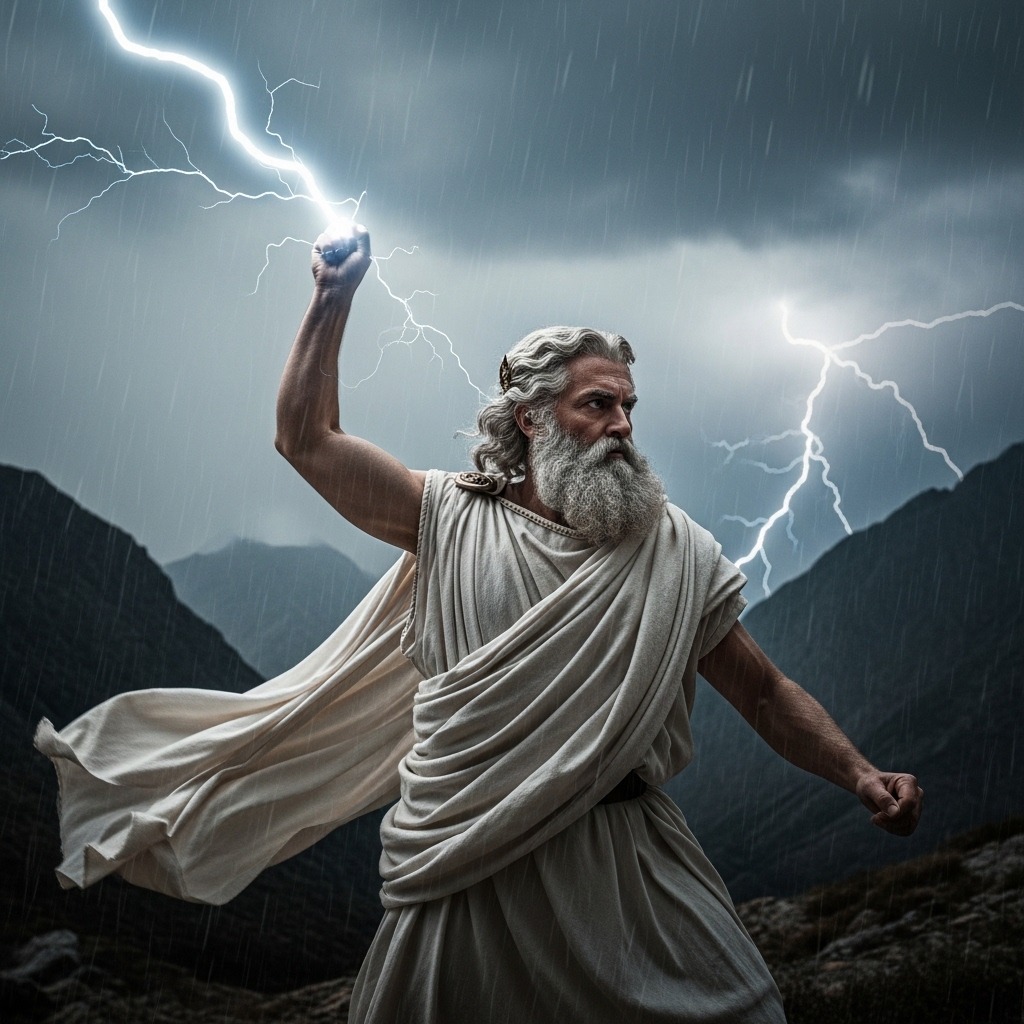
Significance of the Lightning Bolt in Greek Mythology
The lightning bolt serves as a testament to Zeus’s dominion. Forged by the Cyclopes, this weapon was a reward for Zeus after he liberated them from Tartarus during the Titanomachy. It signifies his ability to wield nature’s fury, effectively rendering him the ruler of both gods and mortals. The lightning bolt is a manifestation of his power, serving as a reminder of the consequences of hubris and disobedience to divine authority. It is the instrument through which Zeus executes justice and maintains order in the cosmos [1][2].
Modern Interpretations of the Lightning Bolt Symbol
In contemporary culture, the lightning bolt retains its symbolic strength. It appears in various media, from comic books to films. Notably, it is often depicted as a symbol of heroic power, embodying not just the fury of Zeus but also the essence of strength and justice. For instance, in the popular video game series “God of War,” the lightning bolt symbolizes Zeus’s omnipotence and serves as a key element in gameplay mechanics, illustrating both his authority and the consequences of power [1].
Examples of the Lightning Bolt in Literature and Media
The lightning bolt has transcended ancient myths to permeate modern storytelling. Here are some key examples:
- Literature: In Rick Riordan’s “Percy Jackson” series, Zeus’s lightning bolt is the central plot device, representing not just physical power but also the underlying themes of responsibility and the burden of leadership.
- Movies: In various adaptations, such as the 2010 film “Clash of the Titans,” the lightning bolt is a visual centerpiece that symbolizes Zeus’s divine wrath and protective nature towards humanity.
- Art: Numerous classical and contemporary artworks depict Zeus hurling his lightning bolt, reinforcing its role as a symbol of fear and respect among both gods and mortals.
These representations showcase how the lightning bolt remains a potent symbol of Zeus’s character, bridging ancient mythology with modern interpretations.
2. The Eagle: Messenger of the Gods and Symbol of Nobility

The eagle stands as one of Zeus’s most prominent symbols, embodying his role as the messenger of the gods. It represents strength, freedom, and justice, reflecting the divine authority that Zeus wields over the cosmos.
Cultural Significance of the Eagle in Ancient Greece
In ancient Greece, the eagle was revered not only as a symbol of Zeus but also as a representation of power and nobility. Its keen eyesight and majestic flight made it an ideal messenger for the gods. The eagle’s ability to soar high above the earth symbolized the omniscience and oversight that Zeus possessed as the ruler of Mount Olympus.
- Symbol of Authority: The eagle’s presence in temples dedicated to Zeus emphasized his divine authority.
- Protector of the Realm: As a guardian, the eagle ensured the safety of both gods and mortals, echoing Zeus’s role in maintaining order.
The Eagle’s Representation in Art and Literature
Art and literature frequently depict the eagle in association with Zeus, enhancing its symbolic significance.
- Mythological Depictions: In various myths, the eagle is shown delivering messages from Zeus to other gods or humans, reinforcing its role as a divine intermediary.
- Artistic Representations: Statues and frescoes often feature the eagle, symbolizing Zeus’s power and watchfulness.
For instance, in classical sculptures, the eagle is often illustrated perched beside Zeus, a visual cue of their close connection.
The Eagle’s Role in Modern Symbolism
Today, the eagle retains its symbolic weight, often representing justice and freedom in contemporary culture.
- National Symbols: Countries, such as the United States, have adopted the eagle as a national emblem, further illustrating its association with authority and protection.
- Cultural Adaptations: In modern storytelling, the eagle continues to symbolize wisdom and foresight, traits that align closely with Zeus’s character.
The eagle’s enduring significance across various cultures demonstrates its adaptability as a symbol of power. It serves as a bridge between ancient mythology and modern interpretations, illustrating how Zeus’s symbols continue to resonate today.
3. The Bull: Symbol of Strength and Fertility
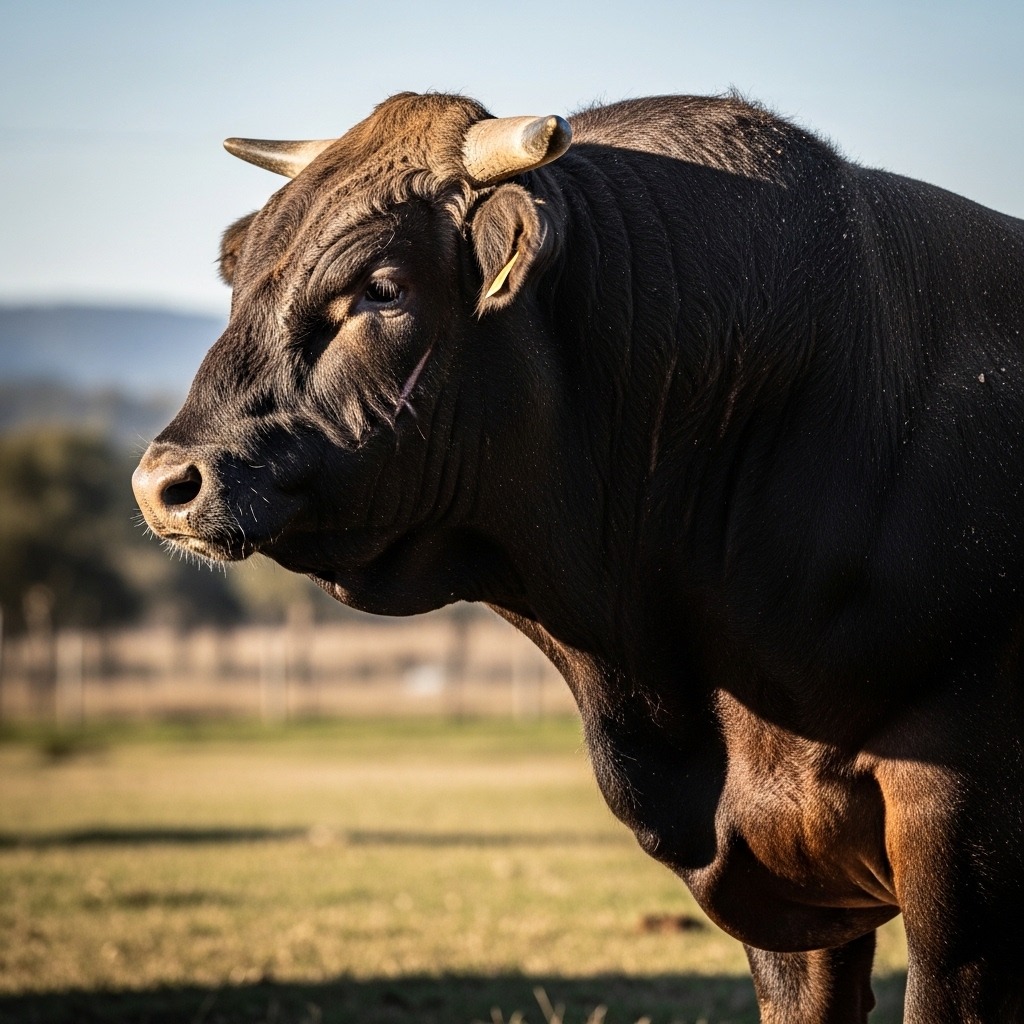
The bull is a powerful symbol associated with Zeus, representing his strength and masculinity. This emblematic creature features prominently in various myths, illustrating Zeus’s dominion and prowess.
The Bull in Zeus’s Myths and Legends
Zeus transformed into a magnificent white bull to win over Europa, a Phoenician princess. He swam across the sea to Crete with her on his back. This myth not only showcases Zeus’s cunning but also his ability to embody strength through transformation. The bull signifies his virility and dominance in both human and divine realms. It is a direct representation of his power as the king of the gods, embodying physical might and authority in Greek mythology [2].
- Key Traits of the Bull Symbol:
- Strength: The bull embodies brute force and power.
- Fertility: In various cultures, bulls symbolize fertility and agricultural prosperity.
- Transformation: Zeus’s metamorphosis into a bull reflects adaptability and cunning.
Cultural Significance of the Bull in Ancient Greece
In ancient Greece, the bull was revered as a symbol of masculinity and agricultural strength. It represented not only Zeus’s might but also fertility and abundance. The bull was often associated with agricultural rites and fertility festivals, emphasizing its importance in Greek society. This reverence extended beyond mythology, influencing art and culture throughout ancient Greece.
- Symbols of Fertility: The bull appeared in art and rituals related to fertility, agriculture, and prosperity.
- Mythological Representation: The bull’s strength was frequently invoked in stories to symbolize divine intervention in human affairs.
How the Bull Symbol Persists in Modern Culture
Today, the bull’s symbolism persists across various cultures. It represents strength, virility, and fertility in modern contexts, from sports teams to corporate branding. The bull is often used in astrological symbols, notably in Taurus, signifying stability and reliability.
- Examples of Modern Interpretations:
- Financial Markets: The term “bull market” signifies rising market prices, highlighting the bull’s association with prosperity.
- Cultural Icons: The charging bull in Wall Street symbolizes economic strength and resilience.
The bull continues to embody the duality of strength and fertility, bridging ancient symbolism with contemporary interpretations.
4. The Oak Tree: A Sacred Symbol of Endurance

The oak tree stands as a powerful symbol associated with Zeus, embodying strength, endurance, and divine protection. Its significance in ancient Greek religion is profound, reflecting the cultural reverence for this majestic tree.
The Oak Tree in Ancient Greek Religion
In ancient Greece, the oak tree was considered sacred to Zeus. It served as a vital component of his worship. At the oracle of Dodona, priests interpreted the rustling leaves of the oak as divine messages from Zeus. This connection highlights the oak as a conduit between the divine and the mortal realm. Rituals often included offerings made at these sacred groves, emphasizing the oak’s role in seeking guidance and favor from the god.
Symbolism of the Oak Tree in Various Cultures
The oak tree transcends Greek mythology, appearing in various cultures as a symbol of strength and resilience. For instance:
- Celtic Traditions: The oak represents wisdom and longevity. It is often linked to the Druidic practices that emphasize connection to nature and the divine.
- Roman Culture: Romans viewed the oak as a symbol of strength and victory, often using it in military insignia.
- Modern Interpretations: Today, the oak tree symbolizes stability and endurance, frequently appearing in literature and art as a metaphor for strength in adversity.
Contemporary Interpretations of the Oak Tree Symbol
Today, the oak tree retains its symbolic significance in modern spirituality and environmentalism. It represents not only the virtues of strength and endurance but also a call for conservation and respect for nature. Many contemporary rituals honor the oak, reflecting its enduring legacy as a sacred symbol.
- Spiritual Connections: Individuals often find solace beneath oak trees, using them as sites for meditation and reflection.
- Cultural Representations: The image of the oak is prevalent in branding and logos, symbolizing strength and reliability.
Understanding the oak tree’s symbolism provides insight into Zeus’s character as a god of authority and power, bridging ancient beliefs with contemporary values. This enduring symbol reflects the lasting impact of Greek mythology on modern culture.
5. The Aegis: Shield of Protection and Authority
The aegis is a formidable symbol associated with Zeus, representing both protection and divine authority. This shield not only exemplifies Zeus’s power but also embodies the protective qualities that are revered in Greek mythology.
Historical Context of the Aegis in Greek Mythology
The aegis is traditionally depicted as a shield or breastplate adorned with the head of the Gorgon, Medusa. This design not only intimidates enemies but also serves as a protective barrier. In various myths, it is described as a gift from the Cyclopes, forging a direct link between Zeus and his divine origins. The aegis signifies his capability to safeguard the realm, reinforcing his role as a protector of gods and mortals alike.
The Aegis’s Connection to Athena
The aegis is frequently associated with Athena, the goddess of wisdom and warfare. In many accounts, Athena wields the aegis during battles, symbolizing her strategic prowess and divine support. This connection illustrates the duality of the aegis—while it represents Zeus’s authority, it also embodies the intelligence and protection that Athena brings to the battlefield. For example, in the Iliad, the sight of the aegis instills fear in enemies, showcasing its power as both a shield and a symbol of divine intervention.
Modern Representations of the Aegis Symbol
In contemporary culture, the aegis continues to resonate, appearing in literature, film, and art. It is often depicted as a metaphor for protection and guardianship. For instance, in modern superhero narratives, characters who embody protective qualities may be likened to the aegis, emphasizing their role as defenders of justice. The symbolic weight of the aegis endures, reflecting humanity’s ongoing fascination with themes of power and protection.
- Key Attributes of the Aegis:
- Symbolizes Protection: Emphasizes safeguarding against threats.
- Represents Divine Authority: Conveys Zeus’s power over gods and mortals.
- Cultural Adaptation: Influences modern interpretations in various media.
Overall, the aegis encapsulates profound themes of power, protection, and divine authority, making it an essential symbol within the context of Zeus and Greek mythology.
6. The Throne: A Symbol of Power and Sovereignty
The throne embodies Zeus’s ultimate authority and signifies his position as the ruler of the gods. It serves as a potent symbol of power, justice, and dominion over both gods and mortals.
The Significance of Thrones in Greek Mythology
In Greek mythology, thrones are not merely seats; they represent divine rule. Zeus’s throne on Mount Olympus is emblematic of his supremacy. It highlights his role as the arbiter of fate and the overseer of cosmic order. Thrones often symbolize the divine right to rule, reinforcing the connection between the deity and their dominion.
The Throne’s Portrayal in Ancient Art
Ancient art frequently depicts Zeus seated upon his throne, exuding authority. These representations illustrate several key attributes:
- Regal Posture: Zeus is portrayed upright, often with a scepter, signifying his command.
- Symbolic Ornamentation: Thrones are adorned with motifs that reflect power, such as eagles or lightning bolts.
- Divine Setting: The throne is often set against the backdrop of Mount Olympus, enhancing its significance as a heavenly seat.
Such artistic portrayals underscore Zeus’s role as the central figure in Greek mythology, reinforcing his status among the pantheon.
The Throne’s Representation in Modern Culture
In contemporary media, the imagery of Zeus’s throne persists. From films to literature, it symbolizes leadership and authority. Consider the following representations:
- Fantasy Novels: Many authors draw on the concept of a powerful throne to represent a ruler’s strength and legitimacy.
- Film Adaptations: Movies depicting Greek mythology often feature Zeus’s throne prominently, reinforcing his power visually.
- Video Games: Titles that explore mythological themes often include thrones as critical locations, representing the seat of power.
By analyzing these modern adaptations, we see how the throne continues to symbolize authority, transcending its ancient origins.
Key Attributes of Zeus’s Throne
- Symbolizes Supreme Authority: Represents Zeus’s dominion over gods and mortals.
- Divine Right to Rule: Reflects the cultural belief in the legitimacy of divine governance.
- Cultural Adaptation: Continues to influence modern representations of power in various media.
Zeus’s throne is not just a seat; it is a profound symbol of his power and sovereignty, deeply embedded in both ancient and modern narratives.
7. The Serpent: A Symbol of Wisdom and Power
The serpent is frequently associated with Zeus, embodying wisdom, power, and divine knowledge. This multifaceted symbol appears throughout Greek mythology and beyond, illustrating deep cultural meanings.
The Serpent in Greek Mythology
In Greek mythology, the serpent symbolizes both chaos and order. For Zeus, it represents his ability to overcome challenges. The mythical creature Typhon, often depicted as a serpentine monster, serves as a prime example. Zeus defeats Typhon, reinforcing his status as the supreme deity and protector against chaos. The serpent thus encapsulates the duality of danger and wisdom, showcasing Zeus’s dominion over both.
Symbolism of the Serpent in Various Cultures
The serpent’s symbolism extends beyond Greek mythology. Many cultures view the serpent as a custodian of wisdom.
- In Ancient Egypt, the serpent represents protection and royalty. The Uraeus, a rearing cobra, signifies sovereignty.
- In Hinduism, the serpent Naga embodies both protective and transformative qualities, symbolizing fertility and the cycle of life.
- In Christianity, while often viewed negatively, the serpent can also symbolize divine knowledge, as seen in the story of Adam and Eve.
This cross-cultural perspective highlights the serpent’s complex role as a bearer of wisdom and power.
Modern References to the Serpent as a Symbol of Wisdom
In contemporary contexts, the serpent remains relevant. It often appears in literature, art, and media as a symbol of wisdom and cunning.
- In literature, characters embodying serpentine traits often navigate complex moral landscapes, reflecting the character of Zeus.
- In branding, companies leverage the serpent’s connotations of wisdom and authority to project strength and intelligence.
This enduring symbol continues to capture the imagination, bridging ancient mythology with modern interpretations. The serpent’s dual nature serves as a reminder of the balance between wisdom and power, echoing Zeus’s own characteristics.
8. The Scepter: A Sign of Authority and Governance
The scepter is a powerful symbol representing Zeus’s authority over both the cosmos and mortals. This emblem of governance signifies his role as the ultimate ruler in Greek mythology.
The Historical Significance of Scepters in Ancient Greece
In ancient Greece, the scepter functioned as a tangible representation of power and rule. It was often depicted in the hands of kings and deities, illustrating their divine right to govern.
- Notable Depictions: In art, Zeus is frequently shown wielding the scepter, emphasizing his sovereignty.
- Cultural Role: Scepters were not only ceremonial but also served as a practical tool in governance, symbolizing the ruler’s ability to enforce laws and maintain order.
The Scepter’s Role in the Representation of Power
The scepter signifies more than just authority; it embodies control over the natural and mortal realms.
- Symbol of Governance: The scepter in Zeus’s grasp represents his governance over the cosmos, aligning with the belief that he maintains cosmic order [16].
- Control Over Mortals: It also signifies his dominion over human affairs, reflecting his role as the overseer of justice and retribution [17].
Modern Interpretations of the Scepter Symbol
Contemporary representations of the scepter often draw from its ancient roots.
- Art and Literature: Modern artists and writers use the scepter to evoke themes of authority and governance, echoing its historical significance.
- Cultural Adaptation: In films and literature, characters embodying the scepter often reflect the dual nature of power—both protective and potentially tyrannical.
Evolution of Scepter Symbolism in Governance and Leadership
The symbolism of the scepter has evolved, yet its core meaning remains intact.
- Historical Context: Initially, scepters were exclusive to divine figures. Over time, they became associated with earthly rulers, illustrating their divine endorsement.
- Contemporary Usage: Today, scepters are often seen in royal regalia, symbolizing leadership in both political and ceremonial contexts.
Understanding the scepter’s significance provides insight into Zeus’s character and the broader implications of authority in Greek mythology.
9. The Staff: A Symbol of Leadership
The staff, often depicted with Zeus, symbolizes his leadership and power over both gods and mortals. This potent emblem reflects his authority and the divine right to rule.
The Staff in Ancient Greek Symbolism
In ancient Greek culture, the staff represented more than mere authority; it embodied the essence of leadership. Zeus wielded the staff as a physical manifestation of his dominion over the cosmos. It signified his role as the ultimate arbiter of justice and order, reinforcing his position among the pantheon of gods.
- Power Over Gods: The staff symbolizes Zeus’s supremacy over other deities, establishing him as the chief among them. It asserts his control and the hierarchical structure of divine governance [19].
- Power Over Mortals: The staff also indicates Zeus’s authority over humanity, illustrating his role as protector and punisher. Mortals revered the staff as a sign of divine intervention in human affairs [20].
The Staff’s Representation in Art and Literature
The staff frequently appears in classical art and literature, reinforcing Zeus’s leadership status. Artists depicted Zeus with a staff to convey his power and wisdom.
- Visual Representations: In sculptures and paintings, Zeus’s staff often features intricate designs, symbolizing stability and strength.
- Literary References: Ancient texts frequently invoke the staff as a symbol of divine authority, underscoring Zeus’s role as the ultimate judge.
Modern Connotations of the Staff as a Symbol of Leadership
In contemporary contexts, the staff continues to symbolize leadership. It embodies authority in various cultures, transcending time and geography.
- Political Symbolism: Modern leaders often use the staff or similar symbols to represent governance and power. It reflects the ongoing significance of authority and order in society [18].
- Cultural Significance: Across cultures, staffs signify leadership, whether in religious contexts or secular governance. This continuity underscores the universal nature of the staff as a symbol of power.
The staff, both in ancient and modern interpretations, encapsulates the essence of Zeus’s character. It represents his unparalleled authority and the responsibility that accompanies leadership.
10. The Storm: A Representation of Zeus’s Power
The storm is a powerful symbol of Zeus’s dominion over nature and his identity as the god of the sky. As the supreme deity in Greek mythology, Zeus’s ability to control storms exemplifies his authority and capacity to wield the forces of nature.
The Storm’s Significance in Greek Mythology
In Greek mythology, storms are manifestations of Zeus’s will. They represent his anger, power, and ability to maintain order in the cosmos. Zeus often unleashed storms to punish mortals or demonstrate his might. For example, when he sought vengeance on the Titans or expressed his discontent, storms would erupt, symbolizing his wrath.
The Storm’s Representation in Ancient Art
Ancient art frequently depicted Zeus amidst stormy skies. His thunderbolts illuminated the darkness, visually reinforcing his role as a divine ruler. Artists illustrated storms as chaotic and destructive, emphasizing Zeus’s dual nature as both protector and punisher. Statues and frescoes often showcased Zeus holding a thunderbolt, surrounded by swirling clouds and fierce winds, encapsulating his overwhelming power.
Modern Interpretations of Storms as Symbols of Power
Today, storms continue to symbolize power and authority across various cultural contexts. They are often depicted in literature, film, and art as metaphors for turmoil and change. For instance, in contemporary media, a storm frequently signifies a character’s internal conflict or an impending shift in the narrative. This modern interpretation mirrors the ancient understanding of storms as both fearsome and awe-inspiring, reinforcing the timeless connection between Zeus and his elemental forces.
- Key Characteristics of Storms Associated with Zeus:
- Control Over Nature: Zeus’s storms exemplify his command over the elements.
- Symbol of Wrath: Storms often signify his displeasure or anger.
- Visual Representation: Depictions of storms highlight his power in ancient art.
- Cultural Legacy: Modern interpretations reflect ongoing themes of authority and upheaval.
The storm, in all its fury, encapsulates Zeus’s essence as the god who governs both the heavens and the earth. This symbol remains relevant, illustrating the enduring influence of Zeus in mythology and modern culture.
11. The Swans: Symbols of Beauty and Transformation
Swans, often linked to Zeus, embody beauty and transformation in mythology. Their graceful presence elevates their significance in ancient stories, particularly those involving Zeus.
The Role of Swans in Zeus’s Myths
Swans feature prominently in Zeus’s mythology, notably in the tale of Leda and the Swan. In this narrative, Zeus transforms into a swan to seduce Leda, resulting in the birth of significant figures such as Helen of Troy. This myth illustrates how swans symbolize not just beauty but also the power of transformation.
Symbolism of Swans in Ancient Cultures
Across various ancient cultures, swans symbolize purity, love, and transformation. Their elegance and serene demeanor make them ideal representations of beauty. In Greek mythology, swans are often associated with divine love and the ethereal qualities of the gods. This ties back to Zeus, who, through his transformations, embodies the duality of beauty and power.
Contemporary Representations of Swans in Symbolism
In modern culture, swans continue to represent beauty and transformation. They appear in literature, art, and film as symbols of grace and change. This enduring symbolism reinforces Zeus’s influence as a figure of both beauty and authority. For example, swans are often depicted in fairy tales, symbolizing the journey from hardship to elegance.
- Swans as Symbols:
- Beauty: Their physical attributes signify grace and allure.
- Transformation: They represent change, often seen in stories of metamorphosis.
- Divine Connection: Tied to deities, they evoke a sense of the celestial.
Swans encapsulate the essence of transformation and beauty, making them a vital symbol in the narrative tapestry surrounding Zeus. Their cultural significance transcends time, reflecting the character of the god they are associated with.
Frequently Asked Questions
These quick answers cover the most common questions about this topic, including key details, practical tips, and common concerns.
What is Zeus’s claiming symbol?
Zeus’s primary claiming symbol is the lightning bolt. It represents his supreme power over the skies and his authority to enforce justice. The lightning bolt was forged by the Cyclopes and given to Zeus as a sign of his divine sovereignty [1].
What are the 12 Olympian symbols?
The 12 Olympian gods each have their own symbols. For Zeus, it is the lightning bolt. Other symbols include Athena’s owl, Apollo’s lyre, Artemis’s bow, and Poseidon’s trident. These symbols help identify and represent each deity’s domain and personality.
What items are associated with Zeus?
Items associated with Zeus include the lightning bolt, the aegis (a shield or breastplate), the scepter, and the throne. These items symbolize his power, authority, and divine rule over gods and mortals [10][16][17].
What animal symbolizes Zeus?
The eagle is the animal most closely associated with Zeus. It symbolizes strength, nobility, and divine authority. The eagle often appears in Greek art and mythology as Zeus’s messenger and emblem of his sovereignty [3][4].
How do the symbols of Zeus reflect his character?
Zeus’s symbols, like the lightning bolt and eagle, reflect his power, authority, and control over nature. The oak tree signifies endurance and divine protection, while the throne and scepter emphasize his sovereignty. These symbols highlight his role as the king of gods and ruler of the heavens.
Why are these symbols important in Greek mythology?
These symbols serve as visual representations of Zeus’s qualities, making his divine attributes recognizable. They also reinforce his authority and role in maintaining order in the cosmos. Symbols help communicate complex divine traits to worshippers and artists.
What are alternative symbols for other Greek gods?
Other gods have their own symbols. For example, Athena is associated with the owl, Apollo with the lyre, and Poseidon with the trident. These symbols distinguish each deity and reflect their specific powers and domains.
How are these symbols represented in art?
Zeus’s symbols appear in sculptures, paintings, and pottery. The lightning bolt is often shown as a crackling weapon, the eagle as a majestic bird, and the throne as a regal seat. These visual representations reinforce their mythological significance and divine authority.
References
1. The Thunderbolts of Zeus | God of War Wiki – Fandom
3. To serve the Empire: Roman eagle as a divine messenger …
4. The Bald Eagle, Creature of Nature and an American Symbol
5. Office of Public Affairs | On “American Eagle Day” the …
6. Europa and the Bull (#1) | Smithsonian American Art Museum
7. Oak symbolism in the light of genomics – PMC – NIH
8. Oak
9. The mighty oak faces challenges in the Pacific West
10. LacusCurtius • Aegis (Smith’s Dictionary, 1875)
11. Partisans of the State: Statopraxis – States without People – NCBI
12. Zeus | Greco-Roman Religions
13. Monsters of Myth & Legend – Monsters, Marvels, and …
14. (PDF) The Wisdom of the Serpent, by J. D. Leckie
15. The Divine Serpent In Myth And Legend
16. Submit a governance proposal
17. THE SCEPTER; A CASE-STUDY IN HOMERIC …
18. ED228694 – Symbolism in Leadership (What Great Leaders …
20. Maryland.gov
21. What Does A Swan Symbolise
22. Leda and the Swan, Image depicting the myth of Zeus as a …