
Hinduism features a vast pantheon of deities, with 11 essential gods and goddesses playing critical roles in its rich mythology. Understanding these figures provides insight into the beliefs and practices of millions around the world.
1. Brahma: The Creator of the Universe
Brahma, one of the most important deities in Hinduism, plays a vital role as the creator in the Hindu Trinity. He is often depicted with four heads, symbolizing his immense knowledge and the four Vedas. Let’s explore his significance and relationship with Saraswati, the goddess of knowledge.
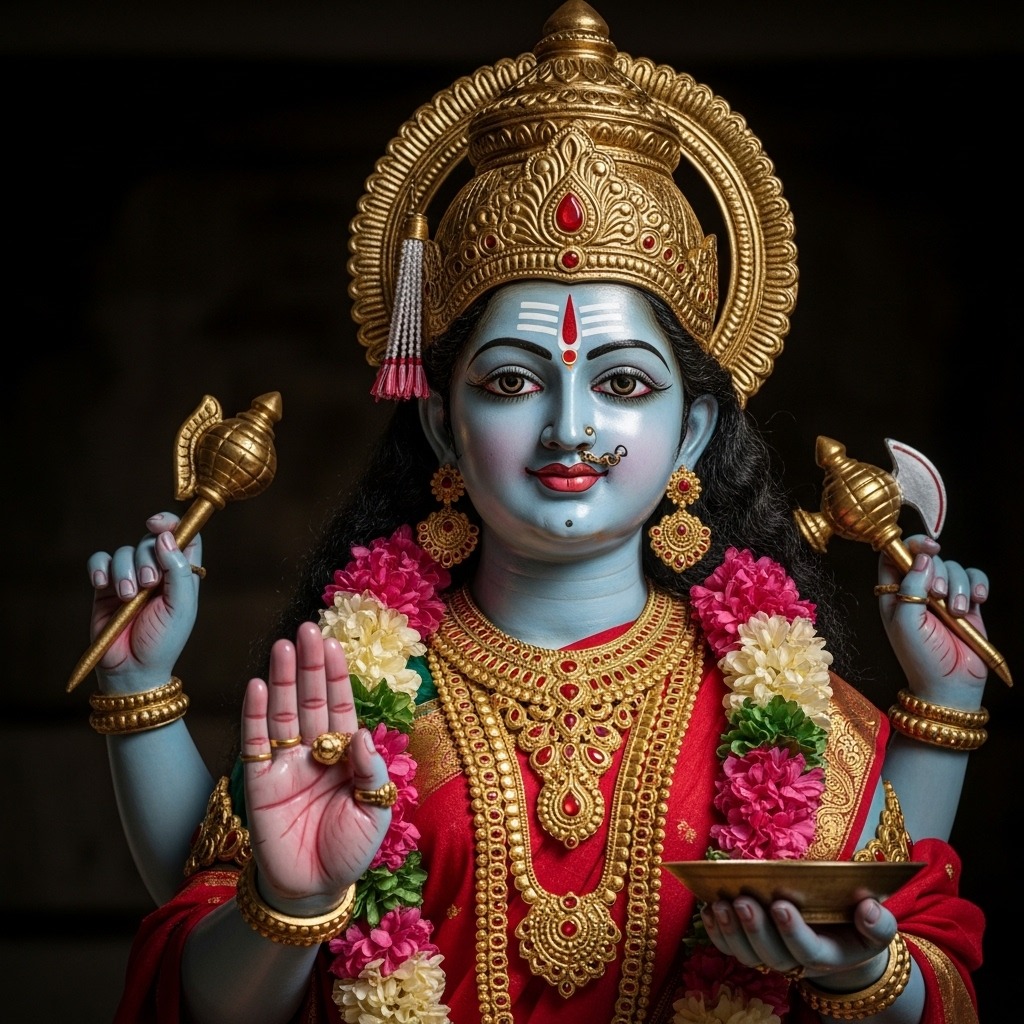
Brahma’s Iconography
Brahma’s appearance is rich in symbolism.
- Four Heads: Each head represents one of the four Vedas. This signifies his mastery over knowledge and creation.
- Four Hands: These hands hold various items:
- A rosary, symbolizing meditation.
- A water pot, indicating creation and fertility.
- A book, representing knowledge.
- A spoon, used for offerings.
This imagery reflects Brahma’s status as the father of all beings and the creator of the universe.
Legends Associated with Brahma
Brahma’s stories are fascinating and often highlight his relationship with other deities.
- Creation of the Universe: He is credited with creating the cosmos and all living beings through divine will.
- Relationship with Saraswati: Saraswati, his consort, is the goddess of wisdom. Some legends say that she cursed Brahma, leading to his reduced worship among Hindus. This tale adds layers to his character, showing that even deities face challenges.
Lesser-Known Temples Dedicated to Brahma
While Brahma’s worship isn’t as widespread as that of Vishnu or Shiva, several temples honor him.
- Brahma Temple in Pushkar: This is one of the few temples dedicated to Brahma. It’s a significant pilgrimage site and showcases intricate architecture.
- Brahma Mandir in Kumbhalgarh: This temple highlights Brahma’s role in the cosmic order and features unique sculptures.
These temples not only celebrate Brahma but also serve as cultural landmarks, reminding us of his contributions to Hindu mythology.
Table of Contents
Brahma’s significance extends beyond mere creation. His relationship with Saraswati and the stories surrounding him enrich the tapestry of Hindu beliefs, showcasing the interplay of knowledge, wisdom, and creation.
2. Vishnu: The Preserver of Life
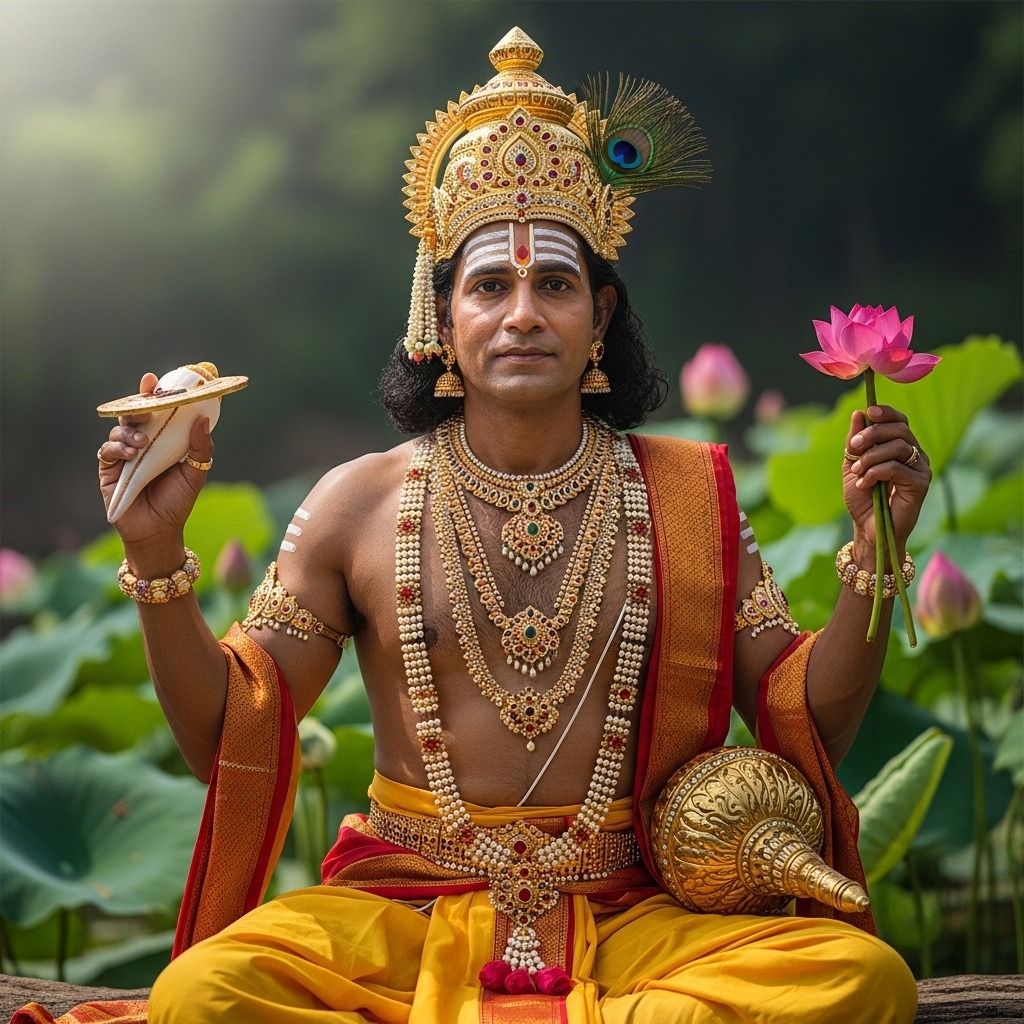
Vishnu plays a vital role in Hinduism as the preserver of the universe. He maintains cosmic balance and protects life from chaos. His importance is highlighted through his many avatars, each embodying different qualities and purposes.
Vishnu’s Avatars Explained
Vishnu descends to Earth in various forms, known as avatars, to restore dharma (cosmic order). Here’s a quick look at his ten main avatars, collectively known as the Dashavatara:
- Matsya: The Fish, who saved humanity from a great flood.
- Kurma: The Tortoise, who supported Mount Mandara during the churning of the ocean.
- Varaha: The Boar, who rescued the Earth from the demon Hiranyaksha.
- Narasimha: The Man-Lion, who protected his devotee Prahlada from the demon king Hiranyakashipu.
- Vamana: The Dwarf, who subdued the demon king Bali.
- Parasurama: The Warrior with an axe, who rid the world of corrupt kshatriyas.
- Rama: The Prince of Ayodhya, known for his virtue and heroism in the Ramayana.
- Krishna: The divine cowherd, who played a key role in the Mahabharata and is the deity of love and compassion.
- Buddha: The Enlightened One, who taught about peace and compassion.
- Kalki: The future warrior, who is yet to appear and will bring an end to the current age of darkness.
These avatars showcase Vishnu’s role as a protector, stepping in during times of crisis to restore balance.
Worship Practices of Vishnu
Worshipping Vishnu often involves rituals and prayers aimed at seeking his blessings. Here are some common practices:
- Daily Prayers: Devotees recite mantras and hymns, particularly the Vishnu Sahasranama, which lists a thousand names of Vishnu.
- Festivals: Major festivals like Janmashtami (celebrating Krishna’s birth) and Diwali (often associated with Rama) highlight his significance in Hindu culture.
- Temple Worship: Temples dedicated to Vishnu, such as the famous Tirupati Balaji Temple, attract millions of devotees who seek his grace.
These practices not only express devotion but also strengthen community bonds and cultural identity among Hindus. Through festivals and rituals, Vishnu’s teachings and values are celebrated, making his presence felt in everyday life.
3. Shiva: The Destroyer and Transformer
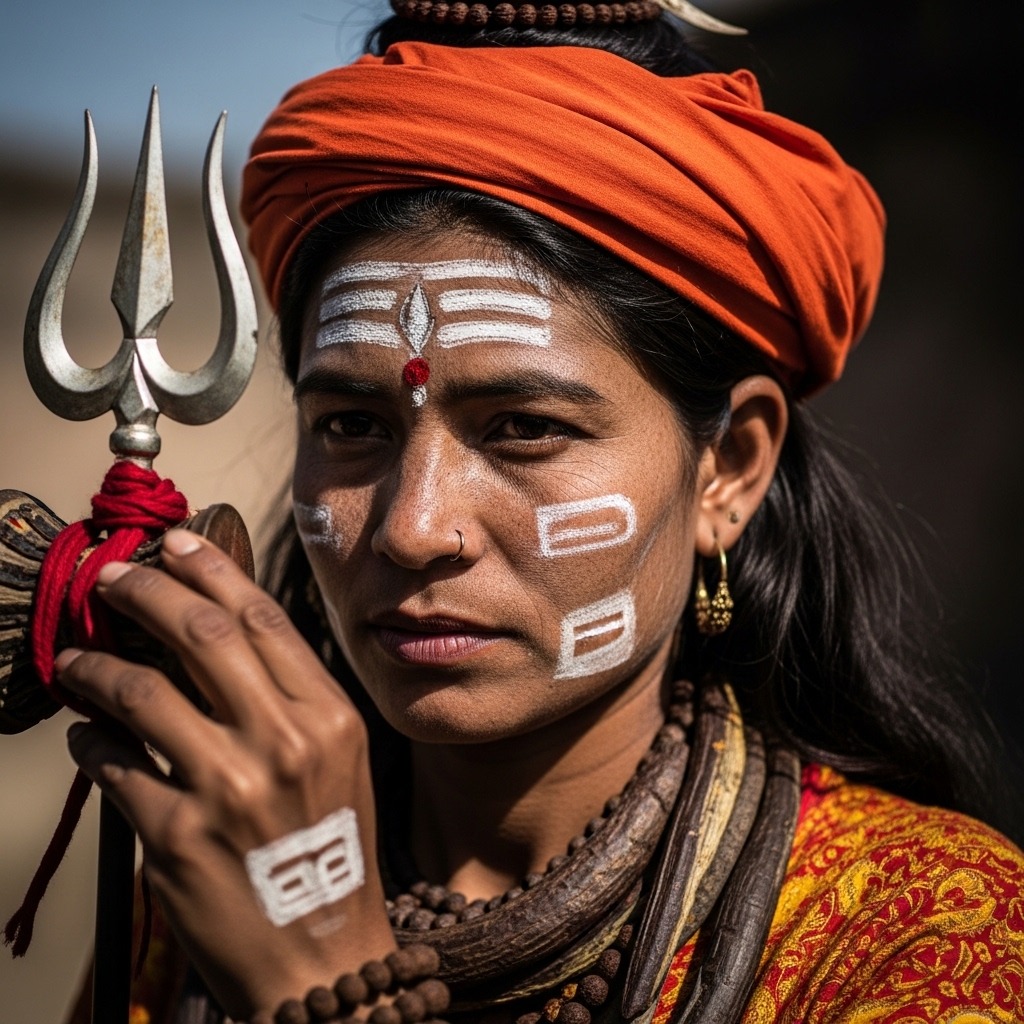
Shiva plays a vital role in Hindu mythology. He embodies both destruction and regeneration, highlighting the cyclical nature of life.
Shiva’s Iconography
Shiva is often depicted in striking ways. His iconography tells a compelling story:
- Blue Skin: Represents his infinite nature.
- Third Eye: Symbolizes wisdom and insight.
- Crescent Moon: Reflects the passage of time.
- Shiva Lingam: A phallic symbol representing his creative power.
These elements convey his dual nature as both destroyer and creator.
The Significance of the Shiva Lingam
The Shiva Lingam is more than just a symbol. It carries deep spiritual meaning:
- Representation of Energy: It signifies the cosmic energy that fuels creation.
- Worship Practices: Devotees offer water and milk to the Lingam during rituals. This act symbolizes purification and devotion.
- Diverse Interpretations: Different sects interpret the Lingam in unique ways, reflecting regional beliefs and practices.
Worship of Shiva varies across Hindu traditions. Some focus on his role as the ascetic yogi, while others celebrate his family life with Parvati and their children, Ganesha and Kartikeya.
Worship Across Sects
Shiva’s worship isn’t one-size-fits-all. Different sects emphasize various aspects of his persona:
- Shaivism: Devotees often see Shiva as the supreme being. Rituals here focus on meditation and ascetic practices.
- Smarta Tradition: Shiva is one of five primary deities, revered alongside Vishnu and Durga.
- Folk Traditions: Local customs often influence how Shiva is worshipped, leading to unique festivals and rituals.
This diversity showcases the rich tapestry of Hindu belief. Devotees find personal connections with Shiva through varied practices, making him a beloved figure in Hindu culture.
4. Ganesha: The Remover of Obstacles
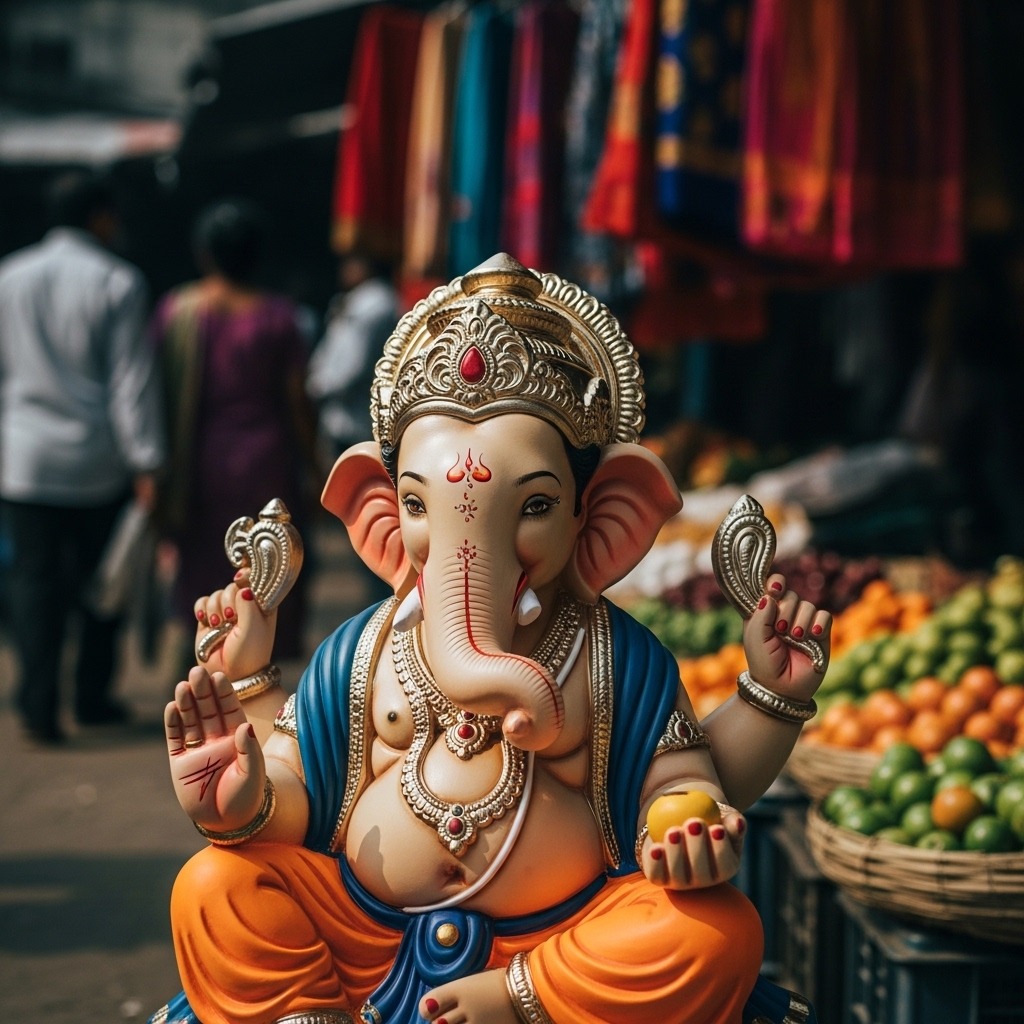
Ganesha is one of the most cherished deities in Hinduism. Known as the remover of obstacles, he is often worshiped at the start of new ventures and important events. His unique elephant head makes him easily recognizable, and his attributes resonate with many.
Legends of Ganesha’s Birth
The stories surrounding Ganesha’s birth are both fascinating and varied. One popular tale tells how Parvati created him from sandalwood paste to guard her while she bathed. When Shiva returned and found Ganesha blocking his way, a confrontation led to Ganesha being beheaded. To comfort Parvati, Shiva promised to revive him and replaced Ganesha’s head with that of an elephant. This legend emphasizes Ganesha’s connection to both protection and new beginnings.
Ganesha’s Role in Hindu Rituals
Ganesha plays a vital role in Hindu rituals. He is often invoked before starting any significant task, like a wedding, a business opening, or even during exams. This practice stems from the belief that his blessings ensure success and remove obstacles.
- Worship Practices: Devotees place Ganesha idols at the entrance of their homes or workplaces.
- Ganesh Chaturthi: This festival celebrates Ganesha’s birth. Each year, millions of Hindus immerse idols in water after worshipping them for ten days. Celebrations vary across regions, showcasing local traditions.
Case Study: Ganesh Chaturthi Celebrations
Ganesh Chaturthi is celebrated differently in various parts of India. Here’s a quick look:
- Maharashtra: Grand public celebrations with large idols and processions.
- Goa: Intimate family gatherings with homemade sweets offered to Ganesha.
- Karnataka: Traditional music and dance accompany the festivities.
Each region brings its flavor, yet the core message remains the same: honoring Ganesha as the harbinger of good fortune.
Ganesha’s presence in rituals and festivals demonstrates his importance in Hindu culture, making him a beloved figure for millions.
5. Lakshmi: Goddess of Wealth and Prosperity
Lakshmi is a vital figure in Hindu culture. She symbolizes wealth, prosperity, and beauty. Often seen as the consort of Vishnu, her presence is essential for maintaining cosmic balance.
Lakshmi’s Iconography
Lakshmi is depicted with four arms, which represent the four goals of human life:
- Dharma (righteousness)
- Artha (wealth)
- Kama (desire)
- Moksha (liberation)
She often holds a lotus flower, symbolizing purity and spiritual growth. Her golden complexion reflects abundance. In many homes, her image is a common sight, especially during festivals.
Worship Practices for Wealth
Worshiping Lakshmi is especially popular during Diwali, the festival of lights. Families clean and decorate their homes, believing it invites her blessings. Special prayers and rituals, like the Lakshmi Puja, are performed to seek her grace for prosperity in the coming year.
In regions like Maharashtra and Uttar Pradesh, Lakshmi’s worship influences economic activities. Markets flourish during Diwali as people shop for new clothes, home decor, and gifts. This surge in spending highlights her role in not just spiritual, but also economic well-being.
Festivals Honoring Lakshmi
- Diwali: Celebrating the victory of light over darkness. Homes are illuminated to welcome Lakshmi.
- Lakshmi Puja: Dedicated rituals performed on Fridays, particularly in South India, to honor her.
These festivals show how deeply entrenched Lakshmi is in the cultural fabric of Hindu life. Her worship fosters a spirit of generosity and gratitude, reinforcing her significance as a goddess of wealth and prosperity.
6. Krishna: The God of Love and Compassion
Krishna is one of the most beloved deities in Hinduism. He embodies love, compassion, and divine joy. His teachings in the Bhagavad Gita have inspired millions.
The Story of Krishna’s Life
Krishna’s life is filled with enchanting tales. He was born to King Vasudeva and Queen Devaki in a prison cell, escaping as a baby to avoid King Kansa’s wrath. He grew up in the village of Vrindavan, where he performed miraculous deeds.
- Childhood Adventures: Krishna’s youth was marked by playful antics, like stealing butter and playing with his friends.
- Defeating Demons: He bravely defeated many demons, showcasing his strength and valor.
- The Flute Player: Krishna is often depicted playing the flute, captivating the hearts of all, especially the gopis (cowherd girls).
Krishna in Festivals
Krishna is celebrated in various festivals across India. These events highlight his significance in Hindu culture.
- Janmashtami: This festival marks Krishna’s birth. Devotees fast, sing, and reenact his life stories.
- Holi: The festival of colors often celebrates the playful spirit of Krishna and Radha, symbolizing love and joy.
Krishna’s Teachings in the Bhagavad Gita
The Bhagavad Gita is a pivotal text in Hindu philosophy. In it, Krishna serves as a charioteer and spiritual guide to Prince Arjuna.
- Dharma: Krishna emphasizes the importance of duty or dharma. He teaches that one must act righteously, regardless of the situation.
- Bhakti Yoga: He advocates for devotion as a path to salvation, encouraging followers to surrender to God with love.
- Modern Relevance: Krishna’s teachings influence contemporary Hindu practices, inspiring countless devotees. His messages of love and compassion resonate in daily life.
Krishna’s legacy continues to thrive through his teachings and the devotion of his followers.
7. Hanuman: The Devoted Monkey God
Hanuman is one of the most beloved deities in Hinduism. Known for his strength and unwavering devotion, he plays a crucial role in the epic tale of the Ramayana.
Hanuman’s Devotion to Rama
Hanuman is often celebrated as the ideal devotee. His story is intertwined with Lord Rama, the hero of the Ramayana. When Rama’s wife, Sita, is abducted by the demon king Ravana, Hanuman leaps into action.
- Loyalty: Hanuman travels to Lanka to find Sita. He reassures her of Rama’s love and commitment.
- Strength: He battles powerful foes and demonstrates incredible strength. His feats are legendary.
- Wisdom: Hanuman’s cleverness helps him outsmart enemies. He uses both his brawn and brains.
Through his actions, Hanuman embodies the essence of devotion. He teaches followers the importance of loyalty and selfless service.
Worship of Hanuman
Hanuman is worshipped widely across India. His devotees chant the Hanuman Chalisa, a powerful hymn dedicated to him. This text highlights his virtues and deeds.
- Daily Prayers: Many Hindus recite the Hanuman Chalisa daily. It is believed to bring protection and strength.
- Cultural Significance: Hanuman is a symbol of perseverance. He inspires athletes and warriors alike.
- Temples: Numerous temples are dedicated to Hanuman. They are places of worship and community gathering.
Hanuman’s influence is vast. His spirit of dedication and strength resonates in contemporary Hindu practices, making him a figure of inspiration for many.
8. Durga: The Warrior Goddess
Durga is a powerful and revered goddess in Hindu mythology. She symbolizes strength, protection, and the triumph of good over evil. Let’s dive into her significance and representation.
Durga’s Iconography
Durga is often depicted riding a lion or tiger, showcasing her fierce nature. She has multiple arms, usually ten, each holding a different weapon. These weapons are gifts from various gods, symbolizing her divine strength. Her calm demeanor contrasts with her warrior stance, reflecting both power and grace.
- Lion/Tiger: Represents courage and strength.
- Multiple Arms: Symbolizes her ability to tackle multiple challenges at once.
- Weapons: Signify the protection she offers against evil forces.
Festivals Celebrating Durga
One of the most significant festivals dedicated to Durga is Navaratri. This festival spans nine nights, celebrating her victory over the buffalo demon Mahishasura. Each day represents a different form of Durga, highlighting her various attributes.
- Navaratri: A vibrant festival celebrated with dance, music, and prayers.
- Durga Puja: A major event in West Bengal, where elaborate idols of Durga are worshipped and immersed in water, symbolizing her return to the heavens.
Durga’s worship also plays a role in empowering women’s rights movements in India. Many view her as a symbol of female strength and resilience. By honoring her, they inspire women to stand up for their rights and fight against oppression.
Durga embodies the spirit of protection and empowerment. Her presence in festivals and daily prayers reminds devotees of the importance of courage and righteousness in their lives.
9. Saraswati: Goddess of Knowledge and Arts
Saraswati is a vital figure in Hinduism, embodying knowledge, wisdom, music, and the arts. She inspires students, artists, and thinkers alike, making her an essential deity in educational and creative pursuits.
Saraswati’s Role in Education
Saraswati is often worshipped by students before exams or important academic events. She represents the pursuit of knowledge, and many believe that invoking her blessings can enhance their learning abilities.
- Symbols: Saraswati is depicted with a veena, symbolizing music, and a book, representing knowledge.
- Invocation: Students chant prayers, like the Saraswati Vandana, asking for her guidance in studies and wisdom.
Many students share stories of how they felt her presence during exams or important presentations, attributing their success to her blessings.
Celebrating Vasant Panchami
Vasant Panchami is a significant festival dedicated to Saraswati. It marks the arrival of spring and is celebrated with joy and reverence.
- Rituals: People place books and musical instruments near her idol, praying for her blessings.
- Cultural Impact: Schools often hold special prayers, fostering a sense of community and shared purpose among students.
During this festival, students and teachers alike express gratitude for the knowledge and arts, reinforcing the importance of education in Hindu culture.
10. Kali: The Goddess of Transformation
Kali is a powerful and complex goddess in Hinduism. She embodies both destruction and empowerment, making her a unique figure in the pantheon. Let’s dive into her iconography and the rituals associated with her worship.
Kali’s Iconography
Kali is often depicted as a fierce, four-armed woman. Her skin is typically dark, symbolizing the void and transformation. Here are some key elements of her iconography:
- Appearance: Kali is usually shown with wild hair, a protruding tongue, and wearing a garland of severed heads.
- Symbolism: Her fierce look represents the destruction of evil and ignorance. She stands atop her husband, Shiva, symbolizing the balance of creation and destruction.
- Colors: The color black or blue represents the infinite and the cosmos, indicating her vast power over time and space.
Kali’s form challenges the traditional norms of femininity. She represents the fierce, untamed aspects of womanhood, making her an icon in contemporary feminist movements.
Rituals Associated with Kali
Worship of Kali includes various rituals that emphasize her transformative power. Here are some common practices:
- Kali Puja: Celebrated during the new moon, devotees offer sacrifices and flowers to seek her blessings. This ritual signifies the triumph of good over evil.
- Chhath Puja: In some regions, Kali is worshipped as part of this festival, where devotees pray for health and prosperity.
- Cultural Significance: Many women resonate with Kali’s fierce nature, seeking empowerment through her worship. Personal stories often highlight how her blessings help them navigate challenges in life.
Kali’s worship has evolved over time. Traditionally seen as a goddess of destruction, she is now embraced as a symbol of liberation and strength. Her multifaceted nature makes her relevant in both ancient and modern contexts.
Kali’s transformative worship not only connects individuals with her divine power but also inspires social reform, encouraging a shift toward gender equality and empowerment in communities.
11. Parvati: The Mother Goddess
Parvati is a vital figure in Hindu mythology. As Shiva’s consort, she embodies nurturing qualities and balance. She is often seen as the ideal mother and wife, representing devotion and strength.
Legends of Parvati’s Devotion
Parvati’s story is rich with devotion and love. She was born as the daughter of the mountain king, Himavan. Her desire was to win Shiva’s heart. Through intense meditation and dedication, she transformed herself to attract him. This tale highlights her determination and unwavering spirit.
- Nurturing Nature: Parvati is the epitome of motherhood. She is the mother of Ganesha and Kartikeya, symbols of wisdom and courage.
- Symbol of Balance: Her union with Shiva represents the balance of cosmic energies—creation and destruction.
Parvati’s Role in Festivals
Parvati plays a significant role in various Hindu festivals. She is celebrated during Navaratri, a festival dedicated to the divine feminine. This nine-night festival honors her various forms, including Durga and Kali.
- Family Values: Parvati’s influence underscores the importance of family in Hindu culture. She exemplifies the strength found in love and commitment.
- Cultural Impact: Devotees often share personal stories of how Parvati’s blessings have guided them through challenges, reinforcing family ties and values.
Parvati’s stories and festivals emphasize her nurturing role. She inspires many with her strength, devotion, and the ideal of marriage and motherhood in Hindu culture.
Frequently Asked Questions
These quick answers cover the most common questions about this topic, including key details, practical tips, and common concerns.
Who are the top 10 Hindu gods and goddesses?
The top 10 Hindu gods and goddesses include Brahma (the creator), Vishnu (the preserver), Shiva (the destroyer and transformer), Ganesha (remover of obstacles), Lakshmi (goddess of wealth), Krishna (god of love and compassion), Hanuman (devoted monkey god), Durga (warrior goddess), Saraswati (goddess of knowledge), and Kali (goddess of transformation). These deities represent different aspects of the divine and play vital roles in Hindu worship and mythology.
Which Hindu god is LGBTQ?
Hindu mythology and traditions include stories of deities and figures that symbolize gender fluidity and non-binary identities. For example, Lord Shiva is sometimes associated with Ardhanarishvara, a composite form of Shiva and Parvati, representing gender unity. Additionally, some regional legends and folk traditions recognize deities or spirits embodying LGBTQ identities, but these are not part of mainstream worship. Overall, Hinduism’s diverse narratives acknowledge multiple expressions of gender and sexuality.
Who are the 5 major Hindu gods?
The five major Hindu gods, often referred to as the Panchayatana, are Brahma (the creator), Vishnu (the preserver), Shiva (the destroyer), Ganesha (the remover of obstacles), and Durga (the warrior goddess). These deities are central to various sects and are worshipped across India and beyond, representing creation, preservation, destruction, wisdom, and strength.
Who is the 10-headed god in Hinduism?
The 10-headed god in Hinduism is Ravana, the demon king from the epic Ramayana. He is often depicted with ten heads, symbolizing his intelligence, power, and ego. Ravana is a complex figure—though he is an antagonist in the story, some traditions also see him as a learned scholar and devout devotee of Lord Shiva.
What is the significance of the Hindu Trinity?
The Hindu Trinity, or Trimurti, comprises Brahma (the creator), Vishnu (the preserver), and Shiva (the destroyer). This trio represents the cyclical nature of the universe—creation, preservation, and destruction. Their unity symbolizes the balance and interconnectedness of cosmic forces, and they are often worshipped together in temples and festivals.
How do Hindus celebrate festivals related to these deities?
Hindus celebrate festivals with rituals, prayers, processions, and community gatherings. For example, Diwali honors Lakshmi and symbolizes prosperity; Janmashtami celebrates Krishna’s birth with singing and fasting; Durga Puja involves elaborate idol worship and dance; and Ganesh Chaturthi features idol immersion. These festivals reinforce devotion, cultural identity, and social bonds.
What are the main attributes of Ganesha?
Ganesha is characterized by his elephant head, large ears, and a potbelly. He holds a broken tusk, a modak (sweet), and a axe or rope, symbolizing wisdom, prosperity, and the removal of obstacles. Ganesha is also associated with new beginnings and is invoked at the start of journeys and projects.
Which Hindu god is associated with wealth?
Lakshmi is the goddess of wealth, prosperity, and abundance. She is worshipped especially during Diwali, where devotees seek her blessings for financial success and well-being. Lakshmi is often depicted with gold coins, lotus flowers, and a serene expression, embodying both material and spiritual prosperity.