
Greek mythology is rich with tales of beauty, love, and power. This article explores the 11 most beautiful goddesses and women from ancient Greece, highlighting their unique attributes, myths, and cultural significance.
1. Aphrodite: The Ultimate Goddess of Love and Beauty
Aphrodite is the shining star of Greek mythology. She embodies love, beauty, and desire. Her stories are captivating and rich, making her a timeless figure.

Aphrodite’s Origins and Myths
Aphrodite’s origins are as enchanting as her beauty. According to myth, she was born from the sea foam created when Uranus was castrated. This dramatic beginning set the stage for her role as the most beautiful goddess. Her beauty was so breathtaking that it sparked jealousy among the gods.
Key myths surrounding Aphrodite include:
- The Judgment of Paris: She was awarded the golden apple for being the fairest of them all. This choice led to the Trojan War.
- Love Affairs: Aphrodite had many lovers, including the handsome mortal Adonis. Their tragic love story is a testament to her passionate nature.
- Pygmalion’s Statue: She brought to life a statue carved by a sculptor who fell in love with his creation, showcasing her power over love.
Influence on Art and Literature
Aphrodite’s influence stretches far beyond mythology. Artists and writers have been inspired by her beauty for centuries. She has appeared in countless works of art, from ancient sculptures to modern paintings.
Notable representations include:
- Sculptures: Classic works like “Venus de Milo” capture her idealized form.
- Literature: Poets like Sappho and Homer often referenced her in their writings, celebrating her allure and complexity.
Cultural Celebrations in Her Honor
Aphrodite was celebrated in various festivals, the most famous being Aphrodisia. This festival honored her with rituals that celebrated love and beauty. It involved:
Table of Contents
- Processions: Devotees would bring offerings to her temples.
- Games and Contests: Events were held to celebrate beauty and love, reflecting her influence on daily life.
These celebrations show how deeply intertwined Aphrodite was with Greek culture. She was not just a goddess but a symbol of the values cherished by the ancient Greeks.
2. Athena: The Goddess of Wisdom and War
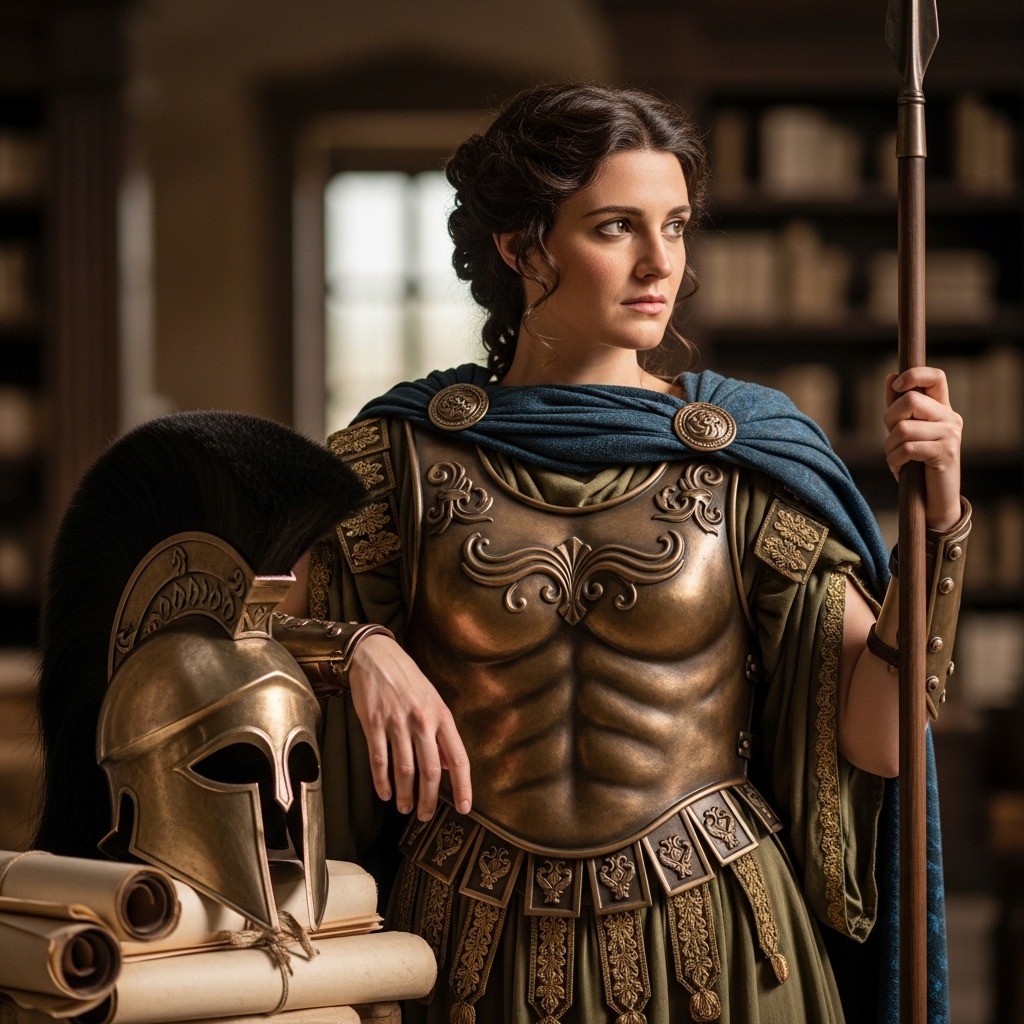
Athena stands out in Greek mythology as a powerful figure. She embodies wisdom, courage, and strategic warfare. Let’s dive into her unique attributes and roles.
Athena’s Birth and Attributes
Athena was born in a rather dramatic fashion. Zeus, her father, had swallowed her pregnant mother, Metis. Later, Athena emerged fully grown and armed from Zeus’s head. This unusual birth symbolizes her connection to both wisdom and strength.
- Attributes:
- Wisdom: Athena is often called the goddess of wisdom. She represents rational thought and intelligence.
- Warfare: Unlike Ares, the god of war, Athena’s approach to warfare is strategic. She embodies the idea of fighting smart, not just hard.
- Craftsmanship: She is also the goddess of various crafts, including weaving and pottery.
Role in Major Mythological Events
Athena played crucial roles in many key mythological stories. Her involvement in the Trojan War is particularly notable.
- Trojan War:
- She supported the Greeks and provided them with guidance.
- Athena helped heroes like Odysseus and Achilles with her strategies.
- Her wisdom often turned the tide in battles, showcasing her importance in warfare.
Symbolism in Ancient Society
In ancient Greek society, Athena was more than just a warrior goddess. She symbolized the ideal blend of beauty and intelligence.
- Patron of Athens:
- The city of Athens was named after her.
- She represented civic duty and democracy.
- Cultural Significance:
- Athena’s wisdom was revered. Festivals, like the Panathenaea, celebrated her contributions.
- She served as a role model for women, embodying strength and intelligence.
Athena’s impact on Greek culture remains significant today. Her legacy influences modern depictions of wisdom and female strength.
3. Artemis: The Divine Huntress

Artemis stands out as one of the most beautiful and powerful goddesses in Greek mythology. She embodies independence and a deep connection to nature. As the goddess of the hunt, the moon, and chastity, her beauty goes beyond mere looks; it reflects her strength and spirit.
Artemis’s Role in Nature and Wilderness
Artemis is often depicted as a fierce protector of wildlife. She roams the forests, bow in hand, surrounded by animals. This connection to nature is a significant part of her beauty. Here are some key attributes:
- Wild Beauty: Artemis’s beauty is wild and untamed, mirroring her life as a huntress.
- Symbol of Purity: She chose to remain a virgin, showcasing her independence and strength.
- Guardian of the Young: Artemis protects young girls and animals, emphasizing her nurturing side.
Cultural Significance of the Huntress
Artemis’s role in Greek mythology extends beyond hunting. She represents various aspects of femininity and power:
- Empowerment: Artemis inspires women to embrace their strength and independence.
- Mythical Narratives: Her stories, like punishing Actaeon for seeing her bathe, highlight the importance of privacy and purity.
- Balance of Nature: Artemis embodies the harmony between humans and wildlife, reinforcing the Greeks’ reverence for nature.
Artistic Representations Over Time
Throughout history, artists have captured Artemis’s essence in various forms:
- Classical Sculpture: Many ancient sculptures depict her as an agile huntress, often with her bow.
- Renaissance Paintings: Artists like Titian portrayed her in mythological scenes, emphasizing her beauty and strength.
- Modern Media: Artemis appears in films and literature, symbolizing female empowerment. For example, she’s a character in popular series, showcasing her as a bold, independent figure.
Artemis’s beauty and attributes continue to resonate today, inspiring countless interpretations in art and culture. Her legacy as the divine huntress reminds us of the strength and independence that beauty can embody.
4. Hera: The Protector of Marriage

Hera, the queen of the gods, is a stunning figure in Greek mythology. Known for her beauty and grace, she embodies the ideals of marriage and family. Her story is as rich as her appearance.
Hera’s Marriage to Zeus
Hera is famously married to Zeus, the king of the gods. Their relationship is complex. Despite Zeus’s many affairs, Hera represents loyalty and commitment. She symbolizes the challenges of love and the strength it requires. Her beauty is often described as regal, reflecting her status as queen.
Her Symbolism in Marriage and Family
Hera’s role as the goddess of marriage makes her a protector of family unity. She stands for fidelity and the sanctity of marriage. This is shown in various myths where she fiercely defends married women. Her beauty is not just physical; it encompasses the strength of character and resilience in love. Here are some key aspects of her symbolism:
- Fidelity: Hera’s unwavering loyalty, despite Zeus’s betrayals.
- Protection: She safeguards women in marriage and childbirth.
- Family: Represents the importance of family ties and loyalty.
Celebrations in Her Honor
Hera was celebrated in ancient Greece with the Heraia festival. This event honored her and showcased athletic competitions for women. It was a significant cultural moment, emphasizing women’s roles in society. The festival was a way to acknowledge Hera’s influence over marriage and family life.
Here’s a quick snapshot of the Heraia festival:
- Location: Olympia, Greece
- Activities: Athletic games for women, including running races.
- Significance: Promoted female empowerment and celebrated Hera’s virtues.
Hera’s beauty and attributes continue to inspire. Her stories remind us of the complexities of love and commitment.
5. Demeter: The Goddess of the Harvest
Demeter embodies nurturing and fertility in Greek mythology. She’s the goddess who connects us to the earth’s bounty and the cycles of life.
Demeter’s Connection to Seasons
Demeter is often linked to the changing seasons. Her story revolves around the agricultural cycle. When her daughter Persephone is with Hades, Demeter mourns, causing winter’s chill. But when Persephone returns, spring blooms. This cycle shows how deeply their bond impacts nature’s beauty.
The Myth of Persephone
The tale of Persephone is central to understanding Demeter. Abducted by Hades, Persephone’s absence brings despair. Demeter’s grief leads to barren land. This myth highlights maternal love and the balance of life and death. It illustrates how love can shape our world, making Demeter a powerful figure in both mythology and agriculture.
Cultural Practices Related to Agriculture
Demeter was worshipped through various agricultural festivals. The Thesmophoria was a significant celebration honoring her. Women gathered to pray for good harvests, reflecting Demeter’s nurturing spirit. Today, her influence is seen in modern harvest festivals, celebrating the same themes of fertility and gratitude.
- Key Symbols:
- Cornucopia
- Wheat
- Torch
These symbols represent abundance and life, echoing Demeter’s impact on agriculture. Her beauty is not just in appearance but in her vital role in sustaining life.
In modern culture, Demeter’s themes resonate through environmental movements. She reminds us of our connection to nature and the importance of nurturing our earth.
6. Persephone: The Queen of the Underworld
Persephone embodies a unique duality in Greek mythology. She is both the goddess of spring and the ruler of the underworld. This contrast makes her one of the most fascinating figures in ancient tales.
Persephone’s Abduction by Hades
Persephone’s story begins with her abduction by Hades, the god of the underworld. He fell in love with her beauty and took her to his dark realm. This event sparked a significant myth about love and loss.
- The Compromise: To ease the pain of her mother, Demeter, a deal was struck. Persephone would spend half the year with Hades and the other half with her mother. This cycle led to the changing seasons.
- Impact on Nature: When Persephone is in the underworld, Demeter mourns, leading to winter. Her return brings spring, symbolizing renewal and growth.
Symbolism of Rebirth and Renewal
Persephone represents the cycle of life and death. Her story reflects themes of rebirth. When she returns to the surface, the earth flourishes.
- Spring’s Arrival: Persephone’s ascent heralds the blooming flowers and warmer days. This symbolizes hope and new beginnings.
- Autumn and Winter: Conversely, her descent marks a time of barrenness. It’s a reminder of the natural cycle that all life goes through.
Celebrations of Persephone in Ancient Greece
Ancient Greeks celebrated Persephone through various festivals. One of the most notable was the Eleusinian Mysteries.
- Eleusinian Mysteries: This was an important religious festival that honored Demeter and Persephone. It involved secret rites and was believed to offer initiates insight into life after death.
- Cultural Significance: These celebrations highlighted the importance of agriculture and the changing seasons. They reinforced Persephone’s role as a symbol of fertility and rebirth.
Persephone’s dual role enriches her character. She is a goddess of beauty, love, and wisdom, embodying the complexities of life itself.
7. Hestia: The Goddess of the Hearth
Hestia is the warm-hearted goddess of the hearth and home. She represents a unique, understated beauty found in the comfort of family and domestic life. Let’s explore her significance in more detail.
Hestia’s Importance in the Home
Hestia’s beauty is not just skin deep. She embodies the warmth of a well-kept home. Here’s what makes her so special:
- Protector of the Home: Hestia safeguards family life. Her presence brings peace and harmony to households.
- Symbol of Domesticity: She is often seen as a symbol of stability. In ancient Greece, families honored her daily.
- Virgin Goddess: Hestia chose to remain celibate. This reflects her deep commitment to her duties rather than romantic pursuits.
Cultural Practices Associated with Hestia
Hestia was celebrated in various ways, emphasizing her role in domestic life. Here are some key practices:
- Daily Offerings: Families would light a fire in her honor. This act signified gratitude and respect.
- Festivals: Although less prominent than other deities, Hestia had festivals dedicated to her. These celebrations underscored the importance of home life.
- Public Hearths: In ancient cities, public hearths were maintained in her name. This represented community and shared domestic values.
Symbolism in Modern Society
Hestia’s influence stretches into contemporary discussions about home and family. Here are some insights:
- Modern Home Decor: Hestia inspires designs that emphasize comfort and warmth. Think cozy spaces filled with family photos and soft lighting.
- Family Values: Her teachings about family unity resonate today. Many people seek to create a harmonious home life, reflecting her ideals.
- Selflessness: Hestia’s dedication to family over personal desires is a lesson in selflessness. This resonates with many who prioritize loved ones.
Hestia may not be the flashiest goddess, but her beauty shines through in the warmth and love of a home. Her legacy reminds us of the importance of family, comfort, and stability in our lives.
8. Eros: The God of Love and Desire
Eros is the enchanting god of love and desire in Greek mythology. He embodies the powerful force of attraction that connects beings, both mortal and divine. His stories and symbolism reveal much about love’s complexities.
Eros’s Origins and Myths
Eros is often depicted as a young winged boy, playful yet mischievous. According to myth, he was born from Chaos, the primordial void. Some tales suggest he is the son of Aphrodite, the goddess of love, and Ares, the god of war. This lineage adds a layer of duality to his character—love intertwined with conflict.
His most famous tales involve the love story of Psyche. Eros falls for her beauty and hides his identity. Their relationship faces trials and tribulations, highlighting love’s challenges. His arrows can spark love or cause chaos, showcasing the dual nature of desire.
The Duality of Love in Myths
Eros represents two kinds of love: romantic and platonic. His arrows can ignite passion between lovers or foster deep friendships. This duality makes him a relatable figure in mythology.
- Romantic Love: Eros often symbolizes intense, passionate love. Think of the heart-fluttering moments and romantic escapades.
- Platonic Love: He also embodies friendship. This side emphasizes loyalty, trust, and emotional connection.
These aspects of Eros remind us that love is multifaceted, filled with joy and challenges alike.
Modern Interpretations of Eros
Today, Eros’s influence is everywhere. In literature and art, he appears as a symbol of love’s power and unpredictability. His character has evolved, often portrayed in various ways:
- Literature: Eros appears in countless love stories, representing desire’s enchanting allure.
- Art: Artists depict him in various forms, from playful cherubs to more mature representations.
- Pop Culture: Films and songs often reference Eros, capturing the essence of romantic longing.
His character encourages us to explore the depths of love, reminding us that it can lead to both ecstasy and heartache. Eros’s legacy in modern culture reflects the timeless nature of love and desire.
9. Gaia: The Mother of All
Gaia, the primordial goddess, is the embodiment of the Earth. She represents nature, fertility, and the nurturing aspects of life. Let’s dive into her significance in Greek mythology and beyond.
Gaia’s Role in Greek Creation Myths
In Greek mythology, Gaia is the very foundation of existence. She emerged from Chaos, the void of nothingness. From her, the sky, sea, and all living beings sprang forth. She birthed the Titans, who played crucial roles in the creation stories. This makes her not just a goddess, but the source of life itself.
Symbolism of the Earth Mother
Gaia symbolizes the Earth and all its natural beauty. She represents fertility and sustenance. As the Earth Mother, she nurtures all beings, providing food and shelter. Her imagery often includes lush landscapes, blooming flowers, and thriving wildlife. This connects her deeply with the cycles of nature.
Modern Environmental Movements Inspired by Gaia
Gaia’s influence stretches beyond ancient myths into modern times. Today, she inspires environmental movements. Her essence reminds us of our responsibility to care for the planet. Concepts like “Gaia theory” illustrate how Earth functions as a single, self-regulating system. This highlights the interconnectedness of life and the importance of ecological balance.
Here are some key aspects of Gaia’s influence:
- Ecological Significance: Represents the balance of nature and the importance of sustainability.
- Cultural Festivals: Celebrated in various ways, reflecting her nurturing spirit.
- Influence on Art: Depicted in literature and art, symbolizing the beauty of nature.
Gaia stands as a powerful figure in both mythology and contemporary culture, reminding us of our roots and responsibilities to the Earth.
10. The Graces: Goddesses of Charm and Beauty
The Three Graces, known as Charites in Greek mythology, embody beauty, charm, and grace. These lovely figures symbolize the elegance that inspires creativity and joy in human life.
The Attributes of the Graces
The Graces are often depicted as a trio of beautiful young women. Their names are:
- Aglaea: The Grace of beauty and splendor.
- Euphrosyne: The Grace of joy and merriment.
- Thalia: The Grace of abundance and festivity.
These goddesses represent different facets of beauty. They remind us that beauty is not just skin deep; it encompasses joy, kindness, and generosity. Their presence in art highlights the allure of these attributes.
Their Role in Art and Literature
The Graces have inspired countless artists and writers throughout history. They appear in:
- Sculptures: Many ancient sculptures showcase their beauty, often depicted dancing together.
- Paintings: Artists like Botticelli and Raphael painted them, celebrating their charm and elegance.
- Literature: Poets and playwrights referenced them to evoke themes of love and beauty.
Their influence encourages artistic expression and creativity, connecting the divine to the human experience.
Celebrations and Worship Practices
The Graces were celebrated in various festivals across ancient Greece. These celebrations often included:
- Dances: Joyful dances that honored the Graces and spread happiness.
- Offerings: Gifts of flowers and fruits at altars to invoke their blessings.
- Artistic contests: Events where artists competed to capture their beauty.
These practices illustrate how the Graces were woven into the fabric of Greek culture. Their legacy continues to influence modern artistic movements. Many contemporary artists draw inspiration from their charm and the celebration of beauty in life.
11. Modern Representations of Greek Goddesses
Greek goddesses continue to inspire and shape modern culture. Their stories, beauty, and attributes resonate with many today, from literature to film and art.
Goddesses in Film and Literature
Greek goddesses often appear in movies and books. Their tales are reimagined for contemporary audiences. For example:
- Aphrodite: Appears in films like “Clash of the Titans,” highlighting her allure and charm.
- Athena: Featured in “Wonder Woman,” showcasing her wisdom and warrior spirit.
- Persephone: A central character in “The Wicked Deep,” blending themes of love and loss.
These portrayals keep the essence of these goddesses alive while adapting their narratives for present-day themes.
Influence on Feminism and Gender Studies
Greek goddesses also play a vital role in discussions around feminism. They embody diverse aspects of femininity:
- Strength: Athena represents intelligence and strategy.
- Nurturing: Demeter symbolizes motherhood and fertility.
- Independence: Artemis champions autonomy and freedom.
These figures are analyzed in gender studies, encouraging discussions on power and identity. They show that beauty isn’t just physical; it encompasses wisdom, bravery, and emotional depth.
Artistic Interpretations in Modern Society
Artistic expressions of Greek goddesses are everywhere. From paintings to sculptures, artists explore their beauty and symbolism. Here are a few examples:
- Classical Art: Ancient depictions often highlight their divine beauty, like Botticelli’s “Birth of Venus.”
- Contemporary Artists: Modern works reinterpret their stories, focusing on themes of empowerment and resilience.
This evolving portrayal showcases how these goddesses adapt to modern sensibilities while retaining their core attributes. They remain a source of inspiration, reflecting society’s changing views on beauty and power.
Frequently Asked Questions
These quick answers cover the most common questions about this topic, including key details, practical tips, and common concerns.
Who is considered the most beautiful goddess in Greek mythology?
Aphrodite is widely regarded as the most beautiful goddess in Greek mythology. She embodies love, desire, and physical beauty, often depicted as the epitome of allure in ancient art and stories. Her stunning appearance and captivating stories have made her an enduring symbol of beauty.
What attributes make Aphrodite the goddess of love and beauty?
Aphrodite’s attributes include her radiant beauty, charm, and ability to inspire love and desire. According to myth, she was born from sea foam, symbolizing her connection to the ocean’s allure. She also possesses powers that ignite passion, making her the ultimate goddess of love and attraction.
How were the Greek goddesses worshipped in ancient times?
Greek goddesses were worshipped through festivals, offerings, and rituals. For example, Aphrodite was honored during the Aphrodisia festival with processions and love-themed contests. Temples and sacred sites were dedicated to them, where devotees prayed for blessings related to love, wisdom, or fertility.
Why are these goddesses considered beautiful, and why is beauty significant in Greek mythology?
These goddesses are considered beautiful because their appearance symbolizes divine perfection, harmony, and ideal qualities valued by the Greeks. Beauty in Greek mythology often reflects inner virtues like wisdom, strength, or fertility, making these figures both inspiring and aspirational.
When were these goddesses most prominently worshipped?
Many Greek goddesses saw their most prominent worship during the Classical period (5th to 4th centuries BCE). Festivals like the Panathenaea for Athena and the Heraia for Hera were major events that celebrated their divine roles and influence in daily life and culture.
Are there modern representations of Greek goddesses?
Yes, Greek goddesses continue to appear in modern art, literature, movies, and popular culture. They are often reimagined as symbols of empowerment, beauty, and wisdom. Contemporary depictions include films like “Wonder Woman” inspired by Athena and artistic works celebrating their mythological qualities.
What are the main differences between Aphrodite and other goddesses of beauty like Hera or Artemis?
Aphrodite embodies love, desire, and physical beauty. Hera represents loyalty, marriage, and family, with a regal and nurturing beauty. Artemis symbolizes independence, the hunt, and the wilderness, with a wild, untamed form of beauty. Each goddess’s attributes reflect different aspects of femininity and divine power.
Are there alternative interpretations of these goddess myths?
Yes, some myths have variations or symbolic meanings that differ across regions or sources. For example, some see Aphrodite as a symbol of spiritual love rather than physical attraction. Others interpret Artemis as a protector of women and nature rather than solely a huntress. These alternative views enrich understanding of their roles.