
Aphrodite, the ancient Greek goddess of love and beauty, has a rich mythology filled with intriguing symbols and stories. This article explores 10 fascinating facts about Aphrodite, including her swan-drawn chariots and the deeper meanings behind her symbols.
1. Aphrodite’s Origins and Birth
Aphrodite’s origin story is as enchanting as her persona. Born from the sea foam, she embodies beauty, love, and desire. Let’s dive into the myths surrounding her birth and connections to other deities.
Birth from Sea Foam
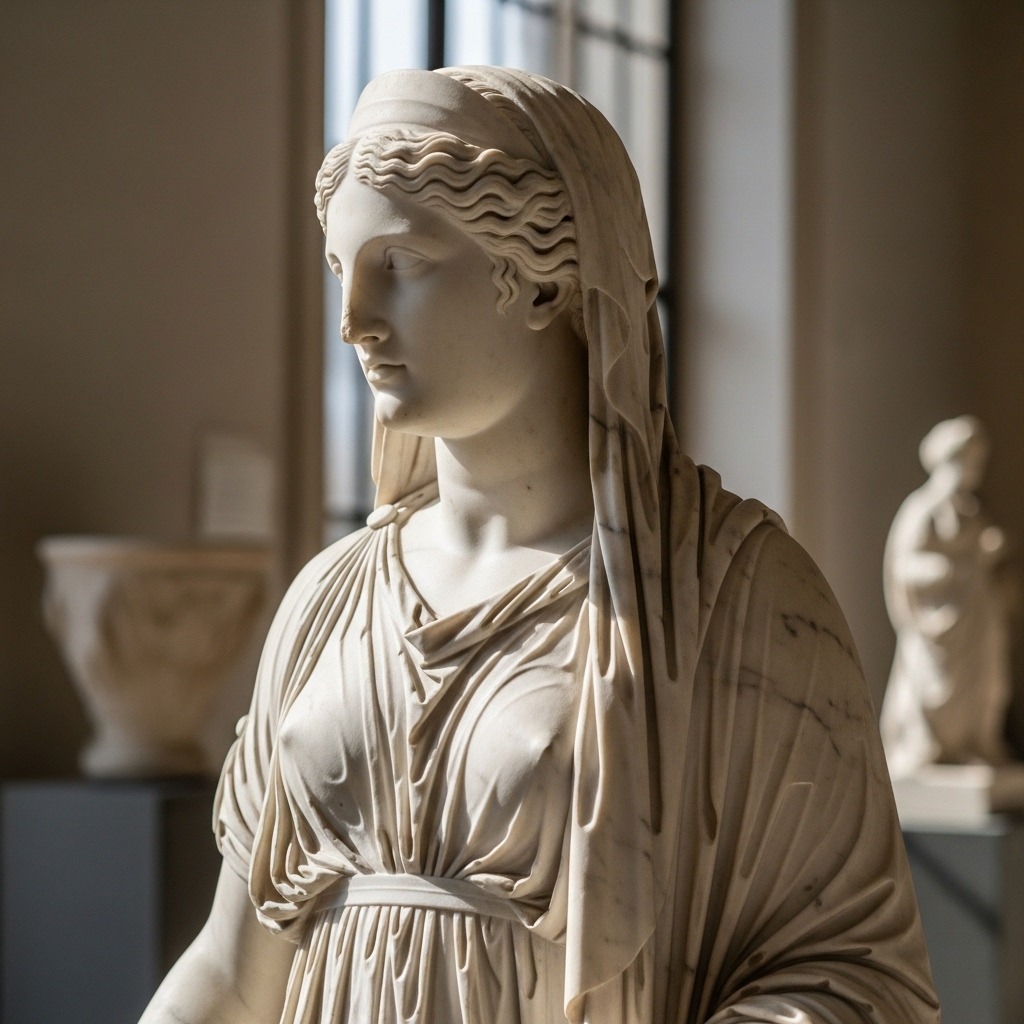
According to ancient myths, Aphrodite emerged from the foam of the sea. This dramatic birth took place after Cronus severed Uranus’s genitals and tossed them into the ocean. From this foam arose Aphrodite, symbolizing beauty and purity. Her name even hints at this origin, as it translates to “foam-arisen.” This story not only showcases her stunning birth but also reflects her connection to the elements of nature.
Connection to Venus and Eastern Deities
Aphrodite isn’t just a standalone goddess. She has an intriguing connection to Venus, her Roman counterpart. Both goddesses represent love, but their myths and worship vary across cultures. Additionally, some scholars suggest that Aphrodite may have roots in Eastern deities, linking her to the broader tradition of love and beauty across civilizations. This duality adds depth to her character, showing how diverse cultures interpret love differently.
Symbolism of Her Origins
Aphrodite’s birth from the sea foam carries rich symbolism. The sea often represents the unconscious and the unknown, while foam signifies transformation and new beginnings. This duality in her origins reflects her role as a goddess of love, embodying both the ecstatic highs and tumultuous lows of romantic relationships.
- Transformative Nature: The sea foam symbolizes the fluidity of love.
- Beauty and Desire: Her emergence highlights the enchanting aspects of attraction.
- Cultural Significance: Different interpretations of her birth resonate across various art forms and literature.
Aphrodite’s origins remind us that love is a powerful force, both beautiful and complex.
2. Symbolism of Swans in Aphrodite’s Myths

Swans play a special role in Aphrodite’s stories. They symbolize beauty and love, enhancing her enchanting presence in mythology.
Swans as Symbols of Beauty
Swans are often seen as the epitome of grace. Their elegant movements resonate with the ideals of beauty that Aphrodite embodies. In her myths, swans are closely associated with romantic love.
- Elegance in Movement: Swans glide effortlessly on water, representing the fluidity of love.
- Connection to Aphrodite: Their beauty reflects Aphrodite’s own allure and charm in the hearts of lovers.
Swans in Artistic Representations
Artists frequently depict swans alongside Aphrodite. This connection enriches their portrayal of love and beauty in various forms.
- Statues and Paintings: Swans appear in artworks celebrating love, often symbolizing the harmony and fidelity in relationships.
- Literary References: Poets often use swan imagery to evoke feelings of romance and passion, linking back to Aphrodite’s influence.
Cultural Interpretations of Swans
Swans have different meanings across cultures, often tied to love and fidelity, echoing Aphrodite’s themes.
- Greek Culture: In ancient Greece, swans were sacred to Aphrodite, representing love’s purity.
- Other Cultures: In many traditions, swans symbolize eternal love. For example, in some Native American cultures, they represent loyalty and partnership.
This shared symbolism across cultures highlights the universal nature of love, linking back to Aphrodite’s essence. Whether in myths or real life, swans remain timeless symbols of beauty and romance.
3. Aphrodite’s Chariot and Its Significance
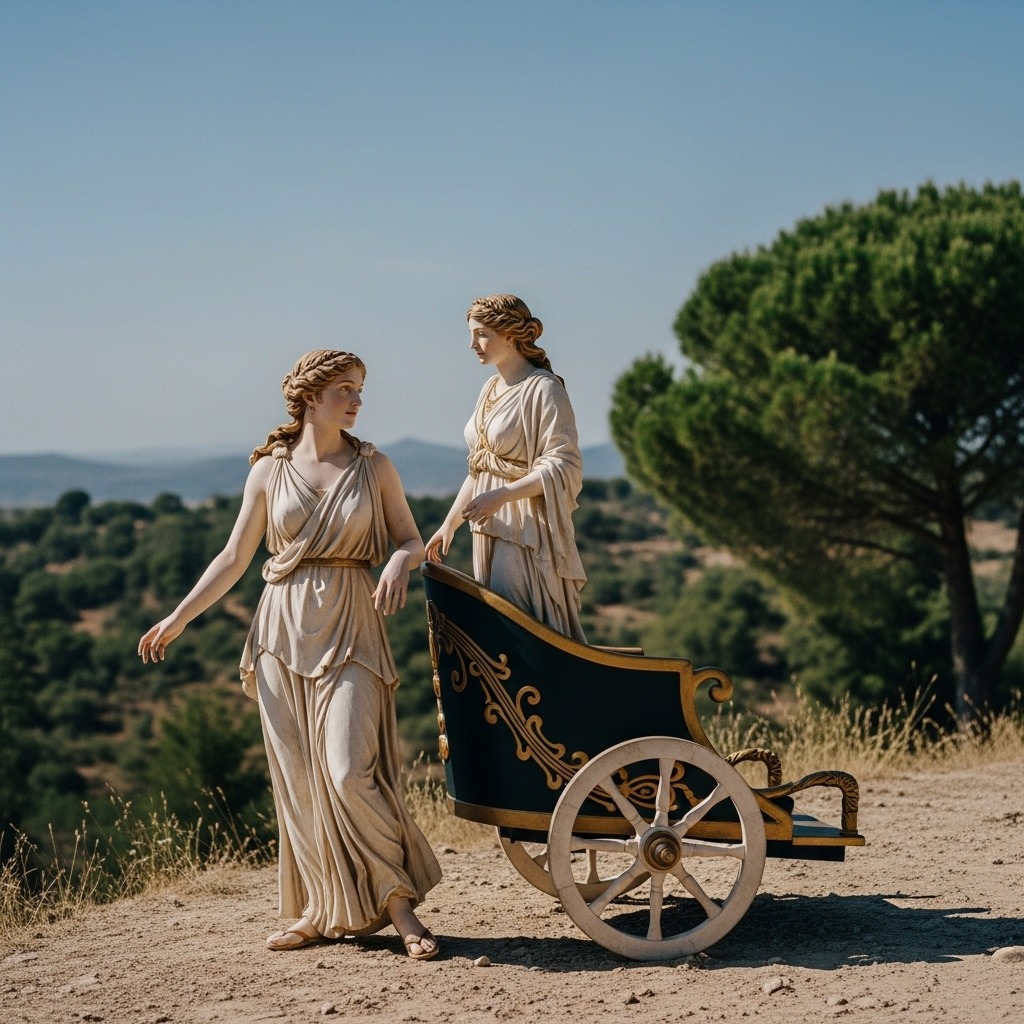
Aphrodite’s chariot, often depicted as drawn by swans, symbolizes her divine beauty and love. This imagery plays a significant role in showcasing her ethereal nature and connection to romance.
Design and symbolism of the chariot
Aphrodite’s chariot is a stunning representation of her power and grace. Here are some key points about its design:
- Materials: Often imagined as made of gold or celestial materials, emphasizing her divine status.
- Swans as Symbols: The swans pulling her chariot symbolize beauty, love, and fidelity, reinforcing Aphrodite’s connection to romance.
- Movement: The chariot glides smoothly, representing the effortless nature of love and attraction.
Chariot in art and literature
Aphrodite’s chariot has inspired countless works of art and literature. Here’s how it appears:
- Artistic Representations: In ancient pottery and sculptures, Aphrodite is often shown in her chariot. These pieces highlight her beauty and the graceful presence of swans.
- Literary References: In Sappho’s “Ode to Aphrodite,” she rides in a chariot pulled by sparrows, showcasing her ability to evoke love and desire.
Comparison with other deities’ chariots
Aphrodite’s chariot isn’t alone in mythology. Here’s how it stacks up against those of other love deities:
- Eros: Often depicted with a bow and arrow, Eros’s mode of travel emphasizes his role in igniting passion, contrasting with Aphrodite’s serene swan-drawn chariot.
- Venus: The Roman equivalent of Aphrodite also has a chariot, usually depicted with doves. Both deities symbolize love, but their vehicles highlight different aspects of that love.
The evolution of chariot symbolism across cultures often reflects the values associated with the deities who ride in them. Aphrodite’s swan-drawn chariot stands out as a testament to the beauty and power of love, demonstrating how mythology intertwines with artistic expression and cultural beliefs.
4. Aphrodite’s Influence on Art and Culture

Aphrodite isn’t just a goddess; she’s a muse for countless artists and writers throughout history. Her image and symbolism have influenced various art forms, reflecting love, beauty, and desire.
Famous artworks featuring Aphrodite
Many artists have captured Aphrodite’s essence in their works. Here are some iconic pieces:
- Birth of Venus by Sandro Botticelli: This masterpiece shows Aphrodite emerging from the sea, symbolizing beauty and love.
- Aphrodite of Milos (Venus de Milo): An ancient statue that perfectly embodies the ideal of feminine beauty.
- Aphrodite and Eros by Jean-Baptiste Carpeaux: This sculpture highlights the connection between love and desire, showcasing her relationship with Eros.
Cultural depictions of love and beauty
Aphrodite’s image resonates across cultures. Different societies have celebrated her in unique ways:
- In ancient Greece, she was depicted in art and poetry, symbolizing not just romantic love but also the beauty of nature.
- In Roman culture, she was embraced as Venus, representing love and fertility. This connection to nature persisted, influencing how beauty was portrayed in art.
- Modern interpretations often blend her essence with contemporary themes, showcasing her as a symbol of empowerment and self-love.
Evolution of Aphrodite in modern art
Aphrodite’s portrayal has evolved significantly over time. Here are some trends in modern interpretations:
- Pop Culture: Today, Aphrodite appears in films, fashion, and advertising, often representing not just beauty but also strength and independence.
- Contemporary Art: Artists now explore her character in various mediums, from painting to digital art, often challenging traditional portrayals.
- Fashion and Beauty Standards: Many brands draw inspiration from Aphrodite, using her image to promote ideals of beauty and self-expression.
Aphrodite continues to inspire artists, shaping our understanding of love and beauty through the ages.
5. Key Relationships in Aphrodite’s Life
Aphrodite’s relationships with gods and mortals are at the heart of many mythological tales. Her love life is as captivating as her beauty, influencing stories of love, jealousy, and power.
Affair with Ares
Aphrodite’s most famous affair is with Ares, the god of war. Their passionate relationship produced several children, including Eros, the god of love. This union symbolizes the blend of love and chaos.
- Adultery and Consequences: While married to Hephaestus, Aphrodite often strayed with Ares. Their love was so intense that it led to tales of betrayal and revenge.
- The Caught Lovers: Hephaestus once trapped them in a net, exposing their affair to the other gods. This incident highlights the drama in their relationship and how it impacted their reputations.
Relationship with Eros
Eros, often seen as Aphrodite’s son, represents the essence of desire and attraction. However, their relationship varies across myths.
- Parental Bond: In some stories, Eros is a primordial force, while in others, he is born from Aphrodite and Ares. This duality shows how love can be both a natural instinct and a divine gift.
- Myth of Psyche: Aphrodite plays a significant role in the story of Psyche. She sends Eros to punish Psyche for her beauty, but he ends up falling in love with her. This tale emphasizes the complexities of love and jealousy.
Significance of her Lovers in Mythology
Aphrodite’s lovers are crucial in shaping key narratives in mythology. Each relationship adds layers to her character and the tales surrounding her.
- Cultural Impact: Her affairs reflect the values of love, beauty, and fidelity in ancient Greek culture.
- Artistic Representations: From paintings to sculptures, her relationships with Eros and Ares have inspired countless artists. These depictions echo the themes of love and desire, making her a timeless figure in art and literature.
Aphrodite’s romantic escapades not only define her character but also influence the broader mythological landscape, intertwining love with the divine.
6. Festivals Celebrating Aphrodite
Aphrodite was celebrated with vibrant festivals across ancient Greece. These gatherings honored her as the goddess of love and beauty, fostering community and devotion.
Aphrodisia Festival
One of the most significant festivals was the Aphrodisia. It took place in various cities, including Corinth and Athens. This festival featured:
- Rituals: Offerings of flowers, incense, and animals were made to please Aphrodite.
- Games: Athletic competitions showcased strength and beauty.
- Processions: Colorful parades celebrated love, often including couples reaffirming their bonds.
In Corinth, the festival was particularly lavish. The city transformed into a hub of love and festivity, drawing people from surrounding areas.
Celebrations Across Ancient Greece
Different regions had unique ways of celebrating Aphrodite. Here’s a quick look:
- Cyprus: Known as her birthplace, festivals here included dramatic performances reenacting her myths.
- Syracuse: Celebrations involved theatrical plays, highlighting love stories.
- Delos: The island held rituals that intertwined worship of Aphrodite with other deities, reflecting her influence.
Each locale added its flavor, showcasing local customs while honoring Aphrodite’s role in love and beauty.
Modern-Day Celebrations and Their Significance
Today, Aphrodite’s influence lingers in various ways. Modern celebrations often blend ancient traditions with contemporary ideas. For instance:
- Valentine’s Day: While not directly linked to Aphrodite, this holiday embodies the spirit of love she represents.
- Art and Music Festivals: Many cultural events celebrate themes of love and beauty, echoing Aphrodite’s essence.
These modern interpretations keep her legacy alive, reminding us of the timeless nature of love and connection.
7. Common Misconceptions about Aphrodite
Aphrodite, the Greek goddess of love and beauty, is often misunderstood. Her myths and symbolism can lead to confusion about her true nature. Let’s clear up some common misconceptions.
Misunderstanding her role as a goddess
Many see Aphrodite as just a goddess of romantic love. While she does embody love, her domain is much broader. She represents desire, beauty, and even fertility. Aphrodite isn’t just about sweet romance; she’s also about passion and attraction in all forms.
Common myths debunked
1. Aphrodite and War: Some think she only promotes love. But in myths, she has a fierce side. In the Iliad, she intervenes in battles, showing her protective nature towards her son Aeneas. This highlights her complexity beyond just love.
2. Born from Zeus: Many believe she’s the daughter of Zeus. While some stories say she is, others claim she emerged from sea foam. This duality shows the different cultural interpretations of her origins.
3. Aphrodite and Eros: People often assume Eros, the god of love, is her only child. However, she has other offspring too, like Harmonia, the goddess of harmony. Eros is just one aspect of her multifaceted character.
Nuanced views of her character
Aphrodite’s identity isn’t static. Her representation varies across cultures. In some myths, she is a nurturing figure, while in others, she embodies temptation. This flexibility has led to her being worshipped in diverse ways.
- Cultural Variations: Different regions regarded her differently. In Cyprus, she was seen as a goddess of beauty, while in Sparta, she was associated with war. These variations reflect how deeply her character resonates across different societies.
- Artistic Representations: Sculptures and paintings often depict her in various forms. Some show her as a seductive figure, while others highlight her maternal side. This artistic diversity emphasizes her complex nature.
Understanding Aphrodite requires looking beyond the surface. Her myths and representations tell a richer story than just love and beauty.
8. Aphrodite Compared to Other Love Deities
Aphrodite isn’t just a goddess of love; she’s part of a rich tapestry of love deities across cultures. Let’s take a closer look at how she compares to her counterparts, particularly Venus and Eros.
Aphrodite vs. Venus
Aphrodite and Venus share many similarities but have unique traits that set them apart.
- Origins: Aphrodite is rooted in Greek mythology, while Venus is her Roman counterpart. Both goddesses represent love and beauty, but Venus also embodies aspects of fertility and agriculture.
- Symbolism: Aphrodite is often associated with swans, representing beauty and grace. Venus, on the other hand, is linked to more nurturing qualities, reflecting her agricultural roots.
- Mythological tales: Aphrodite’s stories focus on romantic love and desire, while Venus often highlights motherhood and the nurturing side of love.
Eros and His Relationship with Aphrodite
Eros, the god of love, has a fascinating relationship with Aphrodite.
- Parentage: In some myths, Eros is Aphrodite’s son, showcasing love’s generational aspect. However, in other traditions, he exists before her, emphasizing the primal force of love.
- Narratives: Aphrodite often interacts with Eros in stories that explore love’s complexities. For instance, in the tale of Eros and Psyche, Aphrodite initially opposes Psyche but eventually plays a role in their reunion.
- Symbolism: Eros is depicted as a youthful figure with wings, representing the fleeting and sometimes reckless nature of love, contrasting with Aphrodite’s more mature embodiment of desire.
Cultural Variations in Love Deities
Different cultures have their unique takes on love deities, all with fascinating similarities and differences.
- Hindu Mythology: In India, Kamadeva is the god of love, often depicted with a bow made of sugarcane and arrows of flowers. He shares similarities with Eros as a youthful figure promoting love.
- Norse Mythology: Freyja, the goddess of love and fertility, embodies both sensuality and war. Unlike Aphrodite’s more romantic leanings, Freyja’s character blends love with strength and independence.
- Egyptian Mythology: Hathor, the goddess of love, beauty, and motherhood, emphasizes joy and music. While similar to Aphrodite, her focus on the nurturing aspect of love is more pronounced.
These comparisons highlight the rich diversity in how love is celebrated and portrayed across cultures. Aphrodite may be iconic, but she exists in a vibrant world of love deities, each with their stories and symbolism.
9. Aphrodite’s Legacy in Modern Culture
Aphrodite’s influence is everywhere today. From movies to fashion, her image and stories shape our understanding of love and beauty.
Aphrodite in popular media
Aphrodite pops up in films, TV shows, and books. She’s often depicted as the ultimate symbol of love and attraction. Think of her as the ancient version of a modern-day romance icon.
- Movies: Films like “Clash of the Titans” bring her story to life, showcasing her beauty and charm.
- TV shows: Series like “Xena: Warrior Princess” feature her as a powerful goddess, influencing love and relationships.
- Books: Many novels reference Aphrodite, using her as a metaphor for passion and desire.
Modern art representations
Artists today continue to draw inspiration from Aphrodite. Her image often evokes themes of love and beauty.
- Paintings: Works by Botticelli and other artists celebrate her allure.
- Sculptures: Modern sculptures often reinterpret her form, blending traditional and contemporary styles.
- Fashion: Designers use Aphrodite’s essence, creating pieces that embody her beauty and grace.
Cultural references in literature
Aphrodite also leaves her mark in literature. Writers use her symbolically to explore deeper themes of love and desire.
- Poetry: Many poets reference her to convey complex emotions around love.
- Novels: Characters inspired by Aphrodite navigate romance, jealousy, and desire.
- Mythology retellings: Authors reimagine her story, connecting ancient myths to modern love stories.
Aphrodite’s legacy is a rich tapestry woven into the fabric of our culture. Her essence of love and beauty continues to inspire us in countless ways.
10. Key Takeaways about Aphrodite
Aphrodite, the Greek goddess of love and beauty, is a fascinating figure in mythology. Her symbols and stories reveal much about ancient beliefs and continue to resonate today.
Recap of major points
- Origins: Aphrodite has two main origin stories. Some say she was born from the foam of the sea, while others claim she is the daughter of Zeus and Dione. This duality highlights her complex nature.
- Symbolism of Swans: Swans are closely linked to Aphrodite. They symbolize beauty, love, and grace, often depicted alongside her in art.
- Chariots: Aphrodite is often shown riding a chariot pulled by swans or doves. This imagery emphasizes her divine status and connection to love.
- Relationships: She is associated with Eros, the god of desire, and parallels can be drawn with Venus, her Roman counterpart. Both deities embody aspects of love but have unique traits.
- Cultural Influence: Aphrodite’s impact is evident in art, literature, and even fashion. Her essence inspires countless creative expressions, from ancient poetry to modern designs.
- Festivals: Various festivals celebrated her, highlighting her importance in Greek culture. These events were centered around love, beauty, and fertility.
Aphrodite’s lasting influence
Aphrodite endures as a symbol of love and beauty. Her stories remind us of the complexities of human relationships. Artists and writers still draw on her themes, making her relevant even today.
Importance of understanding her mythology
Grasping Aphrodite’s mythology offers insights into ancient beliefs about love and beauty. This understanding enriches our appreciation for how she shapes modern culture and the arts. By studying her stories, we gain a deeper comprehension of love itself.
Frequently Asked Questions
These quick answers cover the most common questions about this topic, including key details, practical tips, and common concerns.
What are 5 interesting facts about Aphrodite?
1. Aphrodite was born from sea foam after Uranus’s severed genitals were thrown into the ocean.
2. She is often depicted riding a chariot pulled by swans, symbolizing love and beauty.
3. Her main symbols include doves, roses, and myrtles, representing love and desire.
4. Aphrodite is connected to the Roman goddess Venus, with similar roles in love and beauty.
5. She played a key role in myths like the Trojan War and the story of Psyche, influencing art and culture.
Why does Aphrodite need a chariot?
Aphrodite’s chariot symbolizes her divine power to inspire love and attraction. It elevates her status among gods and mortals, representing her ability to move freely across the world of gods and humans. The chariot, often drawn by swans or doves, emphasizes her grace, beauty, and connection to love’s divine nature.
Who is Aphrodite’s baby daddy?
In most myths, Aphrodite’s most famous child is Eros, the god of love and desire, who is often considered her son. Some stories also mention her relationship with Ares, the god of war, with whom she had children like Harmonia. Her relationships reflect her role as a goddess of attraction and passion.
Is Aphrodite related to swans?
Yes, swans are closely associated with Aphrodite. They symbolize her beauty, grace, and love. In mythology and art, she is often depicted riding or accompanied by swans, which emphasize her divine qualities and her connection to romantic and eternal love.
How did Aphrodite’s symbolism evolve over time?
Aphrodite’s symbols, like doves, roses, and swans, have remained consistent but gained new meanings in different cultures. Over time, her image expanded from a goddess of romantic love to also embody beauty, fertility, and desire. Modern interpretations often depict her as a symbol of empowerment and self-love.
When was Aphrodite most widely worshipped?
Aphrodite was most widely worshipped during the classical period of ancient Greece, especially in cities like Cyprus, Corinth, and Athens. Her festivals, such as the Aphrodisia, were celebrated with rituals, offerings, and processions, highlighting her importance in Greek religion and culture.
What issues or misconceptions surround her mythology?
A common misconception is that Aphrodite only promotes romantic love, but her myths also include themes of desire, jealousy, and even conflict. Some believe she is solely a seductress, but her stories reveal her complex nature, embodying both nurturing and tumultuous aspects of love. Additionally, her origins are sometimes oversimplified, ignoring the dual stories of her birth from sea foam or divine parentage.