
This article explores 9 famous archers in Greek mythology, showcasing their significance, skills, and the myths surrounding them. From legendary heroes to revered gods, these archers wielded their bows with unmatched prowess, shaping the narratives of ancient Greek lore.
1. Philoctetes: The Hero of Troy
Philoctetes is a key figure in Greek mythology. His story is one of resilience, skill, and destiny. He became famous for his archery skills and his crucial role in the Trojan War.
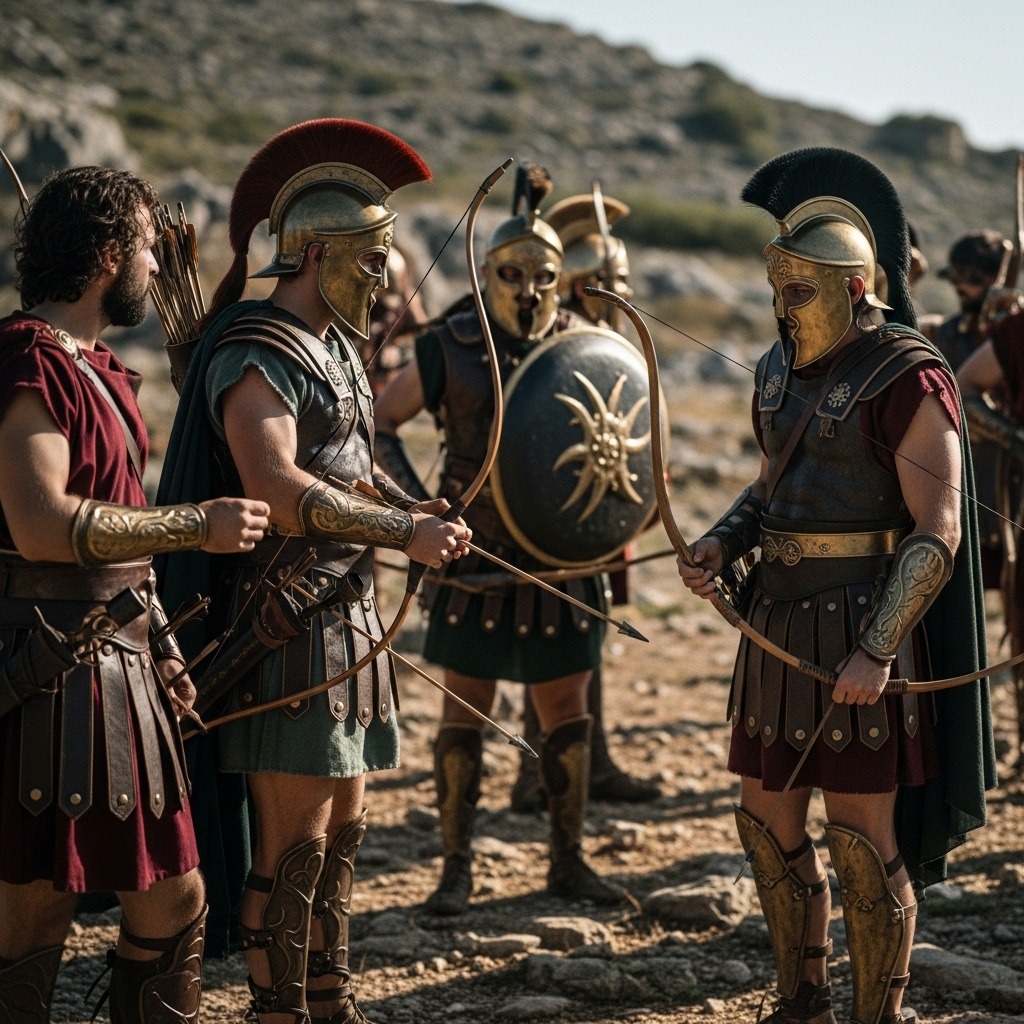
Philoctetes’ Abandonment and Return
Philoctetes was left behind on the island of Lemnos. After a snake bite left him with a foul smell, his companions abandoned him during the journey to Troy. This moment was pivotal. Alone on the island, he honed his archery skills, becoming an unmatched marksman. His time in isolation shaped him into a formidable archer, which would later prove vital in the war.
The Prophecy of Troy
A prophecy stated that the Greeks could not win the Trojan War without Heracles’ bow, which Philoctetes possessed. This weapon was a gift from Heracles, given to him for his loyalty. The bow symbolized strength and divine favor. It had a significant role in the Greek victory. Eventually, Odysseus and Neoptolemus sought him out to bring him back to the battlefield.
His Iconic Victory Over Paris
Philoctetes returned to Troy just in time to fulfill his destiny. During one of the battles, he spotted Paris, the prince of Troy. With his legendary bow, he shot an arrow that struck Paris down. This moment was a turning point in the war, showcasing Philoctetes’ unmatched skill and the importance of his archery to the Greek cause.
Summary of Philoctetes’ Significance
- Archery Skill: Philoctetes became a master archer during his isolation.
- Heracles’ Bow: The bow symbolized his connection to heroism and divine support.
- Key Role: His actions directly influenced the outcome of the Trojan War.
Philoctetes’ journey highlights the significance of archery in Greek mythology. His story is a blend of heroism and the trials that shaped him, making him one of the most famous archers in the lore.
2. Eros: The God of Love and Archery

Eros holds a fascinating place in Greek mythology. He isn’t just the god of love; he’s also an archer. With his magical arrows, he influences both gods and mortals, creating bonds and stirring emotions.
Table of Contents
The Duality of Eros’ Arrows
Eros wields two types of arrows. One set is gold-tipped, inspiring love and desire. The other, tipped with lead, brings aversion and heartbreak. This duality shows the complex nature of love. It’s not always sweet; it can also be painful.
- Gold Arrows: Ignite passion and longing.
- Lead Arrows: Cause rejection and sorrow.
Eros and Apollo’s Rivalry
Eros often found himself at odds with Apollo, the god of archery and prophecy. While Apollo represented reason and order, Eros embodied chaos and emotion. Their rivalry highlights the struggle between love and logic.
- Contrast in Powers: Apollo’s skills are about precision; Eros’ are about unpredictability.
- Famous Myth: In one story, Eros accidentally pricks himself and falls for Psyche, showcasing love’s uncontrollable nature.
His Influence on Mortals and Gods
Eros’ arrows have far-reaching effects. He can cause gods to fall in love or create tensions among them. His influence extends to legendary figures like Psyche and even the great heroes of mythology.
- Impact on Psyche: Eros and Psyche’s story is about love’s trials and triumphs.
- Connecting Gods: Eros is often seen as a bridge between divine beings, fostering relationships that shape myths.
Eros isn’t just about love; he represents the power of emotions and how they can intertwine the fates of both mortals and gods. His role in mythology adds depth to our understanding of love’s complexities.
3. Orion: The Hunter Turned Constellation
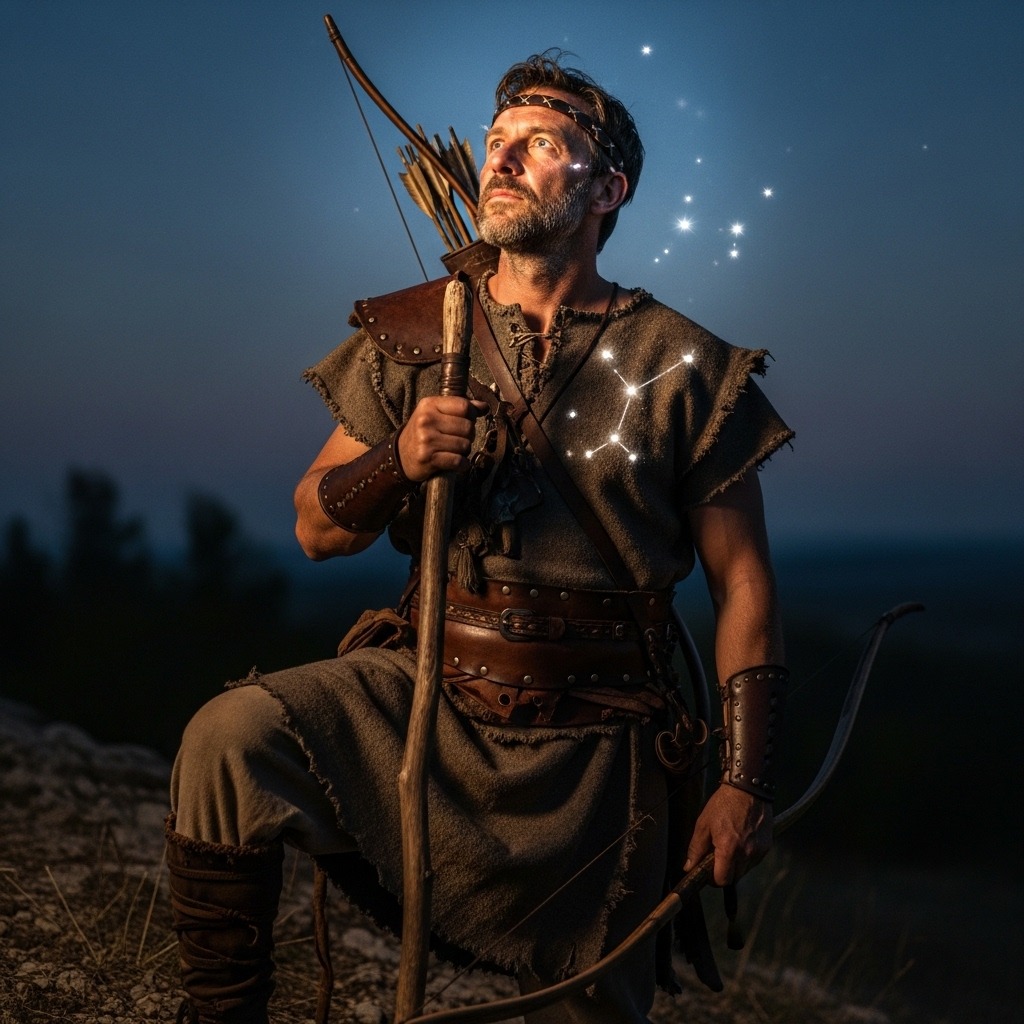
Orion is one of the most famous archers in Greek mythology. Known for his immense skills as a hunter, he has a compelling story that intertwines love, rivalry, and a fate that reaches the stars.
Orion’s Legendary Hunting Skills
Orion was not just any hunter; he was a giant with exceptional abilities. His hunting prowess made him a hero among mortals and gods alike. He could even walk on the ocean floor, his head bobbing above the waves. This made him a formidable figure in the mythological world.
- Son of Poseidon: Being a son of the sea god, Orion had a natural connection to hunting and adventure.
- Confrontations with Beasts: He took on dangerous beasts, proving his skills time and again.
- Cultural Symbol: In ancient Greece, Orion represented the ideal hunter, embodying strength and courage.
The Love Story with Artemis
Orion’s tale takes a romantic turn with Artemis, the goddess of the hunt. Their relationship was filled with passion but also jealousy.
- Jealous Apollo: Orion caught the eye of Artemis, which made her twin brother, Apollo, furious. He wanted to keep his sister’s attention all to himself.
- Tragic Mistake: Apollo tricked Artemis into believing Orion was a threat. In a moment of misjudgment, she shot him with her bow. When she realized her mistake, she was heartbroken and forever mourned him.
Transformation into the Night Sky
Orion’s story doesn’t end with his death. Instead, it leads to his transformation into a constellation, a symbol of his legendary status.
- Celestial Legacy: After his death, Artemis placed him among the stars. This act immortalized him as a constellation, allowing him to continue hunting in the night sky.
- Cultural Significance: Orion’s placement among the stars reflects the Greeks’ deep connection to the cosmos and the importance of hunting in their culture.
- Seasonal Changes: His appearance in the night sky also marked seasonal changes, guiding ancient Greek hunters in their pursuits.
Orion’s myth serves as a reminder of the importance of hunting in Greek culture. His story reflects bravery, love, and the eternal bond between humans and the cosmos.
4. Chiron: The Wise Centaur
Chiron stands out in Greek mythology. He’s not just any centaur; he’s a blend of wisdom and archery skills. Let’s dive into what makes him special.
Chiron’s Arcane Knowledge
Chiron was known for his profound wisdom. Unlike other centaurs, who often acted on impulse, Chiron was calm and thoughtful. He had a deep understanding of medicine, music, and archery. This mix of skills made him a unique figure.
- Healing Abilities: Chiron was a healer, using herbs and knowledge of the body to treat others. His skills in healing were almost as revered as his archery.
- Mentorship: He trained many heroes, including Achilles and Heracles. His teachings shaped their futures and helped them become legends.
As a Mentor to Heroes
Chiron’s role as a mentor was crucial. He didn’t just teach archery; he guided future heroes in life.
- Epic Training: He taught skills that went beyond archery. His students learned discipline, strategy, and the importance of honor.
- Legacy of Heroes: Chiron’s influence can be seen in the bravery and skills of his students, like Achilles, who became a key figure in the Trojan War.
The Symbolism of His Skills
Chiron’s skills symbolize the balance of intellect and strength. He represents the ideal of using one’s abilities for the greater good.
- Archer and Healer: His dual talents remind us that strength isn’t just physical. Wisdom and compassion are equally important.
- Cultural Significance: In Greek culture, archery was seen as an art form. Chiron elevated this practice, combining it with his healing knowledge.
Chiron’s legacy lives on. He shows us that being a great archer is about more than just hitting a target. It’s about wisdom, guidance, and the impact one person can have on many lives.
5. Atalanta: The Swift Huntress
Atalanta stands out as one of the most fascinating archers in Greek mythology. Her story reflects a unique blend of skill, independence, and the struggle against societal norms.
Atalanta’s Early Life and Abandonment
Atalanta was no ordinary girl. Abandoned by her father at birth for not being a son, she was raised by a bear in the wilderness. This upbringing shaped her into a fierce huntress. She learned to hunt and fight, mastering the bow and arrow. Her skills quickly earned her respect, making her a notable figure among male hunters.
The Calydonian Boar Hunt
One of Atalanta’s most famous feats came during the Calydonian Boar Hunt. The king of Calydon sent out a call for heroes to hunt a monstrous boar terrorizing his land. Atalanta, eager to prove herself, joined the hunt. She was the first to wound the beast, a remarkable achievement that showcased her exceptional archery skills. This act not only highlighted her abilities but also challenged traditional gender roles.
Her Legacy in Mythology
Atalanta’s impact on mythology is profound. She symbolizes female empowerment in a male-dominated world. Her story encourages discussions about gender roles and the representation of women in mythology.
- Breaking Barriers: Atalanta’s skills with a bow challenge the notion that archery was solely a male pursuit. She shows that women can be equally skilled and brave.
- Cultural Significance: Atalanta’s narrative emphasizes the importance of recognizing female strength. She remains a source of inspiration for those advocating for gender equality today.
- Modern Interpretations: In contemporary readings, Atalanta is celebrated as a feminist icon. Her legacy continues to resonate, encouraging women to defy societal expectations.
Atalanta’s story is a powerful reminder of the importance of challenging norms and celebrating diverse strengths.
6. Artemis: The Goddess of the Hunt
Artemis is one of the most famous archers in Greek mythology. As the goddess of the hunt, she embodies strength, independence, and a deep connection to nature. Let’s explore her skills, relationships, and significance in mythology.
The Origin of Artemis’ Skills
Artemis was born to Leto and Zeus, alongside her twin brother, Apollo. From a young age, she showed an exceptional talent for archery. Here are key points about her skills:
- Gifted Bow: Zeus gifted Artemis a silver bow, symbolizing her prowess and independence.
- Training: Artemis trained rigorously in the wilderness, honing her skills and becoming a master huntress.
- Divine Accuracy: Her legendary accuracy made her a feared protector of wildlife and a skilled hunter.
Her Relationship with Orion
Orion, a handsome mortal hunter, had a complicated relationship with Artemis. Their story highlights both affection and tragedy:
- Companionship: At one point, Orion was a close companion of Artemis. They shared a love for hunting and nature.
- Tragic Fate: In a twist of fate, Artemis unknowingly killed Orion with her arrows. This incident reflects her fierce independence and commitment to her role as a protector of nature, even at a personal cost.
- Celestial Reminder: After his death, Orion was placed among the stars, serving as a reminder of their connection.
Artemis as a Protector of the Wild
Artemis plays a vital role in safeguarding both women and nature. Her influence extends beyond mere archery:
- Guardian of Women: Artemis is often seen as a protector of young women, ensuring their safety in a male-dominated world.
- Nature’s Champion: She fiercely defends animals and the environment, promoting harmony in the natural world.
- Cultural Symbol: Artemis represents female empowerment and independence. Her story continues to inspire those who advocate for women’s rights and environmental protection.
Artemis is not just a skilled archer; she is a symbol of strength, independence, and protection in Greek mythology. Her relationships and role as a guardian enrich her narrative, making her one of the most significant figures in ancient tales.
7. Paris: The Trojan Prince
Paris, the prince of Troy, played a pivotal and controversial role in the Trojan War. Known for his skills with a bow, he was both a hero and a scapegoat. Let’s dive into his story and impact.
Paris’ Role in the Trojan War
Paris is famous for triggering the Trojan War. His decision to abduct Helen, the wife of Menelaus, set off a chain of events leading to a decade-long conflict. But Paris wasn’t just a troublemaker; he was a skilled archer. His abilities were crucial during the war.
- Killing Achilles: Paris shot Achilles in the heel, his only vulnerable spot. This moment shifted the tide of the war. It showed that even the mightiest heroes could fall.
- Fighting from Afar: Paris preferred to fight from a distance. His archery skills allowed him to take down many Greek warriors without entering the fray directly.
The Fateful Shot at Achilles
Paris’ shot at Achilles is legendary. Using arrows given to him by Apollo, the god of archery, he struck Achilles’ heel. This act not only killed a great hero but also highlighted Paris’ role as a significant figure in the war.
- Divine Assistance: His success was partly due to divine intervention. Apollo guided his arrow, showcasing the belief that gods influenced mortal actions.
- Symbol of Weakness: Achilles’ fall serves as a reminder that everyone has vulnerabilities. Paris’ shot reveals the unpredictable nature of fate in mythology.
Legacy of Paris in Literature
Paris’ legacy extends beyond the war. He is often portrayed as a flawed hero, embodying both bravery and cowardice. His actions have sparked debates among scholars and storytellers.
- In Literature: Many works depict Paris as a tragic figure. His choices led to destruction, but they also reflect human desires and flaws.
- Cultural Impact: Paris remains a symbol of the consequences of love and betrayal. His story teaches valuable lessons about choices and their repercussions.
Paris, though often seen as a villain, is a complex character. His archery skills and the choices he made shaped the course of one of history’s most famous conflicts.
8. Teucer: The Skilled Archer of Troy
Teucer was a legendary archer known for his crucial role in the Trojan War. He was not just skilled with the bow; he also had a complex relationship with his half-brother Ajax, which shaped his story.
Teucer’s Training and Skills
Teucer honed his archery skills under the guidance of Chiron, the wise centaur. Thanks to this training, he became one of the most formidable archers in Greek mythology.
- Expert Marksman: Teucer was known for his incredible accuracy. He could hit targets from great distances.
- Battlefield Tactics: He often worked alongside Ajax, using his skills to provide cover while Ajax engaged in close combat.
His Role in the Siege of Troy
Teucer played a vital role during the Trojan War. He fought bravely and contributed to several key victories for the Greeks.
- Defending the Walls: Teucer was crucial in defending the Greek camp. His arrows helped repel Trojan attacks.
- Famous Duels: He famously took down notable Trojan warriors, showcasing his skills and bravery.
Legacy and Recognition
Despite his prowess, Teucer often stood in the shadow of his more famous brother, Ajax. However, he is remembered for his contributions to the Greek forces.
- Heroic Status: Teucer’s skills earned him respect among his peers. He was known as a reliable ally.
- Cultural Impact: His story highlights the importance of teamwork in battle. Teucer’s legacy reminds us that even the lesser-known heroes have significant roles to play.
Teucer’s journey in the Trojan War serves as a testament to the power of archery in ancient Greece. His story is filled with bravery, skill, and the bonds of brotherhood.
9. Actaeon: The Tragic Hunter
Actaeon was a skilled hunter, but his fate took a tragic turn after crossing paths with the goddess Artemis. His story illustrates the complexity of respect towards the divine and the consequences of hubris.
Actaeon’s Encounter with Artemis
Actaeon stumbled upon Artemis while she was bathing in a secluded grotto. He couldn’t help but gaze at her beauty. But this moment of curiosity led to a catastrophic mistake. Artemis was not just any goddess; she was the protector of the hunt and fiercely guarded her privacy.
- Divine Retribution: Artemis was enraged by Actaeon’s intrusion and decided to punish him.
- Transformation: She transformed him into a stag, stripping away his human form.
The Transformation into a Stag
Once transformed, Actaeon found himself in a dire situation. He was now a prey rather than a hunter. His own hunting dogs, unable to recognize their master, chased him down.
- Tragic End: Actaeon was torn apart by his pack, a brutal reminder of the price of disrespecting the gods.
- Symbol of Hubris: His story serves as a cautionary tale about the dangers of pride and the importance of boundaries.
Themes of Hubris and Retribution
Actaeon’s story is rich in moral lessons. It emphasizes the need for respect toward the divine and the severe consequences of overstepping boundaries.
- Respect the Divine: Actaeon’s failure to honor Artemis highlights the importance of reverence in relationships with gods.
- Hubris Leads to Downfall: His encounter showcases how arrogance can lead to devastating consequences.
In Greek mythology, archers like Actaeon remind us that skill and bravery must be balanced with humility and respect. The tragedy of Actaeon serves as a poignant lesson about the consequences of our actions, especially when they involve the divine.
10. The Legacy of Archery in Greek Mythology
Archery played a vital role in Greek mythology and culture. It symbolizes skill, power, and divine favor. Let’s dive into its significance and how it shaped the stories of famous archers.
Archery as a Symbol of Skill
Archery represents not just physical skill but also mental acuity. The best archers displayed precision, focus, and adaptability. Each archer’s story highlights these traits:
- Philoctetes: Perfected his skills during years of solitude, showcasing resilience.
- Atalanta: A master huntress whose speed and accuracy made her legendary.
- Artemis: As the goddess of the hunt, her archery skills embodied divine perfection.
These characters remind us that archery is more than shooting arrows; it’s about mastery and the connection between the archer and their target.
Influence on Warfare and Society
In ancient Greece, archery had profound implications for warfare. Skilled archers could turn the tide of battle. Their abilities were prized in military ranks. Here’s how archery influenced society:
- Strategic Advantage: Archers like Teucer played crucial roles in battles, providing cover and striking enemies from a distance.
- Cultural Symbolism: Archers were often depicted in art and literature, symbolizing heroism and valor.
- Training and Tradition: Communities trained young warriors in archery, creating a legacy of skills passed down through generations.
Archery was not just a sport; it was integral to Greek identity and military strategy.
Archery in Modern Interpretations
Today, the legacy of Greek archers continues to inspire. Modern interpretations often highlight their stories in films, literature, and art. Here’s how archery remains relevant:
- Cultural References: Films like “Troy” and “Hunger Games” feature archers, evoking the ancient tales.
- Competitive Sports: Archery has become a popular sport, influenced by techniques from Greek mythology.
- Symbol of Precision: Archery symbolizes focus and determination, traits still admired today.
The stories of these ancient archers remind us that skill, strategy, and perseverance are timeless virtues. Their influence lingers, shaping both historical perspectives and modern interests.
Frequently Asked Questions
These quick answers cover the most common questions about this topic, including key details, practical tips, and common concerns.
Who are the famous archers in Greek mythology?
The most renowned archers include gods like Artemis and Eros, heroes such as Philoctetes, Atalanta, and Orion, as well as mythological figures like Paris, Teucer, and Actaeon. Each played a unique role in myth, showcasing exceptional skill with a bow.
How did these archers become famous, and what was their impact on Greek mythology?
Many gained fame through heroic deeds, divine favor, or tragic stories. For example, Philoctetes’ skill was crucial in Troy, Artemis’ feats exemplify divine mastery, and Orion’s hunting prowess made him a celestial symbol. Their stories emphasized the importance of archery in warfare, religion, and heroism.
Why is archery significant in Greek mythology?
Archery symbolizes precision, skill, divine favor, and heroism. It often connects mortals and gods, representing power and mastery. Mythological archers demonstrate the cultural value placed on accuracy, discipline, and the divine influence in human affairs.
When did archery become prominent in Greek myths?
Archery features prominently from early Greek mythic traditions, especially in stories involving gods like Artemis and Eros, and heroes like Orion and Atalanta. Its significance grew with warfare and religious practices, solidifying its role in myth from the Bronze Age onward.
What issues or misconceptions surround these mythological archers?
A common misconception is that all archers were equally skilled or heroic. In reality, their stories range from divine symbols to tragic figures. Some stories are symbolic, and divine interventions often influenced outcomes, which can be misunderstood as pure skill.
How do these archers compare in terms of skills and achievements?
Artemis and Eros represent divine mastery of archery, while heroes like Philoctetes and Atalanta exemplify mortal skill. Artemis’s feats are unmatched in divine mythology, whereas Philoctetes’ key role in Troy highlights the importance of mortal expertise in warfare.
Are there lesser-known archers in Greek mythology worth exploring?
Yes, figures like Teucer, the Greek archer who fought bravely at Troy, and Actaeon, whose story warns of divine retribution, are less famous but significant. These characters add depth to the mythological landscape of archery.
What are some common misconceptions about these mythological figures?
Some believe all archers had divine origins or flawless skills. Others assume their stories are purely heroic, ignoring the tragic or symbolic elements. Recognizing the cultural and moral lessons in their tales offers a fuller understanding.