
Yew tree superstition is rooted in folklore, primarily associating the tree with death and bad luck, particularly when cut down.
Yew trees have long been steeped in superstition, particularly in British folklore, where they symbolize death and resurrection. This article delves into the various beliefs surrounding yew trees, exploring their historical significance and cultural associations.
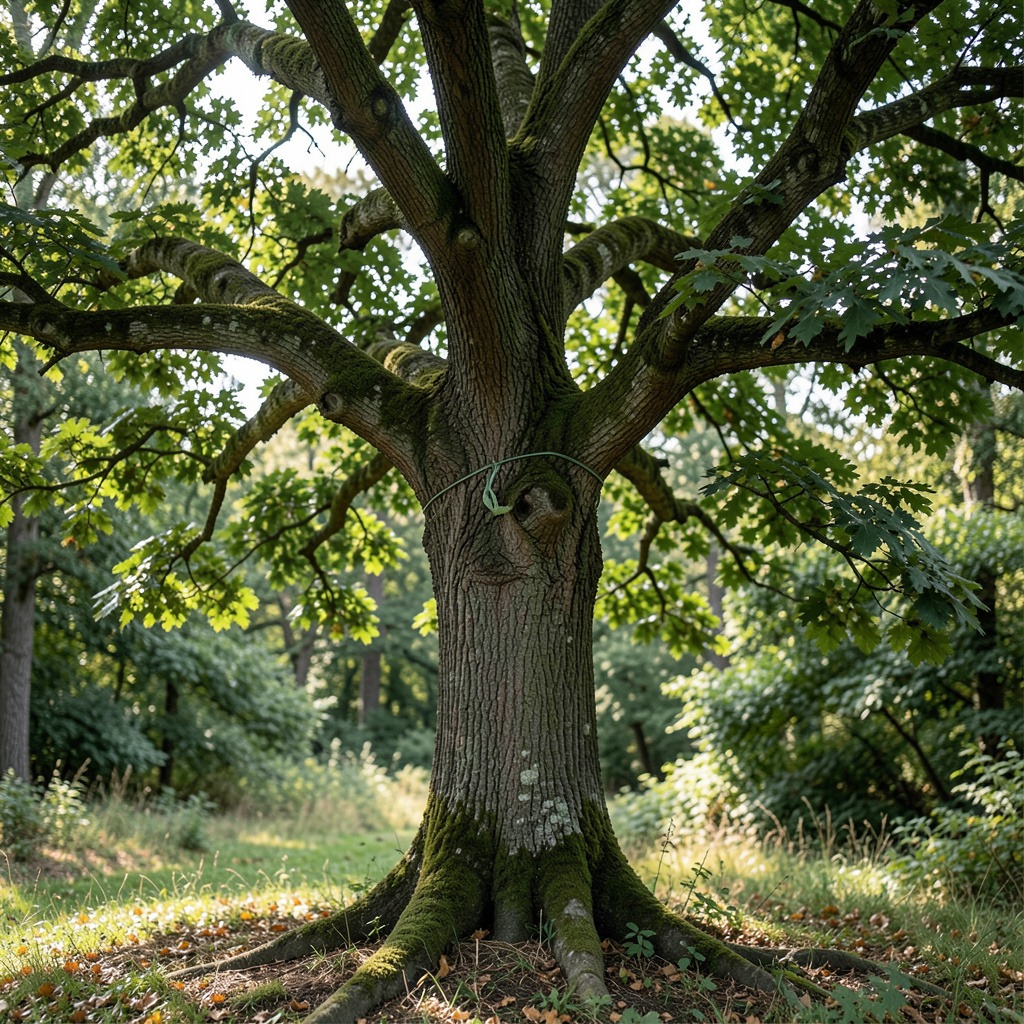
Overview of Yew Tree Superstitions
Yew trees are shrouded in superstition, often associated with bad luck and death. Their significance spans various cultures, reflecting deep-rooted beliefs and historical narratives.
Cultural Associations with Death and Resurrection
In many traditions, yew trees symbolize death and resurrection. This duality is evident in their presence in churchyards and burial sites. For instance, ancient communities buried yew shoots with the deceased, believing in their power to facilitate rebirth. The yew’s longevity and ability to regenerate contribute to its reputation as a tree of life after death.
- Symbol of Death: Yew trees are frequently found in graveyards, reinforcing their connection to mortality.
- Resurrection Beliefs: Many cultures view yews as a bridge between life and the afterlife, symbolizing renewal.
Druidic and Celtic Beliefs
The Druids held yew trees in high regard. They recognized the tree’s ability to regenerate and its long lifespan. This led to yews being viewed as sacred, embodying transformation and continuity. In Celtic mythology, yew is associated with the Otherworld, serving as a conduit for spiritual guidance.
- Druidic Symbolism: Yew trees were integral to Druidic rituals, representing wisdom and the cycle of life.
- Celtic Myths: The yew is the last tree in the Tree Ogham, symbolizing the end of one cycle and the beginning of another.
Toxicity and Health Implications
Yew trees possess a unique characteristic: their toxic nature. All parts of the tree, except for the fleshy part of the seed, are poisonous. This toxicity has contributed to their reputation as “death trees.” Communities often interpreted this danger as a warning against cutting down yews, linking it to misfortune or bad luck.
- Caution Advised: Handling yew trees requires care due to their toxic components.
- Superstitions Around Cutting: Many believe that cutting down a yew tree invites bad luck.
Modern Interpretations and Uses
Today, yew trees continue to inspire fascination and reverence. They are not only prominent in folklore but also serve practical purposes. Yew wood, prized for its strength and resilience, is used in crafting and construction. Its historical significance and modern applications reflect the enduring legacy of this remarkable tree.
- Cultural Heritage: Yew trees are often included in folklore studies, highlighting their ongoing relevance.
- Craft and Construction: Yew wood remains a sought-after material for artisans and builders alike.
Historical Significance of Yew Trees
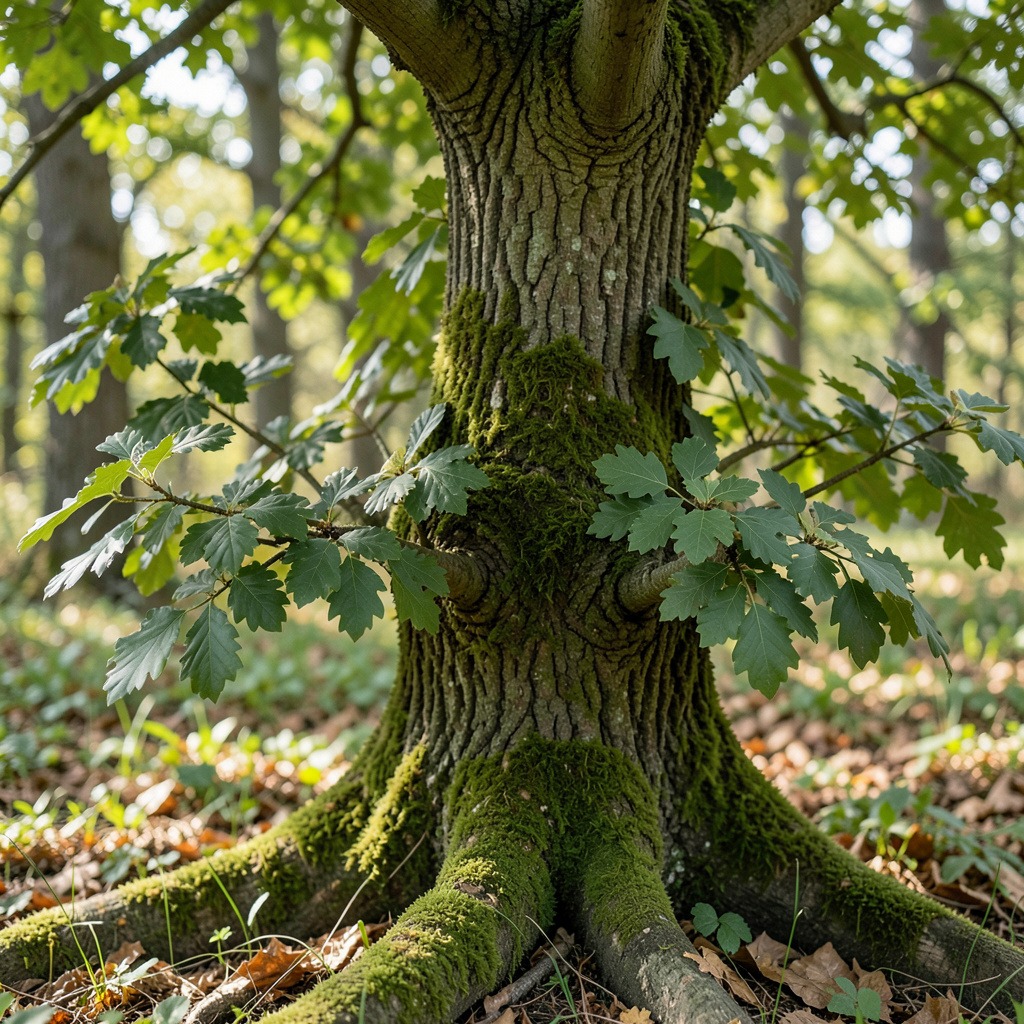
Yew trees have long been intertwined with human culture, embodying significant symbolism and historical roles. Their presence in ancient rituals and graveyards highlights their connection to death, resurrection, and spirituality.
The Role of Yew Trees in Ancient Rituals
Yew trees were sacred to various ancient cultures, particularly the Druids. They believed these trees were guardians of the underworld, symbolizing the cycle of life and death. Yew groves often served as sites for rituals and gatherings, reinforcing their spiritual importance.
- Symbol of Immortality: The evergreen nature of yew trees represents eternal life.
- Ritual Use: Yew branches were used in ceremonies, linking life to the divine.
- Burial Practices: Ancient tribes buried leaders beneath yew trees to maintain their wisdom within the community.
One notable example is the Fortingall Yew in Scotland, believed to be over 5,000 years old. This ancient tree has witnessed countless rituals and remains a testament to the yew’s spiritual significance.
Yew Trees in Graveyards and Churchyards
Yew trees are often found in graveyards and churchyards across Britain. Their association with death stems from their longevity and dark, protective foliage.
- Churchyard Dominance: Yews are commonly planted in churchyards, reflecting their historical ties to burial practices. They symbolize the transition from life to afterlife.
- Cultural Practices: In the past, yew trees were planted to ward off evil spirits and protect the souls of the deceased.
The Bleeding Yew of Nevern in Pembrokeshire is another famous example. This tree is steeped in legend, with folklore suggesting that it weeps sap, symbolizing mourning and remembrance.
In summary, yew trees serve as powerful symbols within cultural narratives, linking humanity to themes of life, death, and the eternal. Their historical presence in rituals and graveyards underscores their lasting significance in folklore and superstition.
Druidic and Celtic Beliefs Surrounding Yew Trees
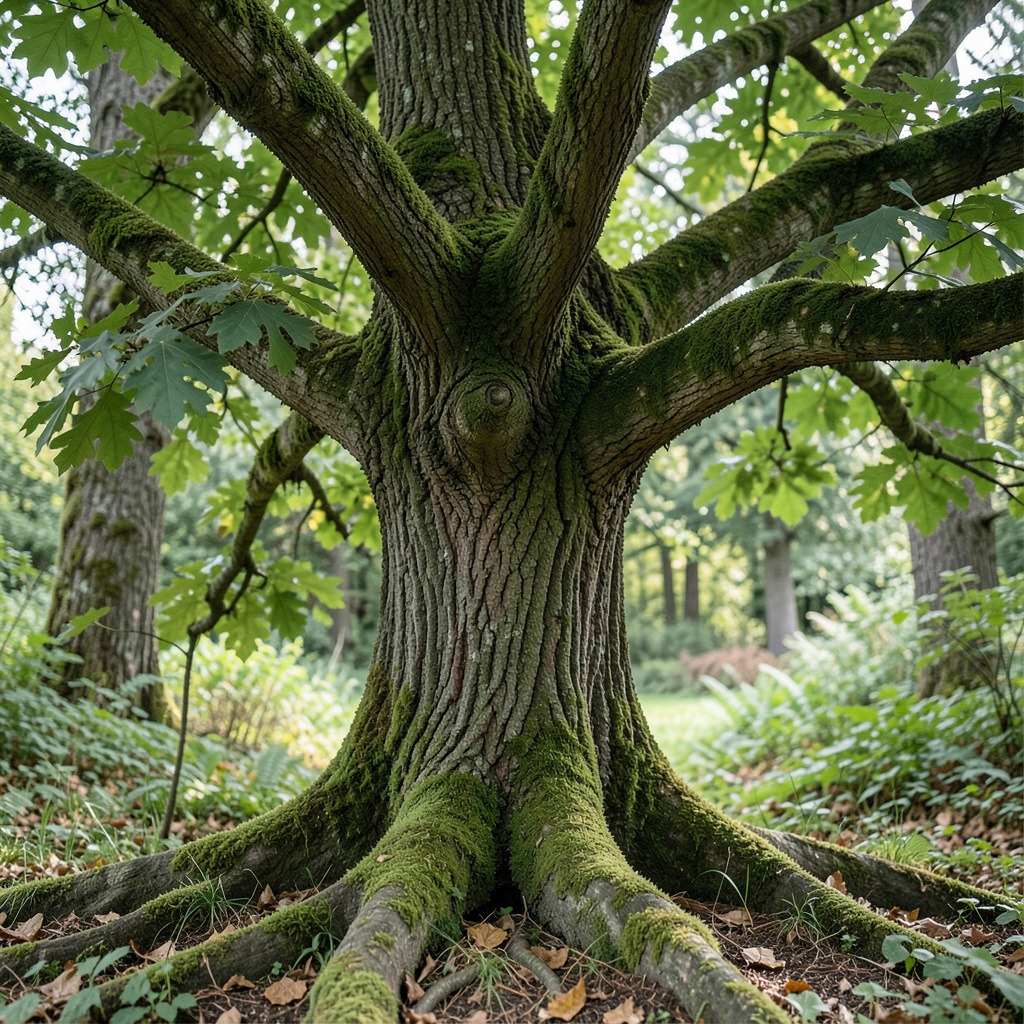
Yew trees held significant spiritual value in Druidic and Celtic traditions. They symbolized the intricate connections between life, death, and rebirth, reflecting deep-rooted beliefs in the cycles of existence.
Yew Trees as Sacred Symbols in Druidic Practices
In Druidic culture, yew trees were revered for their longevity and regenerative properties. The Druids recognized the tree’s ability to root and sprout new trunks from its drooping branches. This natural phenomenon made the yew a powerful symbol of resurrection.
Key aspects of yew’s symbolism in Druidic practices include:
- Life and Death: Yew trees were seen as mediators between the living and the deceased. They were often planted in burial sites, reinforcing beliefs in life after death.
- Ritual Use: Druids utilized yew wood to create staves for rituals. These staves were believed to carry spiritual significance, facilitating communication with the spirit world.
- Symbol of Wisdom: The yew tree is the last of the twenty trees in the Tree Ogham, an ancient Celtic alphabet. Each tree corresponds to specific spiritual insights. The Ogham symbol for yew, representing the letter “I”, connects to the themes of transformation and the journey of the soul.
The Connection to Life Cycles in Celtic Mythology
In Celtic mythology, yew trees symbolize the cyclical nature of life. They embody the transition from life to death and back to life, mirroring seasonal changes.
Examples from mythology highlight this connection:
- Guardian of Souls: Yew trees were believed to guard the souls of the departed. Their evergreen foliage represented eternal life, serving as a reminder of the continuity beyond physical existence.
- Celtic Festivals: During significant festivals, yew trees played a role in rituals celebrating death and rebirth. They were central to ceremonies that honored the changing seasons and the cycle of life.
- Famous Yew Trees: The ancient yew at Fortingall Church in Scotland is thought to predate Christianity. Its association with both sacred sites and Celtic traditions emphasizes the tree’s deep-rooted connection to spiritual beliefs.
This rich tapestry of beliefs surrounding yew trees illustrates their profound significance in Druidic and Celtic cultures, linking them to the enduring themes of life, death, and transformation.
Toxicity of Yew Trees and Its Implications
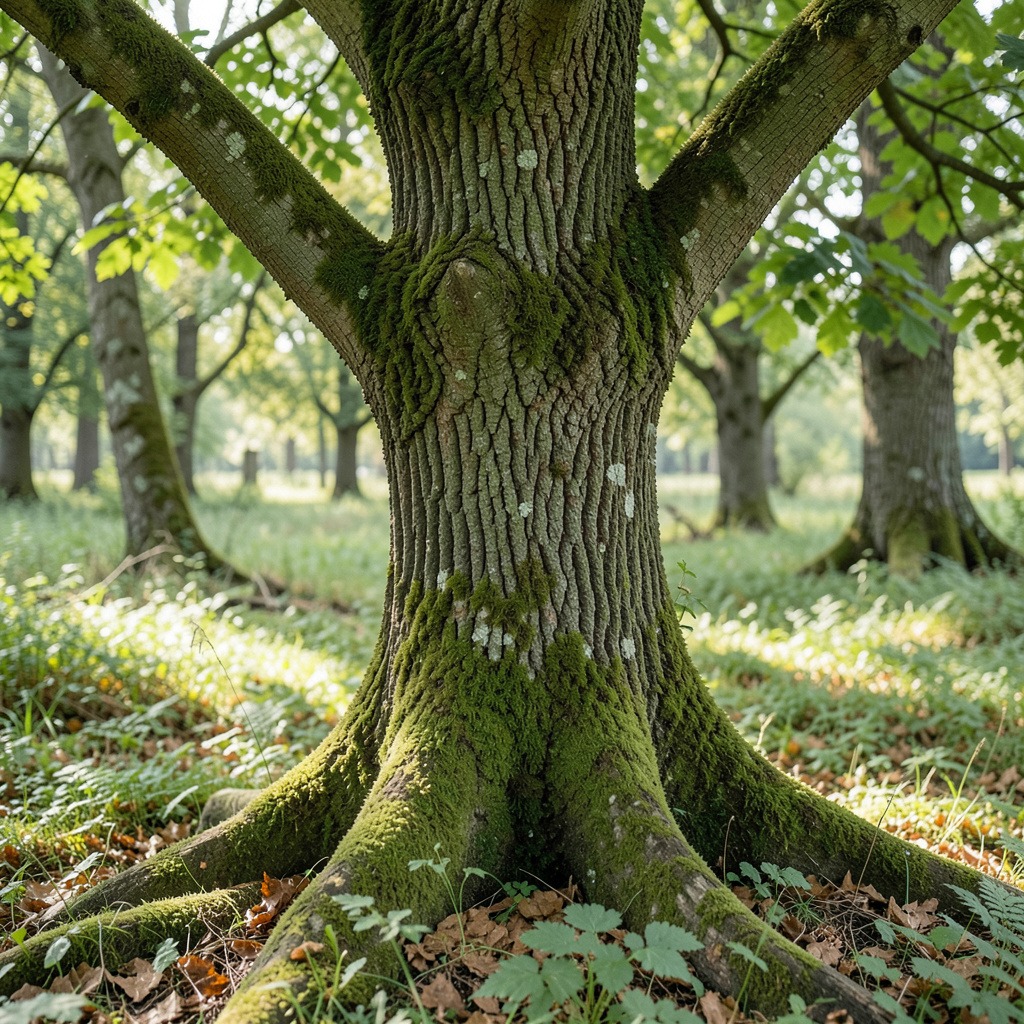
Yew trees, while revered for their cultural significance, possess a toxic nature that adds layers to their associated superstitions. Understanding the health risks linked to yew trees is essential for safe interaction and care.
Understanding Yew Toxicity
The yew tree contains toxic compounds, primarily in its leaves, seeds, and bark. These compounds can have severe effects if ingested. The toxicity is a key reason behind various superstitions surrounding yew trees, often seen as harbingers of misfortune or death.
- Toxic Compounds: The primary toxic agents in yew are taxine alkaloids, which affect the heart and nervous system.
- Symptoms of Poisoning: Ingestion can cause nausea, vomiting, abdominal pain, dizziness, and even heart failure in severe cases.
Health Risks of Handling Yew
Handling yew trees poses specific health risks, particularly through skin contact or inhalation of dust from yew wood. Awareness and caution are crucial.
- Skin Contact: Direct contact with yew leaves or bark can cause skin irritation or allergic reactions.
- Inhalation Risks: Sanding or cutting yew wood can release toxic dust, which is harmful if inhaled. Use masks and gloves when working with yew.
Checklist for Safely Handling Yew Trees
- Wear Protective Gear: Always use gloves and a mask when handling yew trees or working with yew wood.
- Avoid Ingestion: Do not consume any part of the yew tree, including leaves and seeds.
- Store Safely: Keep yew wood and any products made from it out of reach of children and pets.
- Educate Others: Inform anyone who may come into contact with yew about its toxic nature and potential risks.
This understanding of yew tree toxicity not only highlights the need for caution but also reinforces the superstitions that surround these ancient trees. Their connection to death and potential harm enhances their mystique and cultural weight in folklore.
Yew Trees in Modern Culture and Spiritual Practices
Yew trees continue to hold significant value in modern spirituality and cultural practices. Their ancient associations with death, resurrection, and transformation persist, influencing contemporary rituals and beliefs.
Yew Trees in Modern Rituals
In many spiritual practices today, yew trees symbolize a connection to the afterlife and serve as powerful ritual elements. Practitioners often incorporate yew into ceremonies aimed at honoring ancestors or marking transitions.
- Ritual Uses: Yew branches may be used in altars or offerings during spiritual ceremonies.
- Ancestral Connections: Some practitioners believe that yew trees act as conduits between the physical and spiritual realms.
- Seasonal Celebrations: During festivals such as Samhain, yew trees are often adorned or used in rituals to evoke protection and transformation.
Contemporary Beliefs About Yew
Modern interpretations of yew tree superstition emphasize their protective qualities. Many people perceive yew trees as guardians against negative energies and a symbol of resilience.
- Spiritual Protection: Yew trees are believed to absorb negative energy, making them a favored choice for sacred spaces.
- Healing Practices: Some contemporary healers utilize yew wood for making wands or tools, incorporating its energy into healing practices.
- Symbol of Immortality: The yew’s longevity reinforces its status as a symbol of eternal life, often referenced in meditation and personal growth discussions.
These practices highlight the ongoing relevance of yew trees in spiritual contexts, demonstrating their enduring appeal and profound significance in modern culture.
Practical Guide to Safely Handling Yew Trees
Yew trees hold a unique position in gardening and landscaping, but their toxicity necessitates careful handling. Understanding their characteristics and proper cultivation techniques is essential for both safety and growth.
Identifying Yew Trees
Yew trees are evergreen conifers known for their dense foliage and unique red berries. Here are key features to help identify them:
- Needles: Flat, dark green leaves that are soft to the touch.
- Bark: Reddish-brown, thin, and scaly.
- Berries: Red, fleshy arils that encase a single seed; note that the seed and foliage are toxic.
Cultivation Tips for Gardeners
When cultivating yew trees, consider the following tips to ensure healthy growth while prioritizing safety:
- Planting Location: Choose a shaded area with well-drained soil. Yews thrive in partial to full shade.
- Watering: Water regularly but avoid waterlogging. Allow the topsoil to dry out between waterings.
- Pruning: Prune in late winter or early spring to maintain shape and health. Wear gloves to prevent skin contact with sap.
- Toxicity Awareness: Educate family and visitors about the toxicity of yew foliage and seeds. Keep children and pets away from the tree.
Decision Framework for Gardeners
Here’s a decision framework to help you evaluate yew trees for your garden:
| Pros | Cons |
|---|---|
| Unique aesthetic appeal | Toxicity of leaves and seeds |
| Longevity and resilience | Requires specific soil conditions |
| Symbolic significance in folklore | Potential allergen for sensitive individuals |
This comparison helps balance the allure of yew trees against their potential risks. If you choose to plant yews, ensure you manage their toxic properties safely, while also appreciating their rich cultural significance.
Frequently Asked Questions
These quick answers cover the most common questions about this topic, including key details, practical tips, and common concerns.
What is the spiritual significance of a yew tree?
Yew trees are often seen as symbols of death and resurrection. In many cultures, they are believed to connect the living with the afterlife. Their evergreen nature represents eternal life, making them a common presence in churchyards and burial sites. The Druids, in particular, revered yews for their regenerative properties and viewed them as sacred trees that facilitate spiritual transformation.
Is it safe to touch a yew tree?
While yew trees are beautiful, they are toxic. All parts of the tree, except for the fleshy part of the seed, contain toxic compounds that can be harmful if ingested. Direct contact with the leaves or bark can cause skin irritation. It’s essential to wear gloves when handling yew wood and to educate others about its toxicity.
Why are yew trees so special?
Yew trees are special due to their rich history and cultural significance. They are often associated with ancient rituals, particularly in Druidic and Celtic traditions. Their ability to live for thousands of years and regenerate from cuttings enhances their symbolism of immortality. Additionally, yew wood is valued for its strength and is used in crafting and construction.
What is the mythology behind yew trees?
In mythology, yew trees are linked to themes of life, death, and rebirth. They are often depicted as guardians of the underworld and symbols of transformation. Celtic myths frequently associate yews with the Otherworld, serving as pathways for spiritual guidance. Their presence in graveyards reinforces their connection to mortality and the cycle of life.
What are common superstitions associated with yew trees?
Common superstitions surrounding yew trees include beliefs that cutting one down brings bad luck or death. Many cultures view yews as omens of misfortune, particularly when planted near homes. Conversely, having a yew tree in a garden is sometimes seen as a protective charm against negative energies, reflecting its dual nature in folklore.
Is it safe to plant yew trees in my garden?
Planting yew trees in your garden can be safe if precautions are taken. Ensure that children and pets are kept away from the tree due to its toxicity. Yews thrive in shaded areas with well-drained soil. If you choose to plant yews, educate others about their toxic properties and consider using them in a way that minimizes risk, such as in a designated area away from play spaces.
When were yew trees first associated with churches?
Yew trees have been associated with churches since medieval times. They were commonly planted in churchyards, symbolizing the transition from life to death. The longevity of yew trees made them fitting guardians of the dead. Their presence in these sacred spaces reflects deep-rooted beliefs in their protective qualities and their role in rituals surrounding death and resurrection.
What are some alternatives to yew trees for gardens?
If you’re looking for alternatives to yew trees, consider other evergreen options like boxwood or holly, which also provide year-round greenery without the toxicity of yews. These plants can offer similar aesthetic appeal and cultural significance without the associated risks. Additionally, explore native trees that thrive in your area, as they often require less maintenance and support local ecosystems.