
Some spiritual communities feel cult-like due to their authoritarian structures, intense group dynamics, and manipulative practices that can create an atmosphere of isolation and dependency. In my experience, understanding the underlying traits of these groups can help us navigate them more safely. Read Interesting article: Why Spirituality Can Turn Into Ego
Understanding Spiritual Communities
Definition of Spiritual Communities
Spiritual communities can take many forms, from traditional religious organizations to newer, more eclectic groups that focus on personal growth and exploration. I think what ties them together is a shared quest for meaning, connection, and a deeper understanding of life. Many of us look for a sense of belonging, and sometimes we find it in these communities. However, it’s essential to distinguish genuine spiritual growth from those that may lean toward cult-like behavior.
Common Characteristics of Spiritual Groups
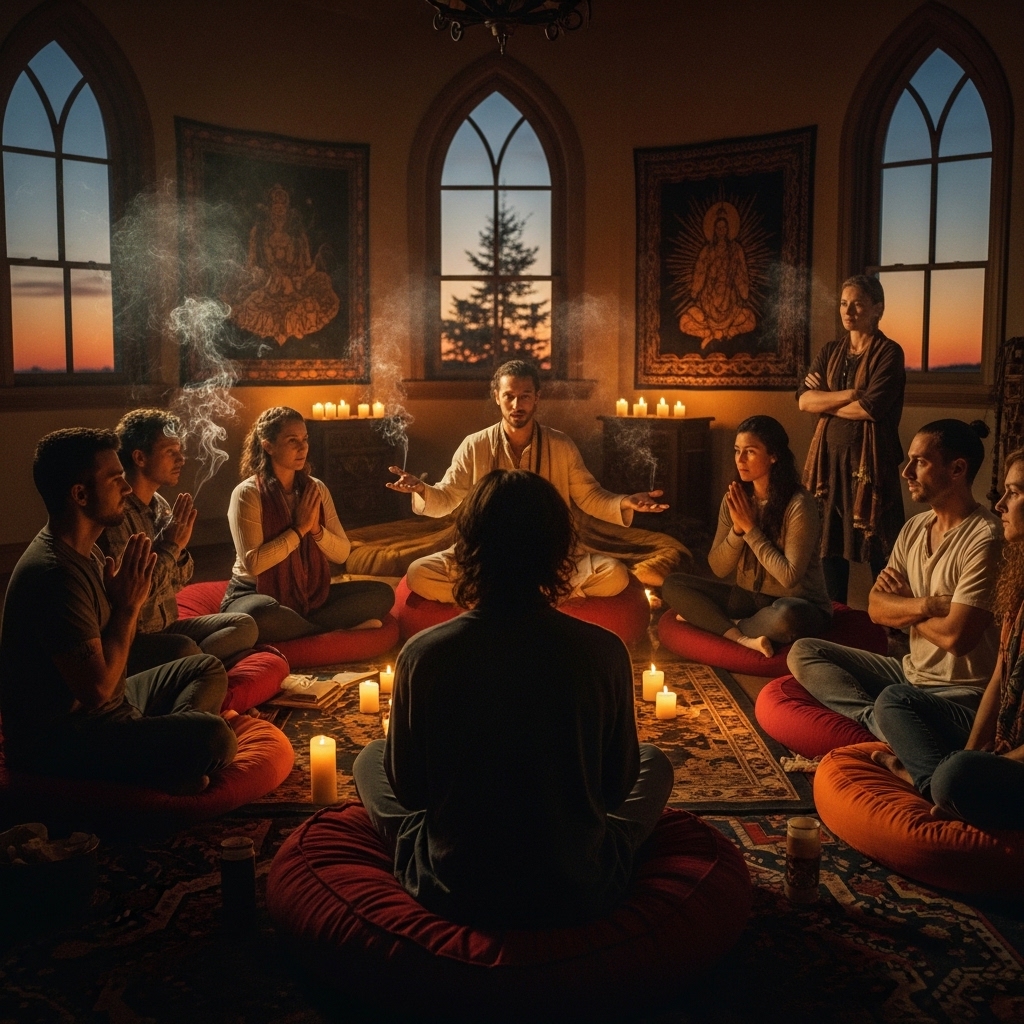
Throughout my exploration of various spiritual communities, I’ve noticed a few common characteristics that can define them. These groups often emphasize shared beliefs, rituals, and philosophies that bring members together. They may have a specific doctrine, a charismatic leader, or a particular set of practices that unify members. Significant communal activities, like meditation, prayer, or shared meals, often enhance the bond among members. While these features can create a strong sense of community, they can also lead to the exclusion of those outside the group, which can be a red flag.
Historical Context of Spiritual Movements
To understand why some spiritual communities feel cult-like, we need to look at the historical context. Many spiritual movements have emerged as reactions to societal norms or established religions. I remember reading about how the late 19th and early 20th centuries saw a surge in New Age movements, many of which sought to break away from traditional religious structures. This shift allowed for more personal interpretations of spirituality but also created environments where authoritarian figures could emerge. The quest for enlightenment, while noble, sometimes led to exploitation and manipulation, and this pattern can still be seen today in various groups.
Key Traits That Can Make a Community Feel Cult-Like
Charismatic Leadership
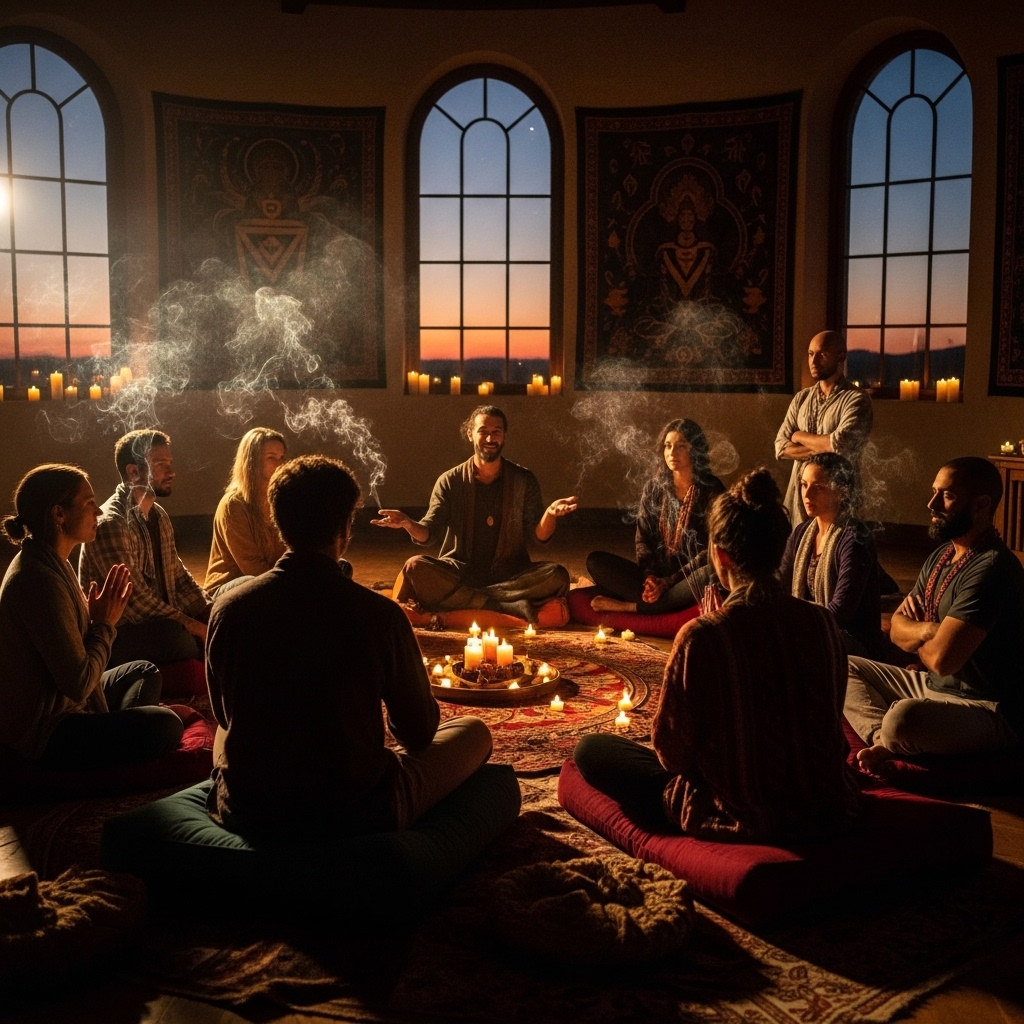
One of the most striking traits of cult-like communities is the presence of charismatic leaders. I’ve often found myself drawn to passionate individuals who seem to have a deep understanding of life’s mysteries. However, this can be a double-edged sword. When a leader becomes the focal point of a community, their influence can overshadow personal autonomy. Members might start to feel that their worth or spiritual progress is tightly linked to their relationship with this leader, fostering dependency and fear of dissent.
Exclusive Beliefs and Practices
Another characteristic that can make a spiritual community feel cult-like is the exclusivity of their beliefs. Many groups proclaim that they possess unique truths or insights unavailable outside their circle. I’ve encountered communities that claim members are part of an enlightened few, which can create an ‘us versus them’ mentality. This exclusivity can be appealing but often leads to a disregard for differing perspectives, stifling independent thought and critical questioning.
Isolation from Outside Influence
Isolation is a significant factor in many spiritual communities that feel cult-like. I remember hearing stories of groups that discourage contact with outsiders, creating an echo chamber where only the group’s beliefs are validated. This can be particularly concerning when members are cut off from family and friends, as it intensifies the community’s grip on their lives. The more isolated they become, the more control the community can exert over their thoughts and feelings.
Intense Group Dynamics
The dynamics within these communities can be incredibly intense. I’ve witnessed how collective experiences, like group meditation or communal living, can create a strong bond among members but also foster unhealthy competition and jealousy. These dynamics can lead to a pressure to conform, where individuals might suppress their own feelings or doubts to fit in. The sense of belonging is powerful, yet it can push people away from their true selves.
Manipulation and Control Tactics
Lastly, manipulation can run rampant in cult-like communities. I’ve heard accounts of emotional manipulation, where leaders exploit members’ vulnerabilities to maintain control. Techniques such as guilt-tripping, shaming, or fostering fear can create an environment where questioning the group’s practices feels dangerous. These tactics can erode self-esteem and push individuals to comply, often against their better judgment. It’s a painful realization when you find out that something you once believed in wholeheartedly has elements of manipulation woven into its fabric. Read Interesting article: Why Some Spiritual Advice Feels Toxic
Understanding these traits can be crucial for anyone exploring spiritual communities. My own experiences have taught me the importance of maintaining a sense of self and being aware of the red flags that might indicate a community is straying into cult-like territory. It’s all about finding the balance between seeking connection and preserving our autonomy.
Psychological Factors Contributing to Cult-Like Feelings
Groupthink and Conformity Pressure
I’ve noticed a fascinating aspect of human behavior within spiritual communities: the phenomenon of groupthink. This is where the desire for harmony and conformity in a group leads to irrational or dysfunctional decision-making. I remember attending a gathering where everyone seemed to agree on a controversial idea, even though I had my doubts. The pressure to align with the group was palpable, and I felt it tugging at me. In that moment, I realized how easy it is to suppress my own thoughts to fit in. When our individual thoughts are overshadowed by the group’s consensus, we might overlook important aspects or even convince ourselves that we were wrong to question. This pressure can be incredibly strong, making it hard to voice dissenting opinions without fear of alienation. It’s a slippery slope that can lead to unquestioning loyalty and a loss of critical thinking.
The Role of Cognitive Dissonance
Cognitive dissonance is another psychological factor that plays a significant role in these communities. I’ve experienced this firsthand when I found myself grappling with conflicting beliefs. For instance, I once believed deeply in a community’s teachings but began to notice behaviors that didn’t align with those teachings. This internal conflict can be uncomfortable, often leading individuals to justify or rationalize their experiences rather than confront the dissonance. I remember feeling so torn between my long-held beliefs and the unsettling realities I was witnessing. To alleviate the discomfort, I found myself defending the community’s actions, even when my gut told me otherwise. It can be incredibly disorienting when the desire to maintain a sense of belonging overrides our instincts. Recognizing this pattern is vital to protect ourselves from falling deeper into a cult-like environment.
Emotional Manipulation and Dependency
Emotional manipulation is another powerful tool used in some spiritual communities. I’ve seen how leaders can exploit vulnerabilities, tapping into our fears and insecurities to foster dependency. Often, this manipulation is subtle and can feel like genuine concern or support. I remember a time when a leader in a group I was part of took a special interest in my struggles. At first, it felt validating, but over time, it became clear that this attention also came with strings attached. The more I relied on their guidance, the more I felt I needed their approval. This emotional dependency can create a cycle where questioning the group or seeking to break free feels almost impossible. It’s important to be aware of how our emotions can be influenced in these settings and to recognize the difference between healthy support and unhealthy manipulation.
Case Studies of Spiritual Communities Perceived as Cults
The Church of Scientology
The Church of Scientology is a prominent example that many people associate with cult-like behavior. I’ve read countless accounts from former members detailing their experiences, particularly regarding the intense pressure to conform and the high levels of secrecy. The organization’s practices, such as auditing, can lead to significant emotional investment, often making it difficult for individuals to leave. I think what stands out to me is how deeply embedded the idea of exclusivity is within Scientology. They promote a narrative that only their teachings can lead to true enlightenment, which can create a powerful allure but also a significant barrier to critical thinking.
The Unification Church (Moonies)
The Unification Church, often referred to as the Moonies, is another example that illustrates the traits of cult-like communities. I remember reading about their mass weddings and the concept of spiritual family units, which can create a sense of belonging and purpose. However, I learned that this community has also faced accusations of manipulation and exploitation. The teachings often frame their beliefs as the only path to salvation, much like other exclusive groups I’ve encountered. What strikes me is the emotional intensity involved, where individuals can feel a rush of connection during group activities, only to later experience isolation if they begin to question the teachings.
NXIVM and Its Spiritual Ties
NXIVM, while primarily marketed as a self-help organization, had strong spiritual overtones that attracted many individuals seeking personal growth. I’ve followed the stories of those who found themselves entangled in its controversial practices. The emphasis on personal development and empowerment can be enticing, but I was shocked to learn that it also involved manipulation, emotional control, and exploitation of its members. The combination of spiritual ideals with harmful practices highlights how easily one can be drawn into a community that appears beneficial but harbors darker elements.
Other Notable Examples
Beyond these well-known cases, there are numerous spiritual communities that have been labeled as cults, each with its own set of practices and beliefs. I’ve come across smaller groups that, on the surface, seem harmless but can quickly reveal troubling dynamics under pressure. The common thread among these groups often revolves around the same traits I’ve discussed—charismatic leaders, exclusive beliefs, and manipulation. It makes me reflect on how essential it is for us to remain vigilant and aware of the signs as we explore our spiritual paths.
Identifying Red Flags in Spiritual Communities
Lack of Transparency
One of the most significant red flags I’ve encountered in spiritual communities is a lack of transparency. When information is withheld or only shared selectively, it can create an environment of suspicion and fear. I remember joining a group where certain teachings were only revealed after I had invested considerable time and energy. It felt like a bait-and-switch—what I initially engaged with was presented very differently as I became more involved. This secrecy can breed distrust among members and create a culture where questioning anything feels dangerous. If you notice that a community avoids discussing its beliefs or practices openly, it’s worth taking a step back to evaluate the situation.
High Pressure to Recruit New Members
Another concerning aspect is the pressure to recruit new members. I’ve seen groups where members are encouraged, or even required, to bring in new people to sustain the community’s growth or financial health. This can create an atmosphere of competition among members, where success is measured by how many people you can convince to join. I recall feeling uneasy when I was pressured to invite friends who I knew weren’t interested in that type of spiritual path. It felt less about genuine connection and more about expanding the community’s reach. If you find that a community places a heavy emphasis on recruitment rather than authentic connection, it’s a warning sign.
Disregard for Individual Autonomy
In some spiritual communities, the disregard for individual autonomy can be alarming. I’ve experienced situations where the group’s needs took precedence over personal feelings or desires. For instance, I remember a gathering where a member expressed discomfort about a certain practice, but instead of addressing that concern, the group rallied around the practice without considering his feelings. It was a stark reminder of how easily personal autonomy can be overshadowed by collective agreement. When a community discourages members from expressing their individual needs or opinions, it’s essential to recognize that as a potential red flag.
Financial Exploitation
Financial exploitation is another red flag that can indicate a cult-like environment. I’ve heard stories of communities requiring substantial financial contributions or donations under the guise of spiritual investment. In one group I was involved with, there was a constant push to purchase books, courses, or even retreats that promised enlightenment. It became clear that financial gain was a primary focus for the leaders, leading to a cycle where members were left feeling obligated to give more and more. If you notice that a community heavily emphasizes monetary contributions or makes members feel guilty for not giving enough, it’s a significant cause for concern.
How to Approach Spiritual Communities Safely
Research and Due Diligence
Before diving into a spiritual community, I’ve learned that doing thorough research is vital. I remember my initial excitement about a new group I encountered, but I made sure to look into its history, leadership, and practices. Reading reviews from former members and understanding the community’s overall reputation can provide valuable insights. It’s essential to gather as much information as possible to make an informed decision rather than jumping in blindly based on charisma or initial impressions. This due diligence can help us identify whether a community aligns with our values and intentions.
Trusting Your Intuition
Trusting my intuition has been one of the most valuable lessons I’ve learned while navigating spiritual communities. I’ve had moments where something just didn’t feel right, even when everyone around me seemed enthusiastic. I remember attending a workshop where the energy felt off; despite the positive chatter, I felt an unease in my gut. Listening to that inner voice is crucial. If you sense discomfort, confusion, or pressure, it’s essential to take those feelings seriously. Our instincts can often provide clearer guidance than any external validation.
Establishing Boundaries
Establishing personal boundaries is another critical strategy I’ve found helpful. In many spiritual communities, the lines can blur, making it easy to lose sight of where you end and the group begins. I’ve learned the importance of knowing my limits and being clear about them with others. Whether it’s about time commitments, financial contributions, or personal space, setting boundaries helps maintain my sense of self. If a community reacts negatively to your boundaries, it’s a sign that something might be off. Healthy communities should respect individual limits and foster a culture of mutual respect.
The Impact of Social Media on Spiritual Communities
Online Community Dynamics
Social media has transformed the way we connect with spiritual communities. I’ve noticed that many groups now thrive online, creating accessible platforms for shared beliefs and practices. While this can be positive, it can also lead to echo chambers where dissenting opinions are silenced. I remember joining an online group where every post was met with overwhelming agreement, and any criticism was quickly dismissed. It made me realize how online dynamics can amplify groupthink and create an illusion of consensus. It’s crucial to navigate these spaces mindfully, ensuring that diverse perspectives are welcomed and valued.
Influence of Social Media on Perceptions of Cult-Like Behavior
Social media also influences how we perceive cult-like behavior within spiritual communities. I’ve seen various groups labeled as cults based on sensationalized stories or misunderstandings. While it’s important to recognize the signs of harmful practices, I think we also need to approach these discussions with nuance. Not every group that embraces unconventional beliefs is a cult, and social media can sometimes blur these lines. Engaging in thoughtful conversations rather than jumping to conclusions is vital, as it allows for a more comprehensive understanding of different spiritual paths. Read Interesting article: The Dark Truth About Spiritual Social Media
Frequently Asked Questions
What are the common characteristics of spiritual groups?
Common characteristics of spiritual groups include shared beliefs, rituals, and philosophies that unify members. They may have a specific doctrine, a charismatic leader, or particular practices that enhance communal bonds, such as meditation, prayer, or shared meals.
What historical factors contribute to the cult-like feel of some spiritual communities?
Many spiritual movements emerged as reactions to societal norms or established religions, particularly during the late 19th and early 20th centuries with the rise of New Age movements. This shift allowed for personal interpretations of spirituality but also paved the way for authoritarian figures to emerge.
What role does charismatic leadership play in cult-like communities?
Charismatic leaders can overshadow personal autonomy, causing members to feel that their spiritual worth is tied to their relationship with the leader. This dynamic can foster dependency and fear of dissent within the community.
How does exclusivity manifest in spiritual communities?
Exclusivity in spiritual communities often manifests through claims that they possess unique truths or insights unavailable outside their group, fostering an ‘us versus them’ mentality and stifling independent thought and critical questioning.
What psychological factors contribute to feelings of cult-like behavior?
Psychological factors such as groupthink and cognitive dissonance contribute to cult-like behavior. Groupthink can pressure individuals to conform, while cognitive dissonance can cause internal conflict when beliefs clash with observed behaviors, leading to justification of uncomfortable realities.
What are some red flags to identify in spiritual communities?
Red flags include a lack of transparency, high pressure to recruit new members, disregard for individual autonomy, and signs of financial exploitation, such as substantial financial contributions or guilt for not giving enough.
How can individuals approach spiritual communities safely?
Individuals can approach spiritual communities safely by conducting thorough research, trusting their intuition, and establishing personal boundaries. This helps maintain a sense of self and ensures that the community respects individual limits.
What impact does social media have on spiritual communities?
Social media has transformed spiritual communities by creating accessible online platforms. However, it can also lead to echo chambers where dissenting opinions are silenced, amplifying groupthink and potentially mislabeling groups as cults based on sensationalized narratives.
What is the significance of emotional manipulation in spiritual communities?
Emotional manipulation in spiritual communities can exploit individual vulnerabilities to foster dependency on leaders. This manipulation may appear as genuine concern but often comes with strings attached, making it difficult for members to question the group.
How can one differentiate between genuine spiritual growth and cult-like behavior?
To differentiate between genuine spiritual growth and cult-like behavior, individuals should look for signs such as respect for personal autonomy, transparency in practices, and a willingness to engage with differing perspectives while avoiding manipulative tactics and exclusivity.