
Brahma, known as the creator god in Hinduism, holds a vital position within the Trimurti alongside Vishnu and Shiva. His significance extends beyond mere creation, influencing Hindu philosophy, rituals, and cultural narratives deeply.
Brahma’s Role in the Trimurti: The Creator God
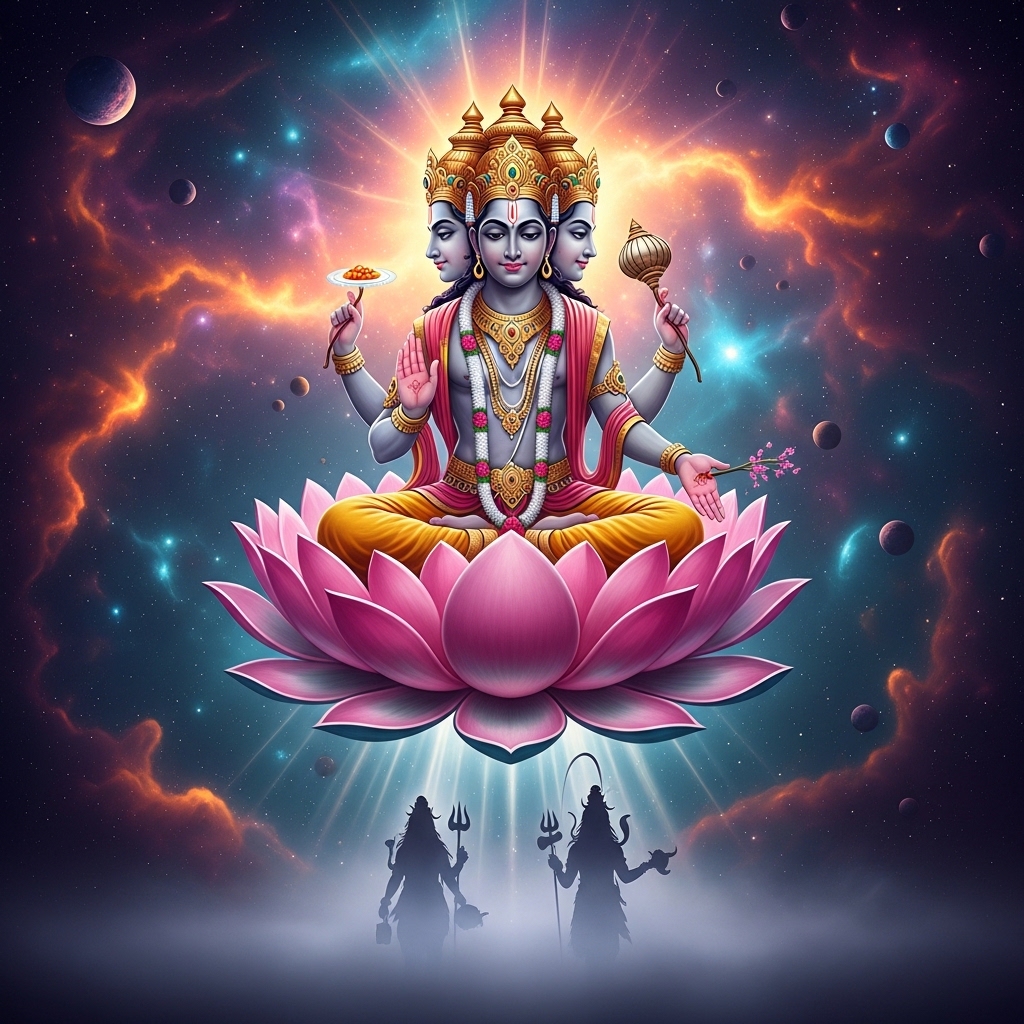
Brahma is the creator god in Hinduism, essential to the Trimurti, which includes Vishnu and Shiva. His role encompasses the initiation of the universe and the establishment of cosmic order.
Understanding the Trimurti: Creation, Preservation, and Destruction
The Trimurti symbolizes the three fundamental aspects of the universe:
- Brahma: The creator, responsible for bringing the universe into existence.
- Vishnu: The preserver, maintaining harmony and order within creation.
- Shiva: The destroyer, ensuring renewal by dismantling the old.
These roles demonstrate a cyclical nature of existence in Hindu cosmology. Brahma initiates the process, Vishnu sustains it, and Shiva ensures transformation and renewal. This interplay is critical to understanding the dynamics of Hindu belief.
Brahma’s Unique Attributes and Responsibilities
Brahma possesses distinct qualities that define his role:
- Creation: He is often depicted emerging from a lotus that grows from Vishnu’s navel, symbolizing the birth of the universe.
- Knowledge: Brahma is associated with wisdom and the Vedas, the foundational texts of Hindu philosophy.
Despite his pivotal role, Brahma’s worship is limited. This decline stems from myths that depict him as flawed or inferior to Vishnu and Shiva. For instance, his boastfulness and subsequent punishment of losing one of his heads illustrate his complex character in Hindu mythology.
Table of Contents
Brahma’s relationship with Saraswati, the goddess of knowledge and arts, further emphasizes his importance. She is often seen as his consort, embodying the intellectual aspect of creation. Together, they symbolize the fusion of knowledge and creation, underscoring the philosophical underpinnings of the universe.
In contemporary spirituality, Brahma’s influence persists, though subtly. His representation in art and literature continues to inspire discussions about creation and existence, bridging ancient beliefs with modern interpretations.
The Cultural Significance of Brahma in Hinduism
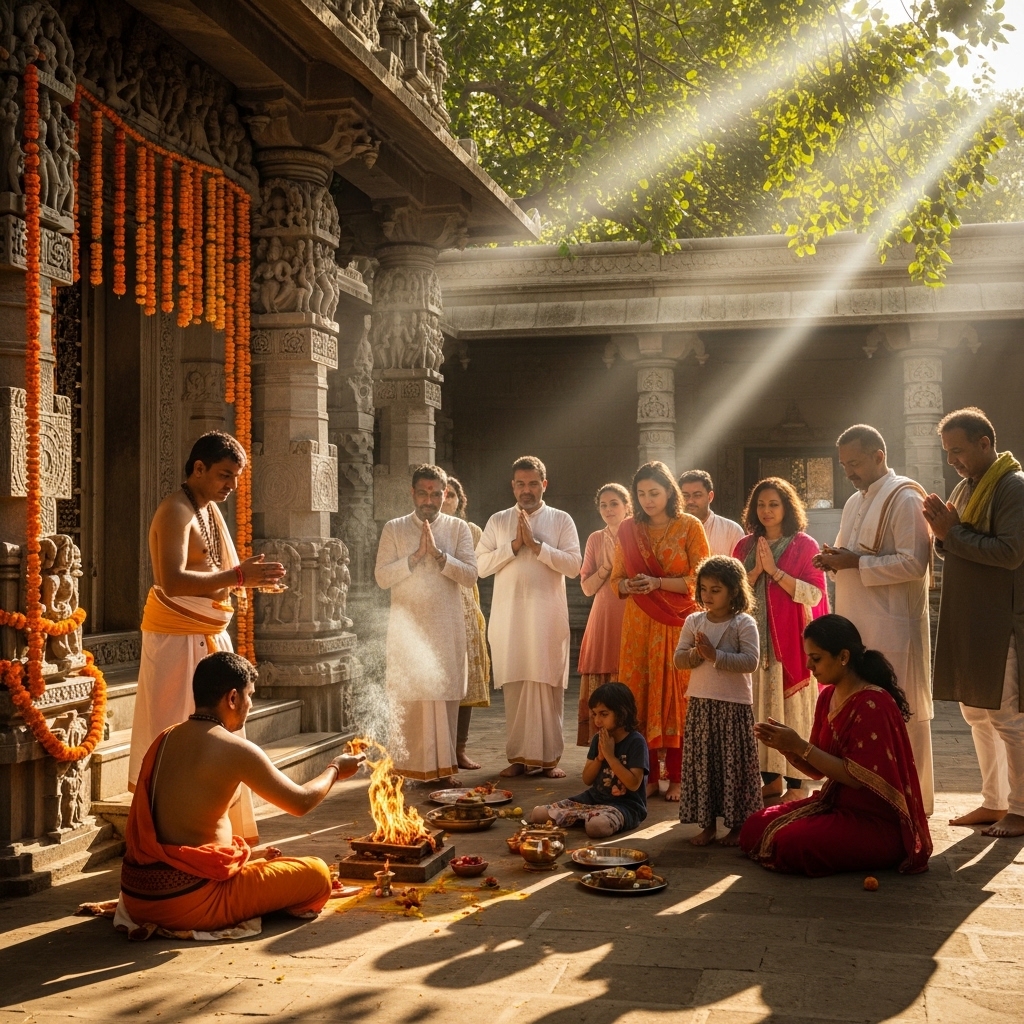
Brahma holds a unique position in Hindu culture, embodying the principles of creation and knowledge. His influence extends through various facets of worship, art, and festivals, reflecting his integral role in the cosmic order.
Brahma and Saraswati: The Divine Pair
Brahma is often paired with Saraswati, the goddess of knowledge and arts. Their relationship symbolizes the unity of creation and intellect. This divine partnership illustrates several key aspects:
- Knowledge in Creation: Brahma’s role as the creator is complemented by Saraswati’s embodiment of wisdom, emphasizing that creation is not merely physical but also intellectual.
- Cultural Representation: In art, Brahma is frequently depicted with four heads, representing the four Vedas, while Saraswati holds a veena, symbolizing the creative arts.
- Philosophical Significance: Together, they represent the fusion of knowledge and creation, underscoring the belief that understanding and wisdom are essential to the creative process.
Festivals and Rituals Celebrating Brahma
Although Brahma is not widely worshipped, specific festivals highlight his significance in Hindu tradition:
- Pushkar Fair: The annual Pushkar Camel Fair in Rajasthan celebrates Brahma’s contribution to the creation of Pushkar Lake. This event attracts thousands of pilgrims and tourists, emphasizing his role in Hindu cosmology.
- Kartika Purnima: Celebrated in the Pushkar temple, this festival honors Brahma, marking the full moon in Kartika. It features rituals that acknowledge his creative powers.
- Brahmotsavam: While primarily focused on Lord Venkateswara, Brahma’s participation as the organizer of this festival showcases his subsidiary role in the larger context of Hindu worship.
These festivals serve not only as religious observances but also as cultural gatherings that reinforce Brahma’s presence in contemporary Hindu life.
Brahma’s Influence in Art and Literature
Brahma’s impact extends into the realms of art and literature, where his character and symbolism are explored:
- Artistic Depictions: In Southeast Asian Hindu-Buddhist art, Brahma is often portrayed alongside Vishnu and Shiva, highlighting the Trimurti’s collective significance in Hindu belief.
- Literary References: Brahma’s stories appear in various texts, illustrating his role in creation myths and philosophical discourses. His character raises questions about morality, power, and the nature of divinity.
These representations not only honor Brahma’s contributions but also stimulate discussions about the nature of existence and the universe. Through art and literature, Brahma continues to inspire and provoke thought in modern spirituality.
Myths of Creation: How Brahma Shaped the Universe
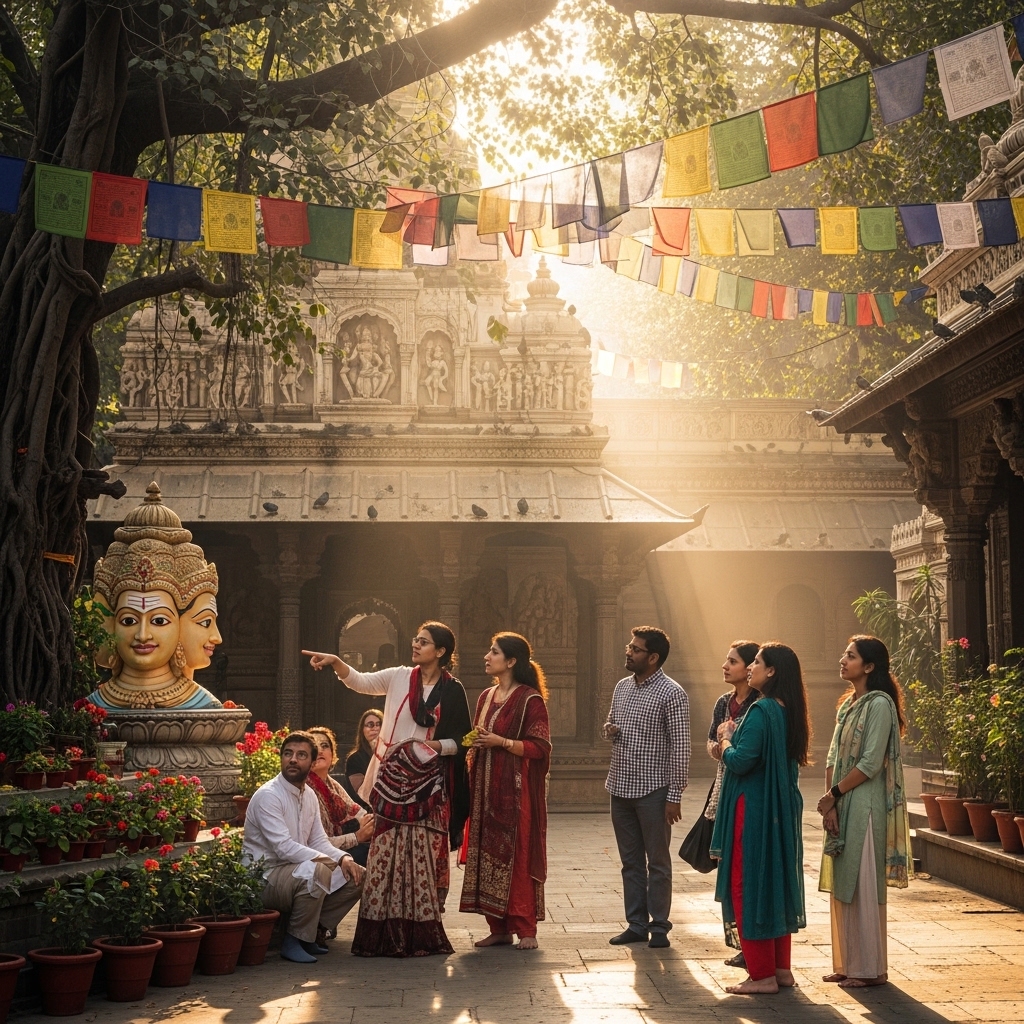
Brahma, as the creator god in Hinduism, is central to various creation myths that illustrate not only his role but also the underlying symbolism of creation itself. These narratives explore themes of existence, morality, and the cyclical nature of the universe.
The Cosmic Egg and Other Creation Myths
One of the most popular myths surrounding Brahma’s creation is the concept of the Hiranyagarbha, or the Golden Egg. This egg symbolizes the cosmos’s origin, containing all potential forms of life. From this cosmic egg, Brahma emerges to create the world, gods, and humanity.
- Hiranyagarbha: Represents the universe’s womb, embodying the potential for creation.
- Lotus from Vishnu’s Navel: In some myths, Brahma is born from a lotus that springs from Vishnu’s navel, indicating his dependency on Vishnu as the preserver of life.
- Self-Creation: Brahma also embodies svayambhu, or self-born nature, emphasizing his unique status in the divine hierarchy.
These stories reflect broader themes seen in other cultures, such as the Egyptian creation myth where the god Atum emerges from chaos, or the Greek myth of Gaia, who gives birth to the earth from nothing. Each narrative underscores creation’s complexity and divine purpose.
Symbolism in Brahma’s Creation Stories
Brahma’s creation myths are rich in symbolism, representing order, knowledge, and the duality of existence.
- Creation and Egotism: Brahma’s motivation often stems from a desire to create, which can be viewed as egotistical (ahamkara). This self-assertion characterizes the tension between creation and morality.
- Relationship with Saraswati: Brahma’s consort, Saraswati, symbolizes wisdom and learning. Their dynamic highlights the interdependence of creation and knowledge. In many narratives, Saraswati aids Brahma in the creative process, reinforcing the idea that knowledge is essential for creation.
Brahma’s five heads symbolize his ability to see in all directions, embodying the concept of omniscience. However, they also remind us of his flaws, such as vanity and desire, leading to his diminished worship in contemporary practices.
Comparative Analysis of Creation Myths
Brahma’s stories can be compared to creation myths from other cultures, revealing shared themes and differences.
- Cyclical Nature of Creation: Like the Hindu belief in cyclic creation and dissolution, many cultures view creation as a repetitive process. For example, in Mesoamerican mythology, the world undergoes cycles of destruction and rebirth.
- Divine Relationships: In both Hindu and other traditions, the relationships between deities often emphasize collaboration and conflict in the creation process. Brahma’s interactions with Vishnu and Shiva reflect complex power dynamics found in other pantheons.
These comparative insights illustrate how Brahma’s role not only shapes the universe but also reflects universal themes in human understanding of existence. By examining these creation myths, we gain deeper insight into why Brahma remains an important figure in Hinduism, despite his diminished role in worship today.
Reasons for Brahma’s Limited Worship
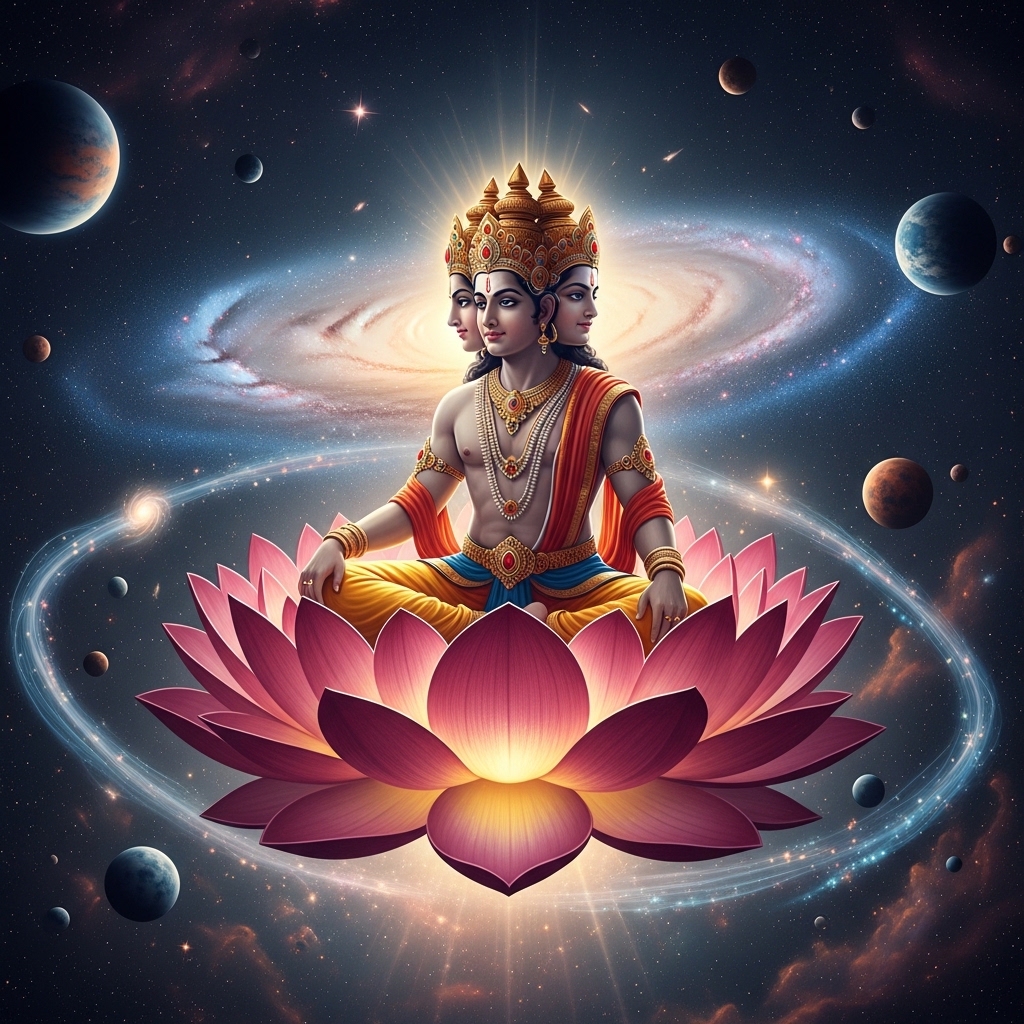
Despite Brahma’s pivotal role as the creator god in Hinduism, his worship is notably limited compared to deities like Vishnu and Shiva. This decline can be traced to historical, cultural, and mythological factors that have shaped Hindu beliefs over centuries.
The Curse of Brahma: Myths Explaining His Decline
One significant myth that contributes to Brahma’s diminished status involves a narrative of pride and deception. According to Hindu tradition, Brahma once claimed superiority over Shiva during a test to find the end of an infinite pillar of fire. This act of deceit angered Shiva, who cursed Brahma to be less worshipped and to wander the earth in a human form, forever regretting his actions. This curse has become a narrative thread in understanding why Brahma lacks temples and a sizable following today.
Comparative Analysis of Worship Practices
Brahma’s role in the Trimurti, alongside Vishnu and Shiva, highlights how societal shifts have influenced worship practices.
- Cultural Shift: Over time, as Hinduism evolved, worship practices gravitated towards the preserver (Vishnu) and the destroyer (Shiva), who embody more relatable aspects of life and death.
- Symbolic Representation: Brahma’s association with creation is often viewed as complete once the universe is formed. In contrast, Vishnu and Shiva represent ongoing processes—preservation and destruction—which resonate more with devotees.
- Regional Variations: In certain regions, Brahma is acknowledged, particularly during specific festivals. For instance, the Pushkar Fair celebrates Brahma but also features a variety of other deities, often overshadowing his role.
Factors Influencing Worship Decline
Several factors have contributed to Brahma’s limited worship:
- Mythological Narratives: Stories of Brahma’s arrogance and subsequent curse shape perceptions of his character, leading to reluctance in worship.
- Lack of Temples: Unlike Vishnu and Shiva, Brahma temples are rare. The most notable, in Pushkar, is often visited for the presence of other deities.
- Philosophical Alignment: Modern interpretations of Hinduism increasingly emphasize personal devotion to Vishnu and Shiva, reflecting a shift towards a more personal and emotional connection in worship.
By understanding these dimensions, we gain a clearer picture of Brahma’s significance in Hinduism and the reasons behind his limited worship today.
Brahma’s Influence on Modern Hindu Practices
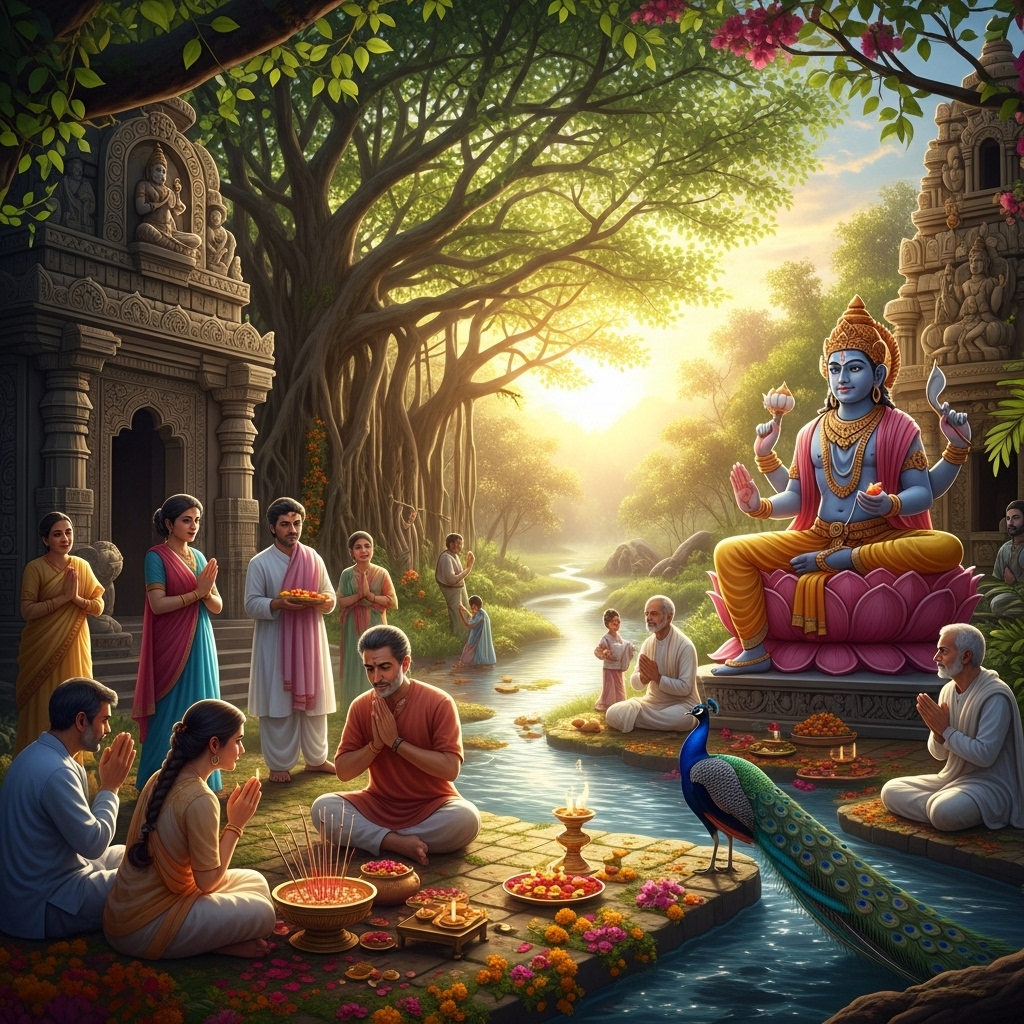
Brahma’s teachings and symbolism continue to resonate in contemporary Hindu practices, influencing rituals, festivals, and spiritual beliefs. While his direct worship is limited, his role as the creator god infuses various aspects of Hindu spirituality.
Brahma’s Role in Festivals and Rituals
Despite the scarcity of temples dedicated to Brahma, his influence can be seen in several festivals and rituals:
- Pushkar Fair: The annual Pushkar Camel Fair celebrates Brahma’s creation of the Pushkar Lake. Pilgrims gather to honor this site, reflecting Brahma’s significance in Hindu cosmology.
- Brahmotsavam: Celebrated at the Venkateswara Temple in Tirumala, this festival acknowledges Brahma’s supportive role in creation, even though Vishnu is the primary focus. Brahma’s presence is symbolized through rituals that recognize his contributions to the divine order.
Symbolism in Contemporary Spirituality
Brahma’s iconography and teachings find expression in various facets of modern spirituality. His representations often symbolize creation, knowledge, and the duality of existence. For example:
- Art and Literature: Modern artists portray Brahma alongside Vishnu and Shiva, emphasizing the unity of the Trimurti. These depictions highlight Brahma’s role in maintaining balance within the universe.
- Philosophical Teachings: Brahma’s association with wisdom, particularly through his connection with Saraswati, the goddess of knowledge, continues to inspire educational pursuits and spiritual learning. Many contemporary spiritual seekers invoke Brahma for guidance in their studies and creative endeavors.
Comparative Influence on Hindu Practices
Brahma’s limited worship contrasts sharply with the devotion directed towards Vishnu and Shiva. This difference shapes contemporary practices:
- Focus on Personal Deity: Devotees increasingly gravitate towards personal relations with Vishnu or Shiva, reflecting a modern trend in seeking emotional and personal connections in worship.
- Mythological Narratives: The stories surrounding Brahma, especially those emphasizing his fall from grace, serve as cautionary tales in spiritual discourse. They highlight the importance of humility and the consequences of arrogance, reinforcing ethical guidelines within the community.
Brahma’s significance, while nuanced, remains integral to the understanding of creation and the interconnectedness of life in Hinduism today.
Frequently Asked Questions
These quick answers cover the most common questions about this topic, including key details, practical tips, and common concerns.
What is the importance of Brahma in Hinduism?
Brahma is the creator god in Hinduism and a key figure in the Trimurti, which includes Vishnu and Shiva. He symbolizes the act of creation and the beginning of the universe. His role emphasizes wisdom, knowledge, and the cosmic order, making him fundamental to understanding Hindu cosmology.
Why is Brahma rarely worshipped compared to Vishnu and Shiva?
Brahma’s limited worship stems from mythological stories that depict him as prideful or flawed. A famous myth involves Shiva cursing Brahma to be less worshipped, which influenced the scarcity of temples dedicated to him. Over time, devotion shifted towards Vishnu and Shiva, who embody preservation and destruction.
How did Brahma create the universe?
According to Hindu myths, Brahma created the universe from a cosmic egg called Hiranyagarbha or from a lotus emerging from Vishnu’s navel. These stories symbolize the universe’s origin from a divine source, emphasizing Brahma’s role as the primary creator within cosmic cycles.
When did Brahma’s worship decline?
Brahma’s worship declined over centuries, especially after mythological stories highlighted his flaws and arrogance. The most notable decline occurred during the medieval period when temples dedicated to Brahma became rare, and devotion shifted toward Vishnu and Shiva.
What are the main symbols associated with Brahma?
Brahma is commonly depicted with four heads, representing the four Vedas, and often holds a scepter, a water pot, a rosary, and a lotus. The lotus symbolizes purity and creation, while the four heads emphasize his omniscience and connection to knowledge.
Are there festivals or rituals that celebrate Brahma today?
Yes, the Pushkar Fair in Rajasthan celebrates Brahma’s role in creating Pushkar Lake. Brahmotsavam festivals, mainly dedicated to Vishnu, sometimes include references to Brahma’s creative power. These events honor his contribution to the universe’s origin.
Why is Brahma considered an important deity despite limited worship?
Brahma’s importance lies in his symbolic role as the universe’s creator and the embodiment of wisdom and knowledge. His influence persists in Hindu philosophy, art, and cultural stories, highlighting the significance of creation and cosmic order in Hindu thought.
How does Brahma compare to Vishnu and Shiva?
Brahma is primarily associated with creation, while Vishnu is the preserver and Shiva the destroyer. Vishnu and Shiva have more active worship and temples. Brahma’s role is foundational but more symbolic, with less emphasis on personal devotion.