
Fake peace is a superficial or deceptive state of tranquility that lacks genuine resolution and understanding of underlying issues. It often disguises ongoing conflicts or tensions, misleading people into believing that peace has been achieved.
Understanding the Concept of Peace
Definitions of Peace
When we think about peace, it often conjures images of calm and serenity. However, the concept of peace is layered and multifaceted. I’ve seen various definitions, but they typically fall into two main categories: negative peace and positive peace. Negative peace refers to the absence of violence or conflict, while positive peace goes deeper, representing the presence of justice, equality, and harmony in a society. In my experience, striving for positive peace is essential, as it addresses the root causes of conflict rather than merely silencing it.
The Importance of Genuine Peace
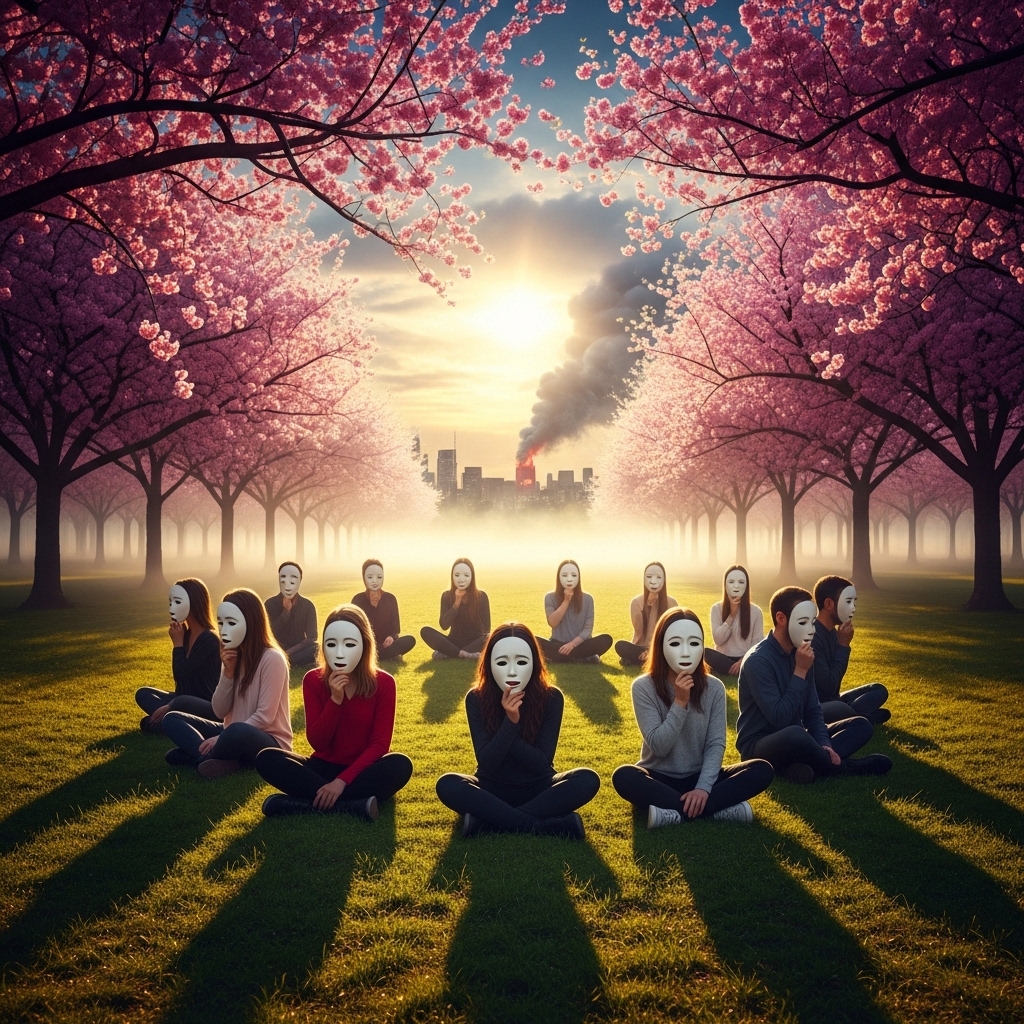
Genuine peace is crucial not just for the well-being of individuals but also for the stability of communities and nations. I have come to realize that true peace fosters trust, cooperation, and mutual respect among people. It creates an environment where individuals can thrive, free from fear and oppression. Reflecting on historical contexts, genuine peace has often led to progress and development, enabling societies to flourish and pursue common goals. On the other hand, without genuine peace, we are left with a fragile façade that can easily crumble when faced with challenges or disagreements.
Historical Context of Peace Movements
Looking back at history, peace movements have played a significant role in shaping our world. I remember studying the civil rights movement and the anti-war protests of the 1960s, where individuals rallied for justice and true peace. These movements were not just about stopping wars or ending discriminatory practices; they were about creating a lasting change that addressed the injustices fueling conflict. From my perspective, understanding these historical contexts helps highlight the struggles and sacrifices made for genuine peace, reminding us that achieving it is often a complex and challenging journey.
What is Fake Peace?
Characteristics of Fake Peace
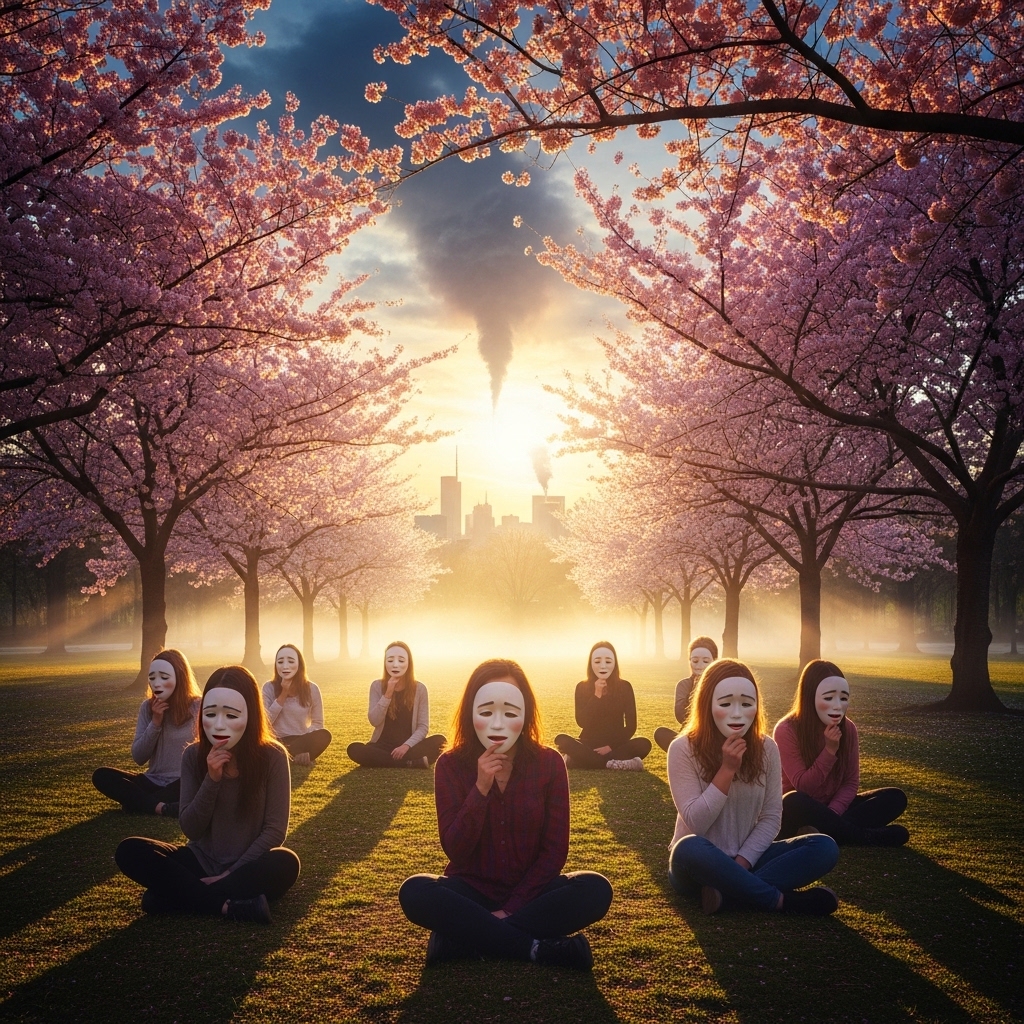
Fake peace often presents itself as an illusion. I think we can recognize it through certain characteristics. For starters, it typically involves a temporary cessation of hostilities without addressing the underlying issues at play. It feels superficial, almost like a band-aid over a gaping wound. In my observations, fake peace can also be characterized by the absence of dialogue and engagement among conflicting parties. Instead of open communication, we may see silence or a forced agreement, which can lead to a buildup of resentment and tension.
Examples of Fake Peace in History
History is replete with examples of fake peace. Consider the Cold War, where the U.S. and the Soviet Union engaged in a tense standoff, maintaining an uneasy truce while harboring deep-seated animosity. In my opinion, the peace achieved during this period was more about the fear of mutual destruction than a genuine desire for collaboration. Another example that stands out to me is the Treaty of Versailles, which ended World War I. While it was celebrated as a peace treaty, many historians argue that it sowed the seeds for future conflicts, leading to World War II. These instances highlight the importance of recognizing peace that is merely performative rather than authentic.
Distinguishing Fake Peace from Genuine Peace
Distinguishing between fake peace and genuine peace can sometimes feel daunting. I’ve learned that one way to differentiate them is to examine the level of engagement and the willingness to address underlying issues. Genuine peace involves active participation, open dialogue, and a commitment to resolving conflicts. In contrast, fake peace often relies on silence or superficial agreements, which can lead to unresolved tensions. For me, the presence of transparency and accountability is also a key indicator of genuine peace. When leaders and communities are willing to face their challenges head-on, it signals a dedication to building a truly peaceful environment.
The Psychological Impact of Fake Peace
Effects on Individuals and Communities
I’ve often reflected on how fake peace can deeply affect individuals and communities, sometimes in ways that aren’t immediately visible. When we live under a facade of peace, it can create a false sense of security. We might feel that everything is fine on the surface, but the underlying issues remain unresolved. This can lead to feelings of frustration and helplessness. I remember a time when I was part of a community that seemed peaceful, but tensions simmered just beneath that calm exterior. It struck me how often people would avoid discussing the real issues, opting instead for polite silence. Over time, I noticed a growing disconnect and mistrust among neighbors, which only exacerbated the problems we faced. It was as if we were all walking on eggshells, afraid to shatter the illusion of peace.
Fake Peace and Mental Health
The mental health implications of fake peace are significant. I’ve spoken with individuals who felt trapped in situations where fake peace was the norm. They described the emotional toll it took on them: anxiety, depression, and a pervasive sense of isolation. When genuine dialogue and understanding are absent, it can be incredibly alienating. I think about how important it is for us to have spaces where we can express our feelings, our concerns, and our frustrations. Without those outlets, we risk internalizing our struggles, which can lead to long-term psychological issues. I know I’ve personally found it liberating to engage in conversations that address the elephant in the room, rather than tiptoeing around it. That sense of relief can be a vital step towards fostering true peace.
Long-term Consequences of Fake Peace
Looking at the long-term consequences of fake peace, I can’t help but feel concerned. In my experience, when conflicts are left unresolved, they tend to resurface, often in more damaging ways. I’ve seen this play out in various contexts, from personal relationships to larger societal issues. For instance, in communities where fake peace prevails, issues like inequality or injustice can fester, leading to eventual outbursts of anger or unrest. I remember learning about a neighborhood that once had a peaceful reputation, but underlying tensions regarding race and economic disparity eventually erupted into protests. It was a stark reminder that ignoring the roots of conflict doesn’t make them disappear; it merely delays the inevitable reckoning.
The Role of Media in Promoting Fake Peace
Media Representation of Peace Initiatives
The media plays a crucial role in how we perceive peace initiatives. I’ve noticed that often, the portrayal of peace can be overly simplistic, focusing on headline-worthy moments without delving into the complexities involved. For instance, when a ceasefire is announced, the media might present it as a significant accomplishment, often neglecting the ongoing issues that prompted the conflict in the first place. This kind of coverage can create a narrative of success that doesn’t reflect reality. I think about how important it is for the media to provide a fuller picture—one that includes the struggles, the negotiations, and the stories of those affected. When we only see the surface-level achievements, it can lead us to believe that fake peace is sufficient.
Case Studies: Media and Fake Peace Narratives
I’ve found that real-world case studies can be quite illuminating when discussing media narratives. For example, during the Arab Spring, many media outlets initially celebrated the uprisings as movements toward democracy. However, as I followed the developments, it became clear that while the movements had sparked initial hope, the ensuing chaos and power struggles often led to situations far from peaceful. I realized that the media’s portrayal sometimes glossed over the complexities and setbacks, creating a misleading narrative of progress. I believe it’s essential for journalists to dig deeper and report on the nuanced realities behind these events, helping audiences understand that peace is not a one-time achievement but an ongoing process requiring constant attention.
Impact of Social Media on Perceptions of Peace
Social media has transformed the way we discuss and engage with peace initiatives. I’ve experienced firsthand how platforms like Twitter and Facebook can amplify voices calling for justice and genuine peace. However, I also see how these platforms can perpetuate fake peace narratives. Misinformation can spread quickly, leading to misconceptions about the state of affairs in conflict zones. I remember a time when I read a viral post claiming a region was completely peaceful without mentioning the ongoing struggles faced by its residents. This kind of oversimplification can mislead public perception and hinder meaningful action. In my opinion, we must be vigilant about the information we consume and share, critically evaluating the sources to ensure we’re not contributing to a false sense of peace.
Political Implications of Fake Peace
Fake Peace and Political Power Dynamics
When I think about fake peace in the context of politics, I can’t help but see how it often serves as a tool for those in power. Politicians might promote a narrative of peace to maintain control, even when underlying tensions remain. I remember studying how some leaders may declare peace agreements while simultaneously stifling dissent. This creates a facade that allows them to avoid confronting the real issues at hand. It feels almost like a game of political chess, where moves are made to secure power rather than to genuinely resolve conflicts. For me, this manipulation of peace can lead to greater division, as it prevents communities from addressing the fundamental problems that need to be solved.
Case Studies: Political Leaders and Fake Peace
There are numerous examples of political leaders who have mastered the art of fake peace. Take, for instance, the situation in Syria. I remember learning about how various factions declared ceasefires while the war continued in the shadows. Leaders would present these moments as victories, but for many, life remained perilous and uncertain. It highlighted to me how fragile peace can be when it is merely performative. Similarly, I think about the peace agreements in Colombia between the government and FARC rebels, which, despite being celebrated, faced significant challenges in implementation. These cases illustrate that without genuine commitment and action, peace can become a mere talking point rather than a reality.
The Role of International Relations in Fake Peace
International relations often play a pivotal role in the dynamics of fake peace. I’ve observed how countries sometimes endorse agreements that seem to promise stability, but in reality, they are just a way to appease other nations or organizations. This can lead to a precarious balance where the interests of powerful nations overshadow the needs of local populations. For example, when foreign aid is tied to peace agreements, it may inadvertently support fake peace rather than fostering true resolution of conflicts. In my view, the influence of international actors can add layers of complexity to the already challenging task of achieving genuine peace. We must consider how global interests can sometimes derail the pursuit of authentic reconciliation.
Addressing Fake Peace: Steps Towards Genuine Peace
Recognizing and Acknowledging Fake Peace
One of the first steps in addressing fake peace is recognizing and acknowledging its presence. I’ve learned that awareness is key; we must be willing to confront the uncomfortable truths about our situations. In my experience, this can start with honest conversations within communities. I remember participating in a local forum where residents discussed the issues that had been swept under the rug for too long. It was eye-opening to see how many people shared similar feelings of discontent, even in a seemingly peaceful environment. Acknowledging fake peace allows us to begin dismantling the illusions we’ve built and to confront the underlying issues that need resolution.
Building Trust and Transparency
Building trust and transparency is essential in moving from fake peace to genuine peace. I’ve found that when people feel they can express their thoughts and feelings openly, it fosters an environment of mutual respect. In my own community, we initiated regular town hall meetings where residents could voice their concerns and ideas. It wasn’t always easy, but over time, I saw how it built stronger relationships and a sense of ownership over our collective future. I believe that trust is the foundation of any peaceful society; without it, we risk falling back into the patterns of silence and avoidance that characterize fake peace.
Community Engagement and Grassroots Movements
Community engagement is another vital strategy for addressing fake peace. I’ve come to appreciate the power of grassroots movements—how they can mobilize individuals to come together for a common cause. I remember being inspired by a local initiative that aimed to promote inclusivity and dialogue among diverse groups in our area. Through workshops and collaborative projects, we learned to appreciate each other’s perspectives and work towards common goals. It reinforced my belief that genuine peace often starts at the community level, where people can connect, share their stories, and collectively seek solutions. Grassroots movements have the potential to challenge the narratives of fake peace, replacing them with authentic efforts towards reconciliation and understanding.
Frequently Asked Questions
“`html
What is fake peace?
Fake peace is a superficial or deceptive state of tranquility that lacks genuine resolution and understanding of underlying issues. It often disguises ongoing conflicts or tensions, misleading people into believing that peace has been achieved.
What are the two main categories of peace?
The two main categories of peace are negative peace, which refers to the absence of violence or conflict, and positive peace, which represents the presence of justice, equality, and harmony in a society.
Why is genuine peace important?
Genuine peace is crucial for the well-being of individuals and the stability of communities and nations. It fosters trust, cooperation, and mutual respect, creating an environment where individuals can thrive free from fear and oppression.
How can one distinguish between fake peace and genuine peace?
Distinguishing between fake peace and genuine peace involves examining the level of engagement and willingness to address underlying issues. Genuine peace includes active participation, open dialogue, and a commitment to resolving conflicts, while fake peace relies on silence or superficial agreements.
What are some historical examples of fake peace?
Examples of fake peace include the Cold War, where the U.S. and the Soviet Union maintained an uneasy truce, and the Treaty of Versailles, which ended World War I but is argued to have sowed the seeds for future conflicts, leading to World War II.
What psychological effects can fake peace have on individuals?
Fake peace can create a false sense of security that leads to feelings of frustration, helplessness, anxiety, and depression. It can alienate individuals when genuine dialogue and understanding are absent, risking long-term psychological issues.
What role does the media play in promoting fake peace?
The media often simplifies the portrayal of peace initiatives, focusing on headline moments without delving into the complexities involved. This can create a misleading narrative of success that does not reflect the reality of ongoing issues.
How can community engagement help address fake peace?
Community engagement can mobilize individuals to come together for common causes, promoting inclusivity and dialogue. Grassroots movements can challenge the narratives of fake peace by fostering authentic efforts towards reconciliation and understanding.
What steps can be taken to move from fake peace to genuine peace?
Steps to move from fake peace to genuine peace include recognizing and acknowledging the presence of fake peace, building trust and transparency through open communication, and encouraging community engagement and grassroots movements.
How do political leaders use fake peace to maintain power?
Political leaders may promote a narrative of peace to maintain control, often declaring peace agreements while stifling dissent. This creates a facade that allows them to avoid confronting real issues, leading to greater division.
“`