
Zeus killed his father, Cronus, primarily to avenge the fate of his swallowed siblings and to fulfill a prophecy. This pivotal moment in Greek mythology symbolizes the struggle between generations and the quest for power [1]. Understanding the circumstances surrounding this act reveals deeper themes within the myth.
Understanding the Relationship Between Zeus and Cronus
The relationship between Zeus and Cronus is fraught with tension, power struggles, and familial betrayal. This dynamic sets the stage for Zeus’s eventual rebellion against his father, Cronus, marking a significant turning point in Greek mythology.

The Lineage of Titans and Olympians
Zeus and Cronus belong to a complex lineage that shapes their identities and actions. Cronus, the youngest Titan, overthrew his own father, Uranus, to seize power. He married Rhea, his sister, and fathered several children, including Zeus. However, driven by fear of a prophecy that foretold his downfall at the hands of one of his offspring, Cronus swallowed each of his children at birth. This act of paranoia created a rift that would lead to his eventual demise.
- Key Familial Relationships:
- Cronus: Titan father of Zeus, ruler of the Titans.
- Zeus: Youngest son of Cronus, destined to overthrow him.
- Rhea: Mother of Zeus, who played a crucial role in saving him from Cronus’s wrath.
Key Events Leading to Conflict
The conflict between Zeus and Cronus escalated due to a series of pivotal events. Rhea, desperate to save her youngest son, hid Zeus in Crete and tricked Cronus into swallowing a stone instead. As Zeus matured, he devised a plan to rescue his siblings and confront Cronus. He returned disguised as Cronus’s cupbearer, poisoning his father’s wine, which compelled Cronus to regurgitate his swallowed children. This act of liberation ignited the Titanomachy, a fierce war between the Titans, led by Cronus, and the Olympians, led by Zeus.
- Significant Events:
- Rhea’s deception with the stone.
- Zeus’s poisoning of Cronus.
- The Titanomachy: A ten-year war for dominance.
Character Motivations
Understanding the motivations of both Zeus and Cronus is critical to grasping the conflict’s depth. Cronus’s actions were driven by a deep-seated fear of losing power, leading him to eliminate potential threats—his children. This cycle of fear and violence created a toxic familial atmosphere. Conversely, Zeus’s motivations stemmed from a desire for justice and retribution, particularly for the loss of his siblings. His rebellion was not just a personal vendetta but a broader struggle against tyranny and oppression.
- Motivational Factors:
- Cronus: Fear of being overthrown; paranoia leading to extreme actions.
- Zeus: Desire for justice; need to reclaim power for himself and his siblings.
The dynamics of their relationship exemplify the cyclical nature of violence and power in mythology, showcasing how fear can shape familial ties and ultimately lead to destruction.
The Prophecy and Cronus’ Paranoia
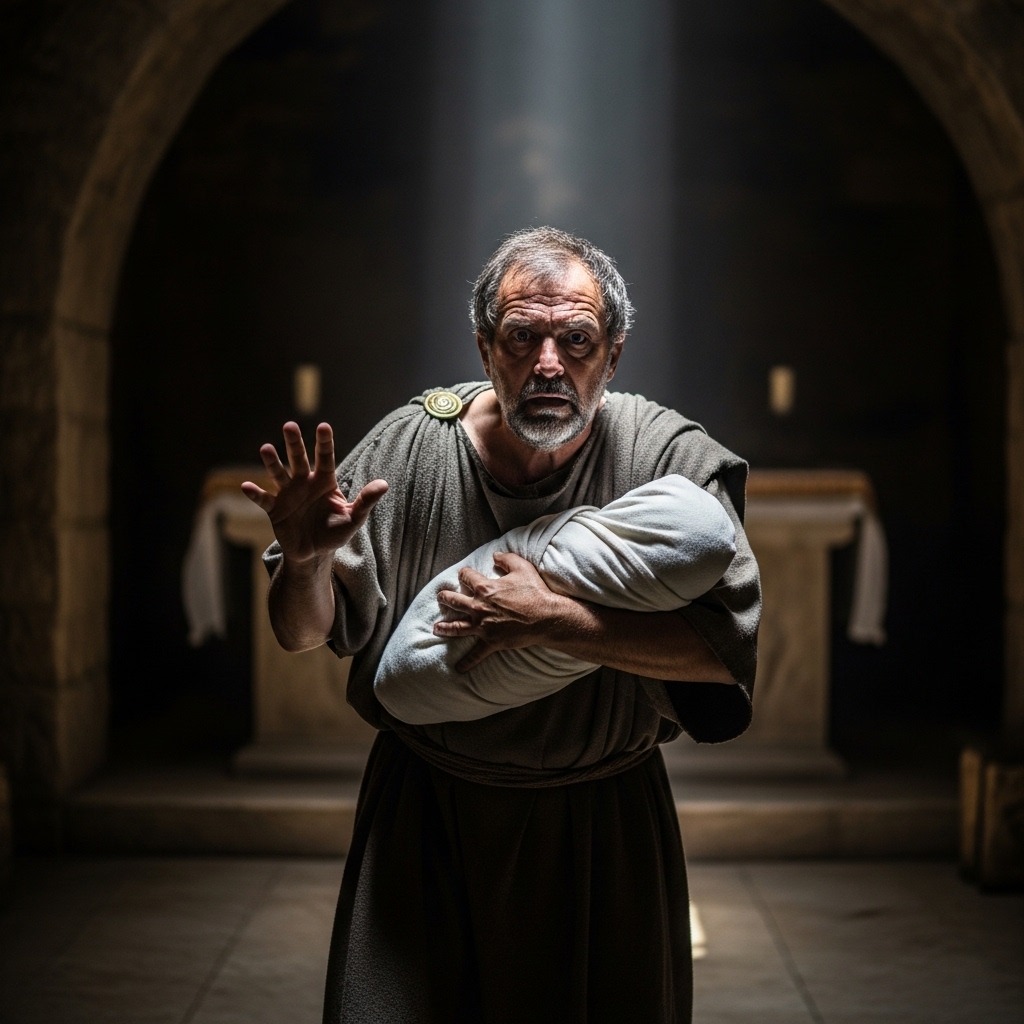
The prophecy regarding Cronus foretold his downfall at the hands of his own child. This ominous prediction profoundly affected his psyche and actions, driving him into a spiral of paranoia and tyranny.
Table of Contents
The Nature of the Prophecy
The prophecy explicitly stated that Cronus would be overthrown by one of his offspring. This prophecy ignited a sense of dread in Cronus, leading him to take extreme measures to avoid his fate. He interpreted the prophecy as a direct threat, prompting his ruthless behavior toward his children.
Cronus’ Response to the Prophecy
Cronus’ response was marked by paranoia and desperation. To prevent the prophecy from coming true, he resorted to swallowing each of his children at birth—Hestia, Demeter, Hera, Hades, and Poseidon. His actions highlight the destructive nature of fear; instead of securing his power, he sowed the seeds of his own demise. Rhea, his wife, ultimately defied him by saving Zeus, hiding him in Crete, and giving Cronus a stone to swallow instead. This act of rebellion directly set the stage for Zeus’s eventual uprising.
Impact on His Rule
Cronus’ paranoia had significant consequences for his rule. It created a climate of fear and oppression among the Titans and his own family. The oppressive nature of his reign fostered resentment, which culminated in the Titanomachy—a monumental conflict where Zeus led his siblings against Cronus. This war not only pitted father against son but also represented the inevitable clash between generations. The psychological strain of the prophecy and his subsequent actions ultimately led to Cronus’ downfall, reinforcing the theme that attempts to escape fate often lead to its fulfillment.
- Key Points of Paranoia:
- Cronus swallowed his children to prevent his downfall.
- Rhea’s defiance allowed Zeus to survive and eventually challenge Cronus.
- The Titanomachy symbolized the generational struggle for power.
Understanding these dynamics enhances our comprehension of why Zeus killed Cronus; it was not merely an act of vengeance but a culmination of fear, betrayal, and the relentless pursuit of destiny.
Rhea’s Role in Zeus’ Survival

Rhea’s cunning and strategic actions were pivotal in ensuring the survival of Zeus and orchestrating the eventual downfall of Cronus. Her defiance against the oppressive rule of Cronus set the stage for the Titanomachy and the rise of the Olympians.
Rhea’s Strategy to Save Zeus
Rhea, the mother of Zeus, faced a dire situation. Cronus, consumed by paranoia, had a prophecy that one of his children would overthrow him. To prevent this, he swallowed each of his offspring immediately after birth. Rhea, determined to save her sixth child, devised a brilliant plan.
- She gave birth to Zeus in secret on the island of Crete.
- Rhea hid Zeus in a cave, ensuring Cronus could not find him.
- To deceive Cronus, she wrapped a stone in swaddling clothes and presented it to him, which he swallowed without hesitation.
This act of defiance was not merely about survival; it showcased Rhea’s resourcefulness and her unyielding commitment to her children.
The Deception Involving the Stone
The stone, symbolic of deception, played a critical role in Rhea’s strategy. By tricking Cronus, she:
- Allowed Zeus to grow up free from the threat of being devoured.
- Set in motion the events that would lead to Cronus’s defeat.
Rhea’s actions exemplify her strength and intelligence, traits that are often overshadowed by the more prominent figures in Greek mythology.
Consequences of Rhea’s Actions
Rhea’s decision to save Zeus had far-reaching consequences:
- It catalyzed the Titanomachy, the war between the Titans and the Olympians, which would determine the fate of the cosmos.
- With the help of freed siblings—Hera, Hades, Poseidon, Demeter, and Hestia—Zeus was able to challenge Cronus effectively.
The consequences were monumental. The psychological dynamic between Cronus and Zeus transformed from one of fear and oppression to one of rebellion and ultimate triumph. Rhea’s cunning plan not only saved Zeus but also shifted the balance of power in favor of the Olympian gods, marking a new era in Greek mythology.
The Titanomachy: A Clash of Generations
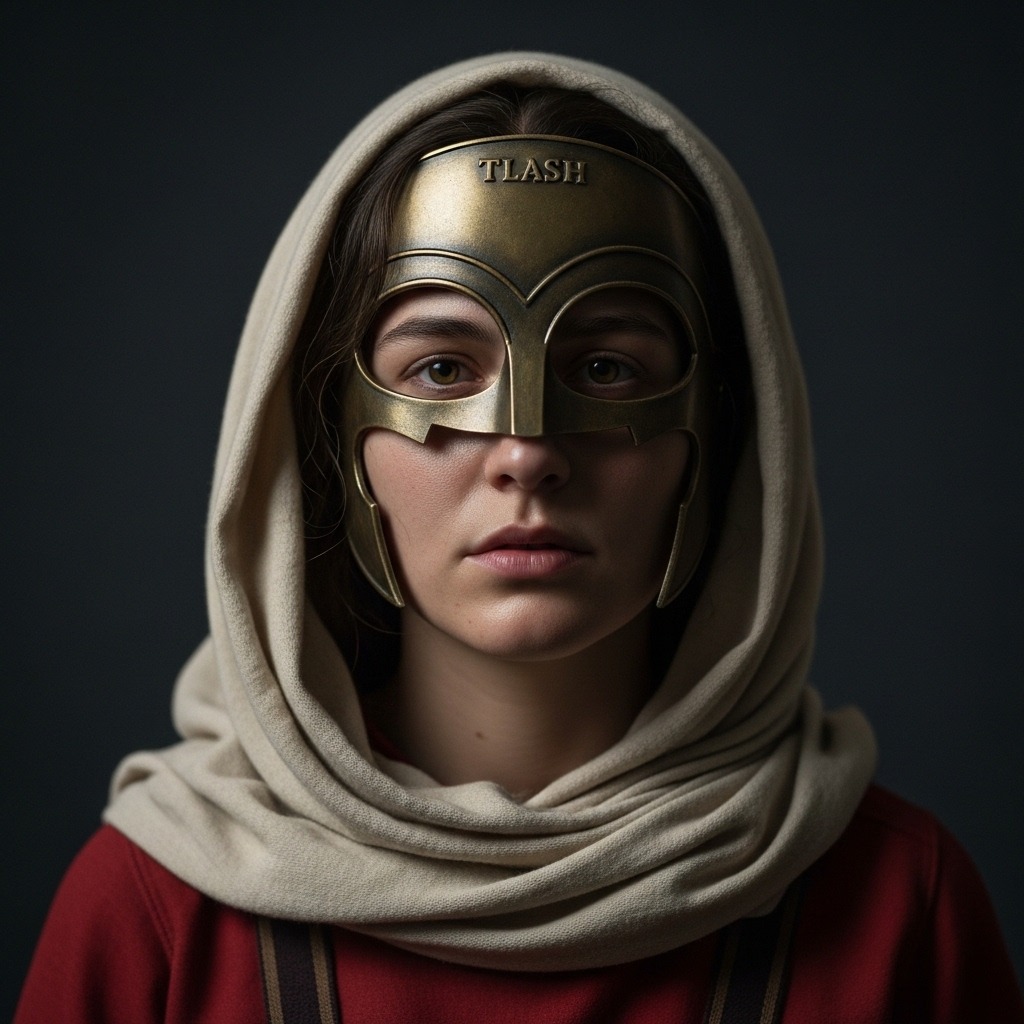
The Titanomachy represents a pivotal moment in Greek mythology. This epic conflict between Zeus and Cronus set the stage for the new order of gods and established the dynamics of power that would shape the cosmos.
Overview of the Titanomachy
The Titanomachy was the ten-year war between the Titans, led by Cronus, and the Olympians, led by Zeus. This fierce battle was ignited by a prophecy that foretold Cronus would be overthrown by one of his children. Paranoid and ruthless, Cronus devoured his offspring to prevent this fate. However, Rhea, determined to save her youngest child, Zeus, hid him away, thus enabling the rebellion against Cronus.
Key Battles and Strategies
The Titanomachy was not merely a series of skirmishes; it was a clash of strategy and power dynamics. Key battles showcased the strengths of the Olympians:
- Zeus’s Thunderbolts: Zeus wielded thunderbolts crafted by the Cyclopes, which became pivotal in the final battles. His strategic use of these weapons turned the tide against Cronus.
- Alliances with the Cyclopes and Hecatoncheires: Zeus freed these formidable beings from Cronus’s imprisonment, gaining their loyalty. The Hecatoncheires, with their hundred arms, provided overwhelming force during the war.
This combination of divine weaponry and formidable allies allowed Zeus to challenge Cronus directly, culminating in a decisive victory.
Aftermath and Its Significance
The consequence of the Titanomachy was monumental. Zeus emerged victorious, establishing the Olympian pantheon. Cronus, once a formidable king, faced dire repercussions. Depending on the mythological account, he was either imprisoned in Tartarus or allowed to rule over the Elysian Fields.
The psychological ramifications were profound. Zeus’s victory symbolized the shift from tyranny to a more benevolent leadership, changing the relationship between gods and mortals. The themes of rebellion and power dynamics resonate through subsequent myths, cementing the Titanomachy as a crucial narrative in the Greek mythological canon.
- Consequences for Zeus: He became the ruler of the cosmos, tasked with maintaining order and justice in the newly formed world [9].
- Consequences for Cronus: His actions led to eternal punishment, a cautionary tale of the dangers of paranoia and tyranny [11].
Zeus’s victory over Cronus is not simply an act of revenge. It signifies the triumph of a new generation, the overthrow of oppressive rule, and the establishment of a divine order that would influence mythology for centuries to come.
The Consequences of Cronus’ Actions
Cronus’ actions reverberated throughout Greek mythology, shaping the destinies of gods and mortals alike. His tyrannical rule and the resulting Titanomachy not only determined the fate of his lineage but also established fundamental themes in mythological narratives.
Cronus’ Fate After the Titanomachy
After his defeat, Cronus faced dire consequences. Zeus, embodying a new era, imprisoned him in Tartarus or, in some traditions, granted him a peaceful existence in Elysium. This duality illustrates the contrasting views on justice in Greek mythology. Cronus’ paranoia led him to swallow his offspring, fearing they would usurp him. This act of desperation ultimately resulted in his downfall, as it alienated him from his children and set the stage for Zeus’s rebellion.
- Imprisonment: Cronus was either confined in Tartarus or became a ruler in Elysium, reflecting the duality of punishment and redemption.
- Alienation: His fear-driven actions estranged him from his children, highlighting the consequences of tyranny.
Impact on Greek Mythology
The Titanomachy marked the transition from the rule of Titans to Olympians, fundamentally altering the mythological landscape. Zeus’s victory represented the triumph of a new order, emphasizing themes of justice and rightful authority. The myth’s legacy extends beyond mere power struggles; it echoes throughout literature and philosophy, influencing works that explore the nature of authority and familial conflict.
- Establishment of Order: Zeus’s ascension to power initiated a structured pantheon that influenced Greek worship and societal norms.
- Cautionary Tale: Cronus serves as a symbol of the perils of paranoia and the consequences of oppressive rule, providing essential moral lessons for future generations.
Lessons Learned from the Myth
The story of Zeus and Cronus imparts significant psychological insights into family dynamics and the nature of power. Cronus’ fear of being overthrown is a universal theme that transcends mythology, illustrating how paranoia can lead to destructive behavior. This narrative serves as a reminder of the importance of trust and the dangers of tyranny.
- Trust vs. Control: Cronus’ inability to trust his children ultimately led to his demise.
- Cycles of Power: The myth reflects the cyclical nature of power—how it is gained, held, and lost.
In summary, Cronus’ actions catalyzed a transformative shift in Greek mythology. The repercussions of his tyranny and the subsequent Titanomachy resonate through the ages, offering rich lessons in authority, family, and the human psyche.
Frequently Asked Questions
These quick answers cover the most common questions about this topic, including key details, practical tips, and common concerns.
Why Did Zeus Kill His Father Cronus?
Zeus killed Cronus to free his swallowed siblings and fulfill a prophecy that foretold Cronus’s downfall at the hands of his children. This act symbolized the overthrow of tyranny and the rise of a new divine order [1]. Zeus’s rebellion was also driven by a desire for justice and to end Cronus’s oppressive rule.
Why did Cronus kill his father?
Cronus overthrew his father Uranus out of ambition and a desire for power, establishing the rule of the Titans. His act was motivated by a prophecy that predicted he would be overthrown by his own child, which led him to act violently to secure his reign [2]. This cycle of violence set the stage for future conflicts in Greek mythology.
When did the Titanomachy take place?
The Titanomachy occurred after Zeus reached maturity, roughly in the mythological timeline. It lasted about ten years and marked the war between the Titans, led by Cronus, and the Olympians, led by Zeus. This conflict established the Olympian gods as the new rulers of the cosmos [9].
What were the consequences of Cronus’ actions?
Cronus’s paranoia and tyranny led to his downfall in the Titanomachy. He was either imprisoned in Tartarus or allowed to rule over Elysium, depending on the myth. His actions created a cycle of violence and set the foundation for the Olympian gods’ dominance, shaping Greek mythological history [11].
How did Rhea trick Cronus?
Rhea tricked Cronus by giving birth to Zeus in secret on Crete. She hid him in a cave and presented Cronus with a stone wrapped in cloth, which he swallowed, thinking it was his son. This deception saved Zeus and allowed him to grow and eventually overthrow Cronus [7].
Who were the allies of Zeus in the Titanomachy?
Zeus’s allies included the Cyclopes and the Hecatoncheires, whom he freed from imprisonment. The Cyclopes crafted thunderbolts for Zeus, and the Hecatoncheires provided overwhelming strength. Their support was crucial for Zeus’s victory over Cronus [9].
What does the myth of Zeus and Cronus teach us about power?
The myth highlights how fear, paranoia, and tyranny can lead to downfall. Cronus’s attempt to control and eliminate threats resulted in his defeat, while Zeus’s pursuit of justice and liberation led to a new order. It underscores the importance of trust and the dangers of oppressive rule.
Are there alternative myths or interpretations involving Cronus and Zeus?
Yes, some variations depict Cronus as a more benevolent ruler or focus on different origins of the gods. Some myths suggest Cronus was overthrown not just by Zeus but also by other figures or through different divine conflicts. These variations reflect diverse cultural perspectives on family and power [13].
References
1. CRONUS (Kronos) – Greek Titan God of Time, King of the …
2. The Titan Cronus and Generational Replacement
3. Cronus , the most hated of all the gods in the Greek …
4. The Extent of Destiny: Gods, People, and Fate in The Iliad …
5. The Tyranny of Cronus – Fear of Prophecy and a Mother’s …
6. Rhea | God of War Wiki – Fandom
7. Where Did Rhea Hide Zeus? Discover the Truth…
8. What happened to Zeus’s mother? Did Kronos kill her after …
9. Giants, titans, and civil strife in the Greek & Roman world …
10. Prometheus, Pandora, and the Five Ages
11. Stoicism – Stanford Encyclopedia of Philosophy
12. The case of Cybele and Attis – PMC – NIH
13. The Importance of Greek Mythology and Its Impact on …
14. The Great Reset. Restratification for lives, livelihoods, and the …