
Nymphs in Greek mythology are minor female deities associated with nature, often depicted as beautiful young women linked to specific natural elements. They played vital roles in various myths and were considered personifications of the landscapes they inhabited.
Understanding Nymphs: Definition and Characteristics
Nymphs are fascinating figures in Greek mythology. They embody the spirit of nature, often taking the form of beautiful young women. Let’s dive into their meaning, origins, and unique attributes.
Etymology of ‘Nymph’
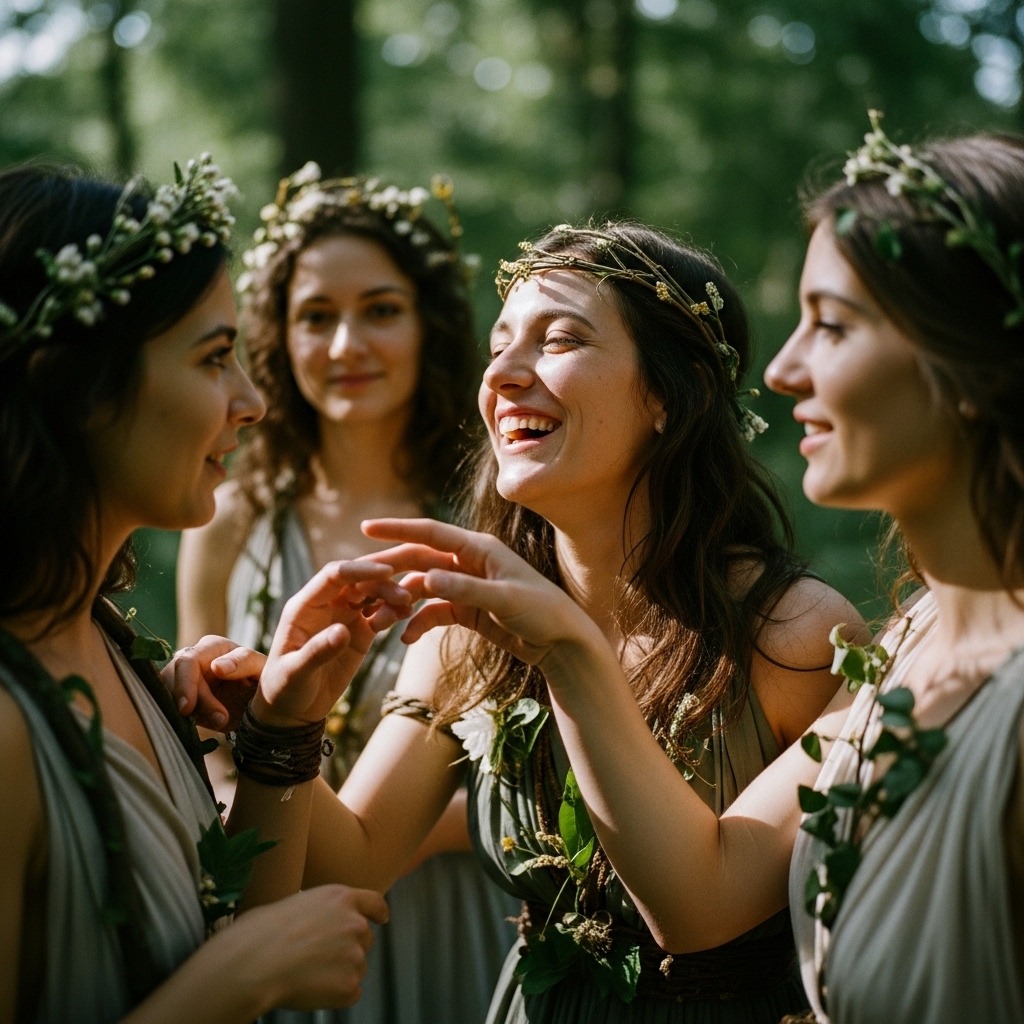
The term “nymph” comes from the ancient Greek word “nymphē,” meaning “young woman” or “bride.” It reflects their youthful charm and ties to nature. Nymphs are often associated with specific natural features, like springs, trees, or mountains. This connection highlights their role as guardians of these elements.
Physical and Spiritual Attributes
Nymphs are primarily depicted as stunning maidens. They are often associated with:
- Beauty: Nymphs are portrayed as youthful and alluring, embodying the ideal of feminine beauty.
- Nature Spirits: Each nymph is linked to a particular natural element, like water, trees, or meadows.
- Divine Powers: Despite being minor deities, nymphs possess powers such as healing, divination, and shapeshifting.
- Mortality: Unlike major gods, nymphs are not immortal. They can experience aging and death, which adds a layer of fragility to their character.
Here’s a quick list of some common types of nymphs:
- Dryads: Tree nymphs, often associated specifically with oak trees.
- Naiads: Water nymphs, linked to springs and rivers.
- Nereids: Sea nymphs, daughters of Nereus, often depicted as helpers of sailors.
- Oreads: Mountain nymphs, usually found in rocky or hilly landscapes.
Nymphs play crucial roles in various myths. For example, the story of Daphne, a nymph who transformed into a laurel tree to escape Apollo, showcases their connection to nature and the divine. This blend of beauty, nature, and mythology makes nymphs enduring symbols in Greek culture.
Types of Nymphs and Their Associations
Nymphs are fascinating figures in Greek mythology. They represent various aspects of nature, and each type has a unique habitat and story. Let’s dive into some of the most well-known nymphs and the roles they played.
Dryads: The Tree Nymphs
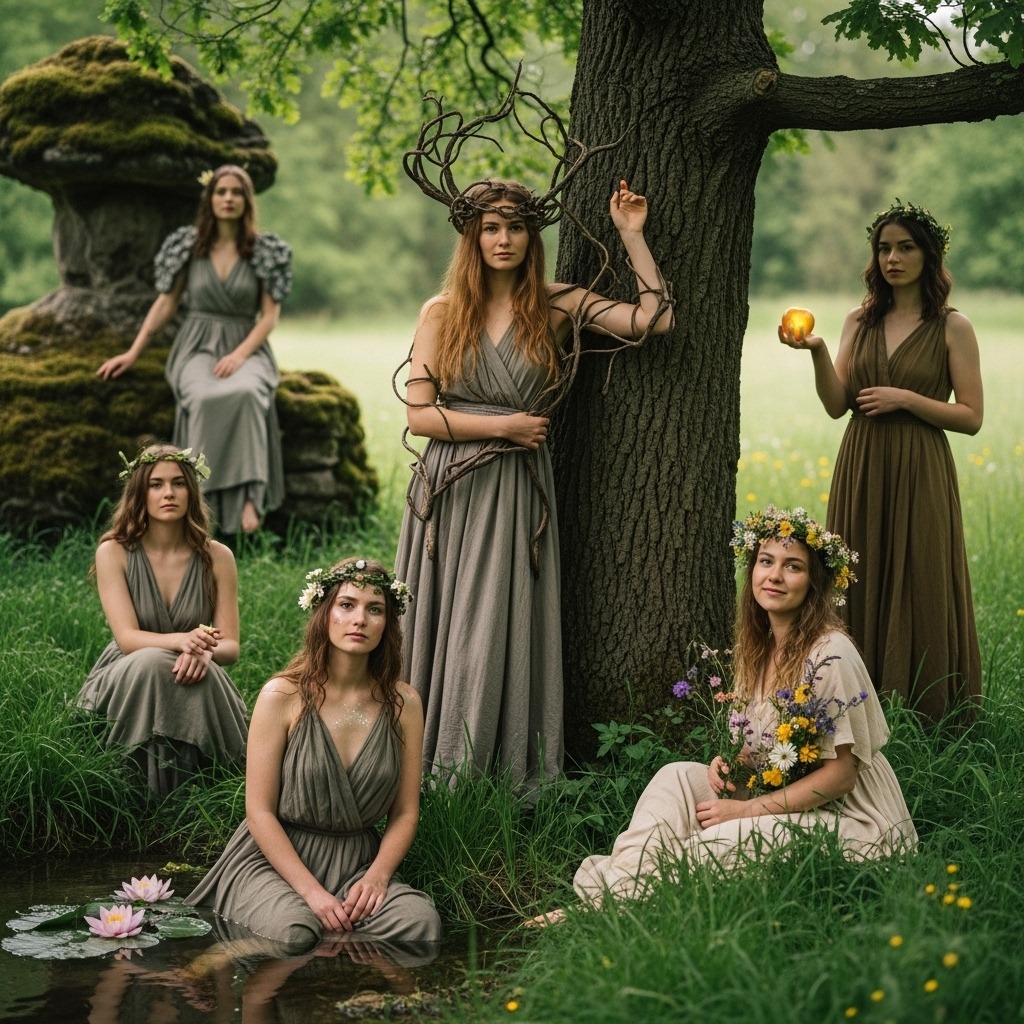
Dryads are the nymphs of trees, particularly oak trees. They are often depicted as beautiful young women, deeply connected to the forest. If a tree was harmed, the Dryad would feel pain.
- Hamadryads: A special type of Dryad, these nymphs are linked to a specific tree. Their life is tied to it—when the tree dies, so do they.
- Notable Dryad: One famous Dryad is Daphne, who transformed into a laurel tree to escape Apollo. This myth highlights their connection to nature and the gods.
Naiads: The Water Nymphs
Naiads are the enchanting nymphs of freshwater bodies like rivers, springs, and lakes. They are often portrayed as nurturing and playful.
- Roles: Naiads can be seen as guardians of the waters. They help travelers and are known to assist heroes in various myths.
- Notable Naiad: One well-known Naiad is Arethusa, who was pursued by the river god Alpheus. She transformed into a spring to escape him, showing their incredible power and resourcefulness.
Nereids and Oceanids: Sea Spirits
Nereids are sea nymphs, daughters of the sea god Nereus. They are known for their beauty and kindness. Oceanids are another group of sea nymphs, representing the vastness of the ocean.
- Nereids: There are fifty Nereids, each with distinct personalities. They often help sailors and are closely associated with Poseidon.
- Notable Nereid: Thetis, a prominent Nereid, is the mother of Achilles. Her story intertwines with major Greek myths, showing the significance of these nymphs in mythology.
- Oceanids: These nymphs are associated with the ocean and often depict the expansive nature of water. They play roles in various myths involving sea voyages and adventures.
By understanding these types of nymphs, we gain insight into their importance in Greek mythology. Each one reflects a different aspect of nature and has unique stories that enrich the mythological landscape.
Roles of Nymphs in Greek Mythology
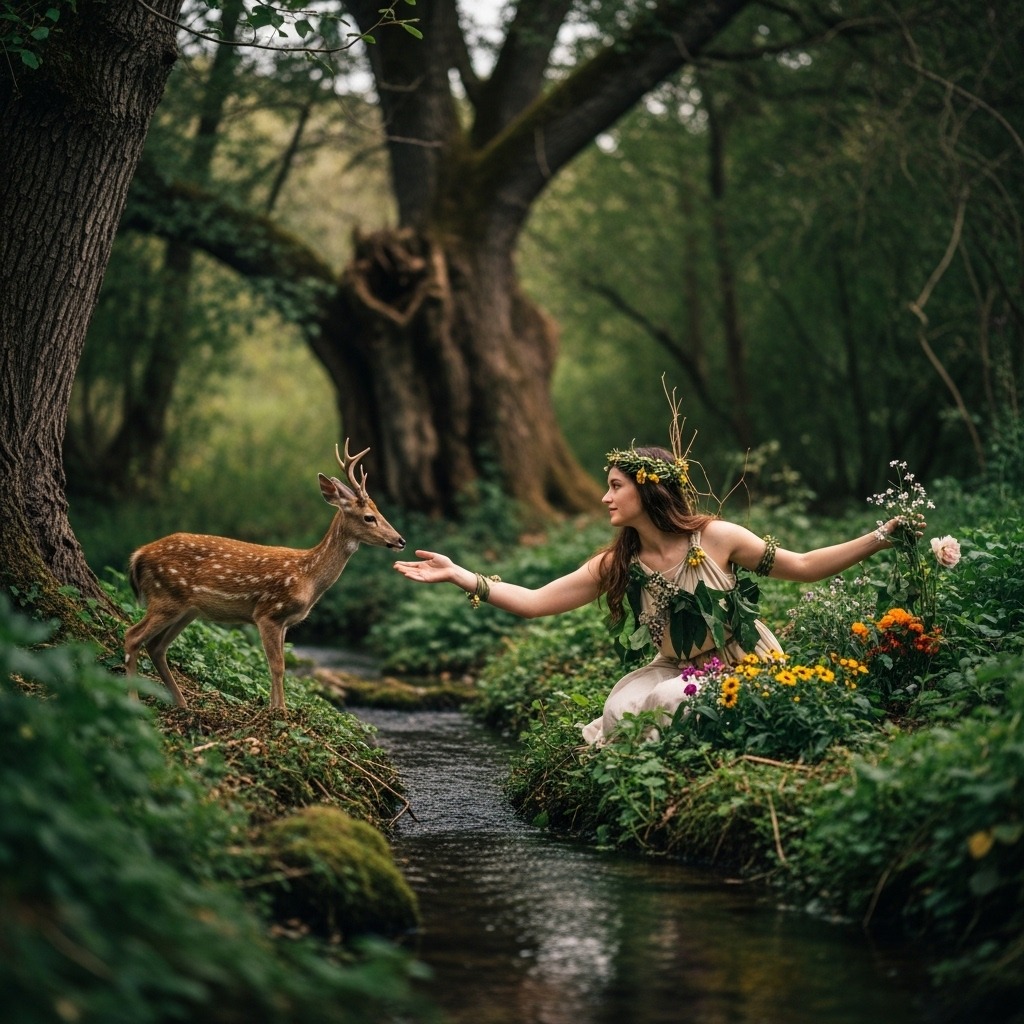
Nymphs were more than just beautiful spirits of nature. They played crucial roles in myths, often interacting with gods and heroes. Their presence added depth to the stories and illustrated the connection between the divine and the natural world.
Nymphs as Lovers and Mothers
Nymphs often found themselves in romantic entanglements with gods and mortals. Their beauty and allure made them irresistible. For example, many nymphs, like the Naiads, were pursued by gods such as Apollo and Hermes. Their encounters often resulted in offspring, blending divine and mortal lineages.
- Example: The story of Leda and the Swan involves Zeus transforming into a swan to seduce Leda, a mortal woman. Their union produced famous figures like Helen of Troy.
- Motherhood: Nymphs like Thetis, a sea nymph, became the mothers of notable heroes. Thetis is the mother of Achilles, showcasing how nymphs contributed to the heroic narratives of Greek mythology.
Nymphs in the Myths of Dionysus
Dionysus, the god of wine and festivity, had a special bond with nymphs. They were often depicted as his companions. These nymphs not only celebrated with him but also played protective roles.
- Role Models: Nymphs like the Maenads, who were female followers of Dionysus, embraced wildness and freedom. They danced and celebrated nature, embodying the spirit of the god.
- Cultural Significance: Their association with Dionysus highlights the nymphs’ role in the celebration of life, nature, and fertility. They symbolize the joys that come from embracing one’s wild side.
Nymphs and Their Worship
Nymphs were revered in various local cults across Greece. People believed that honoring these spirits brought prosperity and protection. They were often worshiped near springs, groves, and rivers.
- Rituals: Devotees held festivals to honor nymphs, celebrating the changing seasons and the bounty of nature. These rituals reinforced community bonds and respect for the natural world.
- Local Legends: Many towns claimed specific nymphs as their protectors, weaving their stories into local mythology. This made nymphs not just figures of myth but also part of the cultural identity of various regions.
Nymphs in Greek mythology are rich in symbolism and significance. Their roles as lovers, mothers, and objects of worship reveal how deeply intertwined they were with both the divine and the everyday lives of ancient Greeks.
Cultural Significance and Modern Interpretations of Nymphs

Nymphs played a vital role in ancient Greek culture. They were not just mythical figures; they represented the beauty and mystery of nature. Today, their influence can still be seen in literature, art, and popular culture.
Nymphs in Art and Literature
Throughout history, nymphs have inspired countless artists and writers. Their beauty and connection to nature made them perfect subjects for various forms of expression. Here are some ways nymphs have been represented:
- Visual Art: In paintings, nymphs are often depicted as ethereal, graceful figures. Artists like Botticelli and Ingres captured their allure in works like “The Birth of Venus” and “The Source.”
- Literature: Nymphs appear in many literary works, from ancient texts like Homer’s “Odyssey” to modern novels. They symbolize love, longing, and the enchanting aspects of the natural world.
- Poetry: Poets often use nymphs to convey themes of nature and beauty. Their presence adds a layer of depth to romantic and pastoral poetry.
Modern Interpretations and Misconceptions
In contemporary culture, nymphs have evolved beyond their ancient roots. They are often used in ways that reflect modern values and ideas. However, some misconceptions persist.
- Fantasy and Media: Nymphs appear frequently in fantasy genres, often portrayed as magical beings with special powers. Think of characters in movies and games, where they might be more powerful than their ancient counterparts.
- Misunderstandings: Some people confuse nymphs with fairies or other mythical creatures. While they share similarities, nymphs are specifically tied to nature and often have a more complex relationship with it.
Key Insights
- Nymphs are often seen as symbols of the untamed beauty of nature.
- They embody themes of femininity and youth, which resonates with modern audiences.
- Understanding the cultural significance of nymphs helps clarify their role in mythology and art today.
Nymphs continue to enchant us, bridging the gap between ancient mythology and modern interpretation. Their stories and representations remind us of our connection to the natural world.
Common Misconceptions and Clarifications about Nymphs
Nymphs are often misunderstood in Greek mythology. Let’s clear up some common misconceptions about these captivating nature spirits.
Are Nymphs Immortal?
Many people think nymphs are immortal. While they are long-lived, they are not truly immortal like the gods. Nymphs can age, and some myths even depict them facing mortality. However, they are often portrayed as eternally youthful and beautiful, which adds to their mystique.
The Sexualization of Nymphs
Nymphs are frequently seen in art and stories as seductive figures. This portrayal can be misleading. While some myths involve romantic entanglements with gods or heroes, nymphs are primarily nature spirits. Their connections to fertility and growth are more about their role in the ecosystem than just physical allure.
Nymphs vs. Other Mythical Beings
Nymphs are often confused with other mythological creatures. Here’s how they stand out:
- Nymphs: Minor deities associated with specific natural elements. They embody nature’s beauty and are often depicted as young women.
- Dryads: A type of nymph tied specifically to trees, particularly oaks. They are a subset of nymphs but have a more focused connection to a particular type of flora.
- Fairies: Often depicted as magical beings with a more whimsical or mischievous nature. They don’t have the same deep ties to nature as nymphs do.
Understanding these distinctions can enhance your appreciation of nymphs’ roles in mythology. They are not just beautiful figures; they represent the essence of nature itself.
Frequently Asked Questions
These quick answers cover the most common questions about this topic, including key details, practical tips, and common concerns.
Who were the Nymphs in Greek Mythology?
Nymphs were minor female deities associated with nature in Greek mythology. They embodied specific natural elements like trees, water, or mountains. Known for their beauty and youth, nymphs played vital roles in myths as guardians of the natural world and often interacted with gods and heroes.
Who are the 9 nymphs in Greek mythology?
While there isn’t a fixed list of exactly nine nymphs, some famous groups include the Nereids (sea nymphs), with fifty daughters of Nereus, and the Pleiades, who are often considered star nymphs. The most well-known individual nymphs include Daphne, Arethusa, and Calypso. Different myth sources highlight various nymphs with unique stories.
How do nymphs interact with humans?
Nymphs often interacted with humans through romantic encounters, aiding heroes, or protecting natural sites. They could be nurturing, helping travelers or healing the sick, but sometimes they could be dangerous if offended. Their relationships with mortals often resulted in offspring or significant mythological events.
Did Poseidon fall in love with a nymph?
Yes, Poseidon, the god of the sea, was involved with several nymphs. For example, he loved Nereids like Thetis and Amphitrite. These relationships often resulted in the birth of important mythological figures, such as Achilles’ mother, Thetis. Poseidon’s interactions with nymphs highlight their role as divine consorts and progenitors.
Why are nymphs sexualized in art and stories?
Nymphs are often depicted as alluring and seductive, reflecting their association with fertility, beauty, and nature’s vitality. This sexualization emphasizes their role as symbols of feminine allure and the untamed aspects of nature. However, it can also lead to misconceptions about their true mythological significance.
What roles do nymphs play in Greek myths?
Nymphs serve as protectors of natural features, lovers of gods and mortals, and sometimes as catalysts in myths. They are involved in stories of transformation, love, and divine intervention. For example, Daphne’s transformation into a laurel tree symbolizes nature’s power and the nymphs’ connection to the environment.
Are nymphs considered immortal?
Most nymphs are not immortal but are long-lived and eternally youthful. Unlike gods, they can age and die, especially if their associated natural element is destroyed. Their immortality is more about their perpetual youth and beauty rather than true divine immortality.
What is the significance of nymphs in ancient Greek culture?
Nymphs represented the reverence for nature and the belief that natural features were inhabited by divine spirits. They played a role in local worship, festivals, and rituals aimed at ensuring fertility, health, and prosperity. Their stories reinforced the importance of respecting and honoring the natural world.