
In Greek mythology, Kratos is the minor deity personifying strength and power. He is portrayed as the loyal enforcer of Zeus, playing a significant role in various myths, especially in the punishment of Prometheus. This article delves into the origins, significance, and modern interpretations of Kratos [1].
The Origins of Kratos in Greek Mythology
Kratos, a minor yet potent deity, has a rich lineage that anchors him within the broader tapestry of Greek mythology. As the son of Pallas and Styx, his origins illuminate his role and significance in ancient tales.

Parentage: Who Were Kratos’s Parents?
Kratos is the progeny of two formidable figures: Pallas, a Titan representing war and might, and Styx, the personification of the river that forms the boundary between Earth and the Underworld. This parentage positions Kratos as a bridge between the divine and the mortal realms.
- Pallas: As a Titan, Pallas embodies martial strength and authority. His lineage grants Kratos a direct connection to the Titanomachy, the epic battle between Titans and Olympians, which underscores Kratos’s inherent power.
- Styx: The river Styx is not merely a geographical feature but a powerful deity in her own right. She represents the unbreakable oath and the depth of commitment. Styx’s connection to Kratos symbolizes loyalty and the gravity of divine decrees.
Siblings of Kratos: The Powers of Nike, Bia, and Zelus
Kratos is not alone in his divine lineage. He is accompanied by three noteworthy siblings: Nike (Victory), Bia (Force), and Zelus (Zeal). Each sibling embodies a specific aspect of strength and valor.
- Nike: The goddess of victory, Nike complements Kratos by representing triumph and success in battle. Together, they signify the triumph of strength over adversity.
- Bia: As the embodiment of force, Bia complements Kratos’s attributes. Their association emphasizes the raw power that enforces divine will.
- Zelus: Representing zeal and rivalry, Zelus showcases the competitive spirit inherent in the divine family. This familial dynamic highlights the multifaceted nature of strength in Greek mythology.
The Role of Styx in Greek Mythology
Styx plays a critical role beyond just being Kratos’s mother. She serves as a symbol of the unbreakable bonds of loyalty and the power of oaths. Her significance extends into the realm of divine justice, where she is invoked in matters of honor and retribution.
- Symbol of Justice: Styx’s connection to the underworld links her to the consequences faced by those who betray the gods. This thematic element reinforces Kratos’s role as an enforcer of Zeus’s will, particularly in myths like the punishment of Prometheus.
- Oath of the Gods: The river Styx is where gods swear their most solemn oaths. This aspect not only emphasizes the weight of Kratos’s lineage but also enhances his role as a divine agent of power and enforcement.
Understanding Kratos’s origins and familial ties provides insight into his character and significance within Greek mythology. His lineage, marked by strength and loyalty, positions him as a vital figure under Zeus’s command, particularly in enforcing divine justice against transgressors like Prometheus.
Kratos’s Role in Greek Mythology
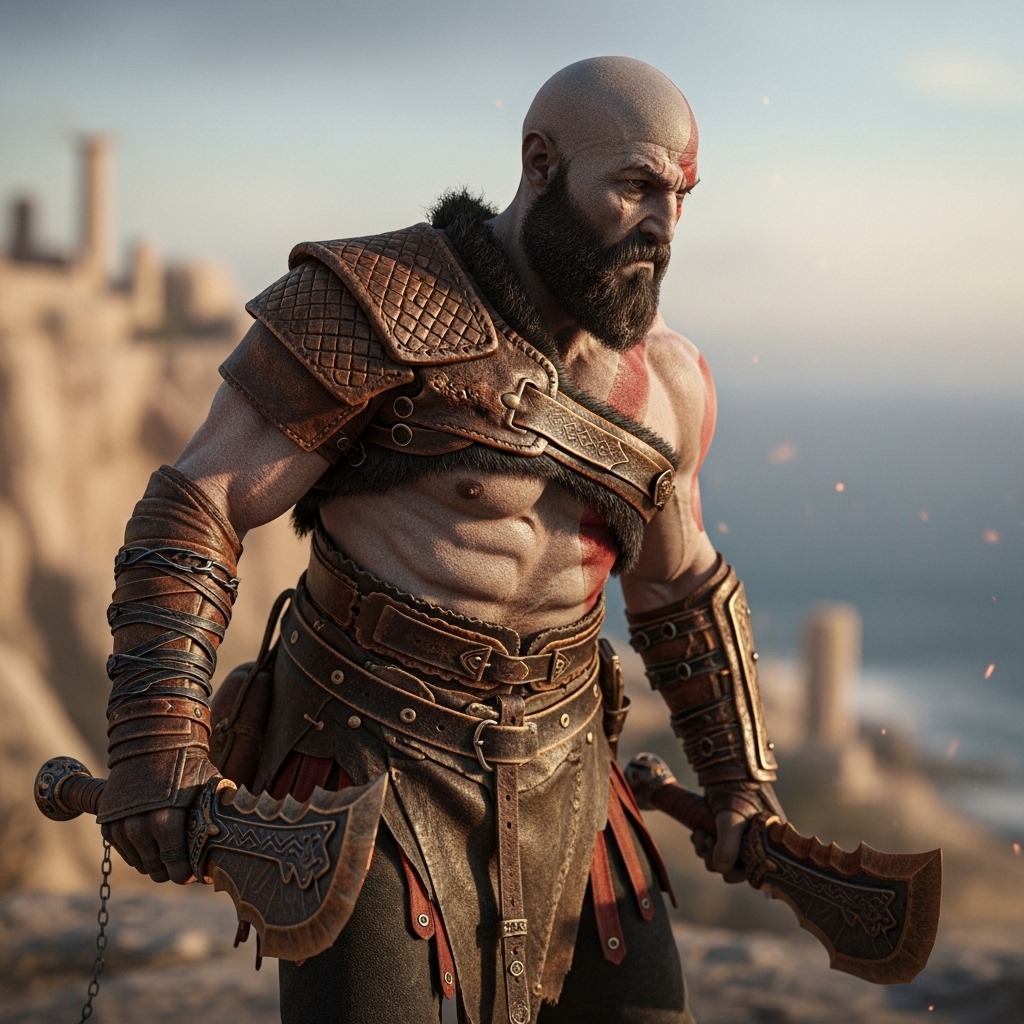
Kratos embodies the concept of strength and serves as a vital enforcer of Zeus’s will in Greek mythology. His most notable role manifests in the punishment of Prometheus, where he exemplifies the brutal enforcement of divine authority.
Table of Contents
Enforcer of Zeus: The Binding of Prometheus
In Aeschylus’s play “Prometheus Bound,” Kratos appears alongside Bia, the personification of force. Together, they are tasked with binding the Titan Prometheus as punishment for his rebellion against Zeus. Prometheus defied the gods by stealing fire for humanity, an act that directly challenged Zeus’s authority.
- Kratos’s Command: He orders Hephaestus to chain Prometheus, showcasing his role as a ruthless enforcer. His dialogue reveals a lack of empathy, emphasizing obedience to Zeus above all else. “Stop wasting your labor at an unprofitable task,” he tells Hephaestus, reflecting his harsh demeanor and commitment to Zeus’s commands [1].
- Psychological Manipulation: Kratos leverages Hephaestus’s kinship with Prometheus to spur action. He argues that failing to bind Prometheus would further invite Zeus’s wrath, thus entwining fear with duty [2]. This dynamic illustrates Kratos’s role not only as a figure of strength but also as a manipulator of other deities.
Kratos’s Actions as a Symbol of Strength
Kratos embodies physical strength and the oppressive power of authoritarian rule. His relentless pursuit of obedience underlines the overarching theme of might versus right in Greek mythology.
- Attribute of Power: As the physical manifestation of strength, Kratos symbolizes the unyielding force of divine will. His actions serve as a stark reminder of the consequences of defiance against the gods. Kratos underscores that in Zeus’s realm, freedom is an illusion; absolute power resides solely with Zeus [3].
- Contrast with Other Deities: Unlike other deities like Athena, who often represents wisdom and strategy, Kratos’s approach is brute force. His effectiveness lies in his ability to execute Zeus’s will without hesitation, reinforcing a narrative that strength can often overshadow intellect.
The Titanomachy: Kratos’s Role in the War
Kratos’s significance extends beyond the punishment of Prometheus; he plays a crucial role in the Titanomachy, the war between the Titans and the Olympians.
- Allegiance to Zeus: Kratos fights for Zeus during this cataclysmic battle, aligning himself with the Olympian gods. His presence on the battlefield exemplifies the might of Zeus’s forces against the Titans, further establishing his role as a primary enforcer of divine authority.
- Symbol of Victory: The outcome of the Titanomachy marks a shift in power dynamics within Greek mythology. Kratos’s involvement symbolizes the triumph of order over chaos, reinforcing Zeus’s supremacy and the consequences faced by those who oppose him.
Through these narratives, Kratos emerges as a formidable character in Greek mythology, embodying the themes of strength, obedience, and the harsh realities of divine governance. His legacy is not merely that of a minor deity, but rather a potent representation of the inexorable power wielded by Zeus and the cost of defiance.
Symbolism and Representation of Kratos
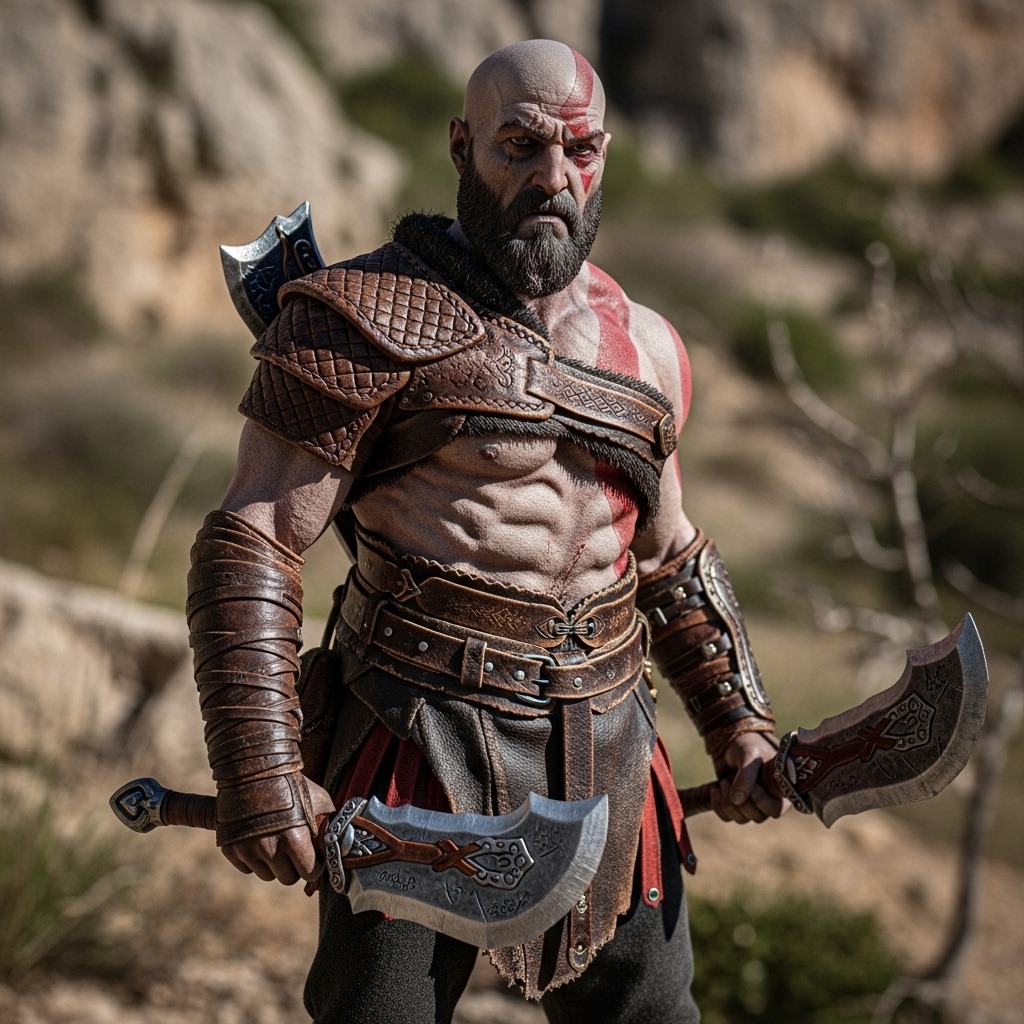
Kratos, in Greek mythology, embodies the essence of strength and power. As an enforcer of Zeus’s will, his character reflects the harsh realities of divine authority and the consequences of rebellion.
What Does Kratos Symbolize?
Kratos symbolizes not only physical strength but also the authoritative power that governs the cosmos. He is the living embodiment of Zeus’s might, reinforcing the notion that true power comes with unwavering loyalty and decisiveness. His role as an enforcer is critical, as he embodies the consequences faced by those who defy divine order.
- Strength: Kratos represents both raw physical might and the strength of will, often seen as the ultimate force in enforcing Zeus’s decrees.
- Power: He signifies the authoritative power of the gods, acting as a reminder of the severity of divine judgment.
- Loyalty to Zeus: His unwavering allegiance to Zeus highlights the expectation of loyalty among the deities, reinforcing the hierarchical structure of the pantheon.
Comparisons with Other Deities of Strength
When comparing Kratos to other deities of strength, he stands out for his active role in enforcing Zeus’s will. Unlike Hercules, who is often celebrated for his heroic deeds, Kratos embodies the darker side of strength—one that is often associated with punishment and control.
- Hercules: Represents heroism and triumph over adversity, often celebrated for his feats.
- Ares: The god of war, represents chaotic strength and conflict, contrasting with Kratos’s structured enforcement of order.
Kratos’s symbolism aligns closely with the ancient Greek view of power dynamics, where strength is not just about physical prowess but also about the ability to impose authority.
The Cultural Impact of Kratos’s Symbolism
Kratos’s representation transcends ancient texts, influencing modern narratives and interpretations. His image as a punisher in Aeschylus’s “Prometheus Bound” serves as a powerful cultural artifact, illustrating the ancient Greeks’ views on strength and authority.
- Art Representations: Classical artworks often depict Kratos in action, emphasizing his role in subjugating Prometheus, further embedding his image in the cultural consciousness.
- Modern Adaptations: In contemporary storytelling, particularly in video games, Kratos has evolved into a complex character, symbolizing not only strength but also the internal struggle against the burdens of power.
This evolution reflects broader themes of strength and authority, making Kratos a timeless figure in both ancient and modern discourse on power dynamics.
Modern Interpretations of Kratos

Kratos has transcended his mythological origins to become a multifaceted figure in modern media, especially in video games. This evolution highlights societal changes in the portrayal of heroism and power.
Kratos in God of War: A New Narrative
In the “God of War” series, Kratos emerges as a complex antihero. He embodies raw strength and relentless determination, yet grapples with themes of fatherhood and redemption. This character development contrasts sharply with the original depiction of Kratos as merely an enforcer of Zeus’s will in Greek mythology.
- From Punisher to Protector: In ancient texts, Kratos punishes Prometheus on Zeus’s command, symbolizing unyielding authority. In contrast, the video game portrays him as a father trying to shield his son from the same oppressive fate he faced.
- Emotional Depth: Modern narratives explore his internal conflicts, showcasing vulnerability alongside brute force. This reflects a broader cultural shift towards valuing emotional complexity in heroes.
Comparing Mythological and Modern Kratos
The mythological Kratos is primarily a minor deity associated with strength, often depicted alongside Bia (Force) and Nike (Victory). He lacks the depth and character exploration seen in contemporary interpretations.
- Mythological Context: Kratos serves as a personification of power in the myth of Prometheus, representing the might of Zeus’s command. His role is straightforward: to enforce punishment and maintain order among the gods and mortals.
- Modern Complexity: The modern Kratos is a symbol of struggle against tyranny, reflecting a more nuanced understanding of power dynamics. This shift illustrates how societal expectations for heroes have evolved.
The Influence of Video Games on Kratos’s Legacy
The transformation of Kratos in video games has significantly impacted his legacy. He now serves as a lens through which players explore complex themes of power, guilt, and redemption.
- Cultural Resonance: By navigating the challenges of fatherhood and grappling with past sins, Kratos resonates with modern audiences. This alignment with contemporary values enhances his appeal.
- Symbolic Representation: While ancient texts cast him as a mere enforcer, today’s Kratos embodies the struggle for personal agency against overwhelming odds. This evolution not only reflects changes in storytelling but also the expectations of heroism in modern culture.
In summary, Kratos’s journey from a symbol of brute power to a nuanced antihero illustrates a significant cultural shift in our understanding of strength, authority, and redemption.
Conclusion: The Legacy of Kratos in Myth and Media
Kratos stands as a complex figure in both Greek mythology and modern storytelling. His role as a minor deity embodies strength and the enforcement of Zeus’s will, while his modern interpretations reveal deeper themes of redemption and personal struggle.
The Enduring Relevance of Kratos
Kratos’s legacy transcends ancient texts. His character symbolizes the duality of power—raw strength coupled with the burden of responsibility. Key points include:
- Mythological Role: Kratos enforces Zeus’s will, often through violence, showcasing the harsh realities of divine justice [3].
- Family Ties: His relationships with figures like Pallas, Styx, Nike, Bia, and Zelus illustrate the interconnectedness of power and duty in Greek mythology [1].
- Cultural Impact: Modern media, particularly video games, adapt Kratos into a more nuanced antihero. This evolution mirrors societal shifts in understanding strength and morality.
Lessons from Kratos’s Story
Kratos’s narrative offers valuable insights into the human condition:
- Power and Consequence: His actions often lead to unforeseen repercussions, highlighting the importance of accountability.
- Redemption Arc: Unlike many mythological figures, Kratos seeks redemption, making him relatable to contemporary audiences facing their own struggles.
- Cultural Symbolism: As a representation of strength, Kratos challenges traditional notions of heroism, emphasizing complexity over simplicity.
In both myth and modern interpretations, Kratos serves as a potent reminder of the intricate relationship between power, responsibility, and the pursuit of redemption. His legacy continues to shape narratives around strength and morality, proving that even minor deities can leave a significant mark on culture.
Frequently Asked Questions
These quick answers cover the most common questions about this topic, including key details, practical tips, and common concerns.
Who was Kratos in Greek Mythology?
Kratos was a minor deity representing strength and power. He was the son of Pallas, a Titan of war, and Styx, the personification of the river Styx. He often appeared as an enforcer of Zeus’s commands, especially in myths involving divine justice [1].
Who is the real Kratos in Greek mythology?
The “real” Kratos is a divine figure associated with strength, loyalty, and enforcement of divine will. Unlike the modern video game character, mythological Kratos is a personification of force and authority, not a hero or warrior in the traditional sense.
Who was Kratos the god of?
Kratos personified strength and power. He was not a major god with a widespread cult but rather a divine embodiment of force used to enforce Zeus’s decrees and uphold divine authority [1].
Is Kratos really the son of Zeus?
No, Kratos is not the son of Zeus. According to myth, he is the son of Pallas and Styx. However, in modern adaptations like video games, Kratos is often depicted as a son of Zeus, which is a fictional reinterpretation [5].
Was Kratos a god or a demigod?
Kratos was a minor deity, not a demigod. He personified strength and was considered a divine force rather than a hero or mortal. His role was primarily as an enforcer of divine authority, especially in mythological stories [2].
What are the main myths involving Kratos?
The most notable myth involving Kratos is in Aeschylus’s Prometheus Bound, where he helps bind Prometheus as punishment for defying Zeus. This myth highlights his role as an enforcer of divine justice and authority [4].
How does Kratos compare to other Greek gods?
Kratos differs from gods like Athena or Apollo, who embody wisdom or arts. He is more akin to a personification of strength and force, often acting as an agent of Zeus rather than an independent deity with a broad mythos.
What does Kratos symbolize in Greek mythology?
Kratos symbolizes raw strength, authority, and the enforcement of divine will. His character reflects the power dynamics within Greek mythology, emphasizing that strength and loyalty are essential for maintaining order [3].
Is Kratos a hero or a villain in mythology?
Kratos is neither a hero nor a villain in traditional mythology. He is a divine personification of strength used by Zeus to enforce divine laws. His role is more about duty and authority than moral judgment.
What is the significance of Kratos’s family?
Kratos’s family, including Styx, Pallas, Nike, Bia, and Zelus, highlights different aspects of strength, loyalty, victory, force, and zeal. These relationships underscore his role as part of a divine lineage that embodies various facets of power and divine authority [1].
References
1. Kratos – Origins, Family, Meaning, Symbols & Powers
3. What’s Wrong with Democracy? The Peculiar Power of Kratos
4. Prometheus Bound by Aeschylus
5. Has it ever been stated (ingame or otherwise) how Kratos …
6. What Is Kratos Power? : r/GodofWarRagnarok