
The Qilin is a revered mythical creature in Chinese mythology, often referred to as the Chinese unicorn. It symbolizes good fortune, wisdom, and benevolence, making it a significant figure in the culture’s rich tapestry of legends and philosophies [1].
The Qilin: A Symbol of Good Fortune in Chinese Mythology
The Qilin, a majestic mythical creature, embodies the essence of good fortune, wisdom, and benevolence in Chinese mythology. Its rich symbolism and historical significance make it a revered figure, deeply intertwined with cultural narratives and philosophical teachings.
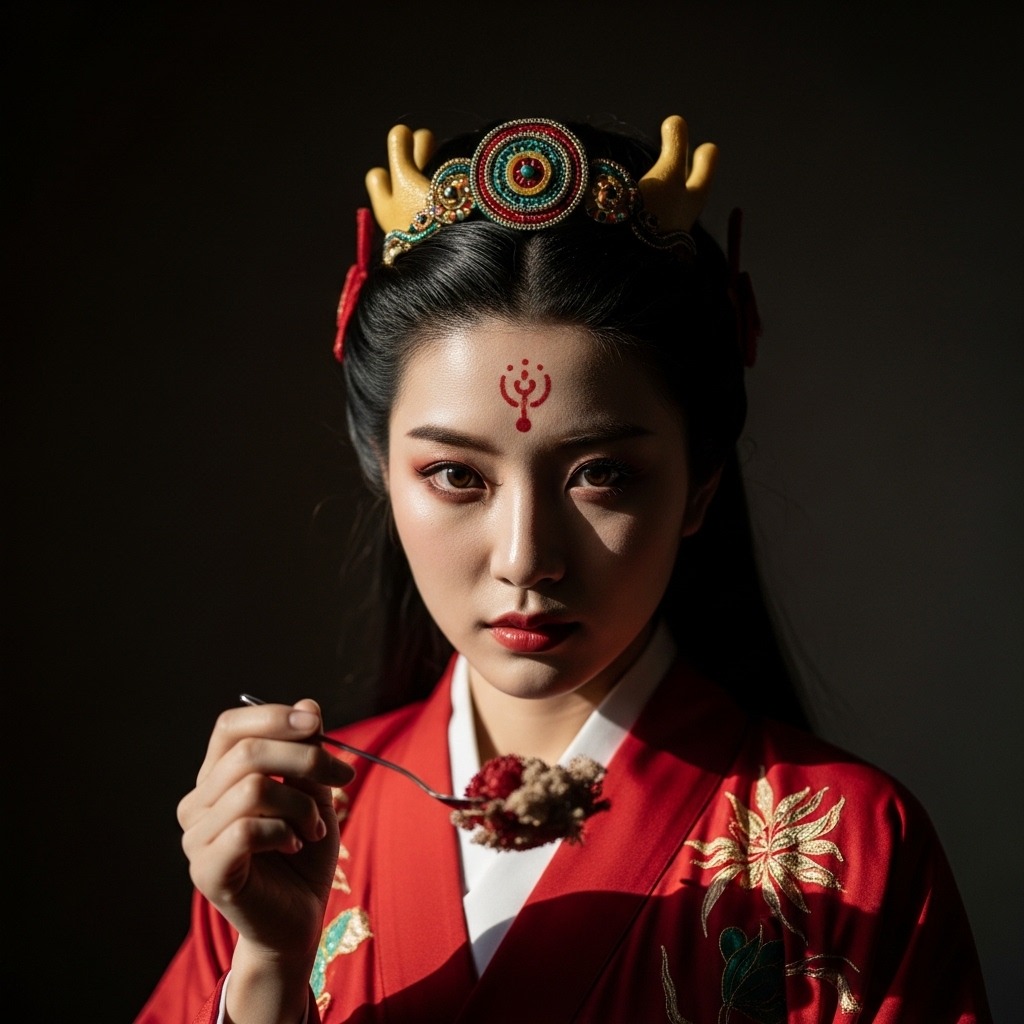
Origin and Etymology of the Qilin
The term “Qilin” (麒麟) has roots in ancient Chinese language, often translated as “unicorn.” This name highlights its unicorn-like qualities while also distinguishing it as a unique entity within the Chinese mythological framework. The Qilin is said to possess features from various animals, including the body of a deer, hooves of a horse, and the tail of an ox. Its scales resemble those of a fish, often depicted in vibrant hues, and it is frequently enveloped in flames, symbolizing its divine nature [1].
Historically, the Qilin’s depiction has evolved. Some accounts suggest it resembles a giraffe, particularly during the Ming Dynasty when giraffes were brought to China and mistakenly identified as Qilin [2]. This identification underscores the Qilin’s significance as a symbol of rarity and wonder.
The Qilin’s Role in Chinese Culture
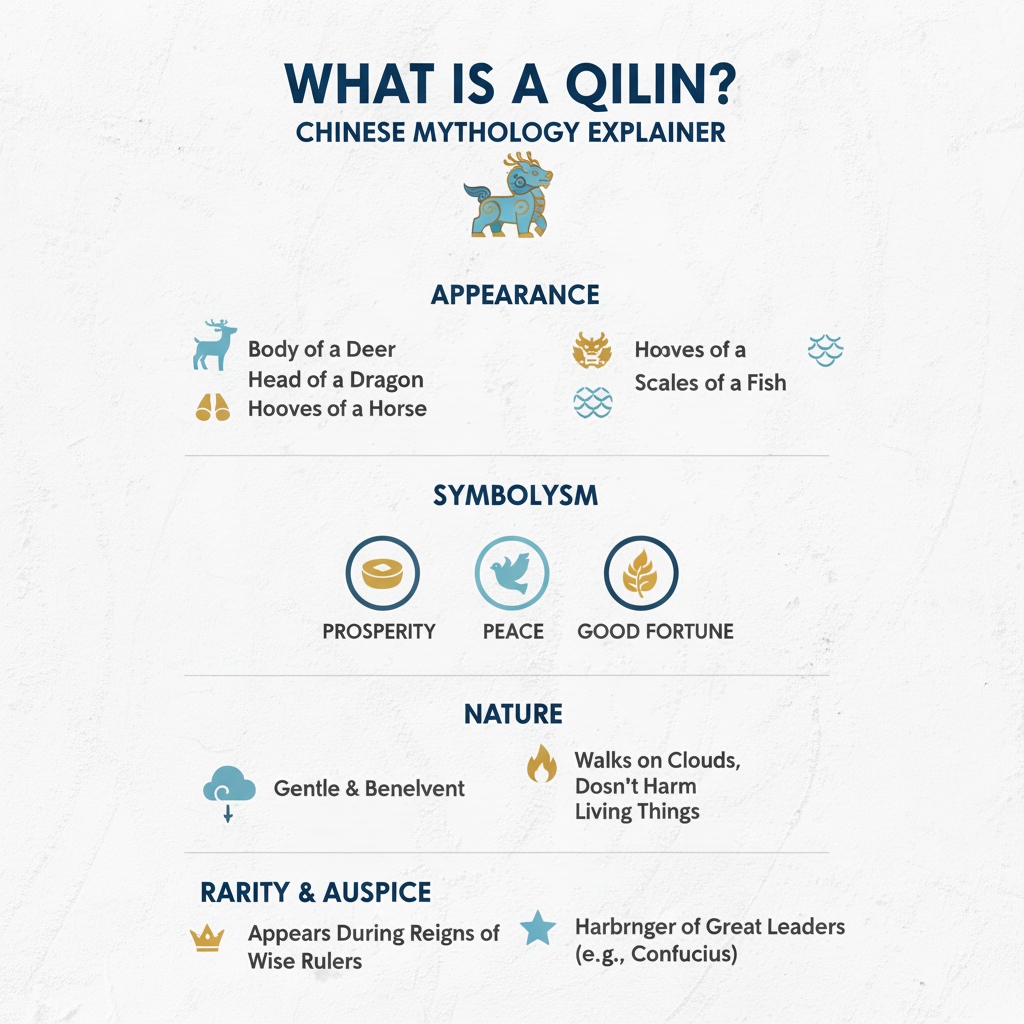
The Qilin serves multiple roles within Chinese mythology. It is regarded as a guardian of the righteous and a harbinger of significant events, particularly the births or deaths of notable leaders. For instance, it is said that the Qilin foretold the birth of Confucius, marking him as a great sage. This association with wisdom and virtue solidified the Qilin’s status as a protector of moral integrity [1].
Moreover, the Qilin is believed to embody the principles of justice and serenity. It is said to tread lightly, symbolizing care and compassion. Legends state that the Qilin will not harm any living creature, even choosing to avoid crushing grass beneath its hooves. This characteristic reinforces its image as a benevolent force within Chinese lore [1].
Here are key aspects of the Qilin in Chinese culture:
Table of Contents
- Symbol of good fortune: Associated with prosperity and luck.
- Divine messenger: Appears to signal important events.
- Protector of the innocent: Punishes the wicked while safeguarding the virtuous.
In summary, the Qilin’s multifaceted representation enriches the narrative of Chinese mythology, linking it to themes of moral virtue and enlightened leadership.
Physical Characteristics of the Qilin
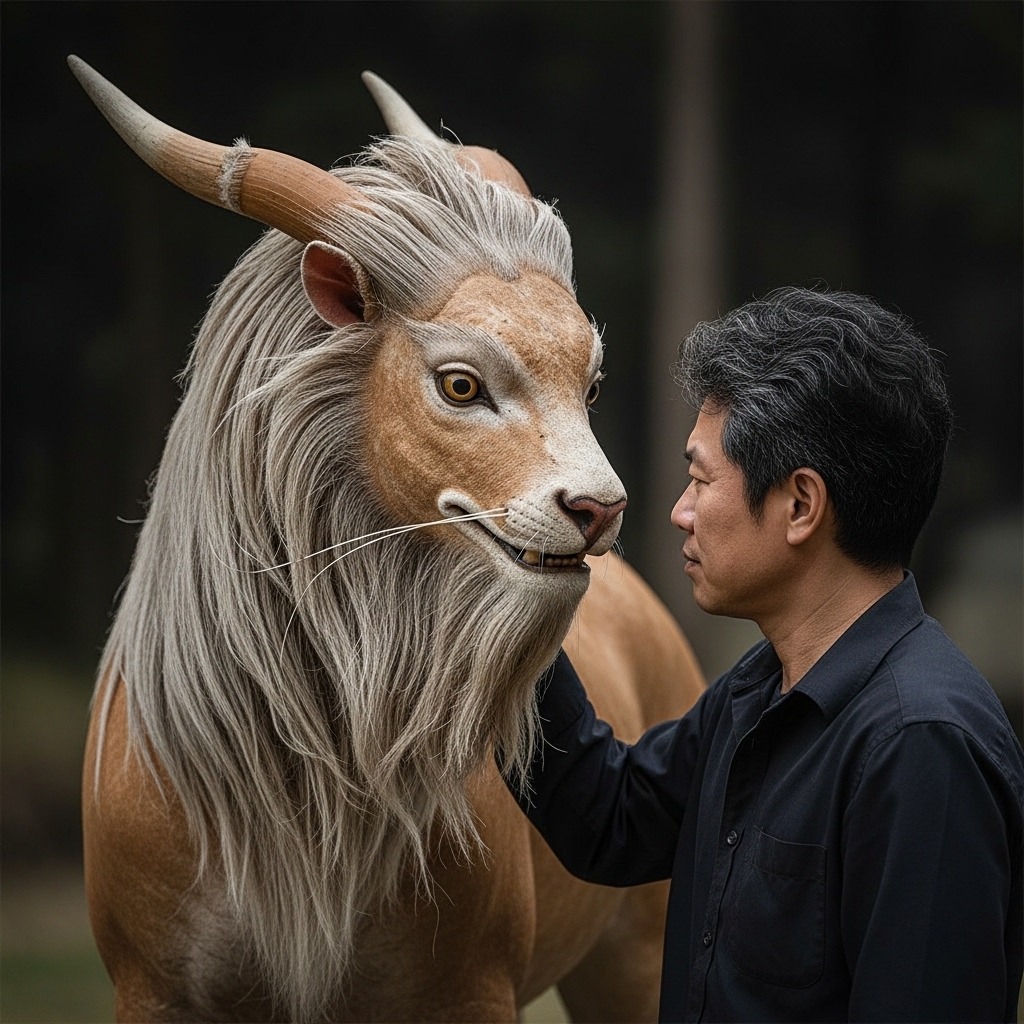
The Qilin is an extraordinary creature with a unique physical form that sets it apart from other mythical beings, notably the Western unicorn. Understanding these traits illuminates the Qilin’s significance in Chinese mythology.
Common Depictions of the Qilin
The Qilin’s appearance embodies a blend of multiple creatures, showcasing its rich symbolism:
- Head: Often resembling that of a dragon, featuring antler-like horns.
- Body: Typically has a deer-like or horse-like structure, covered in scales akin to a fish.
- Tail: Usually depicted as resembling that of an ox or lion.
- Hooves: Its hooves can appear as cloven or have a lion’s paw-like structure, enhancing its mythical aura.
These characteristics allow the Qilin to embody the virtues of benevolence and justice within its cultural narrative. The Qilin is often enveloped in flames or clouds, emphasizing its divine connection and ethereal nature [1][2].
Variations Across Cultures
Cultural depictions of the Qilin vary significantly across regions:
- In traditional Chinese art, the Qilin is frequently portrayed in vibrant colors, emphasizing its auspicious nature.
- Some representations might show a single horn, drawing a parallel to the Western unicorn, although this is a distinct variant within the broader Qilin mythology [3].
- Other cultures, influenced by the Qilin’s symbolism, may present it with different attributes, but the core features remain consistent: a harmonious blend of strength and grace.
The contrast with the Western unicorn is stark. While the unicorn typically has a singular, spiral horn and a horse-like body, the Qilin’s composite appearance reflects its role as a harbinger of prosperity and wisdom in Eastern lore. This distinction highlights the broader spiritual meanings attributed to each creature in their respective mythologies [1][3].
The Symbolism and Powers of the Qilin
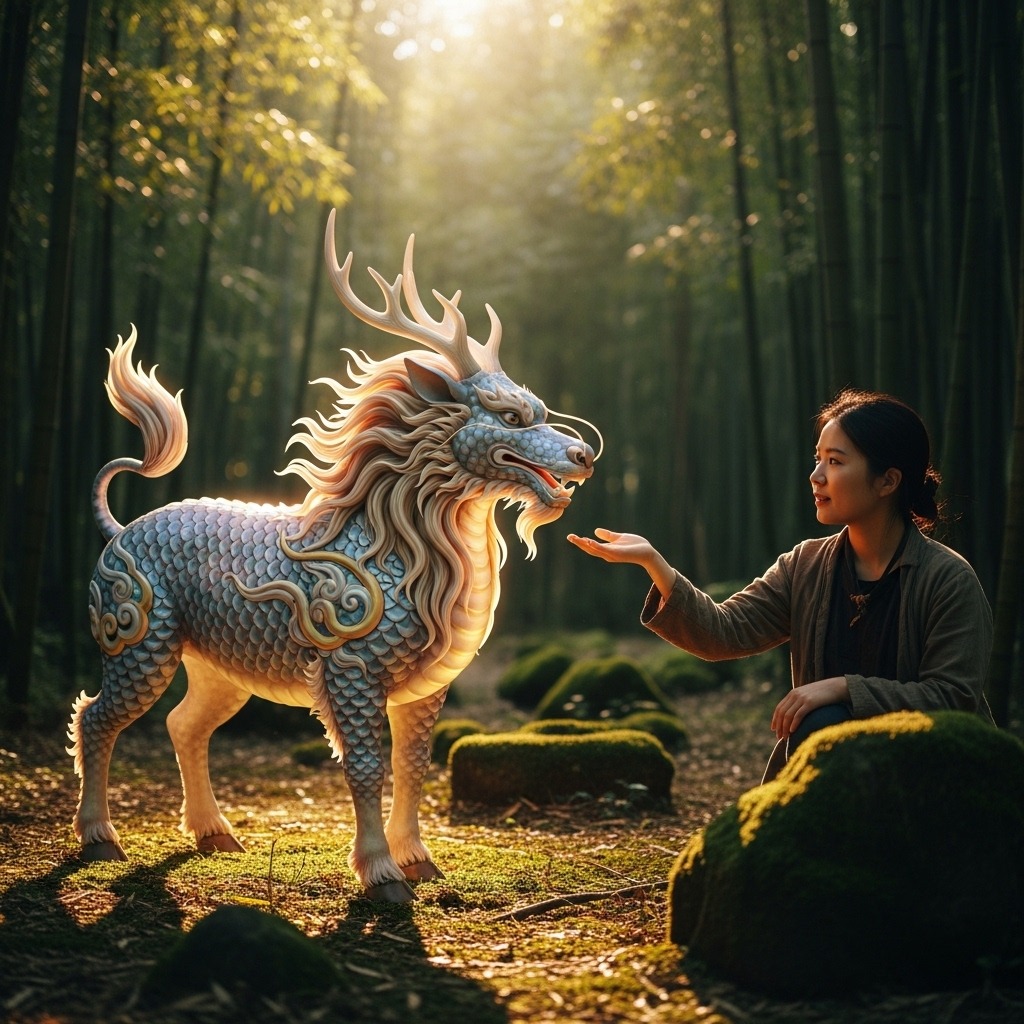
The Qilin embodies profound symbolism in Chinese mythology, representing good fortune, wisdom, and benevolent rulership. Its multifaceted nature reflects a deep cultural reverence for this mythical creature.
Symbolism of Wisdom and Justice
The Qilin is not merely a creature of beauty; it serves as a symbol of wisdom and justice. This mythical being is believed to possess the extraordinary ability to discern virtue from vice. Its presence is said to inspire integrity and fairness among those who encounter it. In historical contexts, sightings of the Qilin often foreshadowed the emergence of wise, just rulers. For instance, its appearance is linked to the birth of Confucius, emphasizing its role as an auspicious sign for virtuous leadership [1][5].
Powers Associated with the Qilin
The Qilin is attributed with various powers that extend beyond mere symbolism. Key powers include:
- Harbinger of Good Fortune: Encountering a Qilin is seen as a precursor to significant positive changes in one’s life, whether personal or political.
- Guardian of Righteousness: The Qilin is a protector of the righteous, fostering environments where justice prevails [4].
- Influencer of Moral Integrity: Its presence is thought to cultivate a sense of moral responsibility among leaders and citizens alike.
A notable historical account illustrates the Qilin’s significance during Confucius’s time. When a Qilin was captured, its subsequent death was interpreted as a dire omen, signifying the moral decline of the Zhou dynasty. Confucius himself mourned this event, viewing it as an indication that the rightful rulers had lost their divine mandate [4]. This narrative underscores the Qilin’s powers as not only a mythical creature but also a pivotal symbol within the moral fabric of society.
These associations and powers of the Qilin highlight its enduring legacy in Chinese culture, where it continues to inspire art, literature, and modern interpretations of mythology.
The Qilin’s Connection to Confucius and Historical Context
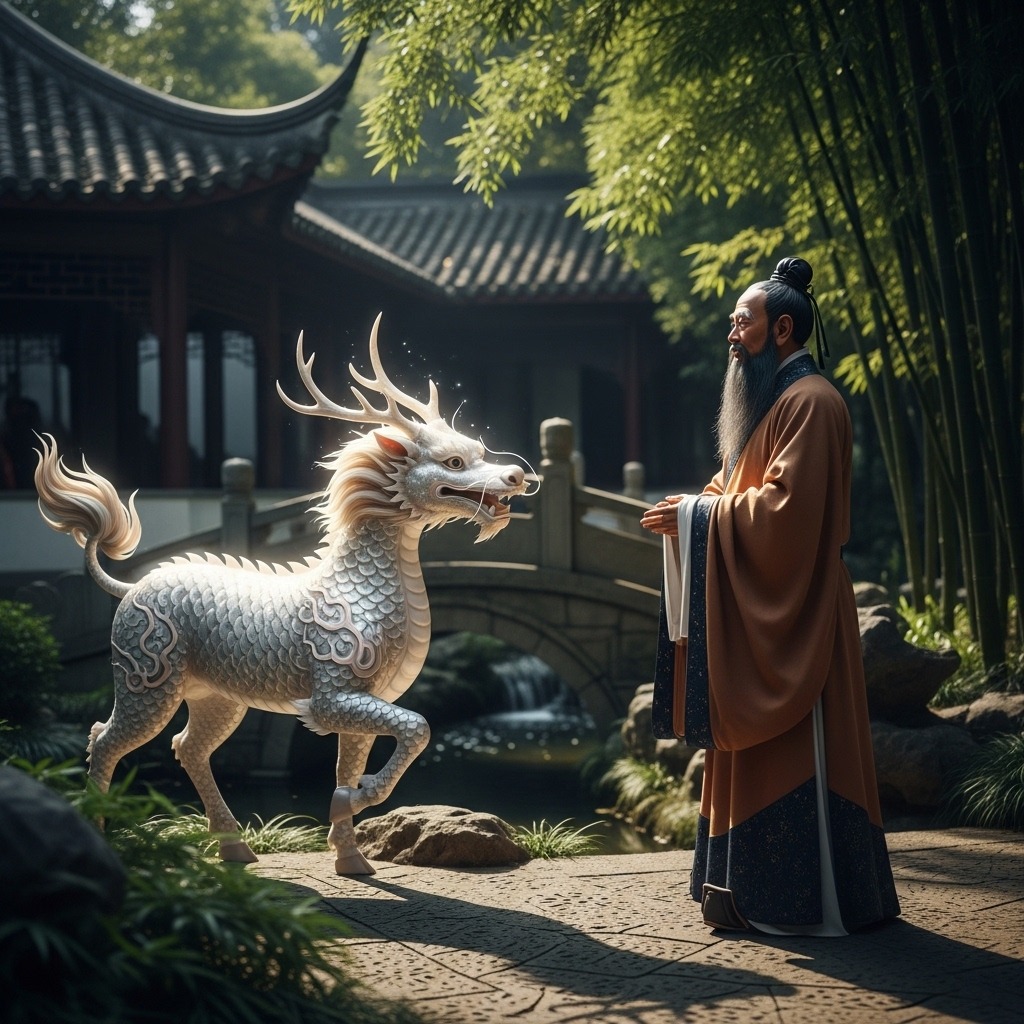
The Qilin holds significant ties to Confucius, influencing both governance and philosophical thought in ancient China. Its association with this revered figure underscores its role as more than just a mythical being; it embodies moral and virtuous leadership.
The Birth of Confucius and the Qilin’s Prophecy
The Qilin is intricately linked to the birth of Confucius, heralding him as a sage. According to legend, it appeared to Confucius’s mother during her pregnancy, signaling that her child would be gifted with wisdom and righteousness. This event established the Qilin as a divine harbinger of enlightenment, reinforcing its status as a symbol of moral integrity in Chinese philosophy.
- Prophetic Significance: The Qilin’s appearance foreshadowed Confucius’s role in promoting benevolent governance.
- Cultural Impact: Confucius’s teachings often referenced the Qilin, linking ideal leadership to its auspicious nature.
Historical Sightings of the Qilin
Throughout history, sightings of the Qilin have been viewed as omens of significant events. These occurrences were often interpreted as validations of an emperor’s right to rule, thereby intertwining the creature’s existence with the Mandate of Heaven.
- Symbol of Governance: Emperors would reference Qilin sightings to legitimize their reign, believing its presence conferred prosperity and justice [7].
- Moral Indicator: The death of a captured Qilin during Confucius’s time was seen as a dire omen, indicating moral decay and the loss of rightful leadership [4].
The Qilin’s enduring legacy extends beyond mythology; it serves as a benchmark for ethical governance and wise leadership in Chinese culture.
The Qilin in Modern Culture and Art
The Qilin’s influence stretches far beyond ancient texts and folklore; it continues to thrive in contemporary culture. Today, its imagery is prevalent in art, media, and festive celebrations, demonstrating its lasting significance.
The Qilin in Popular Media
Modern interpretations of the Qilin appear across various media platforms. It is frequently depicted in video games, animated series, and films, often serving as a magical companion or formidable creature. For instance, many gaming franchises feature the Qilin as a powerful mount, embodying its traditional attributes of strength and benevolence.
Additionally, the Qilin’s portrayal in anime often reflects its mythological roots, showcasing its dual role as both protector and bringer of good fortune. This cross-cultural representation highlights the creature’s adaptability while maintaining its core symbolism of wisdom and prosperity.
Contemporary Artistic Interpretations
Contemporary artists are continually reimagining the Qilin through diverse artistic lenses. From traditional paintings to digital art, the Qilin’s form is evolving. Artists blend its classical features with modern aesthetics, resulting in striking visuals that resonate with today’s audiences. For example, exhibitions often display Qilin-inspired works that incorporate vibrant colors and innovative techniques, bridging the gap between ancient mythology and contemporary expression [10].
Moreover, the Qilin plays a vital role in cultural festivals. Events such as the Qing Ming Festival and the Chinese New Year feature vibrant Qilin dances, where performers mimic the creature’s movements [11]. These celebrations not only honor the Qilin but also reinforce its status as a symbol of auspiciousness and communal joy.
Visual Representations of the Qilin
The Qilin is depicted in various forms, reflecting its mythological significance. Key characteristics include:
- Dragon-like Features: Scaly skin and antler-like horns.
- Benevolent Aura: Often surrounded by flames or clouds, symbolizing its divine nature.
- Cultural Symbolism: Frequently associated with good governance and moral integrity, tying back to its historical roots.
Through its visual representations, the Qilin communicates themes of prosperity and virtuous leadership, making it a timeless emblem in both historical and modern contexts.
Frequently Asked Questions
These quick answers cover the most common questions about this topic, including key details, practical tips, and common concerns.
What is a Qilin in Chinese Mythology?
A Qilin is a legendary creature in Chinese mythology often called the “Chinese unicorn.” It has a composite appearance, with features from various animals like a deer’s body, a dragon’s head, and fish-like scales. It symbolizes good fortune, wisdom, and benevolence and is considered a divine messenger that signals important events or the rise of virtuous leaders [1].
What does the Chinese Qilin symbolize?
The Qilin symbolizes good luck, prosperity, and moral virtue. It is seen as an omen of positive change and a protector of the righteous. Its presence is believed to inspire justice and benevolence, often foreshadowing the birth of wise or virtuous rulers like Confucius [1][4].
What powers do qilins have?
Qilins are attributed with powers such as heralding good fortune, protecting the righteous, and inspiring moral integrity. They are believed to be able to detect virtue and vice, and their appearance often signifies auspicious events or the moral decline of a dynasty. They do not harm living creatures and symbolize divine justice [4].
What is the difference between a unicorn and a Qilin?
While both are mythical horned creatures, the unicorn is typically depicted as a single-horned horse with a spiral horn, mainly in Western mythology. The Qilin, however, has a more complex, composite form with features from multiple animals, and is deeply rooted in Chinese symbolism of virtue and prosperity. The Qilin also often appears surrounded by flames or clouds, emphasizing its divine nature [3].
Can qilins be evil?
No, qilins are considered benevolent and virtuous creatures. They symbolize good fortune, wisdom, and justice. Legends portray them as protectors of the righteous, and they are not associated with evil or malicious intent [1].
When did the Qilin first appear in Chinese texts?
The Qilin has been documented in Chinese texts dating back over two thousand years, with early references in classical Chinese literature. Its depiction and symbolism have evolved over centuries, but it has consistently been regarded as an auspicious and divine creature since ancient times [1].
How is the Qilin depicted in art and literature?
In traditional Chinese art, the Qilin is portrayed with a dragon-like head, antlers, scales, and a deer or horse-like body. It is often shown amid clouds or flames, emphasizing its divine origin. Literature describes it as a gentle, wise creature that appears during times of moral virtue or significant events [1][2].
What are some famous legends involving the Qilin?
One of the most notable legends is its prophecy of Confucius’s birth, signaling his future wisdom. Additionally, sightings of the Qilin were considered omens of important political or moral changes, such as the rise of virtuous rulers or the decline of corrupt ones. The death of a captured Qilin was often seen as a sign of moral decay [4][6].
References
1. Qilin 麒麟 – Destiny of Rebirth Translation …
2. Qilin
4. Qilin Physiology | Superpower Wiki – Fandom
5. for Chinese citizens urged – FARA.gov
8. Qilin LI
9. Qilin, a Robot-Assisted Chinese Language Learning …
11. Qing Ming Festival – National Museum of Asian Art