
To ’86’ someone means to refuse or remove them, originating in 1930s American slang, often used in restaurants and bars to indicate an item or person is no longer accepted.
This term’s roots trace back to soda fountain slang for sold-out items and possibly rhymes with ‘nix.’ Its use has expanded into broader contexts of dismissal and rejection, especially in hospitality and informal speech. Understanding its origin helps clarify its evolving role in American slang, highlighting how specific terms develop from practical limits like item shortages to figurative acts of exclusion.
Origins of '86': From Soda Fountains to Restaurants
The term '86' originated in American service and hospitality industries and has since become slang for refusing or removing someone or something. Its roots lie in early 20th-century soda fountain slang, where it signified that an item was sold out, and this meaning gradually expanded into broader contexts of rejection and exclusion.

1. Early 20th Century Soda Slang
During the 1930s, soda jerks commonly used '86' as shorthand for indicating that a particular beverage or food item was no longer available. For example, if a soda fountain ran out of a specific flavor or dish, employees would write '86' on the blackboard next to the item. This shorthand allowed for quick communication, especially in busy environments where efficient service was essential. The phrase became synonymous with sold-out or unavailable items, and its usage was well understood among staff and customers alike.
2. The Rhyming Theory with 'nix'
Some linguists suggest that '86' may originate as a rhyming slang for the word 'nix', which also means to reject or refuse. While this connection isn’t definitively proven, the phonetic similarity supports the idea that '86' evolved as a playful or shorthand way of expressing denial. Rhyming slang often employs clever wordplay to encode meanings, and '86' fits this pattern in American service vernacular.
3. Adoption in Restaurants and Bars
By the 1940s and 1950s, the usage of '86' extended beyond soda fountains to restaurants, bars, and clubs. Staff used it to signal that an order could not be fulfilled or that a person was to be dismissed. For instance, a bartender could '86' a rowdy patron or an unpopular dish would be '86'ed from the menu. This shift transformed '86' from a simple indicator of sold-out items into a versatile term denoting rejection or exclusion in various social and commercial situations.
Overall, the origin of '86' reveals a linguistic evolution from a practical shorthand rooted in soda fountain operations to a broad slang term widely recognized in American English for dismissal and refusal. Its development highlights how functional workplace language can permeate everyday speech, acquiring new meanings over time.
Table of Contents
The Evolution From Noun to Action and Broader Uses
The term “86” began as a noun within the food service industry, primarily signifying that a particular item was sold out or unavailable. Over time, this usage extended beyond inventory to encompass actions such as dismissing or refusing service to a person or idea. Originally, in American slang, “86” indicated that an item was no longer available, especially at soda fountains and restaurants in the early 20th century. As its use spread, “86” transitioned into a verb, embodying the act of removing or dismissing someone or something from a situation. This linguistic evolution reflects a shift from a simple state of being sold out to a broader connotation of rejection and exclusion, applicable in various contexts beyond its initial setting.

Disclosure: As an Amazon Associate I earn from qualifying purchases.
For a deeper understanding of how slang terms evolve, these reference materials can be helpful. Shop suitable professional communication and slang dictionaries on Amazon (affiliate link).
1. Transition to verb: to remove or dismiss
- Initially used by soda jerks and restaurant staff, “86” meant that an item was sold out, such as a particular flavor or dish, with examples dating back to the 1930s. For instance, when the salad was unavailable, staff would say it was “86,” implying it was no longer in stock.
- Over decades, “86” expanded to mean refusing service or removing someone from a venue, such as a bar or club—think of a bouncer “86ing” a rowdy customer. This usage solidifies the sense of dismissing or kicking out, which aligns with the earlier inventory meaning but applies to people and service interruptions.
2. Expansion into different industries
- The phrase’s utility made it naturally adoptable in a variety of settings where exclusion or rejection is relevant, including military or corporate contexts, to indicate that a person or idea has been rejected or eliminated from consideration.
- In hospitality and event management, “86” now appears widely in operational lingo to discreetly communicate that an item, person, or option is no longer available or acceptable, emphasizing its versatility as a shorthand for exclusion.
3. Contemporary slang usage
- Today, “86” is common slang in popular culture, often used informally to mean dismissing someone or rejecting an idea, regardless of context. For example, someone might say, “They tried to bring up that topic, but we 86ed it,” indicating the topic was dismissed.
- This broader, more general use reflects the term’s linguistic shift from a specific industry term to a versatile slang expression that connotes rejection, dismissal, or exclusion in various social and professional environments.
Regional and Industry Variations in Usage
The phrase “86” manifests differently depending on geographic location and professional environment. While it is most familiar within U.S. hospitality, its meaning and application can vary considerably elsewhere and across industries.

To explore regional language variations, consider these comprehensive guides. Shop suitable linguistics and regional speech pattern guides on Amazon (affiliate link).
1. American Slang Variations
In the United States, particularly within bars, restaurants, and clubs, “86” primarily means to remove, reject, or refuse service to someone or something. Staff might say, “We had to 86 the customer,” indicating they’ve been asked to leave or be denied service. This usage is deeply embedded in American hospitality slang and remains the most common context for the phrase.
2. Industry-Specific Contexts (restaurants, bars, clubs)
In hospitality settings, “86” often signals that a menu item has run out or a guest has been expelled. For example, a bartender might call out, “86 the margaritas,” meaning they are no longer available. In nightlife venues, “86” can refer to denying entry to a guest or removing someone from the premises. The term’s flexibility makes it essential for staff to communicate efficiently during busy hours while maintaining discretion.
3. Regional Accents and Idiomatic Differences
Outside the core American usage, regional dialects influence how “86” is understood or pronounced. Some Southern and Midwestern accents may soften or slightly alter the pronunciation, leading to variations like “eighty-six” or “86ed.” In certain areas, it might also be less recognized or replaced with local idioms that serve the same purpose, such as “cut” or “bump.” Despite these differences, the fundamental meaning of rejection or removal generally carries through, although the familiarity of the phrase may vary.
| Context | Meaning/Usage | Region/Industry |
|---|---|---|
| U.S. Hospitality | Refusing service, removing a customer, item depletion | Widespread across restaurants, bars, clubs |
| Other regions (e.g., UK, Australia) | Less common; may be understood but not widely used, or replaced by local slang | Limited or context-specific |
| Non-hospitality industries | General rejection or exclusion in informal speech | Broader social contexts, not industry-specific |
Real-Life Examples and Conversation Usage of '86'
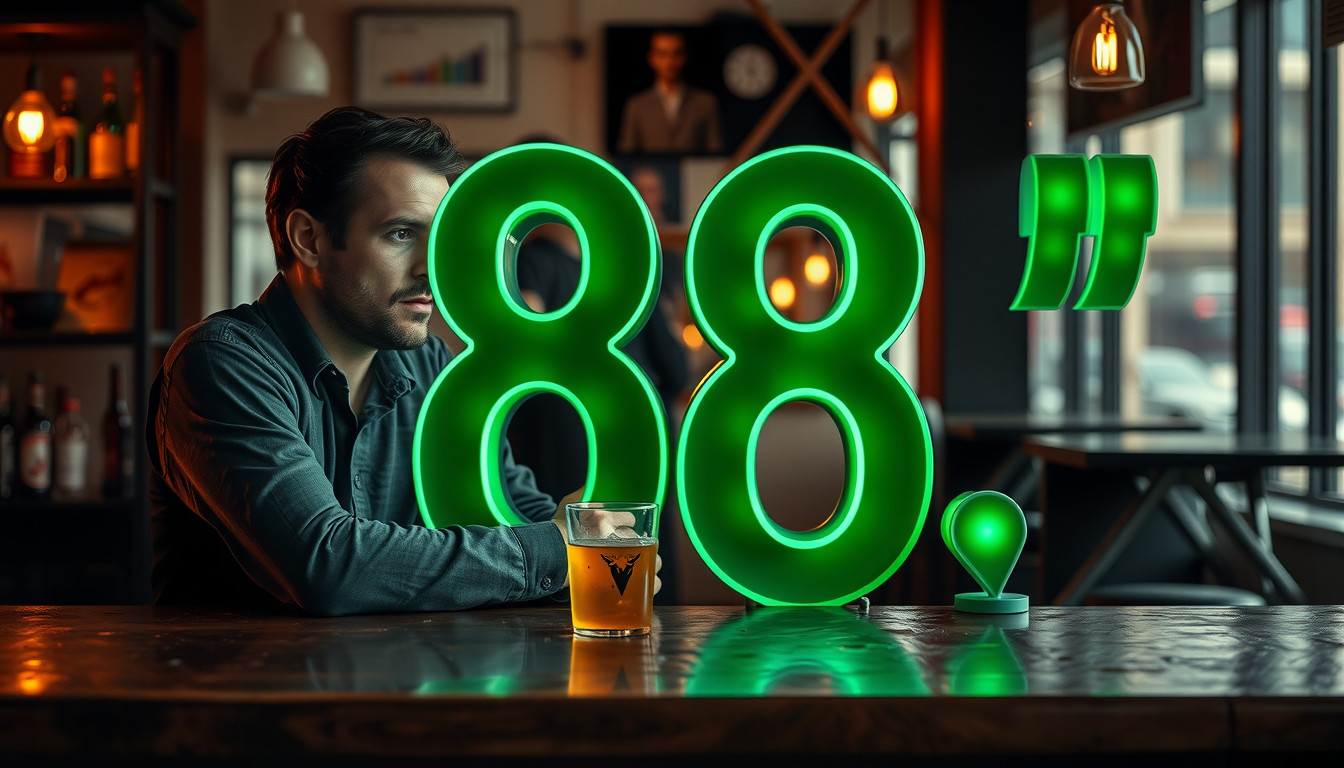
The phrase '86' is frequently encountered in various social and professional contexts, often signaling that a particular item, person, or service is no longer available or that someone is being dismissed or refused entry. Consider these practical examples that clarify its common usage and meaning:
1. Restaurant menu and kitchen scenarios
In a bustling restaurant, a server might say, "Sorry, we're out of the special tonight; we've already '86' it," indicating the dish is sold out. Similarly, a bartender might tell a customer, "We can't serve that cocktail anymore; it's '86'ed for the night." Here, '86' signals that a menu item or ingredient has run out or the service has been temporarily or permanently discontinued.
2. Bars and nightlife dismissals
In nightlife settings, a bouncer might've used the term when denying entry: "Sorry, you're '86'ed from the club." This indicates the person has been barred from re-entry due to previous behavior. Such usage is common among staff in venues where dismissing unruly patrons is part of maintaining order. The term effectively communicates that someone has been formally or informally turned away.
3. Casual social rejection examples
Among friends, '86' can appear in humorous or dismissive exchanges. For example, one friend might say, "Hey, wanna come?" and the reply could be, "Nah, he's '86'd for now." In casual speech, it often signifies that an invitation or request is rejected, or that someone is no longer welcome or included.
Recent slang usage has also expanded into social media, where users might comment, "He got '86'ed from the group chat," to describe exclusion or rejection. Overall, '86' remains a versatile phrase embedded in both professional and informal communication, efficiently conveying the notion of somebody or something being dismissed, refused, or unavailable.
Common Myths, Misconceptions, and Alternative Theories
Many explanations have circulated about the origins of the term “86,” but few are supported by solid historical evidence. Instead, misconceptions often thrive on folk etymology and speculative theories, which can obscure the most likely facts.
1. Debunked theories about 'nix' rhyme
One popular myth suggests that “86” rhymes with “nix,” implying a linguistic link to the word meaning to reject or refuse. While the rhyme makes sense and adds a catchy quality to the slang, there is no definitive evidence that this was its original intent. Such rhymes were common in street jargon, but cannot be confirmed as the true source of the term. The lack of concrete documentation leaves this as an unverified possibility rather than a fact.
2. Mythical origins and folk etymology
Another misconception ties “86” to specific historical events or coded language used in jazz, military, or crime circles. These stories often depict “86” as a secret code or a reference to a particular incident, but most lack credible sources. The widespread narrative linking “86” to criminal slang or clandestine operations is largely a product of storytelling rather than documented history. Such tales persist because they are vivid and memorable, but they do not hold up under scholarly scrutiny.
3. What linguists and historians agree on
Most linguistic and historical research supports the idea that “86” originated in the 1930s within the American restaurant and soda fountain scene. There, it referred to items being sold out or no longer available, often marked on blackboards or menus. This setting is well-documented, with contemporary media references confirming its usage. The transition from describing a sold-out item to indicating rejection or dismissal of a person or request appears to have developed gradually through workplace and social interactions.
While multiple theories about the phrase’s origin coexist, evidence most strongly suggests a connection to 1930s American service slang. The rhyme with “nix” is plausible and consistent with slang patterns, but not confirmed as its sole or primary source. Overall, the strongest support links “86” to practical, everyday language evolving from food service terminology, rather than secret codes or folk etymology.
Frequently Asked Questions
1. What does it really mean to '86' someone?
It means to dismiss, reject, or remove someone or something from a situation, often temporarily or definitively.
2. Where did the phrase '86' originate?
It originated in 1930s American soda fountain slang to indicate a sold-out item, later expanding to mean rejection and exclusion in hospitality and other settings.
3. How has the meaning of '86' changed over time?
It shifted from referencing unavailable items to a general term for dismissing or excluding people or ideas across various social and professional contexts.
4. In which industries or situations is '86' most common?
It is most common in the restaurant, bar, and hospitality industries, but also appears in military, corporate, and informal settings involving rejection or removal.
5. Are there regional differences in how '86' is used?
Yes, it is primarily used in American slang with the most familiarity in U.S. hospitality, though its usage and understanding can vary elsewhere and in different industries.
6. Can '86' be used as a verb in formal settings?
While technically it can be used as a verb, it remains informal; it’s rarely appropriate in formal or official communication outside of industry-specific slang.
7. What are some common misunderstandings about '86'?
People often think it only means items are sold out, but it broadly refers to dismissing, rejecting, or removing, extending well beyond inventory contexts.