
The most spiritual people often don’t talk much because they prefer to communicate through presence, actions, and deep listening rather than words. I’ve found that their silence often speaks volumes about their understanding of the world and themselves.
Table of Contents
Understanding Spirituality and Communication
Defining Spirituality
Spirituality can mean different things to different people. For me, it encompasses a sense of connection to something greater than ourselves, whether that be nature, the universe, or a higher power. It’s about seeking purpose, understanding, and inner peace. I’ve come across many definitions, but at its core, spirituality often involves a personal journey of self-discovery and a quest to understand our place in the world. This journey can be deeply profound and transformative, guiding individuals toward a richer, more meaningful existence. 7 Surprising Scientific Reasons Spiritual People Are Happier can provide more insights into this topic.
The Role of Silence in Spiritual Practices
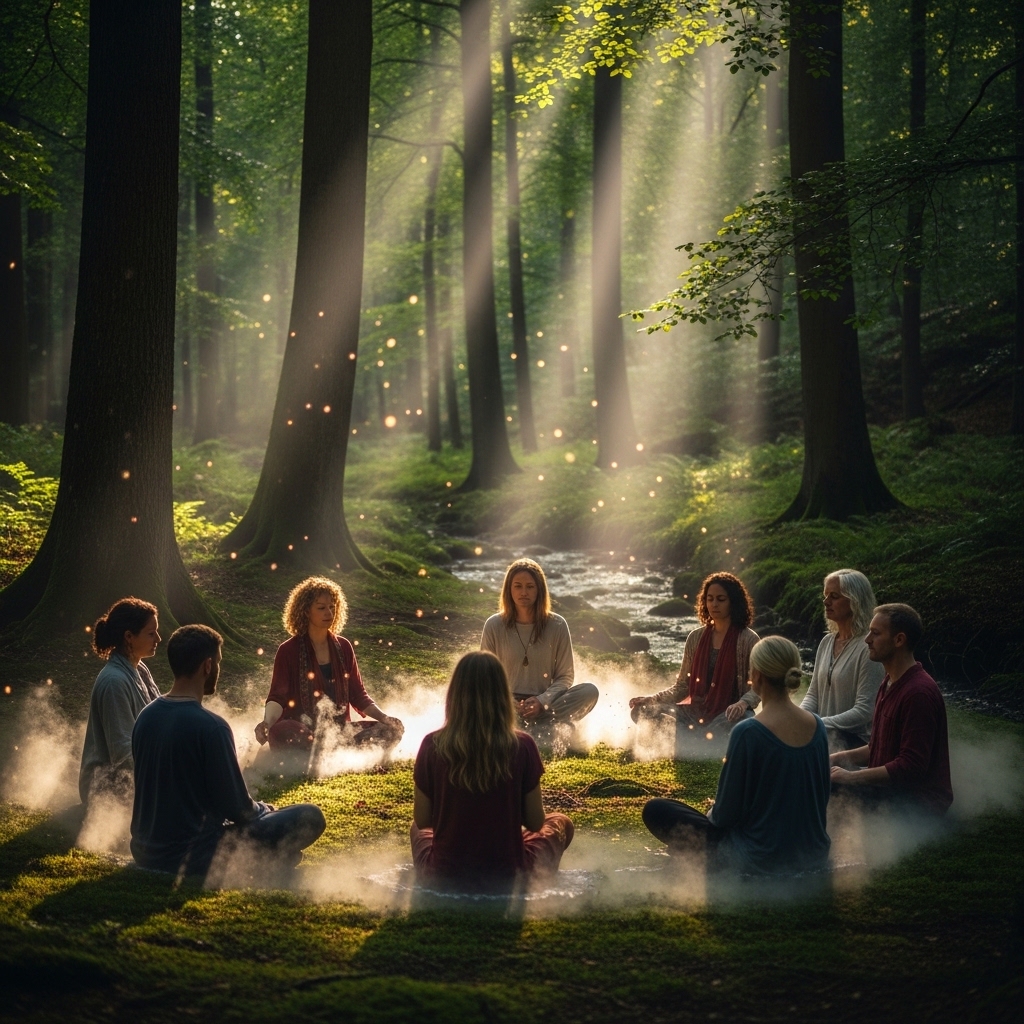
Silence is a powerful tool in many spiritual traditions. I remember my first experience with meditation; the quiet felt both foreign and liberating. It was in this stillness that I began to uncover layers of my thoughts and feelings that I had previously drowned out with constant chatter. Many spiritual practices emphasize silence, whether through meditation, prayer, or reflective solitude. This absence of noise allows us to turn inward, fostering a deeper connection with ourselves and the universe. In my experience, the moments of quiet can lead to significant insights and a clearer sense of direction in life.
In many cultures, silence is revered as a sacred space for contemplation and connection. Think of the quiet moments spent in nature, where the rustling leaves and distant waves can evoke feelings of peace and connectedness. I’ve found that in these serene environments, I can better hear my inner voice and reflect on my experiences, which is an essential aspect of spirituality. When we embrace silence, we open ourselves up to new perceptions and understandings, leading us closer to our spiritual goals.
The Characteristics of Spiritual People
SBAG_IMG_698233a926926
Deep Listening Skills
One of the standout traits I’ve noticed in spiritual individuals is their ability to listen deeply. They don’t just hear words; they truly absorb what others are saying. I’ve had conversations with friends who are spiritually inclined, and it’s as if they can sense the unspoken emotions behind my words. This deep listening fosters a sense of trust and safety, allowing for more profound and authentic exchanges. When someone listens without interruption, it feels like a gift—a validation of our thoughts and feelings.
Emotional Intelligence and Empathy
Spiritual individuals often display high emotional intelligence. They seem to navigate their own emotions with grace and can empathize with others seamlessly. I’ve seen this in action during difficult conversations; their ability to understand and share the feelings of another brings a comforting presence. This emotional depth allows them to connect with others on a level that transcends mere words. In my experience, when we cultivate empathy, we also nurture our spiritual growth, as we learn to view the world through the lens of love and understanding.
Mindfulness and Presence
Mindfulness is another characteristic I admire in spiritually aware people. They have an authentic presence that draws you in, making you feel like you are the only person in the room. I’ve learned that being truly present during conversations or even in quiet moments can be incredibly grounding. This mindfulness often stems from regular practices like meditation or yoga, which help cultivate awareness of the here and now. In my life, I’ve found that when I focus on the present moment, I can truly appreciate the beauty and depth of my experiences, leading to a more fulfilling spiritual journey.
Why Spiritual People Prefer Silence
The Power of Reflection and Introspection
Many spiritual people cherish silence because it allows for reflection and introspection. I’ve found that in the hustle and bustle of everyday life, it’s easy to lose sight of our thoughts and feelings. However, when I take the time to sit quietly, I’m often surprised by the insights that arise. This reflective space gives us the freedom to ponder our experiences, beliefs, and intentions. It’s in these quiet moments that we can truly assess where we are on our spiritual path and where we want to go.
Building Connection Through Non-Verbal Communication
Silence can be an incredibly powerful form of communication. I remember a time when I shared a moment of silence with a friend after a profound experience. Words were unnecessary; our shared presence conveyed everything we needed to express. Spiritual people often utilize this non-verbal communication to create connections that are deeper than words can convey. It’s about being in tune with the energy around us and appreciating the shared human experience without the need for constant dialogue.
Reducing Mental Clutter and Noise
In a world filled with distractions and constant noise, spiritual individuals often prefer silence as a way to reduce mental clutter. I’ve experienced the overwhelming nature of our fast-paced lives, where it feels challenging to find clarity. Embracing silence helps me to clear my mind and focus on what truly matters. This reduction in noise not only promotes inner peace but also enhances our spiritual practice, allowing us to hear our inner voice more clearly. For many, silence becomes a refuge, a place to escape the chaos and reconnect with their true selves.
Common Misconceptions About Spiritual People
Silence as Indifference: Debunking Myths
One misconception I’ve often encountered is the idea that spiritual people are indifferent or disengaged simply because they choose silence over chatter. I remember a time when I was at a gathering, and a friend remarked that a quiet individual seemed aloof or uninterested. This couldn’t be further from the truth. In my experience, many spiritual individuals use silence as a way to process their thoughts and feelings. It’s not that they don’t care; rather, they are deeply engaged on a different level. Their silence often stems from a place of contemplation, allowing them to absorb the energy and emotions of those around them. I’ve learned that understanding this distinction can lead to more meaningful interactions, where we acknowledge the depth behind the quiet. Silence can be a powerful form of presence, one that conveys empathy, understanding, and a genuine connection to the moment.
Introversion vs. Spirituality
Another common misconception I’ve noticed is the assumption that all spiritual people are introverted. While many spiritual individuals may lean toward introversion, not all do. I’ve had conversations with extroverted friends who embody a strong spiritual essence. They thrive on connection and interaction, yet still value moments of silence and introspection. Spirituality is less about personality traits and more about one’s relationship with themselves and the world. It’s possible to be both expressive and spiritual, finding ways to communicate one’s inner truths while still cherishing the quiet moments for reflection. I believe that embracing our own personalities, whether introverted or extroverted, can enhance our spiritual journeys rather than limit them.
How Spiritual People Communicate Effectively
The Importance of Intentionality in Conversations
When I think about how spiritual people communicate, one key aspect stands out: intentionality. I’ve come to realize that every word spoken, every pause taken, carries meaning. Spiritual individuals often approach conversations with a sense of purpose, choosing their words carefully to reflect their thoughts and feelings. I remember a conversation I had with a mentor who emphasized the importance of being present and intentional in our dialogues. She taught me that when we speak with intention, we create an opportunity for deeper understanding and connection. This approach not only enriches our conversations but also helps to foster an environment where everyone feels heard and valued.
Using Body Language and Gestures
Another fascinating aspect of communication that I’ve observed is the use of body language and gestures. Spiritual people often have a natural ability to express themselves without relying heavily on words. I’ve seen how a gentle touch on the arm, a warm smile, or even a simple nod can convey support and understanding. In my own experience, I’ve found that when I pay attention to my body language, it enhances my ability to connect with others. It’s as if these non-verbal cues create an unspoken dialogue that resonates on a deeper level. I believe that combining our words with mindful body language can elevate our interactions, creating a more profound exchange of energy and understanding.
Choosing the Right Moments for Dialogue
Timing is crucial when it comes to effective communication, especially for spiritual individuals who value silence. I’ve learned that choosing the right moments to engage in dialogue can make all the difference. There have been instances where I felt compelled to speak, but instead, I opted for silence, allowing the moment to unfold naturally. In these instances, I often found that the right words came when they were truly needed, creating a more impactful conversation. I think spiritual people often have an intuitive sense of when to engage and when to step back. This balance not only honors their own need for quiet but also respects the emotional landscape of those around them. I believe that this ability to discern the appropriate time to speak or remain silent is a hallmark of spiritual communication.
Famous Spiritual Figures Who Emphasized Silence
Thich Nhat Hanh and Mindful Silence
One of the most influential spiritual figures I’ve come across is Thich Nhat Hanh. His teachings on mindfulness often include the power of silence. I remember reading his words about how silence can be a vehicle for awareness and presence. He emphasized that when we embrace silence, we create space for deep listening and understanding, both of ourselves and others. His practices, such as mindful breathing and walking, encourage us to find stillness in the chaos of life. I’ve found that incorporating these principles into my own routine has transformed my perception of silence into a source of strength and clarity.
Rumi’s Poetic Expressions of Inner Peace
Another favorite of mine is Rumi, whose poetry often reflects the beauty of silence and inner peace. His verses remind me that silence is not an absence but a presence—a canvas upon which we can paint our thoughts and feelings. Rumi’s ability to articulate the profound experiences that arise from silence has inspired me to explore my own inner landscape. I often find myself returning to his poems when I need to reconnect with that sense of tranquility that comes from deep reflection. His work serves as a beautiful reminder that silence can lead us to profound insights and spiritual growth.
Mother Teresa’s Quiet Compassion
Lastly, I can’t help but mention Mother Teresa, who embodied compassion in a uniquely silent way. Her presence spoke volumes without the need for grand speeches or constant dialogue. I remember reading about how she often sat in silence with those in need, offering companionship and understanding without saying a word. This quiet compassion illustrated for me that sometimes, the most meaningful connections happen in silence. Her legacy reminds us that we can communicate love and support without uttering a single word, an invaluable lesson in my spiritual journey.
Practices to Cultivate Spiritual Silence
Meditation Techniques for Inner Quiet
Meditation has been a cornerstone of my spiritual practice, and I’ve discovered various techniques that can help cultivate inner silence. One method that I find particularly grounding is mindfulness meditation. I remember the first time I sat down to practice it; the initial challenge was to quiet my racing thoughts. However, I learned to focus on my breath, allowing each inhale and exhale to bring me back to the present moment. This simple practice has taught me to observe my thoughts without judgment, creating a space of calm amidst the chaos. I encourage anyone curious about meditation to try this technique, starting with just a few minutes a day. Gradually extending the time can lead to profound experiences of peace.
Another technique I enjoy is loving-kindness meditation. This practice involves silently repeating phrases of goodwill and compassion towards myself and others. As I engage in this meditation, I often feel a sense of warmth and connection, which deepens my understanding of silence. It reminds me that silence is not just about the absence of sound but also about fostering positive emotions and intentions. I believe that by incorporating these meditation techniques into our daily routines, we can create a more harmonious inner landscape, making it easier to embrace moments of silence throughout the day.
The Role of Nature in Finding Peace
Nature has a remarkable ability to foster silence and tranquility. I’ve often escaped to parks or forests, where the soothing sounds of rustling leaves and chirping birds create a natural symphony. During these moments, I’ve found that being in nature helps me connect with my inner self and the world around me. I remember hiking in the mountains; the stillness enveloped me, and for once, the noise of everyday life melted away. This experience reminded me of the importance of seeking out natural spaces that encourage reflection and silence.
Spending time outdoors can act as a catalyst for deeper spiritual exploration. I’ve noticed how the simple act of sitting by a river or listening to the wind can invite clarity and insight. I recommend taking a break from technology and immersing yourself in nature whenever you can. It’s a beautiful way to embrace silence and discover the wisdom it has to offer.
Creating a Silent Space in Daily Life
Incorporating silence into our busy lives can be challenging, but I’ve found that creating a designated silent space can make a significant difference. I carved out a small corner in my home, adorned with soft cushions, candles, and calming scents. This space is my sanctuary, where I can retreat whenever I need a moment of stillness. I encourage everyone to find or create a space that resonates with them, whether it’s a cozy nook, a balcony, or even a corner of a room.
Establishing a routine around this space can enhance its effectiveness. I’ve learned that consistency is key; dedicating a few minutes each day to sit in silence can lead to lasting benefits. Whether it involves meditation, journaling, or simply being present with my thoughts, this practice has enriched my spiritual journey immensely. I believe that by consciously setting aside time for silence, we’re making a commitment to ourselves and our spiritual growth.
The Benefits of Embracing Silence
Enhancing Self-Awareness
One of the most significant benefits I’ve experienced from embracing silence is enhanced self-awareness. In the quiet moments, I’ve discovered insights about my emotions, desires, and even fears that I often ignore in the hustle of daily life. I remember a day filled with noise and distractions; after a simple ten-minute break in silence, I was surprised by the clarity that emerged. I realized the importance of taking time to listen to myself, which has allowed me to navigate my life with greater intention. I believe that by fostering self-awareness through silence, we create a stronger foundation for our spiritual journeys.
Improving Mental Health and Well-being
Silence also plays a vital role in my mental health and well-being. I’ve noticed that when I prioritize quiet time, I feel less overwhelmed by stress and anxiety. In those moments, I often reflect on my thoughts and feelings, which helps me process emotions in a healthier way. The stillness provides a sanctuary, allowing my mind to reset. There’s a certain magic in the silence; it creates a buffer against the noise of the world, enabling me to recharge. I strongly believe that making time for silence can significantly improve our mental health, offering a refuge for emotional balance.
Fostering Deeper Relationships
Lastly, silence can be a powerful tool for fostering deeper relationships. I’ve seen how shared moments of silence with loved ones can create bonds that words cannot. I recall sitting quietly with a close friend during a tough time; we didn’t need to speak to feel connected. This silence offered a safe space for understanding and support, reinforcing our friendship more than chatter ever could. I think it’s essential to recognize that silence can deepen our connections with others, allowing us to communicate on a level that transcends verbal exchanges. 9 Ways People Fake Spiritual Growth (Without Realizing) highlights some aspects of spiritual growth that can be insightful.
Frequently Asked Questions
What is spirituality according to the article?
Spirituality encompasses a sense of connection to something greater than ourselves, such as nature, the universe, or a higher power. It involves a personal journey of self-discovery and a quest for purpose, understanding, and inner peace.
Why do spiritual people value silence?
Spiritual people cherish silence because it allows for reflection and introspection, reducing mental clutter and noise, and fostering deeper connections through non-verbal communication.
What are some characteristics of spiritual individuals mentioned in the article?
Spiritual individuals often exhibit deep listening skills, high emotional intelligence and empathy, and mindfulness and presence, making them more attuned to the emotions of others.
How does silence contribute to emotional intelligence?
Silence allows spiritual individuals to process their thoughts and feelings deeply, which enhances their emotional intelligence and helps them empathize with others more effectively.
Can silence be misunderstood in spiritual contexts?
Yes, silence can be misconceived as indifference or disengagement, but it often stems from contemplation and a desire to absorb the energy and emotions around them.
What practices can help cultivate spiritual silence?
Practices such as meditation techniques, spending time in nature, and creating a designated silent space in daily life can help cultivate spiritual silence.
What role does mindfulness play in spiritual communication?
Mindfulness enables spiritual individuals to be fully present during conversations, enhancing the quality of interactions and making others feel valued and heard.
How can embracing silence benefit mental health?
Embracing silence can significantly improve mental health by reducing stress and anxiety, creating a sanctuary for emotional processing, and providing a reset for the mind.
What is the significance of deep listening in spiritual relationships?
Deep listening fosters trust and safety in relationships, allowing for profound and authentic exchanges that validate thoughts and feelings without interruption.
Who are some famous spiritual figures that emphasized silence?
Notable figures include Thich Nhat Hanh, who taught about mindful silence; Rumi, who expressed the beauty of silence in his poetry; and Mother Teresa, who demonstrated compassion through her silent presence.
Read Interesting article: Why You Suddenly Don’t Like People Anymore (Spiritual Truth)