
Certain dog breeds, such as the Tibetan Mastiff and Xoloitzcuintli, are believed to have spiritual significance, acting as guardians and guides in various cultures, often associated with protection and the afterlife.
Many dog breeds are revered not only for their companionship but also for their spiritual significance across cultures. This guide explores 12 spiritual dog breeds, delving into their unique traits, cultural beliefs, and the roles they play in the spiritual realm.
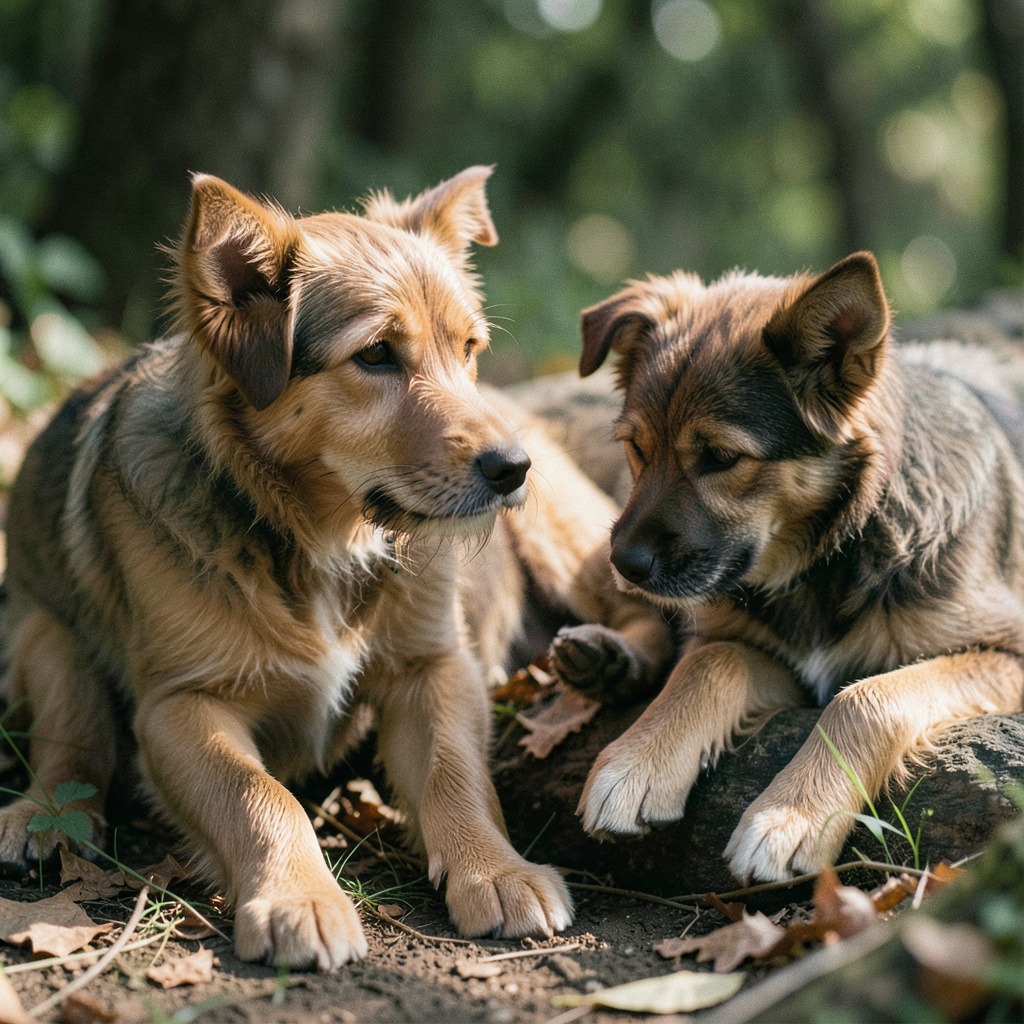
Understanding Spiritual Dog Breeds
Spiritual dog breeds hold deep significance in various cultures. They are often viewed as companions that connect humans to the spiritual realm, reflecting unique qualities that resonate with our inner selves.
Defining Spiritual Dog Breeds
Spiritual dog breeds are those recognized for their connections to spirituality and the metaphysical. These breeds often embody traits that align with spiritual practices, such as loyalty, intuition, and calmness. Many cultures attribute specific meanings and roles to these dogs. For example:
- Tibetan Mastiff: Revered by monks, seen as spiritual guardians.
- Xoloitzcuintli: Believed by the Aztecs to guide souls in the afterlife.
- Chow Chow: Valued by spiritual seekers for their calming presence.
Common Traits of Spiritual Breeds
Spiritual dog breeds share several common traits that enhance their connection to the spiritual world:
- Intuition: They often sense emotional shifts and provide comfort.
- Calmness: Their serene demeanor creates a peaceful atmosphere.
- Loyalty: They form deep bonds with their owners, enhancing spiritual connections.
- Sensitivity: Many spiritual breeds are attuned to their owner’s energy and needs.
Understanding these traits can help potential dog owners recognize a breed’s spiritual significance. For instance, if you seek a dog that can provide emotional support during meditation or reflective practices, breeds like the Lhasa Apso or Saluki might be ideal choices due to their gentle and understanding nature.
Recognizing Spiritual Energy in Dogs
Connecting with a dog’s spiritual energy involves observing their behavior. Here are practical tips:
Table of Contents
- Watch for Empathy: Does your dog respond to your emotions? An empathetic dog can indicate a spiritual bond.
- Look for Calmness: A breed that remains calm in stressful situations often possesses spiritual qualities.
- Observe Loyalty: A strong attachment to you may suggest a deeper connection.
By understanding these traits and behaviors, dog owners can cultivate a richer spiritual relationship with their canine companions.
1. Tibetan Mastiff: Guardians of the Spiritual Realm
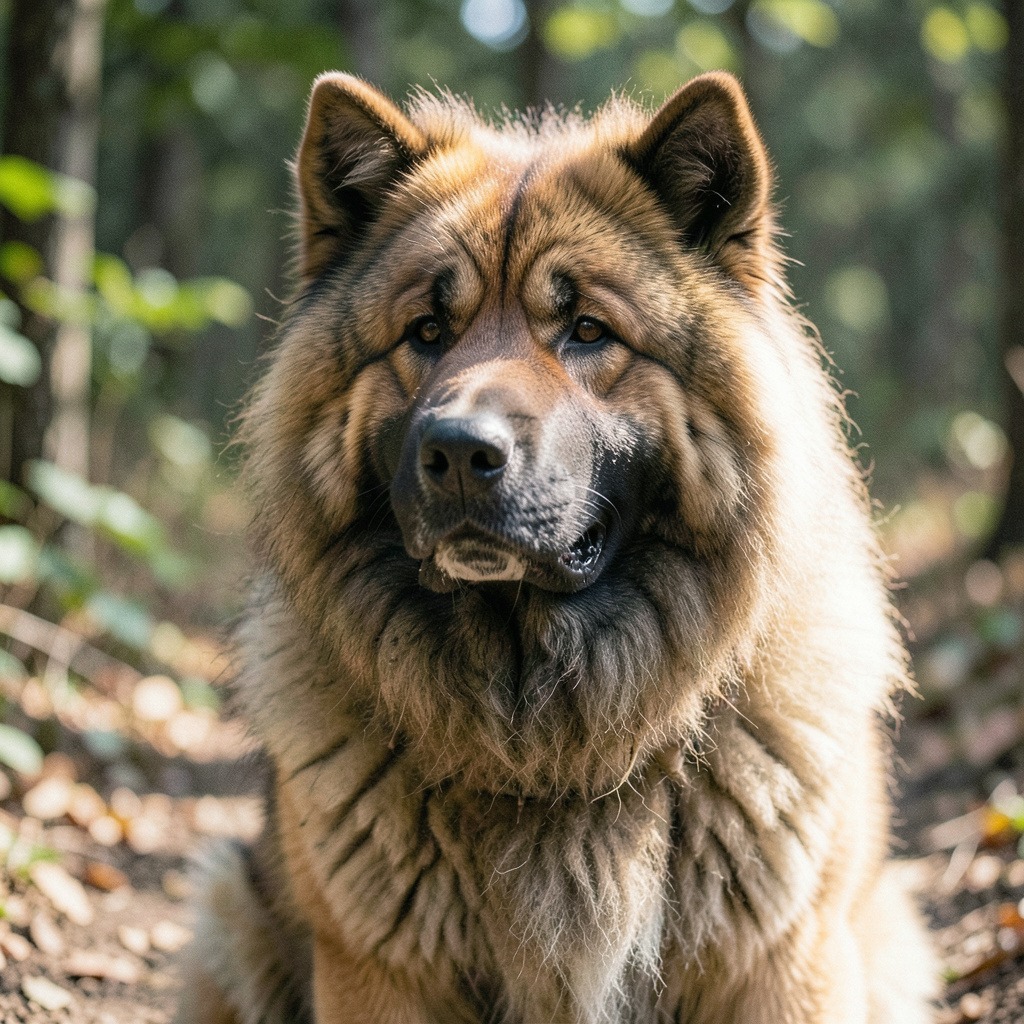
The Tibetan Mastiff is more than just a majestic breed; it holds significant spiritual weight in Tibetan culture. Revered by monks, this dog is regarded as a protector, both physically and spiritually.
Historical Role of Tibetan Mastiffs
Historically, Tibetan Mastiffs served as guardians of monasteries and sacred places. Monks bred these dogs specifically for their protective instincts. They were entrusted with the duty of warding off malevolent spirits and ensuring spiritual harmony within sacred spaces.
- Guardianship: Monks believed that the presence of a Tibetan Mastiff could deter evil entities.
- Cultural Significance: These dogs are often associated with divine protection and spiritual strength.
Numerous anecdotes illustrate their revered status. Monks have shared experiences where the mere presence of a Tibetan Mastiff brought a sense of calm and safety, reinforcing their role as spiritual guardians.
Characteristics and Spiritual Attributes
Tibetan Mastiffs possess unique characteristics that enhance their spiritual significance. Their imposing stature and deep bark evoke a sense of authority and protection.
- Physical Traits: With a thick mane and powerful build, they resemble ancient deities.
- Temperament: They exhibit loyalty and can sense emotional shifts in their human companions.
These dogs are often seen as empathetic beings. Monks report that Tibetan Mastiffs respond to the energies around them, providing comfort and tranquility. Their innate ability to sense negative vibes makes them ideal spiritual companions.
Connecting with Tibetan Mastiffs
To connect with the spiritual energy of a Tibetan Mastiff, consider these points:
- Observe Behavior: Look for signs of empathy and calmness. A dog that stays composed during chaos may possess strong spiritual qualities.
- Build Trust: Developing a bond with a Tibetan Mastiff can enhance your spiritual connection. Spend quality time together to cultivate this relationship.
Understanding the Tibetan Mastiff’s role and characteristics can deepen your appreciation for this noble breed as a spiritual ally. Their historical significance and unique traits make them a compelling choice for those seeking a deeper bond with their canine companions.
2. Xoloitzcuintli: The Soul Guide of the Underworld
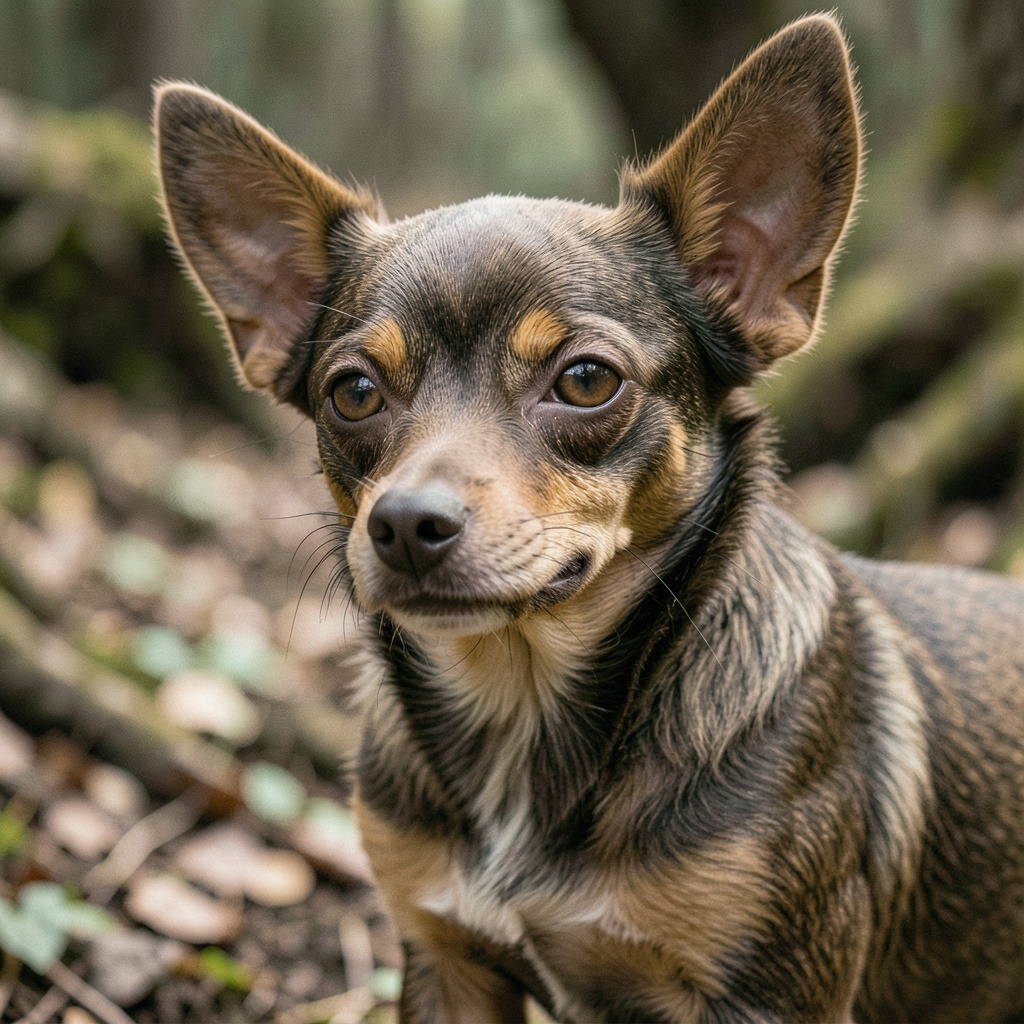
The Xoloitzcuintli, or Xolo, holds profound spiritual significance in Mesoamerican cultures, particularly among the Aztecs. This breed is revered not only for its unique appearance but also for the mystical roles it played in guiding souls through the afterlife.
Xoloitzcuintli in Mesoamerican Culture
The Xoloitzcuintli is often called the “sacred dog” of the Aztecs. It was believed to act as a spiritual guide for the deceased. According to legend, these dogs helped souls navigate the nine levels of the underworld, known as Mictlan.
- Guiding Souls: The Xolo was thought to escort its owner’s spirit across a river, ensuring safe passage to the afterlife.
- Burial Practices: It was common for Xolos to be buried alongside their human companions. This practice symbolized their role as protectors in the afterlife, providing comfort and guidance even after death.
Spiritual Characteristics of the Breed
The Xoloitzcuintli embodies specific spiritual traits that enhance its mystical reputation.
- Healing Powers: Its warm skin is believed to possess healing properties. Owners often report that having a Xolo can bring tranquility and relief from stress.
- Intuitive Nature: Many dog owners describe their Xolos as highly intuitive. These dogs often seem to sense their owners’ emotions, fostering a deep spiritual bond.
Legends Surrounding the Xoloitzcuintli
Numerous legends enrich the Xolo’s spiritual narrative. One popular belief is that Xolos were created from a piece of the “Bone of Life,” linking them closely to human existence and spirituality.
- Judgment of Souls: Folklore suggests that Xolos could judge the deceased. They might refuse assistance to those who mistreated dogs in life, reinforcing the bond between dogs and humans.
- Connection to Deities: The Xolo is associated with Xolotl, the Aztec god of death and lightning. This connection further solidifies the breed’s role as a mediator between the living and the spiritual realms.
The Xoloitzcuintli’s historical and spiritual significance makes it a profound symbol of the connections between dogs and the afterlife, embodying traits that resonate with spiritual seekers.
3. Chow Chow: The Ancient Wisdom Bearer
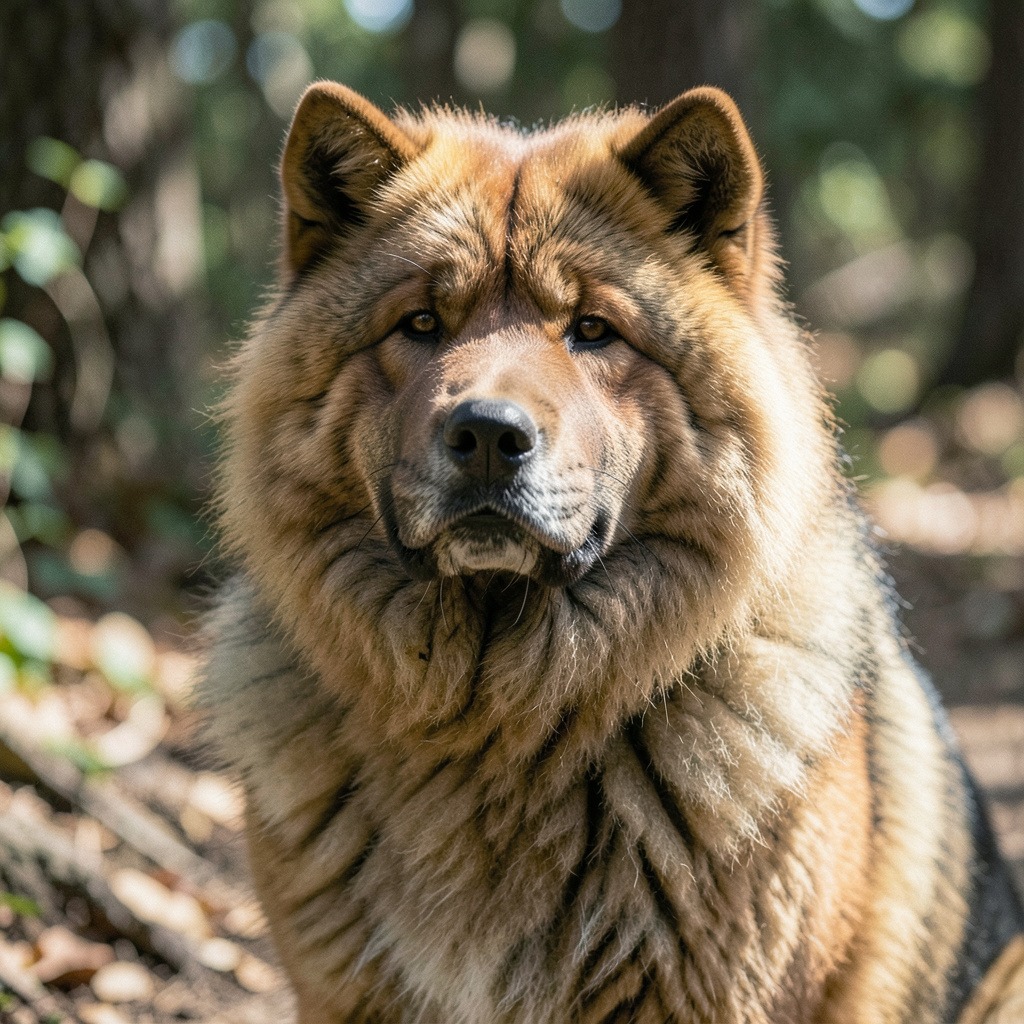
The Chow Chow is a breed steeped in mystique and symbolism. Known for their regal appearance and aloof demeanor, these dogs have long been associated with tranquility and ancient wisdom. Their unique traits make them a fascinating subject within the realm of spiritual dog breeds.
Cultural Significance of Chow Chows
Chow Chows, with their lion-like mane and distinctive blue-black tongues, have roots tracing back to ancient China. Historically, they served as guardians of sacred spaces, including temples, where they were revered for their protective qualities. Monks often kept Chow Chows as companions, believing that their presence fostered serenity and spiritual awareness.
- Guardians of Spirituality: Chow Chows were more than just pets; they were considered protectors of spiritual thresholds.
- Symbol of Wisdom: Their dignified presence has been associated with wisdom and tranquility, making them ideal companions for those on a spiritual journey.
Traits that Reflect Wisdom
Chow Chows possess several characteristics that align with their spiritual significance:
- Aloof Nature: Their reserved demeanor often conveys a sense of calmness, encouraging a peaceful atmosphere.
- Strong Instincts: Chow Chows have an innate ability to sense emotional shifts in their environment, which can provide comfort to their human companions.
- Loyalty and Protection: These dogs are fiercely loyal, serving as both companions and protectors, enhancing the spiritual bond with their owners.
Personal anecdotes from Chow Chow owners often highlight the breed’s calming effects. One owner noted how their Chow Chow would sit quietly during meditation, enhancing the experience by radiating a sense of peace. This reflects the breed’s unique ability to connect with the spiritual energies of their surroundings.
Recognizing these traits can deepen the bond between humans and their Chow Chows. Here are some tips for identifying spiritual qualities in your Chow Chow:
- Observe their reactions to your emotions; do they offer comfort?
- Note their behavior in tranquil settings; do they enhance the atmosphere?
- Evaluate their protective instincts; do they sense threats before you do?
Incorporating a Chow Chow into your life may not only provide companionship but also support your spiritual journey. Their ancient wisdom and calming presence can serve as a guiding light for those seeking deeper connections with themselves and the universe.
4. Saluki: The Royal Dog of Egypt
The Saluki is more than just a dog; it embodies a rich tapestry of cultural reverence and spiritual significance in ancient Egyptian society. This breed holds a unique place in history, often regarded as a sacred companion of the pharaohs.
Saluki in Ancient Egyptian Culture
The Saluki, known as the “Royal Dog of Egypt,” was deeply esteemed in ancient civilization. Archaeological findings reveal Salukis adorned tombs and artifacts, suggesting their integral role in the afterlife. These dogs were often mummified alongside pharaohs, believed to guide souls into the next world.
- Symbol of Nobility: Salukis were associated with the elite, often depicted in tomb art as companions to royalty.
- Divine Connection: Their elegant appearance and graceful demeanor led to associations with divine beings, particularly Anubis, the god of the afterlife.
Spiritual Attributes of the Breed
Salukis exhibit several characteristics that align with spiritual attributes, making them exceptional companions for those seeking a deeper connection.
- Intuition: Known for their heightened senses, Salukis can perceive emotional shifts in their owners, providing comfort and support.
- Calm Presence: Their serene nature enhances peaceful environments, making them ideal partners for meditation and reflection.
- Loyalty: Salukis are fiercely loyal, often forming strong bonds with their humans, which can facilitate a sense of spiritual partnership.
Recognizing these traits in a Saluki can deepen the spiritual connection between the dog and owner. Observing their intuitive responses, calm demeanor, and loyalty can help identify the Saluki’s role as a spiritual guide.
5. Lhasa Apso: Guardian of the Monastery
The Lhasa Apso, with its rich spiritual heritage, serves as a protector in Tibetan monasteries. Revered for its unique qualities, this breed embodies the mystical connections that resonate deeply with spiritual beliefs.
Historical Background of Lhasa Apsos
Historically, Lhasa Apsos were bred in the isolated monasteries of Tibet. Monks regarded them as sacred companions, believing they housed the souls of reincarnated lamas. Due to their spiritual significance, these dogs were never sold; they were gifted as a sign of honor and respect. Their presence was thought to bring divine protection to sacred spaces.
Spiritual Traits and Characteristics
The Lhasa Apso possesses distinctive traits that enhance its role as a spiritual guardian:
- Keen Awareness: Their heightened senses allow them to detect subtle changes in their environment, making them alert companions.
- Noble Posture: With their dignified stance, Lhasa Apsos project an air of authority and vigilance, enhancing their protective role.
- Intuitive Nature: Many owners report that their Lhasa Apsos can sense emotional shifts in their humans, offering comfort during difficult times.
Owners often share anecdotes reflecting their Lhasa Apso’s spiritual instincts. For example, one owner recounted how their dog would position itself near a family member experiencing anxiety, providing a calming presence. Such actions highlight the breed’s innate ability to connect with human emotions.
To recognize the spiritual traits in a Lhasa Apso, consider the following:
- Observe their reactions to changes in your mood or environment.
- Notice their protective behaviors, such as alertness to unfamiliar sounds or visitors.
- Reflect on the bond you share; a deep connection often indicates a spiritual relationship.
By appreciating these characteristics, one can cultivate a more profound spiritual connection with their Lhasa Apso, enriching both their lives.
6. Akita: The Spirit of Protection
The Akita is deeply woven into the fabric of Japanese culture, symbolizing loyalty and spiritual protection. Its presence in families historically reflects a bond that transcends mere companionship.
Cultural Significance of the Akita
In Japan, the Akita is revered as a guardian dog. Its origins date back to the 17th century, where it was bred to hunt large game and protect its owners. The breed’s significance is evident in various cultural representations, including:
- Historical Guardians: Akitas were often entrusted to protect Japanese nobility. Their loyalty made them esteemed companions.
- Folklore and Mythology: One of the most famous Akitas is Hachiko, known for his unwavering loyalty. His story has become a symbol of devotion and fidelity.
- Blessings for Families: Statues of Akitas are frequently given as gifts to wish health and prosperity. Their likeness is believed to guard against misfortune.
Spiritual Traits and Symbolism
The Akita embodies spiritual attributes that resonate with many dog owners today. These traits include:
- Protection: Akitas are known for their strong guarding instincts. They instinctively protect their families from perceived threats.
- Loyalty: Their unwavering loyalty fosters deep emotional connections. Many owners report feeling a profound bond with their Akita, often interpreting this as a spiritual connection.
- Calm Presence: Akitas possess a calming aura, often providing comfort during times of stress or anxiety. They seem to sense when their owners need support.
To recognize these spiritual traits in an Akita, consider the following:
- Observe Protective Behavior: Does your Akita react to unfamiliar sounds or people? This indicates their protective nature.
- Notice Emotional Awareness: When you’re feeling down, does your Akita seek you out? This behavior suggests a deep emotional bond.
- Reflect on Your Relationship: A strong connection often points to a spiritual relationship.
These qualities affirm the Akita’s role as a spiritual protector, making it a fitting companion for those seeking a deeper connection with their canine friends.
7. Basenji: The Barkless Messenger
The Basenji, often referred to as the “barkless dog,” holds a unique place in spiritual practices and cultural beliefs. Known for their silent communication style, these dogs symbolize a bridge between the physical and spiritual realms.
Basenji in African Culture
In several African cultures, particularly among the Congolese tribes, the Basenji is revered for its spiritual significance. This breed was often seen as a protector and guide. They were believed to possess the ability to communicate with the spirit world, making them highly respected companions.
- Regarded as Divine Messengers: Basenjis were thought to convey messages from the gods.
- Presence in Ancient Art: They appear in ancient Egyptian carvings, often depicted alongside pharaohs, symbolizing protection and grace.
- Cultural Symbolism: Their silence and keen intelligence were viewed as qualities that allowed them to navigate between worlds.
Spiritual Communication and Traits
Basenjis exhibit distinct traits that enhance their spiritual connections. Their unique vocalizations, a yodel-like sound, contribute to their mystique. This communication style suggests they are not ordinary dogs but spiritual intermediaries.
- Intuition and Awareness: Basenjis are known for their heightened senses. They often sense emotional shifts in their owners, demonstrating a profound bond.
- Calm Presence: Their serene demeanor can provide a calming influence, making them ideal companions for meditation and reflection.
- Examples of Spiritual Guides: Many dog owners have shared experiences where their Basenji seemed to provide spiritual comfort during challenging times. These anecdotes reinforce the belief that Basenjis serve as spiritual guides.
By understanding the Basenji’s unique traits and cultural significance, one can appreciate its role as a spiritual companion, embodying the qualities of loyalty, intuition, and connection to the unseen.
8. Pharaoh Hound: The Divine Companion
The Pharaoh Hound represents one of the most spiritually significant dog breeds, deeply intertwined with ancient Egyptian culture. Often regarded as a divine companion, this breed’s historical role and attributes showcase its revered status.
Pharaoh Hound in Ancient Egypt
The Pharaoh Hound’s lineage can be traced back to ancient Egypt, where it was depicted in tomb art alongside deities. These elegant sighthounds were not merely pets; they were symbols of nobility and connection to the divine.
- Historical Significance: Pharaoh Hounds were believed to embody traits of alertness and nobility. They were favored companions of pharaohs, often accompanying them in hunting and ceremonial rituals.
- Cultural Beliefs: In ancient Egyptian society, Pharaoh Hounds were seen as intermediaries between the gods and humans. Their striking appearance and swift movements led people to regard them as celestial beings.
Spiritual Attributes of the Breed
Pharaoh Hounds possess unique spiritual traits that resonate with many dog owners today. Their instinctual abilities often evoke a sense of connection to the spiritual realm.
- Intuition: Many owners report their Pharaoh Hounds displaying a heightened sense of awareness. They seem to sense changes in energy, providing comfort during times of emotional distress.
- Symbol of Protection: These dogs were believed to guard sacred spaces. Their presence in modern homes often evokes a similar sense of safety and spiritual connection.
Anecdotes of Modern Spiritual Practices
Contemporary dog owners frequently share personal experiences illustrating the Pharaoh Hound’s spiritual significance.
- Example: One owner recounted a moment when their Pharaoh Hound reacted to an unseen presence, alerting them during a time of uncertainty. This reinforced their belief that the dog was attuned to spiritual energies.
- Connection with Rituals: Some owners incorporate their Pharaoh Hounds into meditation practices, believing these dogs enhance their spiritual experiences.
The Pharaoh Hound’s rich history and spiritual attributes continue to captivate those seeking a deeper bond with their canine companions.
9. Shih Tzu: The Lion of Wisdom
The Shih Tzu holds a revered place in Chinese culture, symbolizing wisdom, loyalty, and spiritual significance. This breed’s history is deeply intertwined with Buddhist traditions and the royal courts of China.
Cultural Importance of the Shih Tzu
Shih Tzus are often referred to as “Lion Dogs,” reflecting their connection to sacred lions in Buddhism. They were bred to be companions for Chinese emperors, embodying spiritual virtues and royal status. Their presence in the imperial courts highlighted their esteemed position, as owning a Shih Tzu was a privilege reserved for the elite.
- Royal Companions: Shih Tzus served as loyal companions to emperors, believed to bring good fortune and protection.
- Sacred Symbolism: Their lion-like appearance is associated with guardianship and spiritual enlightenment, reinforcing their status as sacred dogs.
Wisdom and Traits Associated with the Breed
The Shih Tzu is known for its gentle demeanor and affectionate nature. These traits have led to various legends surrounding their spiritual significance.
- The Buddha’s Kiss: A small white patch on the forehead of some Shih Tzus is known as the “Buddha’s Kiss.” It is said to symbolize divine favor and protection, marking the dog as a loyal companion to spiritual seekers.
- Guardians of the Soul: In Buddhist mythology, it is believed that Shih Tzus can guard the spirits of those who have passed on. This adds a layer of spiritual depth to their role in human lives.
Example Scenario: A Shih Tzu owner may share how their dog seems to sense their emotions, providing comfort during difficult times. This connection reinforces the belief that Shih Tzus possess a spiritual awareness that enhances the bond between human and dog.
Recognizing the spiritual traits of Shih Tzus can involve observing behaviors such as:
- Intuitive Responses: Noticing how the dog reacts to different energies or emotions in the household.
- Calming Presence: The ability of the Shih Tzu to create a serene environment during meditation or reflective practices.
Understanding the Shih Tzu’s historical significance and spiritual roles can deepen the connection between dog and owner, enriching both lives through shared wisdom and love.
10. Afghan Hound: The Choice of the Ancients
The Afghan Hound holds a revered place in ancient cultures. Its regal demeanor and mysterious aura contribute to its spiritual significance. This breed is often associated with various myths and stories, highlighting its connection to the divine.
Afghan Hound in Ancient Cultures
The Afghan Hound has deep roots in the folklore of various regions. Many tales depict it as a noble companion to nomadic tribes. The breed symbolizes loyalty and wisdom, often seen as protectors of their human counterparts.
- Biblical Connections: Legends claim Afghan Hounds were among the animals chosen by Noah for the Ark. This association lends them an air of ancient authority.
- Cultural Significance: In desert communities, Afghan Hounds are often linked to guardianship and spiritual journeys. They are believed to carry the spirits of ancestors, guiding their owners through life’s challenges.
- Artistic Depictions: Afghan Hounds frequently appear in ancient artwork, representing nobility and grace. Their likeness in art emphasizes their esteemed status in history.
Spiritual Traits and Characteristics
Afghan Hounds exhibit traits that many owners interpret as spiritual. Their unique characteristics foster a deep bond with those who understand their nature.
- Intuitive Awareness: Afghan Hounds often display a remarkable sensitivity to their owners’ emotions. This awareness can create a profound sense of connection.
- Calm Presence: Their serene demeanor makes Afghan Hounds ideal companions during meditation or spiritual practices. They tend to create a peaceful atmosphere, enhancing reflective experiences.
- Mystical Gaze: Many believe the Afghan Hound’s contemplative gaze reveals a connection to the spiritual realm. Their seemingly distant stares often provoke curiosity about their inner thoughts and experiences.
By exploring the Afghan Hound’s historical significance and spiritual traits, one can better appreciate this breed’s unique position in the world of spiritual dog breeds.
11. The Role of Spiritual Dogs in Modern Society
Spiritual dog breeds hold a unique place in contemporary spirituality. Many people view these breeds as not just companions but as guides on their spiritual journeys. Their innate qualities often resonate with various aspects of spiritual practices.
Spiritual Practices Involving Dogs Today
Today, spiritual dog breeds play significant roles in various spiritual practices. They often serve as:
- Therapy Animals: Many spiritual seekers utilize breeds like the Akita or the Lhasa Apso for emotional support and healing. Their calm demeanor helps create a peaceful environment conducive to meditation and reflection.
- Meditation Partners: Breeds such as the Tibetan Mastiff are frequently included in meditation practices. Their presence can enhance the atmosphere and support deeper connections during introspective sessions.
- Symbols of Guidance: The Xoloitzcuintli, revered in Aztec culture, is often viewed as a spiritual guide. Owners believe these dogs help navigate the spiritual realm, providing comfort and insight.
How to Choose a Spiritual Dog Breed
Selecting a spiritual dog breed involves understanding the qualities that resonate with your personal beliefs. Consider these factors:
1. Temperament: Look for breeds known for their calmness, loyalty, and sensitivity. Breeds like the Chow Chow and Saluki are often seen as ideal companions for those seeking a spiritual connection.
2. Cultural Significance: Research the historical roles of different breeds. For instance, the Basenji is known for its unique vocalizations and is often associated with ancient rituals.
3. Personal Connection: Spend time with various breeds to gauge their energy and how it aligns with your spiritual needs. Many dog owners report profound connections, citing moments where their dogs seem to reflect their emotions or provide guidance.
Personal Anecdotes of Spiritual Connections
Many dog owners share stories about their spiritual dogs. For example, one owner of a Basenji described how the breed’s intuitive nature helped them navigate through a challenging life phase. The dog’s presence seemed to offer a sense of peace, reinforcing the belief that dogs can serve as spiritual mirrors.
Another owner of a Chow Chow mentioned how their dog would intuitively know when they needed comfort, often resting close during meditation sessions. Such personal experiences highlight the deep connections that can exist between humans and their spiritual dog breeds.
12. Recognizing Spiritual Traits in Your Dog
Identifying spiritual traits in your dog can deepen your connection and enhance your understanding of their unique energy. By observing specific behaviors and characteristics, you can recognize and foster these spiritual qualities.
Identifying Spiritual Traits
To identify spiritual traits in your dog, consider the following indicators:
- Intuition: Does your dog seem to sense your emotions or the atmosphere around them? Breeds like the Basenji and Akita are known for their intuitive nature.
- Calm Presence: Notice how your dog behaves during meditation or quiet moments. Spiritual breeds often provide a sense of tranquility, much like the Chow Chow.
- Empathy: Observe if your dog seeks to comfort you during stressful times. Dogs with strong spiritual traits often align closely with their owner’s emotional states.
- Playfulness: A spirited dog may exhibit childlike joy, reflecting a connection to the present moment. Breeds like the Xoloitzcuintli are playful and lively.
Fostering Spiritual Connections with Your Dog
To cultivate a deeper spiritual bond with your dog, try these practical tips:
1. Meditation Together: Spend time in quiet reflection with your dog. This practice can enhance your mutual awareness and strengthen your connection.
2. Nature Walks: Engage in outdoor activities that encourage exploration and mindfulness. This helps foster a sense of shared experience.
3. Mindful Communication: Pay attention to your dog’s body language and energy. Responding to their needs fosters trust and understanding.
4. Create a Sacred Space: Designate an area in your home for spiritual practices. Allow your dog to join you in this space, reinforcing their role in your spiritual journey.
Spiritual Traits Checklist
Use this checklist to evaluate your dog’s spiritual traits:
- [ ] Intuitive behavior: Senses emotions or changes in the environment
- [ ] Provides comfort during meditation or quiet times
- [ ] Displays empathy by being close during stress
- [ ] Exhibits playful, joyful energy
- [ ] Engages with nature and enjoys outdoor exploration
Recognizing and nurturing these spiritual traits can enrich your bond with your dog, allowing both of you to explore deeper dimensions of your relationship.
Frequently Asked Questions
These quick answers cover the most common questions about this topic, including key details, practical tips, and common concerns.
How do you know if your dog is your spirit guide?
To determine if your dog is a spirit guide, observe their behavior closely. Signs may include a strong emotional connection, intuitive responses to your feelings, and a calming presence during stressful times. If your dog seems to sense your moods or provides comfort without prompting, these can be indicators of a deeper spiritual bond.
Additionally, pay attention to how your dog behaves in tranquil settings. A dog that enhances your meditation or reflective practices may be acting as a spiritual companion, guiding you on your journey.
What’s the highest energy dog breed?
The highest energy dog breed is often considered to be the Border Collie. Known for their intelligence and agility, Border Collies require extensive physical and mental stimulation. They thrive on activities like agility training, herding, and interactive games.
Other high-energy breeds include the Australian Shepherd and the Vizsla. These dogs need regular exercise and engagement to prevent boredom and ensure they remain happy and healthy.
What are spiritual dogs?
Spiritual dogs are breeds that are believed to have a unique connection to the spiritual realm. They often embody traits such as loyalty, intuition, and calmness. Breeds like the Tibetan Mastiff and Xoloitzcuintli are considered spiritual due to their historical roles as guardians and guides in various cultures.
These dogs are seen as companions that not only provide emotional support but also help their owners connect with deeper spiritual practices and experiences.
What traits should I look for in a spiritual dog breed?
When selecting a spiritual dog breed, look for traits such as intuition, calmness, and sensitivity. Spiritual dogs often sense their owner’s emotions and provide comfort during challenging times.
Additionally, consider breeds known for their loyalty and protective instincts, like the Akita or Lhasa Apso. These qualities can foster a deeper spiritual connection, enhancing your journey together.
How can I connect with my dog’s spiritual energy?
Connecting with your dog’s spiritual energy involves mindfulness and observation. Spend quiet time together, allowing for moments of reflection and meditation. Pay attention to your dog’s reactions to your emotions, as their intuitive responses can reveal their spiritual nature.
Engaging in nature walks or creating a peaceful environment at home can also strengthen your bond. This shared experience deepens your understanding of each other’s energies and enhances your spiritual connection.
Are you looking for a dog with a calm, meditative temperament today?
If you seek a dog with a calm, meditative temperament, consider breeds like the Lhasa Apso or Chow Chow. These breeds are known for their serene nature and ability to provide emotional support.
When choosing a dog, look for individuals that exhibit calm behavior and a gentle disposition. Spending time with potential dogs can help you identify those that align with your desire for a peaceful companion.
What are some mythical dog breeds?
Some mythical dog breeds include the Xoloitzcuintli, revered in Aztec culture for its role as a guide for souls in the afterlife, and the Tibetan Mastiff, considered a guardian spirit in Tibetan Buddhism.
Other examples include the Basenji, known for its silent communication, and the Saluki, often depicted in ancient Egyptian art as a noble companion. These breeds carry rich histories and spiritual significance, making them fascinating choices for those interested in spiritual connections.
When did beliefs about spiritual dogs originate?
Beliefs about spiritual dogs can be traced back to ancient civilizations. For example, the Xoloitzcuintli was revered by the Aztecs as a guide for souls, while the Tibetan Mastiff has been associated with protection in Tibetan culture for centuries.
These beliefs often stem from the dogs’ roles in various cultural practices, where they were seen as guardians, companions, and spiritual guides. The reverence for these breeds continues to influence modern perceptions of their spiritual significance.