
Engaging in spirituality can foster inner peace and growth while potentially reducing stress and anxiety. However, it may lead to feelings of isolation or judgment from non-spiritual individuals.
Spirituality offers a sense of purpose and connection to something greater, promoting well-being and fulfillment. On the flip side, excessive focus on spiritual practices can lead to neglecting practical responsibilities and reality. Balancing spirituality with everyday life is key to reaping its benefits without losing touch with the present moment.
Ultimately, integrating spirituality into one’s life can enhance mental and emotional well-being, but it’s essential to approach it mindfully to avoid potential drawbacks and ensure a harmonious existence.
The Benefits Of Spirituality
Discover the benefits of spirituality, fostering inner peace, resilience, and a sense of purpose. While it promotes well-being, it may sometimes lead to close-mindedness and judgmental attitudes. Balancing spirituality with critical thinking is key for a holistic approach to personal growth.
Improved Mental Well-being
Spirituality boosts mental well-being by promoting inner calm and clarity.
It helps reduce stress, anxiety, and improve cognitive function.
Connecting with a higher power provides a sense of peace and tranquility.
Enhanced Emotional Resilience
Spirituality enhances emotional resilience, aiding in coping with life’s challenges.
It fosters a positive outlook, helping individuals bounce back from setbacks.
Having faith in a higher purpose provides strength during difficult times.
Sense Of Purpose And Meaning
Spirituality offers a deep sense of purpose and meaning in life.
It guides individuals towards their true calling and motivates them to pursue their passions.
Connecting spiritually can bring clarity on life’s purpose and direction.
Embrace spirituality for a fulfilling, resilient, and purpose-driven life.

Credit: www.karenabryantllc.com
The Drawbacks Of Spirituality
Exploring the drawbacks of spirituality is crucial for a well-rounded understanding of its impact on individuals and communities.
Potential For Exploitation
Spirituality can sometimes be exploited by individuals or organizations for personal gain or manipulation.
Dismissal Of Scientific Evidence
Some spiritual beliefs may lead to the dismissal of concrete scientific evidence, hindering progress and understanding.
Intolerance And Dogmatism
Spirituality, when taken to extremes, can breed intolerance and dogmatism, leading to division and conflict.
Navigating The Challenges Of Spirituality
Embracing spirituality is an enlightening journey that allows individuals to explore the profound depths of their inner selves. However, like any transformative path, it also comes with its own set of challenges. It is important to be aware of and address these challenges to ensure balance, authenticity, and growth in one’s spiritual journey. In this article, we will dive into three significant challenges faced by individuals on the spiritual path: balancing spiritual practices with everyday life, avoiding spiritual bypassing, and finding authenticity in a world of commercialization.
Balancing Spiritual Practices With Everyday Life
Living in a world that demands constant productivity and engagement can make it arduous for individuals to strike a balance between their spiritual practices and everyday responsibilities. It is crucial to find harmony between the spiritual and the mundane, allowing spirituality to infuse daily life, enhancing overall well-being.
Here are some strategies you can employ to strike a balance:
- Set aside dedicated time for spiritual practices, such as meditation, prayer, or journaling, each day.
- Integrate spirituality into your daily routine by being mindful of your actions, thoughts, and interactions with others.
- Find small pockets of time throughout the day to reconnect with your inner self, even if it means a few moments of deep breathing or reflection.
By incorporating spirituality into your everyday life, you can experience a holistic approach that nourishes both the spiritual and practical aspects of your existence.
Avoiding Spiritual Bypassing
Spirituality can be a transformative journey that opens our hearts and minds, but it is important to avoid falling into the trap of spiritual bypassing. Spiritual bypassing refers to the tendency to use spiritual beliefs and practices as a way to escape or avoid facing difficult emotions, personal growth, or real-life challenges.
Here’s how you can avoid spiritual bypassing:
- Take the time to acknowledge and process your emotions, even if they are uncomfortable or painful.
- Be open to challenging experiences and allow yourself to learn and grow from them.
- Practice self-reflection and self-awareness to navigate the complexities of your spiritual journey with integrity.
By being honest with yourself and embracing all aspects of your human experience, you can ensure that your spiritual path remains authentic and transformative.
Finding Authenticity In A World Of Commercialization
With the rising popularity of spirituality, it has become a marketable commodity, often leading to commercialization and inauthentic representations of spiritual practices. Navigating through this commercialized landscape can be a challenge, but it is essential to stay true to your own values and beliefs.
Consider the following when seeking authenticity:
- Take the time to research and find reputable sources or teachers who align with your values.
- Trust your intuition and discern what resonates with you on a deeper level.
- Engage in practices that are meaningful to you, rather than following trends or popularized methods.
Ultimately, authenticity in spirituality lies in honoring your own unique journey and finding practices and teachings that genuinely speak to your soul.
While the challenges of spirituality can seem overwhelming at times, they provide opportunities for personal growth and self-discovery. By acknowledging and navigating these challenges, individuals on the spiritual path can deep dive into their inner realms, find clarity, and embrace the transformative power of spirituality.
The Role Of Community In Spiritual Growth
Spirituality is a deeply personal journey, but the role of community in spiritual growth cannot be understated. Finding like-minded individuals, receiving the necessary support and encouragement, and participating in collective spiritual practices are instrumental in fostering a sense of belonging and contributing to individual spiritual development.
Finding Like-minded Individuals
Finding a community of like-minded individuals who share similar spiritual beliefs and values can be incredibly empowering. Connecting with others who are on a similar spiritual path can offer validation and a sense of belonging, reinforcing one’s commitment to spiritual practices and growth.
Support And Encouragement
The support and encouragement provided by a spiritual community can be invaluable in times of doubt or struggle. Receiving regular affirmation and guidance from those who share similar spiritual values can provide a sense of reassurance, fostering confidence and determination to continue on the spiritual journey.
Collective Spiritual Practices
Engaging in collective spiritual practices within a community setting can enhance the individual spiritual experience. Participating in group meditations, prayers, or rituals can create a profound sense of unity and shared purpose, amplifying the collective spiritual energy and creating a supportive environment for personal growth.
Spirituality And Its Relationship With Religion
Spirituality and religion have long been intertwined, yet they also have distinctive traits that set them apart. Understanding the relationship between spirituality and religion, including their differences, complementarity, and conflicts, can shed light on the intricate nature of these concepts.
Differentiating Spirituality From Religion
Spirituality often encompasses an individual path of seeking inner growth, peace, and connection with the transcendent or higher power. It is deeply personal, focusing on inner experiences, self-discovery, and self-awareness. In contrast, religion involves organized practices, rituals, and dogmas that are often shared within a community and facilitated by religious institutions.
Complementarity And Conflict
While spirituality and religion can complement each other by providing individuals with a sense of belonging, moral guidance, and a community of like-minded individuals, conflicts can arise when religious doctrines and traditions hinder personal spiritual exploration and growth. Finding a balance between the two can be a source of tension for some individuals.
The Evolution Of Spirituality In Modern Society
Spirituality has undergone a remarkable transformation in modern society, taking on new forms and expanding its reach like never before. With each passing day, more and more people are embracing spirituality as a way to find meaning, inner peace, and a deeper connection with themselves and the world around them. This shift has paved the way for the exploration of various spiritual traditions, the integration of spirituality and science, and the emergence of secular spirituality. Let’s delve into these fascinating aspects and explore the pros and cons they bring.
Increasing Interest In Eastern Spiritual Traditions
Over recent years, there has been a significant rise in the interest and embrace of Eastern spiritual traditions in Western societies. Practices like yoga, meditation, and mindfulness, which find their roots in traditions such as Hinduism, Buddhism, and Taoism, have become increasingly popular. These practices offer numerous benefits, including stress reduction, increased mental clarity, and a greater sense of well-being. They provide individuals with effective tools for self-discovery and personal growth.
Integration Of Spirituality And Science
As our understanding of the world deepens, there has been a growing trend of integrating spirituality and science. This unique blend allows individuals to explore and engage with spirituality on a more rational and evidence-based level. Spiritual practices are now being studied and analyzed through scientific methods, providing valuable insights into their potential benefits for mental and physical health. This integration opens doors for individuals to embrace spirituality without feeling disconnected from the scientific advancements of our time.
The Rise Of Secular Spirituality
In an increasingly secular society, a rising number of individuals are adopting a more secular approach to spirituality. Secular spirituality focuses on personal growth, ethical principles, and human values, often without a specific religious framework. It allows individuals to explore spirituality outside the boundaries of traditional religious doctrines, providing a sense of meaning, purpose, and connection without the constraints of organized religion. This shift offers freedom and flexibility for those seeking a spiritual path that aligns with their personal beliefs and values. To summarize, the evolution of spirituality in modern society has brought about increased interest in Eastern spiritual traditions, a merging of spirituality and science, and the rise of secular spirituality. Each of these aspects has its own pros and cons, providing individuals with diverse ways to connect with their spirituality and find inner peace in the fast-paced, interconnected world we live in today.
Cultivating A Balanced Approach To Spirituality
Exploring Different Spiritual Paths
Being Critical And Discerning
Embracing Individuality And Pluralism
:max_bytes(150000):strip_icc()/why-and-how-to-do-a-digital-detox-4771321-FINAL-d129381fa4524c5db792951fd9b987d2.png)
Credit: www.verywellmind.com
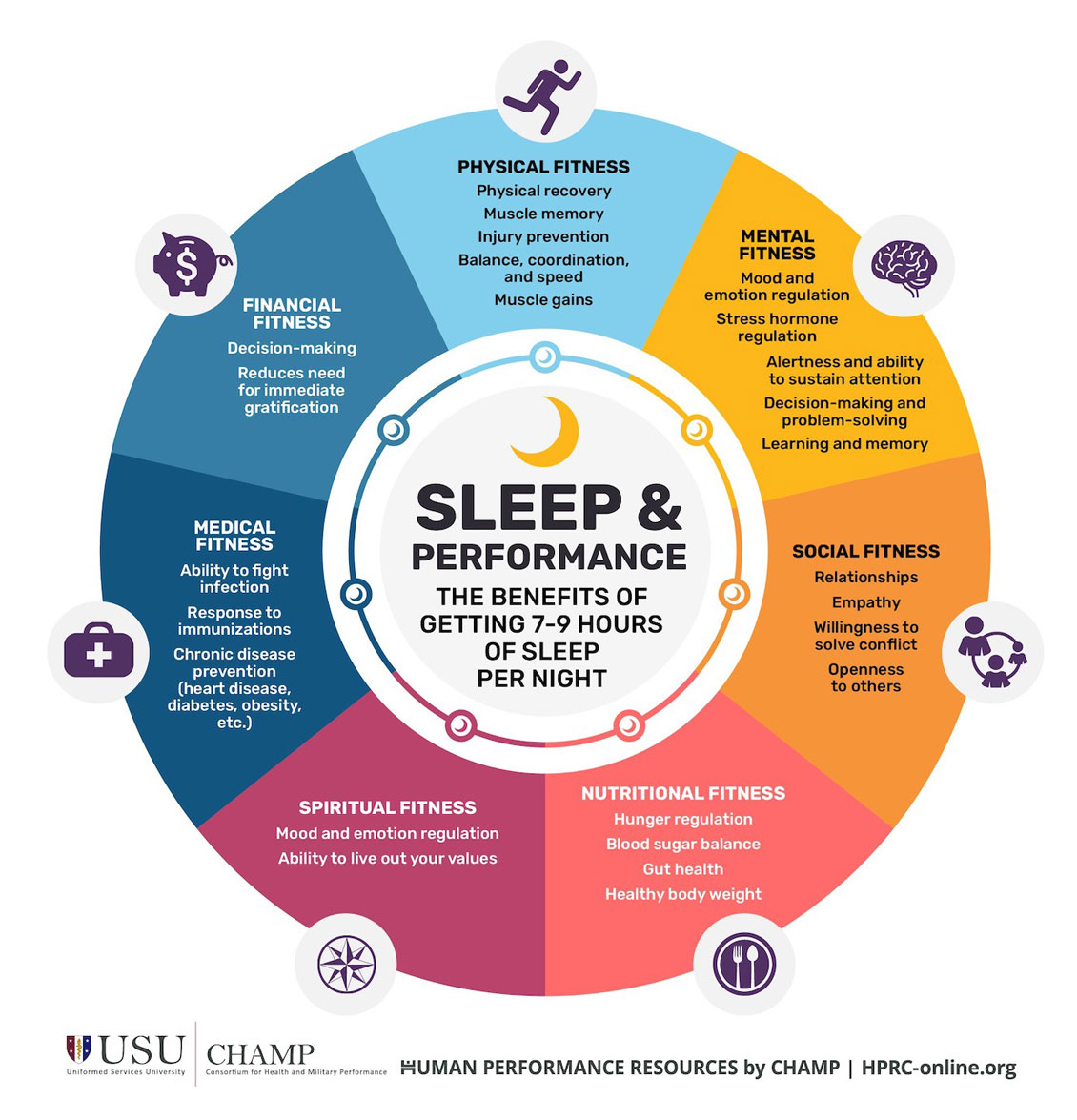
Credit: www.hprc-online.org
Frequently Asked Questions For Pros And Cons Of Spirituality
How Can Spirituality Improve Mental Well-being?
Spirituality can provide a sense of purpose and inner peace, reducing stress and promoting overall mental wellness.
What Are The Potential Drawbacks Of Embracing Spirituality?
Embracing spirituality may lead to conflicts with existing beliefs and social circles, requiring careful navigation.
Can Spirituality Impact Physical Health?
Spirituality has the potential to positively influence physical health through stress reduction and better coping mechanisms.
How Does Spirituality Contribute To Personal Growth?
Spirituality can foster self-reflection, empathy, and resilience, contributing to an individual’s personal development and growth.
What Role Does Spirituality Play In Building Meaningful Relationships?
Spirituality may encourage deeper connections, empathy, and understanding, leading to more meaningful and fulfilling relationships.
Is There Scientific Evidence Supporting The Benefits Of Spirituality?
Research suggests that spirituality can have positive effects on mental, emotional, and physical well-being.
Can Spirituality Coexist With Different Belief Systems?
Spirituality can be adaptable and inclusive, allowing it to coexist with various belief systems and cultural backgrounds.
Conclusion
Spirituality, like any other aspect of life, has its pros and cons. While it offers a sense of purpose, connection, and personal growth, it can also lead to dogmatism and detachment from reality. Understanding these advantages and disadvantages allows individuals to explore their spirituality in a balanced and mindful way.
Ultimately, it is up to each person to navigate the journey of spirituality in a way that aligns with their values and beliefs. So, as you embark on your own spiritual path, remember to stay open-minded, critical, and true to yourself.