
You do not need to be religious to be spiritual. Spirituality is a personal journey that can exist independently of any organized religious beliefs or practices, allowing individuals to explore their own understanding of existence and connection to the universe.
Understanding Spirituality and Religion
Defining Spirituality
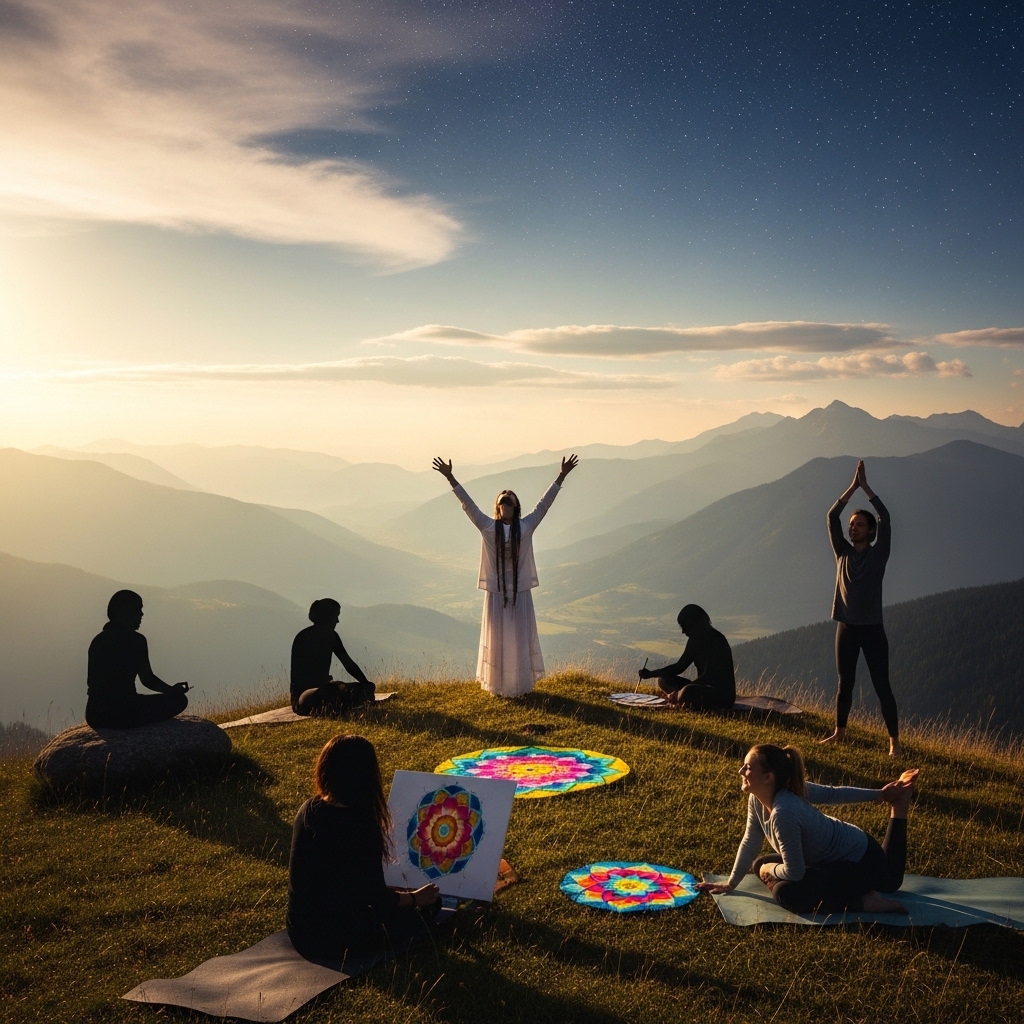
When I think about spirituality, I picture it as a vast, open sky filled with endless possibilities. Spirituality is often described as a personal quest for meaning, purpose, and connection to something greater than ourselves. It can be about exploring our inner selves, seeking peace, or feeling connected to the universe or nature. Unlike religion, which typically involves rules, practices, and communal worship, spirituality is more about individual experiences and self-discovery. It leads many of us to ask profound questions about our existence, values, and beliefs. I remember the first time I sat quietly in nature, feeling a deep sense of peace wash over me; I realized that spirituality was as much about my connection to the world around me as it was about any specific dogma or doctrine. Read Interesting article: Why Spirituality Without Healing Becomes Cold
Defining Religion
Religion, on the other hand, is more structured and often involves organized systems of belief, rituals, and a community of followers. These systems usually have sacred texts, established doctrines, and practices that guide adherents on how to live according to their faith. Throughout my life, I’ve seen how religion can provide comfort, community, and a sense of belonging for many people. It’s fascinating how different religions have shaped cultures, traditions, and personal identities across the globe. For some, religion offers clear answers to life’s biggest questions, while for others, it may feel restrictive or confining.
Key Differences Between Spirituality and Religion
One of the biggest differences I’ve noticed between spirituality and religion is the emphasis on personal experience versus communal beliefs. Spirituality tends to be more fluid and open to interpretation. It allows individuals to forge their own paths, drawing from various philosophies or practices that resonate with them. For instance, I’ve dabbled in meditation and mindfulness, which helped me cultivate a deeper understanding of myself without adhering to any specific religious framework. Read Interesting article: Why Some Spiritual Communities Feel Cult-Like
- Personal vs. Communal: Spirituality is often a solo journey, while religion is typically a communal experience.
- Flexibility vs. Structure: Spiritual practices can vary widely and are often adaptable to one’s personal beliefs. Religion, however, tends to involve set doctrines and practices.
- Individual Interpretation vs. Dogma: Spirituality encourages individual interpretation, while religion often requires adherence to a specific belief system.
In my experience, this distinction is crucial because it allows people to explore their beliefs in ways that feel authentic and meaningful to them. I’ve talked to friends who feel stifled by the strict guidelines of their religions, while others find immense comfort and clarity in those same structures. What I’ve learned is that both paths can lead to profound insights and connections, depending on the individual.
Many people, including myself, have found that spirituality doesn’t have to be tied to any particular religion or set of beliefs. This realization can be liberating. It opens the door to countless ways of exploring the spiritual aspects of life—whether through nature, art, or personal reflection—without feeling boxed in by traditional religious practices. I remember a time when I was searching for answers about my purpose in life. I explored various philosophies, and while I didn’t commit to any one religion, I found spirituality in the beauty of everyday moments and experiences.
In summary, understanding the differences between spirituality and religion can help us appreciate the various paths people take in their search for meaning and connection. Whether through structured rituals or personal reflections, we each have our unique journeys, and that diversity is what makes our experiences rich and valuable.
Common Myths About Spirituality
Myth #1: Spirituality Requires Religious Belief
One of the most common myths I’ve come across is the idea that spirituality must be rooted in religious belief. I used to think that to be spiritual, I had to subscribe to a particular faith or doctrine. However, my journey has taught me that spirituality can thrive independently of religion. Many people, including myself, find spiritual fulfillment in everyday experiences, relationships, and self-exploration without adhering to specific religious tenets. This myth can be limiting, as it might prevent individuals from exploring their spiritual side simply because they don’t identify with organized religion. I believe that spirituality is more about personal growth and connection than anything prescriptive. Read Interesting article: Why Some Spiritual Advice Feels Toxic
Myth #2: Spirituality is Only for the Religious
Another misconception is that spirituality is solely for those who practice a religion. I know plenty of people who consider themselves spiritual but not religious. They find meaning in their lives through various avenues—nature, art, kindness, and personal reflection, just to name a few. I remember talking with a friend who described his spirituality as a connection to the universe rather than to a deity or religious community. For him, spirituality was about being present and aware, and it had nothing to do with religious frameworks. This myth can discourage individuals from seeking their own spiritual paths, leading them to think they’re not entitled to explore spirituality if they don’t follow a particular religion.
Myth #3: Spirituality is Organized and Dogmatic
Some people also assume that spirituality has to be organized or dogmatic, similar to religion. I’ve found this to be quite the opposite. Spirituality is often fluid and adaptable, allowing individuals to shape their beliefs based on personal experiences rather than rigid guidelines. For example, when I began exploring spirituality, I didn’t follow a set path; instead, I picked and chose practices that resonated with me. I learned that spirituality is about freedom—freedom to explore, to question, and to create a unique understanding of the world. This myth can be stifling, as it might lead someone to believe that they must conform to certain norms or practices to be considered spiritual.
Myth #4: Only Religious Practices Can Be Spiritual
Lastly, there’s the idea that spiritual practices must be religious in nature. Many of us might think that praying, attending services, or following specific rituals are the only ways to engage with spirituality. But I’ve discovered that spirituality can be found in simple, everyday moments. Whether it’s taking a peaceful walk in the woods, enjoying a beautiful sunset, or immersing myself in a creative project, these activities can evoke a sense of wonder and connection that is deeply spiritual. I’ve experienced those moments where a simple act or experience opens my heart and mind to something greater. This myth can limit people’s perceptions of spirituality, making them think they need to engage in religious practices to have a spiritual experience.
Exploring Spirituality Beyond Religion
Secular Spirituality: What Is It?
Secular spirituality is a concept that I’ve come to embrace wholeheartedly. It’s the idea that we can be spiritual without adhering to any specific religious beliefs. I’ve learned that secular spirituality can involve finding meaning, purpose, and connection in our lives through non-religious experiences. It often focuses on the wonder of the natural world, human relationships, and our shared experiences as beings on this planet. I remember the first time I realized that my love for nature and the universe could be considered a form of spirituality. It was a liberating moment that opened my eyes to a whole new way of connecting with the world.
Experiencing Nature as a Spiritual Practice
For many, including myself, nature is a powerful spiritual teacher. I often find that spending time outdoors, whether hiking in the mountains or simply sitting in a park, evokes a sense of peace and connection that I don’t find anywhere else. In those moments, I feel a part of something larger than myself—an interconnected web of life. I’ve learned to appreciate the beauty and complexity of nature, and it has become a significant aspect of my spiritual journey. Nature doesn’t need to come with rules or doctrines; it simply invites us to be present, to feel, and to connect.
Meditation and Mindfulness without Religious Context
Meditation and mindfulness have become integral practices in my life that foster my spiritual growth. Initially, I hesitated because I associated meditation with specific religious practices. However, I discovered that I could incorporate these techniques into my life without any religious context. By focusing on my breath, being fully present in the moment, and observing my thoughts without judgment, I found a deeper understanding of myself and my place in the world. I believe that meditation can be a spiritual practice available to anyone, regardless of their religious affiliation.
Art, Music, and Creativity as Spiritual Outlets
Art and music have always held a special place in my heart, serving as powerful avenues for spiritual expression. I’ve found that creating or experiencing art can evoke deep feelings of connection, joy, and even transcendence. Whether I’m painting, playing an instrument, or simply enjoying a beautiful piece of music, I often feel opened up to something greater. It’s as if creativity allows me to tap into a universal spirit that transcends words and beliefs. Engaging in creative pursuits can be an incredibly fulfilling way to explore spirituality outside of traditional religious contexts.
The Role of Personal Beliefs in Spirituality
Individualism in Spiritual Practices
One of the most beautiful aspects of spirituality is the individualism it embraces. I’ve realized that everyone’s spiritual journey is unique, shaped by personal beliefs, experiences, and insights. This individuality allows us to craft our own spiritual practices that resonate deeply with us. I remember a time when I was exploring different spiritual paths, trying to figure out what worked for me. I experimented with various practices—yoga, journaling, and even rituals like lighting candles during quiet moments. Each of these practices taught me something new about myself. They helped me understand that spirituality doesn’t have to follow a set path; it’s about what feels right and authentic to each of us.
For me, individualism in spirituality means that I can take inspiration from different philosophies without feeling pressured to conform to one specific ideology. I’ve met people who find their spirituality in nature, while others discover it in the embrace of community service or artistic expression. This diversity is what makes spirituality so rich and fulfilling. It allows us to explore our beliefs in a way that feels personal and meaningful, without the constraints often found in organized religion.
The Importance of Personal Experience
Personal experience plays a crucial role in shaping our spiritual beliefs. I often think back to moments in my life when I felt a deep sense of connection—like that time I watched a breathtaking sunset after a long hike. It was in that moment, alone with my thoughts and the beautiful scenery, that I felt a profound sense of peace and belonging. This kind of personal experience is what feeds our spirituality. It’s not just about reading books or listening to teachings; it’s about living, feeling, and reflecting on our experiences.
When I speak to others about their spiritual journeys, I notice that many of them have similar stories—moments when they felt a greater connection to the universe or a spark of insight that changed their perspective. These experiences can be powerful catalysts for personal growth. They encourage us to reflect on our beliefs and understandings, helping us build a more robust spiritual foundation. I believe that the more we allow ourselves to be open to these experiences, the more we deepen our spiritual understanding.
Spirituality as a Journey, Not a Destination
I’ve come to see spirituality as a journey rather than a destination. There’s no final goal to reach or endpoint to achieve; instead, it’s about continuous exploration and growth. I remember when I first began my spiritual journey, I thought I had to find the “right” path immediately. But over time, I learned that spirituality evolves. Just like life, our spiritual beliefs can change as we grow and learn.
This journey mindset encourages us to embrace the process and be open to whatever comes our way. I often reflect on how my beliefs have shifted over the years. What I valued in my early twenties is vastly different from what resonates with me now. I’ve learned that it’s perfectly okay to change course or even to question what I once believed. Embracing spirituality as a journey allows me to explore new ideas, practices, and perspectives without the pressure to have it all figured out.
In my experience, this mindset can be liberating. It invites curiosity and exploration, allowing us to engage with spirituality in a way that feels natural and fulfilling. It reminds us that we’re all on unique paths, and that’s what makes our spiritual experiences so valuable. There’s beauty in the uncertainty and the exploration that comes with the journey.
How Different Cultures Approach Spirituality
Indigenous Spiritual Practices
Indigenous cultures around the world often have rich spiritual traditions deeply tied to their land, ancestors, and community. I find it fascinating to learn about their spiritual practices, which often emphasize a profound connection to nature and a respect for the Earth. Many Indigenous spiritualities view the natural world as sacred, teaching us that everything is interconnected. I remember reading about how some cultures use rituals and storytelling to pass down spiritual wisdom through generations, creating a continuous thread of connection to their ancestors.
These practices remind me of the importance of honoring our roots and the land we inhabit. I’ve come to appreciate how Indigenous spirituality often promotes sustainability and respect for the environment, which is a perspective that resonates with my own beliefs about nature. Understanding these practices can help us cultivate a deeper appreciation for the diverse ways people connect spiritually, reminding us that there’s so much we can learn from one another.
Eastern Philosophies and Spirituality
Eastern philosophies, such as Buddhism and Hinduism, provide unique insights into spirituality that I find intriguing. For instance, the concept of mindfulness in Buddhism emphasizes living in the present moment and cultivating awareness, which has significantly influenced my own spiritual practices. I’ve tried incorporating mindfulness into my daily life, and I’ve noticed how it helps me connect with myself and the world around me on a deeper level.
In Hinduism, the idea of interconnectedness and the belief in karma resonate with me. It’s interesting to see how these philosophies encourage individuals to seek inner peace and enlightenment. I believe that exploring these diverse spiritual traditions can offer valuable lessons and insights that enhance our own spiritual journeys, regardless of our background.
Western Approaches to Spirituality
In the Western world, spirituality often intersects with psychology and self-help movements. I’ve noticed that many people draw upon psychological concepts to guide their spiritual practices. This blending of spirituality with personal development can create powerful tools for growth and healing. For example, I’ve found that concepts like self-compassion and emotional intelligence can profoundly impact my spiritual journey.
Western spirituality also encourages exploration of personal beliefs outside of traditional religious contexts. I’ve met many individuals who identify as spiritual but not religious, finding meaning in personal experiences rather than prescribed doctrines. This sense of autonomy in spirituality allows for a more tailored approach, where individuals can pick and choose what resonates with them.
As I reflect on these diverse cultural approaches to spirituality, I realize that each perspective offers valuable insights. They remind me that spirituality is not a one-size-fits-all experience; rather, it’s a rich tapestry woven from various threads of belief, practice, and experience. This diversity encourages us to be open-minded and curious as we continue our spiritual explorations.
Frequently Asked Questions
1. Can spirituality exist without religion?
Yes, spirituality can exist independently of organized religious beliefs or practices. It is a personal journey that allows individuals to explore their own understanding of existence and connection to the universe.
2. What is the main difference between spirituality and religion?
The main difference is that spirituality emphasizes personal experience and self-discovery, while religion typically involves structured systems of belief, rituals, and communal worship.
3. Is spirituality limited to religious practices?
No, spirituality is not limited to religious practices. It can be found in everyday moments, personal reflection, and experiences in nature, art, and creativity.
4. What are common myths about spirituality?
Common myths include the belief that spirituality requires religious belief, that it is only for the religious, that it is organized and dogmatic, and that only religious practices can be spiritual.
5. What is secular spirituality?
Secular spirituality is the idea that individuals can find meaning, purpose, and connection in their lives through non-religious experiences, focusing on the wonder of the natural world and human relationships.
6. How can nature serve as a spiritual practice?
Spending time in nature can evoke a sense of peace and connection, allowing individuals to feel part of something larger than themselves and appreciate the beauty and complexity of the natural world.
7. Can meditation and mindfulness be practiced outside of a religious context?
Yes, meditation and mindfulness can be practiced without any religious context. They can foster spiritual growth by helping individuals focus on their breath and being present in the moment.
8. How does individualism play a role in spirituality?
Individualism allows each person to craft their own spiritual practices based on personal beliefs and experiences, enabling them to explore spirituality in a way that feels authentic and meaningful.
9. Why is personal experience important in spirituality?
Personal experience is crucial as it shapes our spiritual beliefs. Moments of connection and insight can catalyze personal growth and help build a more robust spiritual foundation.
10. How do different cultures approach spirituality?
Different cultures have unique spiritual practices that reflect their beliefs and values. Indigenous cultures emphasize connection to nature, while Eastern philosophies focus on mindfulness and interconnectedness. Western approaches often blend spirituality with psychology and personal development.