
Morpheus is the Greek god of dreams, known for shaping and delivering dreams to mortals. As the leader of the Oneiroi, he plays a significant role in Greek mythology, influencing both gods and mortals through his extraordinary abilities.
Overview of Morpheus: The God of Dreams
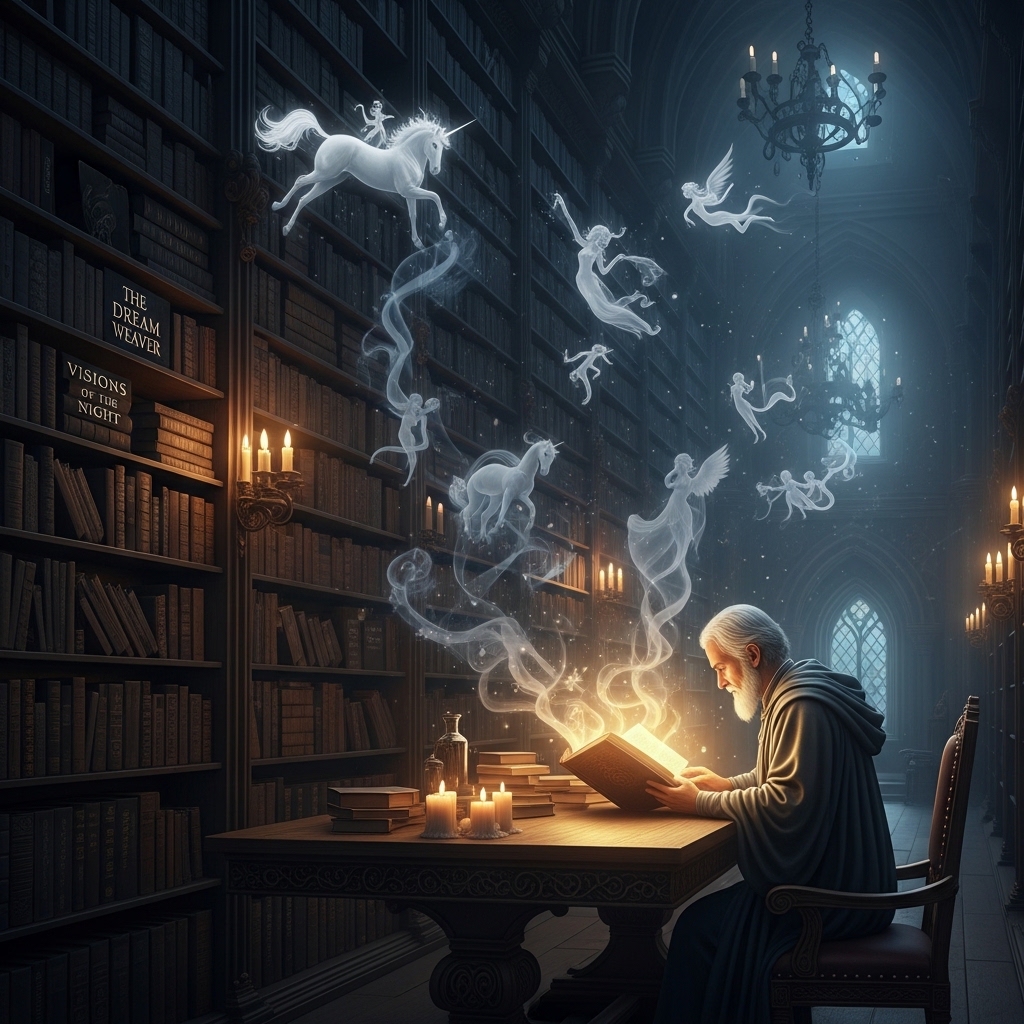
Morpheus, the Greek god of dreams, wields significant power in shaping and delivering dreams to mortals. As the leader of the Oneiroi, he embodies the complex relationship between dreams and reality in Greek mythology.
What does Morpheus represent in Greek mythology?
Morpheus represents transformation and the fluid nature of dreams. His name derives from the Greek word μορφή (morphe), meaning “form” or “shape.” This reflects his unique ability to take on various forms, allowing him to mimic the appearance of anyone in dreams. He is often depicted as a gentle figure, guiding souls through the dream world.
Key representations of Morpheus:
- Transformation: Morpheus can change his shape to reflect the dreams of mortals.
- Communication: He serves as a messenger for the gods, delivering important messages through dreams.
- Duality of Dreams: Morpheus embodies both the beauty and danger of dreams, illustrating how they can inspire or mislead.
How did Morpheus influence ancient Greek culture?
Morpheus holds a prominent place in ancient Greek culture, influencing art, literature, and philosophy. His depictions often highlight the significance of dreams as a connection between the divine and human realms.
Cultural influences include:
Table of Contents
- Literature: Ovid’s Metamorphoses famously features Morpheus, showcasing his role in delivering messages through dreams.
- Art: He is often illustrated in visual arts, representing the ethereal nature of dreams.
- Philosophy: Ancient thinkers viewed dreams as reflections of the subconscious, with Morpheus as a key figure in these interpretations.
Morpheus also prompts reflection on the significance of dreams in daily life. For instance, a dream involving a loved one might symbolize unresolved feelings or desires. Understanding this can help individuals navigate their emotions and experiences.
Morpheus’s legacy persists in modern interpretations of dreams, influencing literature and media. His character often appears in contemporary works, symbolizing the ever-relevant themes of hope, fear, and the unknown found within dreams.
Morpheus’s Unique Abilities and Powers
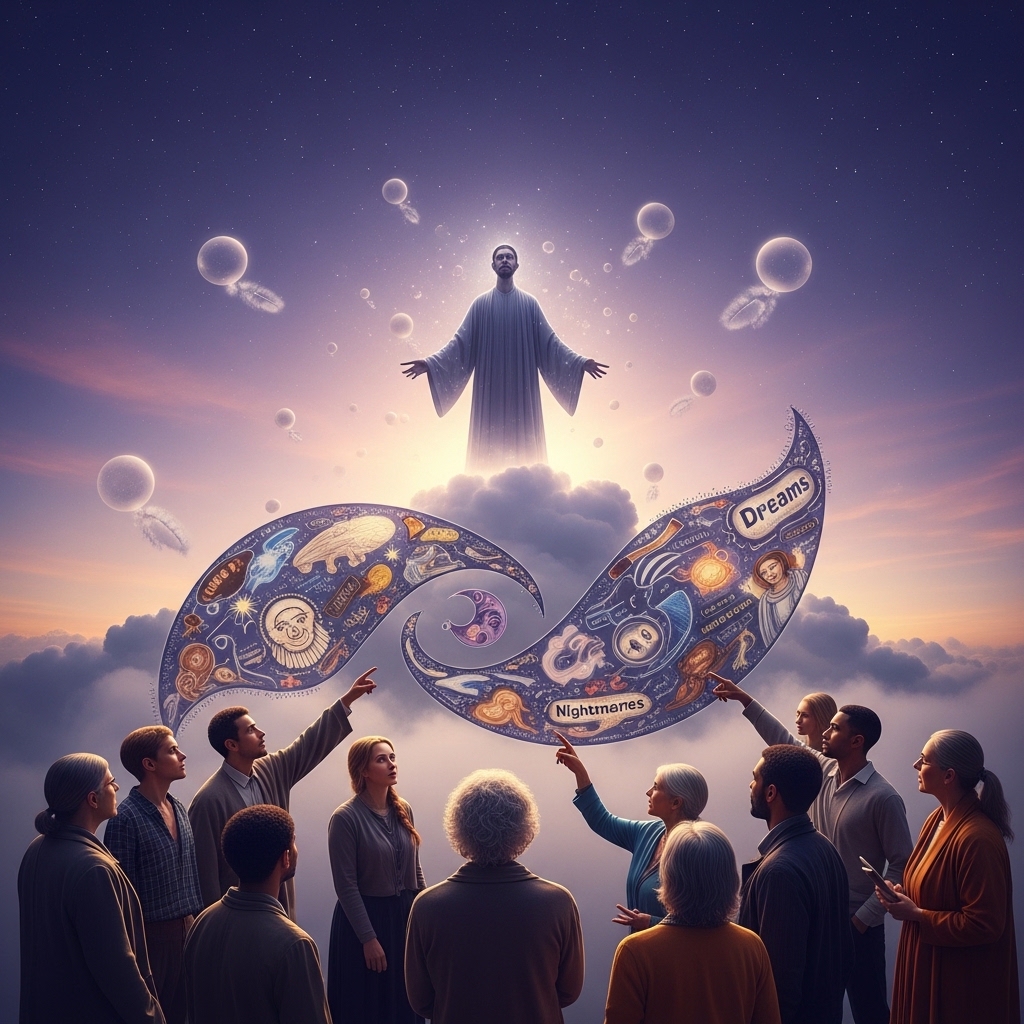
Morpheus, as the Greek god of dreams, possesses remarkable abilities to shape and deliver dreams to mortals. His role extends beyond mere dream-making; he serves as the conduit between the divine and human realms, embodying the intricate relationship between sleep and the subconscious.
How does Morpheus shape dreams?
Morpheus specializes in crafting dreams that mirror human forms and emotions. He is often depicted as the leader of the Oneiroi, the collective of dream deities. His primary function is to present dreams that are vivid, relatable, and reflective of an individual’s experiences or fears.
- Transformation: His name, derived from the Greek term for “form,” signifies his ability to transform thoughts into dream imagery.
- Authenticity: Morpheus can present dreams that feel genuine. For example, if a mortal dreams of a lost loved one, Morpheus shapes that dream to evoke deep emotional responses, often providing comfort or closure.
- Influence on Sleepers: He can influence the dreams of heroes and kings, often delivering prophetic messages or warnings. This is evident in myths where Morpheus communicates vital information through dreams, impacting decisions and actions in the waking world.
What makes Morpheus different from other dream figures?
Morpheus stands out among the Oneiroi, which includes his brothers Icelus and Phobetor, due to his unique focus on human forms. While each brother has distinct roles:
- Icelus: Represents realistic aspects of dreams, often incorporating elements of reality.
- Phobetor: Creates nightmares or fearful dreams, tapping into the subconscious fears of the dreamer.
Morpheus’s sole emphasis on human figures allows him to engage more deeply with the emotions and experiences of mortals. This specialization enables him to convey messages with clarity and emotional weight, making dreams impactful.
Original Example of Morpheus’s Influence
Consider a scenario where a soldier, plagued by doubts about returning home, dreams of his family welcoming him. Morpheus shapes this dream to reflect the soldier’s deepest desires and fears, embedding symbols of hope and uncertainty. Such dreams can inspire courage and resolve, showcasing Morpheus’s power to shape human experiences through dreams.
Morpheus’s abilities not only define his character in mythology but also illustrate the ancient Greeks’ understanding of dreams as profound extensions of the self. Through his influence, dreams become a canvas for exploring hopes, fears, and the subconscious, making Morpheus a pivotal figure in the realm of dreams.
Family and Relationships of Morpheus

Morpheus, the Greek god of dreams, is intricately connected to his family, significantly impacting his character and responsibilities. His lineage highlights his unique role among the Oneiroi, the personifications of dreams.
Who are the Oneiroi?
The Oneiroi are the dream spirits, often depicted as dark-winged beings who manifest dreams to mortals. They are the offspring of Hypnos, the god of sleep, and Nyx, the primordial goddess of night. Morpheus serves as the leader of the Oneiroi, possessing the exclusive ability to shape and influence the dreams of mortals and gods alike.
- Roles within the Oneiroi:
- Morpheus: Specializes in presenting dreams that mimic human forms and emotions.
- Phobetor: Represents animals and creatures in dreams.
- Phantasos: Creates dreams involving inanimate objects.
What is Morpheus’s relationship with Hypnos?
Hypnos, as Morpheus’s father, is the embodiment of sleep. This relationship underscores Morpheus’s powers. His father’s dominion over sleep directly influences Morpheus’s ability to craft dreams. Hypnos’s essence permeates Morpheus’s work, blending the realms of sleep and dreams seamlessly.
- Key Points:
- Father: Hypnos bestows Morpheus with the power to manipulate dreams.
- Connection: Morpheus’s skill in dream crafting is a direct extension of his father’s influence.
Morpheus’s ability to embody human characteristics in dreams can be exemplified by his role in the myth of Ceyx and Alcyone. In this tale, Morpheus takes the form of Ceyx’s ghost to deliver the tragic news of his death to Alcyone. This act not only illustrates his unique talents but also emphasizes the emotional weight carried by his familial connections, intertwining love, loss, and the power of dreams.
Cultural and Literary References to Morpheus

Morpheus, as the Greek god of dreams, has influenced various literary works throughout history. His portrayal in classical literature reveals significant insights into the cultural understanding of dreams in ancient Greek society, which resonate in modern interpretations.
Morpheus in Ovid’s Metamorphoses
In Ovid’s Metamorphoses, Morpheus is depicted as a master of dream manipulation. He possesses the ability to shape dreams into the likeness of any human being, allowing him to convey critical messages through dreams. A prime example is his role in the myth of Ceyx and Alcyone, where he appears as Ceyx’s ghost to inform Alcyone of her husband’s tragic demise. This story highlights Morpheus’s unique powers and the emotional weight of dreams, emphasizing how they serve as a bridge between the living and the dead.
- Key Aspects of Morpheus in Ovid’s Work:
- Dream Crafting: Morpheus shapes dreams to mimic human forms.
- Emotional Impact: His dreams reveal profound truths about love and loss.
- Cultural Significance: Dreams are depicted as powerful messengers in human relationships.
References in Homer’s Iliad
Homer’s Iliad also references Morpheus, though less directly. In the context of war and fate, dreams play a pivotal role. The text suggests that dreams can foreshadow future events and influence decisions. This connection illustrates the ancient belief in dreams as omens or messages from the divine.
- Importance of Dreams in the Iliad:
- Forewarning: Dreams can predict outcomes of battles or personal fates.
- Divine Intervention: Often, gods send dreams to guide or mislead characters.
- Symbolism: Dreams represent the thin veil between reality and the subconscious.
Symbolism of Dreams in Ancient Greek Society
The ancient Greeks viewed dreams as significant reflections of one’s desires, fears, and the divine. Morpheus, as the chief of the Oneiroi (dream spirits), symbolizes this connection. Dreams were not merely subconscious experiences; they were considered essential for understanding one’s life path and destiny.
- Dream Symbolism:
- Messages from the Gods: Dreams were seen as divine communications.
- Reflection of Inner Desires: They provided insights into personal aspirations.
- Cultural Rituals: Dreams often influenced decision-making in politics and warfare.
By analyzing these literary examples, we can glean insights into how the Greeks understood the function of dreams and their significance in human experiences. Morpheus serves as a vital figure in this context, bridging the worlds of the conscious and the unconscious.
Common Misconceptions About Morpheus
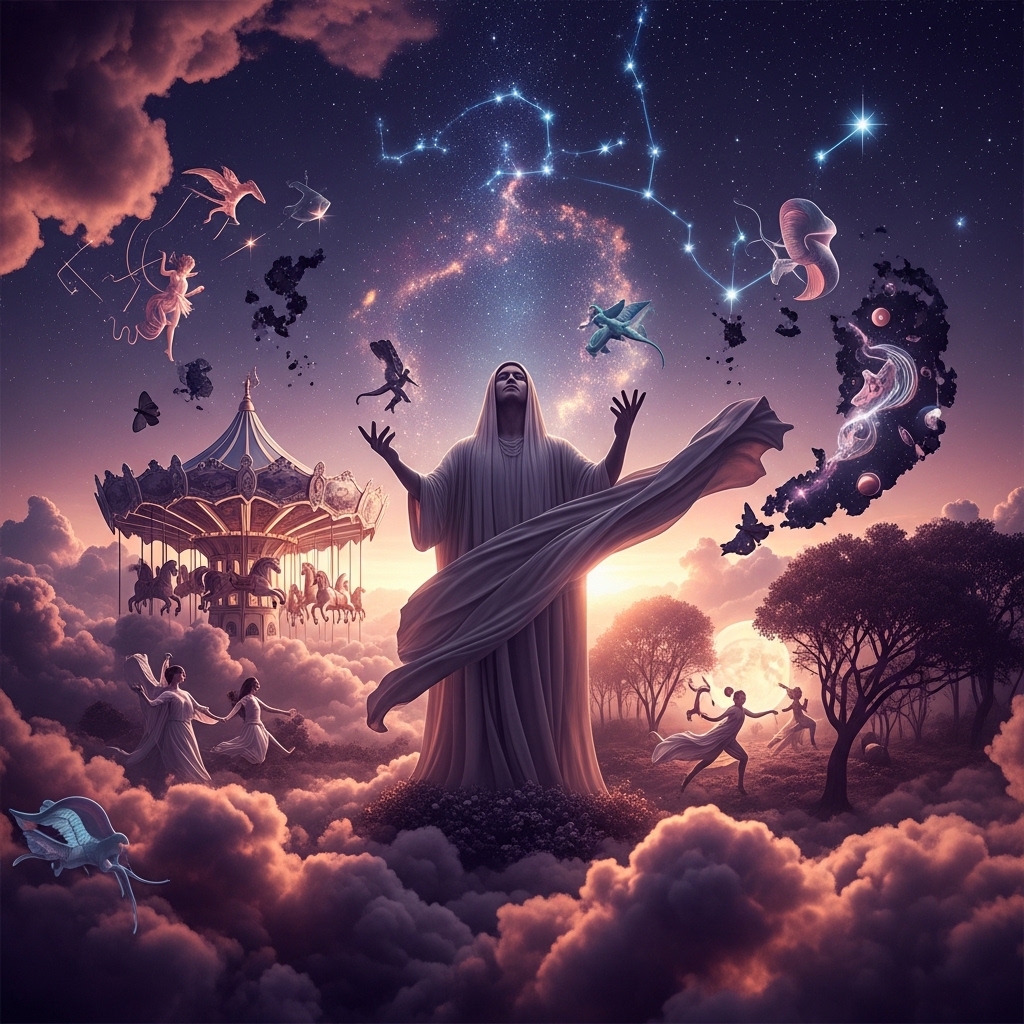
Morpheus, the Greek god of dreams, is often surrounded by myths and misunderstandings. Clarifying these misconceptions enhances our understanding of his character and significance in mythology.
What Are the Most Common Myths About Morpheus?
- Morpheus is the Only Dream God: Many believe Morpheus solely represents all dreams. In reality, he is one of the Oneiroi, a group of dream spirits. His brothers, Phobetor and Phantasos, also play crucial roles. Phobetor shapes dreams of animals, while Phantasos represents inanimate objects.
- Morpheus Always Brings Good Dreams: Some think Morpheus only delivers pleasant dreams. However, he is not selective; he can present both good and bad dreams. This duality reflects the nature of human experience—dreams can be a mix of hope and fear.
- Morpheus is a Distant Figure: It is a misconception that Morpheus operates independently of the dreamers. He interacts directly with individuals and can shape dreams based on their personal experiences and emotions. His ability to mimic human form adds a layer of intimacy to the dream experience.
How Does Morpheus Compare to Other Dream Deities?
Understanding Morpheus within the context of other dream deities clarifies his unique role. Here’s a comparison:
| Deity | Role | Specialty |
|---|---|---|
| Morpheus | God of dreams | Shapes human dreams |
| Phobetor | God of nightmarish dreams | Represents animals |
| Phantasos | God of inanimate objects in dreams | Represents non-living entities |
| Hypnos | God of Sleep | Personification of sleep itself |
Example of Morpheus’s Influence in Dreams
Consider a person who dreams of flying. Morpheus can shape this dream to reflect their aspirations for freedom or escape from reality. This demonstrates how his influence is not merely about the act of dreaming but about interpreting the significance of those dreams in relation to the dreamer’s life.
By addressing these misconceptions, we gain a clearer picture of Morpheus’s true nature and the depth of his role in Greek mythology.
The Legacy of Morpheus in Modern Culture
Morpheus, the Greek god of dreams, continues to resonate in contemporary literature, art, and popular culture. His character and symbolism shape our understanding of dreams and their significance in everyday life.
Morpheus in Contemporary Literature and Media
Morpheus’s influence extends into various literary and media forms. Notably, Neil Gaiman’s Sandman series reimagines Morpheus as the central figure, exploring themes of dreams, identity, and mortality. This portrayal revitalizes the ancient god for modern audiences, emphasizing the psychological aspects of dreams.
Other contemporary works, such as films and novels, reference Morpheus to represent the duality of dreams and reality. For example, in The Matrix, the character Morpheus serves as a guide, illustrating the power of choice and perception in an altered reality. This reflects Morpheus’s enduring symbolism as an interpreter of dreams and the subconscious.
The Symbolism of Morpheus in Modern Dreams
Morpheus embodies the complexity of dreams, influencing how we perceive and interpret them today. His ability to shape dreams can symbolize both hope and deception.
- Dream Interpretation: Many modern psychologists draw parallels between Morpheus and the process of dream analysis, emphasizing the importance of understanding dreams as reflections of our innermost thoughts and desires.
- Cultural References: Phrases like “in the arms of Morpheus” highlight his symbolic association with sleep and dreaming. This metaphor is frequently used in literature and conversation to express a peaceful slumber or the embrace of dreams.
Original Example: Dreams Through Morpheus’s Lens
Consider a person who dreams of achieving a long-desired goal. Through Morpheus’s influence, this dream may serve not only as a reflection of their aspirations but also as a cautionary tale about the risks of pursuing unattainable desires. By interpreting dreams with Morpheus in mind, individuals can gain deeper insights into their motivations and fears.
Ultimately, Morpheus’s legacy persists as a symbol of the intricate relationship between dreams and reality, shaping our understanding of both in the modern world.
Frequently Asked Questions
These quick answers cover the most common questions about this topic, including key details, practical tips, and common concerns.
Is Morpheus a real Greek god?
Morpheus is a mythological figure from ancient Greek mythology, not a real deity. He is known as the god of dreams and the leader of the Oneiroi, the spirits responsible for delivering dreams to mortals. His stories and depictions come from classical texts and art, making him a legendary character rather than a historical figure.
Who is the Greek god of LGBT?
There is no specific Greek god designated as the god of LGBT. However, some modern interpretations associate certain gods, like Apollo or Dionysus, with themes of love and sexuality that encompass diverse orientations. Morpheus, as the god of dreams, can also be seen as a symbol of exploring different identities through dreams, but he is not officially linked to LGBT symbolism in ancient mythology.
Who is Morpheus in Christianity?
Morpheus is a Greek mythological deity and does not have a role or counterpart in Christianity. Christianity does not recognize mythological gods like Morpheus. Instead, dreams in Christian tradition are often seen as messages from God or divine inspiration, but these are not associated with Morpheus.
What are the abilities of Morpheus?
Morpheus possesses the ability to shape and deliver dreams to mortals. He can transform into the form of anyone in a dream, mimicking their appearance and emotions. He influences both the content and emotional tone of dreams, delivering messages, visions, or warnings. Morpheus can also influence the dreams of gods and mortals alike, often providing prophetic insights.
Who exactly is Morpheus in Greek mythology and what’s his role?
Morpheus is the son of Hypnos (Sleep) and Nyx (Night). He is the leader of the Oneiroi, spirits who bring dreams to humans. His primary role is to craft and deliver realistic, emotionally impactful dreams that can be prophetic, comforting, or instructive. He embodies transformation and the fluid nature of dreams, often taking on human forms to communicate messages.
How does Morpheus differ from his brothers?
Morpheus specializes in shaping human forms and delivering realistic dreams. His brothers, Phobetor and Phantasos, have different roles:
- Phobetor: Creates nightmares involving animals or monsters.
- Phantasos: Forms dreams with inanimate objects or abstract concepts.
Morpheus’s focus on human figures makes him unique among the Oneiroi, emphasizing his role in conveying messages and emotions directly related to human experience.
What are some famous stories involving Morpheus?
One of the most famous stories is his role in the myth of Ceyx and Alcyone. Morpheus appears as Ceyx’s ghost to deliver the tragic news of his death, helping Alcyone understand her husband’s fate through a dream. This myth highlights Morpheus’s power to communicate profound truths and his emotional connection to human lives through dreams.