
Spiritual growth significantly boosts emotional strength by fostering resilience, self-awareness, and deeper connections with oneself and others. Through my own journey, I’ve discovered how nurturing the spirit can profoundly impact emotional well-being. Read Interesting article: Spiritual Growth Means You Stop Chasing Closure
Table of Contents
Understanding Spiritual Growth
Definition of Spiritual Growth
Spiritual growth is the journey of developing a deeper understanding of oneself and one’s place in the universe. For me, it has been about exploring my beliefs, values, and purpose. It’s not confined to religious practices; it’s an individual experience that can lead to greater awareness and enlightenment. I feel that spiritual growth involves a continuous process of seeking, learning, and transforming, allowing us to connect more meaningfully with the world around us.
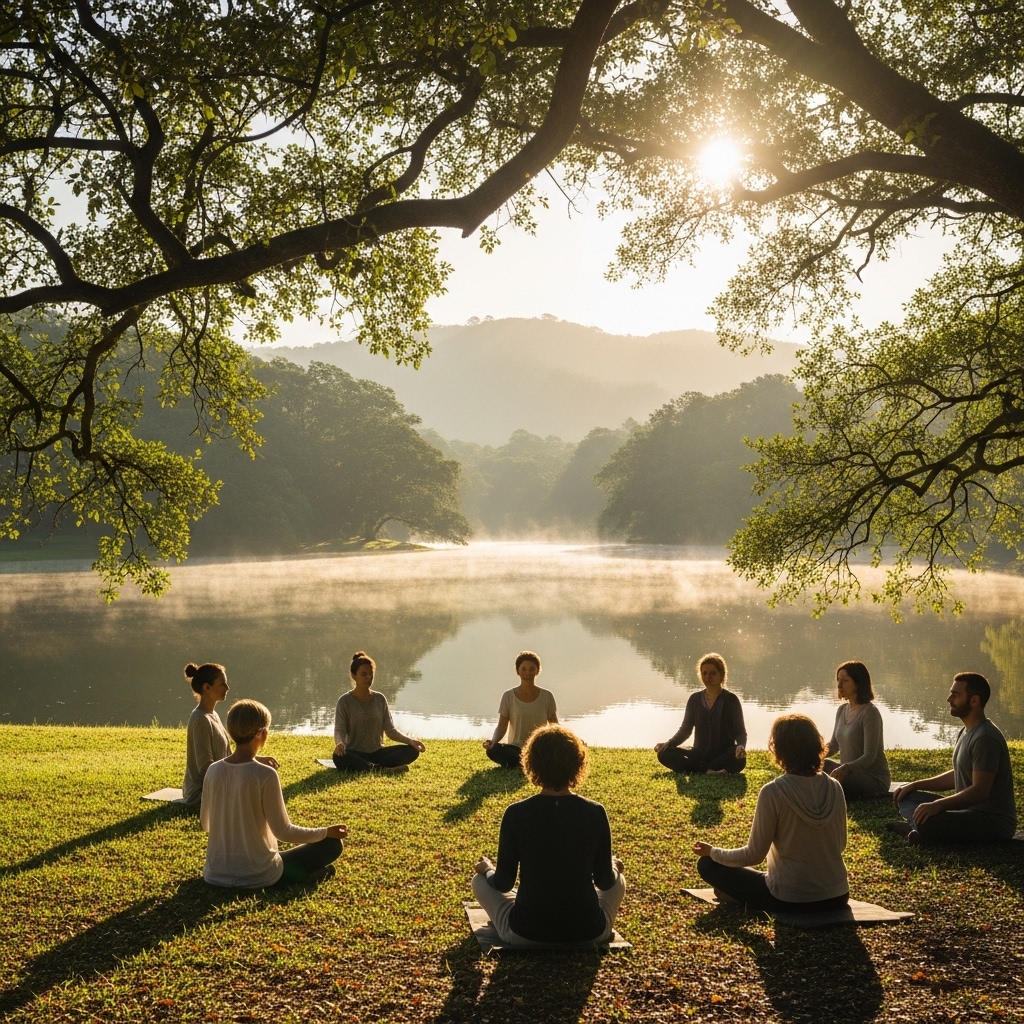
Core Principles of Spiritual Growth
When I think about the core principles of spiritual growth, a few key elements come to mind. First is **self-awareness**. This principle encourages us to reflect on our thoughts, emotions, and actions. I’ve found that by being more aware of my inner self, I can better understand my reactions to external situations. Next is **compassion**, both for ourselves and others. By learning to practice compassion, I noticed that I became more patient and forgiving, which contributed to my emotional resilience. Finally, **mindfulness** plays a crucial role in spiritual growth. It teaches us to be present, appreciating the moment and reducing anxiety about the future. Read Interesting article: What Spiritual Growth Actually Looks Like (Not Instagram)
Different Paths to Spiritual Growth
There is no one-size-fits-all approach to spiritual growth, and that’s what I love about it. Different paths resonate with different people. For some, traditional religious practices provide a sense of purpose and connection. For others, activities like meditation, yoga, or even spending time in nature are more fulfilling. Personally, I’ve dabbled in various practices, from attending spiritual workshops to practicing mindfulness meditation at home. Each path has offered me unique insights and opportunities for growth. I’ve come to realize that it’s about finding what feels right for you and being open to exploring new avenues.
The Connection Between Spirituality and Emotional Strength

How Spirituality Influences Emotional Resilience
Emotional resilience is like a muscle; the more we work on it, the stronger it becomes. Spirituality has been instrumental in building my emotional resilience. I’ve learned to approach challenges with a mindset of growth rather than defeat. For instance, during tough times, I turn to my spiritual practices to find solace and strength. This shift in perspective allows me to navigate difficulties with a calm mind and an open heart. I’ve seen that when we align our actions with our values and beliefs, we become more grounded and capable of handling life’s ups and downs.
Benefits of Emotional Strength Through Spiritual Practices
The benefits of developing emotional strength through spiritual practices are profound. I’ve noticed that engaging in these practices has led to improved mental clarity and emotional stability. For example, when I meditate regularly, I find it easier to manage stress and anxiety. Additionally, spiritual practices often encourage us to build connections with others, fostering a sense of community and support. This social aspect has been vital for me, as sharing experiences and insights with others on a similar path can strengthen our resolve to grow emotionally. Ultimately, I believe that spiritual growth acts as a foundation for emotional health, allowing us to face life with greater confidence and strength.
Scientific Studies Linking Spiritual Growth and Emotional Health
It’s fascinating to see how science supports what many of us have felt intuitively about spirituality and emotional health. Numerous studies have shown that individuals engaged in spiritual practices report higher levels of happiness and life satisfaction. I remember reading about research that found a strong correlation between spirituality and lower levels of depression and anxiety. These findings resonate with my experiences; spiritual growth has helped me cultivate a more positive outlook on life. Knowing that there’s scientific backing for this connection makes me feel even more encouraged to continue my spiritual journey. Read Interesting article: 9 Ways People Fake Spiritual Growth (Without Realizing)
Key Practices for Spiritual Growth
Meditation and Mindfulness
Meditation and mindfulness have been transformative practices in my spiritual journey. I remember the first time I tried mindfulness meditation; it felt a bit awkward at first. Sitting in silence with my thoughts swirling around was challenging. But as I continued practicing, I found a sense of peace I didn’t know I was missing. Meditation teaches us to observe our thoughts without judgment, creating a space for self-reflection and clarity. I’ve noticed that even just a few minutes of focused breathing can reset my mood and help me approach my day with intention. Mindfulness, on the other hand, encourages me to stay present, whether I’m sipping my morning coffee or taking a walk. This practice has helped me cultivate gratitude for the little things, enhancing my overall emotional well-being.
Prayer and Reflection
For many, including myself, prayer has been an important aspect of spiritual growth. It’s not just about reciting words; it’s about connecting with my deeper self and the universe. I often set aside time to reflect on my day, my thoughts, and my feelings through prayer. This practice allows me to express gratitude and seek guidance for the challenges I face. I’ve found that reflection helps me process my experiences and emotions, leading to insights that guide my actions. Whether through traditional prayer, affirmations, or simply a moment of quiet contemplation, I believe that this connection nurtures my spirit and fortifies my emotional strength.
Journaling for Spiritual Insights
Journaling has become one of my favorite ways to explore my spirituality. There’s something magical about putting pen to paper and letting my thoughts flow freely. I often use my journal to document my spiritual experiences, insights, and questions. This practice not only helps me track my growth but also allows me to confront and understand my emotions. I’ve noticed that when I write about my struggles, they often lose their power over me. I can see them from a different perspective and find solutions that I might not have considered otherwise. Journaling also serves as a record of my journey, reminding me of how far I’ve come and the lessons I’ve learned along the way.
Engaging in Nature
Being in nature is another practice that significantly enriches my spiritual growth. I find that spending time outdoors helps me feel more connected to the world around me. Whether it’s a walk in the park or a hike in the mountains, nature has a way of grounding me. I remember one particularly serene afternoon spent by the lake, where I could hear the gentle lapping of the water against the shore. In those moments, I felt a profound sense of peace and connection to something greater than myself. Nature reminds me of the beauty that exists in our world and encourages me to reflect on my place within it. I believe that engaging with the natural environment can provide deep insights and a sense of belonging.
Community Involvement and Service
Community involvement has played a crucial role in my spiritual journey. I’ve learned that giving back to others not only helps those in need but also nourishes my own spirit. Volunteering has allowed me to connect with diverse groups of people, share experiences, and develop empathy. Each time I serve, whether it’s at a local food bank or participating in community clean-up events, I feel a sense of fulfillment and purpose. I’ve noticed that these acts of service can significantly boost my emotional strength. They remind me that we are all interconnected and that our actions can make a difference. Engaging with my community has expanded my understanding of compassion, which is a core principle of my spiritual growth.
Challenges on the Path to Spiritual Growth
Common Obstacles to Spiritual Development
As I’ve journeyed through my spiritual growth, I’ve encountered various challenges that often arise along the way. One major obstacle is the **fear of change**. Venturing into unfamiliar territory can be daunting, and I remember feeling anxious about letting go of old habits and beliefs. Change requires us to step out of our comfort zones, and I found myself grappling with uncertainty. Another hurdle is **time management**; life can get busy, and carving out moments for spiritual practices often takes a backseat. I’ve learned that making spirituality a priority is essential, but it can be tough amidst everyday responsibilities. Lastly, there’s the challenge of **external skepticism**. Sometimes, sharing my spiritual journey with others has led to doubts or dismissal, which can be disheartening. Recognizing that my path is unique and valid has helped me stay focused despite outside influences.
Overcoming Emotional Blockages
I’ve also faced emotional blockages that hindered my spiritual growth. For instance, feelings of **guilt** or **shame** can arise from past experiences, weighing heavily on my spirit. I found that addressing these emotions head-on is crucial; it’s important to acknowledge them rather than shove them aside. Through practices like journaling, I’ve been able to explore these feelings, allowing me to release their hold on me. Another common blockage is **self-doubt**. I’ve often questioned my worthiness of spiritual growth or whether I’m making progress. In those moments, I remind myself that growth is not linear, and it’s okay to have setbacks. I’ve learned that surrounding myself with supportive people who uplift my spirit can help me push through these emotional challenges.
Dealing with Doubts and Setbacks
Doubts and setbacks are part and parcel of any growth journey, and I’ve certainly faced my share. There have been times when I’ve felt disconnected from my spiritual practices or questioned their effectiveness. It’s easy to fall into the trap of comparing my journey to others, which only deepens my feelings of inadequacy. To combat this, I’ve made a conscious effort to remind myself that every path is unique. When setbacks happen, I try to view them as opportunities for learning rather than failures. I’ve learned that embracing the ebb and flow of my spiritual journey helps me stay resilient. I often reflect on past challenges I’ve overcome, allowing me to recognize that I have the strength and resources to navigate whatever comes my way.
Real-Life Examples of Emotional Strength from Spiritual Growth
Personal Testimonials and Stories
Sharing stories can be incredibly powerful, and I’ve found inspiration in the experiences of others on their spiritual journeys. I remember a friend of mine who struggled with anxiety for years. Through her commitment to mindfulness and meditation, she discovered a profound sense of peace and resilience. I witnessed her transformation as she learned to manage her anxiety not by fighting it, but by accepting it and allowing it to be part of her experience. Her story reminded me that spiritual growth can take many forms and that sometimes, it’s the simple practices that yield the most significant changes. I also think about another friend who found solace in community service during a tough period. By helping others, she not only uplifted her community but also found her own emotional strength, reinforcing the idea that connecting with others can profoundly impact our spiritual journeys.
Case Studies and Research Findings
It’s encouraging to know that many studies support the idea that spiritual growth contributes to enhanced emotional well-being. For instance, I came across a study that followed individuals participating in mindfulness-based stress reduction programs. The findings showed significant improvements in emotional regulation and resilience among participants. Reading about such research validates my own experiences and highlights the broader impact of spiritual practices on mental health. Another case study that stood out to me focused on veterans who engaged in spiritual retreats. The participants reported decreased levels of PTSD and improved emotional health, underscoring the therapeutic potential of spirituality. I believe these examples illustrate that no matter our background or struggles, spiritual growth can be a powerful tool for building emotional strength.
How to Measure Emotional Strength
Indicators of Emotional Resilience
It’s essential to recognize the signs of emotional strength, especially as we navigate our spiritual paths. I’ve learned to pay attention to how I respond to stress and adversity. For instance, when I find myself bouncing back from setbacks more quickly, I see that as a sign of growing resilience. I also notice when I’m able to maintain a sense of calm and clarity during challenging situations—this, too, is an indicator of my emotional strength. Additionally, I’ve found that my ability to manage relationships and communicate effectively is another marker of resilience. When I can express my feelings openly and seek support from others, it reflects my emotional growth.
Tools for Self-Assessment
Self-assessment tools can be incredibly helpful in gauging our emotional strength. I’ve used various questionnaires and reflection exercises that focus on emotional intelligence and resilience. Taking time to evaluate my emotional responses and coping mechanisms has provided me with valuable insights. I often set aside time for self-reflection, where I ask myself questions about my emotional state and how I handle challenges. This practice not only helps me track my progress but also allows me to identify areas where I might need more focus or growth.
Seeking Professional Guidance
Sometimes, navigating our emotions can be overwhelming, and seeking professional guidance can be a game-changer. I remember when I felt particularly stuck in my journey; I decided to reach out to a therapist specializing in spiritual growth. This experience opened my eyes to new perspectives and tools for managing my emotional health. I believe that talking to someone who understands the intricacies of spirituality and emotional well-being can provide essential support. Whether through therapy or support groups, I’ve found that professional guidance can help us deepen our understanding of ourselves and foster our emotional resilience.
Frequently Asked Questions
What is spiritual growth?
Spiritual growth is the journey of developing a deeper understanding of oneself and one’s place in the universe. It involves exploring beliefs, values, and purpose, and is not confined to religious practices. It is an individual experience that leads to greater awareness and enlightenment.
What are the core principles of spiritual growth?
The core principles of spiritual growth include self-awareness, compassion, and mindfulness. Self-awareness encourages reflection on thoughts, emotions, and actions; compassion fosters patience and forgiveness; and mindfulness teaches us to be present and appreciate the moment.
How does spirituality influence emotional resilience?
Spirituality influences emotional resilience by shifting our mindset to approach challenges with growth rather than defeat. Engaging in spiritual practices helps individuals find solace and strength during tough times, allowing for a calmer and more grounded response to life’s ups and downs.
What are some benefits of emotional strength through spiritual practices?
Benefits of developing emotional strength through spiritual practices include improved mental clarity, emotional stability, and better stress management. These practices also foster connections with others, creating a sense of community and support that is vital for emotional growth.
What scientific studies link spiritual growth to emotional health?
Numerous studies have shown that individuals engaged in spiritual practices report higher levels of happiness and life satisfaction, as well as lower levels of depression and anxiety. These findings support the connection between spiritual growth and positive emotional health outcomes.
What practices can help with spiritual growth?
Key practices for spiritual growth include meditation and mindfulness, prayer and reflection, journaling for spiritual insights, engaging with nature, and community involvement and service. Each of these practices offers unique opportunities for personal exploration and growth.
What common obstacles can hinder spiritual development?
Common obstacles to spiritual development include fear of change, time management challenges, and external skepticism. These challenges can make it difficult to prioritize and pursue spiritual practices amidst everyday responsibilities.
How can someone overcome emotional blockages in their spiritual journey?
Overcoming emotional blockages involves addressing feelings like guilt and self-doubt head-on. Practices such as journaling can help explore and release these emotions. Surrounding oneself with supportive individuals can also aid in pushing through emotional challenges.
What indicators suggest emotional resilience?
Indicators of emotional resilience include the ability to bounce back from setbacks quickly, maintaining calm and clarity during challenges, and effectively managing relationships. Openly expressing feelings and seeking support also reflect emotional growth.
How can someone seek professional guidance for spiritual growth?
Seeking professional guidance can involve reaching out to therapists or support groups that specialize in spiritual growth. This support can provide new perspectives and tools for managing emotional health, helping individuals deepen their understanding of themselves.