
Hanging clothes at night is often considered bad luck because it is believed to attract spirits and negative energy, leading to misfortune or health issues.
Various cultures harbor superstitions surrounding the act of hanging clothes at night, often attributing negative consequences to this practice. Understanding these beliefs provides insight into cultural attitudes toward laundry, spirits, and luck.
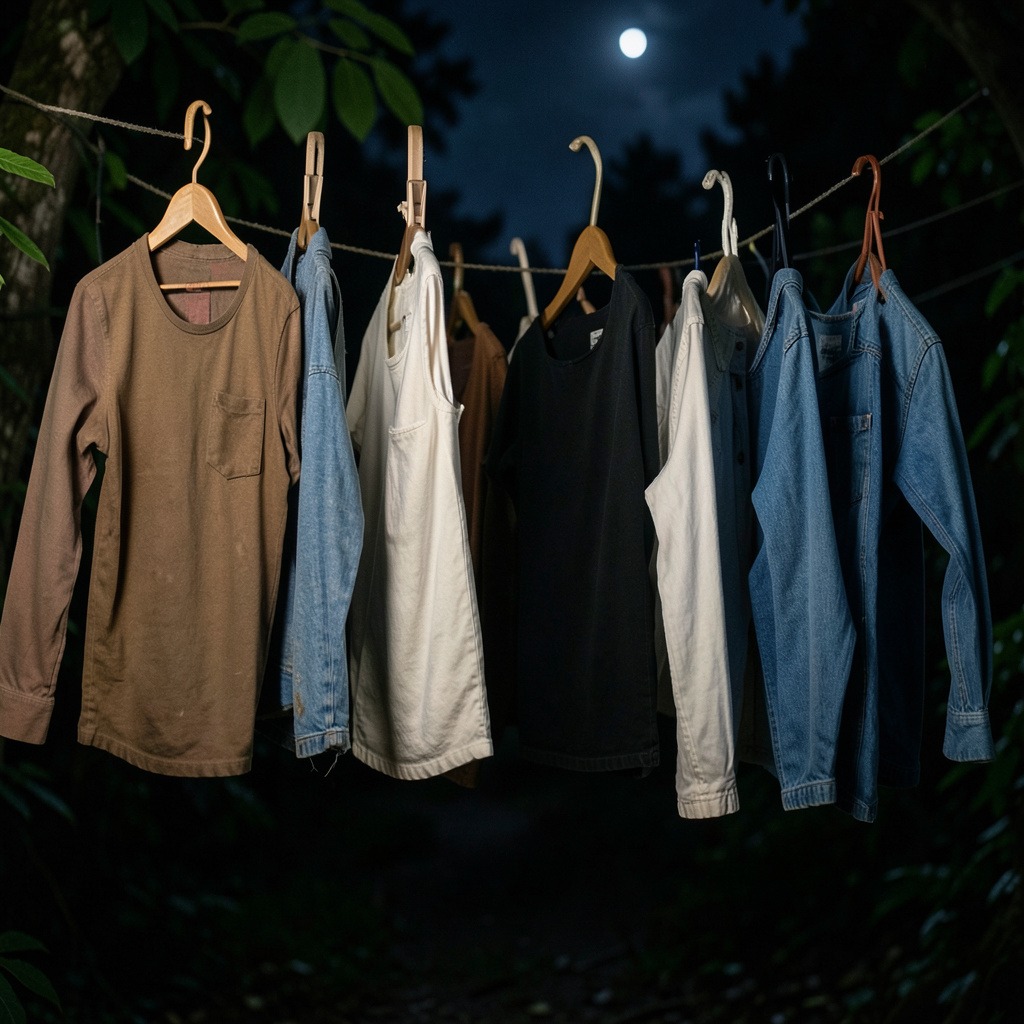
1. Understanding Superstitions Around Hanging Clothes at Night
Superstitions surrounding the act of hanging clothes at night are deeply rooted in cultural beliefs and historical practices. These beliefs often connect laundry practices to themes of luck, health, and spiritual presence.
The Historical Context of Laundry Superstitions
The origins of these superstitions can be traced back centuries. Historically, hanging clothes outside was not merely a practical necessity; it was also seen as a ritualistic act. In many cultures, laundry has been intertwined with spiritual beliefs.
- Spiritual Protection: Many believe that hanging clothes at night invites the presence of spirits, which could lead to bad luck or misfortune. In some regions, it is thought that failing to bring in clothes before dark disrespects the moon and stars, angering celestial forces.
- Health Concerns: Some superstitions suggest that hanging clothes outside at night can attract negative energy or even lead to illness. Claims have circulated that it can cause infertility, although there is no scientific backing for these assertions.
Common Themes in Nighttime Hanging Beliefs
Several recurring themes emerge in superstitions about hanging clothes at night:
1. Bad Luck: Hanging clothes outside at night is often associated with bad luck. In some communities, it is believed that this act can bring misfortune or a streak of unfortunate events.
2. Spiritual Risks: Many cultures express concerns about attracting ghosts, witches, or other supernatural entities. This belief emphasizes the idea that nighttime is a vulnerable time when dark forces might be more active.
3. Negative Energy: Some individuals believe that leaving damp laundry outside can create an aura of negativity. This belief links the physical act of hanging clothes to emotional and spiritual well-being.
Regional Variations in Superstitions
Cultural beliefs about hanging clothes at night vary widely across regions:
- Western Cultures: In many Western societies, the focus is often on the practical implications. Concerns about bad luck or attracting spirits are less pronounced, although some families still hold onto these beliefs for tradition’s sake.
- Eastern Cultures: In contrast, many Eastern cultures place strong emphasis on spiritual protection. Here, hanging clothes at night can be seen as inviting unwanted attention from spirits or causing familial health issues.
- Indigenous Practices: Some indigenous cultures have unique rituals surrounding laundry. For example, certain tribes believe that hanging clothes at night must be avoided to maintain harmony with nature and the spiritual world.
Understanding these superstitions provides insight into how cultural beliefs shape everyday practices. As such, individuals often navigate these traditions based on personal experience, family history, and regional customs.
2. The Belief in Attracting Spirits and Bad Luck
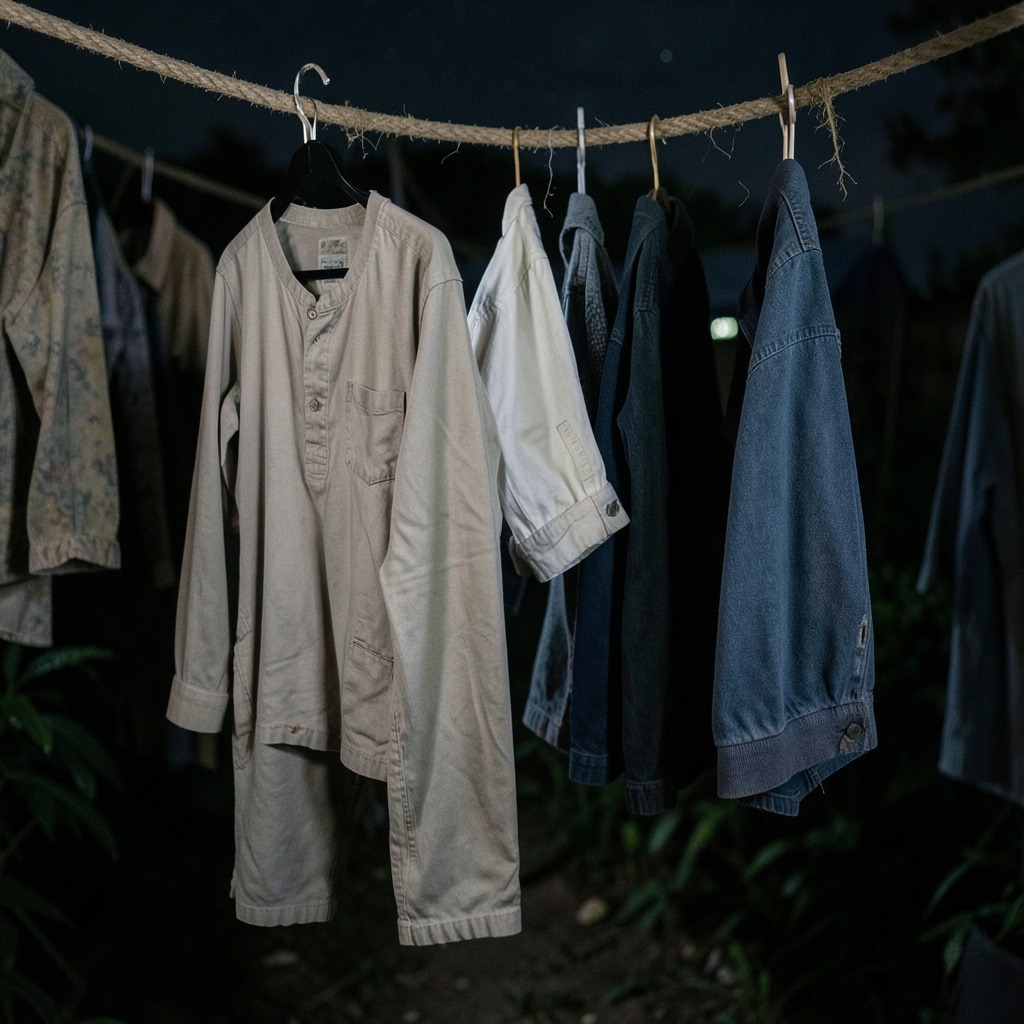
Hanging clothes outside at night is fraught with superstition. Many cultures believe this act invites spirits and negative energy into the household, leading to bad luck and misfortune.
How Hanging Clothes Invites Spiritual Interference
In various traditions, the act of hanging laundry at night is viewed as an open invitation to supernatural forces. For instance, some belief systems assert that damp clothes left outside attract spirits who may become entangled in the fabric. This entanglement is thought to cause mischief or even hauntings. In certain cultures, it is believed that wearing clothes infused with such energy can disturb personal well-being.
- Examples of Beliefs:
- In some regions, it is said that clothes hung overnight can carry the essence of wandering spirits.
- Others warn that this practice disrespects celestial beings, notably the moon and stars, leading to increased bad luck.
The Impact of Negative Energy on Households
The implications of negative energy from hanging clothes at night extend beyond mere superstition. Households may experience disturbances or emotional unease as a result of this perceived vulnerability. Families often report feeling anxious or unsettled when engaging in this practice, reflecting a deep-seated belief in its consequences.
- Personal Experiences:
- Many individuals recount stories of unusual occurrences in their homes following a night of hanging laundry.
- For example, one family noted an increase in arguments and misunderstandings, attributing them to their decision to hang clothes outside under the moonlight.
Comparative Beliefs Across Cultures
Cultural beliefs regarding hanging clothes at night vary widely. While some cultures emphasize the risks of inviting spirits, others focus on the concept of maintaining harmony with nature.
- Cultural Variations:
- In Eastern cultures, hanging clothes at night is often associated with attracting unwanted attention from spirits, which can lead to familial health issues.
- Conversely, certain indigenous practices may involve specific rituals to protect oneself from negative influences when engaging in laundry activities.
Decision Framework for Hanging Clothes:
- Assess the Time: Avoid hanging clothes at night, especially during full moons or on culturally significant days (e.g., Sundays).
- Personal Comfort: Consider personal beliefs and family traditions before deciding to hang clothes outside at night.
- Alternative Methods: Explore indoor drying options to prevent potential spiritual disturbances.
3. Practical Considerations: Hygiene and Environmental Factors
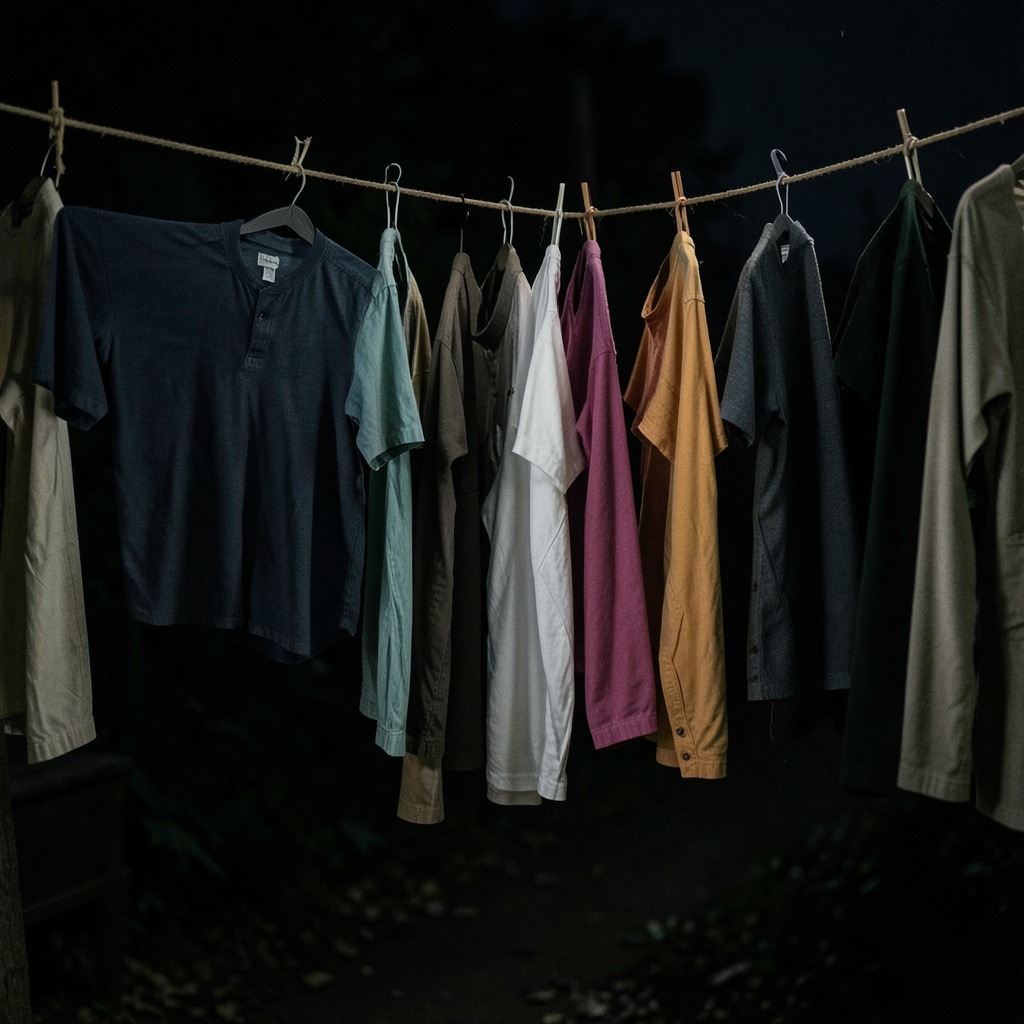
Hanging clothes outside at night may seem innocent, but it poses several practical concerns. These include hygiene issues related to humidity, exposure to insects, and safety. Understanding these factors can help you make informed decisions.
Humidity and Its Effects on Laundry
Humidity can significantly affect the drying process of clothes. When you hang clothes outside at night, the air is often cooler and more humid. This can lead to:
- Increased moisture retention: Clothes may not dry properly, resulting in a musty smell.
- Mold and mildew growth: Prolonged exposure to moisture can promote fungal growth, posing health risks.
- Longer drying times: Humid conditions can delay the drying process, making laundry less efficient.
Insect Exposure Risks
Hanging clothes at night increases the likelihood of insect exposure. Common pests include:
- Mosquitoes: They are attracted to damp clothing and can pose health risks.
- Moths and other insects: These pests may damage fabrics, leading to ruined garments.
To mitigate these risks, consider the following checklist before hanging clothes outside at night:
- Check humidity levels: Avoid hanging clothes when humidity is high.
- Inspect for insects: Ensure the area is free from common pests.
- Use repellents: Consider using natural repellents to deter insects.
Safety Concerns When Hanging Clothes at Night
There are also safety concerns associated with hanging clothes outside after dark. These include:
- Reduced visibility: Poor lighting can increase the risk of accidents.
- Theft risk: Leaving clothes outside may attract unwanted attention from burglars.
When deciding to hang clothes outside at night, consider these precautions:
- Use well-lit areas: Choose locations with adequate lighting.
- Secure items: Ensure clothing is less visible or consider indoor alternatives.
By understanding these practical considerations, you can better navigate the superstitions surrounding hanging clothes at night while prioritizing hygiene and safety.
4. Regional Variations: Superstitions from Around the World
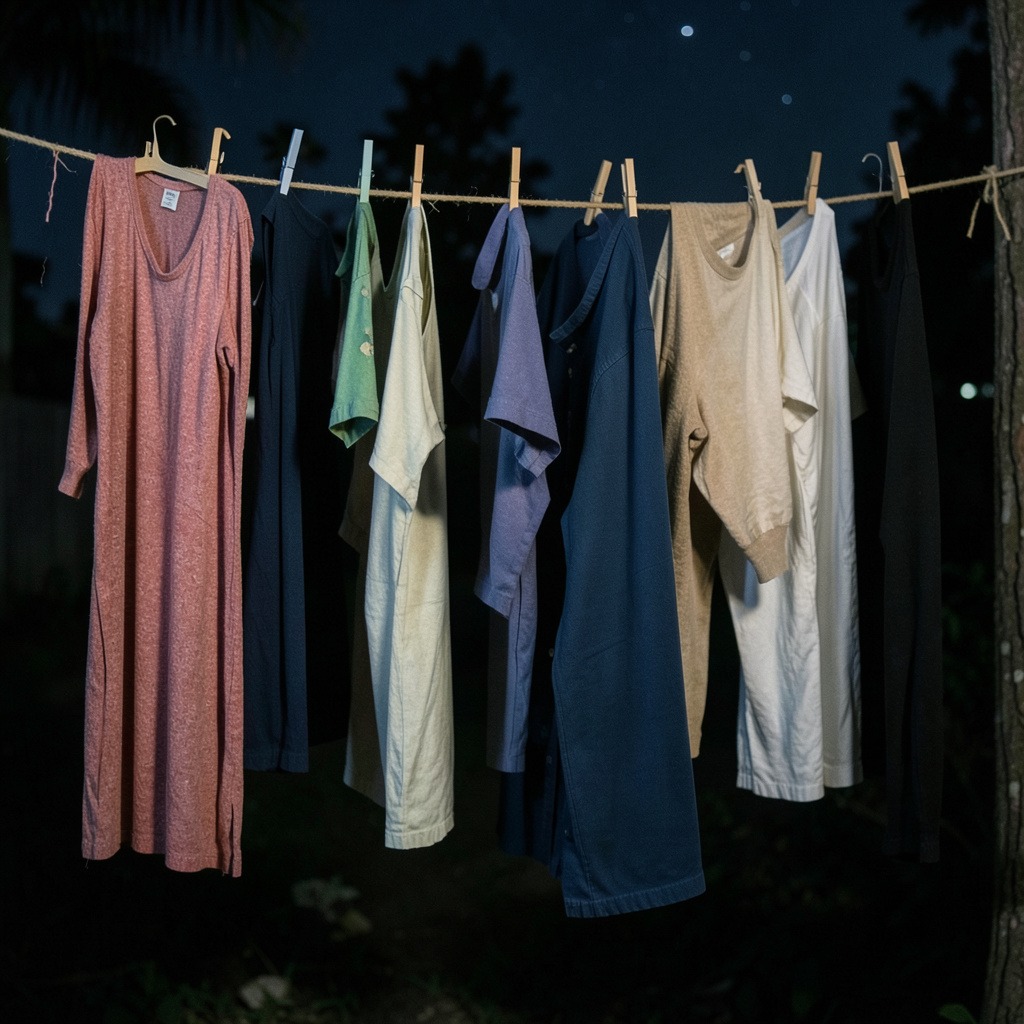
Superstitions surrounding the act of hanging clothes at night vary greatly across cultures. These beliefs often reflect historical, spiritual, and practical perspectives. Understanding these variations sheds light on how different societies perceive nighttime laundry.
Asian Cultures and Their Nighttime Laundry Beliefs
In many Asian cultures, hanging clothes at night is often linked to the supernatural. Here are some prevalent beliefs:
- China: It is commonly believed that hanging clothes outside after sunset can attract wandering spirits. To avoid misfortune, many refrain from this practice during certain lunar phases.
- Japan: Some Japanese families believe that hanging clothes outside at night invites bad luck and may even lead to illness—especially for children.
- India: In certain regions, people avoid hanging clothes at night, fearing that it may disturb ancestral spirits or lead to curses.
European Superstitions Regarding Laundry Practices
European cultures also harbor unique beliefs about hanging clothes at night. These superstitions reflect historical ties to agriculture and community life:
- Italy: In Italy, it is believed that hanging laundry outside post-sunset could bring bad luck. This belief is deeply rooted in agrarian traditions, where nighttime was seen as a time for rest and protection.
- Ireland: Irish folklore suggests that hanging clothes at night can attract fairies, leading to disturbances in the household.
- Scandinavia: In some Scandinavian countries, it is said that hanging clothes outside after dark invites illness, particularly respiratory ailments.
American Perspectives on Hanging Clothes at Night
In the United States, superstitions about hanging clothes at night are less prevalent but still notable:
- General Beliefs: Many Americans view nighttime hanging as impractical due to concerns about moisture and odor rather than superstition.
- Regional Variations: Some communities, particularly those with strong ties to folk traditions, may still hold beliefs that hanging clothes outside at night can attract bad luck or negative energies.
| Region | Belief Description | Origin |
|---|---|---|
| China | Attracts wandering spirits; avoid during certain lunar phases | Cultural and spiritual beliefs |
| Japan | Invites bad luck or illness, especially for children | Cultural folklore |
| Italy | Brings bad luck; linked to agrarian traditions | Historical agricultural practices |
| Ireland | Attracts fairies, disturbing household peace | Folklore and mythological beliefs |
| Scandinavia | Invites illness, particularly respiratory ailments | Health-related folklore |
| United States | Viewed as impractical; some regional superstitions exist | Diverse cultural influences |
These beliefs highlight the diverse and rich tapestry of cultural superstitions surrounding the act of hanging clothes at night. Each cultural perspective offers insight into the values and fears of the respective societies.
5. Health Implications: Risks of Hanging Clothes at Night
Hanging clothes outside at night raises concerns about potential health risks. These concerns primarily revolve around respiratory issues and the growth of bacteria on damp fabrics.
Respiratory Issues from Damp Laundry
Many believe that hanging wet laundry at night can lead to respiratory ailments. The cool night air can contribute to moisture retention in the fabric, which may create an environment conducive to mold and mildew. These allergens can trigger asthma, allergies, and other respiratory problems.
Bacteria Growth and Health Concerns
Damp clothes left outside may also attract bacteria. The combination of moisture and night air can lead to bacterial growth on laundry. While most bacteria are harmless, certain strains can lead to skin irritations or infections.
- Common concerns include:
- Mold spores from damp fabrics
- Skin irritations from bacterial growth
- Allergens exacerbating respiratory conditions
Modern Research on Laundry Practices
Recent studies indicate that while leaving laundry outside at night does not pose significant health risks, it is essential to consider environmental factors. For instance, areas with high humidity or pollution may exacerbate the potential for contamination.
- Practical Guidelines:
- Check humidity levels before hanging clothes at night.
- Opt for indoor drying if air quality is poor.
- Use a dryer or heated drying rack when possible.
By understanding the relationship between health implications and laundry practices, individuals can make informed decisions about hanging clothes outside at night.
6. Alternatives to Hanging Clothes Outside at Night
For those wary of the superstitions surrounding hanging clothes at night, various indoor drying methods offer practical solutions. These alternatives help avoid any potential bad luck while ensuring your laundry remains fresh and clean.
Indoor Drying Techniques
Indoor drying techniques are effective and can eliminate the need to hang clothes outside during the night. Here are some popular methods:
- Clothes Drying Rack: This foldable structure allows for efficient air circulation. Position it in a well-ventilated area for faster drying.
- Hangers: Use hangers to dry clothes in a closet or bathroom. This method saves space and can maintain garment shape.
- Bathtub or Shower Rod: Hang clothes directly over a towel rack or shower rod. This method utilizes existing fixtures and prevents water from pooling on surfaces.
Using Dehumidifiers and Fans
To enhance indoor drying, consider using dehumidifiers and fans. These devices can significantly speed up the drying process:
- Dehumidifiers: These units remove moisture from the air, making it easier for clothes to dry. This is particularly useful in humid climates.
- Fans: Position a fan near your drying area to promote airflow. Increased airflow can reduce drying time and prevent musty odors.
Best Practices for Air-Drying Laundry
Implementing best practices when air-drying laundry indoors ensures optimal results:
- Space Clothes Apart: Avoid overcrowding to allow for better airflow around each piece.
- Turn Clothes Inside Out: This helps preserve colors and prevents fading.
- Use a Drying Sheet: Placing a fabric softener sheet among the clothes can impart a fresh scent.
Checklist for Indoor Drying
1. Choose a well-ventilated area.
2. Ensure clothes are spaced adequately.
3. Utilize a dehumidifier or fan for efficiency.
4. Follow care instructions for specific fabrics.
5. Monitor drying progress to avoid dampness.
By employing these indoor drying methods, individuals can sidestep superstitions while effectively managing their laundry needs.
7. Comparing Night vs. Day Hanging Practices
Hanging clothes for drying is a common practice, but the timing can evoke various superstitions and beliefs. Understanding the pros and cons of hanging laundry at night versus during the day can help dispel myths and guide practical decisions.
Benefits of Daytime Laundry Hanging
1. Sunlight Exposure: Sunlight acts as a natural disinfectant. It can kill bacteria and eliminate odors from fabrics.
2. Color Retention: Daytime hanging minimizes the risk of fading that can occur from prolonged exposure to moonlight and dew.
3. Drying Efficiency: The warmth and breeze during the day enhance evaporation, resulting in faster drying times.
4. Cultural Acceptance: Many cultures view daytime laundry hanging as a normal practice, free from superstitions.
Potential Drawbacks of Hanging at Night
1. Superstitions: Hanging clothes at night is often linked to bad luck or disrespecting spirits. Some believe it invites misfortune or illness.
2. Environmental Factors: Nighttime humidity can lead to damp clothes. If it rains, laundry can end up wetter than when it started.
3. Pest Attraction: Certain insects, such as spiders, are more active at night. This increases the risk of bugs making a home in your freshly laundered garments.
Cultural Perceptions of Day vs. Night Practices
Cultural beliefs significantly influence laundry practices. For instance:
- Western Cultures: In many Western societies, drying clothes during the day is favored. Nighttime practices are often frowned upon due to superstitions about bad luck.
- Asian Cultures: Some Asian communities may have specific rituals associated with laundry that honor ancestors or spirits, often dictating when laundry should be hung.
- Personal Anecdotes: Individuals may share stories about mishaps that occurred after hanging laundry at night, reinforcing cultural fears.
Comparison Summary
| Aspect | Daytime Hanging | Nighttime Hanging |
|---|---|---|
| Health Benefits | Sunlight kills germs | Risk of dampness and potential illness |
| Cultural Beliefs | Common and accepted | Often viewed negatively |
| Drying Efficiency | Faster due to heat and wind | Slower; humidity may hinder drying |
| Pest Concerns | Lower risk of bugs | Higher risk of attracting insects |
In deciding when to hang clothes, consider personal beliefs, cultural backgrounds, and practical needs. If you feel uneasy about nighttime hanging, it may be best to stick with daytime practices to avoid the associated superstitions.
8. Conclusion: Navigating Superstitions and Practical Laundry Tips
Understanding the superstitions surrounding hanging clothes at night can help you navigate cultural beliefs while managing practical laundry needs. Here, we summarize the key insights and provide practical advice for your laundry practices.
Recap of Superstitions and Their Origins
Numerous superstitions exist regarding the act of hanging clothes at night:
- Attraction of Spirits: Some cultures believe that hanging laundry invites ghosts or spirits to entangle themselves within the fabric.
- Bad Luck: In various traditions, hanging clothes at night is thought to bring misfortune, aligning it with disrespect towards celestial bodies like the moon and stars.
- Health Implications: Certain beliefs claim that nighttime hanging can lead to illness or fertility issues, though these lack scientific support.
These superstitions often reflect deeper cultural beliefs and historical practices, emphasizing the connection between laundry and spiritual well-being.
Final Tips for Safe Laundry Practices
For those who wish to respect cultural beliefs while managing practical needs, consider the following checklist:
- Time of Day: Prefer daylight hours for hanging clothes to avoid superstitious concerns.
- Location: If hanging at night, choose a sheltered area to minimize any perceived spiritual influence.
- Personal Comfort: If you feel uneasy about nighttime hanging, it’s advisable to avoid it altogether.
- Cultural Awareness: Be aware of the beliefs that may surround you, especially when visiting different regions.
Encouragement to Respect Cultural Beliefs
Cultural practices related to laundry vary widely. Engaging with these beliefs can enhance your understanding and appreciation of different traditions. Personal anecdotes or local customs can illustrate the importance of respecting these superstitions.
By considering the cultural context and practical advice, you can make informed decisions about hanging clothes at night.
Frequently Asked Questions
These quick answers cover the most common questions about this topic, including key details, practical tips, and common concerns.
Can you hang clothes at night?
Yes, you can technically hang clothes at night, but many cultures advise against it due to superstitions. Hanging clothes after dark is often believed to invite bad luck or attract spirits. If you choose to hang clothes at night, consider using a well-lit area and ensuring they are securely fastened to avoid any potential mishaps.
Why should we not wash clothes in the evening?
Washing clothes in the evening is discouraged in some cultures because it is thought to attract negative energy or disturbances from spirits. Additionally, washing clothes at night may lead to dampness, as humidity levels are typically higher, which can result in musty odors and longer drying times.
Why can’t I hang clothes outside at night?
Hanging clothes outside at night is often viewed as inviting bad luck or spirits. Many believe that this practice can lead to misfortune or health issues. Additionally, environmental factors such as humidity can impede the drying process, leaving clothes damp and susceptible to mold or mildew.
Which clothes should be hanged?
Most clothing items can be hung to dry, but delicate fabrics like silk or wool may require special care. Heavy items like towels or jeans tend to dry better when laid flat or hung during the day. In general, lightweight fabrics such as cotton and polyester are ideal for hanging, as they dry quickly and efficiently.
Why you should never hang clothing out overnight?
Hanging clothes out overnight is often discouraged due to superstitions about attracting spirits and bad luck. Additionally, damp clothes left outside can become a breeding ground for bacteria and mold. To avoid these issues, it is safer to dry clothes during the day when sunlight and airflow can aid the drying process.
What happens when you leave your clothes hanged outside at night?
Leaving clothes outside at night can lead to several issues. They may not dry properly due to cooler temperatures and humidity, resulting in a musty smell. Furthermore, there is a risk of attracting insects or animals, which can damage the fabric or contaminate the clothing.
Would you like to explore the superstitions of specific regions (like Japan, China, or India) or learn more about the best practices for air-drying laundry?
Many cultures have unique superstitions regarding laundry practices. For example, in Japan, hanging clothes at night is believed to invite bad luck, while in China, it may attract wandering spirits. If you prefer to avoid these beliefs, consider exploring indoor drying methods or hanging clothes during the day to align with cultural practices.
When is it safe to hang clothes outside?
The best time to hang clothes outside is during the day when sunlight and warmth can help dry them quickly. Ideally, hang clothes in the morning or early afternoon when humidity levels are lower and the sun is shining. Avoid hanging clothes during the evening or on days with high humidity or rain to ensure they dry properly.