
Breaking glass is often associated with various superstitions that can symbolize both good and bad luck, depending on the cultural context and circumstances surrounding the event.
Glass breaking superstitions are steeped in cultural significance and spiritual beliefs across the globe. This guide explores the interpretations, meanings, and rituals related to the shattering of glass, helping you understand its implications in various contexts.

The Significance of Glass Breaking Superstitions
Glass breaking superstitions reveal profound cultural and spiritual insights across various societies. These beliefs often reflect deeper societal fears and hopes, making them significant in rituals and daily life.
Cultural Beliefs in Different Regions
Different cultures interpret glass breaking in unique ways, often associating it with luck, omens, or spiritual cleansing. Here are some notable beliefs:
- Jewish Tradition: At weddings, breaking a glass symbolizes the fragility of relationships and the complexities of life. It marks the transition into marriage, combining joy with a reminder of life’s impermanence.
- Hinduism: In Hindu culture, breaking glass during rituals can signify the release of negative energy. It is often seen as a cleansing act, promoting positive transformations.
- Western Cultures: Breaking a mirror is commonly believed to bring seven years of bad luck. This belief stems from the idea that mirrors reflect not just images but souls, and shattering one disrupts the harmony.
- Russian Beliefs: In Russia, breaking glass can carry dual meanings. It may warn of misfortune, yet under specific circumstances, it can also herald good luck, illustrating the complexity of interpretations.
The Role of Glass in Rituals
Glass holds significant meaning in various rituals worldwide. Its fragility symbolizes vulnerability and the transient nature of life.
- Ritual Cleansing: In some cultures, breaking glass is part of purification rituals. For instance, during certain Hindu ceremonies, shattered glass indicates the dispelling of negative forces.
- Symbolic Acts: In many traditions, the act of breaking glass serves as a catalyst for change. This can include moving forward from grief or releasing past burdens.
Common Symbols Associated with Glass Breaking
Glass breaking embodies various symbols, often linked to the broader themes of luck and transformation. Understanding these symbols can help in interpreting the incident contextually.
- Good Luck vs. Bad Luck: The duality of glass breaking reflects the complex relationship between misfortune and fortune. While some view it as a harbinger of bad luck, others see it as a precursor to change and renewal.
- Psychological Impact: The act of breaking glass may evoke feelings of anxiety or fear. However, in certain contexts, it can be liberating, symbolizing the shattering of illusions or barriers in one’s life.
Practical Framework for Interpreting Glass Breaking Incidents
When glass breaks, consider the following factors to interpret its significance:
Table of Contents
1. Context: Analyze the situation surrounding the breakage. Was it accidental, or was there intent involved?
2. Cultural Background: Be aware of the cultural beliefs that may influence the interpretation of the incident.
3. Personal Beliefs: Individual perspectives can shape how one perceives the event. Reflect on personal feelings about luck and omens.
4. Follow-up Actions: Consider rituals or actions taken after the breakage. Engaging in specific practices can help mitigate perceived negative impacts.
By examining these elements, individuals can navigate the emotional and cultural layers of glass breaking superstitions, enhancing their understanding of this phenomenon.
Spiritual Meanings Behind Glass Breaking
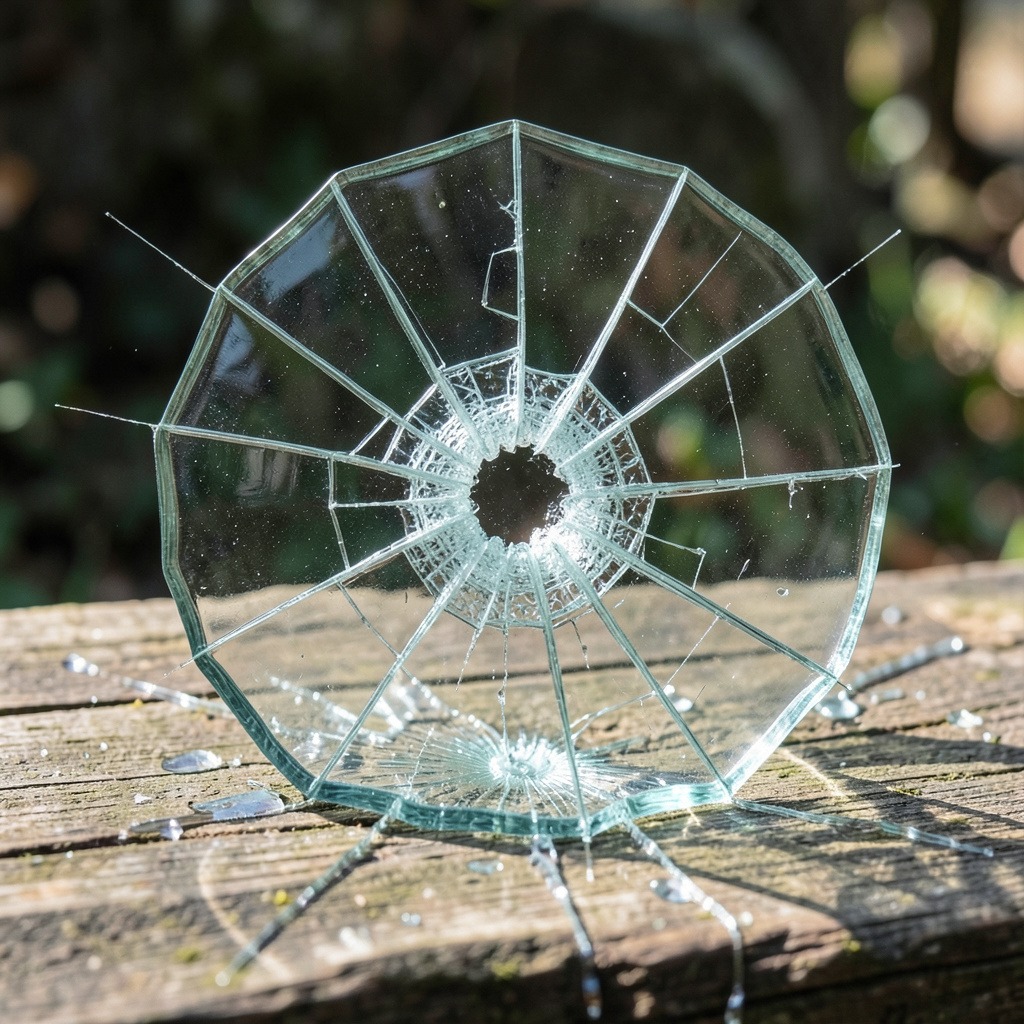
The act of breaking glass often evokes strong reactions, ranging from fear to relief. Many cultures attribute spiritual significance to this event, interpreting it as either a harbinger of good luck or a bad omen. Understanding these dual perspectives can provide insight into how individuals navigate the emotional landscape surrounding glass breaking.
The Good Luck Perspective
In various cultures, breaking glass is seen as a positive sign. This interpretation suggests that the shattering of glass symbolizes the release of negative energy. Some spiritual beliefs posit that broken glass acts as a protective barrier, absorbing misfortune to shield individuals from harm.
- Transformation: The breaking of glass can signify personal growth. It is often viewed as a necessary step for new beginnings. For instance, a shattered glass during a stressful time may indicate the end of a difficult phase, paving the way for positive change.
- Celebration: In some traditions, breaking glass during celebrations signifies joy and good fortune. For example, Jewish weddings often include the breaking of a glass, symbolizing the fragility of relationships and the joy of the union.
The Bad Luck Perspective
Conversely, many regard broken glass as a warning sign. In various belief systems, the act of breaking glass can signal impending misfortune or discord.
- Warning Signs: In some cultures, if glass breaks during a disagreement, it may be interpreted as a sign of relationship issues. This belief suggests that the event is a manifestation of underlying tensions.
- Superstitions: Many individuals avoid sweeping up broken glass immediately, fearing that doing so may invite bad luck. Instead, they may wait for a specific period or engage in rituals to counteract the perceived negative effects.
Interpreting the Context of Glass Breaking
The meaning derived from a glass breaking incident often hinges on the context of the event. To accurately interpret the spiritual implications, consider the following factors:
1. Circumstance: Was the glass broken accidentally, or did it occur during a significant moment?
2. Cultural Background: Which cultural beliefs might influence the interpretation of the breakage?
3. Follow-Up Actions: What rituals or practices are performed post-incident? Engaging in specific actions can help mitigate perceived negative impacts.
By analyzing these elements, individuals can better understand the spiritual messages conveyed through glass breaking incidents. This framework allows for a more nuanced interpretation, acknowledging that each incident carries its unique significance shaped by personal and cultural perspectives.
Psychological and Emotional Reactions to Glass Breaking
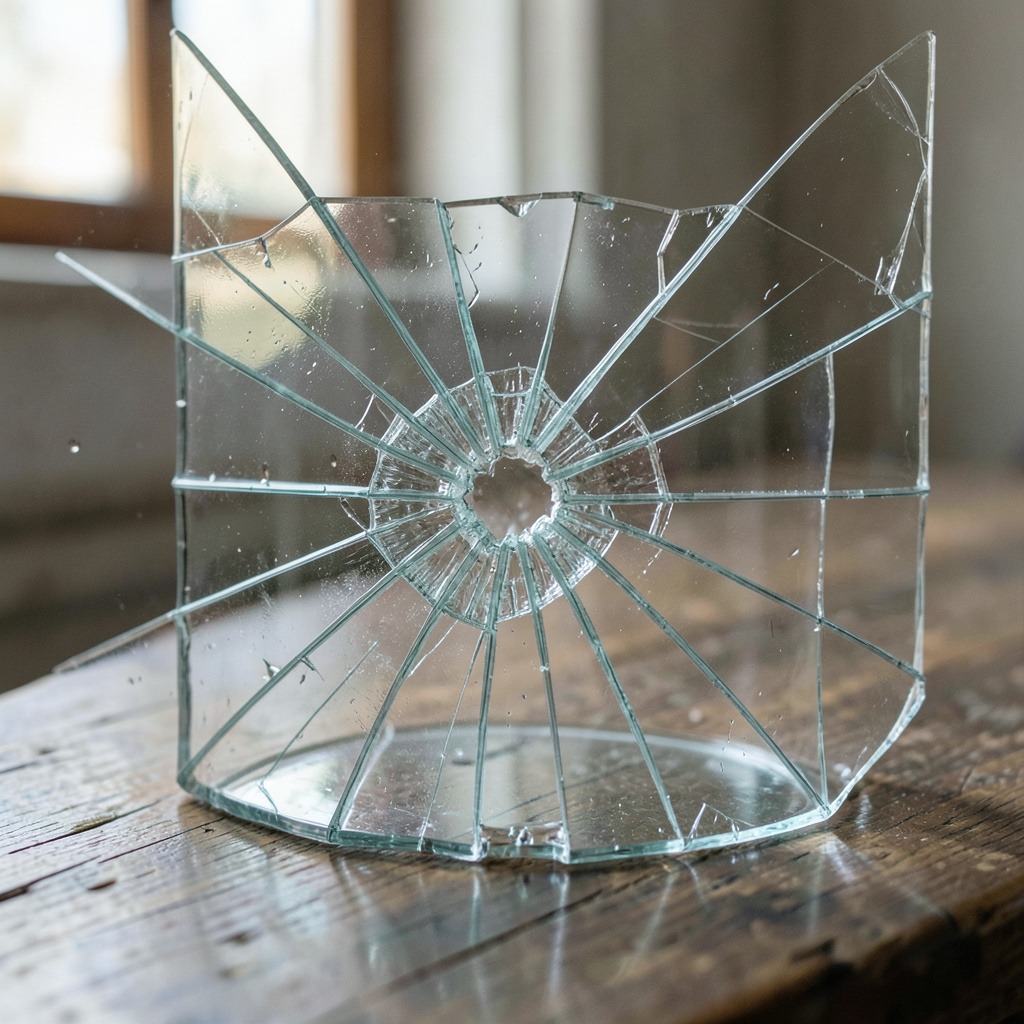
The breaking of glass can trigger a range of psychological responses, influencing how individuals interpret this seemingly mundane event. Understanding these reactions can illuminate the deeper meanings attributed to glass breaking superstitions.
Common Emotional Reactions
When glass breaks, the initial emotional response is often one of shock or surprise. This reaction is typically accompanied by heightened alertness. Individuals may experience:
- Fear: The sudden noise can evoke fear, leading to the belief that the incident is an omen.
- Anxiety: Concerns about bad luck can heighten anxiety levels, influencing how one perceives future events.
- Sadness: Broken glass may symbolize loss, triggering feelings of grief or nostalgia.
Fear and Superstition
Fear plays a significant role in the interpretation of glass breaking. Many cultures associate broken glass with misfortune or bad luck. This belief can stem from personal experiences or societal narratives. For instance, someone who has encountered multiple unfortunate events after a glass-breaking incident may develop a conditioned response, viewing subsequent breaks as negative omens.
The Role of Personal Beliefs
Personal beliefs significantly shape emotional responses to glass breaking. Consider the following example:
- Scenario: An individual raised in a culture where breaking glass is seen as a bad omen hears a loud crash in their home. They find a broken vase and immediately feel a wave of anxiety, fearing that this signifies impending misfortune.
- Contrast: In a different cultural context, someone may view the same incident as a cleansing event, symbolizing the end of old habits and welcoming new beginnings.
This illustrates how deeply ingrained beliefs can dictate emotional responses, impacting one’s interpretation of the event.
Key Takeaways
- The reaction to glass breaking varies based on cultural background and personal beliefs.
- Emotional responses like fear or anxiety can lead to superstitions surrounding broken glass.
- Understanding these psychological impacts can help individuals navigate their feelings and reactions.
By acknowledging the psychological dimensions of glass breaking, individuals can better interpret the event’s significance, guiding their emotional responses and actions in its aftermath.
Common Misconceptions About Glass Breaking Superstitions

Understanding glass breaking superstitions involves navigating a web of cultural beliefs and emotional responses. Many misconceptions exist that can cloud our interpretation of these events. This section clarifies these myths and reveals the realities behind glass breaking superstitions.
Myths About Bad Luck
A prevalent myth surrounding glass breaking is the universal belief that it brings bad luck. This notion often stems from the famous superstition regarding mirrors, where breaking one is said to lead to seven years of misfortune. However, this belief is not universally accepted.
- In some cultures, breaking glass signifies cleansing and the removal of negative energy.
- In regions like Tamil Nadu, breaking glass is viewed as a positive omen, indicating renewal rather than misfortune.
- Jewish tradition sees breaking glass at weddings as a reminder of life’s fragility, rather than an omen of bad luck.
Misunderstandings of Cultural Practices
Cultural interpretations of glass breaking can lead to misunderstandings. Not every culture views the incident negatively; some see it as a transformative event.
- In Hinduism, broken glass can symbolize the release of negative karma, suggesting a positive change.
- In contrast, regions like Uttar Pradesh and Punjab interpret broken glass as a sign of impending family disputes or bad news.
- These varying beliefs highlight the importance of context in understanding superstitions.
The Role of Context in Interpretations
The interpretation of glass breaking often depends on the context in which it occurs. Different situations can yield drastically different meanings.
- Weddings and Celebrations: Breaking glass during joyful events may be viewed as bad luck, especially for women, prompting rituals to counteract the negative implications.
- Accidental Breaks in Daily Life: In casual settings, breaking a glass might simply lead to cleaning it up without any fear of misfortune.
To better understand how to respond to such incidents, consider the context. Ask yourself:
- What was the setting of the breakage?
- Are there cultural beliefs that might influence the interpretation?
- Should a ritual be performed to mitigate any perceived negative consequences?
By analyzing these factors, individuals can navigate their emotional responses and take appropriate actions.
Rituals and Practices Following Glass Breaking
When glass breaks, many cultures have established rituals to address the incident. These practices often serve to mitigate perceived bad luck or to symbolize transformation and renewal. Here are some notable rituals from various traditions.
Jewish Wedding Traditions
In Jewish culture, breaking glass is a significant act during weddings. The groom traditionally breaks a glass underfoot, symbolizing the fragility of relationships and the need to cherish them. After the glass shatters, guests often exclaim “Mazel Tov!” which translates to “Good Luck!” This act serves as a reminder that life includes both joy and sorrow. It reinforces the idea that moments of beauty can coexist with fragility.
Hindu Cleansing Rituals
In Hinduism, breaking glass is often interpreted as a release of negative energy. Following an incident, families may perform a cleansing ritual to restore harmony. Common practices include:
- Sweeping the Area: The first step is to carefully clean the broken glass while reciting prayers or mantras. This act symbolizes the removal of negativity.
- Lighting a Diya (Lamp): Lighting a lamp fills the space with positive energy. It is believed to invite blessings and dispel darkness.
- Offering Prayers: Families may gather to offer prayers for protection and prosperity, reinforcing their connection to spiritual beliefs.
Modern Interpretations and Practices
In contemporary society, interpretations of glass breaking vary widely. Here are some common practices:
- Mindfulness Reflection: Individuals may take a moment to reflect on their feelings and the context of the breakage. This practice encourages awareness and grounding.
- Journaling Experiences: Writing down the incident and associated emotions can help in processing feelings. This can lead to personal insights about change and growth.
- Creating Rituals: Some may choose to create their own rituals, such as burning sage or lighting candles, to symbolize new beginnings or to clear away negativity.
Checklist for Responding to Glass Breaking
1. Assess the Situation: Consider the context of the breakage.
2. Clean Up Safely: Remove all glass pieces carefully.
3. Perform a Cleansing Ritual: Follow cultural practices that resonate with you.
4. Reflect on the Experience: Take time to understand your feelings.
5. Share with Others: Discuss the incident with friends or family for support.
By acknowledging these cultural practices, individuals can navigate the emotional landscape of glass breaking incidents, integrating spiritual insights into their responses.
Practical Framework for Interpreting Glass Breaking Incidents
Understanding the significance of glass breaking can provide insights into personal experiences and cultural beliefs. This framework will help you interpret these incidents through various lenses.
Assessing the Type of Glass Broken
Different types of glass can carry distinct meanings. Consider the following classifications:
- Everyday Glass: Common items like drinking glasses may suggest minor disruptions or reminders to stay present.
- Antique or Ceremonial Glass: These may symbolize deeper transformations or the need to let go of past attachments.
- Mirrors: Breaking a mirror often reflects changes in self-perception or relationships, typically viewed as a warning or omen.
Evaluating the Context of Breaking
The circumstances surrounding the glass breaking play a crucial role in interpretation:
- Accidental: Often viewed as a simple mistake, an accidental break may indicate a need for mindfulness in your daily life.
- Intentional: If the glass is broken during a ritual or ceremony, it may symbolize the release of old energies or the initiation of new beginnings.
- Frequency: Multiple instances may signify a pattern or message that warrants further reflection and exploration.
Personal Reflection and Interpretation
After assessing the type and context, engage in personal reflection:
1. Emotional Response: How did the incident make you feel? Fear, confusion, or curiosity can guide your exploration of meaning.
2. Cultural Beliefs: Reflect on your background. Do you associate glass breaking with good luck or bad luck? This can shape your interpretation significantly.
3. Ritual Response: Consider performing a cleansing ritual, such as lighting a candle or meditating, to harness the experience positively.
By combining these assessments and reflections, you can develop a more nuanced understanding of the glass breaking incident and its potential implications in your life.
Frequently Asked Questions
These quick answers cover the most common questions about this topic, including key details, practical tips, and common concerns.
What does breaking a glass symbolize?
Breaking a glass can symbolize various meanings depending on cultural context. In some traditions, it represents the release of negative energy or the fragility of life. For example, in Jewish weddings, breaking a glass signifies the complexities of relationships, while in Hinduism, it can indicate a cleansing of negative forces.
Is it good or bad if glass breaks?
The interpretation of broken glass varies widely. In many cultures, it is viewed as a bad omen, especially if it happens during a disagreement. Conversely, others see it as a sign of good luck or transformation, suggesting that the breakage can lead to new beginnings or the dispelling of negativity.
What should you do if you accidentally break glass?
If you accidentally break glass, first ensure your safety by carefully cleaning up the shards. Use a broom and dustpan to gather the pieces, and consider wearing gloves to protect your hands. Afterward, you may choose to perform a cleansing ritual, such as lighting a candle or reciting a prayer, to mitigate any perceived negative effects.
When does breaking glass signify good luck?
Breaking glass is often seen as a sign of good luck during celebratory events, like weddings. In these contexts, the act symbolizes joy and the start of a new chapter. Additionally, some cultures interpret the shattering of glass as a release of negative energy, paving the way for positive changes in one’s life.
Should we keep broken glass at home?
Generally, it’s advisable not to keep broken glass at home, as it can be a safety hazard. However, some cultures may have specific beliefs surrounding broken glass that suggest it should be treated with care. If you believe broken glass carries negative energy, consider performing a ritual to cleanse your space before disposing of it properly.
How to interpret the meaning of broken glass?
To interpret the meaning of broken glass, consider the context of the incident. Ask yourself questions such as: What type of glass broke? Was it accidental or intentional? What was happening at the time? Reflect on your personal beliefs and cultural background, as these can significantly influence your interpretation.
What does it mean spiritually when thick glass breaks unexpectedly?
When thick glass breaks unexpectedly, it may symbolize a sudden shift or change in one’s life. Spiritually, it can indicate the breaking of barriers or the release of stagnant energy. Such incidents might prompt individuals to reflect on their current circumstances and consider embracing new opportunities or changes.