
Cú Chulainn, known as the ‘Hound of Culann,’ is Ireland’s legendary hero famous for his extraordinary feats and tragic life in the Ulster Cycle. His story is a blend of heroism, supernatural abilities, and poignant tragedy that has captivated audiences for centuries.
The Birth and Early Life of Cú Chulainn
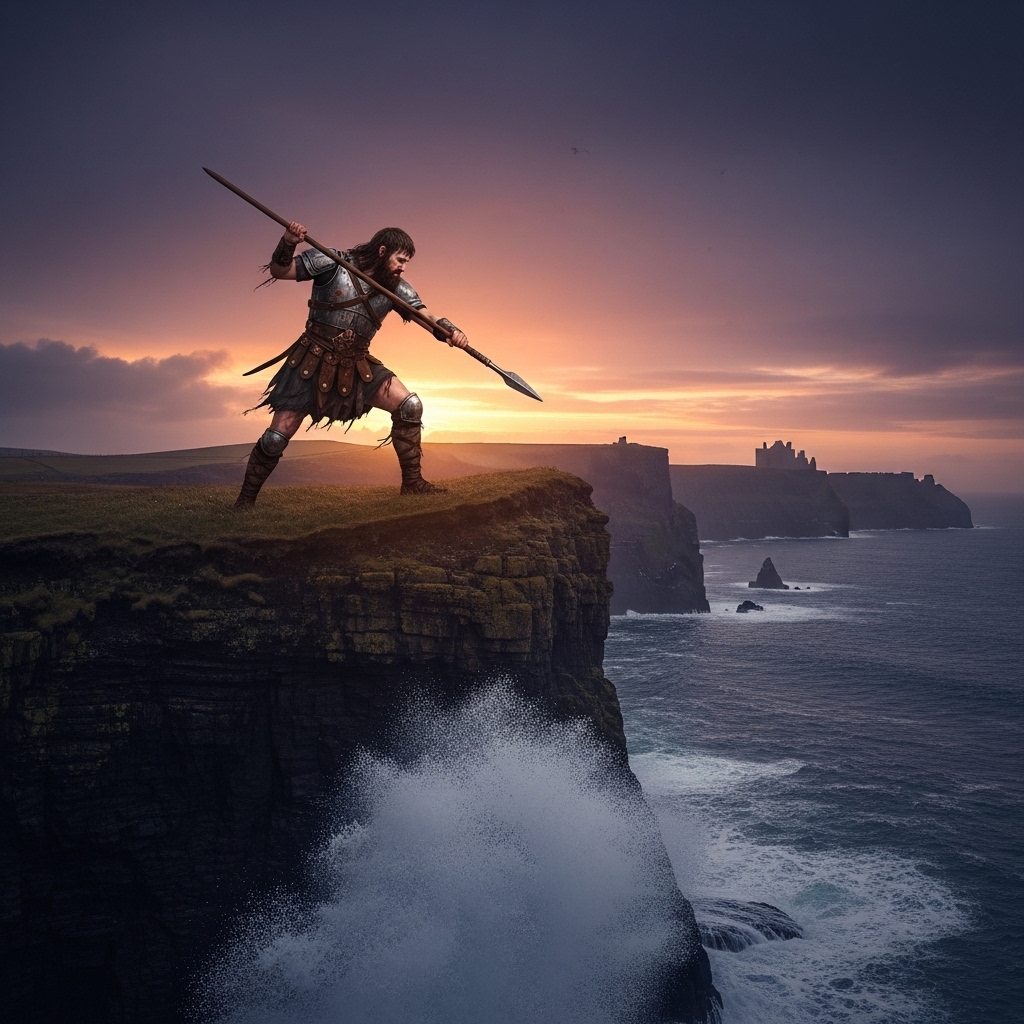
Cú Chulainn’s origins are steeped in myth and intrigue, with accounts of divine parentage and supernatural events surrounding his birth. His early life laid the foundation for his legendary status as a hero in Irish mythology.
Cú Chulainn’s Divine Heritage
Cú Chulainn, born Sétanta, is often described as the son of the god Lugh and the mortal woman Deichtine. This divine lineage attributes to him extraordinary abilities, setting him apart as a hero from a young age. His birth was foretold by prophecies, with signs marking his arrival. According to legend, these signs included unusual phenomena in the sky, symbolizing his significant future.5Parentage:
-
- Lugh: Major deity in Irish mythology, associated with skills and mastery.
- Deichtine: Sister of Conochbar mac Nessa, the king of Ulster.
The Significance of His Name
Cú Chulainn’s name translates to “Culann’s hound,” a title earned through a pivotal childhood event. As a young boy, he killed a fierce watchdog belonging to a smith named Culann. To make amends, he volunteered to protect Culann’s home until a replacement dog could be trained. This act of bravery not only earned him his name but also marked his emergence as a protector and hero.
- Name Origin:
- Sétanta: His birth name, possibly linked to a Celtic tribe.
- Cú Chulainn: Reflects warrior traits and his role as a guardian.
Training Under Scáthach
Cú Chulainn’s formidable skills were honed under the tutelage of Scáthach, a renowned female warrior. She trained him in the arts of combat and instilled in him supernatural fighting techniques. This training was marked by several unique elements:
- Combat Skills:
- Mastery of the Gáe Bulg, a deadly spear that requires skill to use effectively.
- Techniques that emphasized agility and strength, allowing him to outmaneuver opponents.
- Training Techniques:
- Scáthach employed both practical training and mythological elements to prepare Cú Chulainn for battle.
- He faced real challenges, including combat against rival warriors, sharpening his instincts and skills.
Cú Chulainn’s experiences during this formative period shaped him into a legendary figure, known for his heroism and tragic fate. His training under Scáthach highlights the blend of human effort and divine influence that characterizes his life and legacy.
Table of Contents
The Heroic Deeds of Cú Chulainn
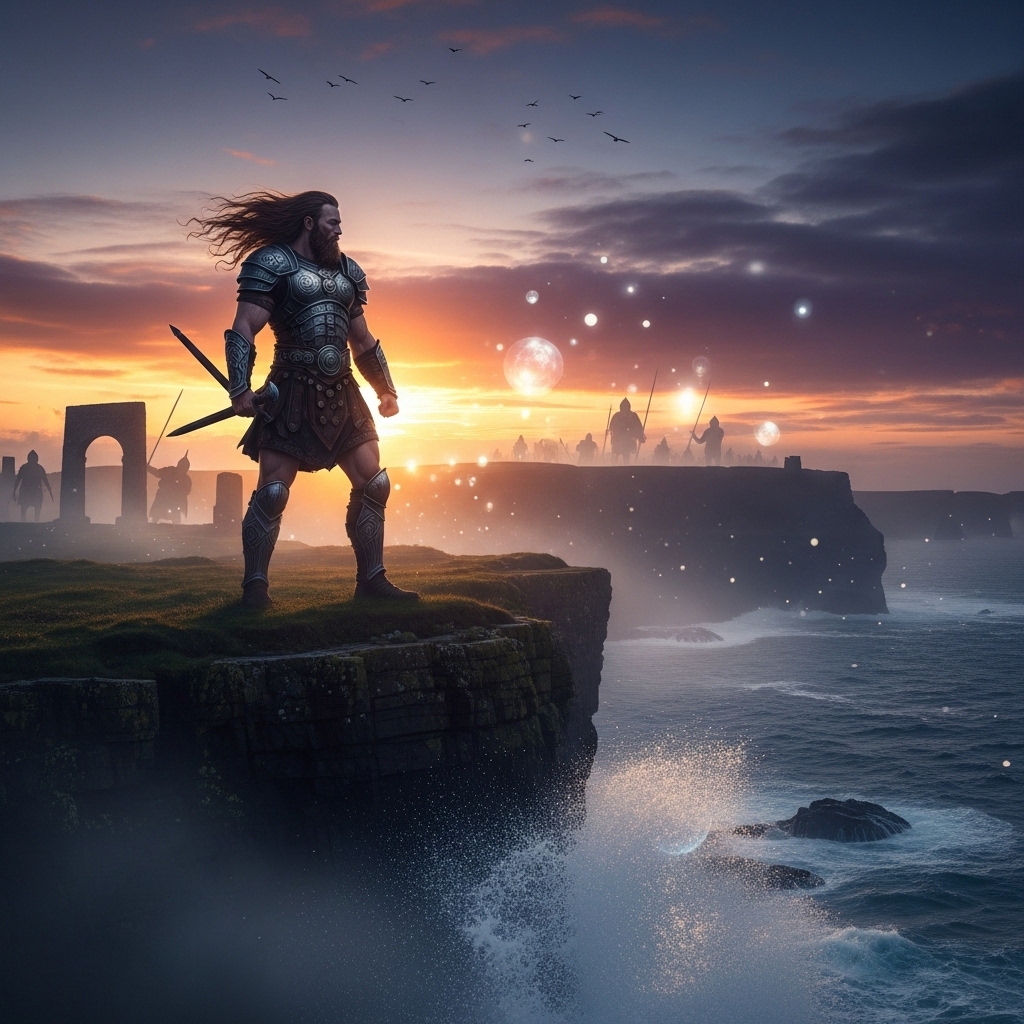
Cú Chulainn’s legacy is defined by his extraordinary battles and heroic acts, particularly during the Táin Bó Cúailnge, a cornerstone of the Ulster Cycle. His valor and skills in combat illustrate the essence of heroism in Irish mythology.
The Cattle Raid of Cooley
The Táin Bó Cúailnge, or the Cattle Raid of Cooley, is perhaps the most significant episode in Cú Chulainn’s life. This epic tale narrates his defense of Ulster against the armies of Connacht, led by Queen Medb.
- Context: Medb sought to steal the prized brown bull of Cooley, igniting a conflict with Ulster.
- Heroic Stand: Cú Chulainn, at only seventeen, was the sole defender of Ulster. The warriors of Ulster were incapacitated due to a curse, leaving him to face the invading forces alone.
- Single Combat: He invoked the right of single combat, challenging Medb’s champions at various fords. Cú Chulainn defeated numerous adversaries, showcasing his unmatched combat prowess.
His tactical brilliance involved using the landscape to his advantage. He would often fight formidable opponents one at a time, employing agility and strength to outmaneuver them. This strategic approach solidified his reputation as a fierce warrior.
Supernatural Abilities in Battle
Cú Chulainn possessed extraordinary abilities that set him apart from ordinary warriors. His supernatural traits contributed significantly to his legend.
- Ríastrad: In battle, he entered a frenzied state known as ríastrad, where he transformed into a fearsome figure, making him nearly invincible.
- Gáe Bulg: His signature weapon, the Gáe Bulg, inflicted multiple wounds with a single strike. This spear symbolized his lethal effectiveness in combat and his heroic identity.
These abilities allowed Cú Chulainn to face overwhelming odds. His encounters often contained elements of magic and fate, underscoring the blending of the mortal and the divine in his character.
Cú Chulainn’s Warriors’ Code
Cú Chulainn adhered to a strict code of honor, which guided his actions and decisions throughout his life.
- Geasa: He followed a set of taboos known as geasa, which dictated his behavior. These included prohibitions against certain actions and demands for bravery.
- Honor and Valor: Cú Chulainn’s commitment to honor often drove him into perilous situations. His tragic fate stemmed from breaking his geasa, illustrating the tension between heroism and personal sacrifice.
In his final battle, Cú Chulainn’s adherence to his code led to his downfall. This aspect of his character highlights the complexity of heroism, where the very traits that elevate a hero can also lead to their demise.
Cú Chulainn’s legacy endures as a paragon of heroism in Irish mythology. His feats continue to influence modern interpretations of heroes and the nature of bravery itself.
The Tragic Elements of Cú Chulainn’s Story
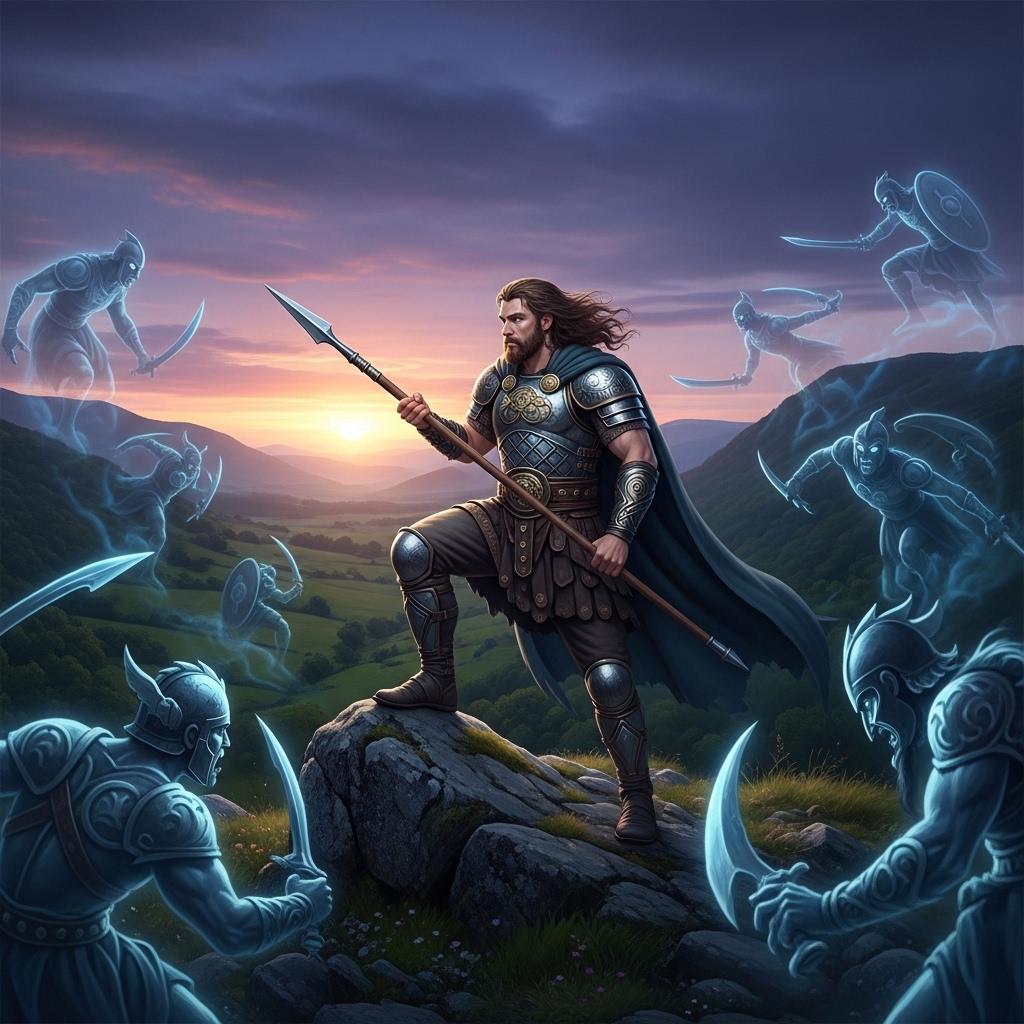
Cú Chulainn’s life is steeped in tragedy, marked by fateful prophecies and complex relationships. These elements shape not only his character but also the narrative of heroism in Irish mythology.
The Fate of Cú Chulainn
Cú Chulainn’s destiny is fraught with foreboding. Prophecies foretell his demise, which he struggles to avoid. Despite his extraordinary abilities, he cannot escape the tragic path laid out for him. Key events include:
- Breaking of Geasa: Cú Chulainn’s adherence to his sacred vows, known as geasa, leads to his downfall. His violation of these taboos—especially refusing hospitality—weakens him in battle.
- Final Confrontation: In his last battle, Cú Chulainn ties himself to a standing stone to face his enemies. This act symbolizes his unwavering spirit, even in the face of death.
Relationships and Their Consequences
Cú Chulainn’s relationships significantly impact his fate. They illustrate the intertwining of love, loyalty, and tragedy.
- Emer: Cú Chulainn’s wife, whose love for him is profound yet complicated. Their relationship endures trials, including Cú Chulainn’s infatuation with Fand.
- Connla: His son, unaware of his father’s identity, ultimately faces Cú Chulainn in battle. The tragic irony of their fight—where Cú Chulainn kills Connla—highlights the devastating consequences of fate on familial bonds.
The Role of Prophecy
Prophecy plays a central role in Cú Chulainn’s life. It shapes his actions and foreshadows his end.
- Inevitability of Fate: The prophecies surrounding Cú Chulainn serve as a cautionary tale about the limits of human agency. He strives to avoid his foretold death, yet each effort leads him closer to it.
- Cautionary Nature: His story warns of the perils of pride and the inescapable nature of destiny. Even the mightiest hero cannot alter what is prophesied.
Cú Chulainn’s tragic journey embodies the essence of heroism intertwined with sorrow. His relationships and the weight of prophecy create a rich tapestry of meaning, reflecting the complexities of heroism in Celtic mythology.
Cú Chulainn’s Cultural Significance and Legacy
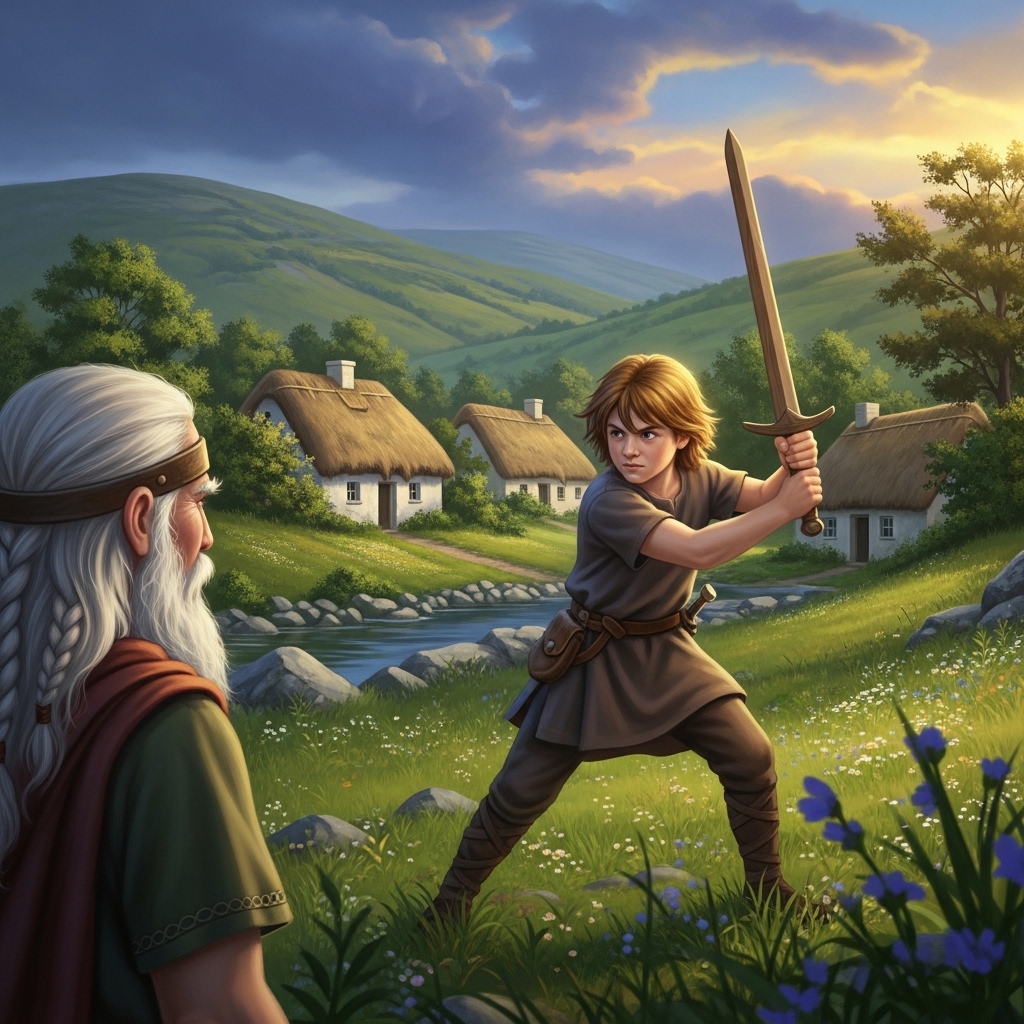
Cú Chulainn’s influence extends deeply into Irish culture, literature, and modern media, symbolizing heroism and the complexities of human nature. His legacy continues to resonate, shaping narratives and artistic expressions across generations.
Cú Chulainn in Literature and Art
Cú Chulainn appears prominently in ancient texts, most notably the Ulster Cycle, where his feats and tragic fates are central. Medieval monks preserved his stories, ensuring their survival and significance. Notable works that feature Cú Chulainn include:
- Táin Bó Cúailnge: This epic highlights his valor and tragic destiny.
- Lady Gregory’s Retellings: Her adaptations in the early 20th century popularized Cú Chulainn during the Celtic Revival.
Artistic representations also abound. The bronze sculpture by Oliver Sheppard, depicting the dying Cú Chulainn, stands as a poignant symbol of sacrifice and resistance. This piece was unveiled in the Dublin General Post Office, linking the hero’s legacy to Ireland’s fight for independence.
Modern Interpretations and Adaptations
Cú Chulainn’s character has been reinterpreted in various contemporary works, reflecting both heroic and tragic elements. Modern adaptations often explore themes of identity, sacrifice, and national pride. Examples include:
- Literature: Contemporary novels continue to reimagine his stories, making them accessible to new audiences.
- Visual Arts: Cú Chulainn is frequently depicted in murals and public art, symbolizing resilience and cultural heritage.
This ongoing reinterpretation allows audiences to engage with his mythos in relevant ways, highlighting the duality of his heroism and the moral complexities of his choices.
The Relevance of Cú Chulainn Today
Cú Chulainn remains a powerful cultural icon. His image is used in various contexts, from political activism to educational curricula. He embodies the spirit of Irish nationalism and the struggle for autonomy. Key aspects of his relevance include:
- Symbol of Resistance: Cú Chulainn’s defiance against overwhelming odds resonates with modern movements for justice and equality.
- Cultural Education: His stories are included in Irish schools, ensuring that new generations learn about his significance.
Cú Chulainn’s legacy illustrates how mythology can shape cultural identity and reflect societal values, making him an enduring figure in both Irish history and global storytelling.
Comparisons with Other Celtic Heroes
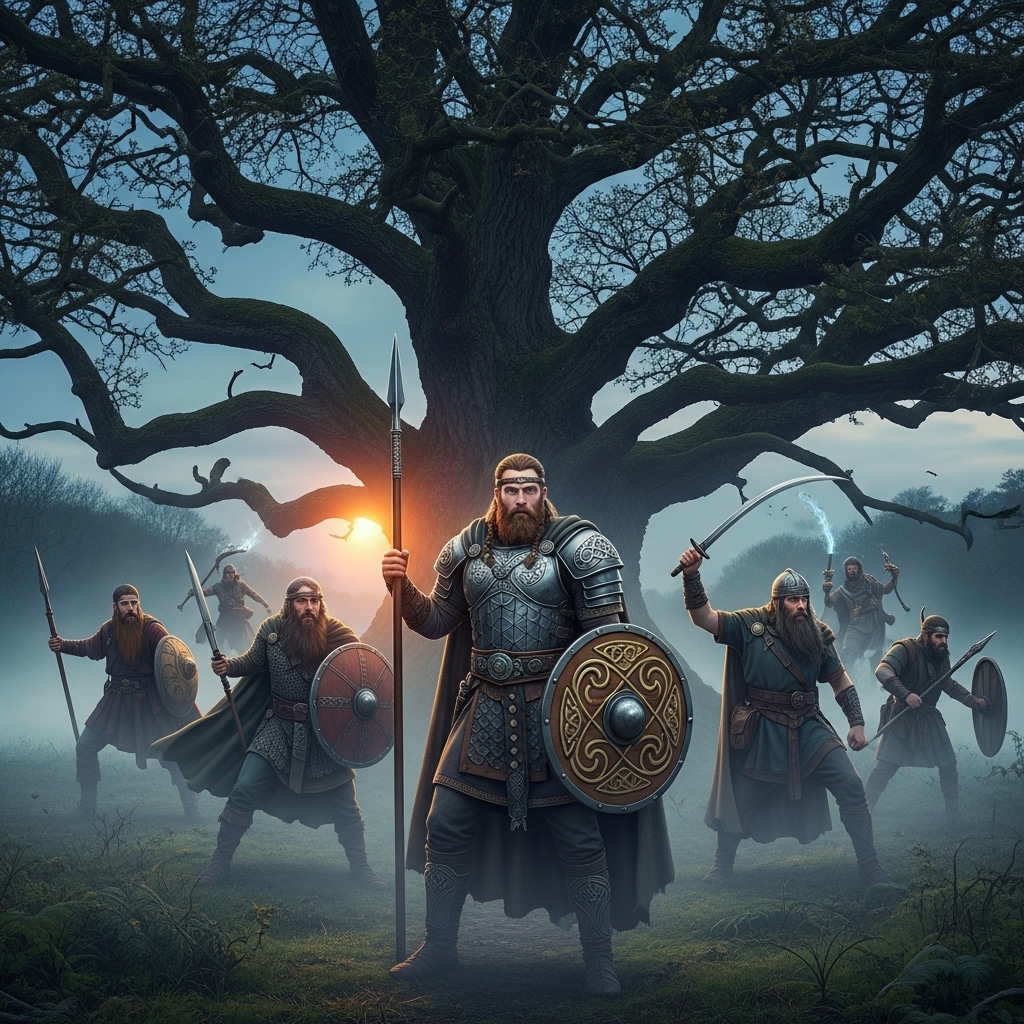
Cú Chulainn stands as a central figure in Irish mythology, yet he shares notable similarities and differences with other Celtic heroes. By examining these figures, we can better understand Cú Chulainn’s unique place in the pantheon of Celtic legends.
Cú Chulainn vs. Achilles
Cú Chulainn and Achilles are both emblematic of heroic ideals in their respective cultures. Here are key points of comparison:
- Divine Parentage: Both heroes have divine fathers. Cú Chulainn’s father is Lugh, a god of skill and craftsmanship, while Achilles is the son of the sea goddess Thetis.
- Heroic Feats: Each warrior performs extraordinary deeds. Cú Chulainn wields the Gáe Bulg, a spear that inflicts multiple wounds with a single strike, while Achilles is known for his unmatched combat skills and near invulnerability.
- Tragic End: Both heroes face tragic fates. Cú Chulainn dies after breaking his geasa (taboos), while Achilles falls victim to a single arrow aimed at his heel, his only vulnerable spot.
Similarities with Other Celtic Figures
Cú Chulainn’s narrative intersects with other heroes in Celtic mythology. Notable comparisons include:
- Fergus mac Róich: Like Cú Chulainn, Fergus is a warrior of great renown. Both characters demonstrate fierce loyalty to Ulster, though Fergus often serves as a mentor and ally rather than a rival.
- Diarmuid Ua Duibhne: Diarmuid’s story mirrors Cú Chulainn’s in themes of love and betrayal, particularly in his tragic romance with Gráinne, which leads to dire consequences akin to Cú Chulainn’s own romantic entanglements.
Heroism Across Cultures
The concept of heroism in mythology often transcends cultural boundaries. Commonalities between Celtic heroes and figures from other traditions include:
- Moral Dilemmas: Heroes like Cú Chulainn and King Arthur grapple with choices that define their legacies. Their decisions often lead to personal loss, illustrating the burdens of leadership.
- Supernatural Elements: The use of magic and divine intervention is prevalent. Both Cú Chulainn and figures like Hercules leverage extraordinary abilities to achieve legendary status.
This comparative framework situates Cú Chulainn not only as a hero within Irish mythology but also as part of a broader narrative of heroism that spans cultures and epochs.
Frequently Asked Questions
These quick answers cover the most common questions about this topic, including key details, practical tips, and common concerns.
Who is the greatest hero in Irish mythology?
Cú Chulainn is widely regarded as Ireland’s greatest mythological hero. His feats in battle, supernatural abilities, and tragic fate have made him an enduring symbol of Irish heroism and national identity.
Why is Cú Chulainn famous?
Cú Chulainn is famous for his incredible combat skills, especially during the Táin Bó Cúailnge, where he single-handedly defended Ulster. His unique powers, such as the ríastrad (battle frenzy) and the Gáe Bulg spear, set him apart as a legendary warrior.
Who is the legendary Irish hero?
Cú Chulainn is considered the quintessential legendary Irish hero. His story, part of the Ulster Cycle, blends heroism, divine ancestry, and tragedy, making him a central figure in Irish mythology.
Who are the seven Irish heroes?
The “seven Irish heroes” is a traditional list that varies, but often includes figures like Cú Chulainn, Fionn mac Cumhaill, Diarmuid Ua Duibhne, Fergus mac Róich, Lugh, Conchobar mac Nessa, and Nuada. These heroes symbolize bravery, strength, and leadership in Irish legend.
How did Cú Chulainn gain his name?
Cú Chulainn earned his name after killing a fierce watchdog belonging to the smith Culann. To make amends, he volunteered to guard Culann’s home, earning the name “Culann’s Hound.” His bravery in this act marked his emergence as a hero.
How did Cú Chulainn die?
Cú Chulainn’s death was foretold by prophecies. He died after breaking his sacred vows (geasa) and tying himself to a standing stone to face enemies. He was eventually killed in battle, embodying both heroism and tragic fate.
Why is Cú Chulainn considered a hero?
He exemplifies bravery, loyalty, and martial skill. His willingness to stand alone against invading armies and his supernatural powers make him a quintessential hero in Irish mythology.
What are the main stories about Cú Chulainn?
Key stories include his childhood training under Scáthach, his heroic defense during the Táin Bó Cúailnge, and his tragic death after breaking his vows. These tales highlight his bravery, supernatural abilities, and tragic heroism.