
The superstition surrounding taking a photo with three people suggests that the person in the middle will face misfortune or death, particularly in Asian cultures.
The superstition regarding three-person photos is prevalent in various cultures, especially in parts of Asia. It suggests that the individual positioned in the middle of the photo may encounter misfortune or even death, leading to caution in photography.
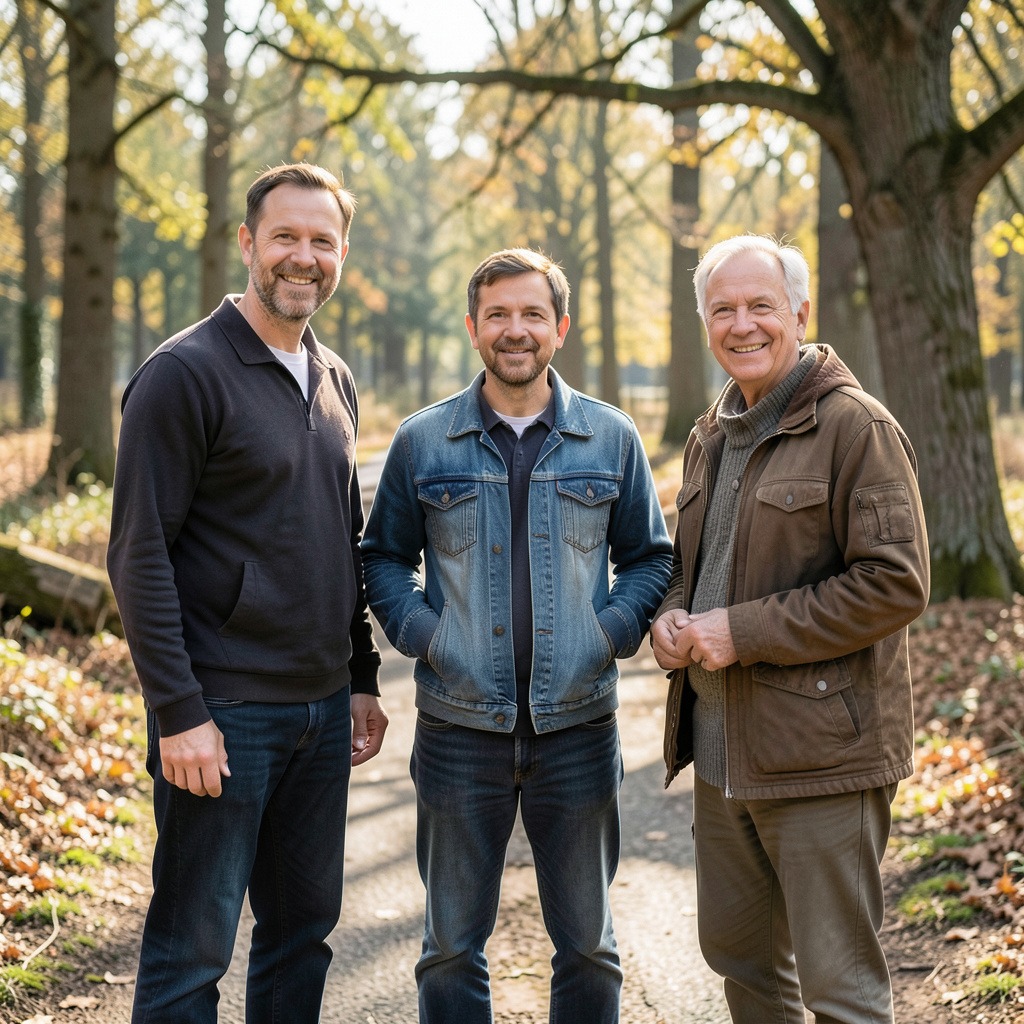
The Origins of the Three Person Photo Superstition
The three person photo superstition is deeply ingrained in the cultural fabric of several Asian societies. It reflects fears surrounding mortality and the significance of numbers in cultural beliefs, particularly in Vietnam and Cambodia.
Historical Background
This superstition likely originates from ancient beliefs surrounding the number three. In many cultures, three symbolizes a cycle of life, death, and rebirth. In Vietnam, it is believed that having three individuals in a photo can invite bad luck, especially for the person in the middle. Historical accounts suggest this belief is rooted in pagan practices and ancestor veneration, where capturing images of individuals could disturb spiritual harmony.
Cultural Significance
The cultural implications of this superstition are vast. In Vietnam, it has become a societal norm to avoid posing for photographs with three people. This avoidance is often reinforced through familial teachings and community stories, creating a collective consciousness around the belief.
- Influence on Behavior: Many individuals will strategically position themselves to avoid the middle spot in group photos.
- Regional Variations: Similar beliefs exist in Cambodia, where the superstition is also prevalent, although interpretations may vary slightly.
- Psychological Impact: The fear of misfortune can lead to anxiety around photography, affecting how people approach group gatherings and celebrations.
Modern Interpretations
In contemporary society, the rise of smartphones has altered perceptions of this superstition. Younger generations, who are more likely to dismiss such beliefs, often take selfies without concern for the three-person rule. However, the cultural roots of this superstition still influence behavior, with many opting for creative angles to avoid the dreaded middle position.
For instance, in a recent family gathering, one individual who believed in the superstition insisted on taking photos with four or more people, thereby feeling safer from any potential bad luck. This illustrates how deeply these cultural beliefs can shape personal choices and social interactions around photography.
Cultural Variations and Interpretations of the Superstition

The superstition surrounding three-person photographs varies significantly across cultures, particularly in Asian societies like Japan, Vietnam, and Cambodia. Each culture has its unique interpretations and practices that reflect deeper beliefs.
Japanese Perspectives
In Japan, the superstition about three-person photos is less pronounced but still noticeable. Many Japanese people believe that having only three people in a photo can invite misfortune. The cultural significance of the number three intersects with concepts of balance and harmony.
- Cultural Anecdotes: A Japanese photographer shared that during family gatherings, they often encouraged group photos with four or more participants. This practice stems from a desire to avoid potential bad luck and ensure everyone feels included.
- Psychological Insight: This belief may stem from a broader cultural tendency to seek harmony. The fear of bad luck can influence how individuals choose to pose in photos, often resulting in larger group shots.
Cambodian Practices
In Cambodia, the superstition is more deeply ingrained. Elders often instruct younger generations to avoid taking pictures with three people. The belief is that the person standing in the middle is particularly vulnerable to misfortune or even death.
- Traditional Beliefs: Cambodians often say, “Just 3? Find another person,” when only three individuals are present. This highlights a cultural avoidance of odd numbers, particularly three, as they are linked to bad spirits.
- Experiential Insights: A Cambodian individual recounted a family wedding where the photographer was asked to include a fourth person for every shot. This practice ensured that no one would be at risk of bad luck, reflecting deep-rooted cultural beliefs.
Comparative Analysis
While the superstition manifests differently across cultures, some common threads can be observed:
| Culture | Belief about the Middle Person | Group Size Preference |
|---|---|---|
| Japan | Can invite misfortune, but less emphasized | Prefer four or more |
| Vietnam | Center person faces significant danger | Avoid photos with three |
| Cambodia | Middle person is at risk of bad luck | Always include a fourth |
These cultural beliefs about three-person photographs illustrate how traditions shape social behaviors and decision-making in photography. Understanding these cultural nuances enhances appreciation for the impact of superstition on everyday life.
The Psychological Impact of Superstitions on Photography
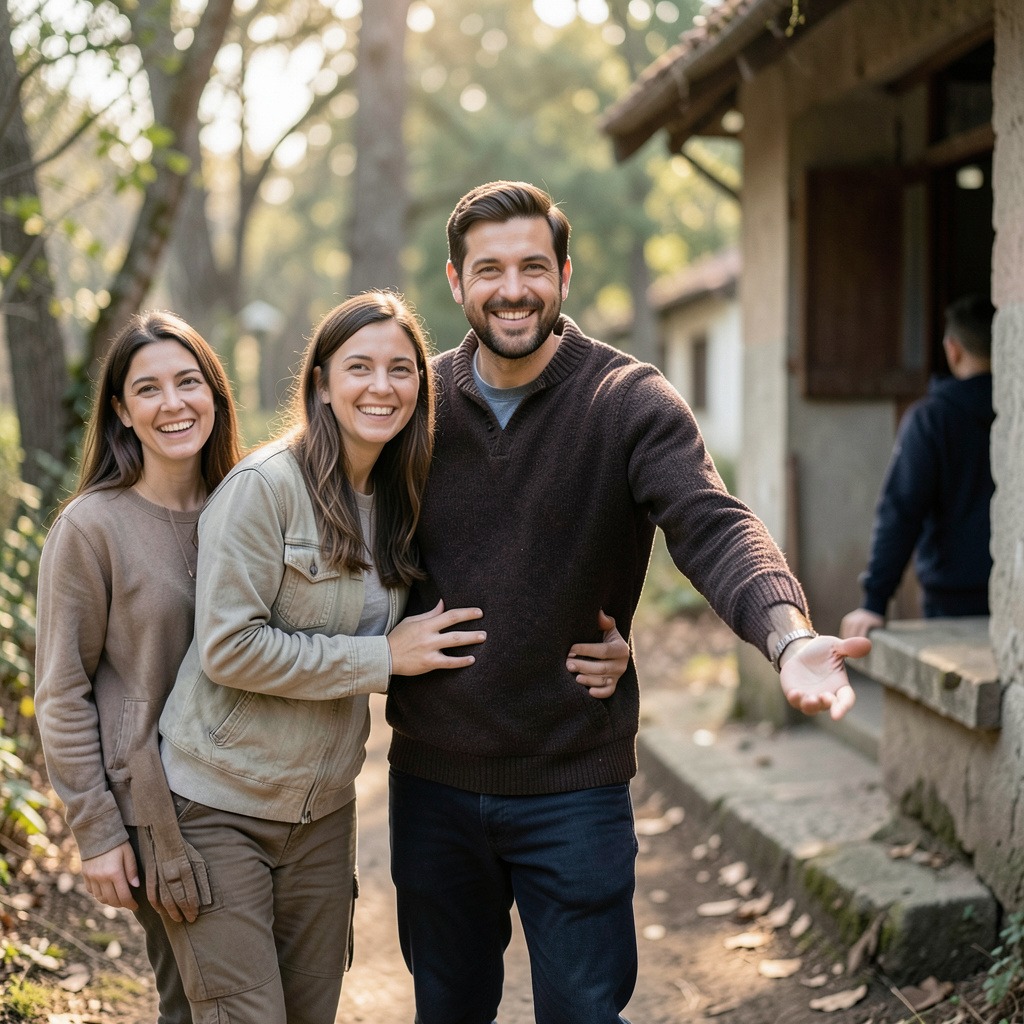
Belief in superstitions can significantly influence behavior, especially when it comes to photography. The fear of misfortune associated with three-person photos often affects how individuals approach capturing moments.
Fear and Decision-Making
Superstitions create a framework that shapes decision-making. When people believe that a three-person photo invites bad luck, they may avoid taking such pictures altogether. This fear can stem from cultural teachings that emphasize the dangers of being photographed in groups of three.
- Influence on Choices: Individuals might opt for larger groups to mitigate perceived risks. For example, a group of friends may invite a bystander to join them in a photo to avoid the curse, even if they are strangers.
- Psychological Mechanisms: The anxiety surrounding the potential misfortune can lead to avoidance behavior. This may manifest as reluctance to participate in social gatherings or events where photography is likely, ultimately impacting personal relationships.
Overcoming Superstition
Despite the ingrained nature of these beliefs, individuals can learn to navigate around them. Understanding the psychological roots of superstitions allows for more rational decision-making.
- Rationalizing Beliefs: Engaging in discussions about the origins of such superstitions can lessen their grip. For instance, exploring the historical context behind the three-person photo superstition may encourage individuals to reassess their fears.
- Coping Strategies:
- Incorporate Humor: Light-heartedly addressing the superstition can diffuse tension.
- Creative Solutions: People can take photos in groups of four or more, effectively sidestepping the superstition.
This proactive approach not only preserves the joy of capturing memories but also helps individuals confront and overcome irrational fears associated with photography.
Modern Perspectives on the Three Person Photo Superstition

Modern technology and evolving cultural attitudes are significantly reshaping beliefs about the three-person photo superstition. Younger generations are increasingly questioning these traditional views, often viewing them as outdated.
The Influence of Smartphones
The rise of smartphones has democratized photography. With everyone carrying a camera in their pocket, the frequency of three-person photos has surged. This accessibility raises questions about the relevance of the superstition.
- Increased Frequency: More photos mean more instances of three-person snapshots.
- Casual Attitude: Many young people view the superstition as a relic of the past. Research indicates that over 70% of individuals aged 18-30 do not believe in the superstition’s implications.
- Creative Alternatives: Young photographers often sidestep the superstition by incorporating additional friends into the frame, thus avoiding the traditional three-person setup.
Shifting Attitudes
Attitudes toward the three-person photo superstition are rapidly changing.
- Cultural Context: While the superstition holds traditional significance in countries like Vietnam, its grip is loosening among younger demographics.
- Psychological Impact: Many young adults report feeling no anxiety about three-person photos. This shift reflects a broader trend of challenging inherited beliefs.
- Social Media Influence: Platforms like Instagram encourage sharing photos without concern for superstition, fostering a culture that prioritizes fun over fear.
In summary, as technology evolves and social norms shift, the three-person photo superstition is increasingly viewed as a cultural curiosity rather than a rule to be strictly observed.
Navigating the Superstition: Practical Tips for Taking Photos
For those who respect the three-person photo superstition, navigating social situations can be challenging. Here are some practical tips to accommodate this belief while still enjoying photography.
Creating a Group of Four
One effective way to sidestep the superstition is to include a fourth person in the photo. This approach not only helps to dispel the bad luck associated with the number three but also encourages a more dynamic group shot.
- Invite a Friend: Before taking a photo, ask someone nearby to join you. This can be a casual interaction that enhances the atmosphere.
- Use Props: Incorporate props that can symbolize a fourth presence, such as holding a stuffed animal or an object that represents a friend who could not attend.
- Staggered Shots: Take multiple photos with different groupings. For example, capture one photo with two people in the foreground and a third person slightly back, creating a visual balance.
Cultural Sensitivity in Photography
Being mindful of cultural beliefs is essential when photographing groups. Here are strategies to ensure everyone feels comfortable:
- Discuss Superstitions Openly: If you’re aware of the superstition, mention it before snapping a photo. This awareness can help reduce anxiety for those who believe in it.
- Respect Preferences: If someone prefers not to be in the middle, accommodate their wishes. This respect fosters a positive environment.
- Create Alternatives: Explore different angles or settings for photos. Candid shots, for example, can capture the moment without focusing on the number of people.
Checklist for Respectful Photography
1. Plan Ahead: Know the preferences of your group regarding the superstition.
2. Include More People: Aim for at least four participants whenever possible.
3. Communicate: Talk to your group about any concerns before taking photos.
4. Be Creative: Use props or staggered arrangements to symbolically represent the fourth presence.
5. Capture Candid Moments: Focus on spontaneous interactions rather than posed shots.
By employing these strategies, you can navigate the three-person photo superstition effectively, respecting cultural beliefs while still enjoying the art of photography.
Frequently Asked Questions
These quick answers cover the most common questions about this topic, including key details, practical tips, and common concerns.
What is the superstition about taking a picture of three people?
The superstition suggests that when three people pose for a photo, the person in the middle is at risk of misfortune or even death. This belief is particularly strong in various Asian cultures, including Vietnam and Cambodia, where it is commonly advised to avoid taking pictures with three people to prevent bad luck.
What is the rule of 3 in pictures?
The rule of 3 in photography often refers to the composition technique where subjects are arranged in groups of three for aesthetic balance. However, in the context of superstition, it highlights the belief that having only three people in a photo can invite negative outcomes, especially for the middle person.
Is it bad luck to have a picture with 3 people?
Yes, many cultures, particularly in Asia, consider it bad luck to take a photo with three people. This belief stems from fears about the middle person’s vulnerability to misfortune. To sidestep this superstition, people often prefer to include a fourth person in group photos.
Why do different cultures have superstitions about photography?
Cultural beliefs about photography often stem from historical practices and societal norms. In many Asian cultures, superstitions are linked to the significance of numbers and the belief that capturing images can disturb spiritual harmony. These beliefs shape social interactions and influence how people approach group photography.
What are some other photography-related superstitions?
In addition to the three-person photo superstition, there are various other beliefs surrounding photography. For instance, some cultures believe that yawning or sleeping in front of a camera can steal one’s soul. Others may hold that taking pictures during significant life events can invite misfortune if not done with care.
When should you be cautious about taking photos with three people?
Be cautious about taking photos with three people during significant life events, such as weddings or funerals, where cultural beliefs may be particularly strong. Additionally, if you’re in a setting with individuals who hold these superstitions, it’s best to avoid three-person photos to respect their beliefs and comfort levels.
How can I avoid bad luck in photos?
To avoid bad luck associated with three-person photos, consider including a fourth person in the shot. You can also use creative angles or props to symbolically represent a fourth presence. Communicating openly with your group about any concerns can help everyone feel more comfortable during the photo-taking process.