
The Year of the Fire Horse superstition claims that women born during this year are ill-fated, believed to bring misfortune and shorten their husbands’ lives, significantly impacting birth rates, especially in Japan.
The superstition surrounding the Year of the Fire Horse has deep cultural roots, particularly in Japan. It associates women born in this year with negative traits, influencing societal perceptions and birth rates across generations, particularly during significant years like 1966.
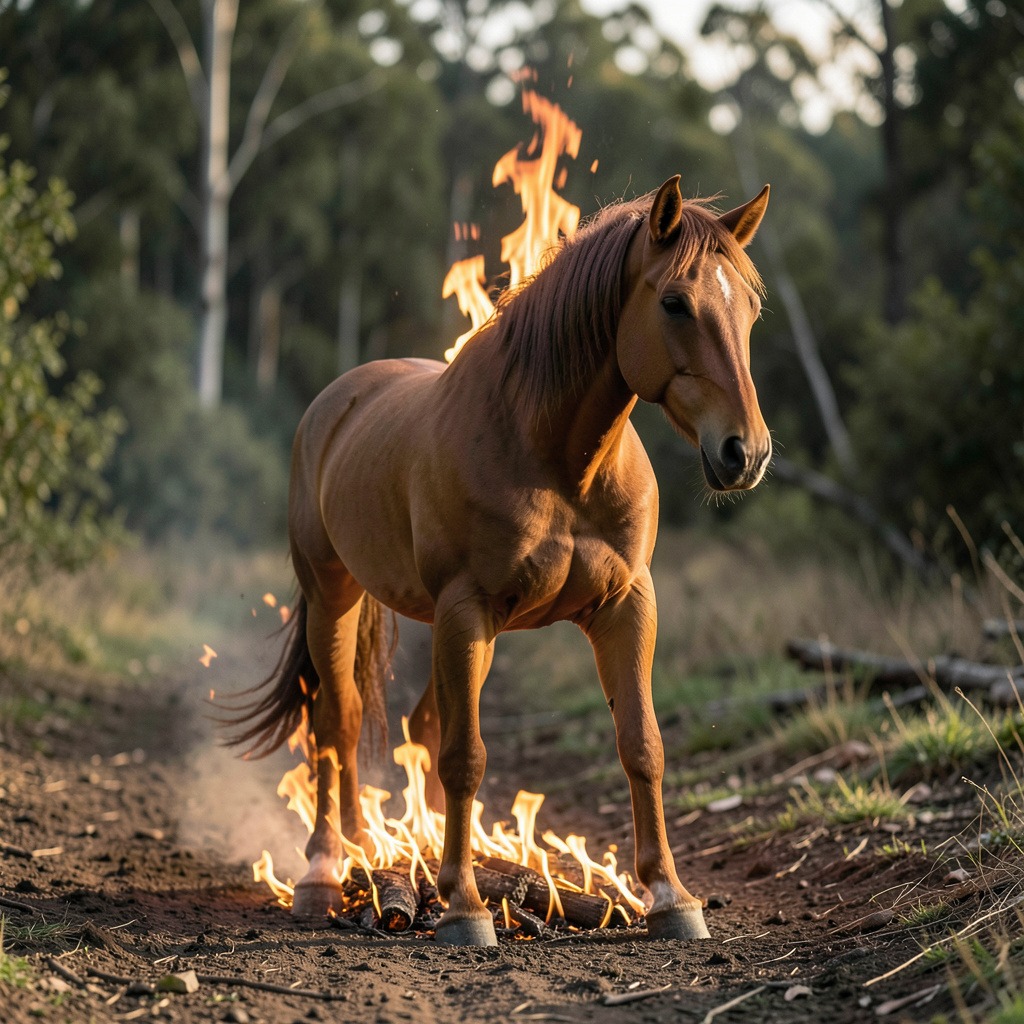
Understanding the Fire Horse Superstition
The Fire Horse superstition is a culturally significant belief primarily in Japan. It associates women born in the Year of the Fire Horse with negative attributes, impacting societal attitudes and birth rates.
Definition of the Fire Horse Superstition
The Fire Horse superstition suggests that women born in this year possess a strong temperament. According to the belief, they can bring misfortune to their husbands, potentially leading to shortened lives and family ruin. This superstition has its roots in the early Edo period, evolving from earlier beliefs concerning fire and disaster. Notably, the tragic tale of Yaoya Oshichi, a woman believed to be born in a Fire Horse year, significantly popularized these negative associations.
Historical Origins and Cultural Context
The superstition emerged during the Edo period, primarily as a response to societal fears and gender roles. In 1906, a year associated with high birth rates for Fire Horse women, many families faced societal pressure regarding marriage prospects. This led to broken engagements and, in extreme cases, suicides of women affected by the stigma. Historical records indicate that local governments, especially in the 1960s, sought to combat these superstitions. Campaigns aimed to educate the public on the irrationality of such beliefs, labeling them as outdated and harmful.
Key historical points include:
- Yaoya Oshichi’s Influence: Her story perpetuated the notion that Fire Horse women were dangerous.
- Demographic Distortions: Significant declines in birth rates during the Fire Horse years can be traced back to societal fears.
- Government Interventions: In the 1960s, campaigns were initiated to dispel the myths surrounding Fire Horse births.
Societal Beliefs and Perceptions
The perception of Fire Horse women has evolved but remains contentious. Many still view them through the lens of superstition, often associating them with misfortune. This bias reflects broader societal issues concerning gender and control. The Fire Horse myth serves as a social control mechanism, reinforcing traditional gender roles and expectations.
Table of Contents
Modern perspectives vary widely. Some view the Fire Horse myth as a relic of the past, while others continue to feel its effects. Personal narratives from women born in Fire Horse years reveal a spectrum of experiences, from stigmatization to empowerment.
For instance:
- Personal Stories: Women share how the superstition affected their marriage prospects and personal lives, illustrating real-life consequences.
- Comparative Superstitions: Similar beliefs exist in other cultures, where certain birth years are linked to negative traits, highlighting a global phenomenon of gender bias.
This multifaceted view of the Fire Horse superstition underscores its deep-rooted impact on societal attitudes and the ongoing challenge of overcoming gender-based superstitions.
The Impact of the Fire Horse on Birth Rates

The superstition surrounding the Year of the Fire Horse significantly influenced birth rates, particularly in 1966. Cultural fears led to notable demographic changes, as families avoided having children during this year due to the stigma attached to Fire Horse women.
Birth Rate Declines: The 1966 Example
In 1966, the birth rate in Japan experienced a sharp decline, attributed largely to the Fire Horse superstition. Cultural beliefs suggested that girls born in this year would bring misfortune to their families.
- Statistical Overview:
- In 1965, approximately 1.4 million births occurred.
- In 1966, this number dropped to around 1.2 million.
The decline is particularly striking when compared to previous years, indicating a direct correlation between the superstition and family planning decisions.
Cultural Reactions and Societal Changes
The Fire Horse superstition prompted various societal reactions. Local governments actively campaigned against the stigma, promoting awareness and scientific reasoning.
- Government Initiatives:
- The Yamagata District Legal Affairs Bureau initiated the “Fire Horse Banishment Campaign.”
- Public parades and surveys aimed to dispel myths and reduce stigma.
This societal response reflects a growing recognition of the need to confront gender biases rooted in cultural superstitions.
Comparison with Other Years of the Fire Horse
The Year of the Fire Horse occurs every 60 years, with notable years including 1906, 1966, and the upcoming 2026. Each occurrence has seen varying societal reactions and birth rate impacts.
- Birth Rate Patterns:
- 1906: Initial fears began to surface, but birth rates remained stable.
- 1966: The peak of superstition-related fears led to significant declines.
- 2026: Anticipated societal shifts may influence future birth rates.
The contrast between these years illustrates the evolving nature of cultural beliefs and their direct impact on demographic trends.
Gender Bias and the Fire Horse Myth
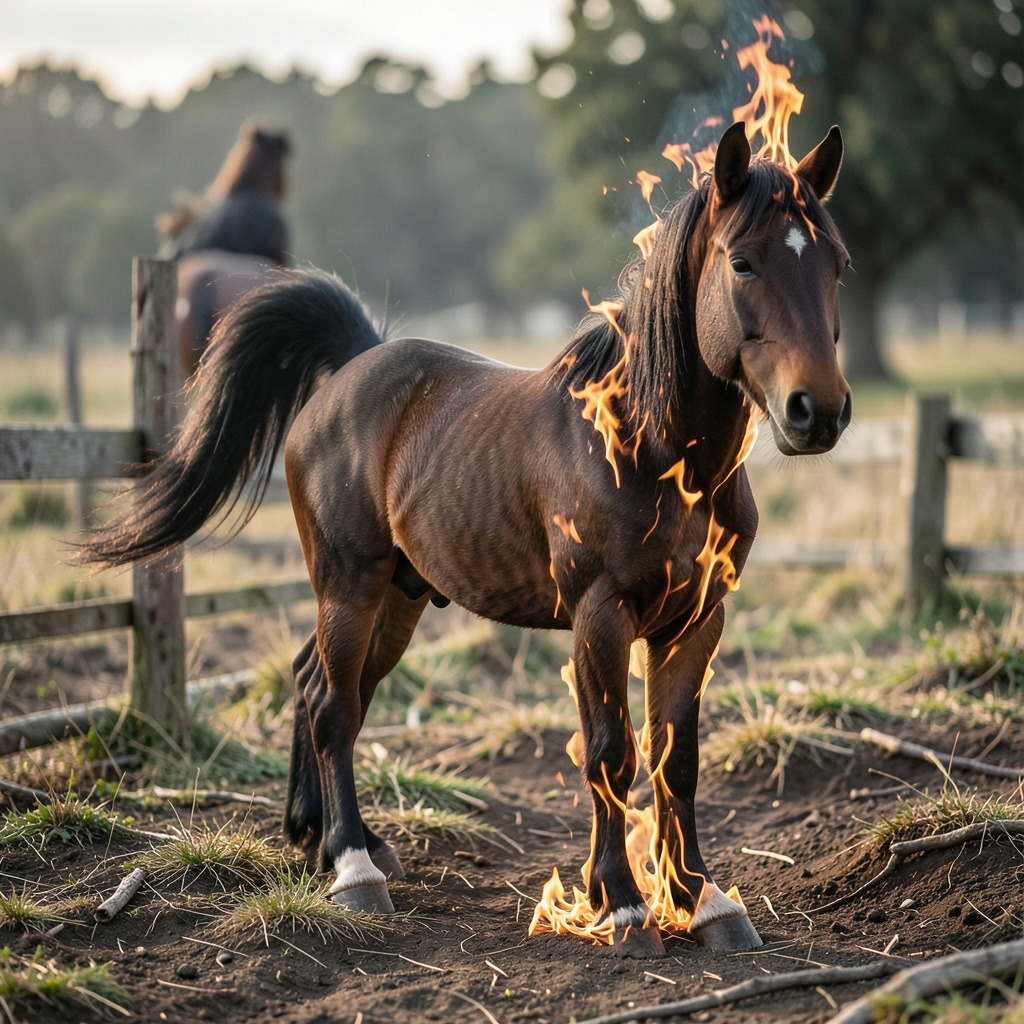
The Fire Horse superstition is deeply rooted in gender bias, particularly against women born in this year. It illustrates how societal norms can distort perceptions of female strength into notions of danger.
Historical Context of Gender Bias
Historically, the Fire Horse superstition has framed assertiveness and ambition—traits admired in men—as liabilities in women. This bias dates back to the Edo period, where women born in a Fire Horse year were perceived as disruptive. As a result, families often avoided having daughters during these years, fearing they would bring misfortune.
- Edo Period Beliefs: Women born in Fire Horse years were thought to ruin their husbands and destroy families.
- Demographic Impact: Significant drops in birth rates during Fire Horse years, particularly in 1966, reflect this mindset.
The Role of Yaoya Oshichi’s Story
Yaoya Oshichi is central to understanding the superstition. Her tragic tale, which emphasizes female independence and desire, popularized the belief that Fire Horse women are dangerous.
- Cultural Reflection: Oshichi’s story highlights how societal fears about female autonomy manifest in superstitions.
- Legacy of Fear: Her narrative perpetuated the stereotype that strong-willed women lead to chaos, further entrenching gender bias.
Modern Interpretations and Misconceptions
Today, the Fire Horse superstition continues to influence perceptions of women. Many still view the traits associated with Fire Horse women—such as independence and intensity—as negative.
- Personal Experiences: Women born in Fire Horse years often report feeling societal pressure to conform to traditional roles.
- Misunderstood Strength: In modern contexts, qualities like ambition are still viewed skeptically in women, reinforcing outdated stereotypes.
This enduring myth serves as a reminder of how cultural beliefs shape societal attitudes toward gender. Understanding these dynamics is crucial in dismantling harmful stereotypes and fostering a more equitable society.
Astrological Perspectives on the Fire Horse

The Fire Horse holds significant astrological meaning within the Chinese zodiac, characterized by unique traits and cultural implications. Its interpretations, however, vary between Chinese and Japanese traditions, revealing profound insights into societal beliefs and gender biases.
Fire Horse in Chinese Astrology
In Chinese astrology, the Fire Horse symbolizes energy, independence, and creativity. Individuals born in this year are seen as dynamic and adventurous. The Fire element amplifies these qualities, resulting in individuals who are not only spirited but also assertive.
- Traits of Fire Horse Individuals:
- High energy and enthusiasm
- Strong leadership capabilities
- Tendency toward impulsiveness
- Resistance to authority and conformity
The Fire Horse year occurs every sixty years, with the last one in 1966 and the next set for 2026. This cyclical nature has influenced birth rates, particularly in 1966, where superstitions surrounding the Fire Horse led to decreased birth rates in Japan due to fears of societal repercussions.
Contrasting Views: Japan vs. China
In Japan, the Fire Horse superstition carries a more negative connotation. Women born in the Year of the Fire Horse are often viewed as problematic, leading to societal stigma. This view is starkly different from the more positive interpretations found in Chinese astrology.
- Cultural Myths:
- Yaoya Oshichi: This historical figure symbolizes the origins of the superstition. Her story reflects the perceived dangers of Fire Horse women, reinforcing the stigma.
- Societal Reactions: In the 1960s, campaigns emerged in Japan to combat the Fire Horse myth, promoting awareness and challenging outdated beliefs about women born during this year.
Implications of Astrological Beliefs
The differing interpretations of the Fire Horse across cultures highlight the impact of astrological beliefs on social norms. In Japan, the association of the Fire Horse with misfortune leads to significant societal pressures on women. Conversely, the Chinese view celebrates the Fire Horse’s assertiveness and vitality.
- Social Control Mechanisms:
- Birth Rate Influence: Superstitions around the Fire Horse resulted in decreased birth rates, as families avoided having children during this year.
- Gender Bias: The negative portrayal of Fire Horse women illustrates broader gender biases in society, where ambition and independence are still often viewed as undesirable traits in women.
Understanding these cultural differences enriches the discussion of the Fire Horse superstition and its ongoing relevance today.
Modern Perceptions and Future of the Fire Horse Superstition
The superstition surrounding the Year of the Fire Horse continues to evoke strong reactions today. While some still cling to its negative implications, many women born in this year are redefining its narrative.
Personal Stories of Fire Horse Women
Many women born in the Year of the Fire Horse share their experiences of overcoming societal stigmas. For instance, a woman named Akiko recounts her struggles with relationships, where potential suitors withdrew upon learning her birth year. She emphasizes her resilience, stating, “I refuse to be defined by a superstition. I am ambitious, and I embrace my strengths.”
Other stories reflect a more positive shift. Rina, another Fire Horse woman, describes how she capitalized on her perceived intensity to excel in her career. “People may fear the Fire Horse, but my passion drives me forward,” she asserts. These narratives illustrate a growing movement among Fire Horse women to reclaim their identity and challenge outdated beliefs.
Cultural Shifts and Changes in Beliefs
The societal perception of the Fire Horse superstition is gradually evolving. In modern Japan, many recognize the irrationality of the beliefs tied to this zodiac sign. Public discussions about gender equality and empowerment are helping to dismantle the negative stereotypes.
Local initiatives, such as educational campaigns, have emerged to promote awareness about the lack of basis for these beliefs. Many communities now celebrate the Fire Horse as a symbol of strength rather than misfortune. This cultural shift is reflected in art, literature, and social media, where Fire Horse women share their achievements.
The Future of the Fire Horse Myth
Looking ahead, the future of the Fire Horse superstition seems poised for further transformation. As more women share their stories and challenge the narrative, the stigma may begin to fade.
Key points for consideration include:
- Increased Awareness: More education around the origins and implications of the superstition can reduce its impact.
- Empowerment Movements: Women are increasingly joining networks that celebrate their birth year positively.
- Cultural Representation: Continued representation in media and literature can help reshape perceptions.
These trends indicate a shift not only in how Fire Horse women view themselves but also in how society perceives them. The ongoing dialogue around gender bias and cultural myths will play a significant role in the evolution of this superstition.
Frequently Asked Questions
These quick answers cover the most common questions about this topic, including key details, practical tips, and common concerns.
What is the Fire Horse superstition?
The Fire Horse superstition is a cultural belief, particularly in Japan, that associates women born in the Year of the Fire Horse with negative traits. It suggests they bring misfortune to their families and may shorten their husbands’ lives. This superstition has its roots in historical narratives, notably the tragic story of Yaoya Oshichi, which has shaped societal views on Fire Horse women.
How does the superstition affect women born in the Year of the Fire Horse?
Women born in the Year of the Fire Horse often face societal stigma and negative perceptions. They may be seen as strong-willed or disruptive, which can impact their marriage prospects and personal lives. Many report feeling pressure to conform to traditional gender roles, leading to challenges in their relationships and careers.
Why did birth rates decline in Japan during Fire Horse years?
Birth rates in Japan notably declined during Fire Horse years, especially in 1966. Families avoided having daughters during this period due to the belief that they would bring misfortune. For example, in 1966, births dropped from approximately 1.4 million to around 1.2 million, illustrating a direct correlation between the superstition and family planning decisions.
How do different cultures interpret the Fire Horse in astrology?
In Chinese astrology, the Fire Horse is viewed positively, symbolizing energy, independence, and creativity. In contrast, Japanese culture associates it with misfortune, particularly for women. This stark difference highlights how cultural beliefs shape perceptions of character traits, with Japanese views often reinforcing gender biases.
What are the implications of the Fire Horse superstition today?
The Fire Horse superstition continues to influence societal attitudes towards women born in this year. While some still adhere to these beliefs, many women are actively challenging the narrative, reframing their identities and asserting their strengths. Initiatives promoting gender equality are also helping to diminish the stigma associated with Fire Horse women.
Are there any positive attributes associated with Fire Horse individuals?
Yes, individuals born in the Year of the Fire Horse are often characterized by high energy, creativity, and leadership abilities. While the superstition focuses on negative traits, many Fire Horse women embrace their assertiveness and independence as strengths. This shift in perspective is becoming more common as women share their empowering stories.
What should readers know about the social control aspects of the superstition?
The Fire Horse superstition serves as a social control mechanism, reinforcing traditional gender roles and expectations. It reflects broader societal fears about female independence and ambition. Understanding these dynamics is crucial for recognizing the ongoing impact of cultural myths on gender perceptions and societal norms.