
The acorn symbolizes potential, strength, and new beginnings across various cultures. It is revered in mythology and spiritual beliefs, representing growth and good luck. This guide explores the rich meanings associated with acorns, their cultural significance, and practical implications in modern life.
Understanding the Acorn: Definition and Etymology
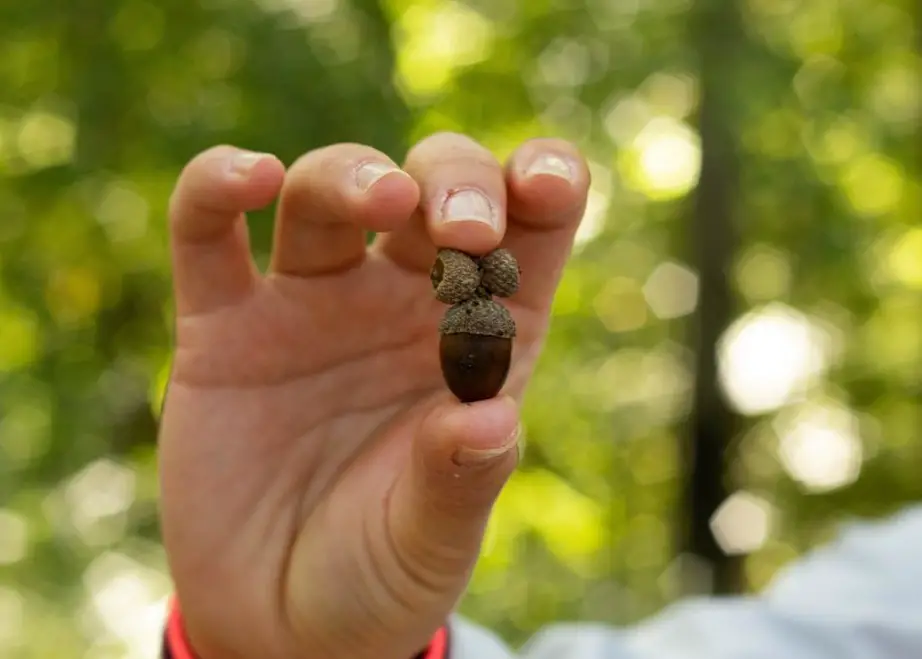
An acorn is the nut of the oak tree, typically encased in a hard, woody cupule known as a cap. This small seed is not just a mere fruit; it symbolizes potential and strength, growing into the mighty oak that provides shelter and sustenance. The acorn’s significance transcends its botanical characteristics, echoing deeply in various cultures, from Celtic mythology to Native American traditions.
The term “acorn” originates from Old English æcern, which means “fruit” or “nut” [1]. This word has roots in Germanic languages, linking it to akrana, which refers to tree nuts. It also connects to the Old Norse word akarn and the Gothic term akran, further highlighting its importance across different cultures [1]. These linguistic connections showcase how the acorn has been recognized historically as a vital seed of growth and life.
Botanically, acorns are produced by oak trees, which are known for their strength and longevity. The acorn contains a seed that can germinate into a new oak tree, symbolizing renewal and new beginnings. This process of growth is a powerful metaphor for potential, as seen in ancient beliefs where Druids revered the oak, considering it the “King of Trees.” They believed that the acorn held wisdom and strength, much like the oak it would become [1].
Ecologically, acorns play a critical role in their environment. They provide food for various animals, including squirrels, deer, and birds. This nut serves as a vital part of the food chain, contributing to the resilience of ecosystems. In Native American cultures, acorns were not only a food source but also represented sustenance and life, reinforcing the idea of growth and community [1].
The acorn’s symbolism is rich and varied. In Norse mythology, it is linked to Thor, the god of thunder, representing strength and protection. The oak tree, with its ruggedness, becomes a symbol of enduring power, and the acorn embodies that potential for greatness [1]. Across different cultures, the acorn continues to signify good luck, perseverance, and the promise of what is yet to come.
Table of Contents
For those who appreciate the beauty of acorns and their rich symbolism, acorn-themed jewelry or decor can be a wonderful addition to your collection. Check Price on Amazon to explore unique pieces that celebrate this remarkable nut and its meaning.
Cultural Symbolism of Acorns Across Civilizations
The acorn carries significant meaning across various cultures, often symbolizing strength, fertility, and good fortune. In Celtic mythology, the acorn was viewed as a powerful talisman. The Druids, who revered the oak tree as the “King of Trees,” considered the acorn its sacred seed. They believed that by consuming acorns, they could gain wisdom and insight, reflecting the deep connection between the acorn and potential [1]. This association underscores the acorn’s role as a symbol of personal growth and transformation, representing the belief that great things can emerge from humble beginnings.
In Norse mythology, the acorn is closely linked to Thor, the god of thunder. The mighty oak, often struck by lightning, signifies strength and resilience, while the acorn represents the promise of new life and growth. In Scandinavian traditions, placing an acorn on a windowsill during storms was thought to invite protection from Thor’s lightning, further emphasizing the acorn’s role as a symbol of safety and good luck [1]. This belief showcases how the acorn embodies the spirit of perseverance, as it survives and thrives even in challenging conditions.
Native American traditions also hold the acorn in high regard. For many tribes, it was a vital food source, symbolizing sustenance and life itself. The acorn represented the essence of strength, as it takes time and effort to cultivate enough acorns to sustain a community. Some tribes believed that carrying an acorn could offer protection and ward off negative energies, reinforcing its status as a symbol of good fortune [1].
In summary, the cultural symbolism of acorns spans across various civilizations, with each viewing this humble nut as a representation of strength, potential, and good luck. The acorn serves as a reminder that, much like the oak tree it will become, we too can grow and thrive through challenges.
Mythological Associations with Acorns

Acorns carry rich meanings in various mythologies, showcasing their symbolic strength and potential. In Celtic Mythology, the acorn is deeply revered, particularly by the Druids, who viewed the oak tree as the “King of Trees.” They believed that the acorn encapsulated immense potential and wisdom, embodying the promise of new beginnings. The Druids often used acorns in rituals, believing they could bring good luck and protection against illness. This deep association highlights how the acorn symbolizes strength and the idea that great things can emerge from humble beginnings.
In Greek Mythology, while the acorn itself may not be explicitly mentioned, the oak tree holds significant importance. The oak is sacred to Zeus, the king of the gods, and represents strength and endurance. Acorns, as the seeds of these mighty oaks, are indirectly linked to the symbolism of power and potential. The ancient Greeks recognized that from small acorns could grow formidable oaks, symbolizing the potential for greatness that lies within even the smallest of beginnings.
Moving to Norse Mythology, acorns also play a crucial role. The oak tree is associated with Thor, the god of thunder, who was believed to protect the oak from lightning strikes. This connection extends to the acorn, symbolizing resilience and the strength to withstand life’s storms. Norse traditions included placing acorns on windowsills during storms as a protective gesture, demonstrating the belief that acorns could shield homes from harm. This practice reflects the broader symbolism of safety and good fortune linked to the acorn.
In Native American Traditions, acorns were not only a vital food source but also rich in symbolic meaning. Many tribes viewed acorns as a symbol of sustenance and life, reflecting their importance in the community’s survival. Some native beliefs held that carrying an acorn could bring protection and good luck, showcasing the acorn’s role as a talisman of strength and perseverance. This connection to nourishment and survival reinforces the idea that acorns symbolize potential for growth and rebirth.
These mythological associations emphasize that acorns are not just simple seeds; they are powerful symbols of potential, strength, and the promise of new beginnings across cultures. Each myth enriches our understanding of the acorn’s significance, reminding us that from small beginnings, great transformations can occur.
Spiritual Meaning of Acorns
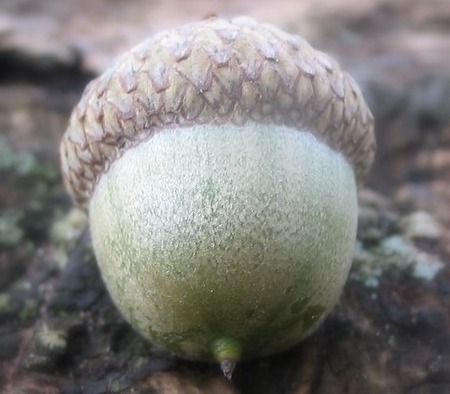
Acorns hold deep spiritual meaning, often symbolizing rebirth and transformation. In many cultures, the life cycle of the acorn, which grows into a mighty oak, represents the concept that from small beginnings, great things can emerge. This transformative journey embodies the idea of personal growth and renewal, resonating with the notion of starting anew at different stages of life.
In Celtic Mythology, acorns were viewed as sacred symbols of potential and wisdom. The Druids believed that these small seeds contained the essence of strength and knowledge. They used acorns in their rituals, signifying not just physical growth but also spiritual enlightenment. The belief that carrying an acorn could attract good luck and prosperity is prevalent in many traditions, illustrating its role as a powerful talisman.
Norse Mythology similarly attributes significant spiritual importance to acorns. They are often linked to Thor, the god of thunder, who was believed to protect oak trees from lightning. This connection emphasizes that acorns symbolize resilience and the ability to withstand challenges. In this context, finding an acorn can be interpreted as a sign of protection and the encouragement to persevere through life’s storms.
Native American Traditions also cherish the acorn, recognizing it as a vital food source. Beyond its nutritional value, it symbolizes health and well-being. Some tribes believed that carrying an acorn could provide protection and good fortune, reinforcing the idea that acorns are not only seeds of trees but also seeds of hope and vitality. This notion of health extends to the belief that acorns can ward off illness, embodying the connection between nature and spiritual well-being.
Acorns also represent wisdom and knowledge. The journey from acorn to oak is seen as a metaphor for the lessons learned through life’s experiences. This spiritual growth is believed to lead to greater understanding and insight, reminding us that every challenge we face contributes to our personal development.
In many cultures, the symbolism of the acorn as a source of good luck is widely accepted. It’s thought that finding an acorn can bring blessings and positive energy into one’s life. This belief ties back to the acorn’s association with abundance and the promise of new beginnings. By embodying these values, acorns invite us to embrace our potential and trust in our ability to grow, regardless of how small or insignificant we may feel at times.
Acorns in Modern Culture and Symbolism

In today’s world, acorns continue to capture our imagination and symbolize significant values. Their presence in art, jewelry, and home decor reflects their timeless appeal and deep-rooted meanings. Artists often use acorns to represent potential and growth, capturing the essence of renewal that these little nuts embody. Whether in paintings, sculptures, or crafts, acorns remind us that great things often come from small beginnings, just like the mighty oak tree that grows from them.
Jewelry featuring acorns has become increasingly popular as a symbol of strength and good luck. Many people wear acorn-themed necklaces or bracelets, believing they attract positive energy and symbolize personal growth. This trend connects back to ancient traditions, where the Druids viewed acorns as sacred. Wearing an acorn pendant can serve as a daily reminder of one’s potential and the journey of transformation, much like the acorn’s journey to becoming a towering oak.
In home decor, acorns are often incorporated into seasonal decorations, especially during autumn. They are used in centerpieces, wreaths, and garlands to evoke feelings of warmth and abundance. Their use in these contexts signifies a celebration of life’s cycles and the beauty of nature, reinforcing the idea of rebirth and new beginnings. This aligns with Native American traditions, where acorns were not just food, but also a symbol of sustenance and strength, reflecting a connection to the earth and its resources.
Personal anecdotes often highlight the sentimental value of acorns. Many people cherish memories of collecting acorns during childhood walks in the woods, viewing them as treasures. These experiences evoke feelings of nostalgia and remind individuals of the simple joys in life. Such stories reinforce the idea that acorns are more than just nuts; they are symbols of cherished moments and personal growth.
In literature and poetry, acorns have been celebrated for their rich symbolism. Poets often draw parallels between the acorn and human potential, illustrating how even the smallest beginnings can lead to remarkable outcomes. This connection to potential is echoed in various cultures, including Celtic mythology, where the oak tree was revered as the “King of Trees.” The acorn, as its seed, symbolizes the promise of strength and longevity, serving as a reminder that growth takes time and patience.
Overall, in modern culture, acorns symbolize much more than their physical attributes. They embody the essence of potential, strength, and new beginnings, resonating with our desire for growth and transformation. Whether through art, jewelry, or personal stories, the acorn continues to inspire and remind us of the beauty of life’s journey.
Practical Uses of Acorns in Everyday Life
Acorns are more than just symbols of potential and strength; they also have practical applications in our daily lives. These little nuts, rich in history and meaning, can be utilized in various ways, from nutrition to crafting.
Nutritional Value
Acorns are a nutritious food source, especially for those interested in natural foods. They are packed with carbohydrates, protein, and healthy fats. However, it’s essential to process them properly to remove tannins, which can give them a bitter taste. Here’s how you can prepare acorns for eating:
- Leaching: Soak acorns in water for several days, changing the water daily. This process helps remove tannins and makes them palatable.
- Cooking: Once leached, acorns can be ground into flour, used in soups, or roasted for a crunchy snack. They offer a unique flavor and can be a fun addition to your meals.
In many Native American traditions, acorns were a staple food, symbolizing sustenance and life. Incorporating acorns into your diet can connect you to this rich cultural heritage.
Crafting and Home Decor
Acorns can also be used creatively in crafting and home decor, drawing on their symbolism of new beginnings and potential. Here are some ideas to inspire your DIY projects:
- Acorn Wreaths: Create a seasonal wreath using acorns, twigs, and leaves. This can symbolize the transition of seasons and add a rustic touch to your home.
- Table Centerpieces: Fill a clear glass bowl with acorns and place it on your dining table. This simple decoration not only looks beautiful but also represents abundance and the cycle of life.
- Jewelry: Acorns can be transformed into unique pendants or earrings, embodying the spirit of strength and potential. This nod to their symbolism can make for meaningful gifts.
Tips for Incorporation
To incorporate acorns into your everyday life, consider the following tips:
- Collecting: During the fall, gather acorns from local oak trees. Ensure they are free from mold or decay to use them safely.
- Educate: Share the history and symbolism of acorns with friends and family. Discuss their significance in Celtic mythology, where they were believed to bring good luck and protection, or in Norse mythology, where they symbolize strength and resilience.
- Decorate: Use acorns in holiday decorations, especially around Thanksgiving and autumn. Their presence can serve as a reminder of nature’s gifts and the importance of patience in growth.
By embracing the practical uses of acorns, you not only benefit from their nutritional value but also celebrate their deep-rooted symbolism in various cultures.
The Role of Acorns in the Ecosystem
Acorns play a vital role in the ecosystem, serving as a key food source for various wildlife. Many animals, including squirrels, deer, and birds, rely on acorns during the autumn months when other food sources may dwindle. This reliance on acorns not only supports these creatures but also highlights the acorn’s significance in the natural world, embodying the concept of potential and abundance that resonates through various cultures, including Celtic mythology and Native American traditions.
In forests, acorns contribute to regeneration. When they fall to the ground, they can germinate into new oak trees, symbolizing growth and renewal. This cycle of life is essential for maintaining healthy ecosystems. Just as the Druids revered the oak tree as a symbol of strength, the acorn serves as its humble beginning, reminding us that even the mightiest oak starts as a small seed.
The Norse mythology connection further emphasizes acorns’ importance. In ancient Norse culture, oaks were sacred to Thor, the god of thunder, representing resilience and strength. Acorns, as the seeds of these mighty trees, carry that symbolism of endurance and the potential for greatness. They signify how something small can develop into something significant, much like how a single acorn can grow into a towering oak that provides shelter and sustenance for countless creatures.
Moreover, the nutritional value of acorns cannot be overlooked. They are rich in fats and proteins, making them an essential food source for wildlife during harsh winters. This aspect of acorns aligns with the symbolism of sustenance and life found in Native American traditions, where acorns were often ground into meal and used in various dishes. The act of harvesting acorns not only provided nourishment but also connected communities to the land, reinforcing their cultural significance.
In summary, acorns are not just a food source; they are integral to the life cycle of forests and wildlife. Their role in regeneration and as a sustenance provider reflects the deep symbolism they hold across various cultures, representing potential, strength, and the promise of new beginnings.
Acorn Symbolism in Personal Growth and Development
The acorn, though small and often overlooked, serves as a powerful metaphor for personal growth and development. Just as an acorn holds the potential to grow into a mighty oak, individuals possess the capacity for transformation and resilience. This idea resonates deeply with many, inspiring reflections on the journey of life.
In Celtic Mythology, acorns were seen as symbols of strength and potential. The Druids, who revered the oak tree as the “King of Trees,” believed that each acorn encapsulated wisdom and the promise of new beginnings. This belief highlights how personal growth often starts from humble beginnings, much like the acorn that germinates into a towering oak. As Aristotle beautifully put it, “Each human being is bred with a unique set of potentials that yearn to be fulfilled as surely as the acorn yearns to become the oak within it.” This quote reflects the journey of self-discovery and the importance of nurturing our inner strengths.
Norse Mythology also contributes to this symbolism by linking acorns to perseverance and resilience. The mighty oak, often associated with Thor, stands strong against storms, much like individuals who face challenges in their lives. Just as an acorn must endure various conditions to grow, people too must navigate life’s difficulties to realize their potential. The struggles we face are akin to the storms that shape a tree, reinforcing our character and instilling resilience.
Native American Traditions further emphasize the acorn’s role in personal growth. For many tribes, acorns were not only a staple food source but also a symbol of sustenance and life. The act of gathering and preparing acorns was a communal effort that reinforced connections among individuals, illustrating that personal growth often occurs within a supportive community. This idea reminds us that our journeys are not solitary; we grow alongside others who lift us up and share in our experiences.
Quotes about acorns inspire individuals to embrace their unique paths. “The greatest achievement was at first and for a time a dream,” said James Allen, highlighting that dreams are the seeds from which our realities grow. This mirrors the acorn’s journey, reminding us that our aspirations, no matter how small they may seem, can blossom into extraordinary achievements.
In summary, the acorn symbolizes more than just potential; it embodies the essence of personal growth through resilience, community, and the power of dreams. This tiny nut serves as a reminder that every great journey begins with a single step, encouraging us to pursue our paths with hope and determination.
[1] Acorn – Wikipedia. The acorn is the nut of oak trees (genus Quercus) and is typically enclosed in a cup-shaped structure called a cupule.