
Greek mythology is filled with fascinating creatures and monsters that have captivated audiences for centuries. This article highlights 25 important beings, detailing their origins, roles, and significance in ancient tales.
1. Typhon is the Father of All Monsters
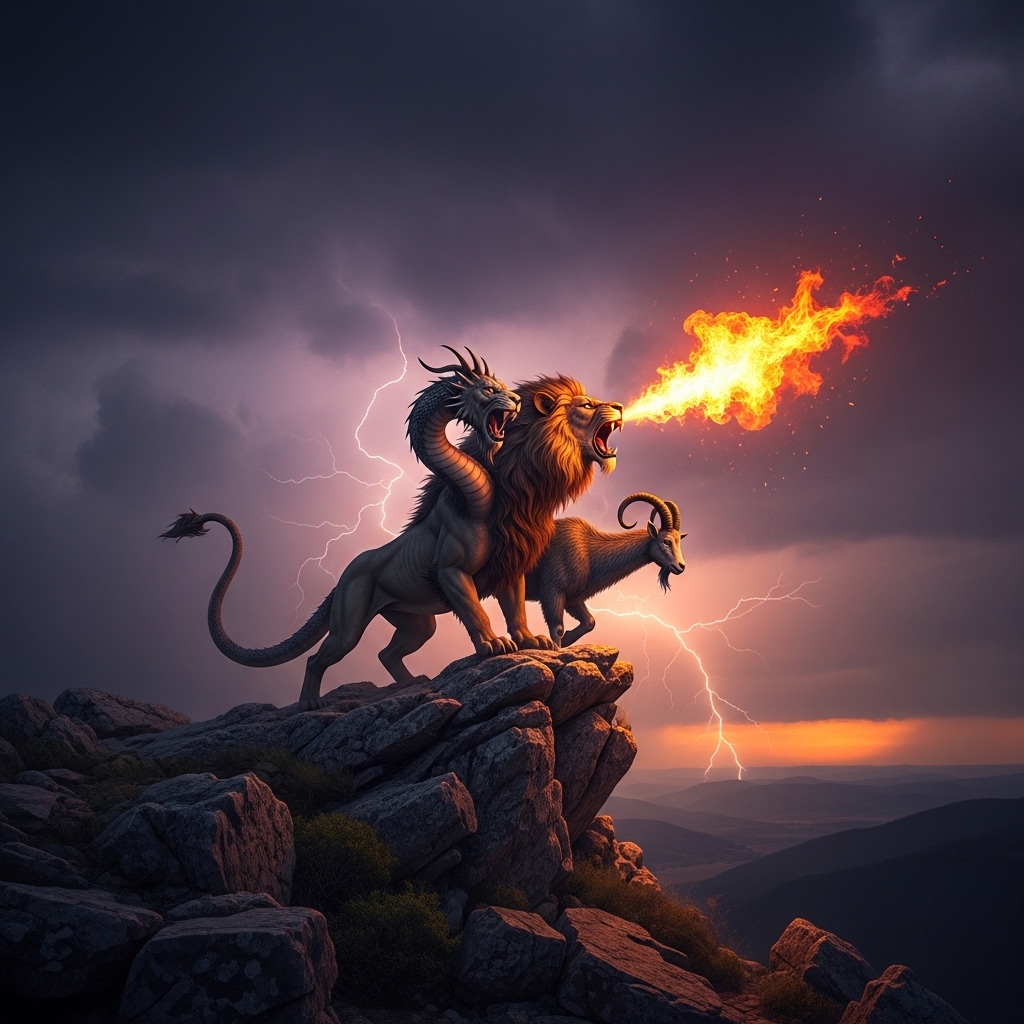
Typhon is a central figure in Greek mythology, often referred to as the Father of All Monsters. His terrifying nature and extensive legacy as the progenitor of numerous mythical creatures make him a pivotal entity in ancient tales.
Typhon’s Origins and Significance
Typhon’s origin traces back to Gaia, the Earth goddess, and Tartarus, the abyss. He is depicted as a monstrous being with a hundred serpentine heads, each capable of breathing fire. This fearsome appearance symbolizes chaos and destruction. Typhon’s significance lies in his role as the ultimate adversary of Zeus, representing the struggle between order and chaos in the cosmos.
Mythological Roles of Typhon
In mythology, Typhon engages in epic battles with the Olympian gods. His most notable conflict occurs when he attempts to overthrow Zeus. During this battle, Typhon manages to wound Zeus, but ultimately, Zeus triumphs. He traps Typhon beneath Mount Etna, where he is said to cause volcanic eruptions.
Typhon’s offspring, such as the Hydra and the Chimera, continue his legacy as significant foes for heroes like Heracles and Bellerophon. This lineage emphasizes Typhon’s role as a progenitor of chaos, affecting not only gods but also humans.
Cultural Legacy of Typhon
Typhon’s influence extends beyond mythology into art and literature. He has been depicted in various forms, ranging from ancient pottery to modern films. His image often serves as a representation of nature’s destructive power.
Table of Contents
In contemporary culture, Typhon is frequently compared to monsters from other mythologies, such as the Leviathan in Judeo-Christian texts. This comparative analysis highlights the universal themes of chaos and the hero’s journey across different cultures.
Key attributes of Typhon include:
- Physical Characteristics: Hundred heads, serpentine features, fire-breathing capabilities.
- Mythological Interactions: Engaged in battles with Zeus, fathered numerous monsters.
- Cultural Impact: A symbol of chaos, inspiration for various artistic representations.
Typhon’s depiction in art often emphasizes his monstrous nature, showcasing the fear and respect ancient Greeks had for the chaotic forces of nature. The legacy of Typhon continues to resonate, reminding us of the ancient belief systems that sought to explain the mysteries of the world.
2. Echidna: The Mother of Monsters
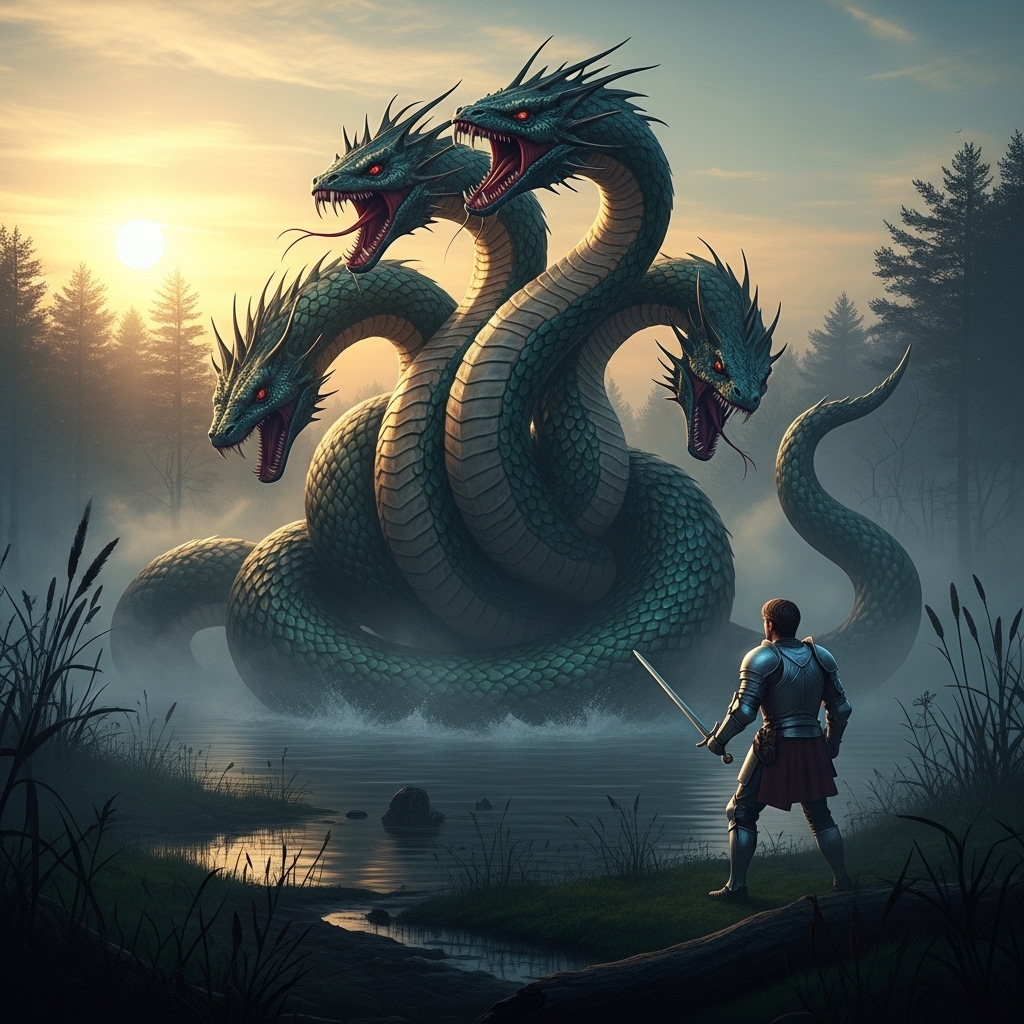
Echidna stands as a pivotal figure in Greek mythology, recognized as the mate of Typhon and the progenitor of numerous formidable monsters. Her dual nature, combining beauty with ferocity, embodies the complexities of mythological narratives.
Echidna’s Parentage and Birth
Echidna’s origins trace back to ancient primordial beings. According to myth, she is often regarded as the daughter of Phorcys and Ceto, both sea deities. This lineage connects her to a host of other mythological entities. Her birth in the depths of the earth symbolizes her connection to chaos and the monstrous.
- Key Characteristics: Echidna is depicted as half-woman, half-serpent, showcasing both allure and danger.
- Role in Mythology: She resides in a cave, a fitting abode for a creature that embodies both nurturing and predatory instincts.
Mythological Significance of Echidna
Echidna is not merely a monster; she serves as a maternal figure within the mythological framework. Her role extends beyond that of a mere antagonist. Instead, she nurtures her monstrous offspring, contributing to the cyclical nature of chaos in Greek myths.
- Mother of Monsters: Echidna birthed multiple iconic creatures, including:
- Cerberus: The three-headed guardian of the Underworld.
- Chimera: A fire-breathing hybrid of lion, goat, and serpent.
- Hydra: A multi-headed serpent that grows two heads for each one severed.
Popular Monsters Offspring of Echidna
Echidna’s lineage is significant in the context of Greek mythology. Her offspring often challenge heroes, serving as embodiments of trials and tribulations.
- Cerberus: Symbolizes the boundary between life and death, guarding Hades’ gates.
- Chimera: Represents an amalgamation of fears, showcasing the unpredictability of nature.
- Hydra: A metaphor for resilience, its regenerative ability poses a formidable challenge to heroes like Heracles.
Echidna’s duality as a nurturing figure and a harbinger of monsters illustrates the complexities of Greek mythology. Her character serves as a reminder of the intricate relationships between creation and destruction, beauty and horror.
3. Cerberus: The Guardian of the Underworld
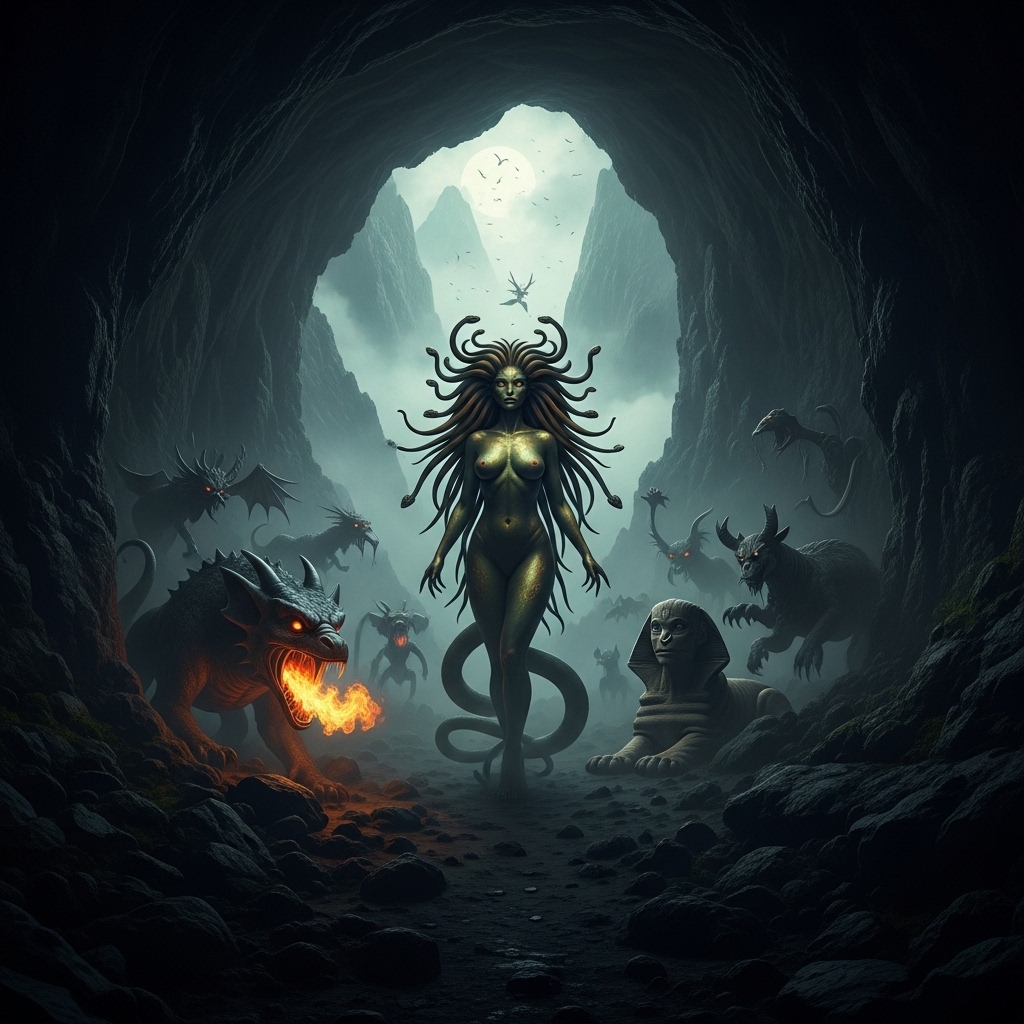
Cerberus is one of the most iconic creatures in Greek mythology. This three-headed dog serves as the guardian of Hades, ensuring that the dead remain in the underworld while preventing the living from entering.
Cerberus’s Origins and Traits
Cerberus is the offspring of Typhon and Echidna. He embodies the monstrous aspects of his lineage with his formidable three-headed structure and a serpent for a tail. Each head symbolizes vigilance; they watch over the gates of the underworld, ensuring no soul escapes.
Key traits of Cerberus include:
- Physical Characteristics: Three heads, a serpent tail, and often depicted with additional snake heads or even other monstrous features.
- Abilities: Known for his ferocity, Cerberus was also calmed by music, as demonstrated by Orpheus during his descent into the underworld.
- Size and Strength: Described as a giant dog, Cerberus represents an insurmountable barrier for trespassers.
Role in Myths of Heroes
Cerberus plays a crucial role in various myths, particularly in the tales of heroes. His most notable appearance is in the labors of Heracles.
- Heracles’ Twelfth Labor: Heracles was tasked with capturing Cerberus without using weapons. He succeeded with the assistance of Hades, who permitted him to take the creature to the surface.
- Interactions with Other Heroes: Orpheus lulled Cerberus to sleep with his enchanting music, allowing him to retrieve Eurydice from the underworld. This illustrates Cerberus’s dual role as both a fearsome guardian and a creature susceptible to art.
Cultural Interpretations of Cerberus
Cerberus has influenced modern depictions of guardian figures in literature and media. His character often symbolizes loyalty, protection, and the boundary between life and death.
- Literature and Film: Cerberus appears in various adaptations, often as a guardian of the underworld or a representation of fearsome loyalty.
- Symbolism: Cerberus embodies the themes of transition and judgment, representing the threshold between existence and oblivion.
In conclusion, Cerberus stands as a significant figure in Greek mythology. His complex character and interactions with heroes highlight the multifaceted nature of mythological narratives.
4. Hydra: The Multi-Headed Beast
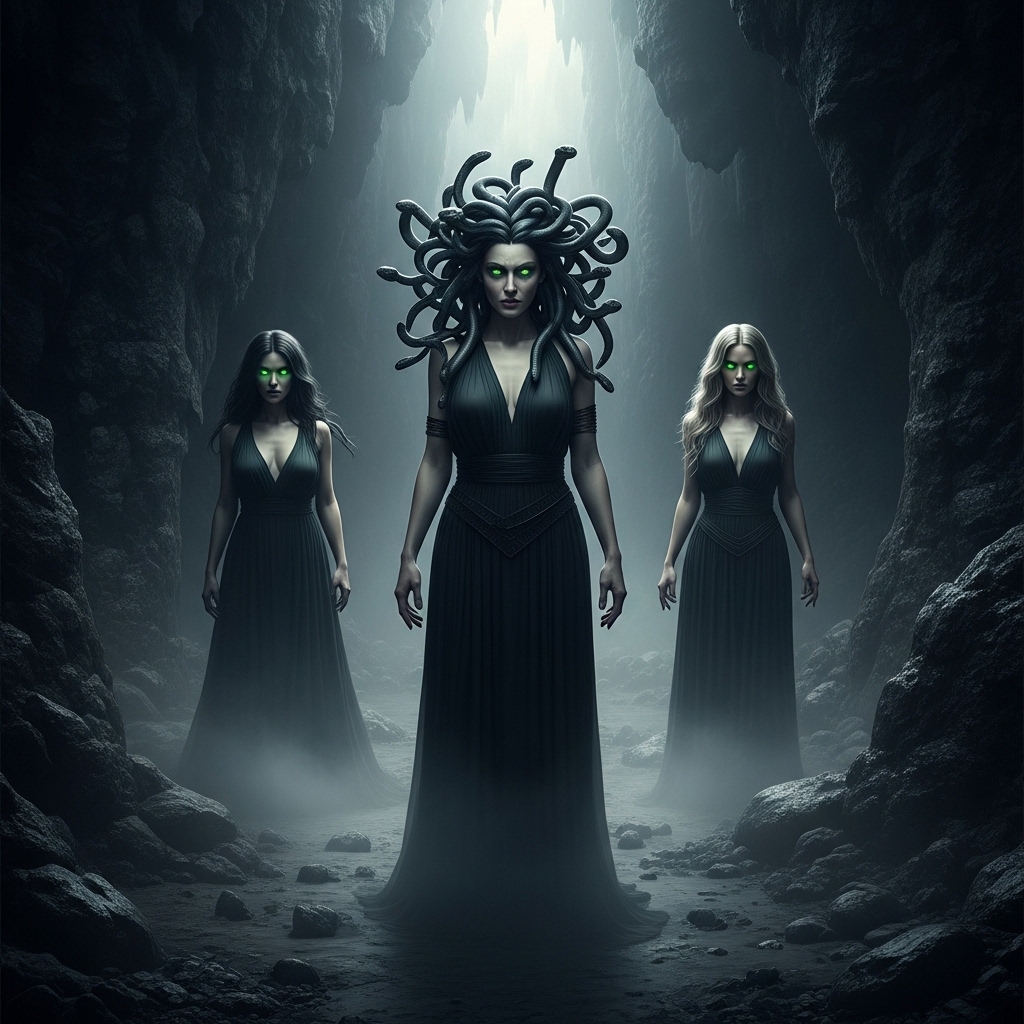
The Hydra, a legendary creature from Greek mythology, is renowned for its unique regenerative abilities and its fierce battles with heroes. This multi-headed serpent represents both a formidable opponent and a symbol of chaos.
Origins and Description of the Hydra
The Hydra originated from the lineage of Typhon and Echidna, two of the most feared creatures in mythology. It dwelled in the swamps of Lerna, a region known for its murky waters and treacherous terrain. The Hydra is often depicted with multiple serpentine heads, typically ranging from seven to nine, although some myths describe it with even more.
- Regenerative Ability: When one head is severed, two more grow in its place. This makes the Hydra a nearly invincible foe.
- Poisonous Breath: The creature also possesses a highly toxic breath capable of killing any mortal who comes too close.
Hercules and the Hydra’s Myth
The Hydra is most famously known for its encounter with Heracles (Hercules) during his second labor. Tasked with slaying the beast, Heracles faced a daunting challenge.
- The Battle: Each time Heracles cut off a head, two would regenerate. To overcome this, he employed his nephew Iolaus, who used fire to cauterize the necks after decapitation.
- Symbolic Victory: With this strategy, Heracles ultimately defeated the Hydra, showcasing not only physical strength but also ingenuity.
Symbolism of the Hydra in Culture
The Hydra’s regenerative ability has transcended mythology, influencing various modern interpretations.
- Cultural Significance: The Hydra symbolizes resilience and the idea that some problems can multiply if not dealt with properly.
- Literary Adaptations: In contemporary storytelling, the Hydra often appears as a metaphor for challenges that seem to grow larger as one attempts to tackle them.
The Hydra’s legacy continues to thrive in modern media, representing the eternal struggle against insurmountable odds. Its complex interplay of fear and fascination encapsulates the essence of many mythological narratives.
5. Chimera: The Fire-Breathing Monster
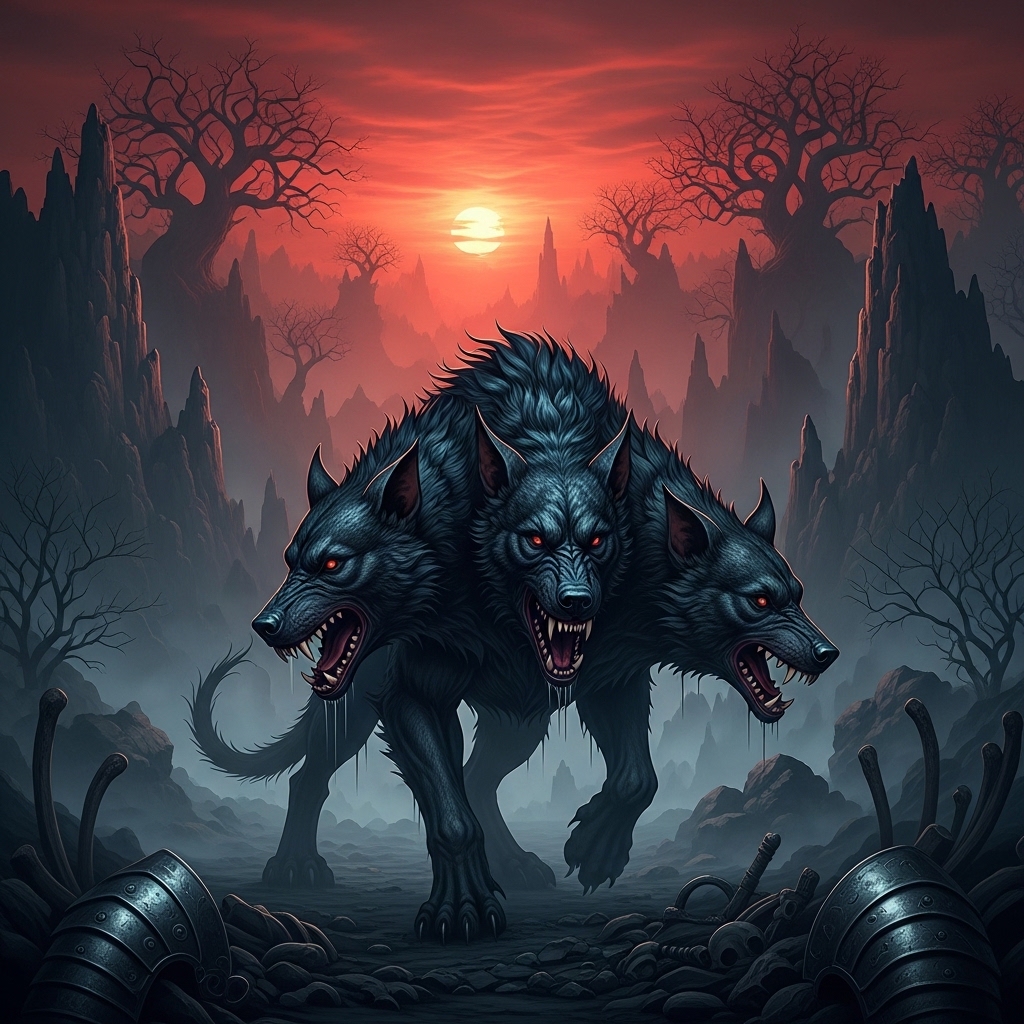
The Chimera is a hybrid creature from Greek mythology, known for its terrifying appearance and destructive nature. This beast embodies the chaos and danger that often accompany the supernatural.
Physical Characteristics of the Chimera
The Chimera is a striking example of a composite monster. It combines features of three distinct animals:
- Lion’s Head: Represents strength and ferocity.
- Goat’s Body: Symbolizes stubbornness and resilience.
- Serpent’s Tail: Adds an element of danger with its venomous connotations.
This unique combination creates a formidable creature capable of breathing fire, making it a fearsome opponent in mythological tales.
Bellerophon and the Chimera’s Downfall
Bellerophon, a celebrated hero, is renowned for his encounter with the Chimera. Riding the winged horse Pegasus, he devised a cunning strategy to defeat this monster. Using lead-tipped arrows, he targeted the Chimera’s flaming throat, ultimately leading to its demise. This story emphasizes themes of bravery, ingenuity, and the struggle against seemingly insurmountable odds.
Cultural Legacy of the Chimera
The Chimera’s symbolism extends beyond its mythological roots. It often represents the idea of hybridization and the blending of different identities. In contemporary literature and art, the Chimera embodies the complexities of human nature and societal challenges.
- Modern Interpretations: Authors like Madeline Miller and Rick Riordan reinterpret the Chimera as a symbol of inner conflict or misunderstood identity.
- Cultural Significance: The Chimera serves as a metaphor for the fears and challenges individuals face in their lives.
Understanding the Chimera enhances our appreciation for Greek mythology and its enduring impact on modern storytelling.
6. Gorgons: The Deadly Sisters
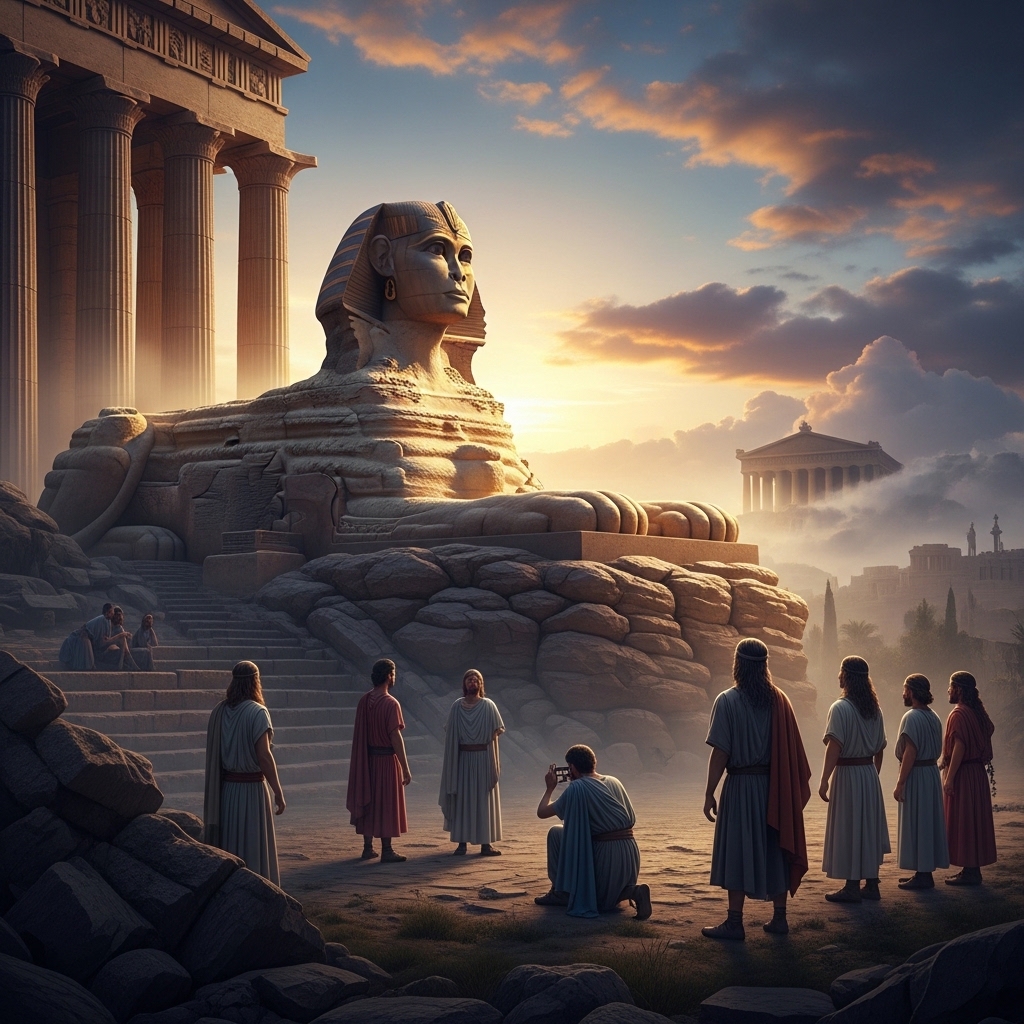
The Gorgons are among the most fearsome creatures in Greek mythology. These three sisters, Stheno, Euryale, and Medusa, are known for their lethal powers and terrifying appearance. Their stories explore themes of beauty and monstrosity.
Gorgon Origins and Characteristics
The Gorgons, daughters of the sea deities Ceto and Phorcys, are defined by their distinct features. Their bodies resemble women, but their hair consists of living snakes. They possess claws for hands and fangs, making them menacing figures in mythology. While Stheno and Euryale are immortal, Medusa is mortal, which adds to her tragic narrative.
- Physical Attributes:
- Snakes for hair
- Clawed hands
- Sharp fangs
Medusa: The Most Notorious Gorgon
Medusa stands out as the most famous Gorgon. Unlike her sisters, she was once a beautiful priestess in Athena’s temple. After being cursed by Athena, Medusa transformed into a monster whose gaze turned individuals into stone. This narrative reflects the interplay of beauty and horror, illustrating how societal perceptions can shape one’s identity.
- Key Facts about Medusa:
- Cursed by Athena
- Killed by Perseus
- Used as a weapon against foes
Impact of Gorgons in Modern Culture
The Gorgons have left a lasting impact on literature and art. They symbolize the fear of the unknown and the duality of beauty and monstrosity. Medusa, in particular, has become a feminist icon, representing the consequences of victimization and the reclaiming of power.
- Cultural Interpretations:
- Medusa as a symbol of empowerment
- Gorgons in contemporary films and literature
- The blending of fear and fascination in modern storytelling
Understanding the Gorgons enriches the appreciation of Greek mythology. Their stories continue to resonate, reflecting the complexities of human nature and societal values.
7. Sphinx: The Enigmatic Guardian
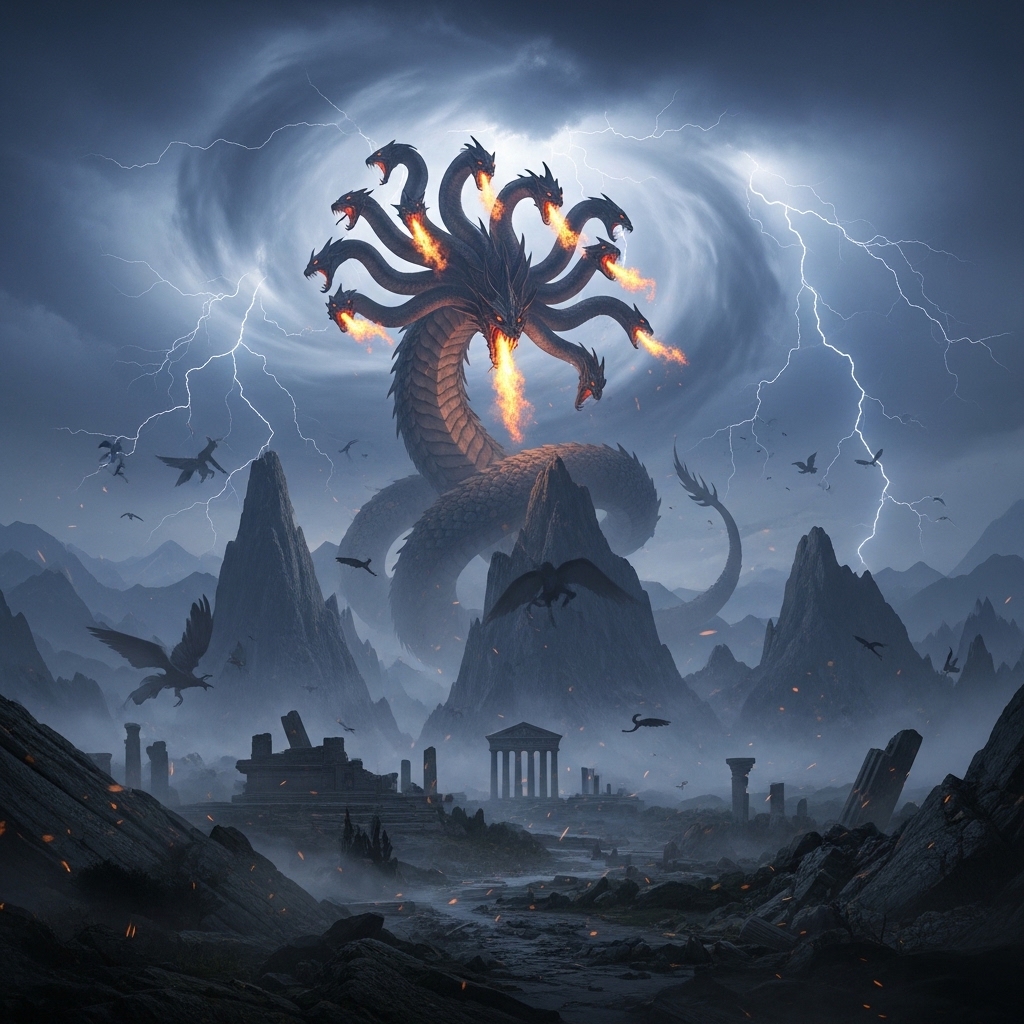
The Sphinx is one of the most iconic creatures in Greek mythology. This enigmatic guardian challenges heroes with riddles, embodying the intersection of knowledge and danger.
The Sphinx’s Origins and Myths
The Sphinx is often depicted as a hybrid creature: a lion’s body, a woman’s head, and the wings of an eagle. According to mythology, she was the offspring of Typhon and Echidna. Sent to torment the city of Thebes, the Sphinx posed riddles to travelers, consuming those who could not answer correctly. Her most famous riddle was: “What walks on four legs in the morning, two legs at noon, and three legs in the evening?” Oedipus famously solved this riddle, leading to her demise.
Riddles and Their Significance
The riddles of the Sphinx symbolize the challenges of knowledge and wisdom. They represent the trials that heroes must face, often reflecting deeper themes of existence and understanding. The Sphinx’s riddles serve not only as obstacles but also as gateways to wisdom. By solving them, heroes gain insight and progress in their journeys.
The Sphinx in Modern Interpretations
In contemporary culture, the Sphinx has evolved beyond her mythological roots. She appears in various forms of media, often symbolizing mystery and the quest for knowledge. Her legacy includes:
- Literature: The Sphinx often represents the struggle against ignorance.
- Film: Modern adaptations frequently portray her as a guardian of ancient secrets.
- Art: Artists depict her as a figure of duality, embodying both beauty and danger.
The Sphinx’s enduring presence highlights our ongoing fascination with the unknown and the importance of confronting challenges head-on.
8. The Influence of Greek Monsters in Modern Culture
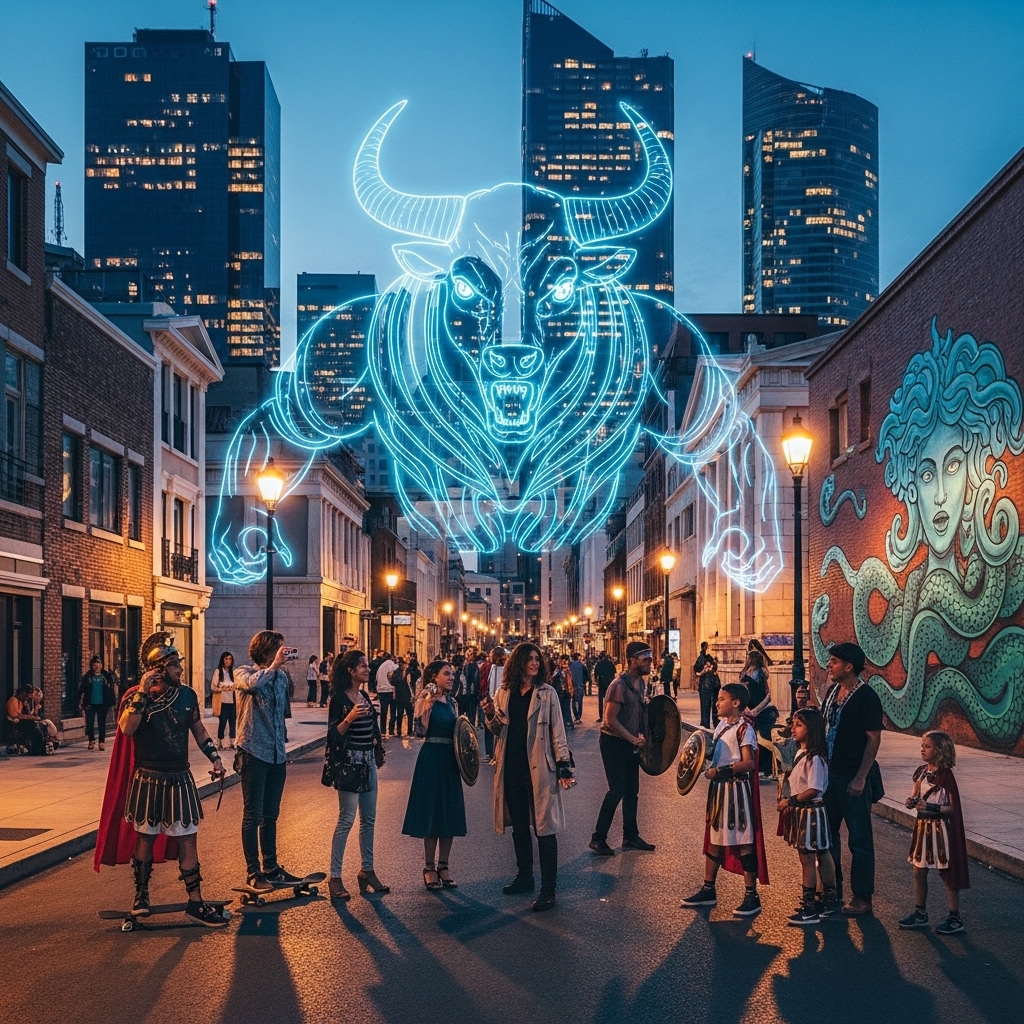
Greek monsters have left an indelible mark on contemporary literature, film, and art. Their unique qualities and narratives continue to inspire creators across various mediums.
The Reinterpretation of Greek Monsters
Modern adaptations often reinterpret these ancient beings, infusing them with contemporary themes. For instance, the Chimera has evolved from a fearsome beast into a symbol of hybrid identities. This transformation reflects our understanding of complexity in human nature.
- Cerberus: Traditionally viewed as the vicious guardian of the Underworld, Cerberus is now sometimes depicted as a misunderstood creature seeking companionship.
- Hydra: The multi-headed serpent represents resilience in modern narratives, symbolizing the struggle against overwhelming odds.
Examples in Contemporary Media
Greek monsters frequently appear in films, video games, and novels, showcasing their relevance today.
- Percy Jackson Series: This popular book series introduces readers to various Greek monsters, making them accessible to young audiences.
- Clash of the Titans: This film series reimagines classic myths, featuring creatures like the Kraken and Medusa with stunning visual effects.
- God of War Video Game: The game includes various Greek monsters, allowing players to engage with these figures in interactive storytelling.
Legacy of Greek Myths in Pop Culture
The cultural influence of Greek monsters stretches beyond storytelling into broader societal themes.
- Art: Modern artists often depict monsters to explore human fears and societal issues. The Gorgons, for instance, symbolize the dangers of unchecked power and envy.
- Literature: Works like “Circe” by Madeline Miller reframe monsters as complex characters, encouraging readers to empathize with their struggles.
- Fashion and Design: Greek motifs, including monster imagery, appear in high fashion, reflecting their timeless allure and impact on aesthetics.
These monsters serve as powerful symbols, bridging ancient mythology and modern storytelling. They provoke thought, inspire creativity, and remind us of our shared human experience.
Frequently Asked Questions
These quick answers cover the most common questions about this topic, including key details, practical tips, and common concerns.
How can I identify Greek mythological creatures in stories or art?
Greek mythological creatures often have distinctive features, such as hybrid forms (e.g., lion and goat in the Chimera), multiple heads (like Hydra), or unique attributes (like Medusa’s snake hair). They are usually associated with specific mythological contexts, such as guarding gates (Cerberus) or challenging heroes (Sphinx). Recognizing their origins from Greek myths can help in identification.
Why are these creatures significant in Greek mythology?
These monsters symbolize natural forces, human fears, and moral lessons. They often embody chaos, danger, or the unknown, serving as obstacles for heroes to overcome. Their stories reflect ancient Greek beliefs about the cosmos, morality, and the importance of bravery and wisdom.
When were Greek myths about these creatures first recorded?
Most Greek myths about these monsters date back to classical texts from the 8th century BCE onward, such as Homer’s epics and Hesiod’s works. However, oral traditions likely existed much earlier, passed down through generations before being written down.
What are common misconceptions about Greek monsters?
A common misconception is that all monsters are purely evil or mindless. In reality, many, like Echidna or the Sphinx, have complex roles and symbolism. Another mistake is confusing different creatures, such as mistaking the Hydra for a simple snake, when it is a multi-headed, regenerative beast.
How do Greek monsters compare in power to those from other mythologies?
Greek monsters often embody chaos and natural forces, making them formidable foes. In comparison, monsters from other mythologies, like the Norse Jotunn or Egyptian Apophis, also represent chaos but differ in their origins and symbolism. Greek monsters tend to challenge heroes directly, emphasizing human virtues like bravery.
Are there alternative interpretations of these Greek myths?
Yes. Some scholars see Greek monsters as allegories for natural disasters, societal fears, or psychological struggles. Others interpret them as reflections of cultural values, such as the importance of heroism or the dangers of hubris. Different cultures also have similar creatures, like the Egyptian Sphinx or the Norse Fenrir, which can be compared to Greek monsters.
How did Greek mythology influence modern literature and media?
Greek monsters are frequently adapted in movies, books, and games. They inspire characters, themes, and visual designs that emphasize heroism, chaos, or mystery. Their stories continue to resonate because they explore universal themes of challenge, resilience, and the unknown.